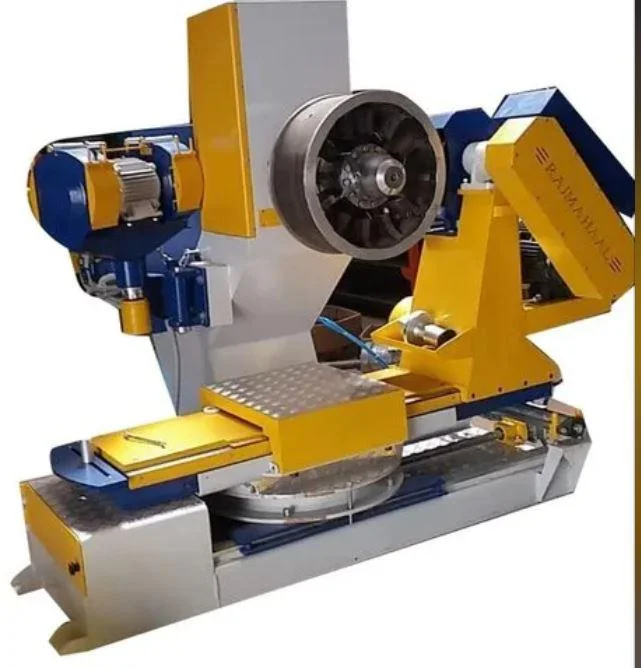
What are Buffing Machines?
Buffing machines are specialized industrial tools designed to polish and refine surfaces of various materials, primarily metals and plastics. These machines utilize a combination of abrasive wheels and compounds to create a smooth and shiny finish. The buffing process involves the application of friction, which helps to eliminate imperfections and enhance the aesthetic appeal of the surface.
These machines find their primary use in industries such as automotive, aerospace, manufacturing, and metalworking. In automotive applications, buffing machines are essential for giving vehicles a polished look, while in aerospace, they ensure that components meet strict surface quality standards. The relevance of buffing machines in today's market is significant, as the demand for high-quality finishes continues to rise across various sectors, emphasizing the importance of efficient and effective polishing solutions.
Key Features and Specifications
Buffing machines come with various features tailored to meet the needs of different industries. Understanding these specifications is crucial for selecting the right machine for your application.
Key specifications include:
1. Motor Power
- Typically ranges from 0.5 to 5 horsepower.
- Higher power allows for more efficient buffing operations.
2. Buffing Wheel Size
- Common sizes include 6, 8, and 10 inches in diameter.
- Larger wheels cover more surface area but require more power.
3. Speed Control
- Machines may feature variable speed settings from 1000 to 3600 RPM.
- Adjustable speeds allow for flexibility based on material and finish required.
4. Weight
- Buffing machines can weigh between 30 and 100 pounds.
- Heavier machines tend to be more stable during operation.
5. Construction Material
- Typically made from durable metals or high-strength plastics.
- Robust construction ensures longevity and reliability.
6. Safety Features
- Includes guards, emergency stop buttons, and thermal overload protection.
- Safety features are essential to protect operators during use.
7. Power Supply
- Machines generally operate on standard electrical outlets (110V or 220V).
- Some models may offer battery-powered options for portability.
8. Noise Level
- Noise levels can range from 70 to 85 decibels.
- Consideration of noise is important for compliance with workplace regulations.
In summary, the right buffing machine should match the specific needs of your operations while offering sufficient power, speed control, and safety features.
Common Applications and Use Cases
Buffing machines are versatile tools that serve various industries effectively.
1. Automotive: Buffing machines are used to polish car exteriors, enhancing shine and removing scratches, resulting in a showroom finish.
2. Aerospace: In the aerospace sector, buffing machines ensure that aircraft components have a smooth surface, which is crucial for performance and safety.
3. Manufacturing: These machines are essential in manufacturing settings for finishing metal parts, improving aesthetics, and preparing surfaces for coatings.
4. Jewelry: Buffing machines are used to provide jewelry with a high polish, enhancing its visual appeal and value.
5. Furniture: In the furniture industry, buffing machines help achieve a fine finish on wood and metal surfaces, contributing to overall product quality.
6. Electronics: Buffing is vital in electronics to smoothen cases and components, ensuring better fit and finish.
7. Medical Devices: Buffing machines are used in the production of medical devices, where surface finish can impact performance and hygiene.
Product Variants and Subcategories
Buffing machines vary in design and functionality to cater to different operational needs.
Variable Speed Buffing Machines
These machines allow operators to adjust the speed based on the material being polished. They are particularly useful when working with a variety of materials and finishes.
Bench Buffing Machines
Designed for use on workbenches, these machines are compact and suitable for small-scale operations. They are ideal for DIY enthusiasts and small workshops.
Portable Buffing Machines
These lightweight machines are designed for mobility and are perfect for on-site applications. They are commonly used in automotive detailing and maintenance.
Floor Buffing Machines
Larger in size and designed for industrial use, these machines can handle extensive buffing tasks. They are often used in manufacturing facilities and workshops.
Benefits and Advantages
Buffing machines offer numerous benefits that enhance productivity and quality in various applications.
1. Enhanced Surface Finish: Buffing machines provide a superior finish, improving the aesthetic and functional qualities of products.
2. Increased Efficiency: These machines significantly reduce the time required for polishing tasks compared to manual methods.
3. Versatility: Buffing machines can be used on a wide range of materials, making them ideal for multi-industry applications.
4. Reduced Labor Costs: By automating the buffing process, businesses can lower labor costs and allocate resources more efficiently.
5. Consistent Results: Buffing machines provide uniform results, ensuring that every product meets quality standards.
6. Ease of Use: Most buffing machines are designed for user-friendliness, allowing operators to achieve professional results with minimal training.
Buying Guide for B2B Buyers
When sourcing buffing machines, several key factors should be considered to ensure the right choice is made.
1. Quality Assessment: Evaluate the quality of materials and construction to ensure durability and reliability. Look for machines that meet industry standards.
2. Supplier Verification: Vet suppliers thoroughly by checking their credentials, customer reviews, and industry reputation. Reliable suppliers often have a track record of delivering high-quality products.
3. Pricing and MOQ: Consider the cost of the machines in relation to your budget and the minimum order quantity required by suppliers. Make sure to compare prices across different vendors.
4. Delivery and Lead Times: Assess the logistics involved in acquiring the machines, including shipping times and delivery reliability. Timely delivery is crucial for maintaining production schedules.
5. Compliance Requirements: Ensure that the machines comply with relevant industry regulations and standards. This may include safety certifications and quality assurance marks.
Compliance and Certifications
Buffing machines must adhere to various compliance and certification standards to ensure safety and quality.
Many buffing machines are compliant with ISO 9001, which sets the criteria for a quality management system. This certification indicates that a manufacturer follows best practices in production and maintains high-quality standards.
Additionally, certain machines may carry CE certification, signaling compliance with health, safety, and environmental protection standards set by the European Union.
It is essential to consider safety and testing requirements specific to the region where the machines will be used. This includes ensuring that machines meet local regulations and safety standards to protect operators.
Regional compliance considerations may vary, so understanding the specific requirements in your market is crucial for avoiding potential legal issues.
Why Source Buffing Machines from Pepagora?
Pepagora offers a reliable platform for sourcing buffing machines, providing several key advantages for B2B buyers.
Verified Supplier Network: Pepagora connects buyers with verified suppliers, ensuring that businesses can source high-quality buffing machines from reputable manufacturers. This reduces the risk of purchasing subpar equipment.
Streamlined RFQ Process: The Request for Quotation (RFQ) process on Pepagora is designed to be efficient and user-friendly. Buyers can easily submit their requirements and receive competitive quotes from multiple suppliers.
Trade Assurance and Support: Pepagora provides trade assurance, giving buyers peace of mind through protection against potential risks in transactions. Support teams are available to assist with any inquiries or issues.
Regional Coverage: With a broad geographic reach across India, the Gulf Cooperation Council (GCC), and Southeast Asia, Pepagora can cater to businesses in various markets, facilitating seamless sourcing across regions.

 IN
IN