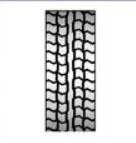
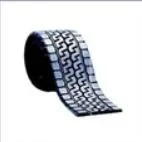
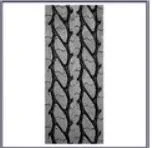
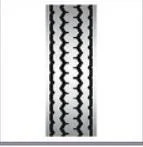
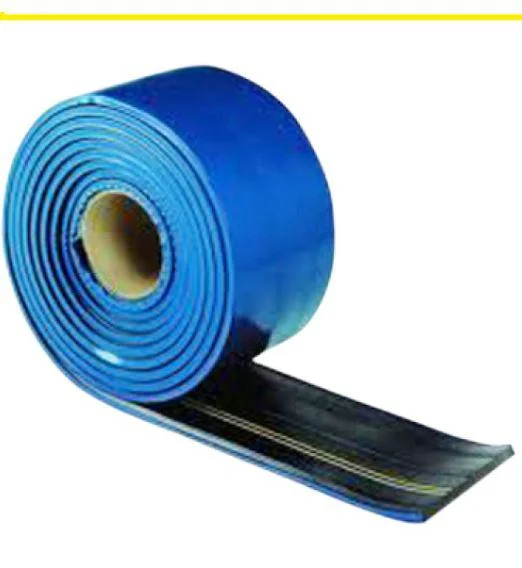
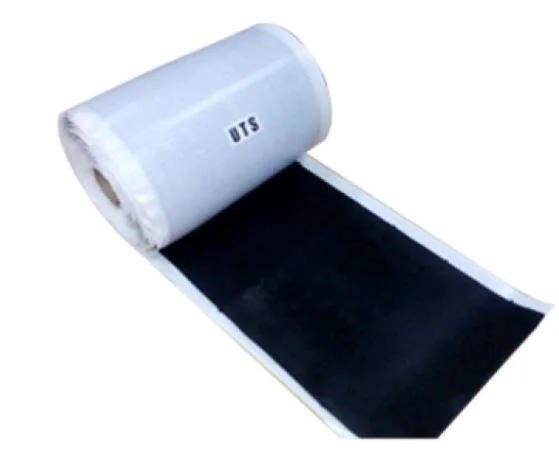
What are Tread Rubber for Retreading?
Tread rubber for retreading is a specialized material designed to be bonded to the worn tread of a tire, allowing the tire to be reused for an extended period. This process involves removing the old tread and replacing it with new rubber, which helps restore the tire's performance and extend its lifespan. Retreading is an eco-friendly solution that reduces waste and maximizes the use of existing tire casings.
The primary uses for tread rubber encompass various commercial and industrial applications, particularly in the transportation and logistics sectors. Businesses that rely on large fleets of vehicles, such as trucking companies and public transportation systems, benefit significantly from cost savings associated with retreading. By utilizing tread rubber, these companies can minimize expenses related to tire replacement while maintaining optimal performance.
In terms of market context, the retreading industry has gained relevance as sustainability becomes a priority. With increasing environmental regulations and awareness, companies are turning to retreading as a viable solution to reduce their carbon footprint. This trend is supported by advances in tire technology and the ongoing demand for cost-effective solutions in fleet management.
Key Features and Specifications
Tread rubber for retreading is characterized by several key features that ensure durability and performance. The specifications of tread rubber can vary based on intended use and manufacturing processes. Understanding these specifications is crucial for buyers looking to make informed decisions.
Key specifications include:
1. Material Composition
- Typically made from high-quality synthetic or natural rubber blends
- Ensures flexibility and wear resistance
2. Adhesion Properties
- Designed for optimal bonding with existing tire casings
- Provides strong adhesion under varying temperatures and conditions
3. Tread Patterns
- Available in various patterns tailored for specific applications
- Enhances traction and performance in diverse environments
4. Durability Ratings
- Evaluated based on wear resistance and longevity
- Compliant with industry standards for retreaded tires
5. Size Options
- Available in multiple sizes to fit various tire dimensions
- Custom sizing may be available upon request
6. Temperature Range
- Designed to withstand a broad range of operating temperatures
- Specific ranges may vary by product
7. Compliance Standards
- Conforms to relevant industry certifications, such as CE
- Meets safety and performance regulations
8. Shelf Life
- Typically designed for a specific shelf life to maintain quality
- Important for inventory management in B2B settings
In summary, understanding the features and specifications of tread rubber is essential for businesses looking to leverage retreading for operational efficiency.
Common Applications and Use Cases
Tread rubber for retreading serves a wide array of industries, making it a versatile product in the market.
1. Transportation and Logistics: In this sector, tread rubber is used extensively for retreading truck tires, allowing for significant cost savings while ensuring safety and reliability on the road.
2. Construction: Heavy machinery and construction vehicles benefit from retreaded tires, as they require robust solutions to handle challenging terrains and heavy loads.
3. Agriculture: Agricultural equipment uses retreaded tires to enhance traction in fields while reducing the overall cost of tire maintenance.
4. Mining: In the mining industry, retreaded tires are essential for maintaining operational efficiency in harsh environments.
5. Public Transit: Buses and other public transit vehicles often utilize retreaded tires to reduce costs and improve sustainability practices.
6. Waste Management: Waste collection vehicles benefit from the durability of retreaded tires, which can withstand the demands of frequent stops and heavy loads.
7. Delivery Services: Companies engaged in parcel delivery rely on retreaded tires for their fleet, balancing performance with economic considerations.
Product Variants and Subcategories
While specific subcategories are not available, there are various product variants of tread rubber tailored to meet different performance needs and applications.
Standard Tread Rubber
This variant is designed for general retreading applications. It offers a balance of durability and cost-effectiveness, making it suitable for a wide range of vehicles.
Specialized Tread Rubber
Engineered for specific applications, this variant may include unique tread patterns and compounds that enhance performance in targeted environments, such as off-road or extreme weather conditions.
Eco-Friendly Tread Rubber
Manufactured with sustainable practices in mind, this variant focuses on reducing environmental impact while providing reliable performance.
Benefits and Advantages
Choosing tread rubber for retreading offers several advantages that can significantly benefit businesses.
1. Cost Efficiency: Retreading tires using tread rubber is often more economical than purchasing new tires, allowing businesses to save on operational costs.
2. Environmental Sustainability: Retreading helps reduce waste by extending the life of existing tires, contributing to more sustainable business practices.
3. Performance Maintenance: High-quality tread rubber ensures that retreaded tires perform comparably to new tires, maintaining safety and efficiency.
4. Customization Options: Businesses can often find tread rubber tailored to their specific needs, ensuring optimal performance for their fleet.
5. Reduced Downtime: The retreading process can be quicker than sourcing new tires, minimizing downtime for vehicles and equipment.
6. Compliance with Industry Standards: Retreaded tires made with certified tread rubber meet essential safety and performance standards, providing peace of mind for businesses.
Buying Guide for B2B Buyers
When sourcing tread rubber for retreading, it is essential for B2B buyers to consider several critical factors to ensure they make informed decisions.
1. Quality Assessment: Evaluate the quality of tread rubber based on its material composition, durability ratings, and performance characteristics. Conducting tests or obtaining samples can help verify quality.
2. Supplier Verification: It is vital to vet suppliers for reliability and reputation. Look for certifications and industry experience to ensure you are partnering with a trustworthy supplier.
3. Pricing and MOQ: Understand the pricing structure, including minimum order quantities (MOQ). This will help you budget effectively and ensure that the deal aligns with your business needs.
4. Delivery and Lead Times: Inquire about delivery timelines and logistics to ensure that your supply chain remains uninterrupted. Timely access to materials is essential for maintaining operations.
5. Compliance Requirements: Familiarize yourself with any regulatory or compliance requirements related to tread rubber and retreading in your region. Ensuring compliance can prevent legal issues and enhance safety.
Compliance and Certifications
Compliance and certifications are crucial aspects of tread rubber for retreading. Key quality standards include ISO 9001, which pertains to quality management systems, and CE certification, indicating conformity with health, safety, and environmental protection standards.
In addition, safety and testing requirements must be met to ensure products are safe for use. This includes rigorous performance testing to verify durability and effectiveness.
Regional compliance considerations may vary, necessitating awareness of local regulations concerning tire retreading and environmental practices. Staying informed about these requirements can help businesses avoid compliance issues and enhance their operational credibility.
Why Source Tread Rubber for Retreading from Pepagora?
Pepagora offers a trusted platform for sourcing tread rubber for retreading, providing several key advantages that enhance the purchasing experience for B2B buyers.
Verified Supplier Network: Pepagora features a network of verified suppliers, ensuring that buyers have access to high-quality materials from reputable sources. This verification process builds trust and reliability in the procurement process.
Streamlined RFQ Process: The platform simplifies the request for quotation (RFQ) process, allowing buyers to easily obtain competitive quotes from multiple suppliers. This efficiency helps businesses make informed decisions quickly.
Trade Assurance and Support: Pepagora provides trade assurance and support, offering buyers protection throughout the purchasing process. This can include assistance with disputes and ensuring quality compliance.
Regional Coverage: With a strong presence in India, the Gulf Cooperation Council (GCC), and Southeast Asia, Pepagora's regional coverage facilitates easy access to tread rubber for retreading across diverse markets, catering to the needs of businesses in various geographical locations.

 IN
IN