𝗪𝗵𝗮𝘁 𝗮𝗿𝗲 𝗧𝗲𝗹𝗲𝗵𝗲𝗮𝗹𝘁𝗵 𝗗𝗲𝘃𝗶𝗰𝗲𝘀 & 𝗦𝗼𝗳𝘁𝘄𝗮𝗿𝗲?
Telehealth devices and software facilitate remote healthcare delivery through technology. These solutions enable healthcare professionals to provide medical services, monitor patient health, and interact with patients without the need for in-person visits. The growing trend of telehealth has transformed how medical care is accessed, making it more convenient and efficient for patients and providers alike.
The primary uses of telehealth devices and software include remote patient monitoring, virtual consultations, and electronic health record management. Businesses utilize these tools to expand their service offerings, improve patient outcomes, and streamline operations. As the demand for telehealth continues to rise, especially in response to global health crises, organizations are increasingly adopting these technologies to enhance their capabilities.
Telehealth solutions are becoming essential in the healthcare industry, especially as regulations evolve to support remote care. The market for telehealth devices and software is expanding rapidly, driven by advancements in communication technology and an increased focus on patient-centered care. As healthcare providers seek innovative ways to improve service delivery and patient engagement, telehealth is positioned as a critical component of modern healthcare systems.
𝗞𝗲𝘆 𝗙𝗲𝗮𝘁𝘂𝗿𝗲𝘀 𝗮𝗻𝗱 𝗦𝗽𝗲𝗰𝗶𝗳𝗶𝗰𝗮𝘁𝗶𝗼𝗻𝘀
Telehealth devices and software come equipped with a variety of features designed to enhance the user experience and ensure effective healthcare delivery. The specifications are critical in determining the suitability of these products for specific healthcare environments.
Key specifications include:
1. Remote Monitoring Capabilities
- Enables continuous tracking of patient health metrics.
- Supports various parameters such as heart rate, blood pressure, and glucose levels.
2. User Interface Design
- Intuitive interfaces for easy navigation by both healthcare providers and patients.
- Incorporates accessibility features for diverse user needs.
3. Data Security and Privacy
- Adheres to HIPAA regulations for protecting patient information.
- Utilizes encryption protocols to safeguard data transmission.
4. Integration with EHR Systems
- Compatible with existing electronic health record systems.
- Facilitates seamless data sharing among healthcare teams.
5. Multi-Device Compatibility
- Operates on various devices including smartphones, tablets, and computers.
- Ensures flexibility in accessing telehealth services.
6. Video Conferencing Features
- High-quality video and audio for virtual consultations.
- Includes features such as screen sharing and recording.
7. Customizable Alerts and Notifications
- Allows healthcare providers to set alerts for patient health changes.
- Enhances proactive care management.
8. Reporting and Analytics Tools
- Provides insights into patient outcomes and service effectiveness.
- Supports data-driven decision-making in healthcare settings.
These features collectively enhance the functionality and usability of telehealth devices and software, making them valuable tools in modern healthcare practice.
𝗖𝗼𝗺𝗺𝗼𝗻 𝗔𝗽𝗽𝗹𝗶𝗰𝗮𝘁𝗶𝗼𝗻𝘀 𝗮𝗻𝗱 𝗨𝘀𝗲 𝗖𝗮𝘀𝗲𝘀
Telehealth devices and software find applications across a variety of industries, enhancing healthcare delivery and patient management.
1. Healthcare Providers: Hospitals and clinics use telehealth solutions for virtual consultations, reducing patient wait times and increasing access to specialists.
2. Remote Patient Monitoring: Home healthcare agencies implement telehealth tools to monitor patients with chronic conditions, improving health outcomes and reducing hospital readmissions.
3. Mental Health Services: Psychologists and therapists utilize telehealth platforms for remote therapy sessions, ensuring continuity of care for their patients.
4. Rehabilitation Services: Physical therapists leverage telehealth technology to offer guided exercises and rehabilitation programs remotely, enhancing patient engagement.
5. Insurance Companies: Payers use telehealth solutions to facilitate remote assessments, reducing costs associated with in-person visits.
6. Pharmacies: Community pharmacies employ telehealth services to provide medication management and consultations, helping patients manage their prescriptions effectively.
7. Emergency Services: Telehealth platforms assist emergency responders in triaging patients and providing immediate care advice, optimizing resource allocation.
𝗣𝗿𝗼𝗱𝘂𝗰𝘁 𝗩𝗮𝗿𝗶𝗮𝗻𝘁𝘀 𝗮𝗻𝗱 𝗦𝘂𝗯𝗰𝗮𝘁𝗲𝗴𝗼𝗿𝗶𝗲𝘀
Telehealth devices and software exhibit significant diversity to cater to different healthcare needs.
Virtual Consultation Software
This variant focuses on facilitating real-time consultations between patients and healthcare providers. Features often include secure messaging, video conferencing, and appointment scheduling.
Remote Monitoring Devices
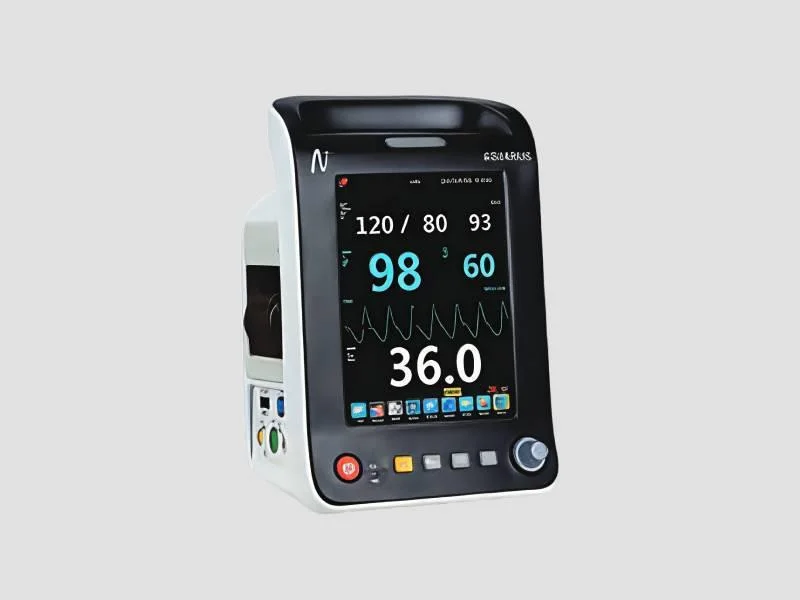
These devices are designed to monitor patient health metrics from home. They may include wearable technology, blood pressure monitors, or glucose meters that transmit data to healthcare professionals.
Patient Engagement Platforms
These software solutions aim to enhance patient engagement through educational resources, appointment reminders, and health tracking features. They are vital for improving patient adherence to treatment plans.
𝗕𝗲𝗻𝗲𝗳𝗶𝘁𝘀 𝗮𝗻𝗱 𝗔𝗱𝘃𝗮𝗻𝘁𝗮𝗴𝗲𝘀
Telehealth devices and software offer numerous benefits that contribute to improved healthcare delivery.
1. Increased Accessibility: Telehealth solutions enable patients to access healthcare services from remote locations, breaking down geographical barriers.
2. Cost-Effectiveness: By reducing the need for in-person visits, telehealth can lower healthcare costs for both providers and patients.
3. Improved Patient Engagement: These technologies promote active patient participation in their healthcare, leading to better health outcomes.
4. Enhanced Efficiency: Telehealth systems streamline administrative processes, enabling healthcare providers to focus more on patient care.
5. Timely Interventions: Remote monitoring allows for real-time health data analysis, facilitating quick responses to health changes.
6. Greater Flexibility: Patients can schedule appointments at their convenience, promoting adherence to care plans and reducing missed visits.
𝗕𝘂𝘆𝗶𝗻𝗴 𝗚𝘂𝗶𝗱𝗲 𝗳𝗼𝗿 𝗕𝟮𝗕 𝗕𝘂𝘆𝗲𝗿𝘀
When sourcing telehealth devices and software, several factors should be considered to ensure the selection of the right products.
1. Quality Assessment: Evaluate the quality of devices and software based on performance metrics, user reviews, and clinical validation to ensure reliability.
2. Supplier Verification: Conduct thorough background checks on suppliers to confirm their credibility and track record in the industry.
3. Pricing and MOQ: Assess pricing strategies and minimum order quantities to align with budget constraints and operational needs.
4. Delivery and Lead Times: Understand the logistics involved, including delivery times and shipping methods, to plan for timely implementation.
5. Compliance Requirements: Ensure products meet regulatory standards and certifications relevant to your region, such as CE marking for safety and efficacy.
𝗖𝗼𝗺𝗽𝗹𝗶𝗮𝗻𝗰𝗲 𝗮𝗻𝗱 𝗖𝗲𝗿𝘁𝗶𝗳𝗶𝗰𝗮𝘁𝗶𝗼𝗻𝘀
Telehealth devices and software must comply with various quality standards to ensure safety and effectiveness.
ISO 9001 provides a framework for quality management systems, ensuring that products are consistently produced to meet customer and regulatory requirements.
CE certification indicates that a product complies with European safety standards, making it critical for products marketed within the European Union.
Adherence to safety and testing requirements is essential, as telehealth devices must be reliable and secure for patient data.
Regional compliance considerations may vary, necessitating awareness of local regulations governing telehealth practices and technology usage.
𝗪𝗵𝘆 𝗦𝗼𝘂𝗿𝗰𝗲 𝗧𝗲𝗹𝗲𝗵𝗲𝗮𝗹𝘁𝗵 𝗗𝗲𝘃𝗶𝗰𝗲𝘀 & 𝗦𝗼𝗳𝘁𝘄𝗮𝗿𝗲 𝗳𝗿𝗼𝗺 𝗣𝗲𝗽𝗮𝗴𝗼𝗿𝗮?
Pepagora offers a trusted platform for sourcing telehealth devices and software, providing several key advantages for B2B buyers.
Verified Supplier Network: Pepagora maintains a rigorous verification process for suppliers, ensuring that buyers can confidently select from reputable sources. This network includes vendors who meet industry standards and possess the necessary certifications.
Streamlined RFQ Process: The request for quotation system on Pepagora simplifies the procurement process. Buyers can easily obtain multiple quotes, compare options, and make informed purchasing decisions without extensive back-and-forth communication.
Trade Assurance and Support: Pepagora offers buyer protection through trade assurance programs. This support helps mitigate risks associated with purchasing, providing peace of mind during transactions.
Regional Coverage: With a broad geographic reach across India, the GCC, and Southeast Asia, Pepagora connects buyers with suppliers in key markets. This regional presence allows for tailored solutions that cater to specific local needs and regulations.

 IN
IN

 India
India