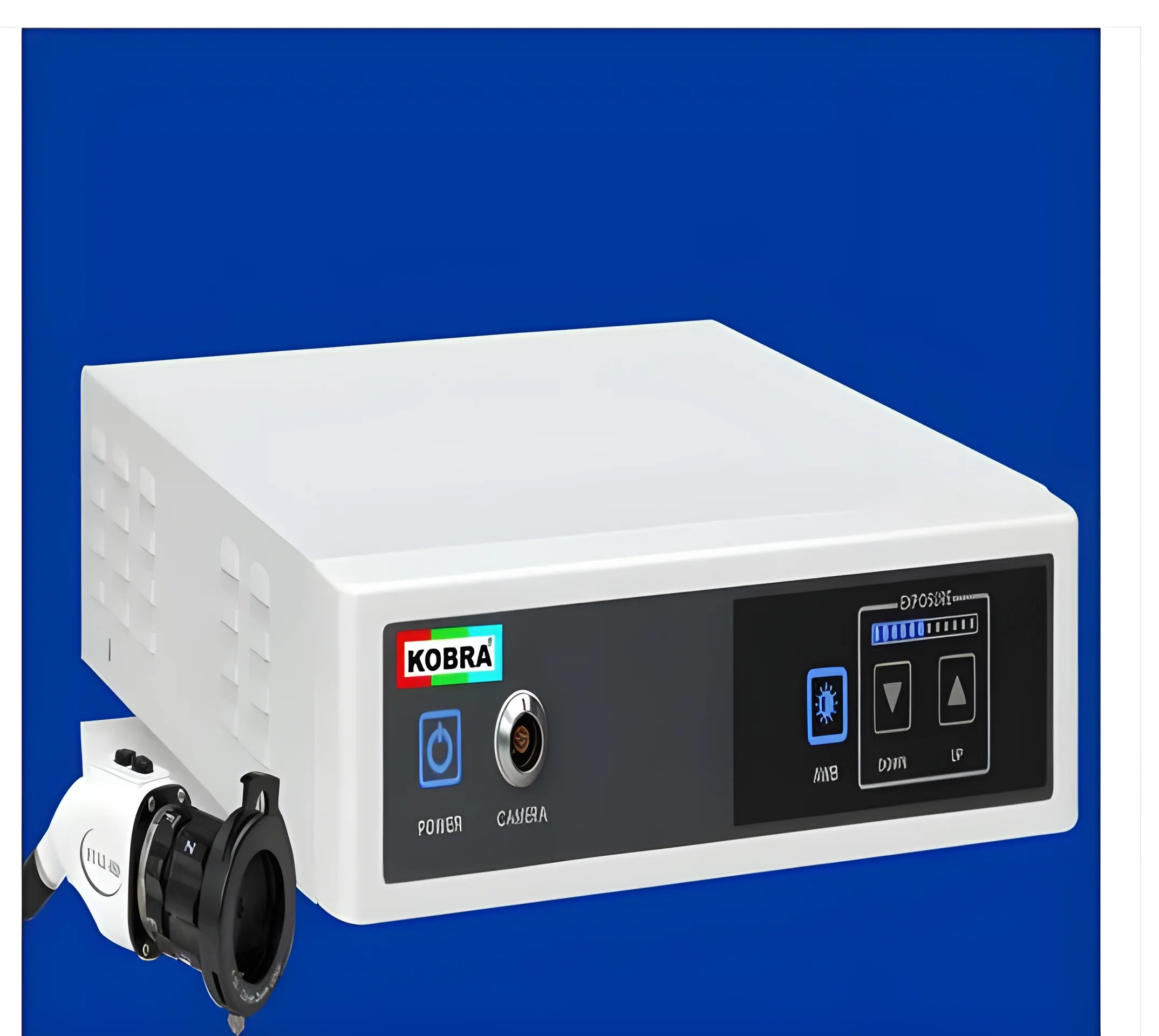
Key Features and Specifications
Portable medical cameras for ENT and dental applications come with a variety of features designed to enhance their functionality and ease of use. These specifications ensure that healthcare providers can perform their tasks effectively and efficiently.
Key specifications include:
1. Imaging Resolution
- High-definition imaging capabilities
- Typically ranges from 720p to 1080p
2. Light Source
- Integrated LED lighting for optimal visibility
- Adjustable brightness settings
3. Connectivity Options
- USB and HDMI outputs for easy connectivity
- Wireless options available for remote viewing
4. Battery Life
- Extended battery life for prolonged use
- Usually lasts 3-5 hours on a full charge
5. Weight and Portability
- Lightweight design for ease of transport
- Often weighs less than 1 kg
6. Compatibility
- Compatible with various imaging software
- Supports multiple file formats for recording
7. Ergonomic Design
- User-friendly interface for ease of operation
- Designed for comfortable handling during procedures
8. Durability
- Built to withstand frequent use
- Often water and dust resistant
These specifications make portable medical cameras invaluable tools in ENT and dental practices, allowing for accurate diagnostics and improved patient outcomes.
Common Applications and Use Cases
Portable medical cameras are versatile tools utilized across various industries. Their adaptability enhances diagnostic and treatment capabilities in numerous settings.
1. ENT Clinics: In ENT practices, these cameras are used for examining the nasal passages, throat, and ear canals. They provide detailed images that aid in diagnosing conditions such as sinus infections or ear diseases.
2. Dental Offices: Dentists use portable cameras to capture images of teeth and gums. This helps in identifying cavities, gum disease, and planning treatment procedures.
3. Emergency Medical Services: In emergency situations, portable cameras can assist paramedics in assessing injuries or conditions on-site, facilitating quicker decision-making for treatment.
4. Veterinary Clinics: Veterinarians utilize these cameras for examining animals' ears and mouths, ensuring accurate diagnoses and treatments for pets.
5. Telemedicine: With the rise of telehealth, portable cameras enable remote consultations. Professionals can provide better assessments by sharing images with specialists for further analysis.
6. Academic Institutions: Medical training programs use portable cameras for teaching purposes, allowing students to observe procedures and surgical techniques.
7. Research Facilities: In research settings, these cameras assist in documenting experimental procedures and outcomes, contributing to advancements in medical science.
Product Variants and Subcategories
Portable medical cameras are available in various models, each designed to cater to specific needs and applications. The diversity of these cameras allows healthcare providers to choose the right tool for their practice.
ENT Camera Model
This model features specialized optics for enhanced visualization of the ear, nose, and throat. It typically includes a high-resolution lens and adjustable lighting, making it suitable for detailed examinations and minor surgical procedures.
Dental Camera Model
Designed specifically for dental use, this model provides high-definition imaging of oral structures. Its compact design allows for easy maneuverability in tight spaces, ensuring that dentists can capture clear images for diagnosis and treatment planning.
Benefits and Advantages
Portable medical cameras offer numerous benefits that enhance medical practice and patient care. Their advanced features contribute to improved diagnostic accuracy and treatment efficiency.
Key benefits include:
1. Enhanced Visualization: High-definition imaging allows for better examination of critical areas, leading to more accurate diagnoses.
2. Portability: Their lightweight design enables easy transport, making them suitable for use in various medical settings.
3. Real-time Imaging: Healthcare providers can view images in real-time, facilitating immediate decision-making during procedures.
4. Versatility: These cameras can be used across multiple medical fields, from ENT to dental applications, increasing their value.
5. Cost Efficiency: By reducing the need for multiple imaging devices, portable cameras can lower overall equipment costs for medical practices.
6. Improved Patient Engagement: Patients can see their conditions more clearly, fostering better communication between providers and patients.
Buying Guide for B2B Buyers
When considering the purchase of portable medical cameras for ENT and dental applications, several important factors should be taken into account to ensure the right choice is made.
1. Quality Assessment: Evaluate the image quality and resolution capabilities. Look for cameras that provide high-definition imaging to ensure accurate diagnostics.
2. Supplier Verification: Research potential suppliers to confirm their reliability and reputation in the market. Look for reviews and testimonials from other healthcare professionals.
3. Pricing and MOQ: Compare pricing from different suppliers, and be aware of minimum order quantities that may affect your purchasing decisions.
4. Delivery and Lead Times: Consider the expected delivery times when placing an order. Ensure that the supplier can meet your timelines for equipment needs.
5. Compliance Requirements: Familiarize yourself with relevant regulatory standards and certifications, such as CE certification, to ensure that the products meet industry requirements.
Compliance and Certifications
Compliance and certifications are crucial aspects of portable medical cameras for ENT and dental applications. These ensure that the devices meet safety and quality standards essential for medical use.
Relevant quality standards such as ISO 9001 ensure that manufacturers maintain effective quality management systems. This certification indicates that products are consistently produced to meet customer and regulatory requirements.
Industry certifications, including CE marking, confirm that the product complies with European health, safety, and environmental protection standards. This is significant for devices intended for use in the European market.
Safety and testing requirements must also be met, especially for devices that will be used in sensitive medical settings. Manufacturers should conduct rigorous testing to ensure that their cameras are safe for both practitioners and patients.
Regional compliance considerations may vary, so it is essential to understand local regulations governing medical devices in your area. This may include specific certifications or quality checks mandated by healthcare authorities.
Why Source Portable Medical Cameras (ENT, Dental) from Pepagora?
Pepagora serves as a trusted platform for sourcing portable medical cameras for ENT and dental applications, offering several key advantages to buyers.
Verified Supplier Network: Pepagora provides access to a network of verified suppliers. This ensures that buyers can source quality products with confidence, minimizing the risk of purchasing from unreliable sources.
Streamlined RFQ Process: The request for quotation (RFQ) process is designed to be straightforward, allowing buyers to obtain competitive pricing efficiently. This helps in making informed purchasing decisions quickly.
Trade Assurance and Support: Pepagora offers trade assurance, protecting buyers from potential issues in transactions. This includes support throughout the purchasing process, ensuring a smooth experience.
Regional Coverage: With a strong presence in regions such as India, GCC, and Southeast Asia, Pepagora connects buyers with local suppliers. This regional coverage ensures that buyers can find products that meet their specific needs while considering logistical aspects.

 IN
IN