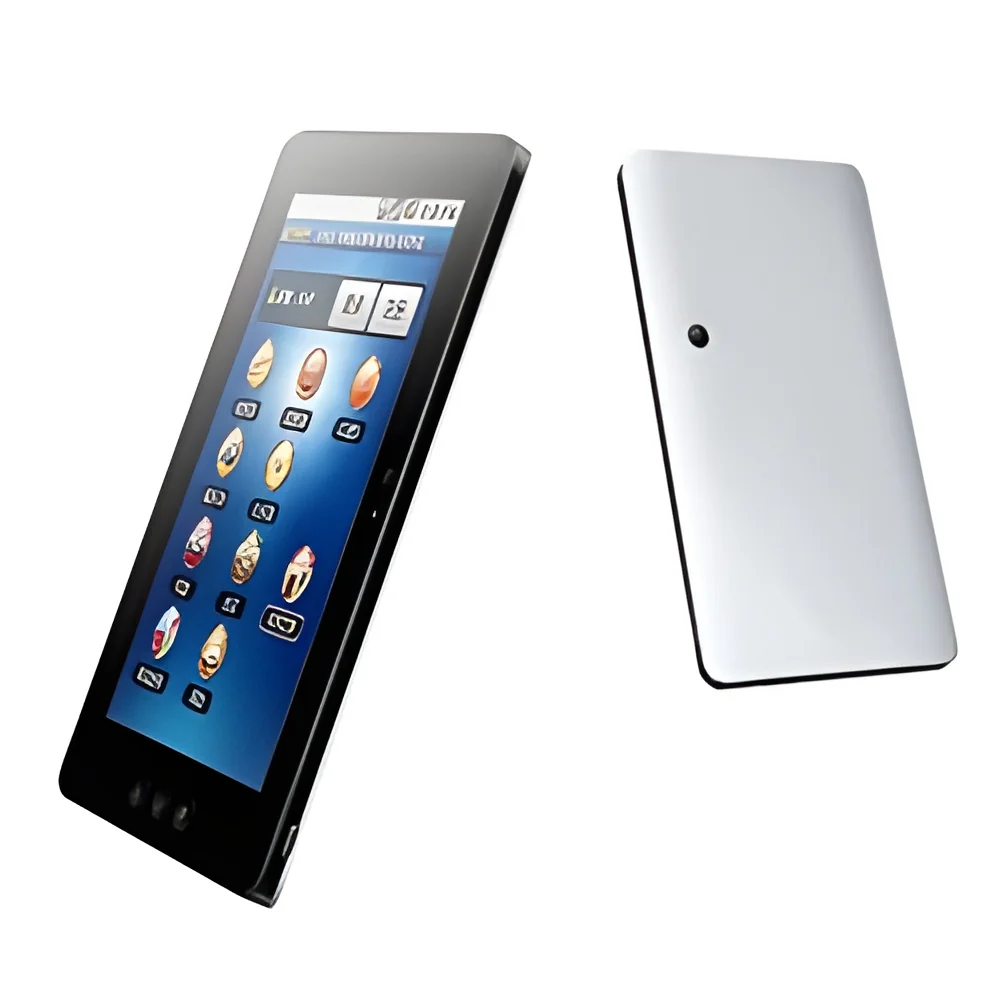
What are Portable Wi-Fi Devices for Remote Clinics?
Portable Wi-Fi devices for remote clinics are compact, wireless communication tools designed to provide internet connectivity in areas lacking stable network infrastructure. These devices enable healthcare professionals to access vital medical information, share patient data, and communicate with specialists in real-time, even in the most remote locations. By facilitating reliable internet access, these devices play a crucial role in enhancing the efficiency and quality of healthcare services.
The primary applications of portable Wi-Fi devices in remote clinics include telemedicine, patient monitoring, and data collection. They support various medical applications, allowing healthcare providers to conduct virtual consultations, share diagnostic images, and maintain electronic health records. As telehealth becomes increasingly critical in delivering care, the demand for these devices grows in response to the need for efficient healthcare solutions in underserved areas.
The relevance of portable Wi-Fi devices extends beyond individual clinics; they are vital components of broader healthcare initiatives. As many governments and organizations strive to improve healthcare access, especially in rural and underserved regions, portable Wi-Fi devices emerge as essential tools to bridge the digital divide. Their integration into healthcare systems reflects a growing trend toward technology-driven solutions in the medical field.
Key Features and Specifications
Portable Wi-Fi devices for remote clinics come equipped with various features designed to optimize connectivity and performance. These devices are built to withstand challenging environments while ensuring reliable internet access for medical professionals in the field.
Key specifications include:
1. Connectivity Range
- Provides Wi-Fi coverage within a specified radius, typically ranging from 30 to 100 meters, depending on the model.
2. Battery Life
- Offers long-lasting battery performance, often lasting between 8 to 24 hours on a single charge, ensuring uninterrupted service.
3. Data Speed
- Supports high-speed internet access, with speeds generally ranging from 150 Mbps to 1 Gbps, allowing for seamless data transmission.
4. Number of Connections
- Capable of supporting multiple simultaneous connections, often accommodating between 5 to 30 devices depending on the model.
5. Network Compatibility
- Compatible with various network standards, including 3G, 4G LTE, and Wi-Fi 5/6, providing versatility in connectivity options.
6. Security Features
- Equipped with advanced security protocols such as WPA2 encryption to protect sensitive medical data during transmission.
7. Portability
- Designed to be lightweight and compact for easy transport, often weighing less than 500 grams and fitting comfortably in a healthcare provider's bag.
8. User Interface
- Features an intuitive user interface with display screens for monitoring connectivity status and data usage.
In summary, these key specifications highlight the essential attributes of portable Wi-Fi devices, making them indispensable for remote healthcare delivery.
Common Applications and Use Cases
Portable Wi-Fi devices for remote clinics serve a wide range of industries by enhancing connectivity and enabling efficient healthcare solutions.
1. Telemedicine: These devices facilitate virtual consultations between patients and healthcare providers, enabling timely access to medical advice and reducing the need for travel.
2. Emergency Response: In disaster-stricken areas, portable Wi-Fi devices allow emergency teams to establish communication networks swiftly, ensuring effective coordination and care delivery.
3. Mobile Health Clinics: These devices are crucial for mobile health units that travel to underserved areas, providing internet access for medical professionals to access patient records and share information.
4. Remote Monitoring: Healthcare providers use these devices to connect wearable health monitors to the internet, allowing real-time data collection and analysis to improve patient outcomes.
5. Research and Data Collection: Researchers conducting field studies in remote locations rely on portable Wi-Fi devices to collect and transmit data efficiently.
6. Education and Training: Medical training programs in rural areas utilize these devices to provide online education and resources to healthcare workers.
7. Pharmaceutical Distribution: The devices help pharmaceutical representatives access real-time data during visits to clinics, ensuring accurate information sharing with healthcare professionals.
Product Variants and Subcategories
Portable Wi-Fi devices for remote clinics come in various models designed to meet specific needs.
Compact Wi-Fi Hotspot
This variant is designed for individual healthcare professionals, providing reliable internet access for telemedicine consultations and data sharing. It is lightweight and easy to carry, making it ideal for on-the-go use.
Rugged Wi-Fi Router
Engineered for challenging environments, this robust device offers enhanced durability and protection against harsh conditions. It is suitable for emergency response teams and mobile health clinics operating in remote areas.
High-Capacity Wi-Fi Hub
Designed for larger teams, this device supports multiple simultaneous connections and high data speeds, making it perfect for mobile health units with many healthcare providers. Its extensive coverage ensures that all team members stay connected.
Benefits and Advantages
Portable Wi-Fi devices for remote clinics offer numerous benefits that enhance healthcare delivery.
1. Improved Access to Care: These devices enable healthcare providers to reach patients in remote areas, ensuring that everyone has access to necessary medical services.
2. Enhanced Communication: Reliable internet connectivity allows for seamless communication between healthcare teams and specialists, improving collaboration and patient outcomes.
3. Increased Efficiency: By facilitating quick access to patient information and telemedicine services, these devices streamline workflows and reduce wait times.
4. Cost-Effective Solution: Investing in portable Wi-Fi devices can lower travel costs for healthcare providers, as they can provide care remotely without needing to visit patients in person.
5. Flexible Deployment: These devices can be easily transported and set up in various locations, making them suitable for temporary clinics or emergency response situations.
6. Data Security: With advanced security features, these devices help protect sensitive patient information, ensuring compliance with healthcare regulations.
Buying Guide for B2B Buyers
When sourcing portable Wi-Fi devices for remote clinics, several factors should be considered to ensure the best choice for your organization.
1. Quality Assessment: Evaluate the quality and performance of the devices by reviewing technical specifications, user reviews, and reliability ratings to ensure they meet your clinic's needs.
2. Supplier Verification: Vet potential suppliers by checking their credentials, industry reputation, and customer feedback to ensure you partner with a reliable source.
3. Pricing and MOQ: Understand the pricing structure for the devices and consider the minimum order quantity (MOQ) required by suppliers to make informed purchasing decisions.
4. Delivery and Lead Times: Discuss logistics with suppliers, ensuring that they can meet your delivery timelines and provide support during the onboarding process.
5. Compliance Requirements: Ensure that the devices meet relevant regulatory standards for healthcare technology, protecting patient data and maintaining compliance with local laws.
Compliance and Certifications
Portable Wi-Fi devices for remote clinics must adhere to several compliance and certification standards to ensure safety and reliability.
ISO 9001 is a widely recognized quality management standard, ensuring that products meet customer and regulatory requirements consistently. Additionally, compliance with HACCP principles ensures that devices are designed and manufactured with safety in mind, particularly in healthcare settings.
The CE mark signifies that a product meets European health, safety, and environmental protection standards. This certification is essential for devices used in medical applications, ensuring they are safe for patient use.
Safety and testing requirements for portable Wi-Fi devices include rigorous assessments to verify performance under various conditions. Manufacturers must conduct thorough testing to ensure the devices function effectively in remote environments.
Regional compliance considerations may vary, so it is essential to be aware of local regulations regarding medical devices and telecommunications when sourcing portable Wi-Fi solutions.
Why Source Portable Wi-Fi Devices for Remote Clinics from Pepagora?
Pepagora offers a trusted platform for sourcing portable Wi-Fi devices for remote clinics, providing several key advantages to B2B buyers.
Verified Supplier Network: Pepagora connects buyers with a network of verified suppliers who meet rigorous quality and reliability standards. This ensures that healthcare providers receive high-quality devices tailored to their needs.
Streamlined RFQ Process: The platform simplifies the request for quotation (RFQ) process, allowing buyers to compare offers from multiple suppliers quickly. This helps organizations find the best prices and terms for their portable Wi-Fi devices.
Trade Assurance and Support: Pepagora provides trade assurance to protect buyers, ensuring that they receive the products as specified and on time. Additionally, dedicated support teams are available to assist with any inquiries or issues.
Regional Coverage: With a strong presence in India, the GCC, and Southeast Asia, Pepagora offers extensive geographic reach, helping buyers access portable Wi-Fi devices suited to their local markets while facilitating cross-border procurement.

 IN
IN