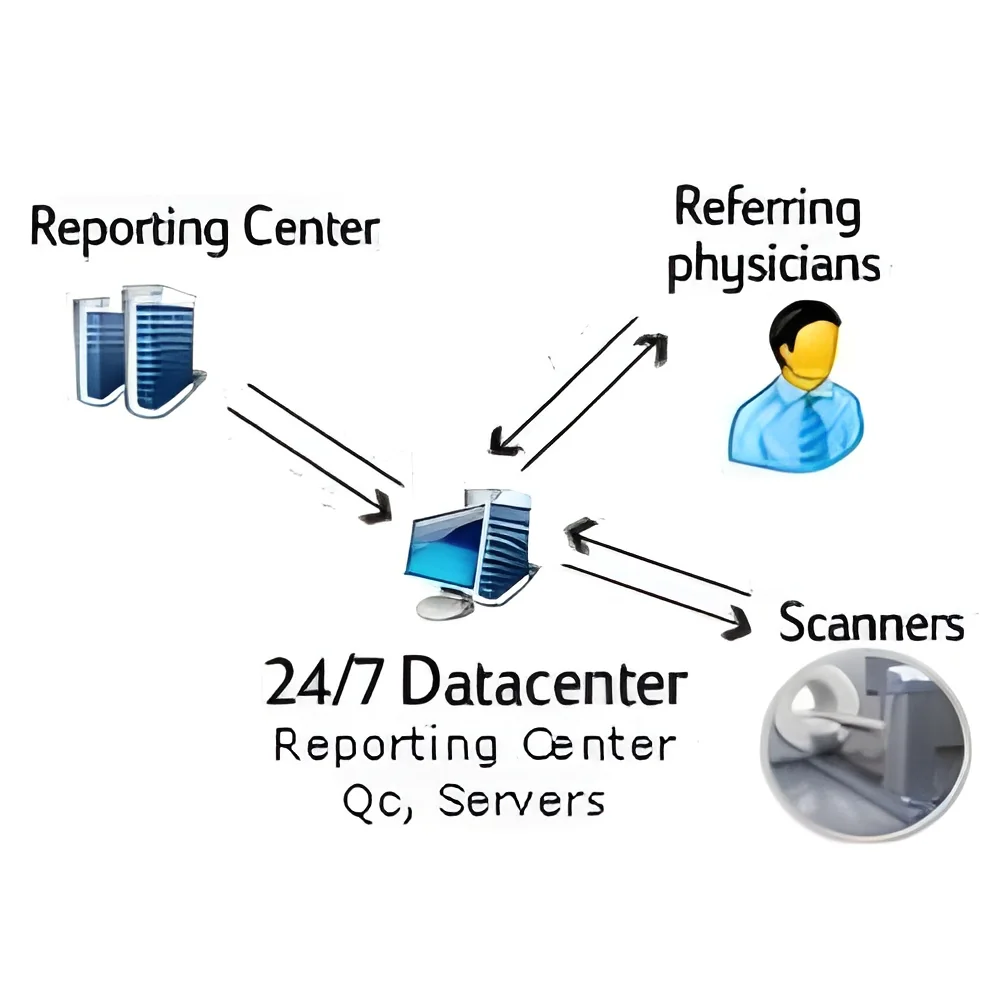
What are Remote Diagnosis Platforms?
Remote Diagnosis Platforms are advanced technological solutions that enable the monitoring, diagnosis, and management of equipment and systems from a distance. These platforms leverage connectivity tools and data analytics to facilitate real-time assessments of machinery and operational processes. By utilizing sensors, data integration, and communication technologies, organizations can gain insights into system health, performance, and potential issues without needing on-site intervention.
The primary uses of Remote Diagnosis Platforms span various industries, including manufacturing, healthcare, and information technology. They are essential for predictive maintenance, troubleshooting, and optimizing operations. Businesses benefit from reduced downtime, improved efficiency, and enhanced decision-making capabilities. As industries increasingly adopt automation and IoT technologies, the relevance of remote diagnosis solutions continues to grow, positioning them as vital tools in modern operational strategies.
The market for Remote Diagnosis Platforms is evolving rapidly. With advancements in IoT and cloud computing, businesses are increasingly seeking these platforms to enhance their operational resilience. Key market players are focusing on developing user-friendly interfaces and integrating artificial intelligence for better predictive analytics. This trend reflects a broader shift towards digital transformation across industries, making remote diagnosis platforms a cornerstone of future business operations.
Key Features and Specifications
Remote Diagnosis Platforms come equipped with several key features that enhance their functionality and usability. These specifications are designed to meet the diverse needs of various industries, ensuring effective performance and reliability.
Key specifications include:
1. Connectivity Options
- Supports various protocols such as Wi-Fi, Ethernet, and cellular networks
- Ensures seamless data transmission for real-time monitoring
2. Data Analytics Capabilities
- Advanced algorithms for predictive analytics and reporting
- Customizable dashboard for user-defined metrics and KPIs
3. Remote Access
- Enables users to access system data from anywhere
- Multi-device compatibility, including smartphones and tablets
4. User Interface
- Intuitive design for ease of navigation
- Customizable settings based on user preferences
5. Alert and Notification System
- Automated alerts for system anomalies
- Configurable notification settings based on urgency
6. Historical Data Storage
- Retains historical data for trend analysis
- Supports data export for detailed reporting
7. Security Features
- Encryption and secure login protocols
- Regular updates to protect against vulnerabilities
8. Compliance Management
- Tools to ensure adherence to industry standards
- Automatic updates for regulatory changes
With these features, Remote Diagnosis Platforms empower organizations to optimize their operations effectively and maintain high levels of performance.
Common Applications and Use Cases
Remote Diagnosis Platforms find applications across various sectors, providing innovative solutions to common challenges.
1. Manufacturing: In the manufacturing sector, these platforms monitor machinery health, enabling predictive maintenance. This reduces downtime and enhances production efficiency.
2. Healthcare: Remote diagnosis tools assist healthcare providers in monitoring patient health remotely. This is especially useful in chronic disease management and telehealth services.
3. Information Technology: IT companies utilize these platforms to diagnose system issues proactively, ensuring minimal disruption and maintaining service levels.
4. Energy and Utilities: These platforms are critical in monitoring energy infrastructure, allowing for real-time diagnostics of power grids and renewable energy systems.
5. Automotive: Automotive manufacturers employ remote diagnosis to assess vehicle performance and conduct timely maintenance, enhancing safety and reliability.
6. Agriculture: In agriculture, these platforms monitor equipment and environmental conditions, helping farmers optimize crop yields and resource use.
7. Telecommunications: Telecommunication companies use remote diagnosis to manage network performance and troubleshoot issues, ensuring seamless connectivity for users.
Product Variants and Subcategories
Remote Diagnosis Platforms are diverse, catering to specific needs across various industries. Each variant offers tailored features to enhance performance.
Cloud-based Remote Diagnosis Platforms
These platforms utilize cloud technology to store and analyze data. They provide scalability and flexibility, allowing users to access information anytime, anywhere. Ideal for industries that require extensive data management and collaboration.
On-Premises Remote Diagnosis Platforms
These solutions are installed directly on a company's infrastructure. They offer enhanced security and control over data management. Suitable for organizations with strict data governance policies and limited internet connectivity.
Mobile Remote Diagnosis Platforms
Designed specifically for mobile devices, these platforms allow users to monitor and diagnose systems on the go. They are particularly useful for field technicians and remote workers who require instant access to diagnostic tools.
Benefits and Advantages
Remote Diagnosis Platforms offer numerous advantages that can significantly impact business operations.
Key benefits include:
1. Increased Efficiency: By enabling real-time monitoring, organizations can address issues before they escalate, leading to improved operational efficiency.
2. Cost Savings: Remote diagnosis reduces the need for on-site visits, lowering operational costs associated with maintenance and repairs.
3. Enhanced Decision-Making: Access to real-time data and analytics empowers businesses to make informed decisions quickly.
4. Improved Safety: By monitoring systems remotely, businesses can identify potential hazards and take preventive measures, enhancing workplace safety.
5. Scalability: These platforms can grow with the business, accommodating new devices and systems as needed.
6. Better Resource Management: Remote diagnosis tools help optimize resource allocation by providing insights into equipment performance and operational needs.
Buying Guide for B2B Buyers
When sourcing Remote Diagnosis Platforms, it is essential to consider several key factors to ensure a successful purchase.
1. Quality Assessment: Evaluate the quality of the platforms by reviewing technical specifications and user reviews. Ensure that the product meets industry standards for reliability and performance.
2. Supplier Verification: Vet suppliers thoroughly by checking their reputation, certifications, and customer feedback. A reliable supplier will offer support and maintenance services.
3. Pricing and MOQ: Compare pricing among different suppliers and understand the minimum order quantity (MOQ). This will help in budgeting and ensuring you receive the best value.
4. Delivery and Lead Times: Inquire about lead times for delivery to ensure that the platform can be implemented within your operational timelines.
5. Compliance Requirements: Verify that the platform complies with relevant regulations and industry standards. This ensures that your investment meets safety and operational requirements.
Compliance and Certifications
Remote Diagnosis Platforms must adhere to various compliance and certification standards to ensure quality and safety.
ISO 9001 is a quality management standard that outlines criteria for an effective quality management system. Platforms meeting this standard demonstrate a commitment to quality and customer satisfaction.
CE certification indicates that a product meets European safety, health, and environmental protection standards. This certification is crucial for platforms sold in European markets, ensuring they comply with necessary regulations.
Additionally, compliance with safety and testing requirements is essential. Manufacturers should conduct thorough testing to ensure that their platforms operate safely and effectively in various environments.
Regional compliance considerations may also apply, depending on the target market. It is vital to understand the specific regulatory landscape in each region to ensure adherence to all local laws.
Why Source Remote Diagnosis Platforms from Pepagora?
Pepagora provides a trusted platform for sourcing Remote Diagnosis Platforms with several key advantages.
Verified Supplier Network: Pepagora connects buyers with a network of verified suppliers. This ensures that you are dealing with reputable manufacturers who meet industry standards.
Streamlined RFQ Process: The platform offers a streamlined Request for Quotation (RFQ) process, making it easier for buyers to request and receive quotes from multiple suppliers.
Trade Assurance and Support: Pepagora provides trade assurance and support to protect buyers throughout the purchasing process. This includes assistance with logistics and after-sales support.
Regional Coverage: With a strong presence in regions such as India, GCC, and Southeast Asia, Pepagora offers extensive coverage for businesses looking to source Remote Diagnosis Platforms in these markets. This geographic reach enables buyers to access a diverse range of products and suppliers tailored to their specific needs.

 IN
IN