What are Telemedicine Carts & Kiosks?
Telemedicine carts and kiosks are mobile and stationary units designed to facilitate remote healthcare services. These systems are equipped with essential medical devices, communication tools, and software that enable healthcare professionals to conduct virtual consultations, monitor patients, and manage medical records efficiently. They are essential in bridging the gap between patients and healthcare providers, particularly in areas with limited access to traditional medical facilities.
The primary uses of telemedicine carts and kiosks include virtual consultations, remote patient monitoring, and health assessments. They are widely adopted in hospitals, clinics, and outpatient facilities to enhance patient care and expand service delivery. By integrating technology into healthcare, these systems support timely interventions, improve operational efficiency, and reduce healthcare costs. The market for telemedicine solutions is rapidly growing, driven by the increasing demand for remote healthcare services and advancements in medical technology.
As the healthcare sector evolves, the relevance of telemedicine carts and kiosks becomes more pronounced. The COVID-19 pandemic accelerated the adoption of telehealth services, highlighting the need for reliable and efficient remote healthcare solutions. Industries that utilize these products are recognizing their potential to improve patient outcomes and enhance healthcare delivery.
Key Features and Specifications
Telemedicine carts and kiosks come with a variety of features designed to meet the needs of healthcare providers and patients. Understanding these specifications is crucial for making informed purchasing decisions.
Key specifications include:
1. Mobility
- Features include wheels for easy movement.
- Can be adjusted for various environments.
2. Communication Tools
- Equipped with high-definition cameras and microphones.
- Supports video conferencing and secure messaging.
3. Display
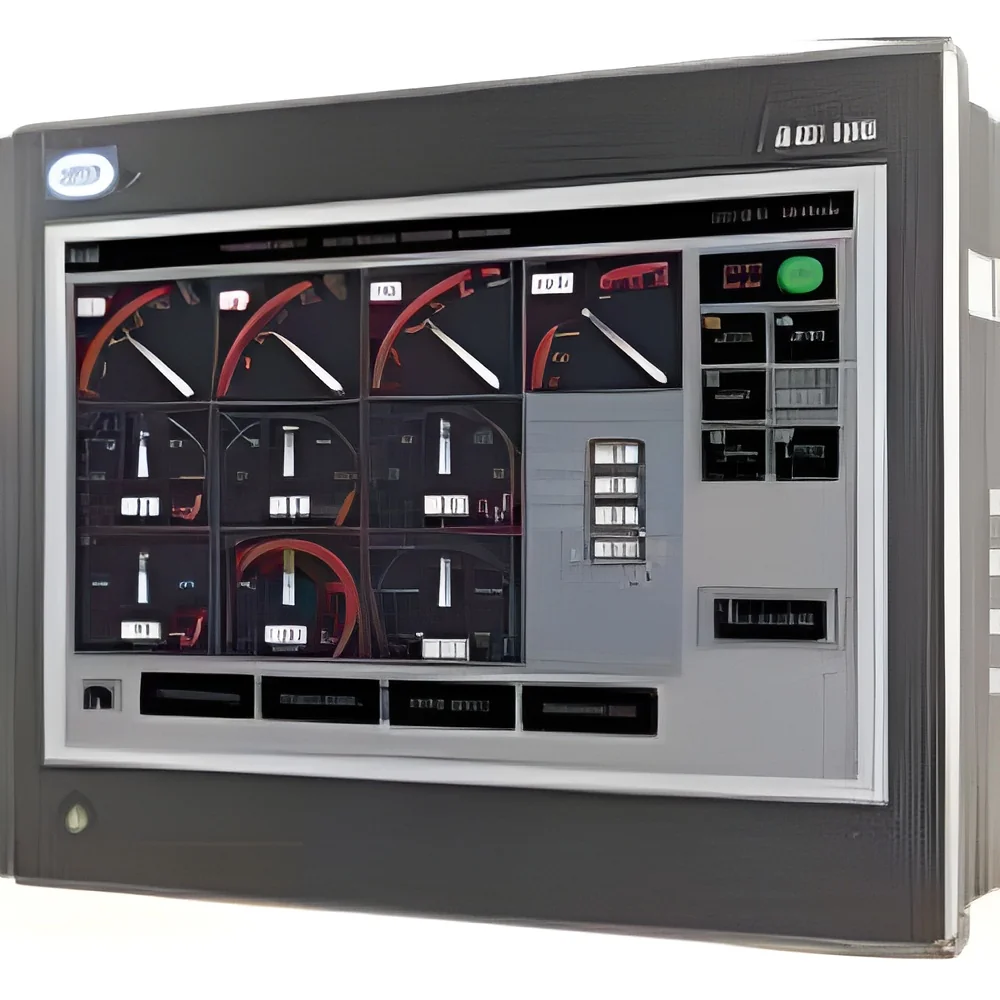
- Features a large touchscreen for user interaction.
- High-resolution displays enhance clarity during consultations.
4. Power Supply
- Battery-operated for portability.
- Charging options available for continuous use.
5. Integration Capability
- Compatible with Electronic Health Records (EHR) systems.
- Supports various medical devices for comprehensive monitoring.
6. Durability
- Constructed with robust materials for long-term use.
- Designed to withstand frequent cleaning and sanitization.
7. Security Features
- Equipped with encryption for data protection.
- User authentication mechanisms to ensure confidentiality.
8. Customization Options
- Available in various configurations to meet specific needs.
- Options for branding and additional equipment.
In summary, telemedicine carts and kiosks offer a range of features that enhance healthcare delivery, making them essential tools in modern medical practice.
Common Applications and Use Cases
Telemedicine carts and kiosks serve a diverse array of industries, catering to various healthcare needs.
1. Hospitals: These units facilitate remote consultations for specialists, enabling timely diagnosis and treatment plans.
2. Outpatient Clinics: Telemedicine carts improve patient access to healthcare by allowing remote check-ups and follow-ups.
3. Nursing Homes: These kiosks support remote monitoring of residents' health, enhancing care quality and reducing emergency visits.
4. Schools: Telemedicine solutions in educational institutions provide students with immediate access to healthcare providers.
5. Rural Healthcare: Telemedicine carts help bridge the gap in healthcare access for patients in remote areas, ensuring they receive necessary medical attention.
6. Telepsychiatry: These systems enable mental health professionals to conduct therapy sessions remotely, increasing accessibility for patients.
7. Urgent Care Facilities: Telemedicine kiosks assist in triaging patients and connecting them with healthcare providers for rapid assessments.
Product Variants and Subcategories
Telemedicine carts and kiosks come in various forms to suit different healthcare environments.
Mobile Telemedicine Carts
These carts are designed for easy transport within healthcare facilities. They are equipped with essential tools for on-the-go consultations and are particularly useful in hospitals and clinics.
Stationary Telemedicine Kiosks
These kiosks are fixed installations that provide patients with private spaces to connect with healthcare professionals. They are often found in public areas such as pharmacies and community centers.
Compact Telemedicine Units
These smaller units are designed for limited spaces while still offering essential telehealth features. They are ideal for clinics with space constraints.
Benefits and Advantages
Investing in telemedicine carts and kiosks offers various advantages for healthcare providers.
1. Enhanced Accessibility: Telemedicine solutions allow patients to access healthcare services from remote locations, improving overall patient access.
2. Cost Efficiency: By reducing the need for in-person visits, telemedicine can lower operational costs for healthcare facilities.
3. Improved Patient Outcomes: Timely consultations through telemedicine can lead to quicker diagnoses and better health management.
4. Increased Patient Satisfaction: Patients appreciate the convenience of receiving care from home, contributing to higher satisfaction rates.
5. Efficient Workflow: Telemedicine carts streamline processes, allowing healthcare providers to manage appointments and patient records more effectively.
6. Flexibility: These systems can be adapted to various healthcare settings, making them versatile tools for diverse applications.
Buying Guide for B2B Buyers
When sourcing telemedicine carts and kiosks, several factors should be considered to ensure optimal selection.
1. Quality Assessment: Evaluate the build quality and durability of the carts and kiosks to ensure they meet healthcare standards.
2. Supplier Verification: Research potential suppliers to ensure they provide reliable products and have a good reputation in the industry.
3. Pricing and MOQ: Understand the pricing structure and minimum order quantities to align with budget constraints.
4. Delivery and Lead Times: Inquire about logistics and expected delivery times to plan for implementation effectively.
5. Compliance Requirements: Ensure that the products meet necessary regulatory standards and certifications relevant to your region.
Compliance and Certifications
Telemedicine carts and kiosks must adhere to various quality standards and certifications to ensure safety and reliability.
Relevant quality standards include ISO 9001, which focuses on quality management systems, ensuring that manufacturers maintain high-quality processes. Additionally, compliance with HACCP (Hazard Analysis Critical Control Point) and GDP (Good Distribution Practice) is essential in healthcare environments to guarantee product safety and efficacy.
Industry certifications, such as CE marking, indicate that the products meet European health, safety, and environmental protection standards. This certification is crucial for products intended for use in healthcare settings.
Manufacturers must also comply with safety and testing requirements, which involve rigorous evaluations to ensure the equipment is safe for use.
Furthermore, regional compliance considerations may vary, requiring manufacturers and suppliers to stay informed about local regulations and standards.
Why Source Telemedicine Carts & Kiosks from Pepagora?
Pepagora provides a trusted platform for sourcing telemedicine carts and kiosks, offering several key advantages for B2B buyers.
Verified Supplier Network: Pepagora connects buyers with a network of verified suppliers, ensuring that all products meet stringent quality standards. This reduces the risk of sourcing subpar equipment.
Streamlined RFQ Process: The request for quotation process is efficient and user-friendly, allowing buyers to receive competitive quotes quickly. This helps in making informed purchasing decisions.
Trade Assurance and Support: Pepagora offers trade assurance, providing protection to buyers in case of any discrepancies. The dedicated support team is available to assist throughout the purchasing process.
Regional Coverage: With a strong presence in India, the GCC, and Southeast Asia, Pepagora ensures that buyers can access telemedicine solutions tailored to their specific regional needs. This broad geographic reach enhances the ability to serve diverse markets effectively.

 IN
IN