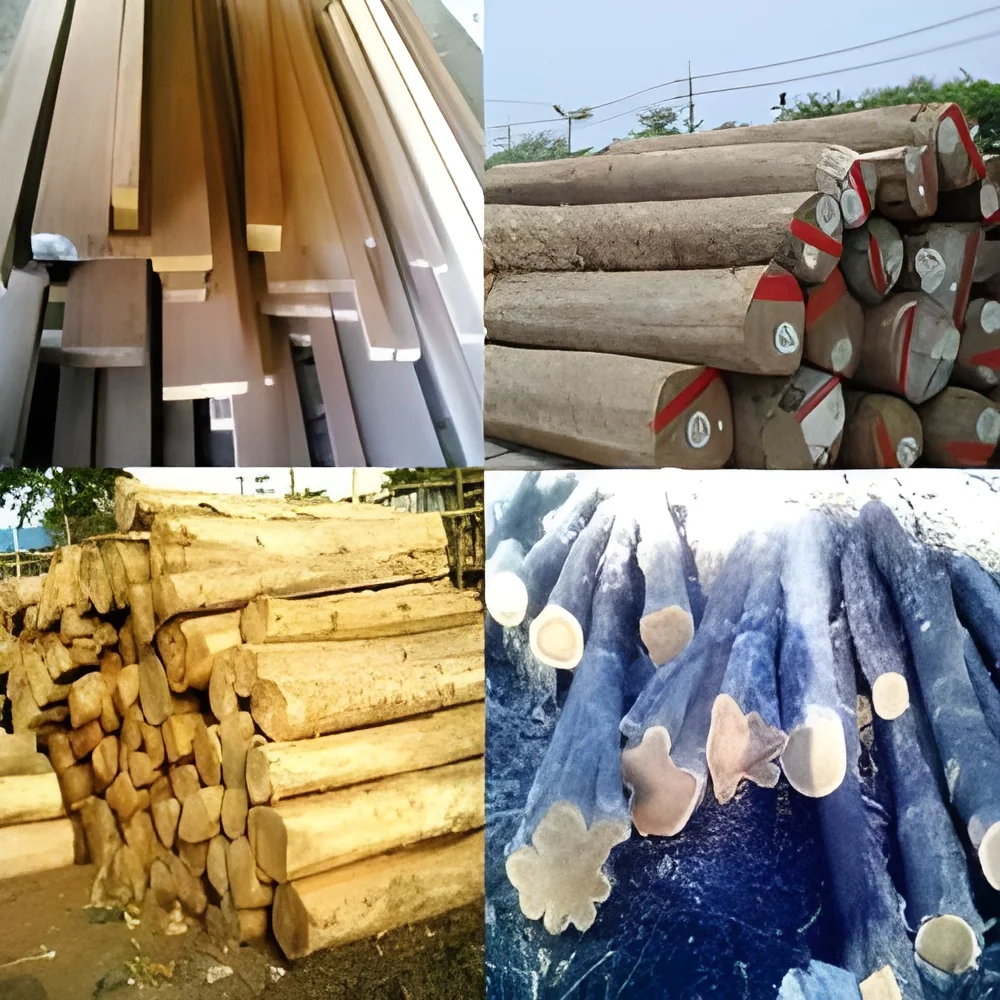
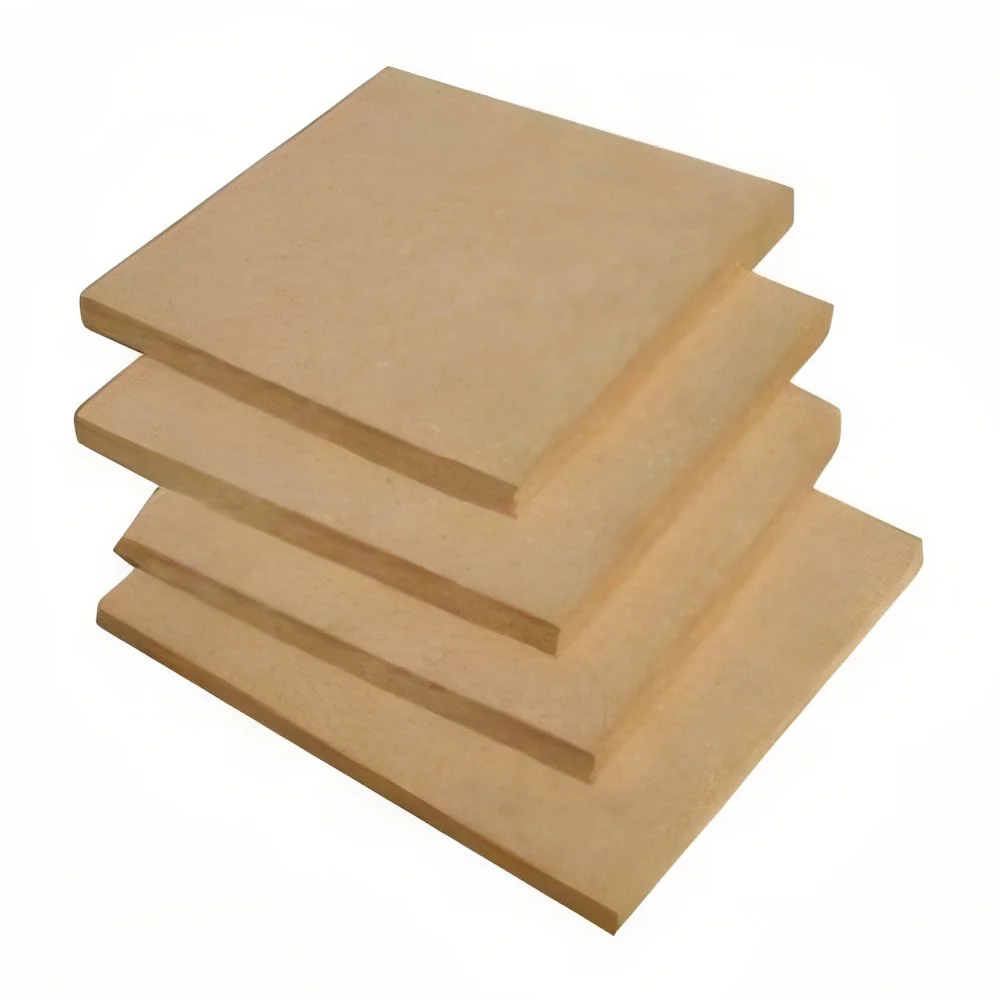
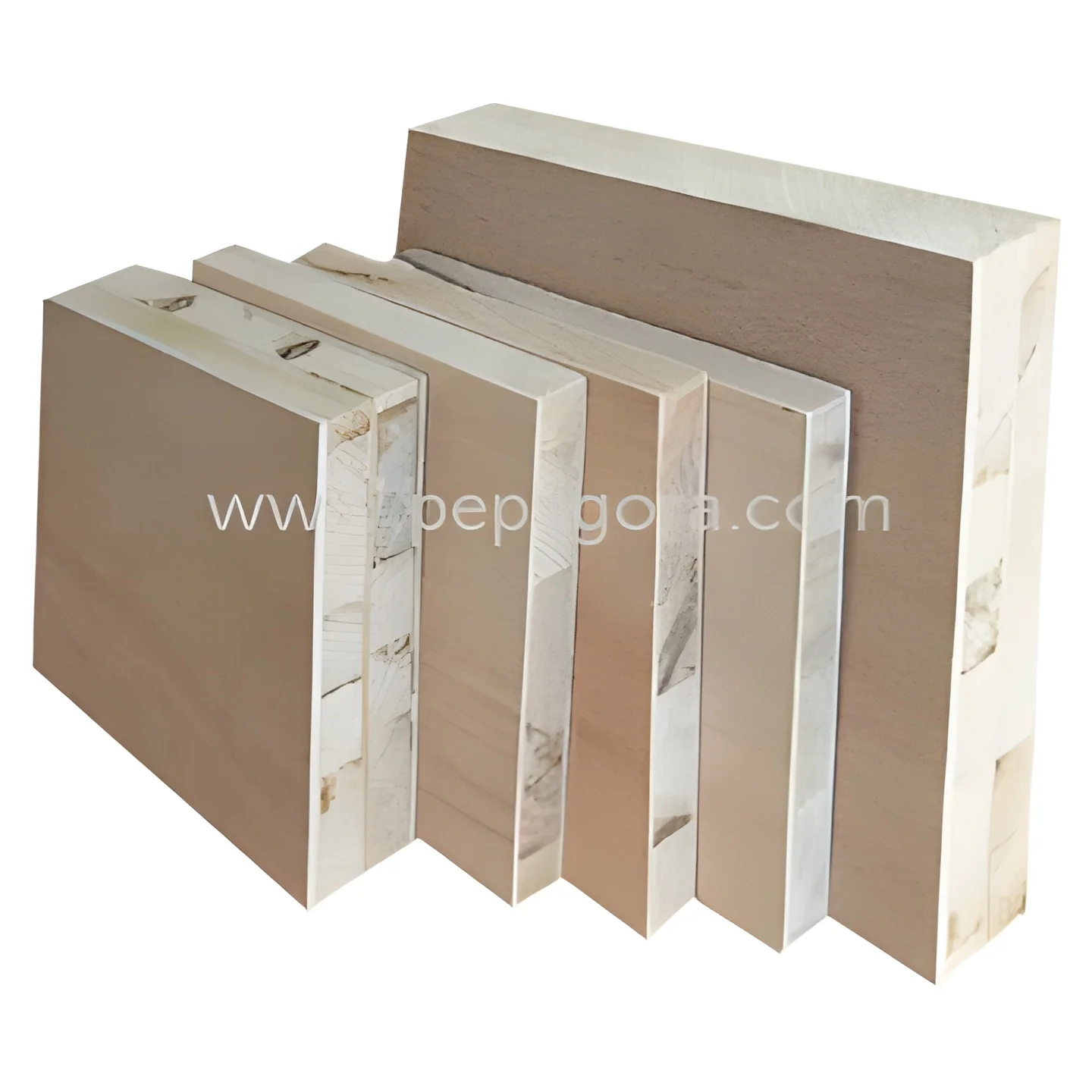
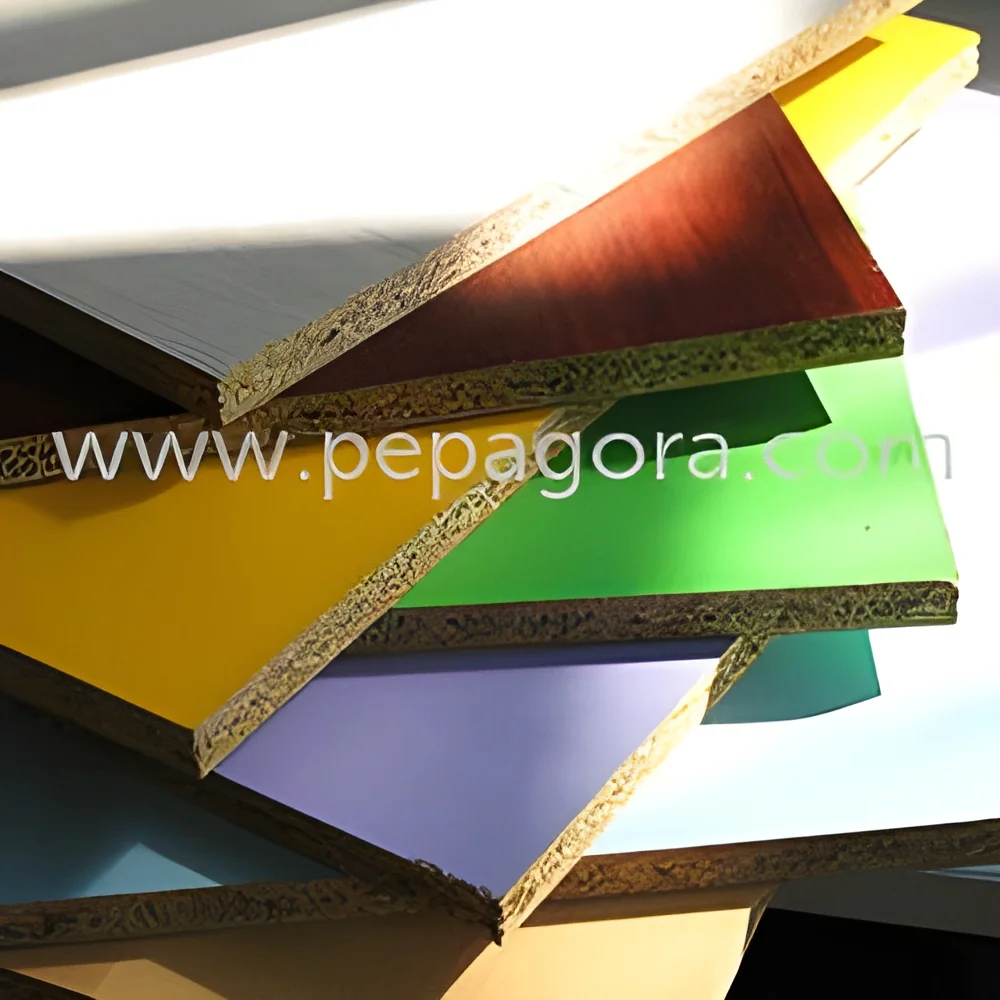
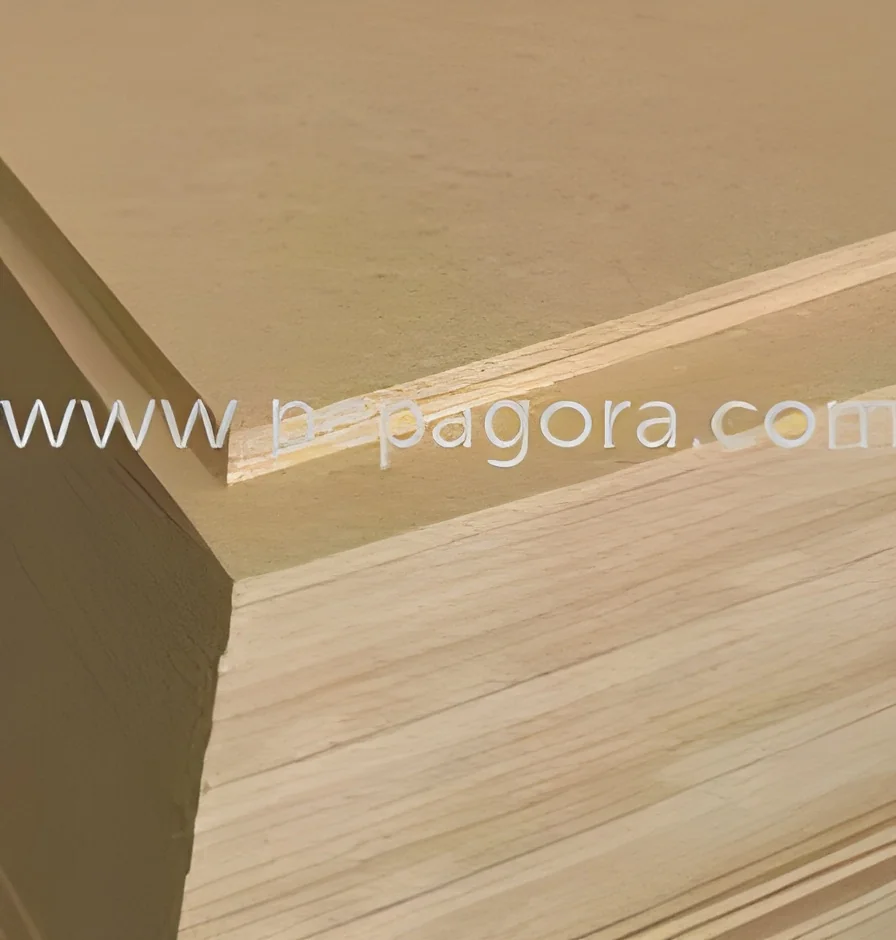
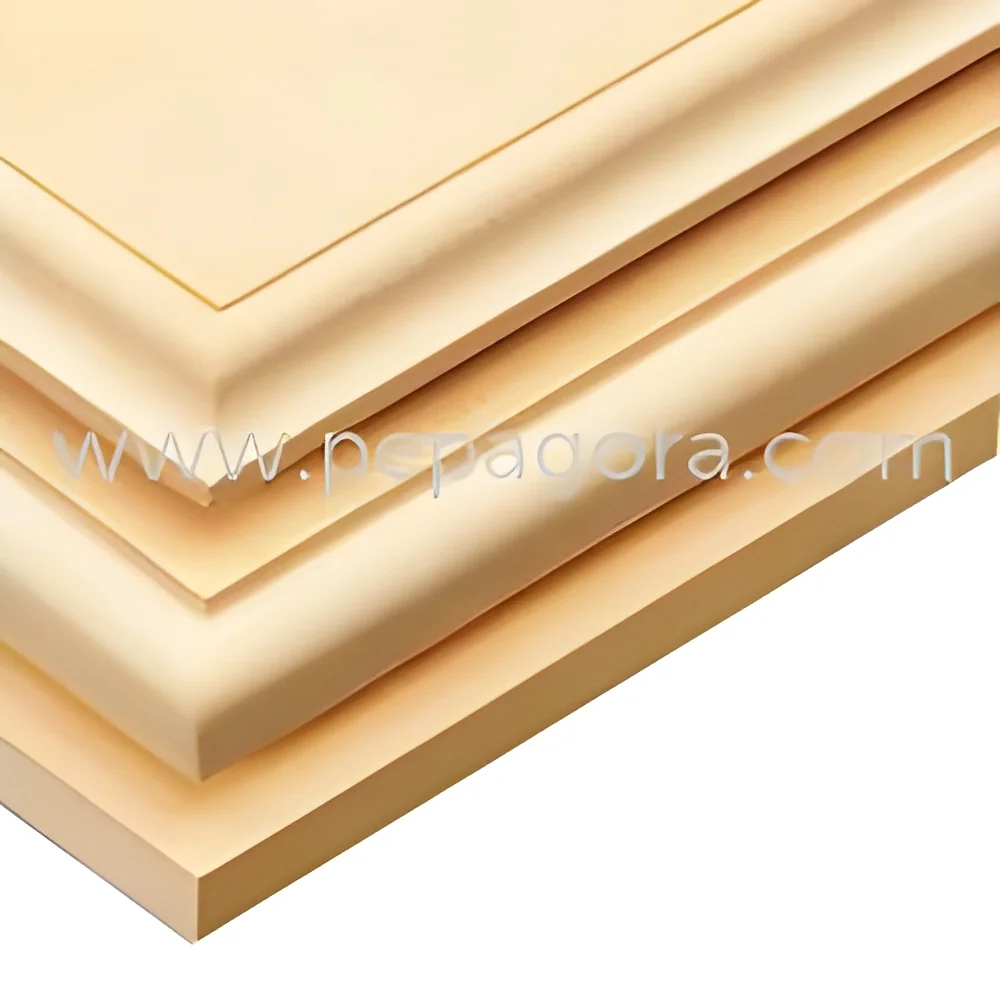
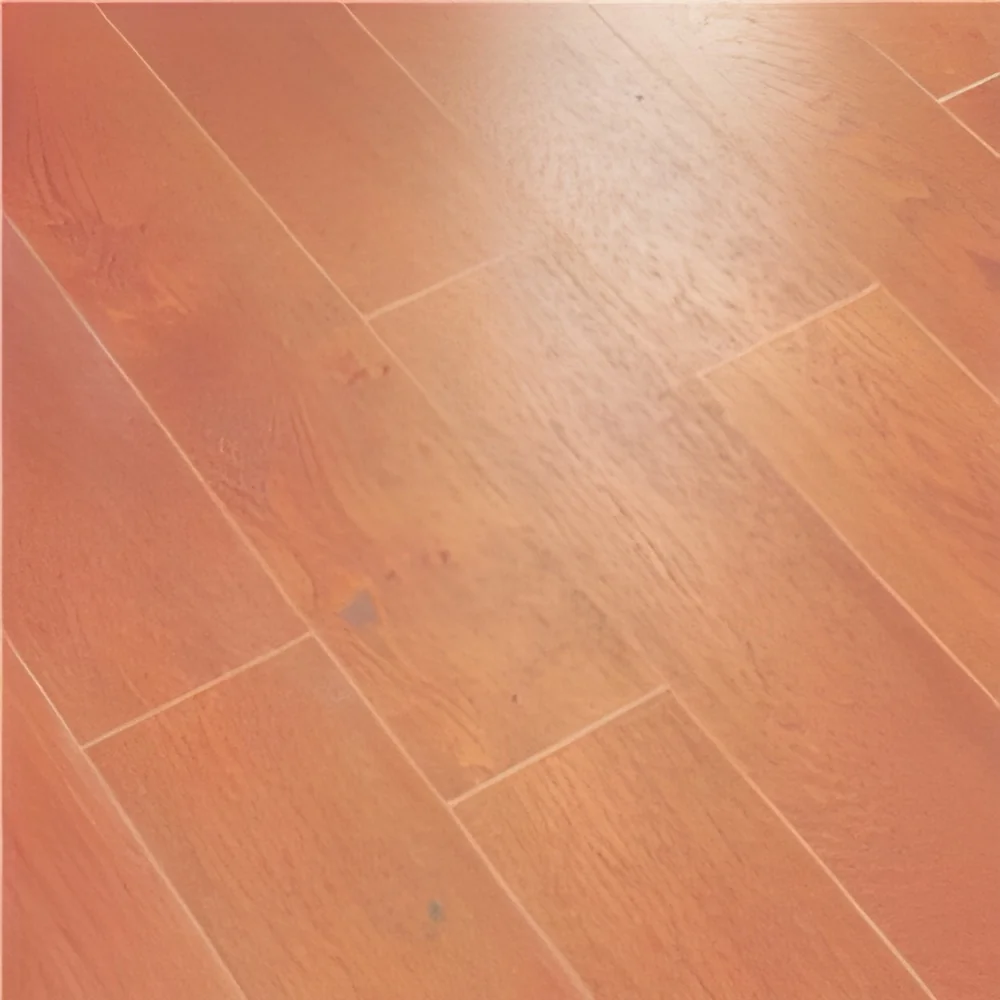
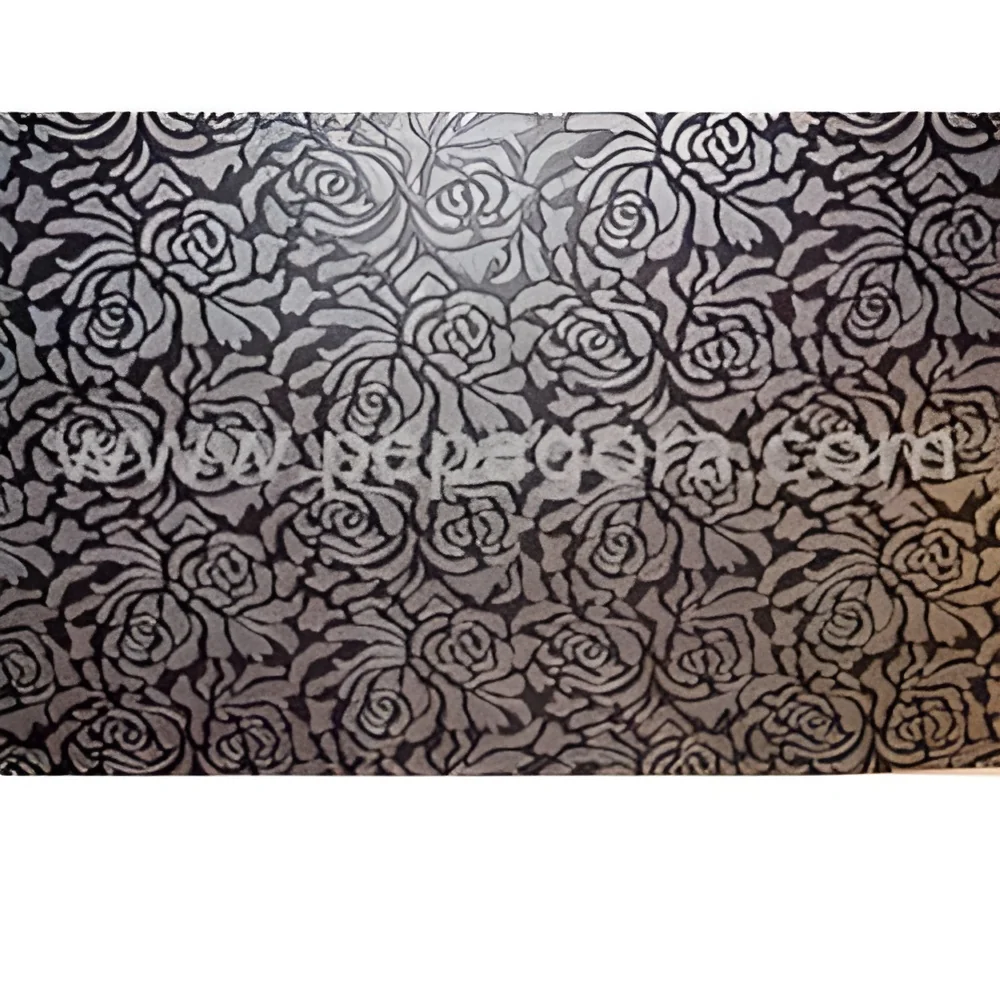
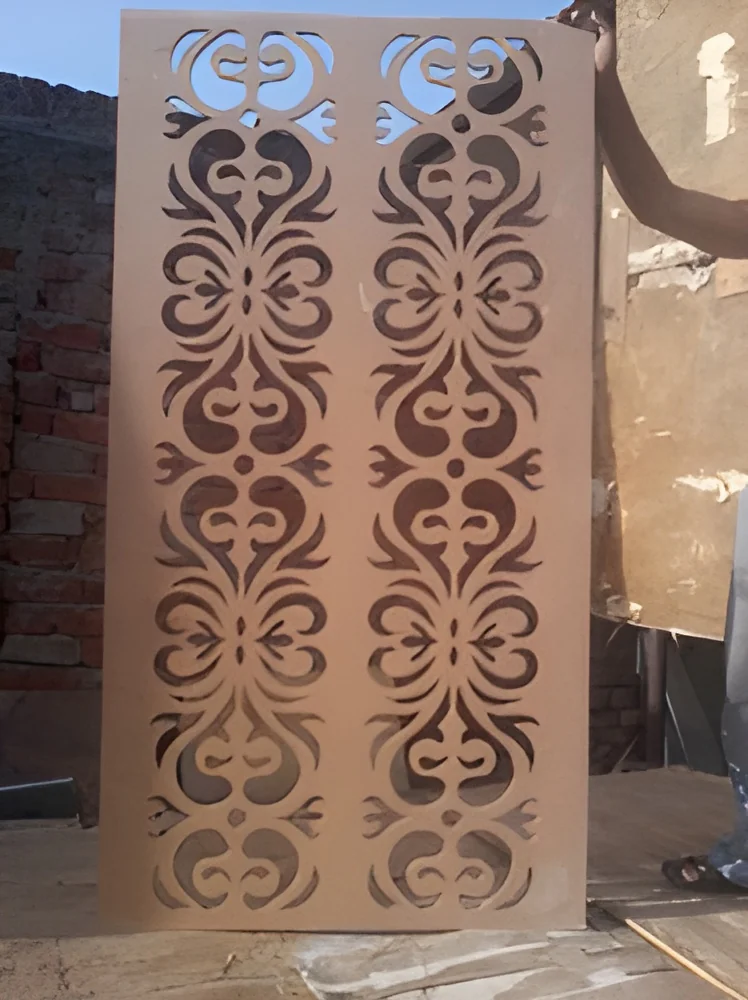
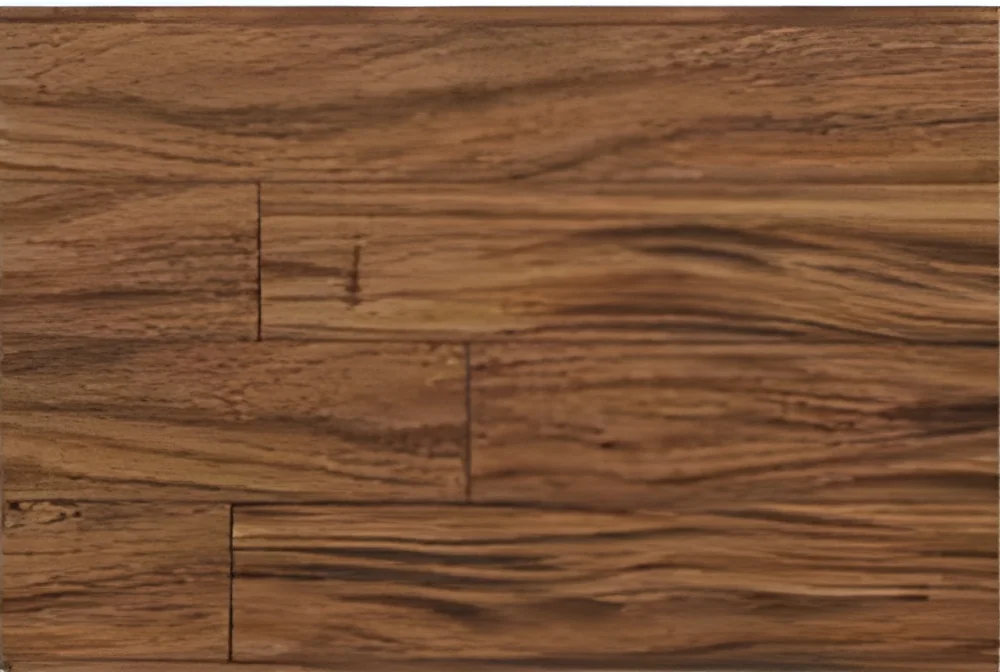
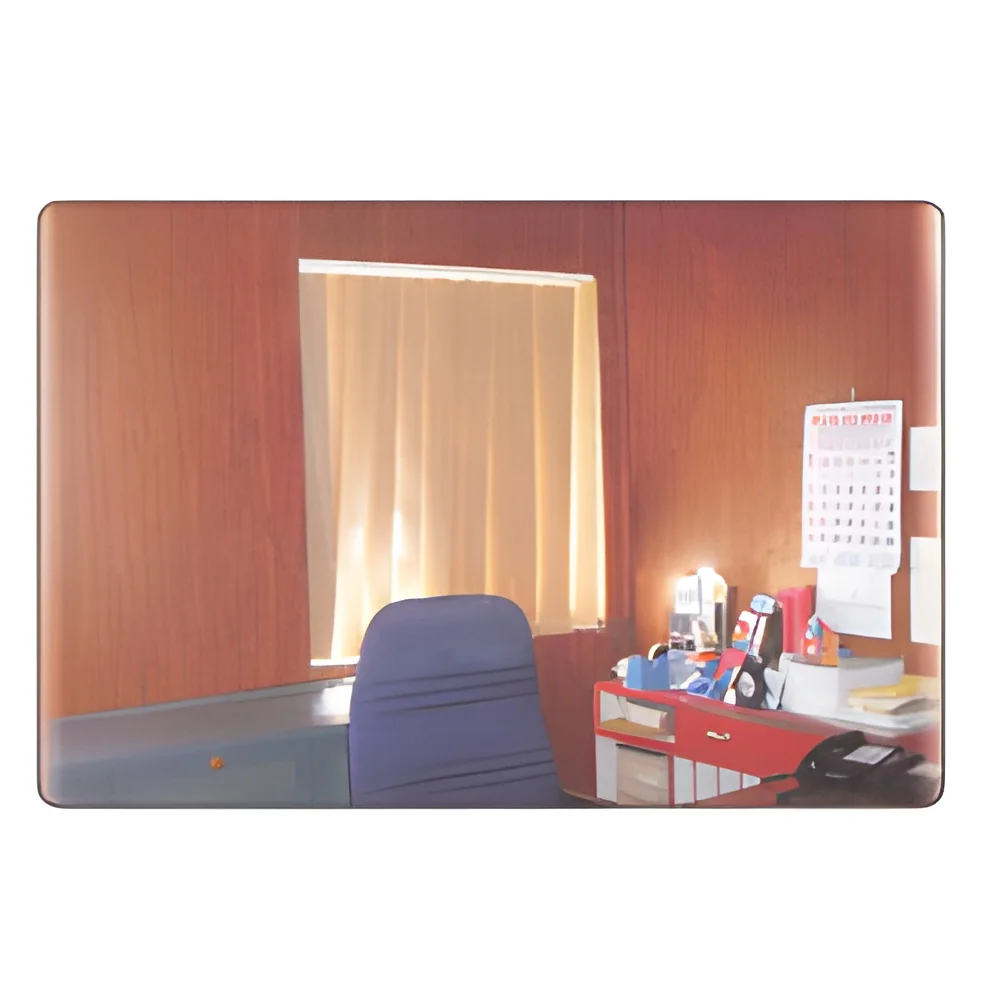
𝗪𝗵𝗮𝘁 𝗮𝗿𝗲 𝗣𝗹𝘆𝘄𝗼𝗼𝗱, 𝗠𝗗𝗙, 𝗣𝗮𝗿𝘁𝗶𝗰𝗹𝗲 𝗕𝗼𝗮𝗿𝗱?
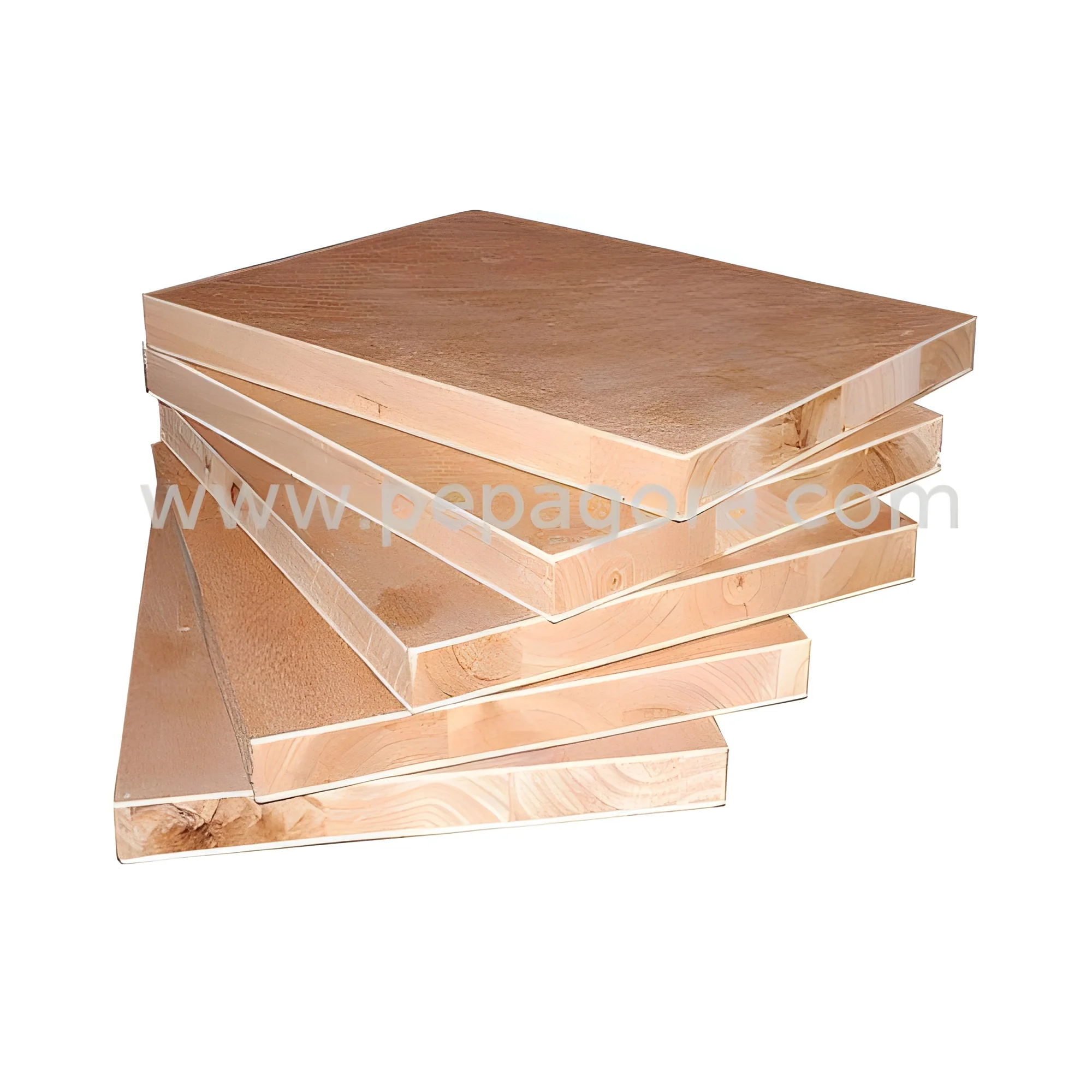
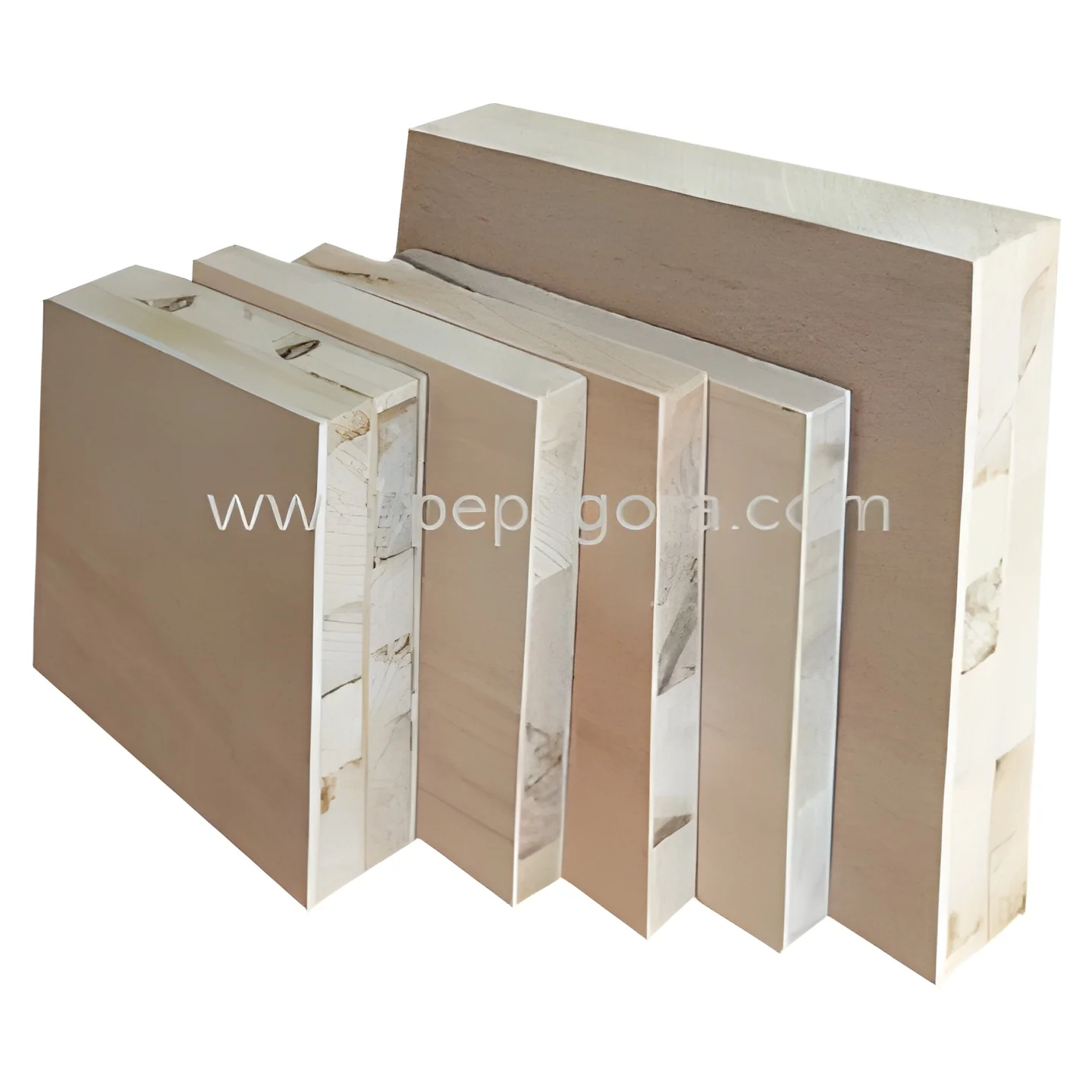
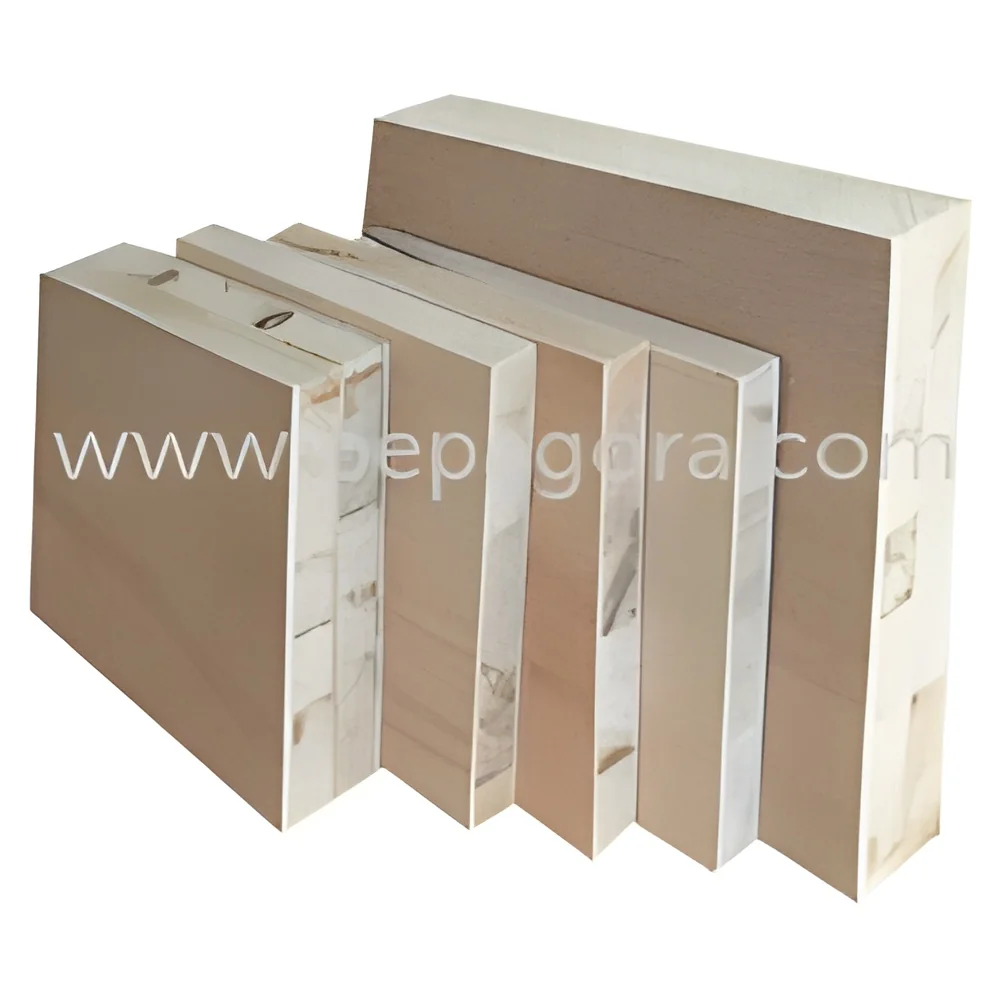
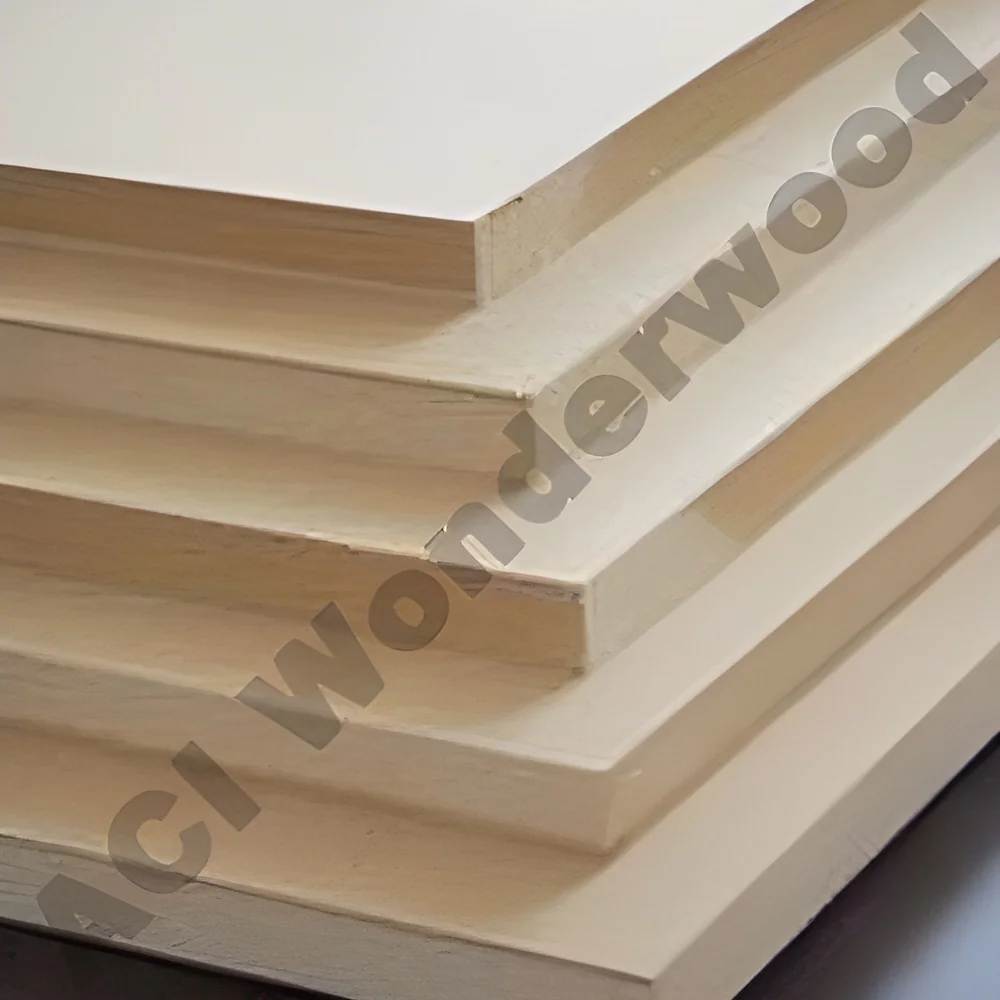
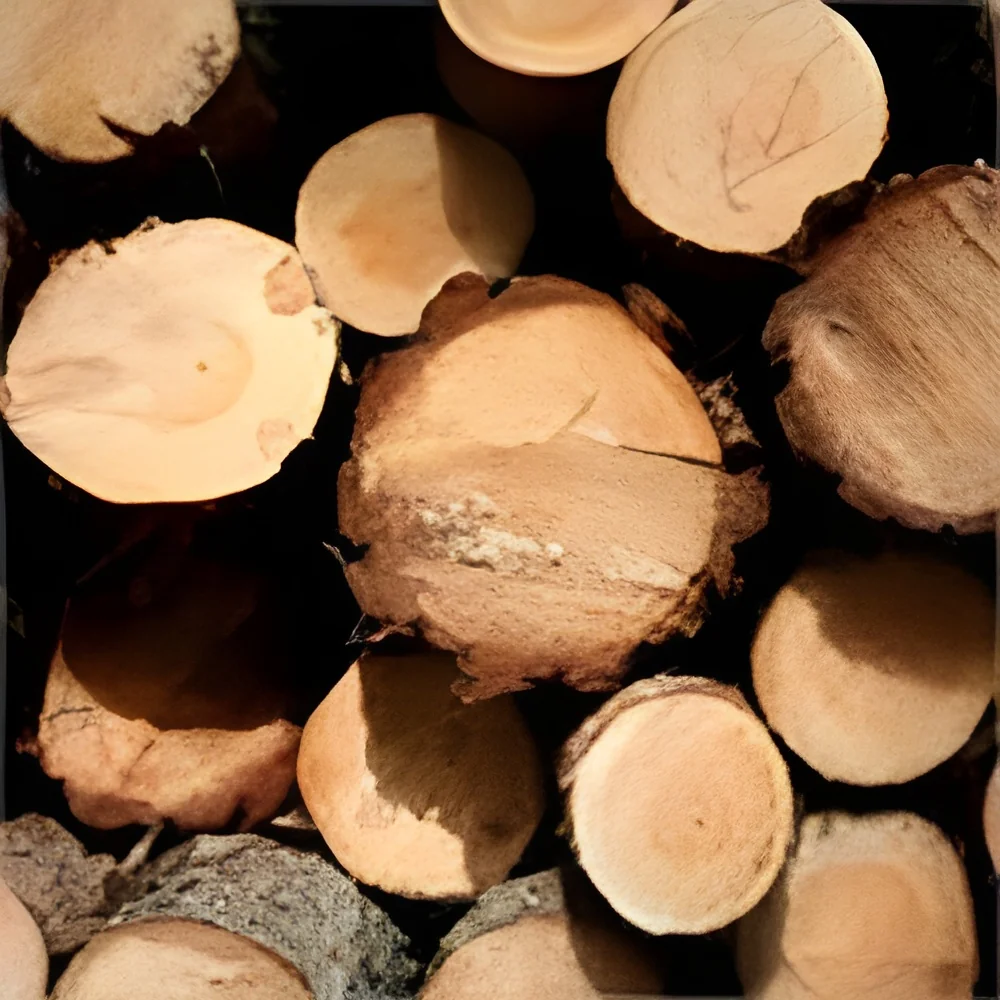
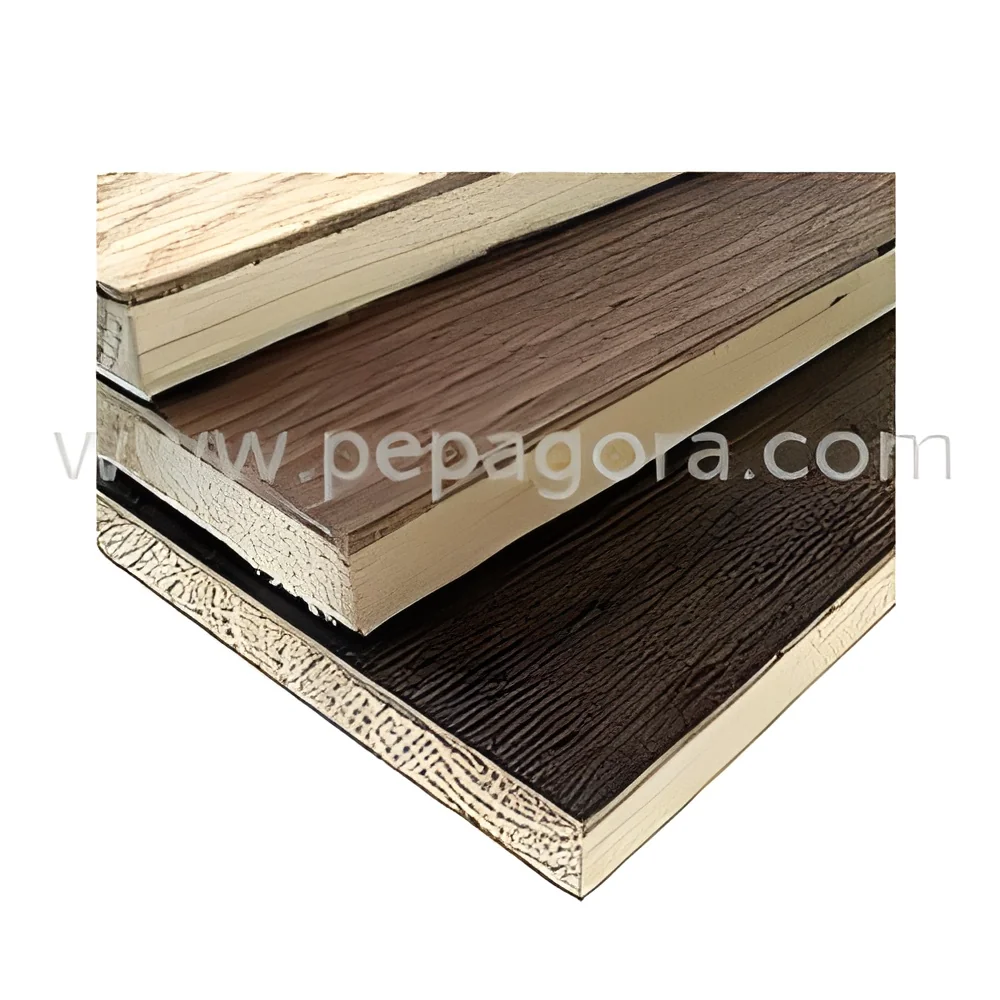
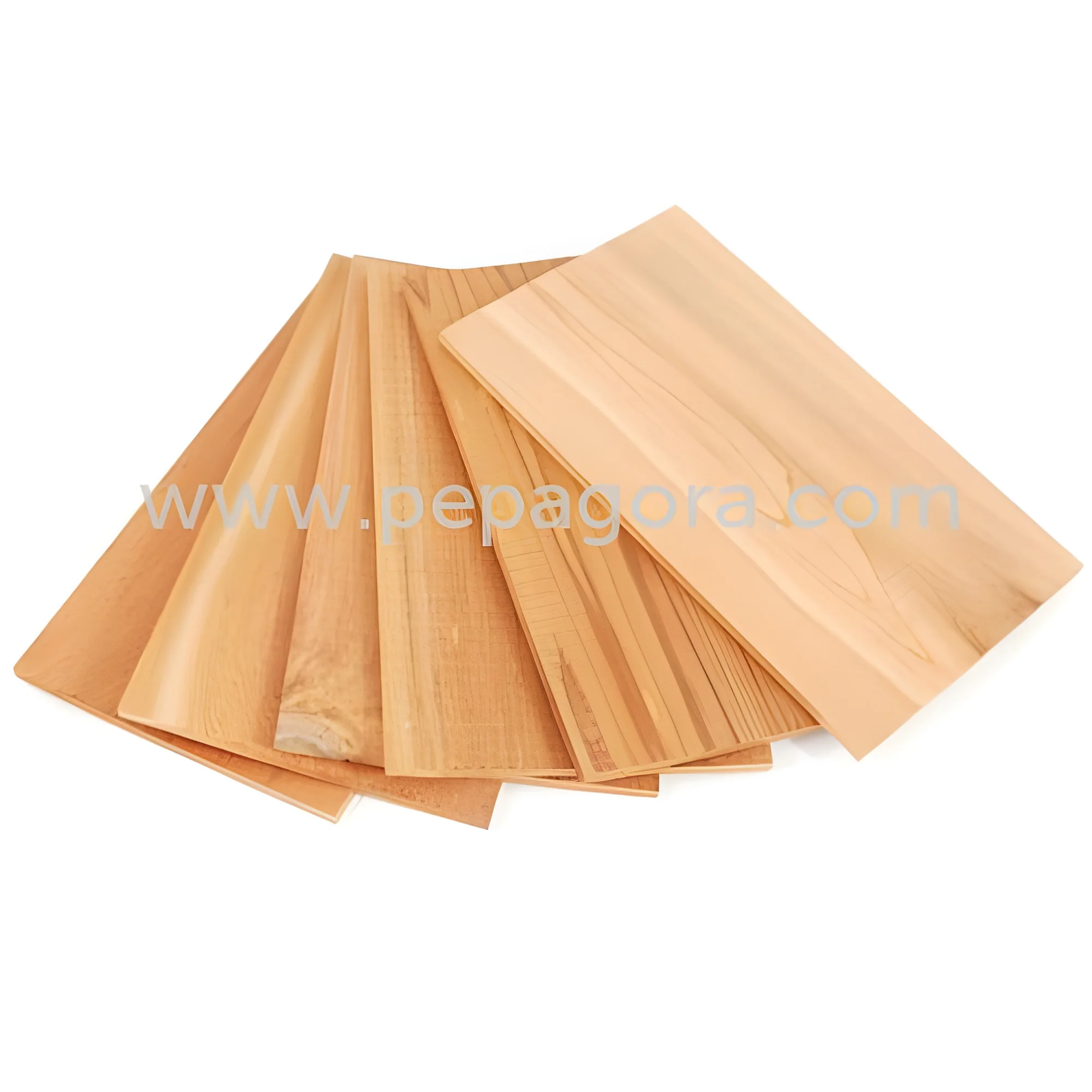
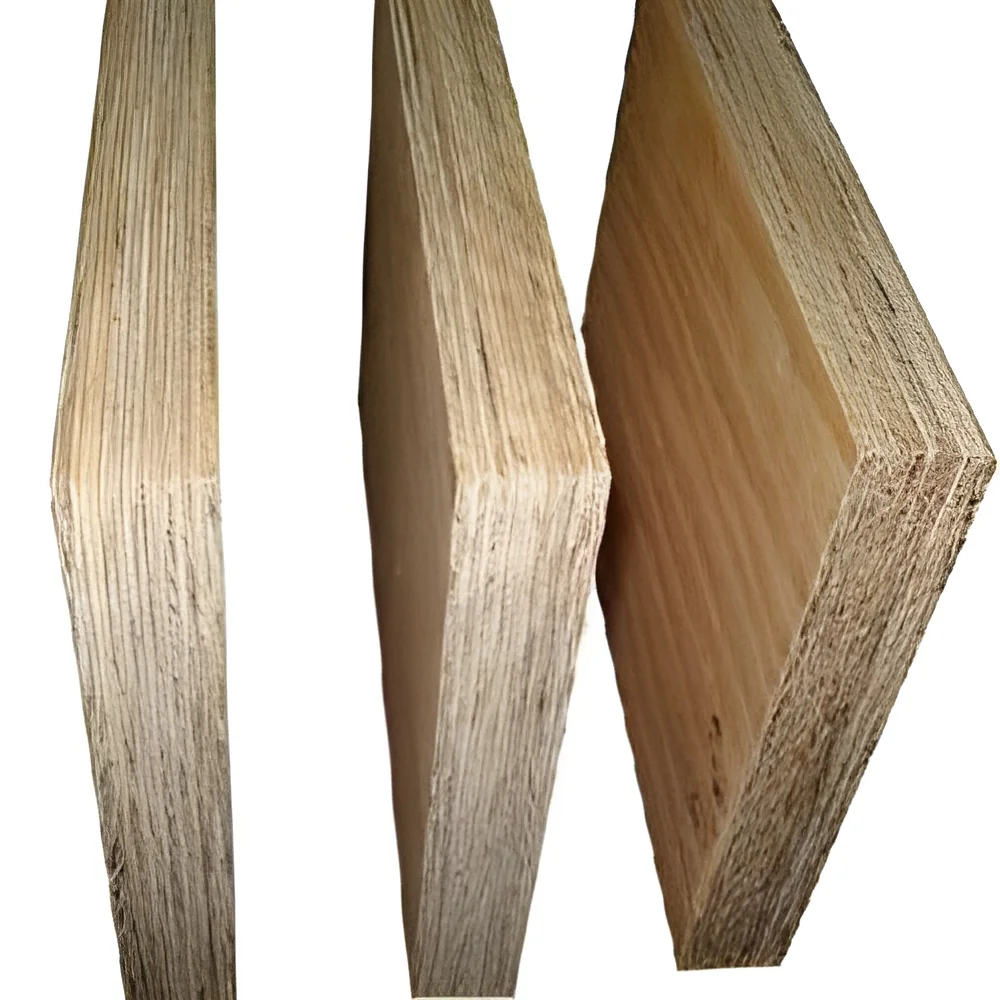
Plywood, MDF, and particle board are essential engineered wood products widely used in various industries. Plywood consists of multiple layers of thin wood veneers glued together, offering strength and durability. MDF, or medium-density fiberboard, is made from wood fibers bonded together with heat and pressure, creating a dense and smooth surface. Particle board is composed of wood chips, sawmill shavings, or wood shavings bonded with resin, making it a cost-effective alternative for furniture and construction.
These materials are commonly used in furniture manufacturing, cabinetry, flooring, and interior construction. Their versatility allows them to be tailored for specific applications, making them suitable for both residential and commercial projects. Plywood is often chosen for its structural integrity, while MDF is favored for its smooth finish, ideal for painting and veneering. Particle board serves as an economical solution for furniture and fixtures.
In the current market, the demand for these engineered wood products continues to grow due to their sustainability and versatility. Industries are increasingly adopting environmentally friendly practices, leading to a rise in the use of reclaimed and recycled wood fibers in these products. As such, understanding the characteristics and applications of plywood, MDF, and particle board is crucial for businesses seeking reliable materials.
𝗞𝗲𝘆 𝗙𝗲𝗮𝘁𝘂𝗿𝗲𝘀 𝗮𝗻𝗱 𝗦𝗽𝗲𝗰𝗶𝗳𝗶𝗰𝗮𝘁𝗶𝗼𝗻𝘀
Plywood, MDF, and particle board come with distinct features and specifications that cater to various applications. Understanding these specifications helps businesses choose the right product for their needs.
Key specifications include:
1. Plywood Thickness
- Available in various thicknesses ranging from 3mm to 25mm
- Commonly used thicknesses include 6mm, 12mm, and 18mm
2. MDF Density
- Typically ranges from 600 kg/m3 to 800 kg/m3
- Higher density variants offer better durability and surface finish
3. Particle Board Density
- Generally varies between 550 kg/m3 to 700 kg/m3
- Density affects strength and suitability for different applications
4. Moisture Resistance
- Available options include standard and moisture-resistant grades
- Moisture-resistant MDF is ideal for humid environments
5. Surface Finish
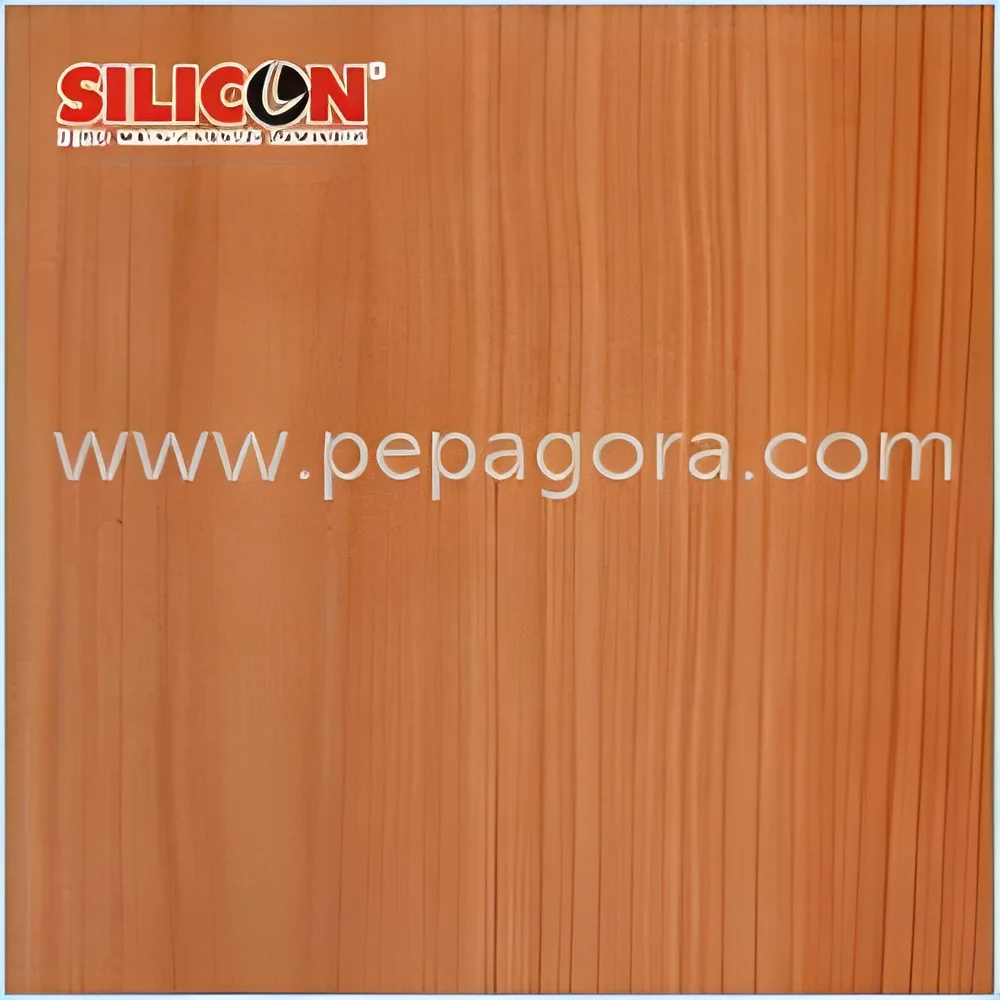
- Plywood can be sanded, stained, or painted
- MDF offers a smooth surface, perfect for veneers and laminates
6. Environmental Standards
- Many products meet environmental regulations such as E1 or E0 for formaldehyde emissions
- Certifications ensure low impact on indoor air quality
7. Load-Bearing Capacity
- Varies by type and thickness, affecting suitability for structural applications
- Engineers should assess load requirements for specific uses
8. Fire Resistance
- Some plywood and MDF types are treated for fire resistance
- Important for applications in commercial and public buildings
These specifications highlight the diversity and adaptability of plywood, MDF, and particle board in various applications.
𝗖𝗼𝗺𝗺𝗼𝗻 𝗔𝗽𝗽𝗹𝗶𝗰𝗮𝘁𝗶𝗼𝗻𝘀 𝗮𝗻𝗱 𝗨𝘀𝗲 𝗖𝗮𝘀𝗲𝘀
Plywood, MDF, and particle board are utilized across multiple industries due to their versatility and cost-effectiveness.
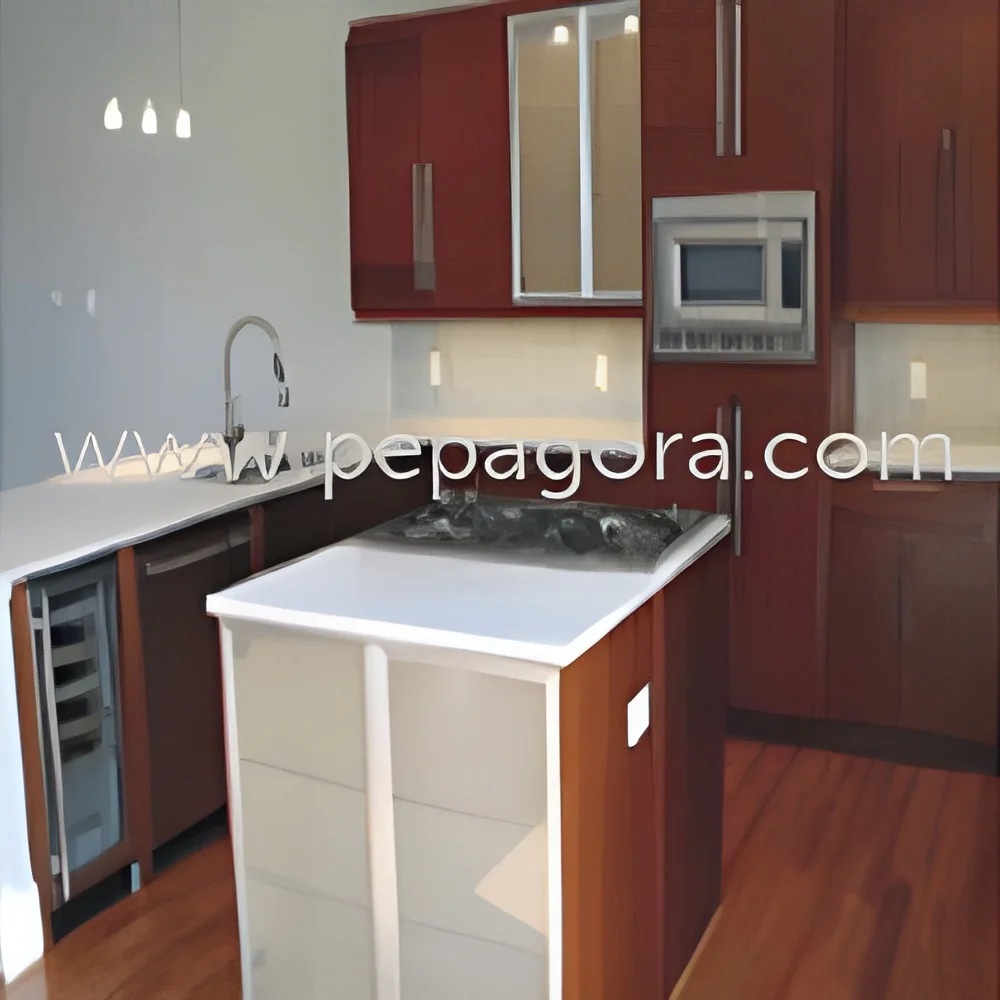
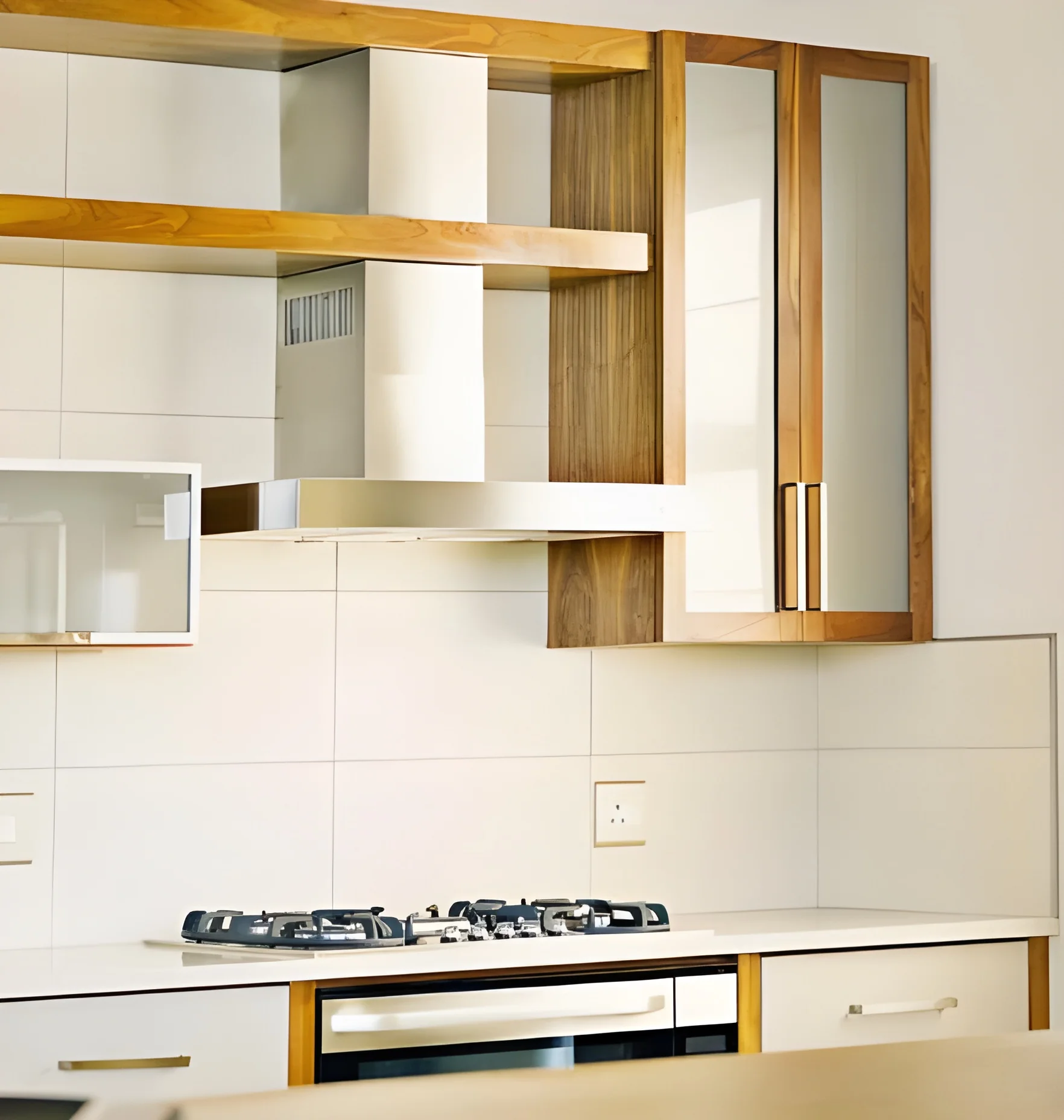
1. Furniture Manufacturing: These materials are commonly used to create cabinets, tables, and shelves. Their ease of cutting and finishing allows for intricate designs.
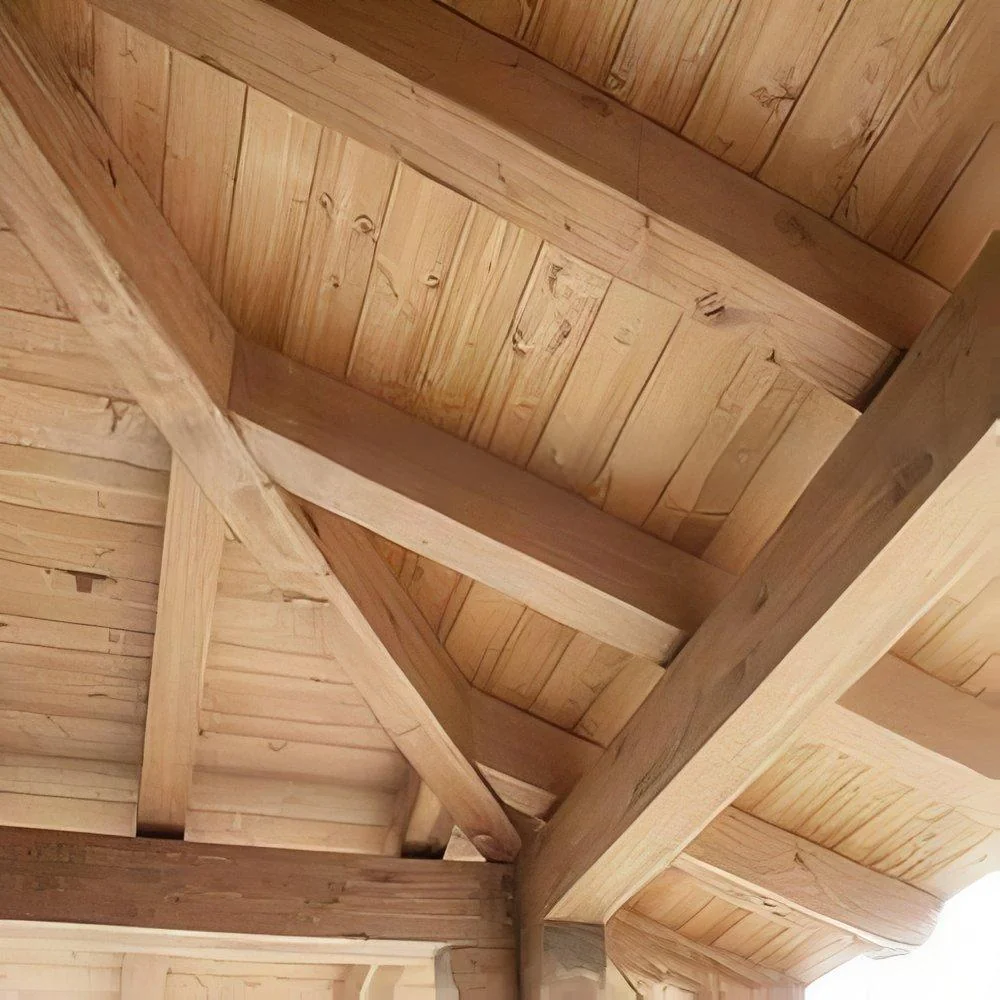
2. Construction: Plywood is often employed in flooring, wall sheathing, and roofing. Its strength provides structural support in various building applications.
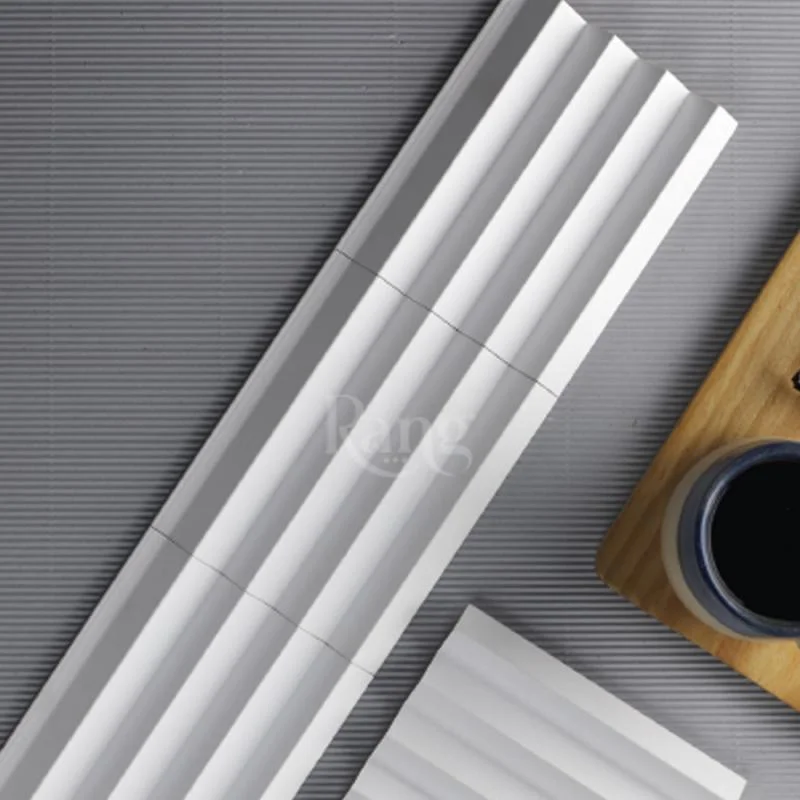
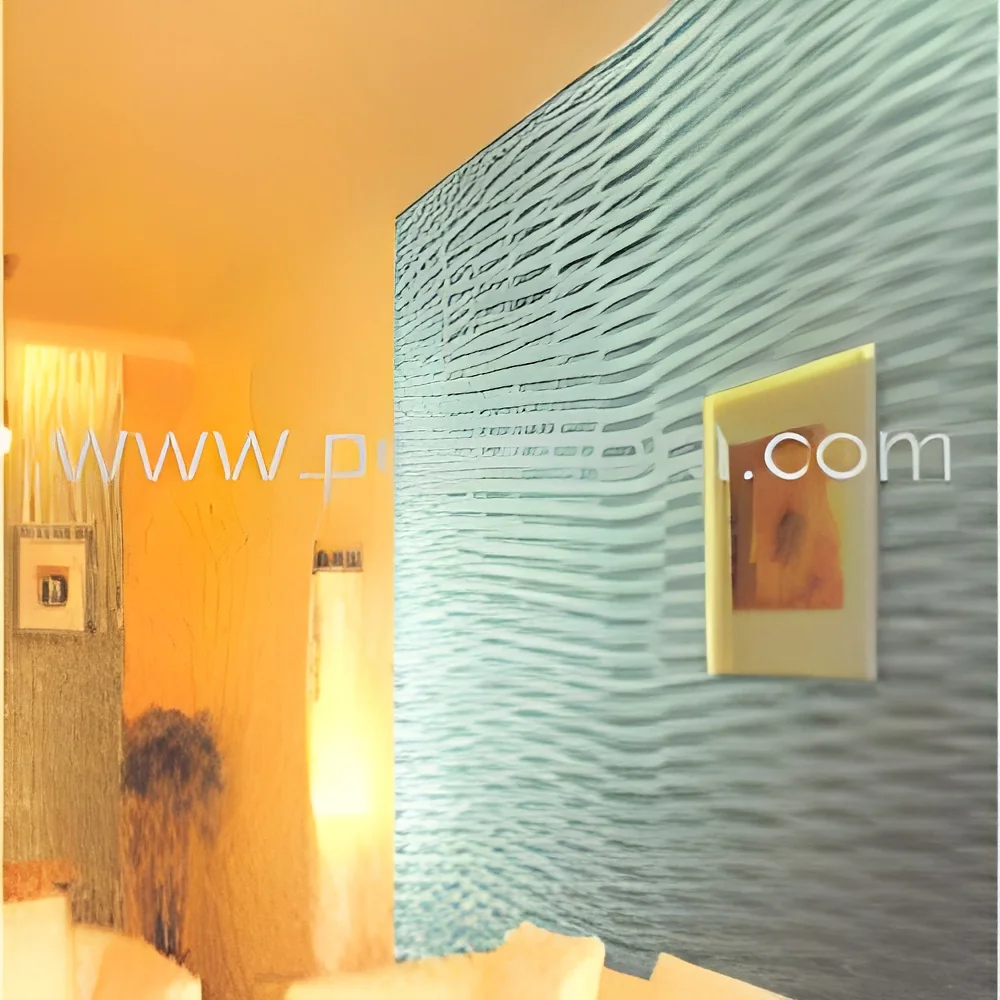
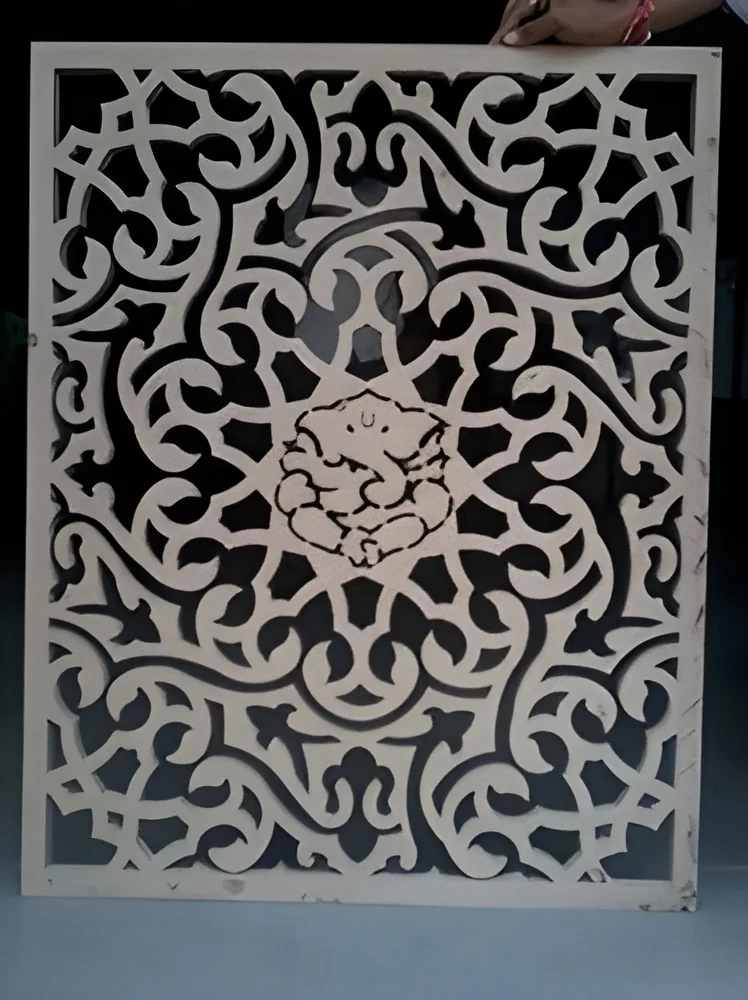
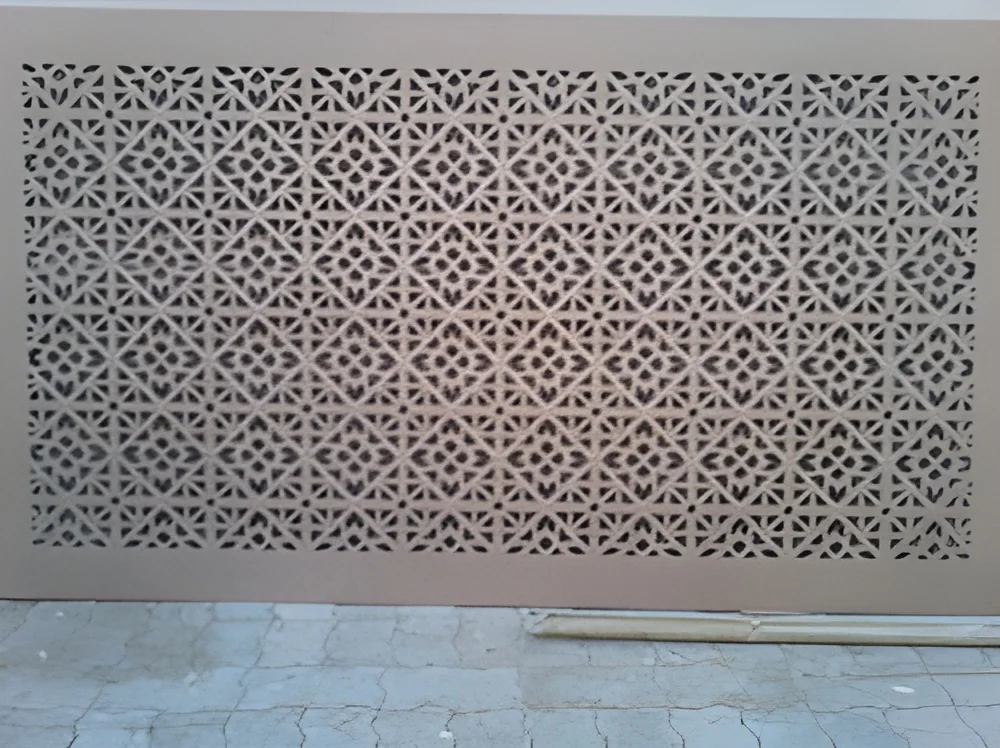
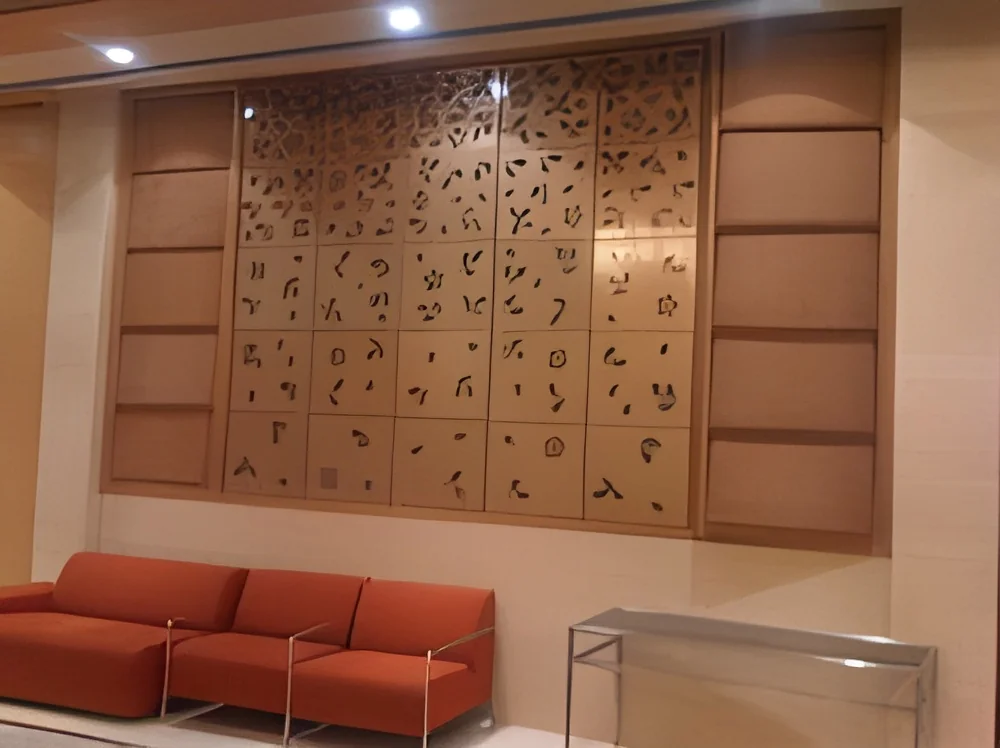
3. Interior Design: MDF is favored for creating decorative moldings, wall panels, and custom furniture due to its smooth finish.
4. Packaging: Particle board is used in creating pallets and shipping containers. Its lightweight nature makes it suitable for transport.
5. Automotive: Plywood is often used in interior panels and components of vehicles due to its strength and lightweight properties.
6. Retail Displays: Many retail environments utilize MDF and particle board for creating eye-catching displays and fixtures.
7. DIY Projects: Hobbyists and contractors frequently use these materials for various home improvement projects due to their accessibility and ease of use.
𝗣𝗿𝗼𝗱𝘂𝗰𝘁 𝗩𝗮𝗿𝗶𝗮𝗻𝘁𝘀 𝗮𝗻𝗱 𝗦𝘂𝗯𝗰𝗮𝘁𝗲𝗴𝗼𝗿𝗶𝗲𝘀
Plywood, MDF, and particle board come in various types and grades to meet specific needs.
Exterior Plywood: This variant is designed for outdoor use, featuring waterproof adhesives and a durable surface. It is ideal for applications exposed to moisture, such as outdoor furniture and construction.
High-Density MDF: Known for its exceptional smoothness, this variant is perfect for high-end furniture and cabinetry that requires detailed finishing. It provides an excellent surface for painting and veneering.
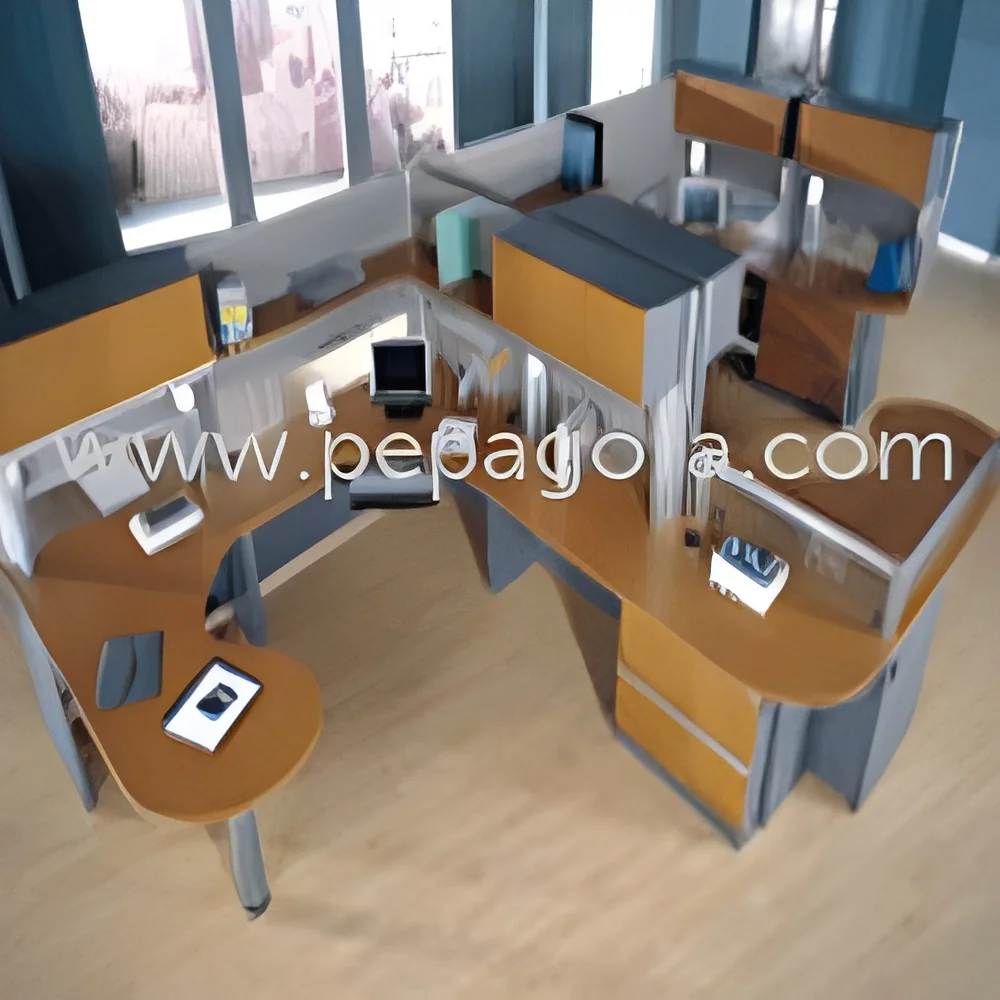
Melamine-Faced Particle Board: This type is coated with melamine, offering a decorative finish and additional durability. It is widely used in office furniture and cabinetry.
Fire-Retardant Plywood: This variant is treated to resist ignition, making it suitable for use in commercial buildings and areas where fire safety is a concern.
𝗕𝗲𝗻𝗲𝗳𝗶𝘁𝘀 𝗮𝗻𝗱 𝗔𝗱𝘃𝗮𝗻𝘁𝗮𝗴𝗲𝘀
Choosing plywood, MDF, and particle board provides several advantages for businesses.
1. Cost-Effective: These engineered wood products are generally less expensive than solid wood, making them an economical choice for large-scale projects.
2. Versatility: With various thicknesses, densities, and finishes, these materials can be customized for a wide range of applications.
3. Eco-Friendly Options: Many manufacturers offer products made from recycled materials, appealing to environmentally conscious consumers.
4. Easy to Work With: Plywood, MDF, and particle board can be easily cut, shaped, and finished, allowing for quick production and assembly.
5. Consistency: Engineered wood products provide uniformity in appearance and performance, reducing the variability seen in natural wood.
6. Lightweight: These materials are typically lighter than solid wood, making them easier to handle and transport.
𝗕𝘂𝘆𝗶𝗻𝗴 𝗚𝘂𝗶𝗱𝗲 𝗳𝗼𝗿 𝗕𝟮𝗕 𝗕𝘂𝘆𝗲𝗿𝘀
When sourcing plywood, MDF, and particle board, it is crucial for B2B buyers to consider several factors to ensure they make informed decisions.
1. Quality Assessment: Evaluate the product quality by reviewing specifications and certifications. Look for standards that indicate low formaldehyde emissions and durability.
2. Supplier Verification: Vet suppliers thoroughly to ensure they meet industry standards. Check for certifications and customer reviews to gauge reliability.
3. Pricing and MOQ: Understand the pricing structure and minimum order quantities. Compare multiple suppliers to find competitive rates that fit your budget.
4. Delivery and Lead Times: Discuss logistics with suppliers to understand delivery timelines. Ensure they can meet project deadlines to avoid delays.
5. Compliance Requirements: Familiarize yourself with local regulations and compliance standards. Ensure that the products sourced meet relevant safety and quality requirements.
𝗖𝗼𝗺𝗽𝗹𝗶𝗮𝗻𝗰𝗲 𝗮𝗻𝗱 𝗖𝗲𝗿𝘁𝗶𝗳𝗶𝗰𝗮𝘁𝗶𝗼𝗻𝘀
Compliance and certifications are essential in ensuring the quality and safety of plywood, MDF, and particle board.
Relevant quality standards include ISO 9001, which specifies requirements for a quality management system, ensuring consistent quality in manufacturing processes. Compliance with HACCP (Hazard Analysis and Critical Control Points) is critical in industries where safety is paramount, such as food packaging.
Industry certifications like CE signify that products meet European safety standards. This is particularly important for products used in construction and furniture manufacturing.
Safety and testing requirements vary by region and application. Manufacturers often conduct tests for formaldehyde emissions and other hazardous substances to ensure compliance with health regulations.
Regional compliance considerations must also be taken into account, as different markets may have specific requirements. Ensuring that sourced materials comply with local standards is vital for market entry.
𝗪𝗵𝘆 𝗦𝗼𝘂𝗿𝗰𝗲 𝗣𝗹𝘆𝘄𝗼𝗼𝗱, 𝗠𝗗𝗙, 𝗣𝗮𝗿𝘁𝗶𝗰𝗹𝗲 𝗕𝗼𝗮𝗿𝗱 𝗳𝗿𝗼𝗺 𝗣𝗲𝗽𝗮𝗴𝗼𝗿𝗮?
Pepagora is a trusted platform for sourcing plywood, MDF, and particle board, offering multiple advantages for B2B buyers.
Verified Supplier Network: Pepagora connects buyers with a network of verified suppliers, ensuring that all listed manufacturers meet rigorous quality and safety standards. This reduces the risk of sourcing inferior products.
Streamlined RFQ Process: The platform offers a streamlined Request for Quotation (RFQ) process, allowing buyers to quickly obtain competitive quotes from multiple suppliers. This saves time and aids in making informed purchasing decisions.
Trade Assurance and Support: Pepagora provides trade assurance to protect buyers from potential risks associated with international transactions. This includes support throughout the purchasing process, ensuring a smooth experience.
Regional Coverage: With a strong presence in India, GCC, and Southeast Asia, Pepagora offers extensive geographic reach, making it easier for businesses to find suppliers that meet their specific needs. This regional focus enhances the likelihood of timely deliveries and effective communication.
By choosing Pepagora, businesses can efficiently source quality plywood, MDF, and particle board while benefiting from a robust support system.

 IN
IN