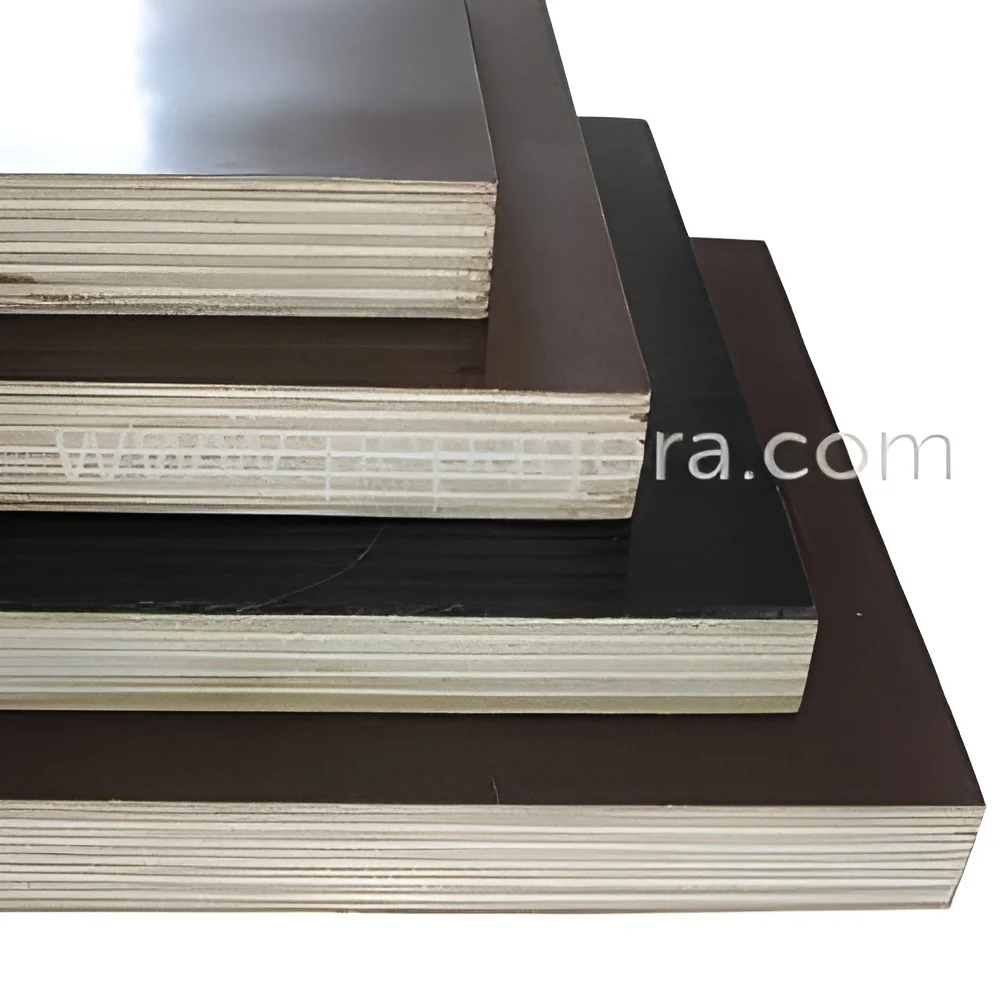
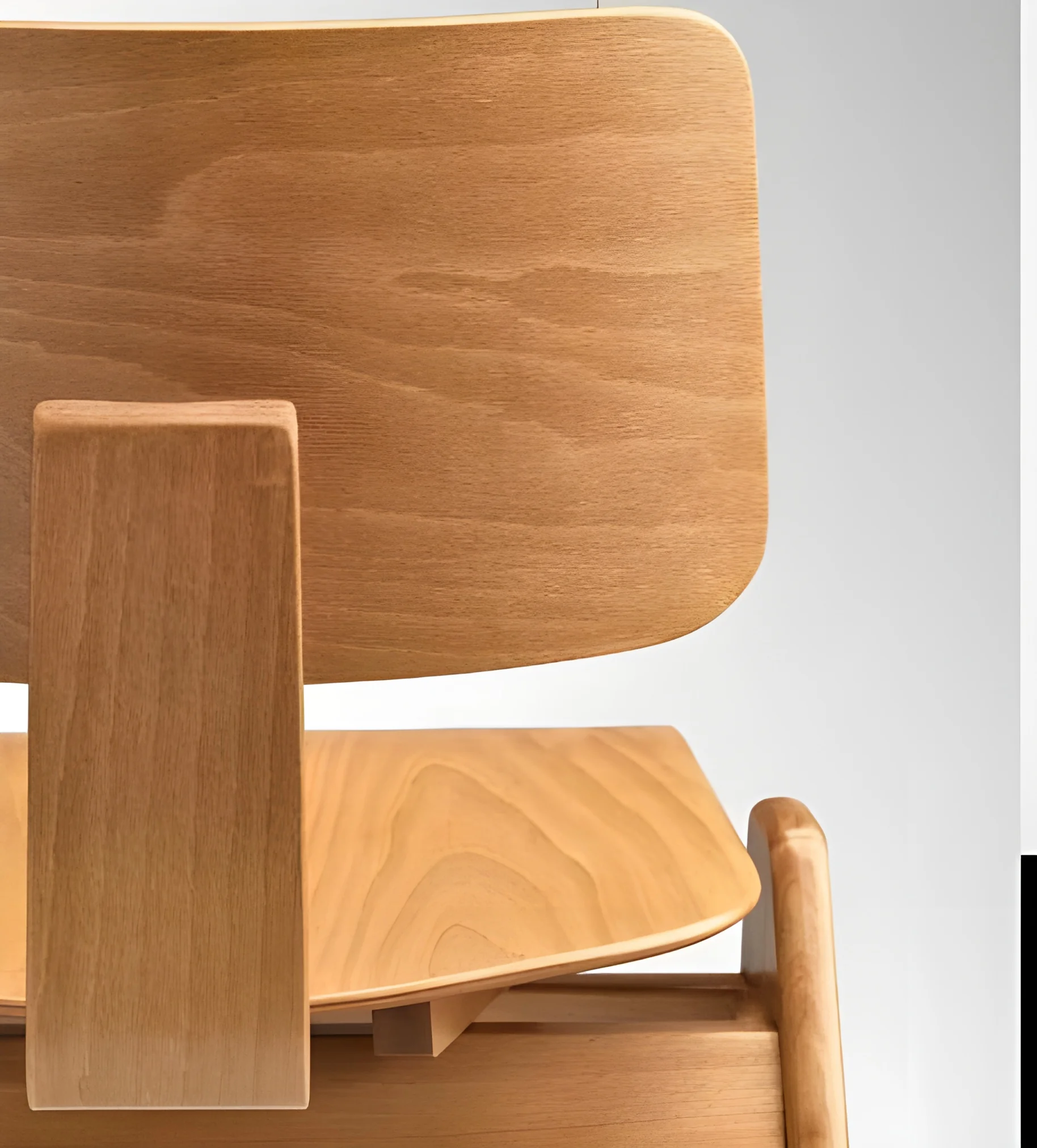
What are Plywood for Furniture?
Plywood for furniture refers to engineered wood made from thin layers or "plies" of wood veneer. These layers are glued together with the grain of adjacent layers running perpendicular to each other, enhancing strength and stability. Plywood is widely recognized for its versatility, durability, and cost-effectiveness in various furniture applications.
This type of plywood is commonly used in manufacturing furniture pieces such as cabinets, tables, desks, and shelving units. It serves a crucial role in both residential and commercial furniture settings, providing a reliable material that can be easily shaped and finished. The furniture industry utilizes plywood due to its lightweight nature and ability to withstand stress, making it ideal for a range of designs and functionalities.
In the current market context, the demand for plywood in furniture manufacturing continues to rise, driven by trends in home décor and office design. As consumers and businesses seek affordable yet high-quality materials, plywood has established itself as a preferred choice among manufacturers.
Key Features and Specifications
Plywood for furniture offers a range of features and specifications that define its quality and suitability for various applications. Understanding these specifications is essential for making informed purchasing decisions.
Key specifications include:
1. Thickness
- Available in various thicknesses ranging from 3mm to 25mm.
- Thickness affects the strength and application of the plywood.
2. Grade
- Plywood is classified into different grades based on appearance and structural integrity.
- Common grades include A, B, C, and D, with A being the highest-quality grade.
3. Bonding Type
- Plywood can be bonded using various adhesives, including phenolic and urea-formaldehyde.
- The choice of adhesive affects moisture resistance and durability.
4. Size
- Standard sheet sizes typically range from 4x8 feet to custom dimensions.
- Size selection is crucial for project requirements.
5. Surface Finish
- Available in a variety of finishes, including raw, veneered, and laminated.
- Surface treatments enhance aesthetics and protect against wear.
6. Moisture Resistance
- Some plywood types are specifically designed for high-moisture environments.
- Important for applications in kitchens and bathrooms.
7. Weight
- Lightweight options are available, which can ease handling and installation.
- Weight considerations are important for mobile furniture designs.
8. Environmental Standards
- Many plywood products comply with eco-friendly standards, such as CARB and E1.
- Compliance ensures lower emissions of harmful substances.
In summary, selecting the right plywood for furniture involves understanding its features and specifications to ensure it meets the specific needs of your projects.
Common Applications and Use Cases
Plywood for furniture serves various industries, each with unique applications.
1. Residential Furniture: Plywood is often used in making cabinets, tables, and chairs due to its strength and versatility. It allows for creative designs while being cost-effective for homeowners.
2. Office Furniture: Many office pieces, such as desks and partitions, utilize plywood for its lightweight and durable properties. This makes it suitable for modular furniture that can be easily moved.
3. Retail Displays: Plywood is a popular choice for retail fixtures and displays. Its customizable nature allows for unique designs that can be tailored to specific branding needs.
4. Hospitality: In hotels and restaurants, plywood is used for furniture and fixtures. Its aesthetic appeal and durability make it ideal for high-traffic areas.
5. Educational Institutions: Plywood is often used in school furniture, including desks, tables, and benches. It provides a sturdy yet lightweight option for classrooms.
6. Healthcare: In medical facilities, plywood is utilized for furniture such as beds and cabinets, ensuring strength and easy maintenance.
7. Custom Furniture Makers: Artisans and custom furniture makers often choose plywood for its versatility and ability to create bespoke pieces.
Product Variants and Subcategories
Plywood for furniture comes in a variety of options, allowing for tailored solutions based on project requirements.
Marine Plywood: This variant is designed for moisture-rich environments. It is treated to resist water damage and is ideal for outdoor furniture or applications near water.
Birch Plywood: Known for its smooth surface and durability, birch plywood is commonly used in high-end furniture applications. It is finished easily and offers excellent strength.
Laminated Plywood: This type features a laminate layer that enhances its appearance and durability. It is widely used in commercial spaces for its aesthetic appeal and ease of cleaning.
Veneered Plywood: Veneered plywood has a thin layer of hardwood on the surface, providing an attractive finish while maintaining the structural benefits of plywood. It is perfect for upscale furniture designs.
Benefits and Advantages
Plywood for furniture provides numerous benefits for manufacturers and end-users alike.
1. Cost-Effective: Plywood is generally more affordable than solid wood, making it a budget-friendly option for furniture production.
2. Versatility: It can be used for a wide range of applications, from intricate designs to simple constructions.
3. Strength: The cross-laminated structure of plywood offers superior strength and resistance to warping compared to traditional wood.
4. Lightweight: Plywood is lighter than solid wood, facilitating easier handling and transportation.
5. Customization: It can be easily cut, shaped, and finished to meet specific design requirements.
6. Eco-Friendly Options: Many plywood products are made from sustainable sources and comply with environmental regulations.
Buying Guide for B2B Buyers
When sourcing plywood for furniture, several factors should be considered to ensure a successful purchase.
1. Quality Assessment: Evaluate the quality of plywood by considering its grade, thickness, and bonding type. Higher grades typically offer better performance and aesthetics.
2. Supplier Verification: Conduct thorough research on potential suppliers. Check their reputation, certifications, and customer reviews to ensure reliability.
3. Pricing and MOQ: Understand the pricing structure and minimum order quantities (MOQ) required by suppliers. This will help in budgeting and planning your procurement.
4. Delivery and Lead Times: Inquire about logistics, including delivery schedules and lead times. Timely delivery is crucial for maintaining production schedules.
5. Compliance Requirements: Ensure that the plywood meets local and international standards for safety and environmental impact. Compliance with regulations is essential for market acceptance.
Compliance and Certifications
Plywood for furniture must adhere to various compliance and certification standards to ensure its quality and safety.
Relevant quality standards include ISO 9001, which sets criteria for a quality management system, ensuring consistent product quality. Compliance with HACCP and GDP standards may also be required in specific industries, particularly in food-related applications.
Industry certifications, such as CE marking, indicate compliance with European safety standards. This is essential for accessing markets in Europe and ensuring that products meet safety requirements.
Safety and testing requirements are crucial for plywood used in furniture. Manufacturers should conduct rigorous testing to ensure that the plywood does not emit harmful substances and meets safety standards.
Regional compliance considerations vary by market. It is important for buyers to be aware of local regulations and standards that apply to plywood products.
Why Source Plywood for Furniture from Pepagora?
Pepagora provides a trusted platform for sourcing plywood for furniture, offering several key advantages for B2B buyers.
Verified Supplier Network: Pepagora connects buyers with a network of verified suppliers. This ensures that the sourcing process is safe and efficient, reducing the risk of dealing with unreliable vendors.
Streamlined RFQ Process: The platform features a streamlined request for quotation (RFQ) process that simplifies the procurement journey. Buyers can easily compare offers and select the best options based on their needs.
Trade Assurance and Support: Pepagora offers trade assurance and support services to protect buyers throughout the transaction. This adds an extra layer of security and confidence in the sourcing process.
Regional Coverage: With a broad geographic reach across India, the GCC, and Southeast Asia, Pepagora enables buyers to access a diverse range of plywood products, catering to various market demands.
By choosing Pepagora, businesses can enhance their procurement efficiency while ensuring high-quality plywood for their furniture applications.

 IN
IN