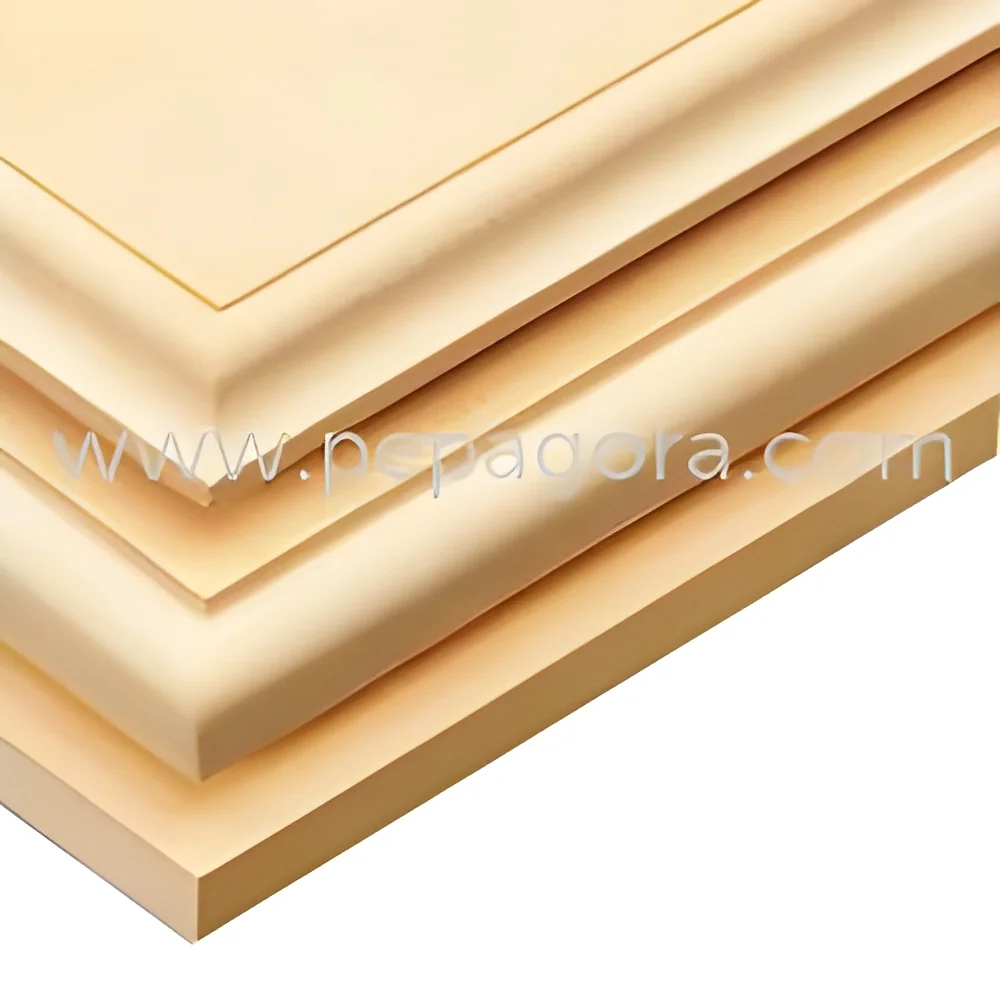
What are Block Boards?
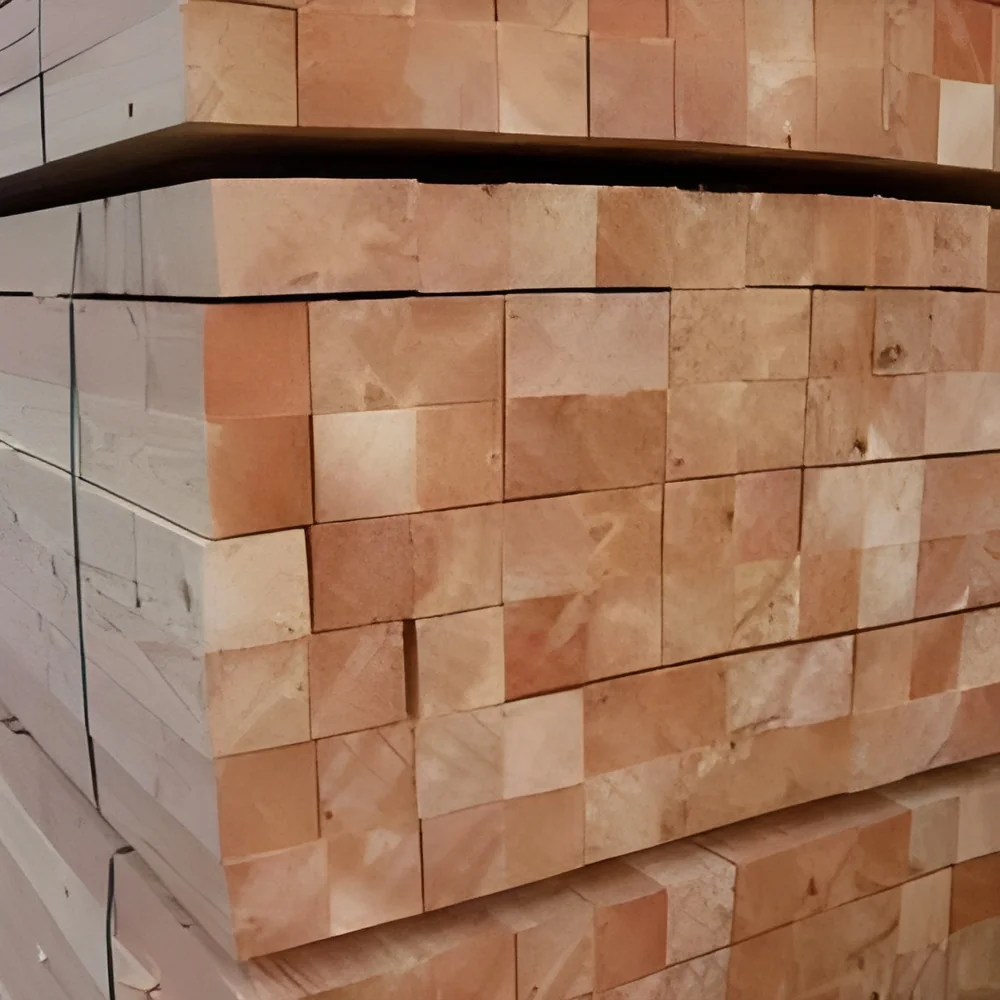
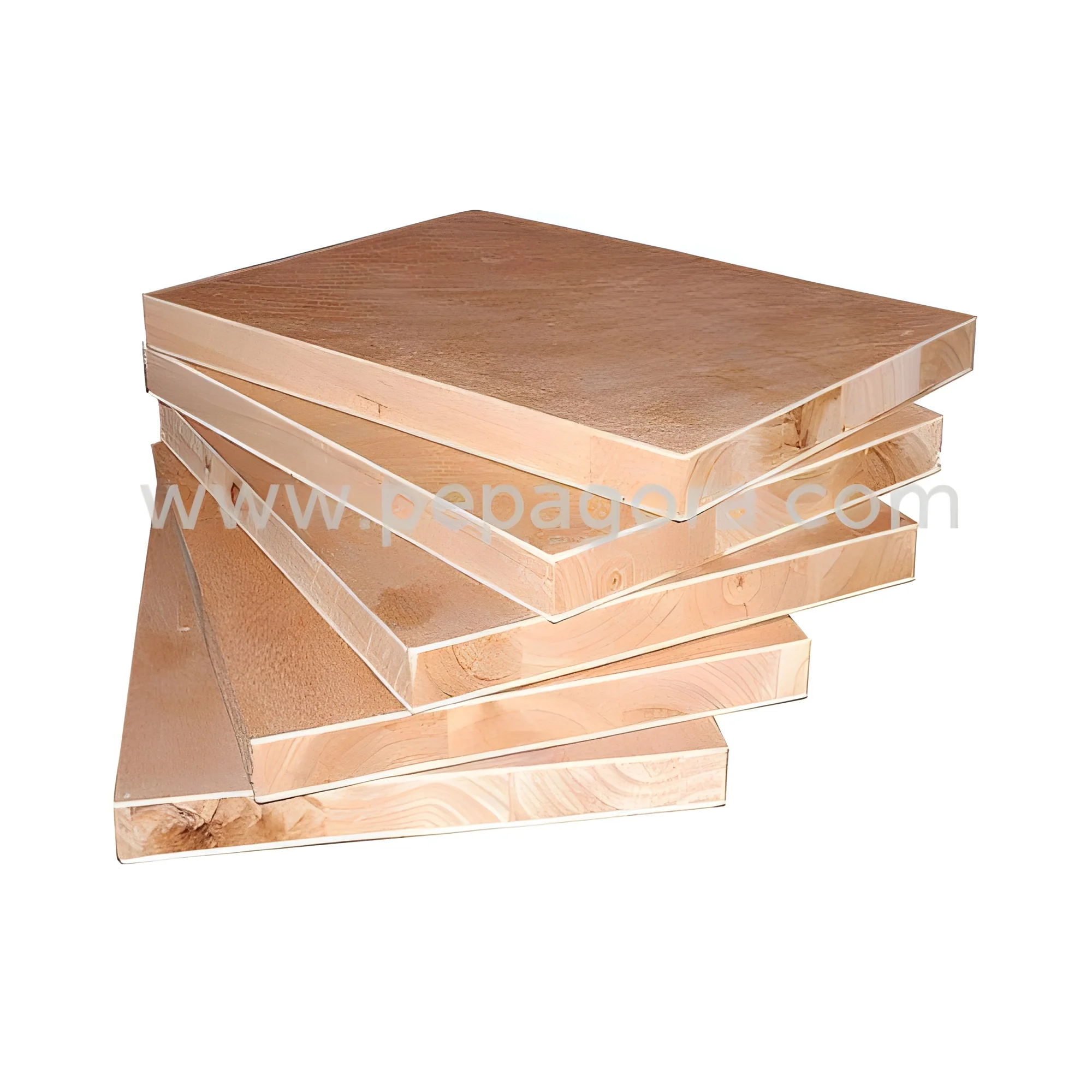
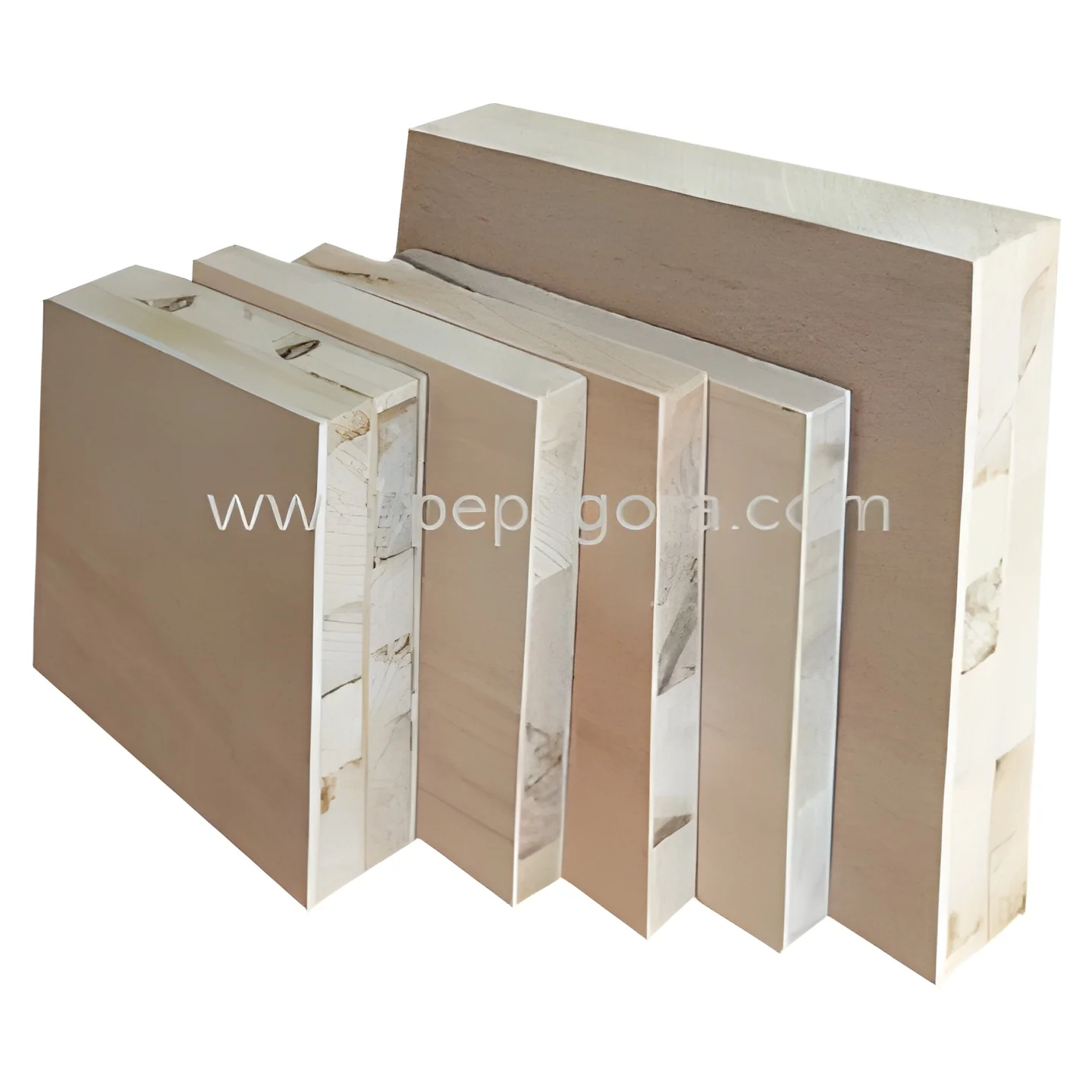
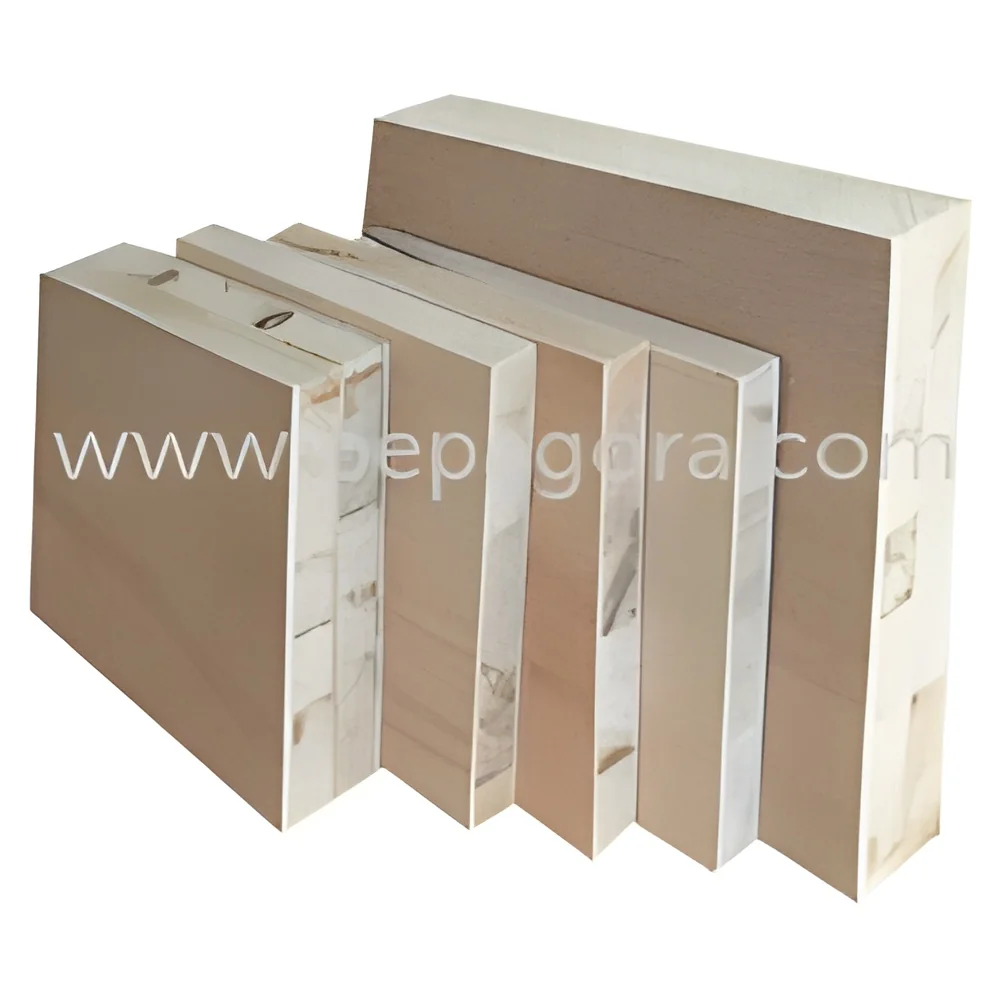
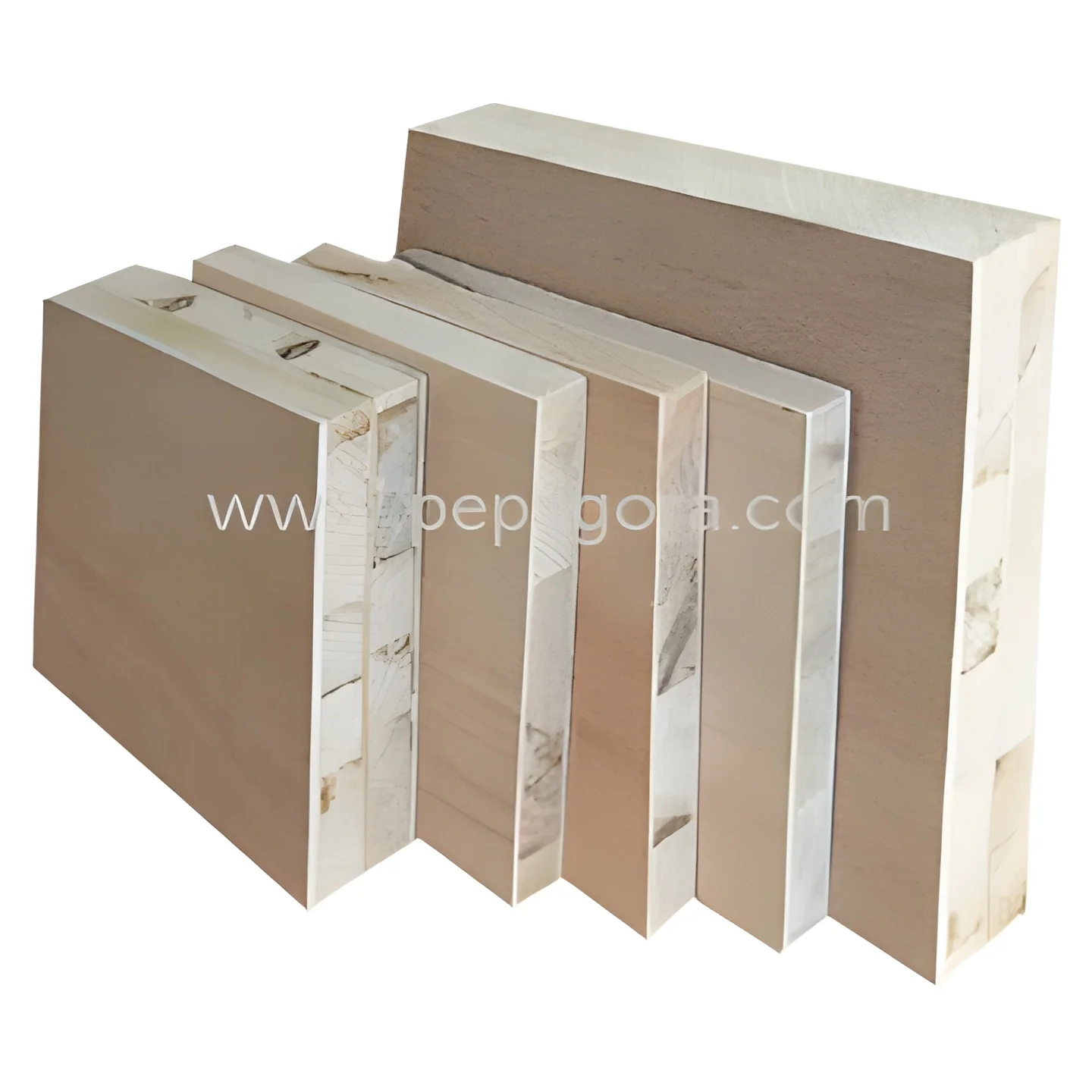
Block boards are a type of engineered wood product made from a core of wooden blocks that are bonded between two layers of veneer. This construction offers enhanced strength and durability compared to traditional plywood. Block boards are typically available in various thicknesses and sizes, making them suitable for a wide range of applications. Their solid core structure provides excellent resistance to warping and bending, making them a preferred choice in many construction and furniture projects.
Block boards are commonly used in the furniture industry, where they serve as a reliable material for tabletops, cabinets, and shelves. They are also utilized in interior applications such as doors and partitions. The versatility of block boards allows them to be used in both residential and commercial settings, contributing to their popularity in the market. As the demand for sustainable and durable building materials rises, block boards remain relevant due to their strength, aesthetic appeal, and eco-friendly manufacturing processes.
Key Features and Specifications
Block boards are known for their distinctive features that cater to various industrial requirements. They combine functionality with aesthetic appeal, making them an ideal choice for many applications. Below are some key specifications related to block boards.
Key specifications include:
1. Core Material
- Made from solid wooden blocks
- Provides enhanced strength and stability
2. Surface Finish
- Available in a variety of veneer finishes
- Can be customized for specific aesthetics
3. Thickness Range
- Typically available in thicknesses from 18mm to 25mm
- Options available for custom thickness as required
4. Size Options
- Standard sizes include 4x8 feet sheets
- Custom sizes can be manufactured based on client needs
5. Weight Capacity
- High load-bearing capacity suitable for heavy applications
- Weight capacity varies based on thickness and density
6. Moisture Resistance
- Treated to withstand humidity and moisture
- Suitable for use in varied climatic conditions
7. Fire Resistance
- Some variants may offer fire-retardant properties
- Compliance with specific fire safety standards available
8. Environmental Compliance
- Manufactured using eco-friendly processes
- Adherence to relevant environmental regulations
In summary, block boards feature a combination of strength, aesthetic versatility, and environmental sustainability, making them an excellent choice for various industrial applications.
Common Applications and Use Cases
Block boards have a wide range of applications across different industries, showcasing their versatility and reliability.
1. Furniture Manufacturing: Block boards are extensively used in creating sturdy furniture pieces such as tables, desks, and cabinets due to their durability and aesthetic appeal.
2. Interior Design: They are popular in interior design projects for making partitions, wall panels, and decorative elements, allowing for creative and functional designs.
3. Construction: Block boards serve as solid core materials for doors and frames, providing strength and insulation for residential and commercial buildings.
4. Retail Displays: Retailers utilize block boards for creating display units and shelving systems that require durability and an appealing finish.
5. Hospitality Industry: In hotels and restaurants, block boards are used for furniture and fixtures that demand both style and resilience against heavy use.
6. Educational Institutions: Schools and universities employ block boards for furniture and classroom partitions, benefiting from their strength and ease of maintenance.
7. Office Spaces: They are favored in office environments for desks, conference tables, and storage units, combining functionality with a professional appearance.
Product Variants and Subcategories
Block boards come in various forms to meet different needs and preferences. Each variant offers unique features suited for specific applications.
Standard Block Boards
These are the most common type, featuring a solid wood core and various veneer finishes. They are suitable for general furniture applications and interior design projects.
Moisture-Resistant Block Boards
Designed for areas with high humidity, these block boards are treated to resist moisture damage. They are ideal for bathrooms and kitchens where moisture levels are a concern.
Fire-Retardant Block Boards
This variant is manufactured with fire-resistant materials, making them suitable for applications where fire safety is a priority, such as in commercial buildings.
High-Strength Block Boards
These boards are engineered to offer enhanced load-bearing capacity, making them suitable for heavy-duty applications in industrial settings.
Benefits and Advantages
Choosing block boards presents numerous advantages for businesses looking for reliable materials.
1. Durability: Block boards are constructed to resist warping, bending, and cracking, ensuring long-lasting performance in various applications.
2. Aesthetic Versatility: They can be finished in various styles, allowing for customization to fit different design preferences and environments.
3. Cost-Effectiveness: Despite their high-quality construction, block boards are often more affordable compared to solid wood alternatives, offering a budget-friendly solution.
4. Sustainability: Many block boards are produced using eco-friendly methods and sustainably sourced materials, appealing to environmentally conscious businesses.
5. Easy Maintenance: The smooth surface of block boards makes them easy to clean and maintain, ensuring a professional appearance over time.
6. High Load Capacity: With their strong core structure, block boards can support heavy weights, making them suitable for a wide range of uses without compromising safety.
Buying Guide for B2B Buyers
When considering the procurement of block boards, B2B buyers should evaluate several critical factors to ensure a satisfactory purchase.
1. Quality Assessment: It is essential to inspect the quality of block boards, including their surface finish and structural integrity. Look for certifications that assure compliance with industry standards.
2. Supplier Verification: Vetting suppliers is crucial. Ensure they have a good reputation and can provide reliable products. References and customer feedback can help in this assessment.
3. Pricing and MOQ: Understand the pricing structure and minimum order quantities. This will help in budgeting and determining if the supplier meets your volume needs.
4. Delivery and Lead Times: Ensure clarity on delivery schedules and lead times. Timely delivery is critical for maintaining project timelines and operational efficiency.
5. Compliance Requirements: Check for any regulatory compliance related to safety, environmental standards, and certifications that may be necessary for your specific application.
Compliance and Certifications
Block boards must meet various quality standards and certifications to ensure safety and reliability in their applications.
Relevant quality standards include ISO 9001, which focuses on quality management systems, ensuring that products maintain high quality and consistency throughout the manufacturing process.
Industry certifications like CE indicate that the product complies with European health, safety, and environmental protection standards, making them suitable for international markets.
Safety and testing requirements are crucial to guarantee that block boards perform adequately under various conditions. This includes assessments for durability, load-bearing capacity, and fire resistance, depending on the intended use.
Regional compliance considerations may vary based on local regulations and industry standards. It is vital to confirm that the products sourced adhere to the necessary guidelines for the target market.
Why Source Block Boards from Pepagora?
Pepagora stands out as a trusted platform for sourcing block boards, providing several key advantages for B2B buyers.
Verified Supplier Network: Pepagora has a comprehensive network of verified suppliers, ensuring that buyers can source quality block boards with confidence. This verification process helps mitigate risks associated with procurement.
Streamlined RFQ Process: The platform offers a user-friendly request for quotation (RFQ) process, allowing buyers to easily compare options and make informed decisions based on their specific requirements.
Trade Assurance and Support: Pepagora provides trade assurance, protecting buyers throughout the purchasing process. This includes support for resolving disputes and ensuring that suppliers uphold their commitments.
Regional Coverage: With a strong presence in regions such as India, the GCC, and Southeast Asia, Pepagora enables buyers to access a wide range of block board options tailored to their market needs. This geographic reach facilitates efficient sourcing and logistics.

 IN
IN