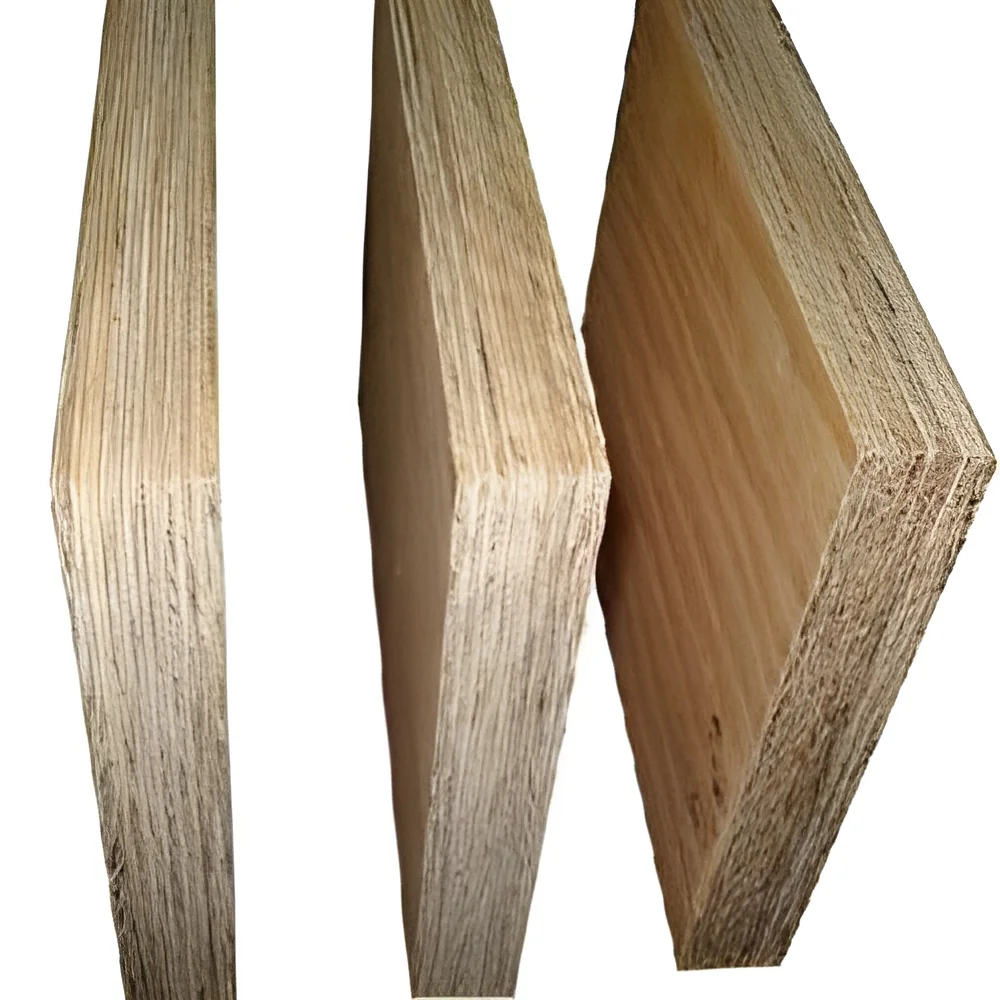
What are Laminated Boards?
Laminated boards are engineered wood products created by bonding layers of materials together, typically using adhesives under heat and pressure. This process results in a durable and stable product that exhibits enhanced strength, moisture resistance, and aesthetic appeal. Laminated boards can be made from various materials, including plywood, particleboard, and medium-density fiberboard (MDF), ensuring versatility in applications.
These boards find extensive use in furniture manufacturing, cabinetry, flooring, and interior design. Their structural integrity and surface finish make them ideal for both residential and commercial settings. Businesses often choose laminated boards for their cost-effectiveness and ease of maintenance, making them a popular choice in construction and renovation projects. The demand for laminated boards continues to grow in the market due to their affordability and wide range of uses in various industries.
Key Features and Specifications
Laminated boards are distinguished by several key features that enhance their usability across different industries. These features contribute to their performance and longevity, making them a preferred choice in several applications.
Key specifications include:
1. Material Composition
- Typically made from plywood, particleboard, or MDF
- Combines layers of wood or composite materials for strength
2. Surface Finish
- Available in a variety of finishes, including matte and glossy
- Can be designed to imitate natural wood or other materials
3. Thickness
- Common thickness ranges from 6 mm to 25 mm
- Thickness can affect durability and application suitability
4. Dimensional Stability
- Resistant to warping and bending under varying environmental conditions
- Maintains shape over time, reducing the need for replacements
5. Moisture Resistance
- Treated to withstand humidity and prevent swelling
- Ideal for use in kitchens and bathrooms
6. Weight
- Lightweight options available for easy handling and installation
- Weight varies by material type and thickness
7. Fire Resistance
- Some variants offer fire-retardant properties
- Suitable for applications requiring enhanced safety measures
8. Environmental Considerations
- Many laminated boards are made from sustainable materials
- Comply with eco-friendly manufacturing practices
In summary, laminated boards offer diverse specifications that cater to various industrial needs, enhancing their appeal in the marketplace.
Common Applications and Use Cases
Laminated boards serve a multitude of industries, providing solutions tailored to specific needs.
1. Furniture Industry: Laminated boards are widely used in the production of desks, tables, and cabinets, offering a blend of durability and aesthetics.
2. Construction: These boards are frequently employed in interior wall panels and flooring systems due to their strength and moisture resistance.
3. Retail Fixtures: Retail businesses utilize laminated boards for shelving and display units, as their surface finish enhances product visibility.
4. Kitchen and Bath: Laminated boards are ideal for cabinetry and countertops, providing a sleek appearance while resisting moisture damage.
5. Office Spaces: They are used in office furniture and partitions, contributing to modern and functional workspace designs.
6. Educational Institutions: Schools and universities use laminated boards for furniture, such as desks and chairs, promoting a practical learning environment.
7. Hospitality: Hotels and restaurants incorporate laminated boards in furniture and interior decor, ensuring longevity and style.
Product Variants and Subcategories
Laminated boards come in various forms, catering to diverse requirements across industries.
Standard Laminated Boards
These boards are commonly used in furniture and cabinetry. They offer a balanced combination of durability, cost-effectiveness, and aesthetic options.
High-Pressure Laminates (HPL)
HPL variants are engineered for high durability and resistance to scratches and impacts. They are ideal for surfaces that require enhanced protection in high-traffic areas.
Moisture-Resistant Laminates
Designed specifically for areas exposed to humidity, these boards are perfect for kitchens and bathrooms, ensuring longevity and performance against moisture damage.
Benefits and Advantages
Laminated boards offer numerous benefits that make them an attractive choice for businesses.
1. Cost-Effective: Their affordability makes laminated boards a budget-friendly option for construction and furniture projects.
2. Durability: Laminated boards are resistant to wear and tear, enhancing their lifespan in various applications.
3. Aesthetic Versatility: Available in numerous colors and finishes, they can easily match different design themes.
4. Ease of Maintenance: Smooth surfaces make cleaning and upkeep simple, saving time and effort for end-users.
5. Environmental Sustainability: Many laminated boards are made from recycled materials, contributing to eco-friendly practices.
6. Quick Installation: Lightweight and easy to handle, laminated boards can be installed efficiently, reducing labor costs.
Buying Guide for B2B Buyers
When sourcing laminated boards, several factors should be considered to ensure the right choice for your business needs.
1. Quality Assessment: Evaluate the quality of laminated boards by checking material certifications and physical properties such as thickness and surface finish.
2. Supplier Verification: Vet suppliers by reviewing their reputation, customer feedback, and previous projects to ensure reliability.
3. Pricing and MOQ: Understand the pricing structure and minimum order quantities (MOQ) to align with your budget and project scale.
4. Delivery and Lead Times: Discuss logistics and delivery timelines with suppliers to avoid delays in project schedules.
5. Compliance Requirements: Ensure that the boards meet relevant industry standards and regulations, particularly for safety and environmental considerations.
Compliance and Certifications
Laminated boards must adhere to various quality standards and certifications to ensure they meet industry requirements. Common standards include ISO 9001, which focuses on quality management systems, and CE certification, indicating compliance with European safety standards.
Additionally, laminated boards may undergo safety testing to assess their performance under different conditions. Compliance with local regulations is also crucial, as requirements can vary by region, particularly in terms of environmental impact and safety measures.
Why Source Laminated Boards from Pepagora?
Pepagora provides a trusted platform for sourcing laminated boards with several key advantages.
Verified Supplier Network: Pepagora connects buyers with a network of verified suppliers, ensuring that products meet quality and safety standards.
Streamlined RFQ Process: The platform offers a straightforward request for quotation (RFQ) system, simplifying the procurement process for businesses.
Trade Assurance and Support: Buyers benefit from trade assurance programs that protect their purchases, providing peace of mind during transactions.
Regional Coverage: Pepagora has a strong presence in India, the GCC, and Southeast Asia, allowing businesses to source laminated boards efficiently across these regions.

 IN
IN