What are Plain MDF Boards?
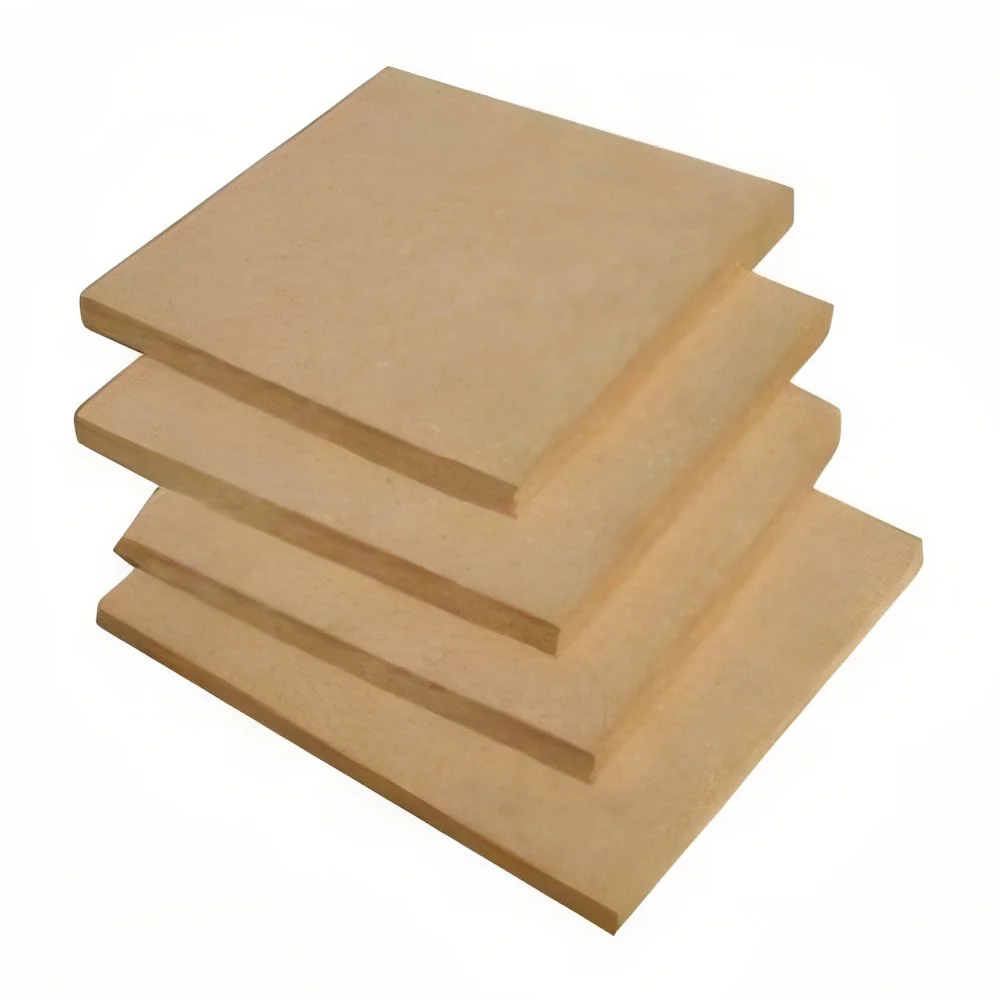
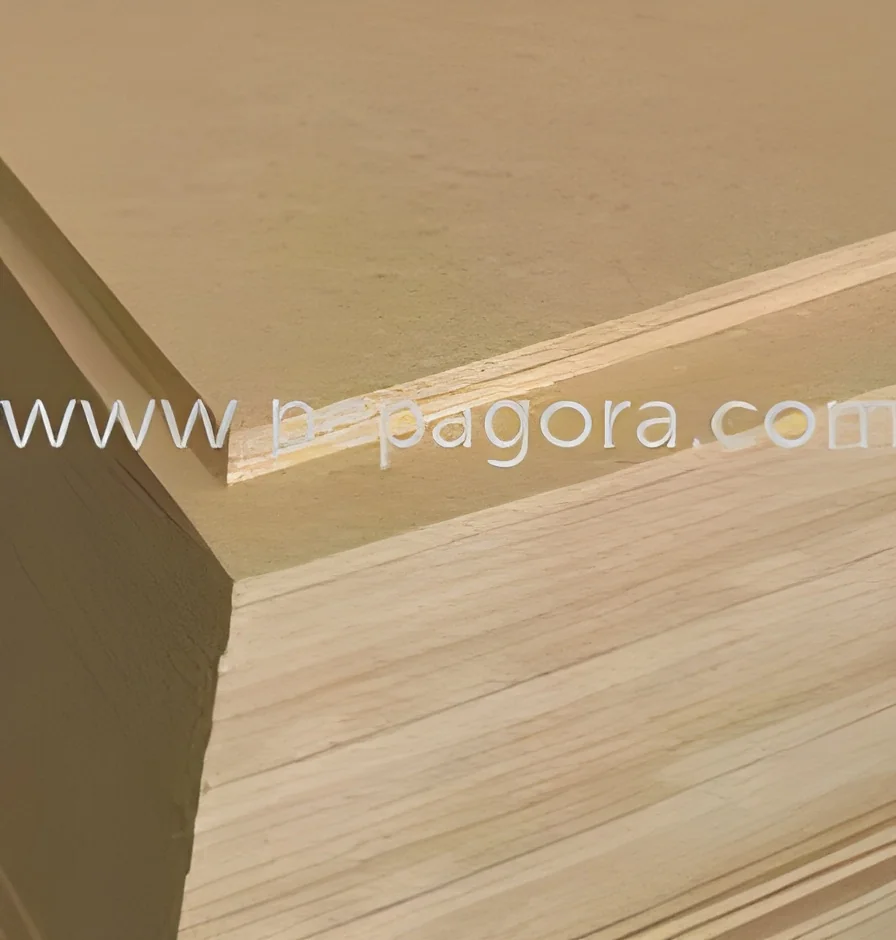
Plain MDF boards, or Medium Density Fiberboard, are engineered wood products made from wood fibers, wax, and resin. These materials are combined under high pressure and temperature to create dense, flat boards that are versatile and easy to work with. The smooth surface of MDF makes it ideal for a variety of applications, as it can be easily painted, veneered, or laminated.
The primary uses of Plain MDF boards span multiple industries, including furniture manufacturing, cabinetry, and interior design. They are often utilized for making furniture components, decorative molding, and as substrates for countertops. Their consistent density and smooth surface allow for detailed machining and finishing, making them a preferred choice in projects requiring precision and aesthetics. In the current market context, the demand for MDF boards is growing due to their sustainability, as they can be made from recycled wood fibers, which appeals to environmentally conscious businesses.
Key Features and Specifications
Plain MDF boards are characterized by several features that make them suitable for various applications. Understanding these specifications helps buyers make informed decisions when sourcing these materials.
Key specifications include:
1. Thickness
- Common thickness ranges from 3mm to 25mm
- Variants may be available for specialized applications
2. Density
- Density typically ranges between 600 kg/m3 to 800 kg/m3
- Higher density boards provide increased strength and durability
3. Surface Finish
- Available in smooth surfaces for easy finishing
- Can be treated for moisture resistance
4. Size
- Standard sheet sizes often include 1220mm x 2440mm
- Custom sizes may be available upon request
5. Weight
- Weight varies by thickness, generally around 8-10 kg per standard sheet
- Heavier boards offer enhanced stability
6. Formaldehyde Emissions
- Emission levels comply with E1 or E2 standards
- Lower emissions are available for eco-friendly options
7. Fire Resistance
- Standard MDF is not fire-resistant
- Fire-rated variants are available for specific applications
In summary, Plain MDF boards offer a range of specifications that cater to a variety of industrial needs, ensuring flexibility and versatility in their applications.
Common Applications and Use Cases
Plain MDF boards are widely utilized in numerous industries due to their adaptability and ease of use.
1. Furniture Manufacturing: These boards are commonly used to create furniture pieces such as tables, chairs, and cabinets, where a smooth finish is essential.
2. Cabinetry: MDF is ideal for kitchen and bathroom cabinets, providing a durable base for paint and veneer finishes.
3. Interior Design: Designers often use MDF for decorative wall panels, moldings, and trim work to achieve a polished look.
4. Signage: The smooth surface allows for high-quality printing and painting, making MDF suitable for indoor signage.
5. Musical Instruments: MDF boards are used in the construction of certain musical instruments due to their acoustic properties and ease of shaping.
6. DIY Projects: Hobbyists and crafters utilize MDF for a variety of creative projects, from model building to custom home decor.
7. Packaging: Certain packaging solutions incorporate MDF due to its structural integrity and ability to be molded into various shapes.
Product Variants and Subcategories
While Plain MDF boards come in many forms, the focus remains on their versatility and application potential.
Standard MDF
This is the most common variant, featuring a smooth surface ideal for painting and veneering. It is widely used in furniture and cabinetry.
Moisture-Resistant MDF
This variant is treated to resist moisture, making it suitable for high-humidity environments like kitchens and bathrooms.
Fire-Rated MDF
Designed to meet specific fire safety standards, this MDF variant is used in applications where fire resistance is critical, such as commercial buildings.
Benefits and Advantages
Plain MDF boards offer several advantages that make them a popular choice among manufacturers and builders.
1. Cost-Effective: Compared to solid wood, MDF boards are more affordable while providing similar aesthetic appeal.
2. Versatile: Their ease of machining allows for a range of applications, from furniture to decorative elements.
3. Smooth Finish: The smooth surface of MDF makes it ideal for painting and veneering, enhancing the final product's appearance.
4. Eco-Friendly: Many MDF boards are made from recycled wood fibers, supporting sustainability initiatives.
5. Stability: MDF does not warp or crack like solid wood, providing consistent performance over time.
6. Easy to Work With: MDF can be easily cut, shaped, and assembled, making it suitable for both large-scale production and custom projects.
Buying Guide for B2B Buyers
When sourcing Plain MDF Boards, it is essential to consider several factors to ensure quality and suitability for your projects.
1. Quality Assessment: Evaluate the board's density, surface finish, and formaldehyde emissions to ensure they meet your project requirements.
2. Supplier Verification: Vet potential suppliers by reviewing their certifications and customer feedback to ensure reliability and consistent quality.
3. Pricing and MOQ: Understand the market pricing and minimum order quantity (MOQ) requirements to ensure budget alignment and sufficient supply.
4. Delivery and Lead Times: Clarify delivery schedules and lead times with suppliers to ensure timely project completion.
5. Compliance Requirements: Ensure that the MDF boards comply with local regulations and industry standards, such as CE certification, to avoid legal complications.
Compliance and Certifications
Plain MDF boards must meet industry standards to ensure quality and safety. Relevant quality standards include ISO 9001, which ensures consistent quality management, and HACCP for safety in food-related applications.
The CE certification indicates compliance with European safety, health, and environmental protection standards. It is essential for businesses operating within the European market.
Safety and testing requirements involve ensuring that MDF boards comply with formaldehyde emission standards and other environmental controls.
Regional compliance considerations may differ, so it is crucial to be aware of local regulations regarding MDF usage and safety standards.
Why Source Plain MDF Boards from Pepagora?
Pepagora offers a trusted platform for sourcing Plain MDF Boards, ensuring B2B buyers have access to quality materials backed by key advantages.
Verified Supplier Network: Pepagora features a comprehensive network of verified suppliers, ensuring that buyers can confidently source from reputable manufacturers.
Streamlined RFQ Process: The platform provides a simplified request-for-quotation (RFQ) process, making it easier for buyers to obtain competitive pricing and terms.
Trade Assurance and Support: Pepagora offers trade assurance and support to protect buyers throughout the sourcing process, providing peace of mind and security.
Regional Coverage: With a geographic reach that spans India, the GCC, and Southeast Asia, Pepagora connects buyers with local suppliers, facilitating efficient logistics and timely delivery.

 IN
IN