𝗪𝗵𝗮𝘁 𝗮𝗿𝗲 𝗢𝗿𝗴𝗮𝗻𝗶𝗰 𝗙𝗮𝗿𝗺𝗶𝗻𝗴 𝗦𝘂𝗽𝗽𝗹𝗶𝗲𝘀?
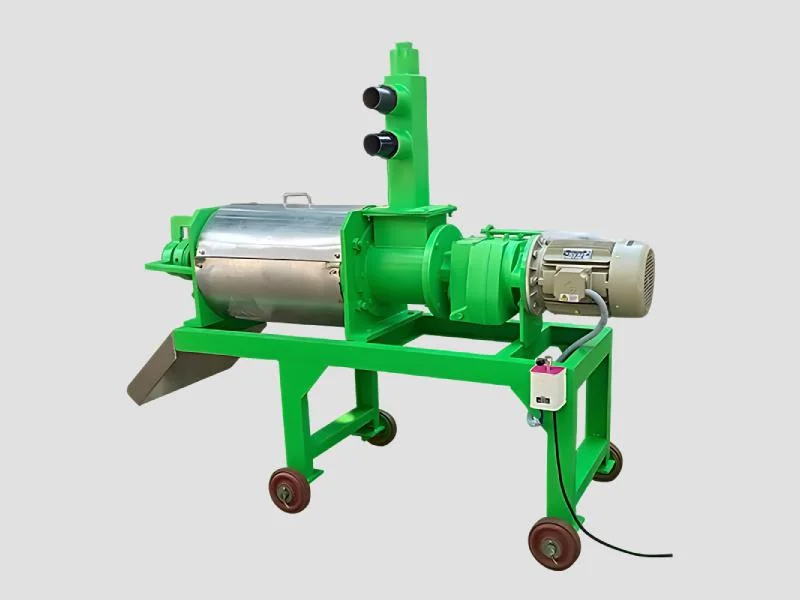
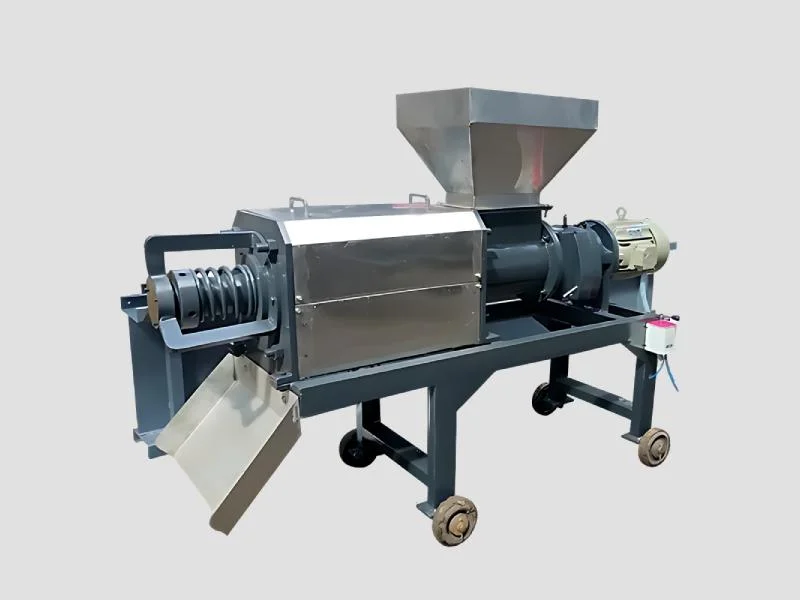
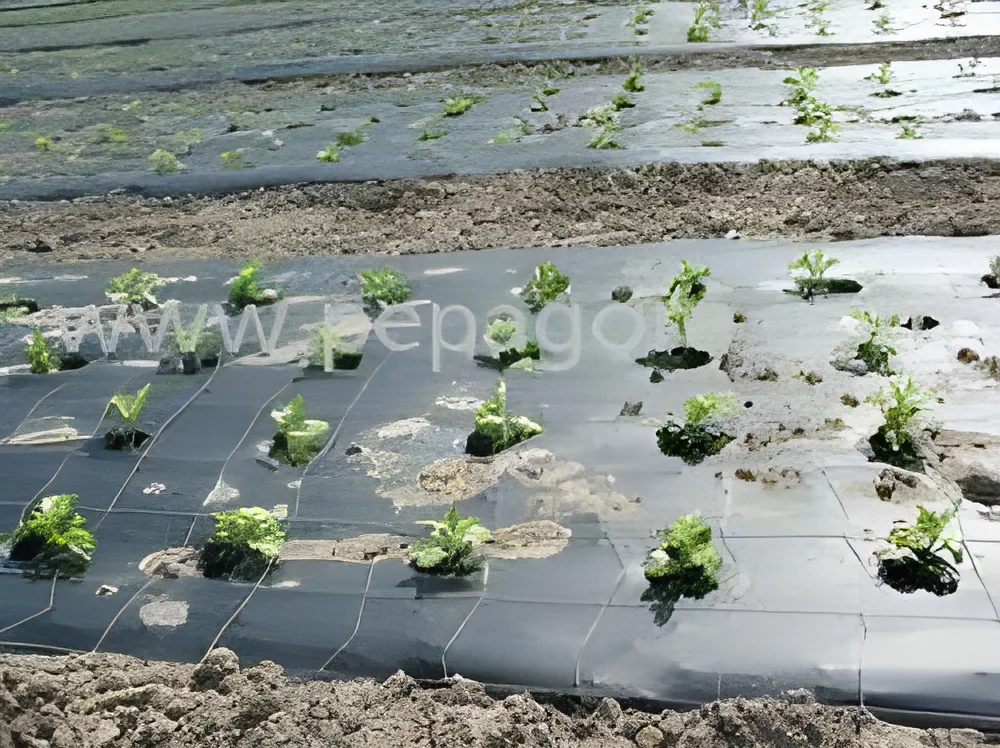
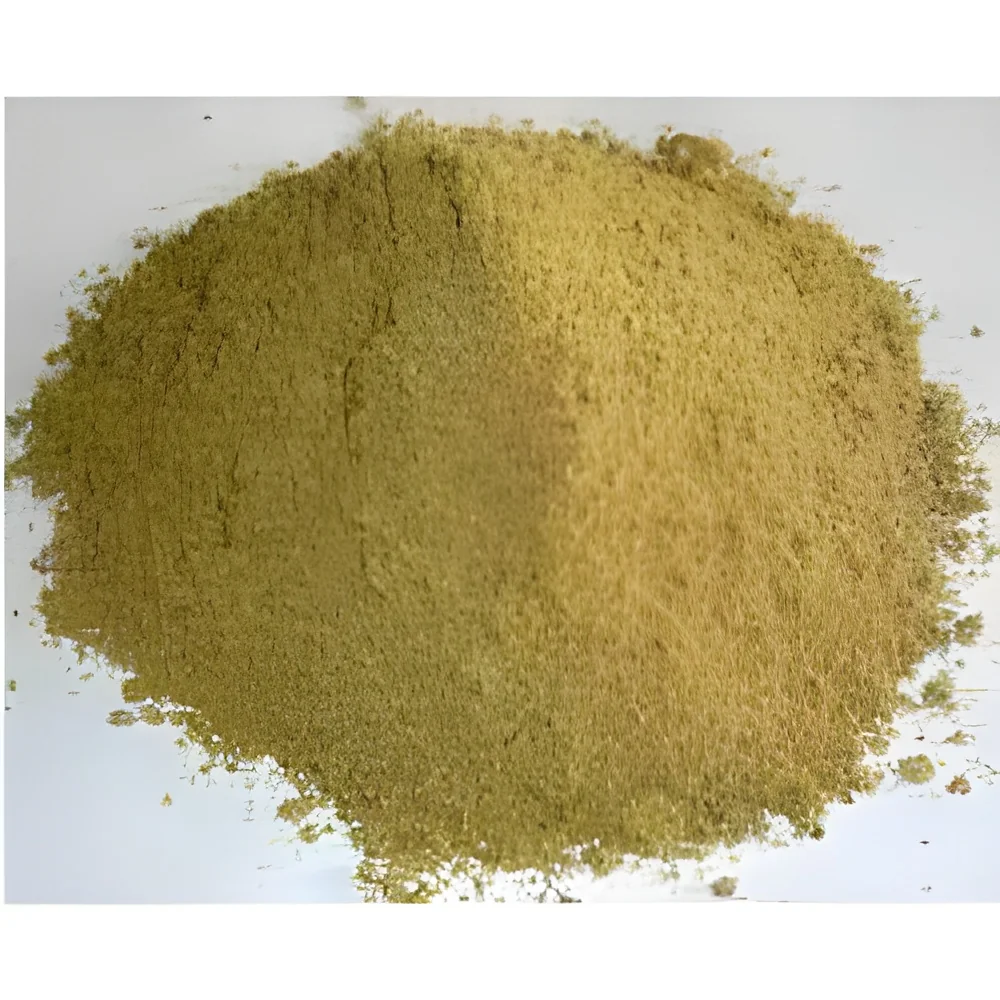
Organic Farming Supplies are products and materials specifically designed to support the practice of organic agriculture. This type of farming emphasizes the use of natural substances and processes to cultivate crops and raise livestock. Unlike conventional farming, which often relies on synthetic chemicals, organic farming focuses on sustainability, soil health, and biodiversity. Organic Farming Supplies can include seeds, fertilizers, pest control solutions, soil amendments, and other essential tools that align with organic farming principles.
The primary uses of Organic Farming Supplies are to enhance crop yields, maintain soil fertility, and manage pests and diseases in a manner that is environmentally friendly. Businesses involved in organic farming can benefit from these supplies by improving their operational efficiency and meeting the growing consumer demand for organic products. As the organic market expands, suppliers of organic farming products play a crucial role in supporting farmers' efforts to adopt sustainable practices and achieve certification.
In the current market context, the organic farming sector is gaining significant traction as consumers increasingly prioritize health and environmental sustainability. This trend drives demand for organic products, which in turn elevates the need for reliable Organic Farming Supplies. By offering innovative and effective solutions, suppliers can position themselves as vital partners in the organic farming industry, contributing to a healthier planet.
𝗞𝗲𝘆 𝗙𝗲𝗮𝘁𝘂𝗿𝗲𝘀 𝗮𝗻𝗱 𝗦𝗽𝗲𝗰𝗶𝗳𝗶𝗰𝗮𝘁𝗶𝗼𝗻𝘀
Organic Farming Supplies come with several essential features that enhance their effectiveness and usability. Understanding these specifications is crucial for making informed purchasing decisions.
Key specifications include:
1. Organic Certification
- Products must meet specific organic standards set by regulatory bodies.
- Certification ensures compliance with organic farming practices.
2. Nutrient Content
- Organic fertilizers typically have varying levels of nitrogen, phosphorus, and potassium.
- Detailed nutrient analysis is often provided to help farmers choose the right product.
3. Pest Control Mechanisms
- Organic pest control options include biopesticides and natural repellents.
- Effectiveness against specific pests can vary and should be clearly indicated.
4. Soil Amendment Properties
- Organic soil amendments improve soil structure and fertility.
- Common materials include compost, manure, and biochar.
5. Packaging and Storage
- Packaging should be eco-friendly and suitable for preserving product integrity.
- Storage conditions may affect the shelf life of organic products.
6. Application Methods
- Supplies may come with guidelines for application rates and timing.
- User-friendly instructions can enhance usability for farmers.
7. Environmental Impact
- Products should be evaluated for their ecological footprint.
- Sustainable sourcing and production practices are highly valued.
8. Availability and Supply Chain
- Consistent availability is crucial for farmers' operational planning.
- Suppliers should have robust logistics to ensure timely delivery.
Overall, the right specifications ensure that Organic Farming Supplies effectively meet the needs of farmers while adhering to organic standards.
𝗖𝗼𝗺𝗺𝗼𝗻 𝗔𝗽𝗽𝗹𝗶𝗰𝗮𝘁𝗶𝗼𝗻𝘀 𝗮𝗻𝗱 𝗨𝘀𝗲 𝗖𝗮𝘀𝗲𝘀
Organic Farming Supplies are versatile and find applications across various industries.
1. Agriculture: Organic farmers use these supplies to grow fruits, vegetables, and grains without synthetic chemicals.
2. Horticulture: Landscape and garden professionals utilize organic products to maintain healthy and sustainable gardens.
3. Livestock Farming: Organic feed and supplements are essential for raising livestock in compliance with organic standards.
4. Greenhouse Production: Organic supplies help in managing microclimates and enhancing plant growth in controlled environments.
5. Soil Restoration: Environmental organizations use organic materials to rehabilitate degraded land and improve soil health.
6. Community Gardens: Urban farms and community gardens rely on organic supplies to promote sustainable local food production.
7. Educational Institutions: Schools and universities implement organic farming practices for research and educational purposes.
These diverse applications highlight the importance of Organic Farming Supplies in promoting sustainable agricultural practices.
𝗣𝗿𝗼𝗱𝘂𝗰𝘁 𝗩𝗮𝗿𝗶𝗮𝗻𝘁𝘀 𝗮𝗻𝗱 𝗦𝘂𝗯𝗰𝗮𝘁𝗲𝗴𝗼𝗿𝗶𝗲𝘀
Organic Farming Supplies encompass a wide range of products tailored to meet different agricultural needs. The diversity of these supplies allows farmers to choose the best solutions for their specific requirements.
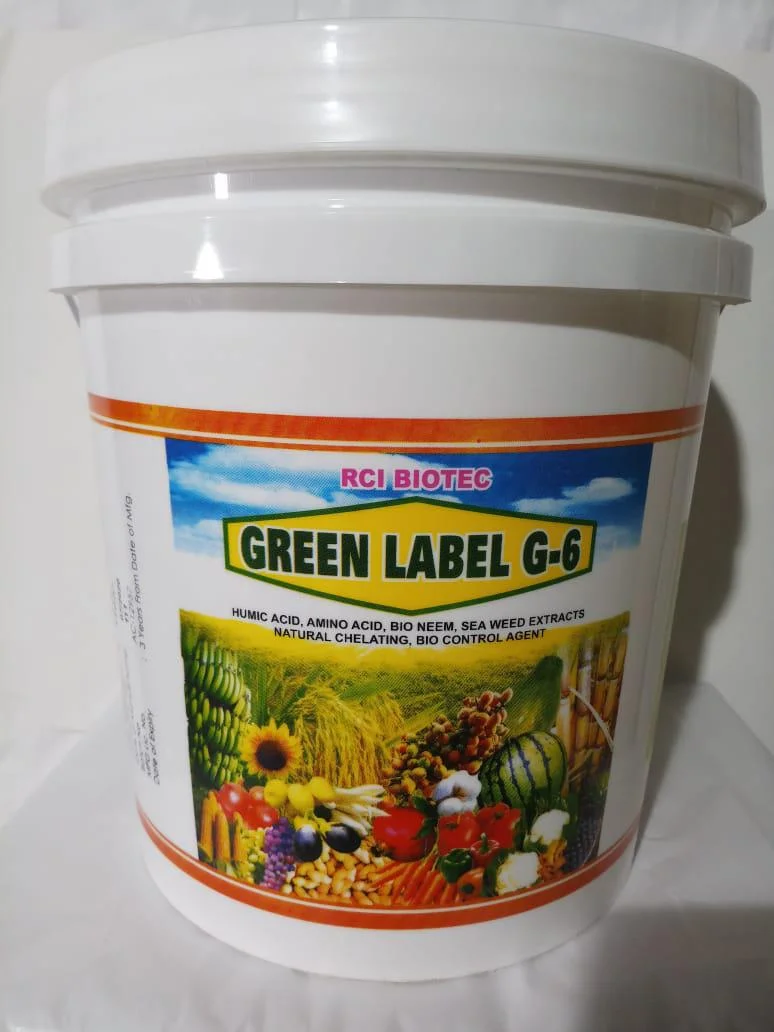
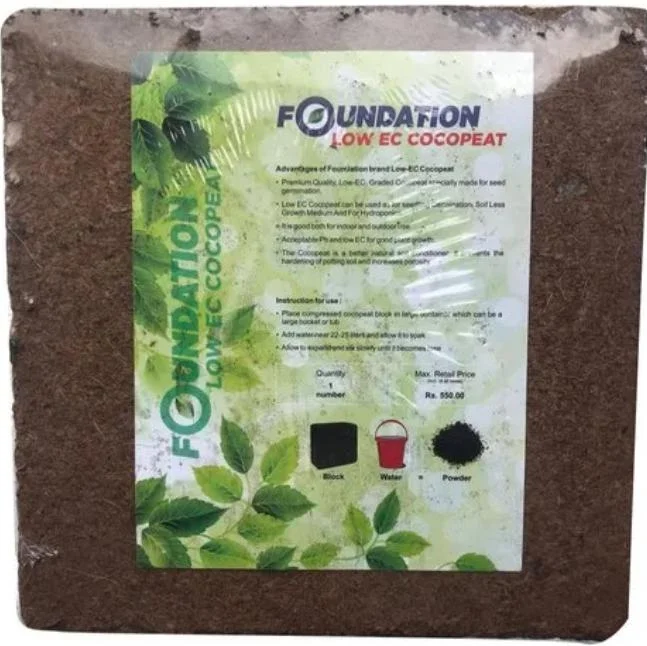
Organic Fertilizers: These fertilizers are derived from natural sources, such as plant and animal matter, and provide essential nutrients to crops while enhancing soil health.
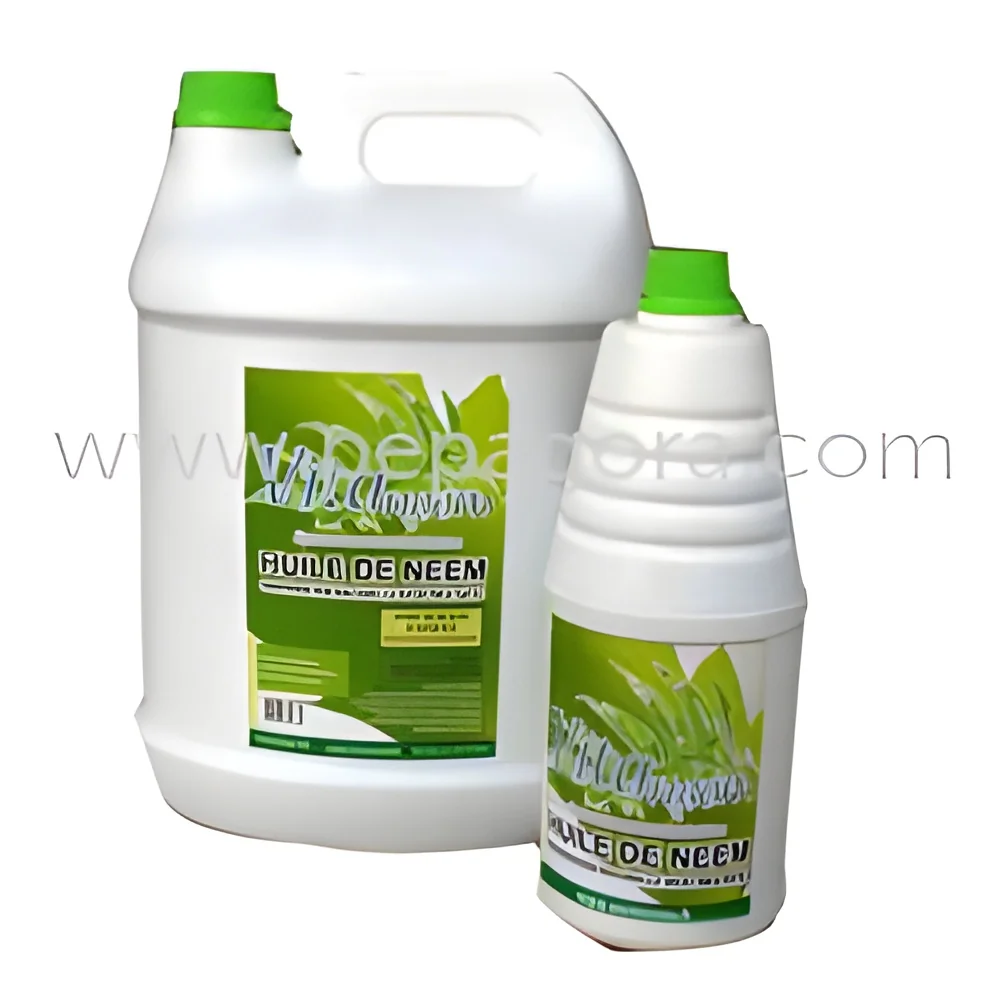
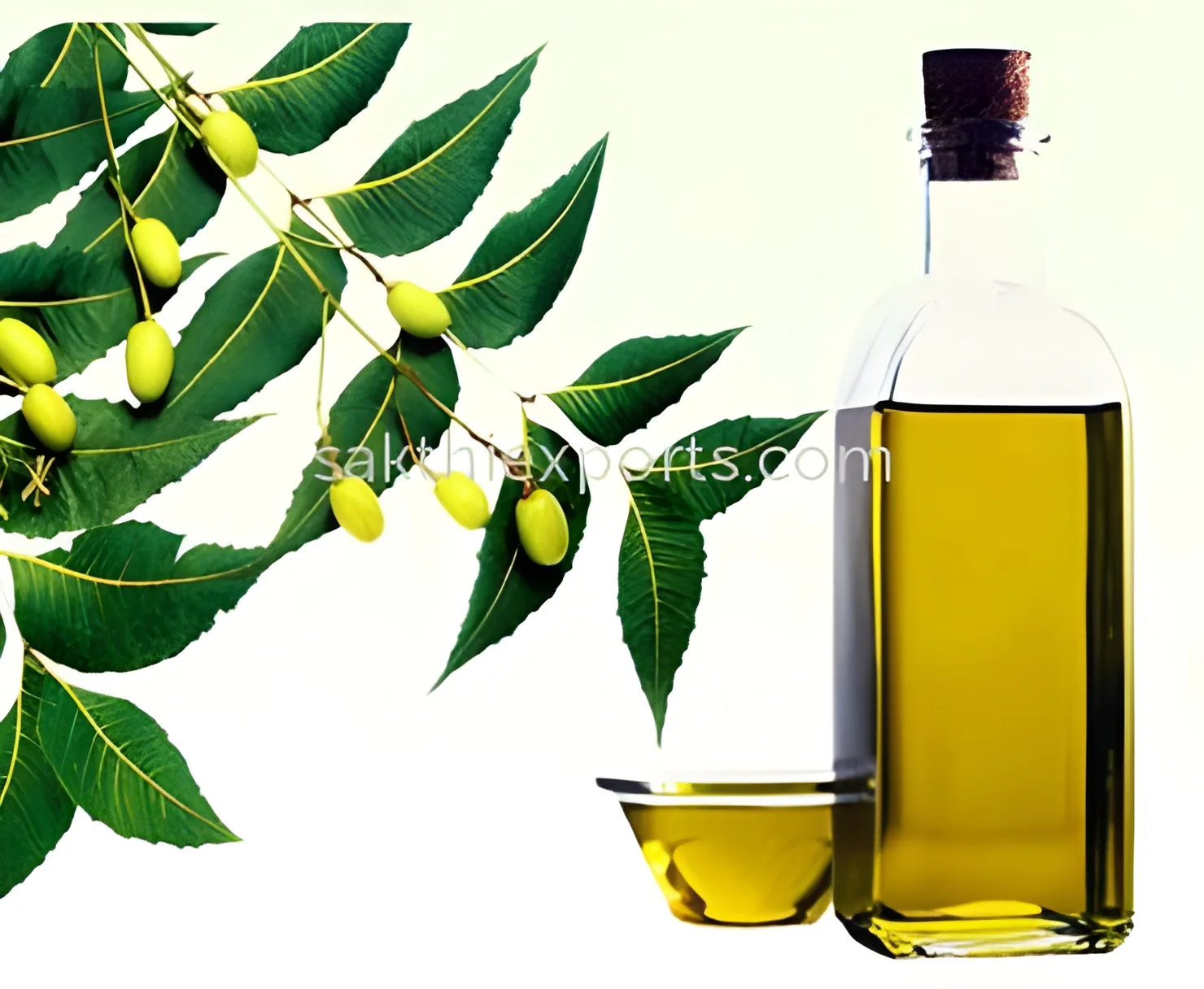
Biopesticides: These products control pests using natural organisms or substances, reducing the reliance on chemical pesticides and promoting ecological balance.
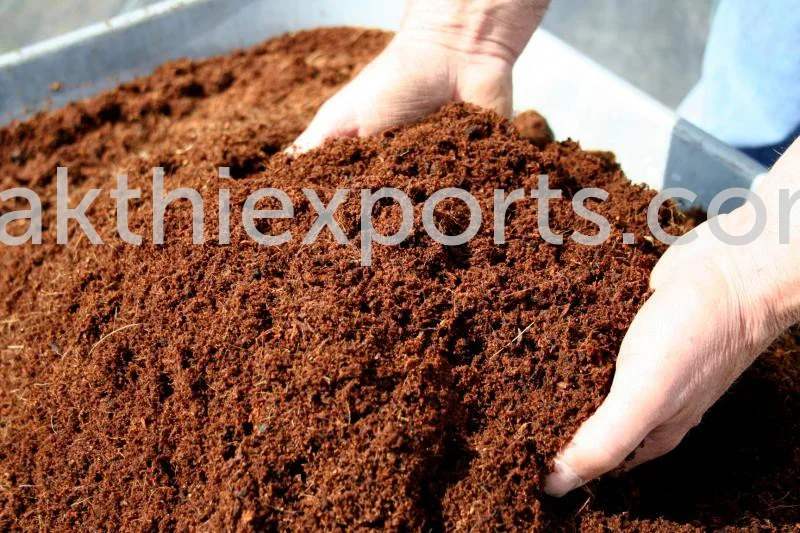
Compost and Soil Amendments: Organic compost enriches soil with nutrients and improves its structure, fostering better water retention and microbial activity.
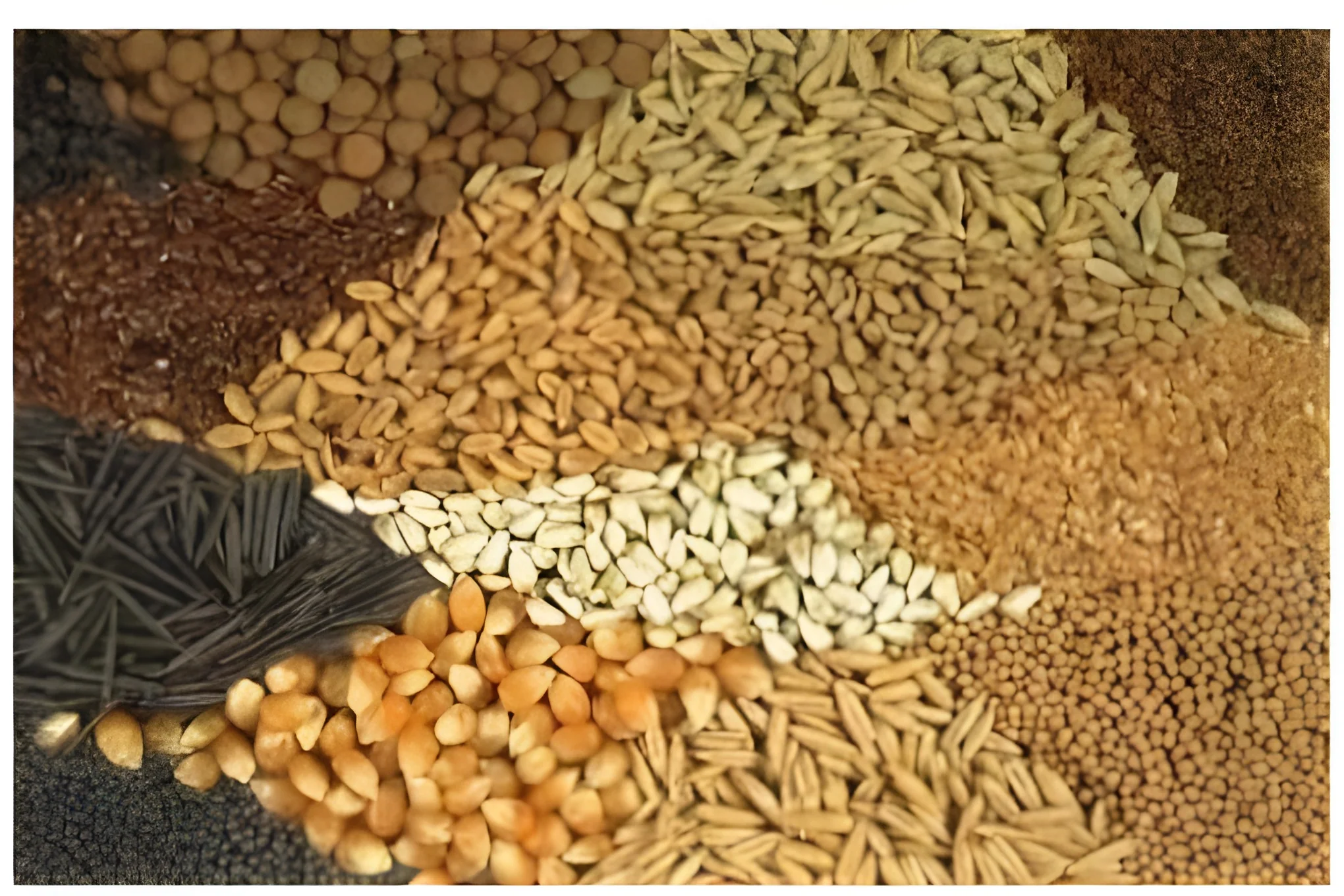
Organic Seeds: These seeds are produced without synthetic pesticides or fertilizers, ensuring that crops grown from them comply with organic certification requirements.
Organic Feed: This type of feed is formulated for livestock raised under organic standards, ensuring animal welfare and compliance with organic regulations.
𝗕𝗲𝗻𝗲𝗳𝗶𝘁𝘀 𝗮𝗻𝗱 𝗔𝗱𝘃𝗮𝗻𝘁𝗮𝗴𝗲𝘀
Investing in Organic Farming Supplies offers multiple benefits that can enhance agricultural practices.
1. Environmental Sustainability: Organic supplies promote practices that protect soil health and reduce chemical runoff, contributing to a healthier ecosystem.
2. Compliance with Regulations: Using certified organic products ensures that farmers meet regulatory requirements, facilitating easier access to markets.
3. Improved Crop Quality: Organic inputs often result in higher-quality produce, which can command premium prices in the marketplace.
4. Enhanced Soil Fertility: Organic amendments improve soil structure and nutrient content, leading to better crop yields over time.
5. Reduced Chemical Exposure: By using organic supplies, farmers minimize the risk of chemical exposure to themselves and their communities.
6. Consumer Demand: As more consumers seek organic products, farmers using these supplies can tap into a growing market.
𝗕𝘂𝘆𝗶𝗻𝗴 𝗚𝘂𝗶𝗱𝗲 𝗳𝗼𝗿 𝗕𝟮𝗕 𝗕𝘂𝘆𝗲𝗿𝘀
When sourcing Organic Farming Supplies, B2B buyers should consider several key factors to ensure they make informed purchasing decisions.
1. Quality Assessment: Evaluate products based on organic certification and nutrient content to ensure they meet quality standards.
2. Supplier Verification: Vet suppliers to confirm their reliability and commitment to organic practices. Look for established reputations and customer reviews.
3. Pricing and MOQ: Understand pricing structures and minimum order quantities to find supplies that fit within budget constraints while meeting operational needs.
4. Delivery and Lead Times: Consider logistics and delivery timelines to ensure supplies arrive when needed for planting or production cycles.
5. Compliance Requirements: Be aware of any regulatory compliance needed for organic products in your region to avoid potential legal issues.
𝗖𝗼𝗺𝗽𝗹𝗶𝗮𝗻𝗰𝗲 𝗮𝗻𝗱 𝗖𝗲𝗿𝘁𝗶𝗳𝗶𝗰𝗮𝘁𝗶𝗼𝗻𝘀
Organic Farming Supplies must adhere to various compliance and certification standards to ensure their quality and effectiveness.
Relevant quality standards include ISO 9001, which outlines criteria for quality management systems, and HACCP, which focuses on food safety management. These standards help ensure that products are produced under safe and controlled conditions.
Industry certifications, such as CE marking, indicate that products meet European safety and environmental requirements. This is crucial for suppliers looking to enter international markets.
Safety and testing requirements play a significant role in ensuring that organic products do not contain harmful residues. Compliance with testing protocols guarantees that supplies are safe for use in organic farming.
Additionally, regional compliance considerations may vary, and suppliers must ensure that their products meet local organic regulations, which can differ from one area to another.
𝗪𝗵𝘆 𝗦𝗼𝘂𝗿𝗰𝗲 𝗢𝗿𝗴𝗮𝗻𝗶𝗰 𝗙𝗮𝗿𝗺𝗶𝗻𝗴 𝗦𝘂𝗽𝗽𝗹𝗶𝗲𝘀 𝗳𝗿𝗼𝗺 𝗣𝗲𝗽𝗮𝗴𝗼𝗿𝗮?
Pepagora provides a trusted platform for sourcing Organic Farming Supplies with several key advantages.
Verified Supplier Network: Pepagora connects buyers with a network of verified suppliers who meet rigorous quality standards. This ensures that businesses can source reliable products that comply with organic regulations.
Streamlined RFQ Process: The platform offers a straightforward request for quotation process, allowing buyers to quickly receive competitive pricing from multiple suppliers. This efficiency helps businesses make faster purchasing decisions.
Trade Assurance and Support: Pepagora emphasizes buyer protection, offering trade assurance services that safeguard transactions. Buyers can feel confident in their purchases, knowing that support is available if issues arise.
Regional Coverage: With a strong presence in India, the GCC, and Southeast Asia, Pepagora provides broad geographical reach. This enables businesses to access local suppliers and ensure timely delivery of Organic Farming Supplies to meet their agricultural needs.

 IN
IN