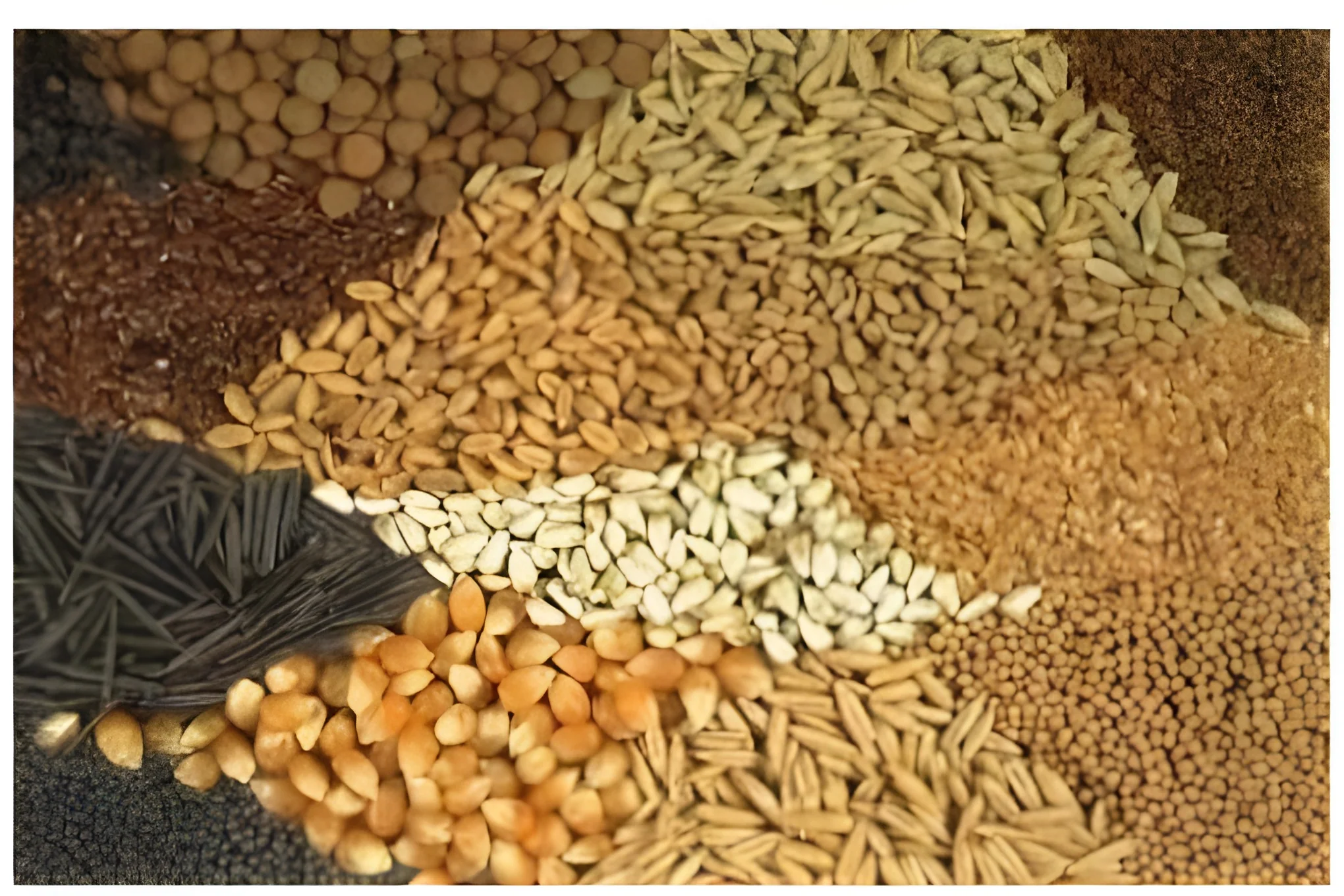
𝗪𝗵𝗮𝘁 𝗮𝗿𝗲 𝗖𝗲𝗿𝘁𝗶𝗳𝗶𝗲𝗱 𝗢𝗿𝗴𝗮𝗻𝗶𝗰 𝗦𝗲𝗲𝗱𝘀?
Certified Organic Seeds are seeds that have been grown and processed according to strict organic farming standards. These seeds come from plants that are cultivated without the use of synthetic fertilizers, pesticides, or genetically modified organisms. The certification process ensures that these seeds maintain their organic integrity from the time they are planted until they are harvested. This guarantees that the seeds meet the regulations set by organic certification bodies, providing a reliable source for farmers and growers committed to sustainable practices.
The primary uses of Certified Organic Seeds extend across various agricultural sectors, including vegetable and fruit cultivation, grain production, and horticulture. Businesses that focus on organic farming often seek these seeds to ensure their crops are not only organic but also of high quality. The demand for organic produce continues to rise, driven by consumer preferences for healthier and environmentally friendly food options. Thus, the market for Certified Organic Seeds is increasingly relevant as more growers transition to organic methods in response to this trend.
In the broader context of the agricultural industry, Certified Organic Seeds play a critical role in promoting sustainable farming practices. They contribute to soil health and biodiversity while providing farmers with the tools necessary to produce food that meets the growing demand for organic products. The market for these seeds is projected to expand as more consumers and businesses prioritize sustainability, making them an essential component of modern agriculture.
𝗞𝗲𝘆 𝗙𝗲𝗮𝘁𝘂𝗿𝗲𝘀 𝗮𝗻𝗱 𝗦𝗽𝗲𝗰𝗶𝗳𝗶𝗰𝗮𝘁𝗶𝗼𝗻𝘀
Certified Organic Seeds offer numerous features that set them apart from conventional seeds. These features are essential for ensuring quality and sustainability in agricultural practices.
Key specifications include:
1. Organic Certification
- Must comply with national and international organic standards.
- Verified by accredited certifying bodies.
2. Non-GMO
- Guaranteed to be free from genetically modified organisms.
- Supports biodiversity and natural farming practices.
3. High Germination Rates
- Typically exceeds 90% for many varieties.
- Ensures better crop yield and farmer satisfaction.
4. Varietal Diversity
- Wide range of plant types, including vegetables, fruits, and grains.
- Allows for crop rotation and increased resilience against pests.
5. Traceability
- Complete documentation of seed production and handling.
- Facilitates transparency for consumers and businesses.
6. Sustainable Practices
- Produced using environmentally friendly methods.
- Promotes soil health and reduces chemical reliance.
7. Quality Standards
- Meets strict quality control measures throughout the supply chain.
- Ensures seed viability and performance.
In summary, Certified Organic Seeds are characterized by their organic certification, non-GMO status, high germination rates, and commitment to sustainable farming practices, making them a valuable resource for organic growers.
𝗖𝗼𝗺𝗺𝗼𝗻 𝗔𝗽𝗽𝗹𝗶𝗰𝗮𝘁𝗶𝗼𝗻𝘀 𝗮𝗻𝗱 𝗨𝘀𝗲 𝗖𝗮𝘀𝗲𝘀
Certified Organic Seeds are utilized in various industries, each with specific applications that highlight their benefits.
1. Agriculture: Organic farmers use these seeds to cultivate crops free from synthetic chemicals, enhancing food safety and consumer trust.
2. Horticulture: Gardeners and landscapers select organic seeds for ornamental plants, promoting biodiversity and natural aesthetics.
3. Retail: Organic seed suppliers cater to retail businesses, providing customers with high-quality seeds for home gardening and farming.
4. Food Production: Organic food manufacturers source these seeds to ensure their products meet organic certification standards, appealing to health-conscious consumers.
5. Research: Agricultural researchers utilize organic seeds to study sustainable farming practices and develop new varieties that thrive in organic systems.
6. Education: Agricultural institutions often use Certified Organic Seeds for educational programs, teaching sustainable farming techniques and organic agriculture principles.
7. Community Gardens: Urban and community gardens select these seeds to promote local food production and enhance community engagement in sustainable practices.
𝗣𝗿𝗼𝗱𝘂𝗰𝘁 𝗩𝗮𝗿𝗶𝗮𝗻𝘁𝘀 𝗮𝗻𝗱 𝗦𝘂𝗯𝗰𝗮𝘁𝗲𝗴𝗼𝗿𝗶𝗲𝘀
Certified Organic Seeds come in a variety of options, catering to different agricultural needs and preferences.
Vegetable Seeds
These seeds include a diverse range of organic vegetables, such as tomatoes, peppers, and cucumbers. They are ideal for both home gardeners and commercial growers seeking high-quality produce.
Herb Seeds
Organic herb seeds provide gardeners with options for cultivating flavorful and aromatic plants. Common varieties include basil, parsley, and cilantro, perfect for culinary uses.
Flower Seeds
Organic flower seeds promote biodiversity and enhance landscapes. They are suitable for gardeners looking to create vibrant flower beds or attract pollinators.
Grain Seeds
Organic grain seeds encompass a variety of grains such as wheat, barley, and oats. These seeds are essential for organic grain production and sustainable farming practices.
𝗕𝗲𝗻𝗲𝗳𝗶𝘁𝘀 𝗮𝗻𝗱 𝗔𝗱𝘃𝗮𝗻𝘁𝗮𝗴𝗲𝘀
Sourcing Certified Organic Seeds offers numerous advantages for businesses and growers committed to sustainable agriculture.
Key benefits include:
1. Environmental Sustainability: Organic seeds promote sustainable farming practices, reducing reliance on harmful chemicals.
2. Higher Market Value: Organic produce often fetches a premium price, providing growers with better profit margins.
3. Enhanced Crop Quality: Seeds with high germination rates lead to healthier crops and better yields.
4. Consumer Trust: Using Certified Organic Seeds builds credibility with consumers who prioritize organic products.
5. Compliance with Regulations: Sourcing certified seeds ensures compliance with organic farming regulations, facilitating market access.
6. Support for Biodiversity: Organic seeds contribute to the preservation of heirloom varieties and genetic diversity in crops.
𝗕𝘂𝘆𝗶𝗻𝗴 𝗚𝘂𝗶𝗱𝗲 𝗳𝗼𝗿 𝗕𝟮𝗕 𝗕𝘂𝘆𝗲𝗿𝘀
When sourcing Certified Organic Seeds, businesses should consider several critical factors to ensure a successful purchase.
1. Quality Assessment: Evaluate the quality of seeds by checking germination rates, purity, and overall health. Request samples if possible.
2. Supplier Verification: Conduct thorough research on suppliers to ensure they are certified and have a good reputation in the industry.
3. Pricing and MOQ: Understand the pricing structure and minimum order quantities to align with budget constraints and operational needs.
4. Delivery and Lead Times: Discuss logistics with suppliers to ensure timely delivery that matches planting schedules.
5. Compliance Requirements: Verify that the seeds meet local and international organic regulations, ensuring they are suitable for your farming practices.
𝗖𝗼𝗺𝗽𝗹𝗶𝗮𝗻𝗰𝗲 𝗮𝗻𝗱 𝗖𝗲𝗿𝘁𝗶𝗳𝗶𝗰𝗮𝘁𝗶𝗼𝗻𝘀
Compliance with quality standards is crucial for Certified Organic Seeds. These seeds must adhere to rigorous organic farming regulations, ensuring they are produced without synthetic additives or genetic modifications.
Relevant quality standards include ISO 9001, which ensures consistent quality management systems. Other standards, such as HACCP and Good Distribution Practices (GDP), may also apply to ensure safety and quality throughout the supply chain.
Industry certifications, such as CE, indicate that the seeds meet essential European safety and environmental standards. Compliance with these standards ensures that the seeds are safe for use and suitable for organic farming.
Safety and testing requirements are also critical components of compliance. Regular testing for contaminants and adherence to safety protocols help maintain the integrity of Certified Organic Seeds. Additionally, regional compliance considerations may vary, so it is essential for buyers to be aware of local regulations regarding organic certification.
𝗪𝗵𝘆 𝗦𝗼𝘂𝗿𝗰𝗲 𝗖𝗲𝗿𝘁𝗶𝗳𝗶𝗲𝗱 𝗢𝗿𝗴𝗮𝗻𝗶𝗰 𝗦𝗲𝗲𝗱𝘀 𝗳𝗿𝗼𝗺 𝗣𝗲𝗽𝗮𝗴𝗼𝗿𝗮?
Pepagora provides a trusted platform for sourcing Certified Organic Seeds, offering several key advantages that benefit businesses in the agricultural sector.
Verified Supplier Network: Pepagora connects buyers with a network of verified suppliers who have established credentials in organic farming. This ensures that customers can trust the quality and authenticity of the seeds they purchase.
Streamlined RFQ Process: The Request for Quotation (RFQ) process is designed to be user-friendly, allowing buyers to easily compare prices and specifications from multiple suppliers. This helps businesses make informed decisions quickly.
Trade Assurance and Support: Pepagora offers trade assurance programs that protect buyers throughout the purchasing process. This support includes assistance with disputes and guarantees the quality of the products received.
Regional Coverage: With a strong presence in India, the GCC, and Southeast Asia, Pepagora provides extensive regional coverage, making it easier for businesses to access Certified Organic Seeds that meet local needs. This geographic reach ensures that buyers can find suitable suppliers within their operational areas.

 IN
IN