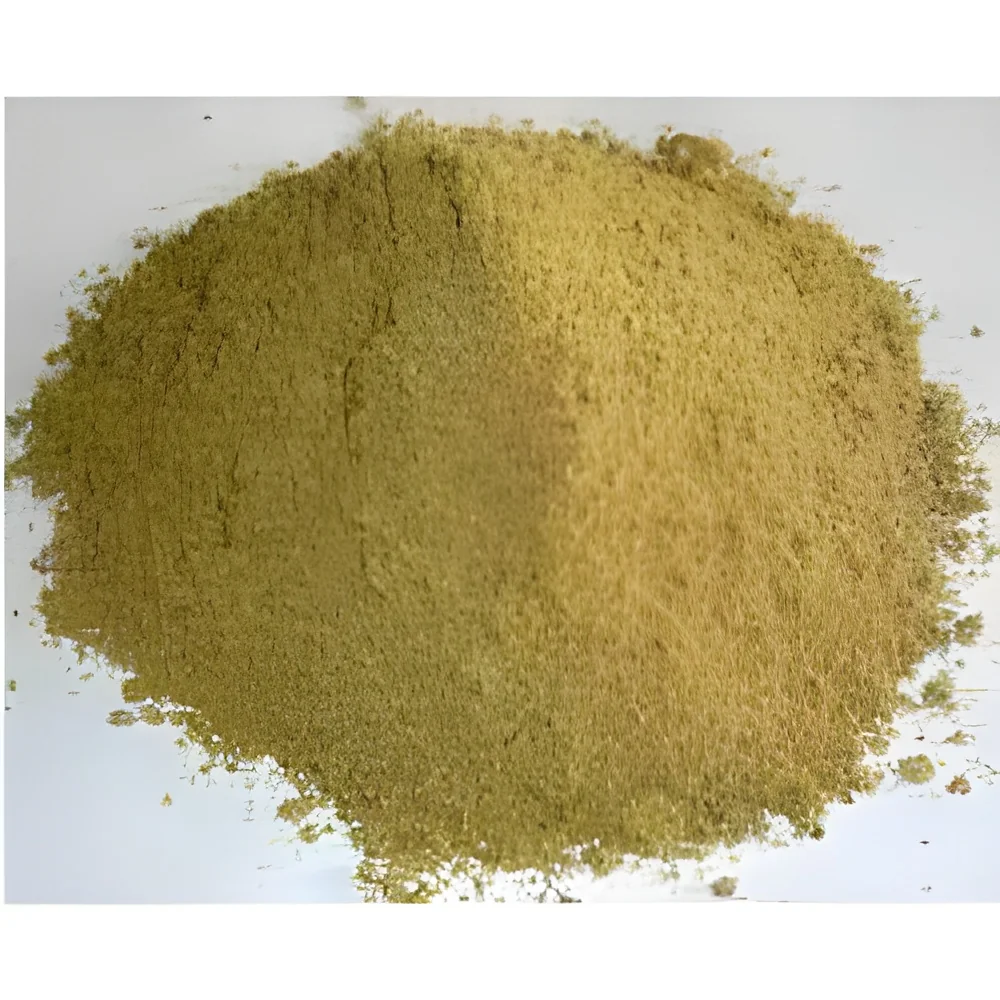
What are Bone Meal & Fish Meal?
Bone meal and fish meal are organic fertilizers made from processed animal byproducts. Bone meal is primarily composed of crushed animal bones, which are rich in phosphorus and calcium, essential nutrients for plant growth. Fish meal, on the other hand, is made from ground fish and is a valuable source of nitrogen, phosphorus, and essential fatty acids. Both products are utilized in agriculture and horticulture to improve soil fertility and enhance plant nutrition.
The primary uses of bone meal and fish meal include enriching soil for crops and gardens, promoting healthy plant growth, and improving yield. They are particularly important in organic farming, where synthetic fertilizers are avoided. These meals are also used in animal feed, providing essential nutrients to livestock. The relevance of these products in the market is significant, as the demand for organic fertilizers continues to rise. Sustainable farming practices and a growing awareness of soil health have led to increased utilization of bone meal and fish meal in various agricultural sectors.
Key Features and Specifications
Bone meal and fish meal come with distinct features that make them beneficial for use in agriculture and horticulture. Understanding these specifications helps buyers make informed decisions.
Key specifications include:
1. Nutrient Content
- Bone meal typically contains around 15-20% phosphorus and 3-5% calcium.
- Fish meal generally has a protein content of 60-70%, along with nitrogen and essential fatty acids.
2. Moisture Content
- Bone meal usually has a moisture content of less than 10%.
- Fish meal may vary but typically contains around 8-12% moisture.
3. Particle Size
- Bone meal is often available in fine to coarse granules, enhancing solubility in soil.
- Fish meal is generally in a fine powder form for easy mixing with other feeds or fertilizers.
4. pH Level
- Bone meal has a neutral pH, making it suitable for various soil types.
- Fish meal tends to have a slightly acidic pH, which can benefit acid-loving plants.
5. Shelf Life
- Bone meal can last for several years when stored properly.
- Fish meal has a shorter shelf life due to its organic nature and should be used within a year of production.
6. Application Rates
- Typical application rates for bone meal are around 1-2 pounds per 100 square feet.
- Fish meal application rates can range from 2-4 pounds per 100 square feet depending on crop needs.
7. Storage Requirements
- Both products should be stored in a cool, dry place to maintain their efficacy.
In summary, the key features and specifications of bone meal and fish meal highlight their nutritional benefits and practical applications in agriculture.
Common Applications and Use Cases
Bone meal and fish meal serve a variety of industries, showcasing their versatility and importance.
1. Agriculture: Bone meal is used to enrich soil and improve crop yield, particularly for root vegetables. Fish meal provides essential nutrients to crops, especially during the growing season.
2. Horticulture: Both meals are popular in gardening, enhancing soil quality for flowers and ornamental plants. They promote healthy root development and flowering.
3. Organic Farming: Bone meal and fish meal are crucial in organic farming practices, providing natural fertilizer options that comply with organic standards.
4. Animal Feed: Fish meal is commonly used in aquaculture and livestock feed, delivering high protein and essential nutrients for animal growth.
5. Landscaping: These meals are utilized in landscaping projects to improve soil health and support plant establishment.
6. Home Gardening: Home gardeners use bone meal and fish meal to promote plant growth in vegetable and flower gardens.
7. Soil Remediation: Bone meal can aid in soil remediation efforts by improving nutrient content in degraded soils.
Product Variants and Subcategories
Bone meal and fish meal have various formulations to cater to specific needs, ensuring adaptability in different applications.
Bone Meal Variant
Bone meal is often available in different types, such as steamed bone meal, which is processed to eliminate pathogens. This variant is particularly suitable for use in organic farming, providing a safe and effective nutrient source.
Fish Meal Variant
Fish meal can vary based on the type of fish used, such as menhaden or anchovy meal. Each variant offers different nutrient profiles, allowing users to select based on specific crop requirements and nutritional needs.
Benefits and Advantages
Bone meal and fish meal offer several advantages that make them valuable in the agricultural sector.
Key benefits include:
1. Nutrient-Rich: Both meals are packed with essential nutrients that support plant growth and development.
2. Organic Certification: They are compliant with organic farming standards, making them suitable for organic agricultural practices.
3. Soil Health Improvement: These meals enhance soil fertility and structure, promoting healthier ecosystems.
4. Sustainable Sourcing: Utilizing animal byproducts contributes to waste reduction and sustainable farming practices.
5. Versatile Applications: Suitable for various crops and gardening techniques, they cater to a wide market.
6. Cost-Effective: Their longevity and effectiveness make them a cost-efficient choice for farmers and gardeners.
Buying Guide for B2B Buyers
When sourcing bone meal and fish meal, B2B buyers should consider several important factors.
1. Quality Assessment: Evaluate the nutrient content and ensure it meets the specific needs of your application. Check for certifications that guarantee quality.
2. Supplier Verification: Vet suppliers to ensure they provide high-quality products and have a good reputation in the industry. Look for reviews and references.
3. Pricing and MOQ: Understand the pricing structure and minimum order quantities (MOQ) to ensure they align with your budget and requirements.
4. Delivery and Lead Times: Inquire about logistics and delivery schedules to ensure timely receipt of products, especially during peak seasons.
5. Compliance Requirements: Ensure that the products meet local and international regulatory standards, including any certifications that may be required.
Compliance and Certifications
Compliance with quality standards is crucial when sourcing bone meal and fish meal. Relevant standards include ISO 9001 for quality management systems, HACCP for food safety, and GDP for good distribution practices. The CE certification ensures that products meet European health, safety, and environmental protection standards.
Safety and testing requirements are also critical. Regular testing for contaminants and nutritional content is essential to guarantee product safety and effectiveness.
In addition, regional compliance considerations may vary. Buyers should ensure that the products comply with local regulations in their respective markets to avoid legal complications and ensure product integrity.
Why Source Bone Meal & Fish Meal from Pepagora?
Pepagora provides a trusted platform for sourcing bone meal and fish meal, offering several key advantages that benefit B2B buyers.
Verified Supplier Network: Pepagora has established a network of verified suppliers, ensuring that buyers receive high-quality products from reputable sources. This verification process builds trust and enhances the purchasing experience.
Streamlined RFQ Process: The Request for Quotation (RFQ) system simplifies the sourcing process. Buyers can easily submit their requirements and receive competitive quotes from multiple suppliers, allowing for informed decision-making.
Trade Assurance and Support: Pepagora offers trade assurance and support, providing buyer protection throughout the transaction process. This support includes assistance with any issues that may arise.
Regional Coverage: With a strong presence in India, the GCC, and Southeast Asia, Pepagora facilitates trade across various geographical regions. This coverage enables buyers to access a wide range of products and suppliers tailored to their specific needs.
In conclusion, sourcing bone meal and fish meal through Pepagora ensures reliability, quality, and support, making it an ideal choice for B2B buyers looking to enhance their agricultural practices.

 IN
IN