
 IN
Cocopeat Grow Bags
11 products available
What are Cocopeat Grow Bags?
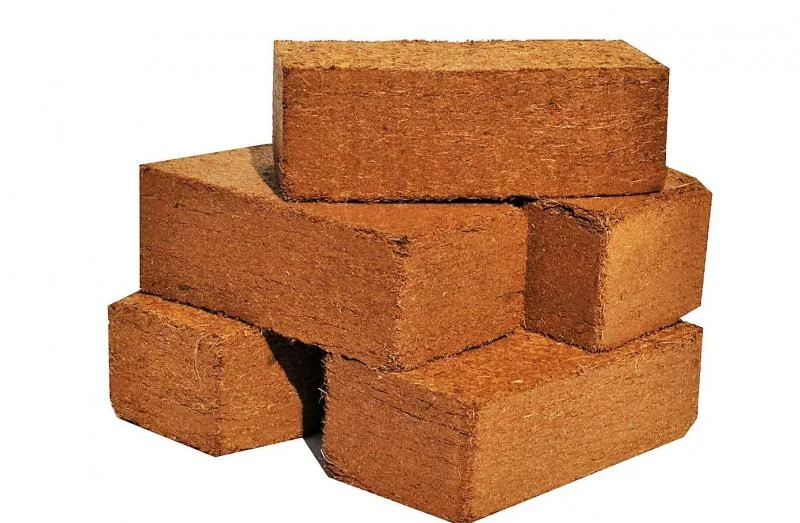
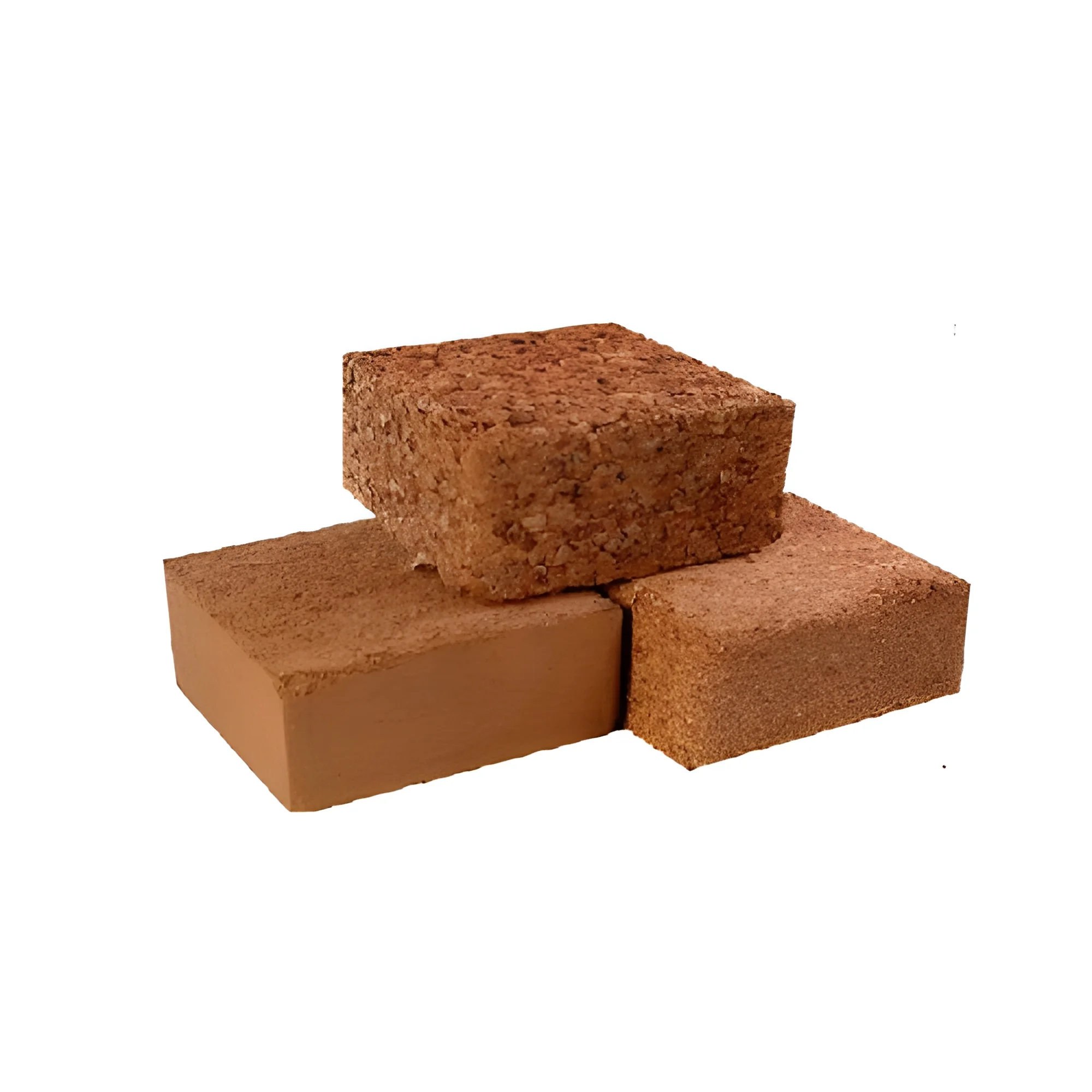
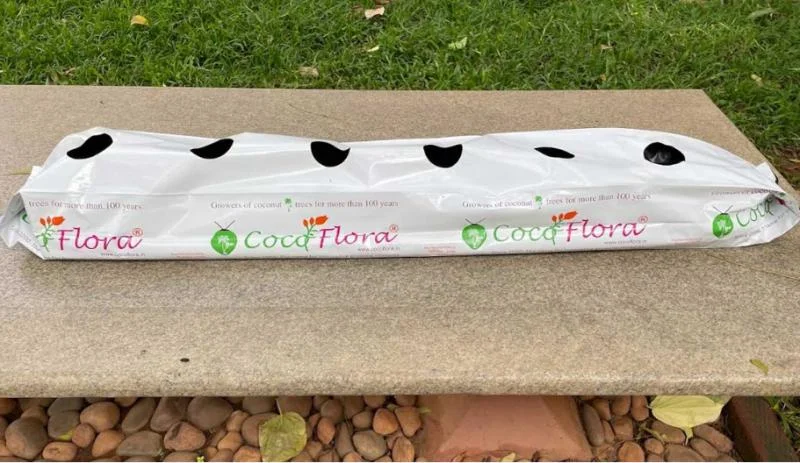
Cocopeat grow bags are an innovative growing medium designed primarily for horticultural applications. Made from coconut coir, a natural byproduct of coconut processing, these grow bags provide an eco-friendly alternative to traditional planting methods. They are lightweight, biodegradable, and possess excellent water retention and aeration properties, making them ideal for nurturing plants.
These grow bags are widely utilized in various sectors, including agriculture, horticulture, and landscaping. They are particularly beneficial for commercial growers looking to optimize plant health and yield. These bags allow for effective drainage and root aeration, which are critical for the growth of vegetables, fruits, and ornamental plants. As the demand for sustainable agricultural practices increases, the relevance of cocopeat grow bags in the market continues to rise.
Cocopeat grow bags have gained traction in the agricultural industry due to their versatility and sustainability. As businesses seek greener solutions, these bags offer a practical approach to modern farming. Their use aligns with the growing trend of eco-friendly products, catering to environmentally conscious consumers and businesses alike.
Key Features and Specifications
Cocopeat grow bags are designed with specific features that enhance their usability and effectiveness in various applications. The unique properties of cocopeat make these bags suitable for a wide range of planting scenarios. Below are key specifications that define these grow bags.
Key specifications include:
1. Material Composition
- Made from 100% organic coconut coir
- Provides a natural growing environment for plants
2. Size Options
- Available in various sizes to accommodate different plant types
- Common sizes range from small (1-2 liters) to large (10-20 liters)
3. Water Retention Capacity
- Capable of retaining up to 8 times their weight in water
- Reduces the need for frequent watering
4. Aeration Properties
- Excellent airflow to roots promotes healthy growth
- Prevents root rot and other moisture-related issues
5. Biodegradability
- Fully biodegradable within a year
- Reduces environmental impact compared to plastic alternatives
6. pH Neutral
- Maintains a neutral pH level suitable for most plants
- Supports optimal nutrient uptake
7. Lightweight Design
- Easy to handle and transport
- Reduces shipping costs for large quantities
8. Compatibility with Hydroponics
- Suitable for use in hydroponic systems
- Enhances nutrient absorption for faster plant growth
In summary, cocopeat grow bags offer numerous advantages, making them a preferred choice for modern agricultural practices.
Common Applications and Use Cases
Cocopeat grow bags are versatile and serve various industries, each with specific applications that leverage their unique properties.
1. Agriculture: Used for growing vegetables and fruits, these bags optimize root development and improve yield. They are particularly effective for crops like tomatoes, peppers, and cucumbers.
2. Horticulture: Ideal for ornamental plants, cocopeat grow bags enhance plant aesthetics and health. They are commonly used for flowering plants, shrubs, and small trees.
3. Landscaping: These bags are utilized in landscape design for planting trees and shrubs, offering convenience and sustainability for large-scale projects.
4. Nursery Production: Cocopeat grow bags support the growth of seedlings and young plants, providing an ideal environment for early development.
5. Greenhouse Cultivation: In controlled environments, these bags help manage moisture levels and promote healthy plant growth.
6. Home Gardening: Increasingly popular among home gardeners, cocopeat grow bags are easy to use for container gardening, allowing for diverse plant choices.
7. Hydroponic Systems: They can be integrated into hydroponic setups, providing an efficient medium for plant roots.
Product Variants and Subcategories
Cocopeat grow bags come in various forms to meet the diverse needs of growers. Each variant is tailored for specific applications, ensuring optimal performance.
Standard Cocopeat Grow Bags
These bags are the most common type, designed for general planting purposes. They offer excellent water retention and are suitable for various crops.
Customized Cocopeat Grow Bags
Some suppliers offer customized options, allowing buyers to specify sizes, shapes, or features based on their unique requirements. This flexibility is beneficial for specialized agricultural needs.
Pre-Filled Cocopeat Grow Bags
These bags come pre-filled with cocopeat and nutrients, ready for immediate planting. They save time and effort for commercial growers by eliminating the need for bag filling.
Biodegradable Cocopeat Grow Bags
Designed for eco-conscious consumers, these bags are fully biodegradable, ensuring minimal environmental impact while still providing effective plant support.
Benefits and Advantages
Cocopeat grow bags offer numerous benefits that make them a superior choice for various growing applications.
Key benefits include:
1. Eco-Friendly: Made from renewable resources, they contribute to sustainable practices in agriculture.
2. Improved Plant Health: Their excellent aeration and water retention properties promote healthy root development and plant growth.
3. Cost-Effective: These bags reduce the need for fertilizers and frequent watering, leading to long-term cost savings for growers.
4. Versatility: Suitable for a wide range of plants and growing conditions, they can be adapted for different agricultural needs.
5. Lightweight and Portable: Easy to transport and handle, they simplify logistics and shipping for businesses.
6. Reduced Soil Erosion: By using grow bags, farmers can minimize soil erosion associated with traditional planting methods.
Buying Guide for B2B Buyers
When sourcing cocopeat grow bags for business purposes, it is essential to consider several factors to ensure a successful purchase.
1. Quality Assessment: Look for bags made from high-quality coconut coir with consistent texture and performance. Conduct tests if necessary to confirm quality.
2. Supplier Verification: Vet suppliers to ensure they have a good reputation and track record. Check for customer reviews and industry certifications.
3. Pricing and MOQ: Understand the pricing structure and minimum order quantities (MOQ) from suppliers. This will help in budgeting and planning for inventory.
4. Delivery and Lead Times: Confirm delivery schedules and lead times to ensure timely receipt of products for your operations.
5. Compliance Requirements: Be aware of any regulatory compliance needed for agricultural products in your region. This may include certifications or quality standards.
Compliance and Certifications
Cocopeat grow bags must adhere to various quality standards and certifications to ensure their safety and effectiveness in agricultural applications.
Relevant quality standards include ISO 9001, which ensures quality management systems are in place for consistent product quality. Additionally, HACCP (Hazard Analysis Critical Control Point) standards may apply, particularly in food production, to ensure products are safe for consumption.
Industry certifications such as CE demonstrate compliance with European safety standards, which can enhance product credibility.
Furthermore, safety and testing requirements are critical to ensure that the bags do not adversely affect plant growth or introduce harmful substances into the soil.
Regional compliance considerations should also be taken into account, as different areas may have specific regulations governing agricultural products.
Why Source Cocopeat Grow Bags from Pepagora?
Pepagora serves as a reliable platform for sourcing cocopeat grow bags, offering several advantages for B2B buyers.
Verified Supplier Network: Pepagora connects buyers with a network of verified suppliers who meet quality standards and industry regulations. This reduces the risk associated with sourcing products.
Streamlined RFQ Process: The platform simplifies the request for quotation (RFQ) process, allowing buyers to quickly receive competitive quotes from multiple suppliers. This efficiency saves time and ensures better pricing.
Trade Assurance and Support: Pepagora offers trade assurance to protect buyers throughout their purchasing journey. This support includes assistance with disputes and ensuring timely delivery.
Regional Coverage: With a strong presence in India, the GCC, and Southeast Asia, Pepagora caters to a diverse range of clients. This geographic reach ensures that buyers can access quality products regardless of their location.

Frequently Asked Questions
What are Cocopeat Grow Bags?
Cocopeat Grow Bags are biodegradable bags made from coconut coir, which is a natural fiber extracted from the coconut husk. These grow bags provide an excellent medium for plant growth, offering good aeration, moisture retention, and a sustainable alternative to traditional plastic pots.
What are the different types of Cocopeat Grow Bags?
Cocopeat Grow Bags come in various sizes and shapes, including flat bags, cylindrical bags, and hanging bags. They can also vary in coir content and texture, catering to different types of plants and growing conditions.
How do I choose the right Cocopeat Grow Bags?
Choosing the right Cocopeat Grow Bags involves considering the size of the plants you intend to grow and the specific requirements of those plants. Additionally, evaluate the quality of the coir, drainage capabilities, and any specific features that may suit your growing environment.
What are the standard specifications for Cocopeat Grow Bags?
Standard specifications for Cocopeat Grow Bags include dimensions, weight, coir content, and drainage holes. Typically, these bags should be made from high-quality coir with a uniform texture to ensure optimal water retention and aeration.
What is the price range for Cocopeat Grow Bags?
The price of Cocopeat Grow Bags can vary based on size, quality, and supplier. Generally, the price range can be from INR 10 to INR 50 per bag, depending on the specifications and bulk purchasing options.
What quality standards apply to Cocopeat Grow Bags?
Cocopeat Grow Bags should meet certain quality standards, including being free from contaminants and having a specific percentage of organic matter. It is essential that they comply with agricultural standards for safe use in horticulture.
Where can I find Cocopeat Grow Bags suppliers in India?
You can find Cocopeat Grow Bags suppliers in India through B2B marketplaces like Pepagora, agricultural supply stores, and online platforms specializing in gardening supplies. Researching local suppliers can also yield reliable options.
Can Cocopeat Grow Bags be customized?
Yes, many manufacturers offer customization options for Cocopeat Grow Bags, allowing you to select specific sizes, shapes, and branding features. Customization can help meet the unique needs of your gardening or agricultural projects.
What is the typical minimum order quantity for Cocopeat Grow Bags?
The minimum order quantity (MOQ) for Cocopeat Grow Bags can vary by supplier but typically ranges from 50 to 100 bags. It is advisable to confirm with the supplier regarding their specific MOQ policies.
What is the typical lead time for Cocopeat Grow Bags?
The typical lead time for Cocopeat Grow Bags can range from 7 to 21 days, depending on the supplier and the order size. Factors such as customization and seasonal demand may also affect delivery times.
Why Businesses Trust Pepagora
Thousands of companies trust Pepagora to source smarter and sell faster
Expand Your Sales Globally

Source Smarter,Grow Faster
