What are Vermicompost?
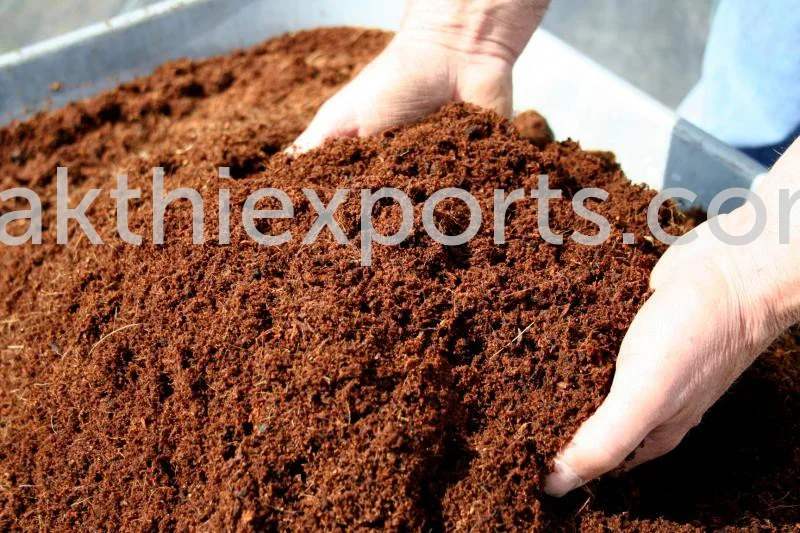
Vermicompost is a nutrient-rich organic fertilizer produced through the breakdown of organic matter by earthworms. This process, known as vermicomposting, involves the digestion of organic waste, which results in a high-quality compost that enhances soil health and fertility. Vermicompost is often characterized by its dark, crumbly texture and earthy smell, making it an ideal amendment for various types of soil.
The primary uses of vermicompost span across agriculture, horticulture, and landscaping. It is commonly applied to improve soil structure, increase nutrient availability, and enhance microbial activity. Businesses in the agricultural sector utilize vermicompost to promote healthier crop yields and sustainable farming practices. Moreover, the increasing demand for organic produce and environmentally friendly fertilizers has made vermicompost a significant player in the market.
As industries continue to focus on sustainability and eco-friendly practices, vermicompost holds great relevance. With the rise in organic farming and gardening, the market for vermicompost is expanding globally, providing businesses with opportunities to meet the growing demand for organic fertilizers. Companies investing in vermicomposting operations can tap into this lucrative market while contributing to environmental conservation and soil health.
Key Features and Specifications
Vermicompost offers a range of features that make it a valuable addition to various agricultural and gardening applications. Understanding its specifications can assist businesses in making informed purchasing decisions.
Key specifications include:
1. Nutrient Content
- Rich in essential nutrients such as nitrogen, phosphorus, and potassium
- Typically contains macronutrients and micronutrients beneficial for plant growth
2. pH Level
- Generally ranges between 6.5 and 7.5, ideal for most plants
- Provides a balanced pH that enhances nutrient absorption
3. Organic Matter Content
- Contains 30-60% organic matter, improving soil structure
- Supports microbial life and improves soil aeration and drainage
4. Moisture Content
- Typically ranges from 30% to 50%
- Helps retain moisture in the soil, reducing the need for frequent watering
5. Cation Exchange Capacity (CEC)
- High CEC allows the soil to retain essential nutrients
- Enhances nutrient availability to plants over time
6. Microbial Activity
- Contains beneficial microorganisms that promote healthy plant growth
- Helps suppress soil-borne diseases
7. Odor
- Generally has a pleasant earthy smell
- Indicates the presence of beneficial bacteria and organic matter
8. Packaging Options
- Available in bulk or packaged formats for easy handling
- Custom packaging solutions may be available based on buyer needs
In summary, vermicompost is a versatile and nutrient-dense organic fertilizer that supports plant growth while enriching soil health. Understanding its features and specifications can help businesses choose the right product for their specific applications.
Common Applications and Use Cases
Vermicompost is utilized across various industries, enhancing both agricultural productivity and environmental sustainability.
1. Agriculture: Farmers use vermicompost to enrich soil, improve crop yields, and promote sustainable farming practices. It is particularly beneficial for organic farming, where chemical fertilizers are avoided.
2. Horticulture: Gardeners and landscapers apply vermicompost to enhance the nutrient content of garden soils, improve plant health, and promote vibrant growth in flowers and shrubs.
3. Greenhouses: Vermicompost serves as an effective growing medium in greenhouses, providing essential nutrients and moisture retention for a variety of plants.
4. Turf Management: Sports fields and golf courses utilize vermicompost to maintain healthy grass conditions, improve soil quality, and reduce the need for chemical treatments.
5. Urban Gardening: As urban gardening gains popularity, vermicompost is used to amend small plots, community gardens, and rooftop gardens, promoting sustainable practices in urban environments.
6. Restoration Projects: Vermicompost is applied in ecological restoration projects to rehabilitate degraded soils and improve plant establishment in disturbed areas.
7. Composting Facilities: Many composting operations incorporate vermicomposting techniques to enhance the quality of their final products and promote sustainable waste management.
Product Variants and Subcategories
Vermicompost is available in various forms to meet diverse customer needs. Each variant offers unique features tailored for specific applications.
Standard Vermicompost
This variant is the most common type of vermicompost used primarily for agricultural and gardening applications. It is rich in nutrients and enhances soil fertility effectively.
Organic Vermicompost
This version is produced using only organic materials, making it ideal for certified organic farming. It meets strict organic standards and promotes healthy soil ecosystems.
Liquid Vermicompost
Liquid vermicompost is a concentrated solution derived from traditional vermicomposting. It is used as a foliar spray or soil drench, providing a quick nutrient boost to plants.
Granulated Vermicompost
This variant is processed into granules for easy application and distribution. Granulated vermicompost is suitable for larger agricultural operations requiring bulk applications.
Benefits and Advantages
Utilizing vermicompost presents numerous benefits for businesses and agricultural practices.
Key benefits include:
1. Enhanced Soil Fertility: Vermicompost adds essential nutrients to the soil, promoting healthier plant growth and higher yields.
2. Improved Soil Structure: The organic matter content in vermicompost improves soil aeration and drainage, leading to better root development.
3. Environmental Sustainability: Using vermicompost supports eco-friendly practices by reducing the reliance on chemical fertilizers and promoting organic farming.
4. Disease Resistance: The beneficial microorganisms present in vermicompost help suppress soil-borne diseases, leading to healthier crops.
5. Cost-Effectiveness: Vermicompost can be produced in-house or sourced affordably, providing a cost-effective solution for nutrient management.
6. Reduced Waste: Vermicomposting utilizes organic waste, contributing to waste reduction and promoting sustainable waste management practices.
Buying Guide for B2B Buyers
When sourcing vermicompost, it is crucial for businesses to consider several factors to ensure they select the right product for their needs.
1. Quality Assessment: Evaluate the quality of vermicompost based on nutrient content, organic matter, and microbial activity. Conduct tests if necessary to guarantee it meets your standards.
2. Supplier Verification: Vet potential suppliers for reliability and quality assurance. Look for certifications and customer reviews to ensure they have a good track record.
3. Pricing and MOQ: Understand the pricing structure and minimum order quantities (MOQ) required by suppliers. Compare costs among different suppliers to find the best deal.
4. Delivery and Lead Times: Discuss delivery options and lead times with suppliers to ensure timely access to vermicompost, especially during peak agricultural seasons.
5. Compliance Requirements: Verify that the vermicompost meets relevant regulatory standards and certifications, such as CE, to ensure it is suitable for your intended applications.
Compliance and Certifications
Vermicompost must adhere to specific quality standards and certifications to ensure its effectiveness and safety for agricultural use. Relevant quality standards include ISO 9001, which focuses on quality management systems, and HACCP, which emphasizes food safety management.
Additionally, compliance with CE certification demonstrates that the vermicompost meets European health, safety, and environmental protection standards. This is especially important for businesses exporting products to the European market.
Safety and testing requirements are critical to ensuring that vermicompost is free from harmful contaminants. Regular testing for pathogens and chemical residues can help maintain product integrity.
Regional compliance considerations may vary based on local regulations and standards. It is essential for businesses to familiarize themselves with these requirements to ensure smooth operations and avoid potential legal issues.
Why Source Vermicompost from Pepagora?
Pepagora provides a trusted platform for sourcing vermicompost with several key advantages that benefit B2B buyers.
Verified Supplier Network: Pepagora connects buyers with a network of verified suppliers, ensuring that the vermicompost sourced meets high quality and safety standards. Each supplier undergoes a rigorous vetting process to guarantee reliability.
Streamlined RFQ Process: The platform offers a streamlined Request for Quotation (RFQ) process, allowing buyers to easily request and receive quotations from multiple suppliers. This simplifies the procurement process and saves time.
Trade Assurance and Support: Pepagora provides trade assurance and support to buyers, ensuring that transactions are secure and that any issues can be resolved promptly. This builds trust between buyers and suppliers.
Regional Coverage: With a strong presence in India, GCC, and Southeast Asia, Pepagora offers extensive regional coverage to meet the needs of businesses in various markets. This allows buyers to access quality vermicompost regardless of their location.

 IN
IN