
 IN
Modular Kitchen Units
156 products available
𝗪𝗵𝗮𝘁 𝗮𝗿𝗲 𝗠𝗼𝗱𝘂𝗹𝗮𝗿 𝗞𝗶𝘁𝗰𝗵𝗲𝗻 𝗨𝗻𝗶𝘁𝘀?
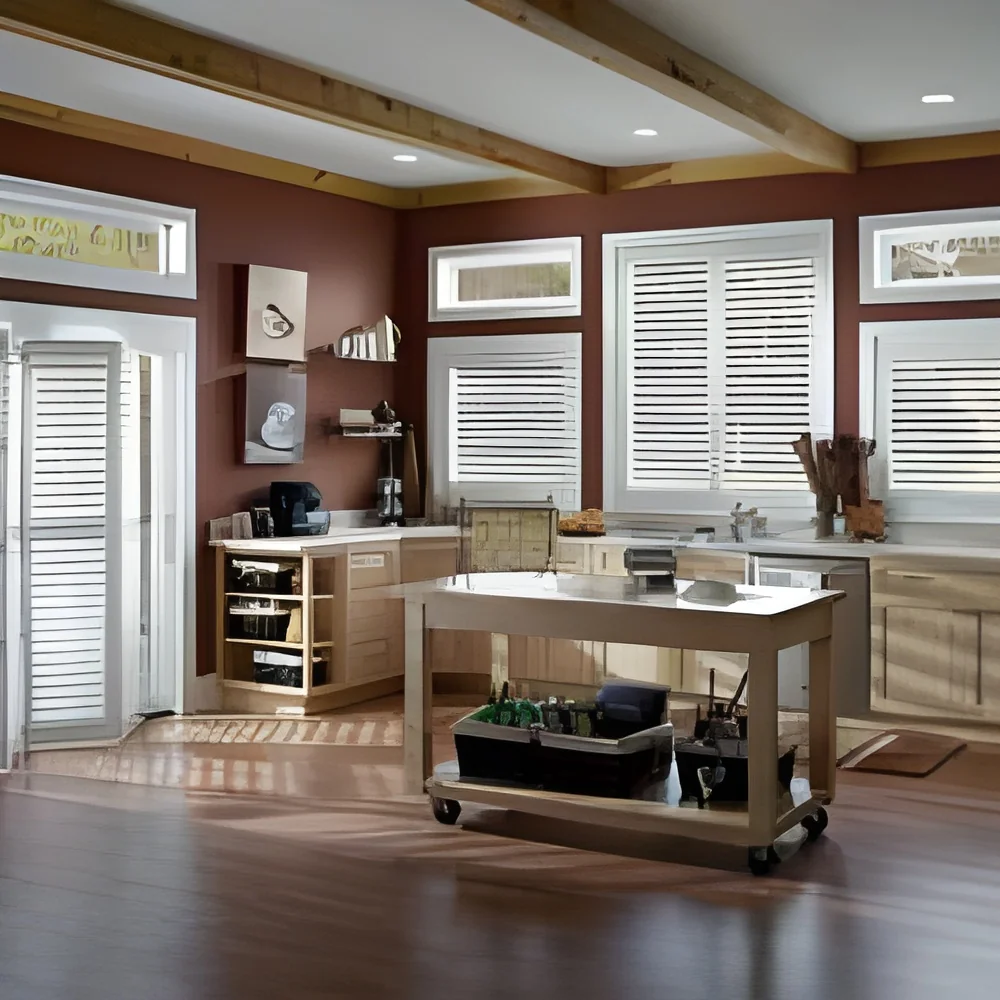
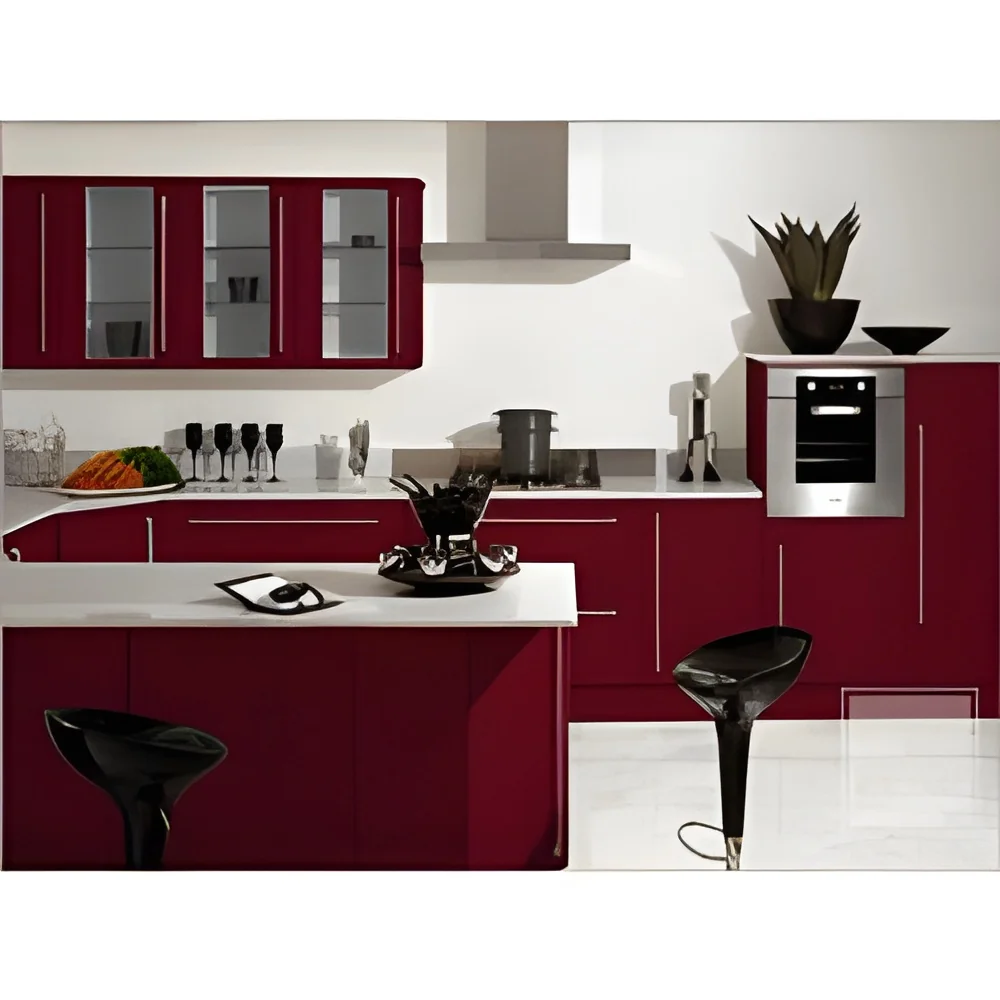
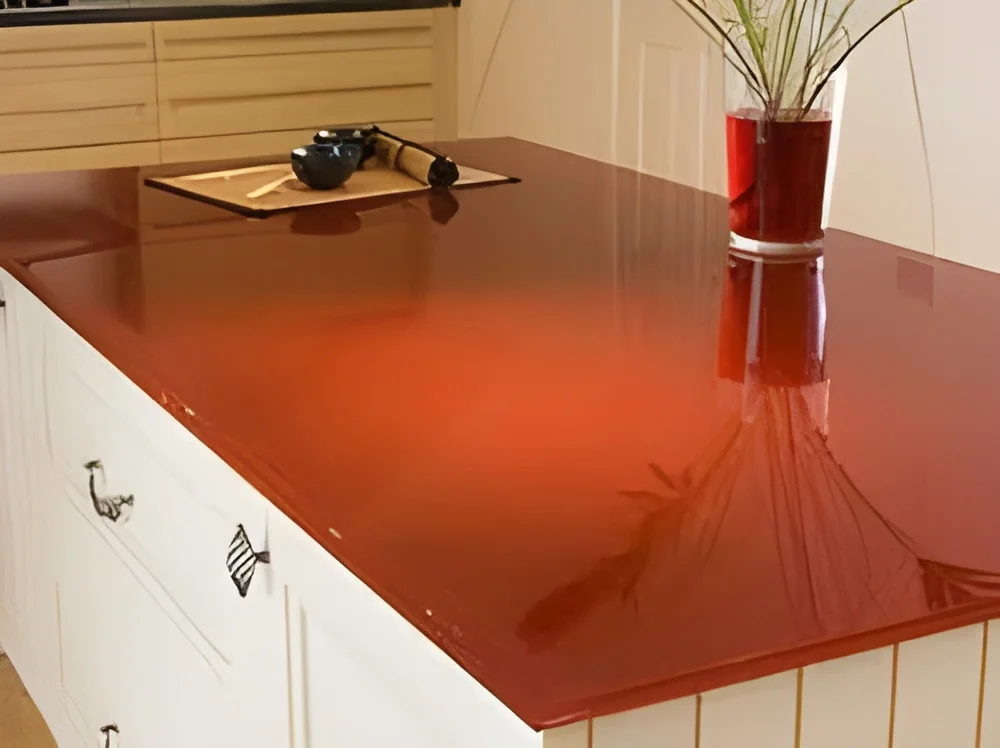
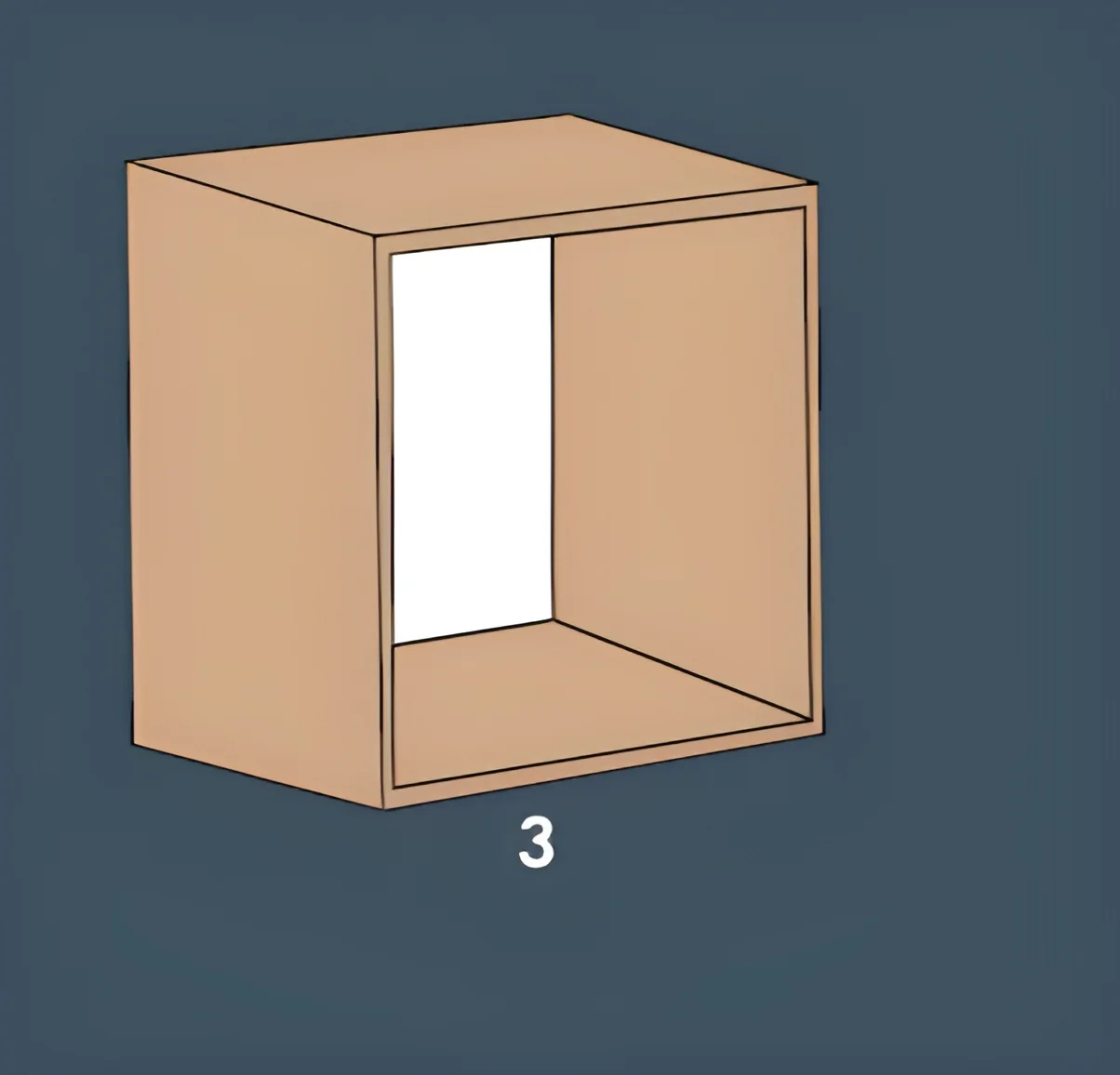
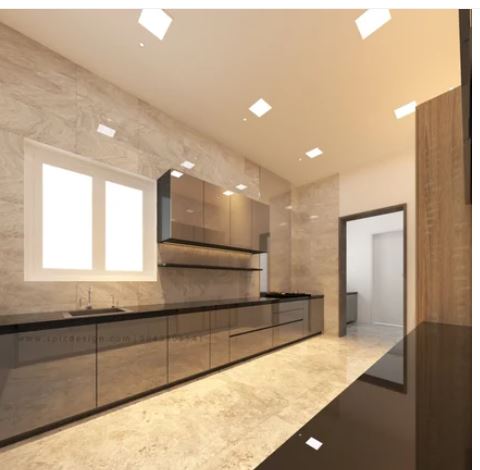
Modular kitchen units are pre-manufactured kitchen components designed to be assembled in various configurations to create a functional kitchen space. These units typically include cabinets, countertops, and additional accessories that can be combined in numerous ways to suit the specific needs and style preferences of the user. The modular nature allows for easy installation, customization, and scalability, making them a popular choice in both residential and commercial applications.
These kitchen units are primarily used in homes, restaurants, and commercial kitchens, where efficiency and space optimization are critical. Businesses often opt for modular kitchens for their flexibility and cost-effectiveness, enabling them to adapt to changing requirements without substantial renovations. The market for modular kitchen units has grown significantly, driven by consumer demand for stylish, functional, and space-saving solutions.
In the current market context, modular kitchen units are relevant across various sectors, including hospitality, food service, and residential construction. The ongoing trend towards modernization and urbanization has increased the demand for these units, as they provide a practical solution to space constraints and aesthetic preferences.
𝗞𝗲𝘆 𝗙𝗲𝗮𝘁𝘂𝗿𝗲𝘀 𝗮𝗻𝗱 𝗦𝗽𝗲𝗰𝗶𝗳𝗶𝗰𝗮𝘁𝗶𝗼𝗻𝘀
Modular kitchen units come with a variety of features and specifications that cater to diverse needs. These specifications ensure that the units not only meet aesthetic demands but also comply with functional requirements in various settings.
Key specifications include:
1. Material Quality
- Constructed from high-grade materials such as plywood, MDF, and particle board.
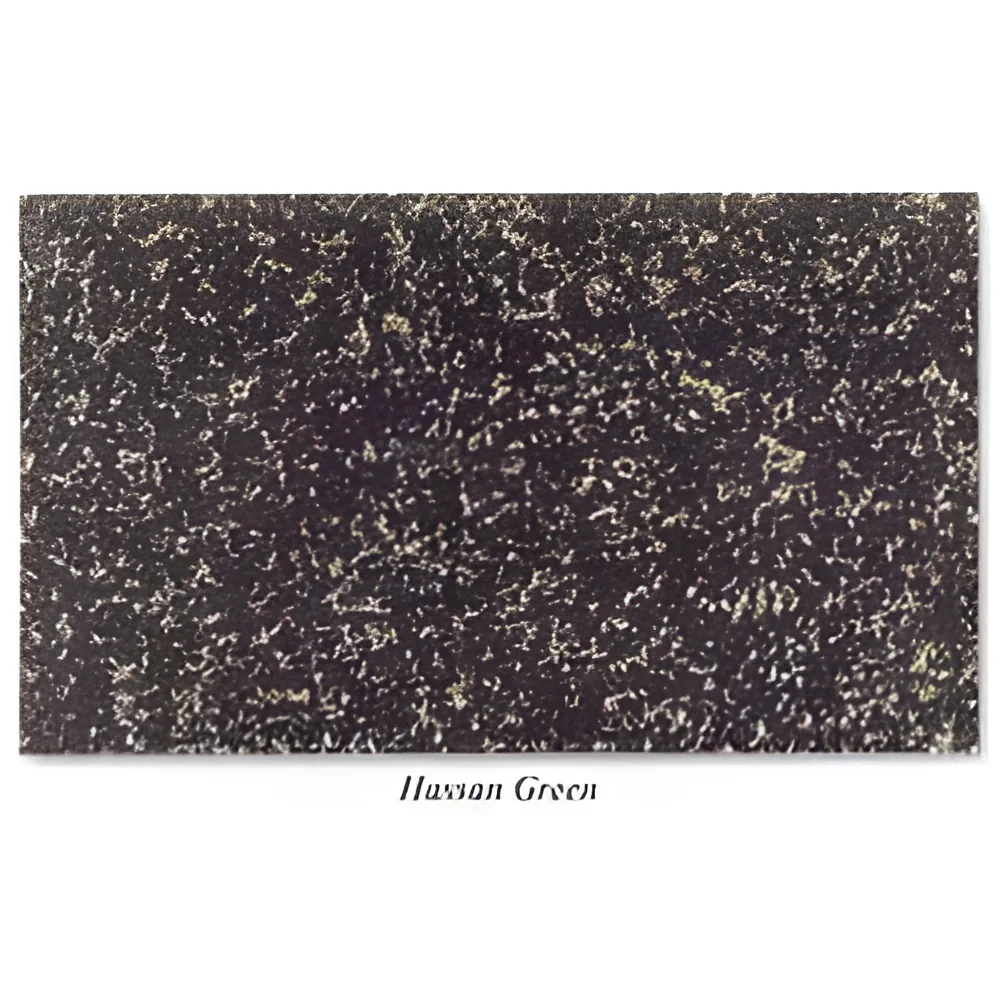
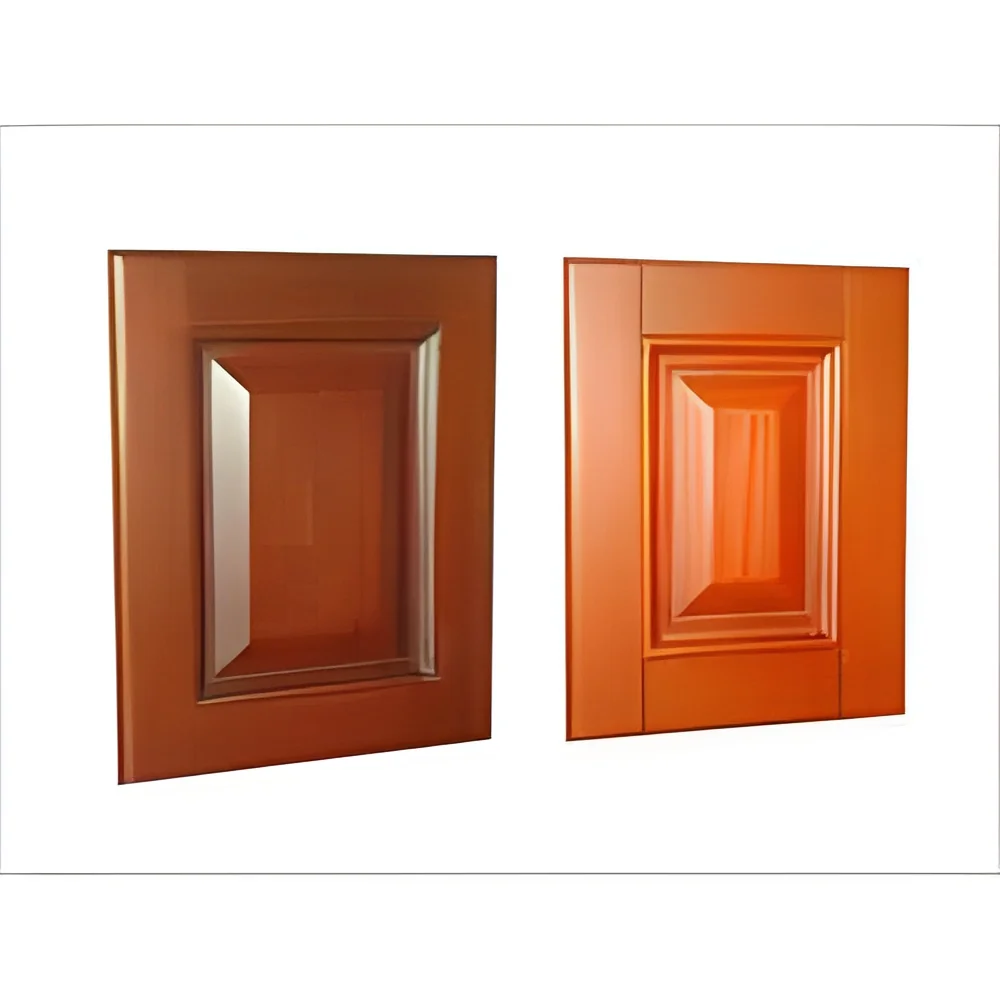
- Often finished with laminate or veneer for durability and aesthetics.
2. Customization Options
- Available in a range of colors, finishes, and styles.
- Options for different sizes and layouts to fit specific kitchen dimensions.
3. Hardware and Fittings
- Supplied with high-quality hinges, drawer slides, and handles.
- Soft-close mechanisms and adjustable shelves enhance user experience.
4. Installation Process
- Designed for easy assembly and installation.
- May include detailed instructions or professional installation services.
5. Storage Solutions
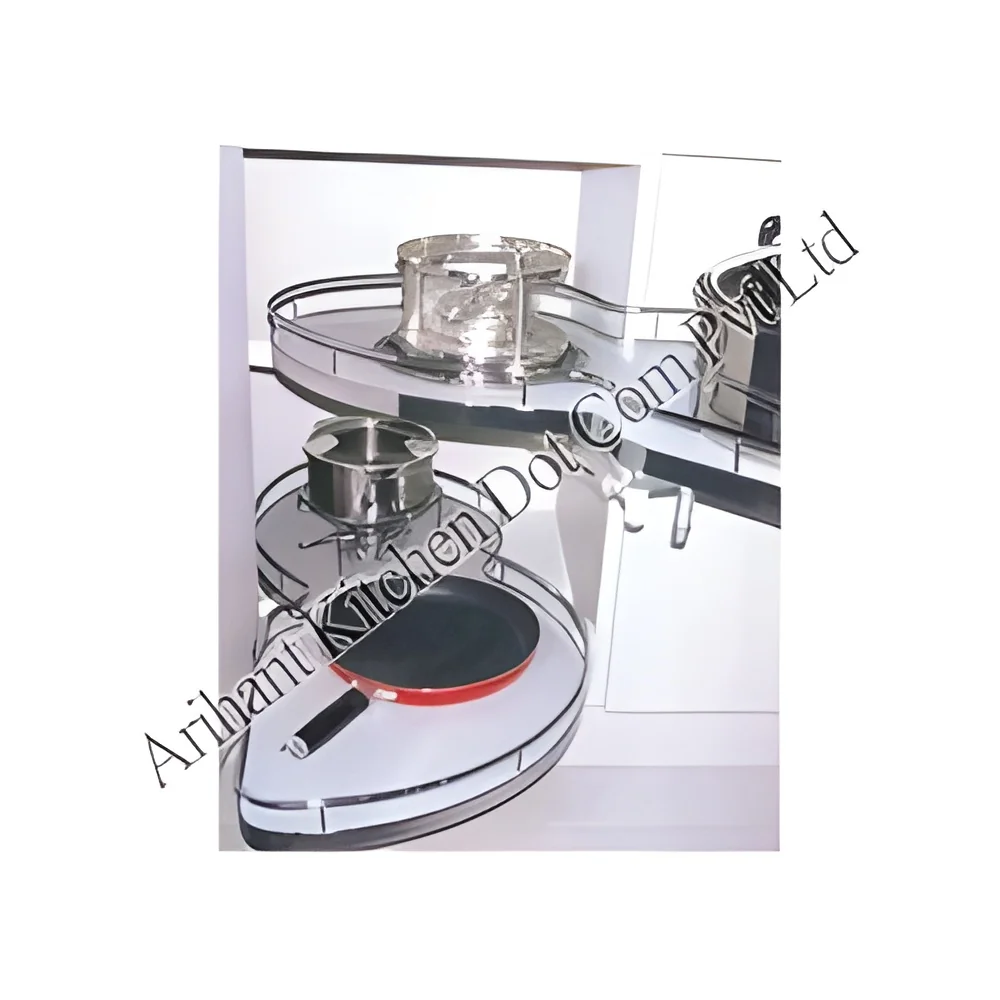
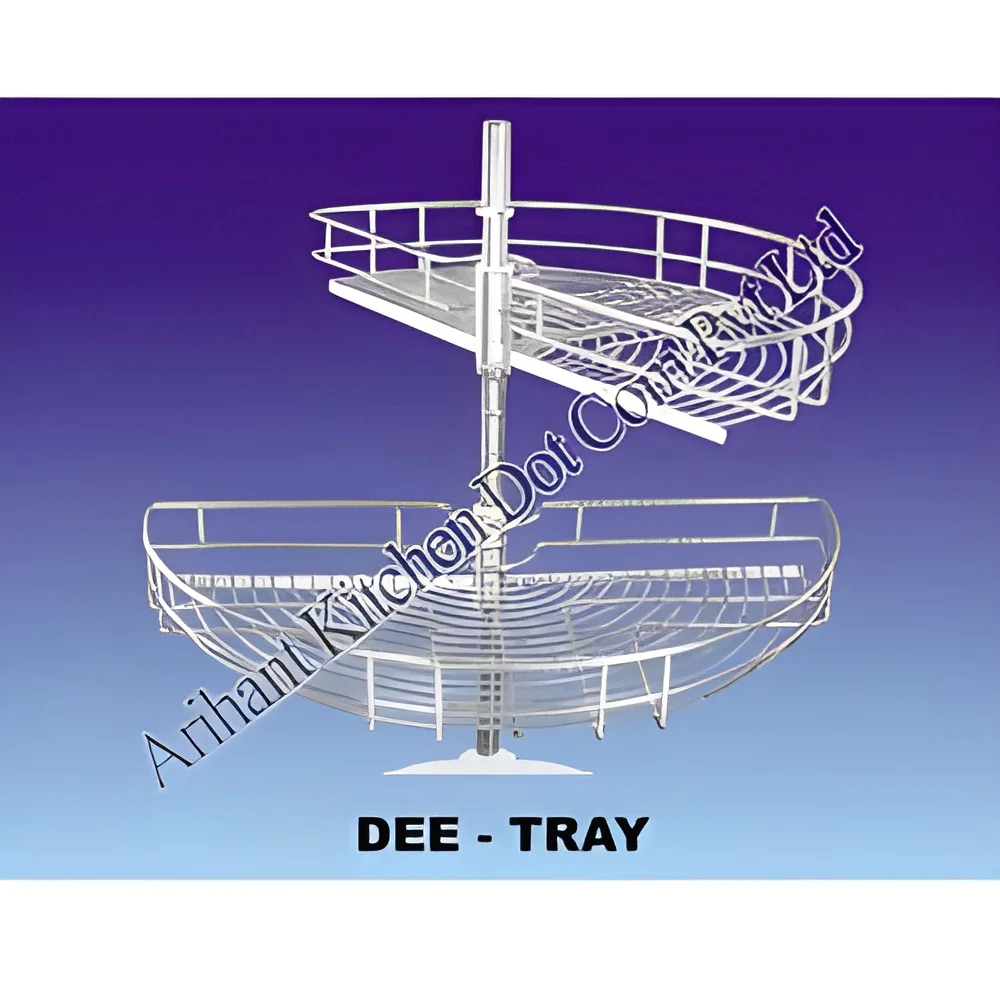
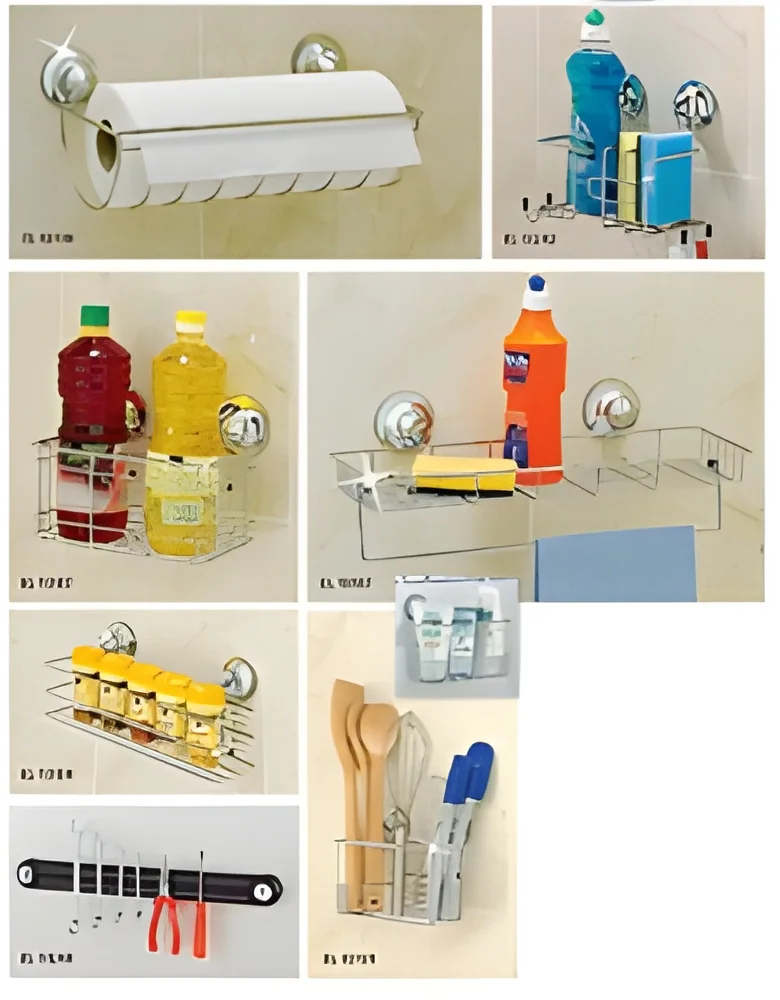
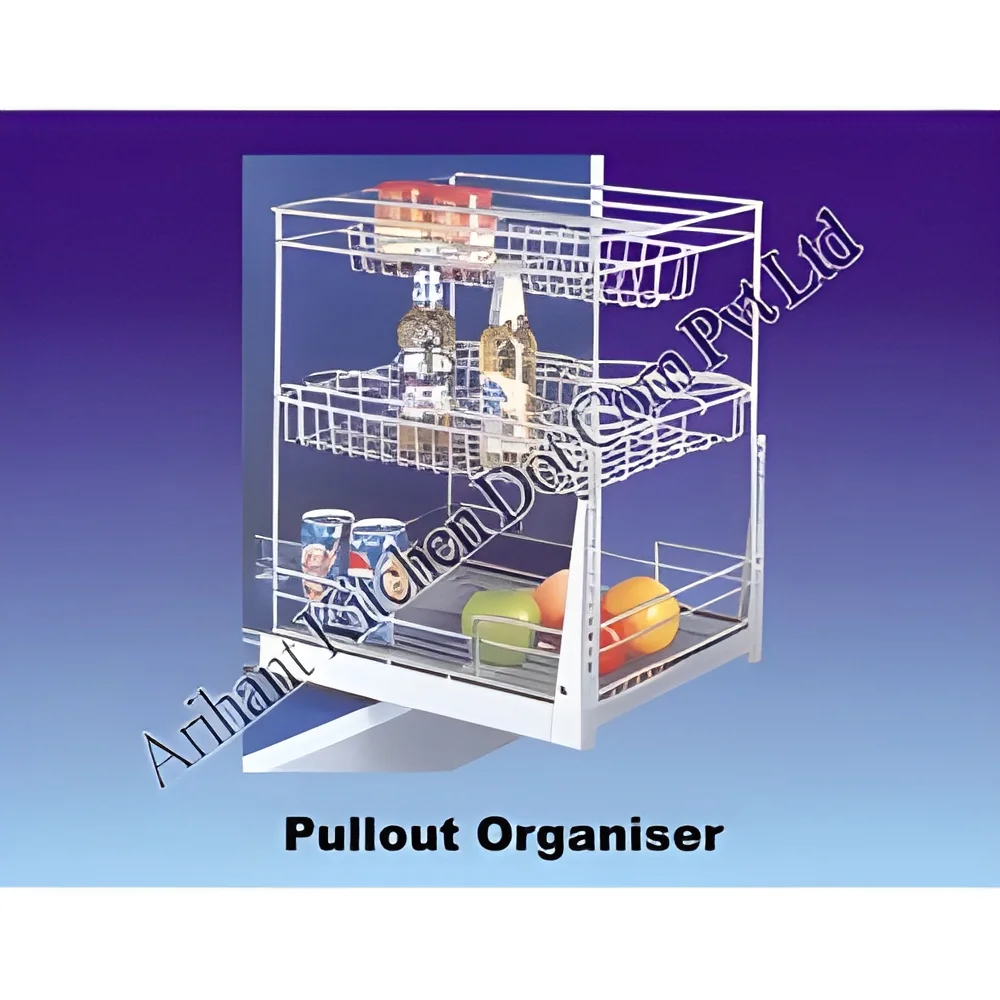
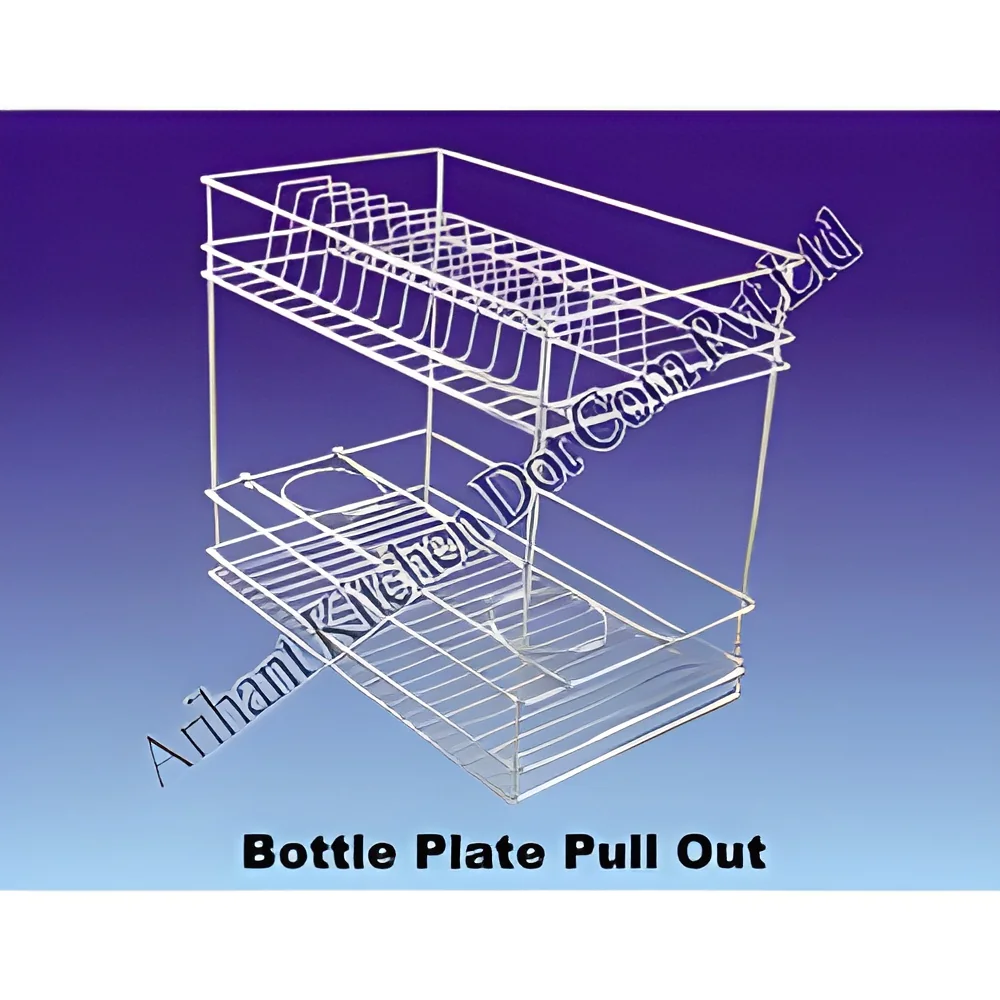
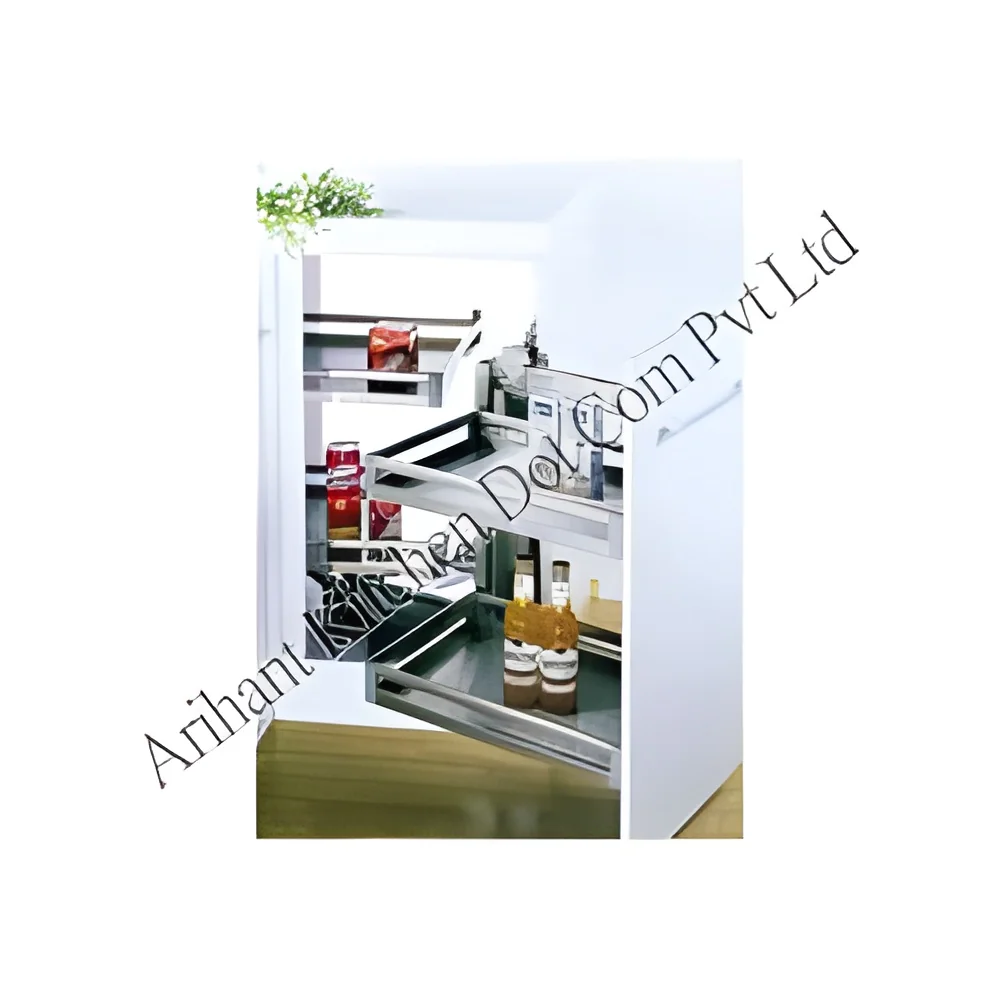
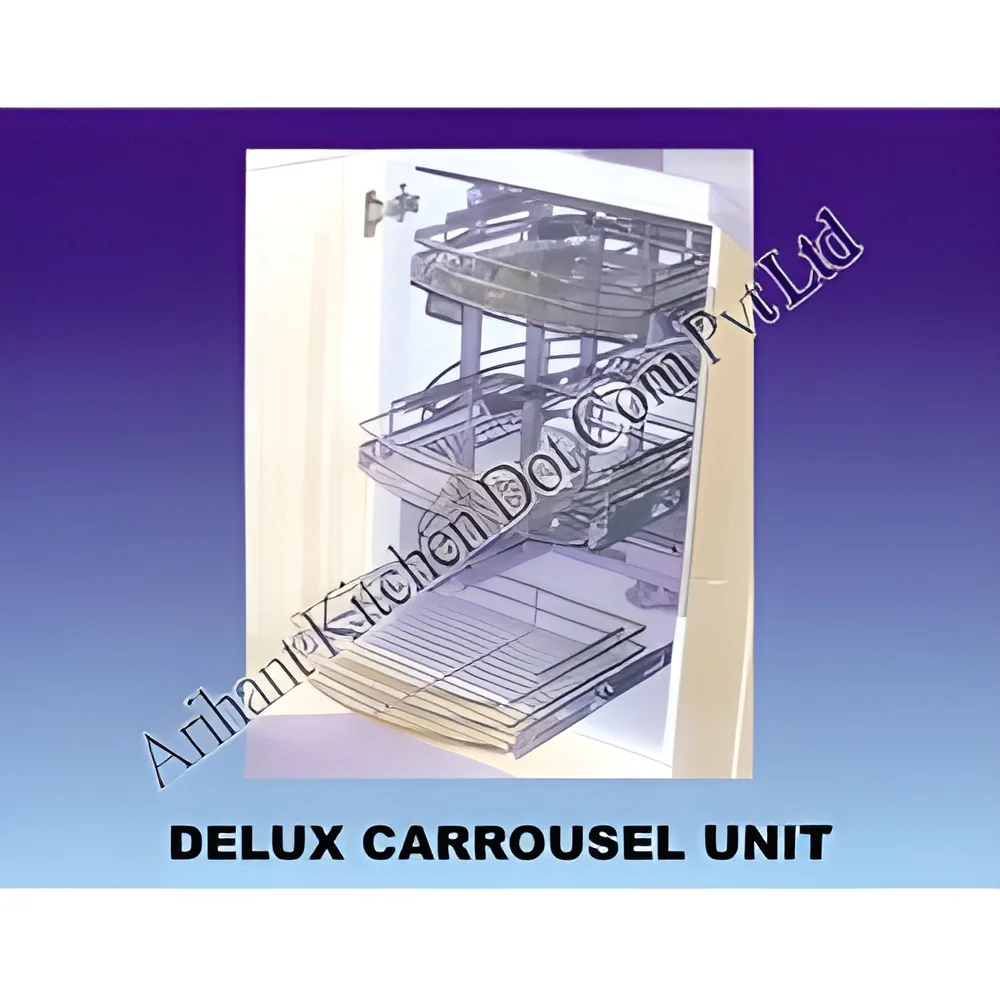
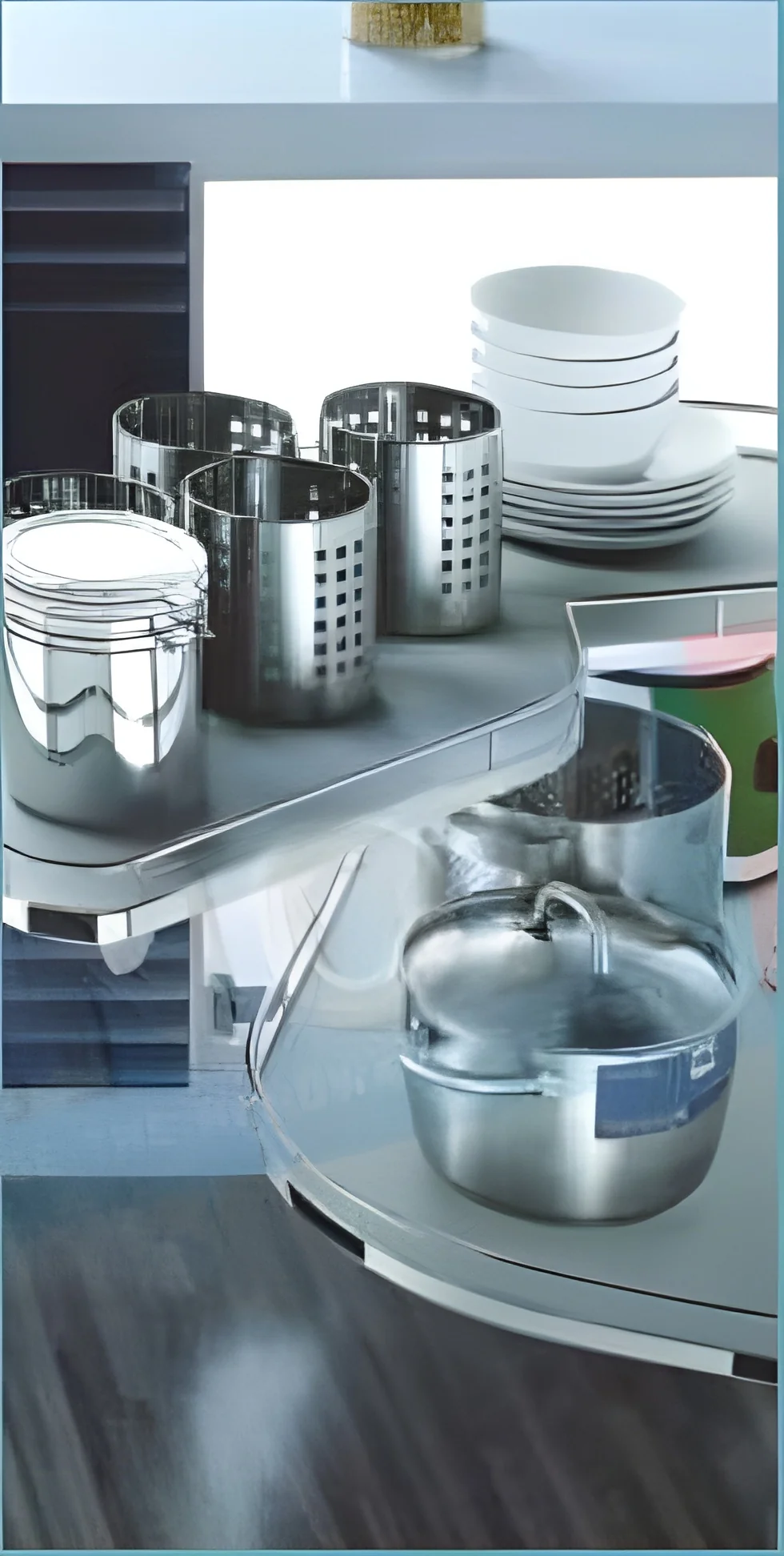
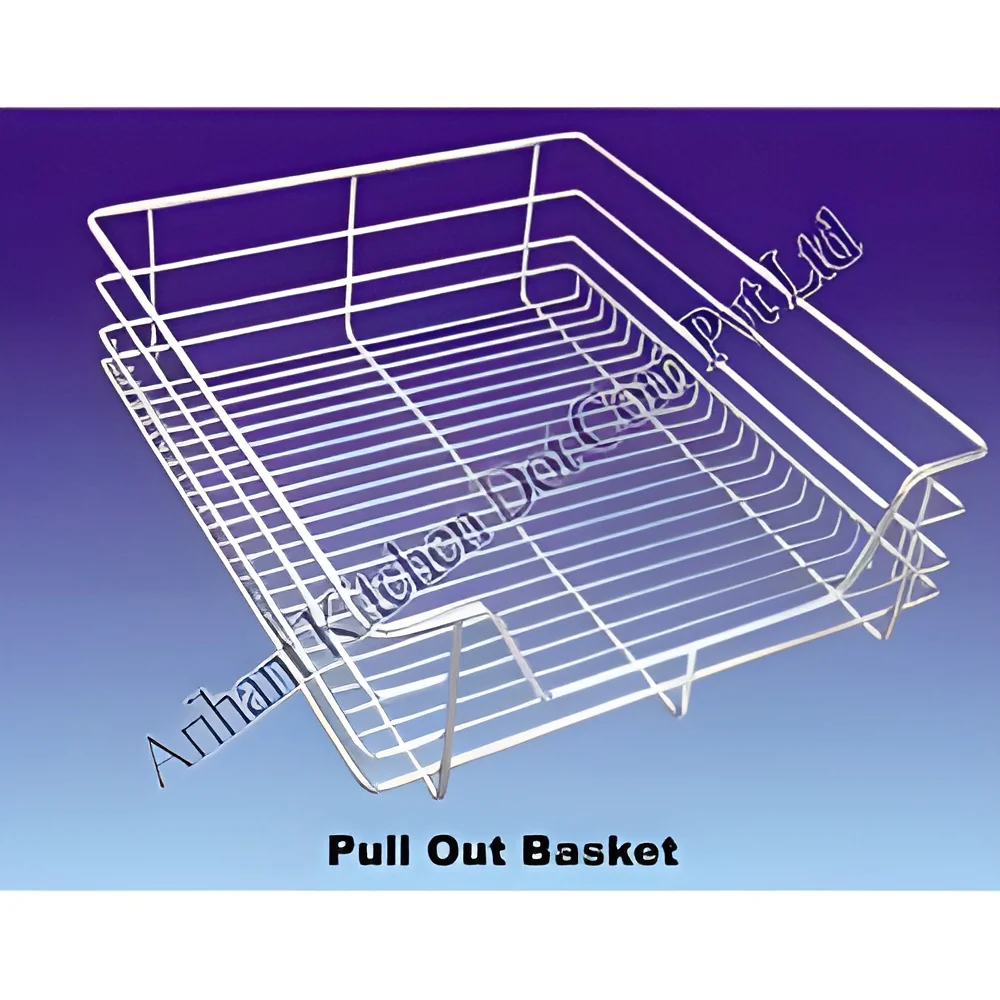
- Features such as pull-out shelves, lazy Susans, and built-in organizers.
- Maximizes storage efficiency in limited spaces.
6. Environmental Considerations
- Many units are made from eco-friendly materials.
- Compliance with sustainability standards is a growing focus.
7. Warranty and Support
- Typically come with a warranty period for parts and workmanship.
- Ongoing support and service options available from manufacturers.
In summary, the diverse range of features and specifications of modular kitchen units makes them highly adaptable and suitable for various applications, ensuring that users can find a solution that meets their specific needs.
𝗖𝗼𝗺𝗺𝗼𝗻 𝗔𝗽𝗽𝗹𝗶𝗰𝗮𝘁𝗶𝗼𝗻𝘀 𝗮𝗻𝗱 𝗨𝘀𝗲 𝗖𝗮𝘀𝗲𝘀
Modular kitchen units are versatile and can be used across various industries, each with unique requirements and applications.
1. Residential Homes: Homeowners appreciate modular kitchens for their customizability and aesthetic appeal, allowing them to create a personalized cooking space that fits their lifestyle.
2. Restaurants: Many restaurants opt for modular kitchen units due to their efficient design and ability to maximize workspace, facilitating smooth operations in busy kitchen environments.
3. Cafes and Coffee Shops: Modular kitchens enable cafes to create functional areas for food preparation, serving, and customer interaction, all while optimizing limited space.
4. Commercial Kitchens: Large-scale catering and food service operations benefit from the modular approach, allowing for quick reconfiguration as needs change.
5. Retail Environments: Stores and showrooms often use modular kitchen displays to showcase products, providing customers with practical examples of how the units can be used.
6. Hospitality Industry: Hotels and resorts utilize modular kitchens to maintain high standards of food service while providing flexibility in kitchen design.
7. Educational Institutions: Schools and universities implement modular kitchens in their culinary programs, offering students hands-on experience in a versatile environment.
𝗣𝗿𝗼𝗱𝘂𝗰𝘁 𝗩𝗮𝗿𝗶𝗮𝗻𝘁𝘀 𝗮𝗻𝗱 𝗦𝘂𝗯𝗰𝗮𝘁𝗲𝗴𝗼𝗿𝗶𝗲𝘀
Modular kitchen units come in various designs and configurations to cater to different consumer needs. While specific subcategories may not be available, several styles and configurations can be identified.
Contemporary Modular Kitchen
This variant features sleek lines and modern finishes, ideal for urban settings. It often incorporates smart storage solutions and high-tech appliances, appealing to younger homeowners.
Traditional Modular Kitchen
Designed with classic aesthetics, this variant includes ornate details and warm colors. It is suitable for those looking for a timeless kitchen design that blends with traditional home styles.
U-Shaped Modular Kitchen
This configuration maximizes space efficiency, providing ample storage and workspace. It is particularly beneficial for larger kitchens where multiple users may be cooking simultaneously.
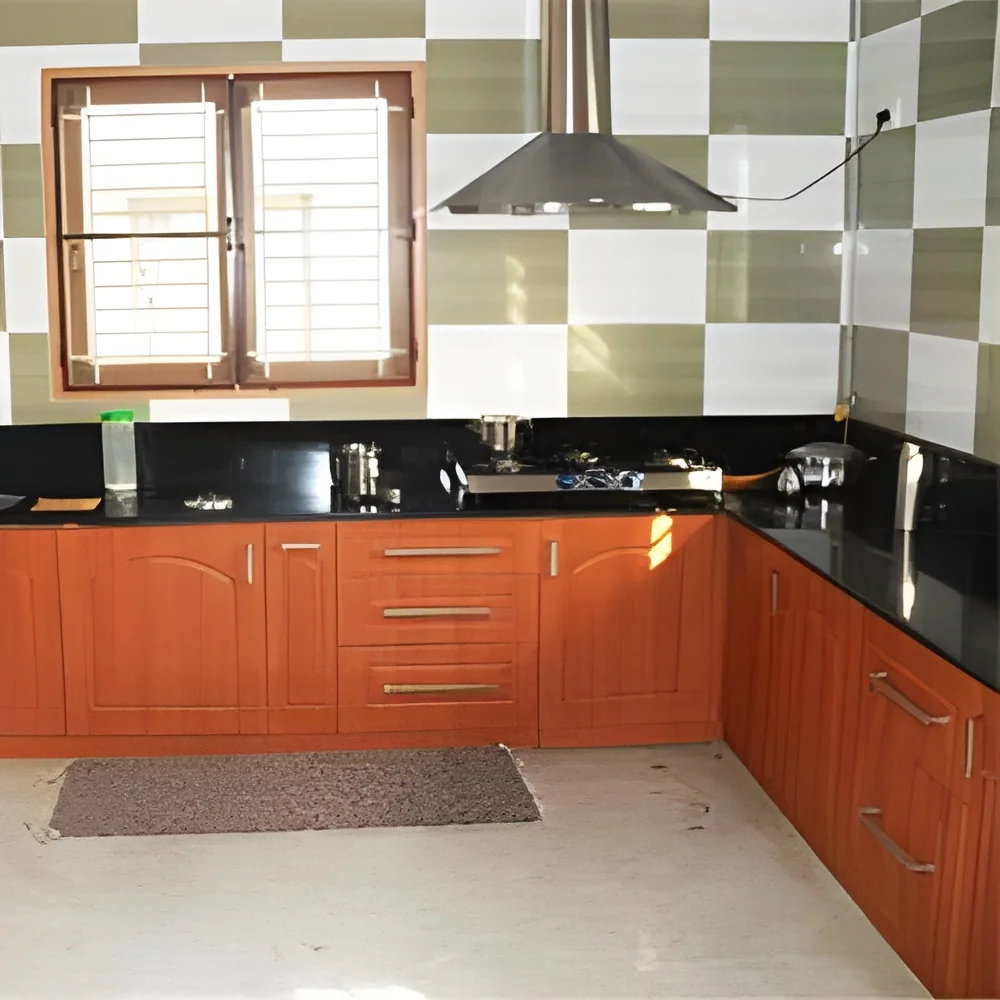
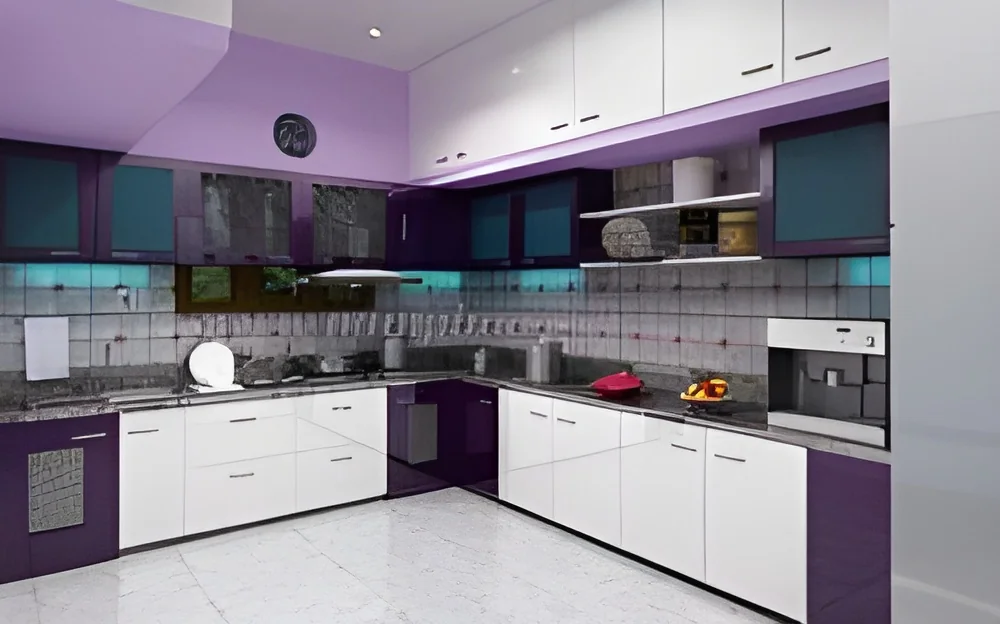
L-Shaped Modular Kitchen
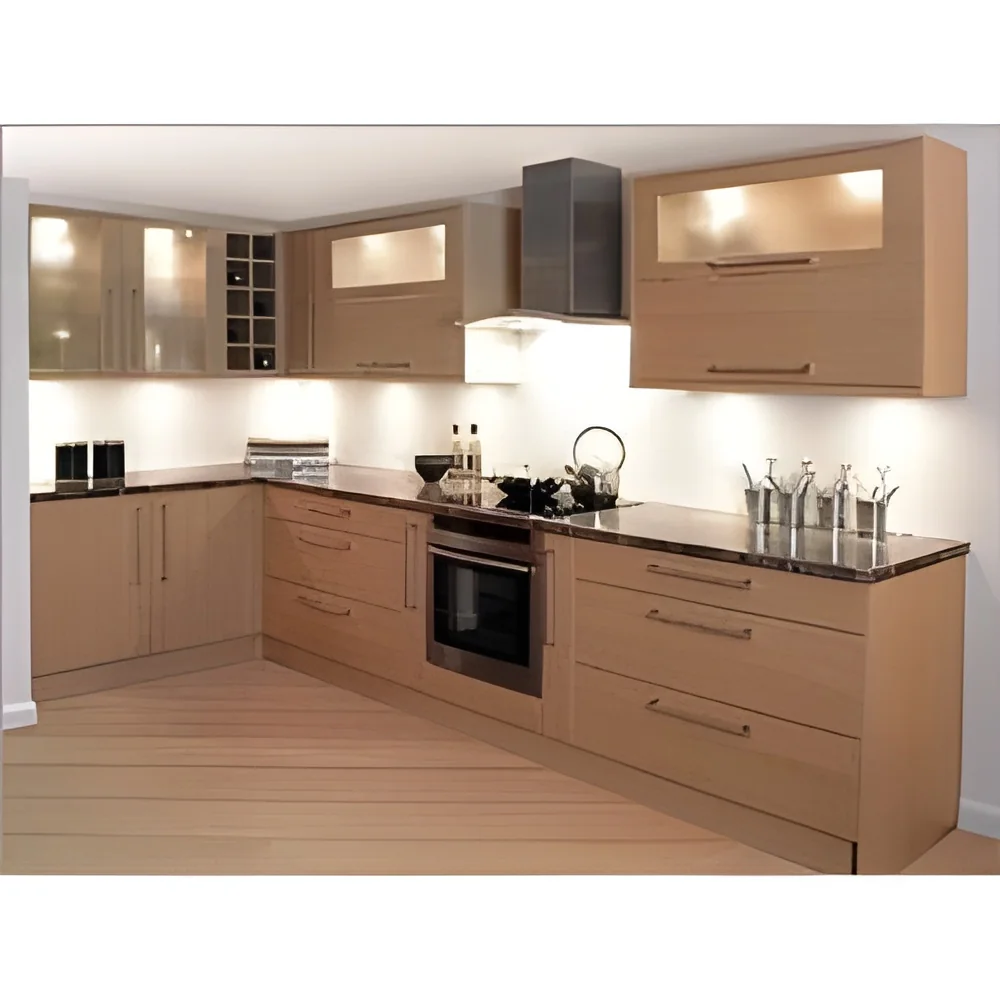
Ideal for smaller spaces, this variant allows for an open layout, enabling seamless movement between cooking and dining areas. It is a popular choice for apartments and compact homes.
𝗕𝗲𝗻𝗲𝗳𝗶𝘁𝘀 𝗮𝗻𝗱 𝗔𝗱𝘃𝗮𝗻𝘁𝗮𝗴𝗲𝘀
Choosing modular kitchen units offers numerous advantages for both residential and commercial buyers. Understanding these benefits can aid in making informed purchasing decisions.
Key benefits include:
1. Cost-Effective Solution: Modular kitchens generally require lower installation costs compared to custom-built kitchens, making them accessible for various budgets.
2. Space Optimization: The modular design allows for efficient use of space, making it easier to organize cooking and storage areas, especially in smaller kitchens.
3. Flexibility and Customization: Buyers can choose from a range of styles, colors, and configurations to create a kitchen that meets their unique needs and preferences.
4. Quick Installation: Modular kitchen units can be quickly assembled and installed, reducing downtime in both residential and commercial settings.
5. Durability and Quality: Most modular kitchens are constructed from high-quality materials, ensuring longevity and resistance to wear and tear.
6. Easy Maintenance: The materials used in modular kitchens are often easy to clean and maintain, which is essential for busy kitchen environments.
𝗕𝘂𝘆𝗶𝗻𝗴 𝗚𝘂𝗶𝗱𝗲 𝗳𝗼𝗿 𝗕𝟮𝗕 𝗕𝘂𝘆𝗲𝗿𝘀
When sourcing modular kitchen units, B2B buyers should consider several important factors to ensure they make a sound investment.
1. Quality Assessment: Evaluate the quality of materials and construction. Look for evidence of durability and resistance to common kitchen elements.
2. Supplier Verification: Vet suppliers through background checks and reviews. Ensure they have a solid reputation in the industry for reliability and quality service.
3. Pricing and MOQ: Understand pricing structures and minimum order quantities. Compare quotes from multiple suppliers to get the best deal while maintaining quality.
4. Delivery and Lead Times: Confirm delivery timelines and logistics. Ensure that the supplier can meet your project deadlines to avoid delays in installation.
5. Compliance Requirements: Familiarize yourself with any regulatory standards that apply to kitchen products in your region. Ensure that the units comply with necessary safety and quality certifications.
𝗖𝗼𝗺𝗽𝗹𝗶𝗮𝗻𝗰𝗲 𝗮𝗻𝗱 𝗖𝗲𝗿𝘁𝗶𝗳𝗶𝗰𝗮𝘁𝗶𝗼𝗻𝘀
Modular kitchen units are subject to various compliance and certification standards to ensure safety and quality. Key standards include ISO 9001, which focuses on quality management systems, and HACCP, which outlines food safety management procedures. These standards are crucial for ensuring that kitchen units meet industry-specific requirements for hygiene and safety.
Additionally, certifications such as CE and UL are essential for guaranteeing that products meet European and North American safety standards, respectively. These certifications provide assurance to buyers that the products have undergone rigorous testing to ensure their safety in commercial and residential environments.
Regional compliance considerations may vary, so it is essential for buyers to be aware of local regulations that govern kitchen equipment. Adhering to these standards not only ensures safety but also enhances the credibility of the business that utilizes these kitchen units.
𝗪𝗵𝘆 𝗦𝗼𝘂𝗿𝗰𝗲 𝗠𝗼𝗱𝘂𝗹𝗮𝗿 𝗞𝗶𝘁𝗰𝗵𝗲𝗻 𝗨𝗻𝗶𝘁𝘀 𝗳𝗿𝗼𝗺 𝗣𝗲𝗽𝗮𝗴𝗼𝗿𝗮?
Pepagora provides a trusted platform for sourcing modular kitchen units, offering several key advantages to B2B buyers.
Verified Supplier Network: Pepagora connects buyers with a network of verified suppliers, ensuring that the products meet quality and safety standards. This verification process gives buyers confidence in their procurement decisions.
Streamlined RFQ Process: The platform features a user-friendly Request for Quotation (RFQ) system, allowing buyers to easily obtain quotes from multiple suppliers. This streamlines the purchasing process and helps buyers compare options effectively.
Trade Assurance and Support: Pepagora offers trade assurance that protects buyers from potential issues during the transaction. Customer support is available to assist with any inquiries or concerns throughout the purchasing process.
Regional Coverage: With a strong presence in India, the GCC, and Southeast Asia, Pepagora offers extensive regional coverage. This allows buyers to source modular kitchen units tailored to their market needs while benefiting from local supplier relationships.



Frequently Asked Questions
What are Modular Kitchen Units?
Modular Kitchen Units are pre-manufactured kitchen components designed to fit together in a flexible and efficient manner. These units typically include cabinets, countertops, and storage solutions that can be customized based on available space and individual needs.
What are the different types of Modular Kitchen Units?
There are several types of Modular Kitchen Units, including L-shaped, U-shaped, parallel, and island kitchens. Each type is designed to optimize space and functionality in different kitchen layouts, catering to various cooking and storage needs.
How do I choose the right Modular Kitchen Units?
To choose the right Modular Kitchen Units, consider your kitchen layout, storage needs, and personal style. It is also important to assess the quality of materials used and the functionality of the units to ensure they meet your daily requirements.
What are the standard specifications for Modular Kitchen Units?
Standard specifications for Modular Kitchen Units typically include dimensions for cabinets and countertops, materials used (like plywood, MDF, or particle board), and finishes. Additionally, specifications may cover hardware details such as hinges, drawer slides, and handles.
What is the price range for Modular Kitchen Units?
The price range for Modular Kitchen Units can vary widely based on materials, design, and brand. Generally, prices can start from approximately INR 20,000 and can go up to INR 1,00,000 or more for high-end options.
What quality standards apply to Modular Kitchen Units?
Quality standards for Modular Kitchen Units often include compliance with safety regulations, durability tests, and material certifications. Look for units that meet industry benchmarks for moisture resistance, formaldehyde emissions, and overall construction quality.
Where can I find Modular Kitchen Units suppliers in India?
You can find Modular Kitchen Units suppliers in India through online B2B marketplaces like Pepagora.com, trade shows, and industry exhibitions. Additionally, local furniture stores may also offer a selection of modular kitchen options.
Can Modular Kitchen Units be customized?
Yes, Modular Kitchen Units can be customized to fit specific dimensions, styles, and functional requirements. Many suppliers offer customization options for finishes, colors, and layouts to better suit individual customer preferences.
What is the typical minimum order quantity for Modular Kitchen Units?
The typical minimum order quantity (MOQ) for Modular Kitchen Units can vary by supplier, generally ranging from one complete unit to multiple units based on the supplier's policies. It is advisable to check with individual suppliers for their specific MOQ requirements.
What is the typical lead time for Modular Kitchen Units?
The typical lead time for Modular Kitchen Units can range from 4 to 8 weeks, depending on the complexity of the design and the supplier's production schedule. It is important to communicate with the supplier to get an accurate estimate based on your order.
Why Businesses Trust Pepagora
Thousands of companies trust Pepagora to source smarter and sell faster
Expand Your Sales Globally

Source Smarter,Grow Faster
