What are Modular Kitchen Installation?
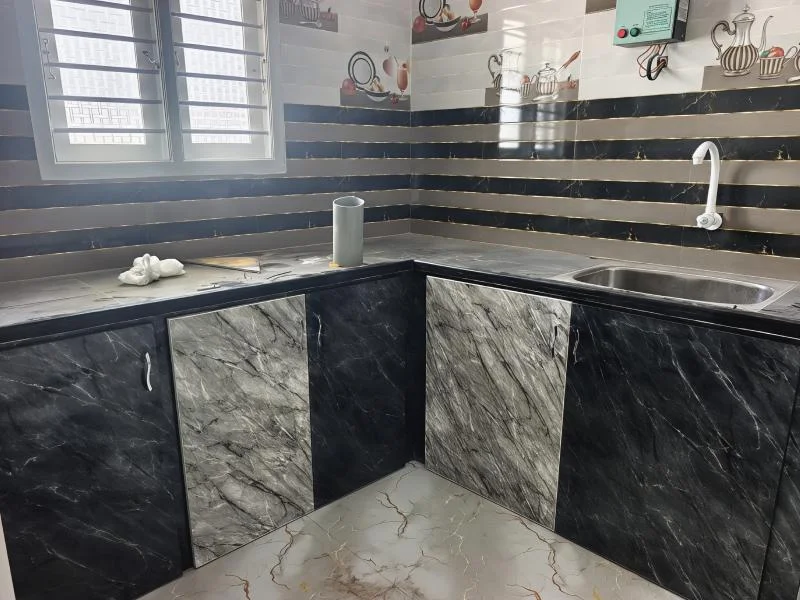
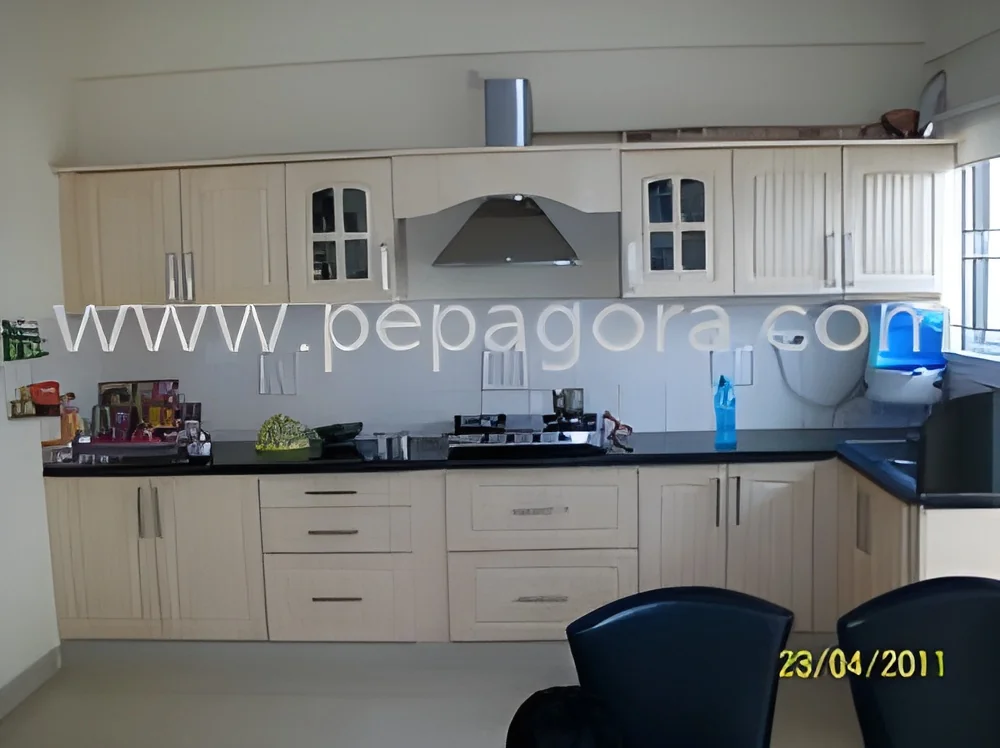
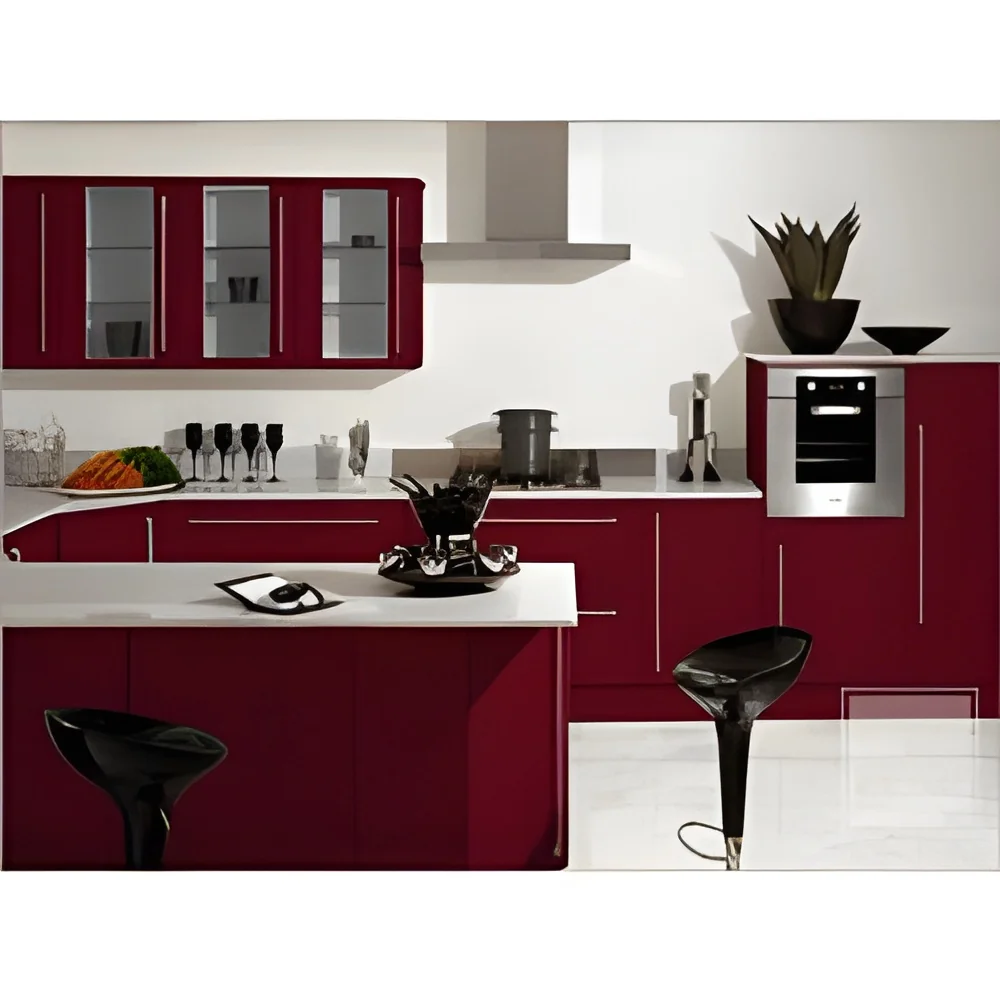
Modular Kitchen Installation refers to the process of assembling prefabricated units of kitchen furniture, appliances, and fixtures into a cohesive kitchen design. These units are designed to fit together seamlessly, providing a functional and aesthetically pleasing space for cooking and food preparation. The modular approach allows for flexibility in design, enabling customization to meet specific needs and preferences.
The primary uses of Modular Kitchen Installation include residential kitchens, commercial kitchens in restaurants and hotels, and even in institutional settings such as schools and hospitals. Businesses often choose modular kitchens for their efficiency, ease of installation, and the ability to reconfigure or expand as needed. In the current market, modular kitchens are becoming increasingly popular due to their modern appeal and the growing trend of open-concept living spaces.
In the context of the broader industry, Modular Kitchen Installation is relevant as consumers seek both functionality and style in their kitchen spaces. The demand for such installations is rising as urbanization progresses and more people invest in home renovations. This trend provides significant opportunities for suppliers and manufacturers to innovate and cater to diverse customer preferences.
Key Features and Specifications
Modular Kitchen Installation comes with various features and specifications designed to enhance usability, durability, and style. These features cater to both residential and commercial needs, making them versatile for different applications.
Key specifications include:
1. Material Quality
- High-grade materials such as plywood, MDF, or particle board
- Resistance to moisture, heat, and wear
2. Design Flexibility
- Customizable layouts to fit different kitchen dimensions
- Diverse styles ranging from contemporary to traditional
3. Assembly Process
- Easy to install with minimal tools required
- Pre-drilled components for straightforward assembly
4. Storage Solutions
- Integrated cabinets, drawers, and shelving options
- Efficient use of space with pull-out shelves and corner units
5. Appliance Integration
- Pre-designed spaces for built-in appliances
- Coordination with kitchen appliances for a seamless look
6. Finishing Options
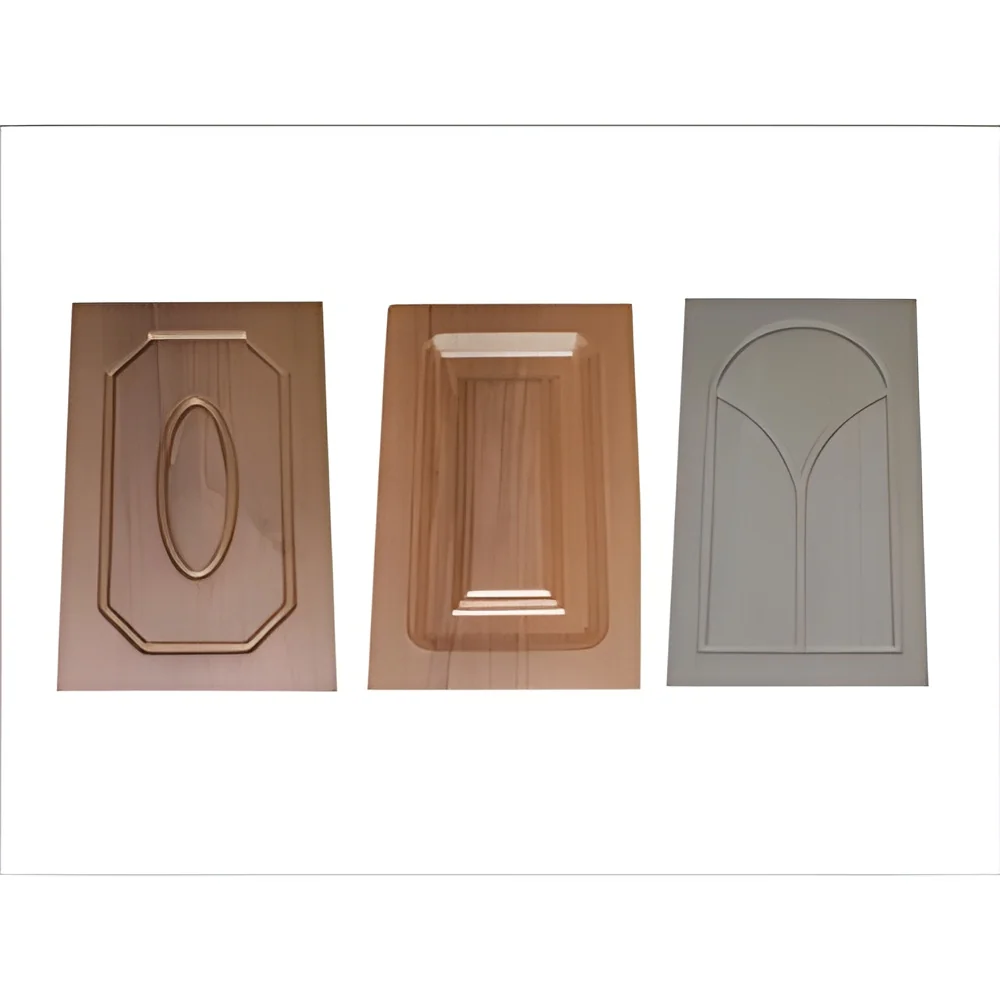
- Variety of finishes such as laminate, veneer, or paint
- Options for edge banding to enhance durability
7. Sustainability
- Eco-friendly materials and finishes
- Compliance with environmental standards when applicable
8. Warranty and Support
- Manufacturer warranties on materials and workmanship
- Availability of after-sales support and service
In summary, these specifications highlight the quality and functionality of Modular Kitchen Installations, making them a smart choice for both homeowners and businesses.
Common Applications and Use Cases
Modular Kitchen Installation finds utility across various industries, showcasing its adaptability and effectiveness.
1. Residential Homes: Homeowners benefit from modular kitchens that can be customized to their specific needs, maximizing space and functionality.
2. Restaurants: Commercial kitchens utilize modular setups for efficiency, allowing quick assembly and reconfiguration based on menu changes.
3. Hotels: Modular kitchens in hotels streamline food preparation processes, catering to diverse dining options while maintaining a cohesive design.
4. Educational Institutions: Schools and universities implement modular kitchens to provide efficient meal services, accommodating large volumes of students.
5. Hospitals: In healthcare settings, modular kitchens support efficient food preparation for patients and staff, adhering to strict hygiene standards.
6. Cafes and Bakeries: Small businesses take advantage of modular installations to create functional and inviting spaces without extensive renovations.
7. Retail Spaces: Stores may include modular kitchen setups for demonstration purposes or to offer prepared foods, enhancing customer experience.
Product Variants and Subcategories
Modular Kitchen Installation comes in diverse configurations, catering to different business needs and aesthetic preferences.
Classic Modular Kitchen
This variant features traditional designs with rich wood finishes and elegant hardware. It suits homes aiming for a timeless look while providing ample storage and functionality.
Contemporary Modular Kitchen
Characterized by sleek lines and minimalist designs, this variant is ideal for modern homes. It often incorporates high-tech appliances and innovative storage solutions.
Compact Modular Kitchen
Perfect for small living spaces, this variant maximizes functionality in limited areas. It includes space-saving cabinets and foldable surfaces for versatility.
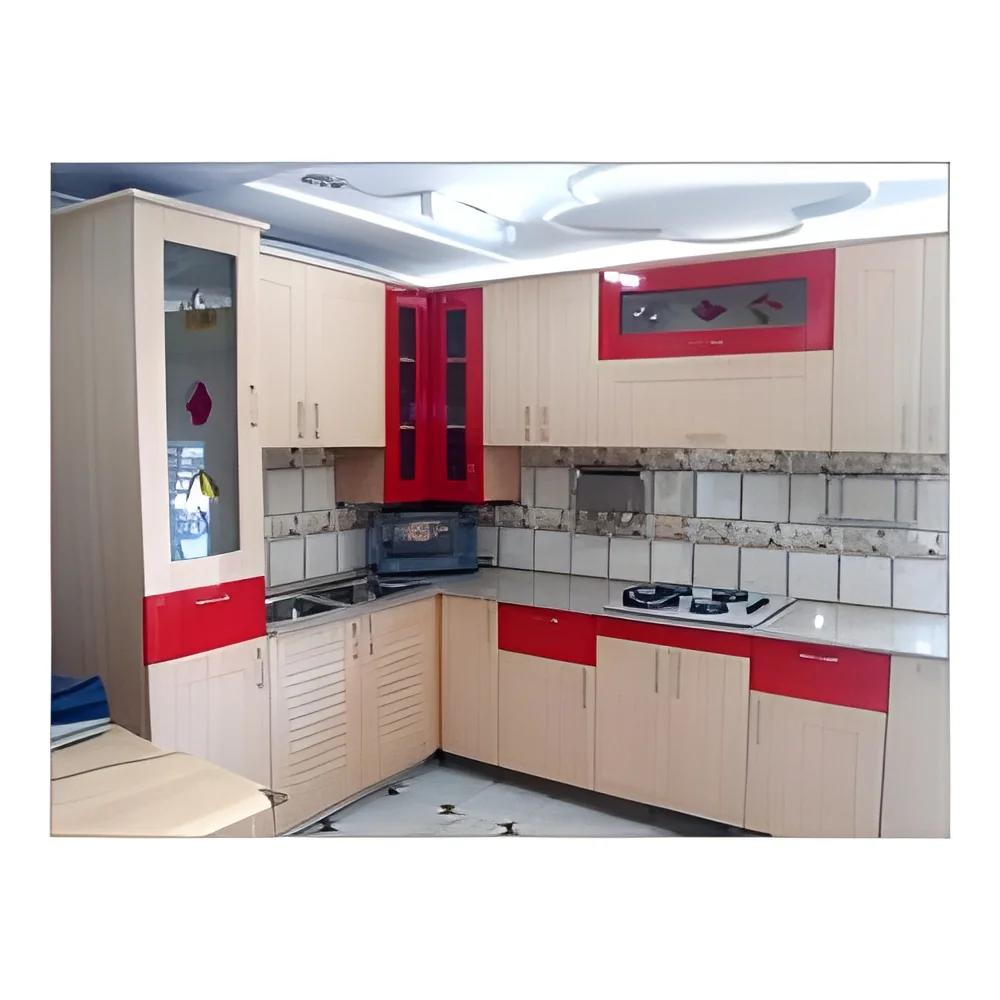
L-Shaped Modular Kitchen
This design optimizes corner spaces and allows for efficient workflow in cooking. It is popular in both residential and commercial setups.
U-Shaped Modular Kitchen
Offering extensive counter space, this variant is suitable for larger kitchens where multiple chefs might work simultaneously.
Benefits and Advantages
Choosing Modular Kitchen Installation provides numerous benefits that cater to both functionality and style.
1. Customization: Modular kitchens can be tailored to fit unique layouts, ensuring every inch of space is utilized efficiently.
2. Cost-Effective: The prefabricated nature of modular kitchens often leads to reduced labor costs and shorter installation times.
3. Versatility: These kitchens can easily adapt to changing needs or styles, allowing businesses and homeowners to reconfigure as required.
4. High Quality: Many modular kitchens are built with durable materials, ensuring longevity and resistance to wear.
5. Aesthetic Appeal: Modular kitchens offer a wide variety of designs and finishes, enhancing the overall look of the space.
6. Quick Installation: The modular format allows for faster assembly, minimizing downtime for businesses or homeowners during renovations.
Buying Guide for B2B Buyers
When sourcing Modular Kitchen Installation, several critical factors should be considered to ensure a successful purchase.
1. Quality Assessment: Evaluate materials and construction techniques to ensure durability and longevity. Look for certifications that indicate adherence to industry standards.
2. Supplier Verification: Vet suppliers for reliability and credibility. Check for reviews, references, and their history in the market to ensure they can meet your needs.
3. Pricing and MOQ: Understand the pricing structure and minimum order quantities. Compare options to find a balance between quality and cost.
4. Delivery and Lead Times: Confirm logistics details, including delivery schedules and lead times. Ensure the supplier can meet your project's timeline.
5. Compliance Requirements: Be aware of any local regulatory needs related to kitchen installations. Ensure that your supplier adheres to safety and quality standards.
Compliance and Certifications
Modular Kitchen Installations are subject to various compliance and certification requirements that enhance their reliability and safety.
Relevant quality standards such as ISO 9001 ensure that manufacturing processes meet international benchmarks for quality management. These standards are crucial for maintaining consistency in product quality.
Industry certifications like UL and CE are essential for demonstrating that products meet safety and performance standards. These certifications provide assurance to buyers that the products are tested and verified by recognized authorities.
Additionally, safety and testing requirements must be adhered to during the manufacturing process. This includes ensuring that materials used are non-toxic and safe for kitchen environments.
Regional compliance considerations can vary, so it is important for suppliers to be aware of local regulations to ensure that their products meet all necessary guidelines.
Why Source Modular Kitchen Installation from Pepagora?
Pepagora serves as a reliable platform for sourcing Modular Kitchen Installation, offering several distinct advantages to buyers.
Verified Supplier Network: The platform features a network of verified suppliers, ensuring that buyers can find reputable partners for their kitchen installation needs. This reduces the risk associated with sourcing.
Streamlined RFQ Process: Pepagora provides a user-friendly quotation system that simplifies the process of obtaining quotes from multiple suppliers. This efficiency allows buyers to compare options easily.
Trade Assurance and Support: Buyers are protected through trade assurance policies, ensuring that their transactions are secure. Additionally, the platform offers support to assist buyers throughout the purchasing process.
Regional Coverage: Pepagora has a strong presence in regions like India, the GCC, and Southeast Asia. This geographic reach enables buyers to access a diverse range of suppliers and products tailored to their local markets.

 IN
IN