What are Built-in Oven Cabinets?
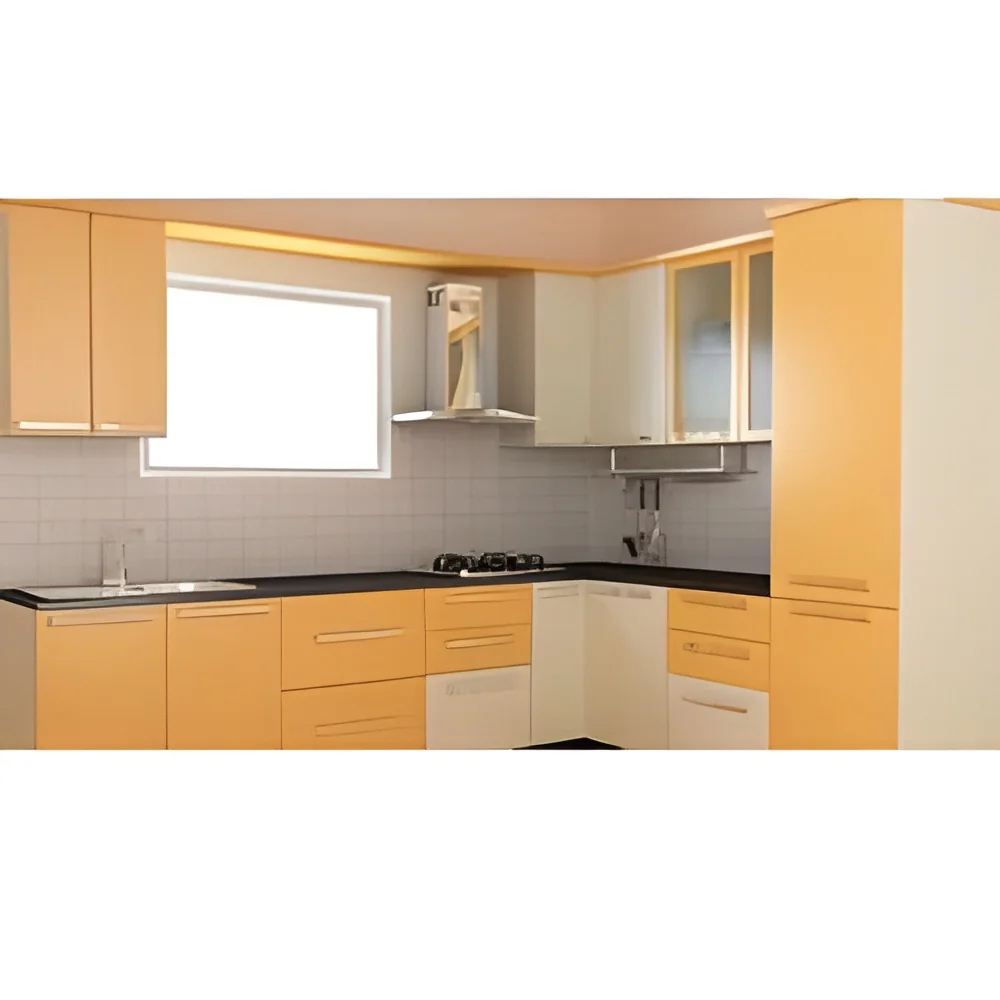
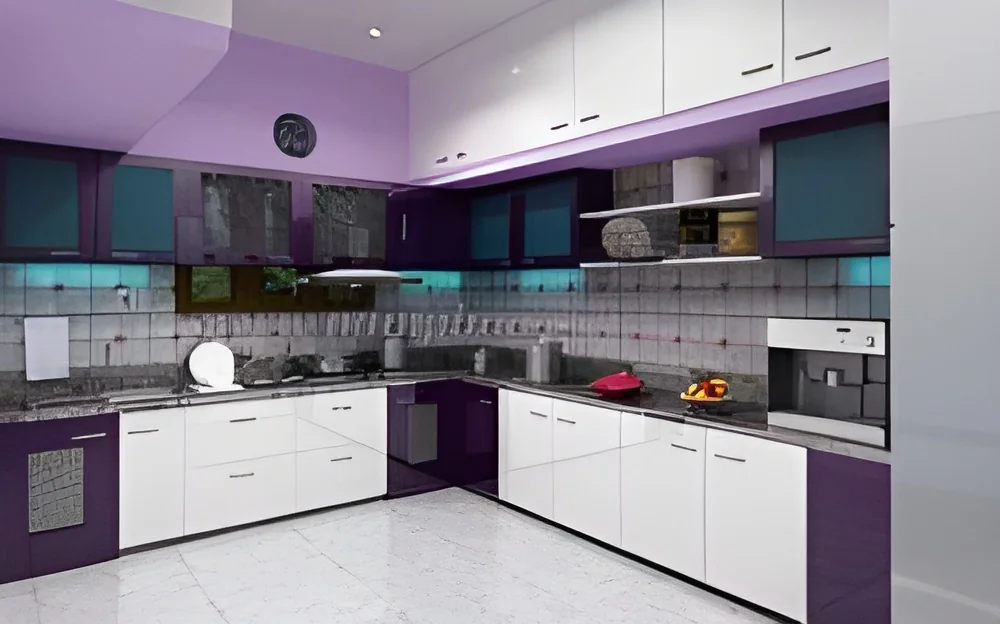
Built-in oven cabinets are specially designed enclosures that integrate ovens into kitchen spaces. These cabinets provide a seamless appearance and efficient use of space, allowing for a more organized kitchen layout. They are typically constructed from durable materials and are fitted to accommodate various types of ovens, whether they are electric, gas, or convection models.
The primary use of built-in oven cabinets is to house cooking appliances while offering additional storage and functionality. They are commonly found in both residential and commercial kitchens, catering to chefs, bakers, and food service professionals. Built-in oven cabinets can enhance the cooking experience by providing easy access to ovens and other kitchen tools, thus improving workflow and efficiency.
In the current market context, built-in oven cabinets are becoming increasingly popular due to the growing trend of modern kitchen designs. As more consumers and businesses prioritize aesthetics and functionality in their cooking spaces, the demand for these cabinets continues to rise. Industry players are focusing on innovation and quality to meet the evolving needs of customers in both the residential and commercial sectors.
Key Features and Specifications
Built-in oven cabinets come with various features and specifications that cater to different cooking needs. These cabinets are designed for practicality and ease of use, ensuring they meet the demands of busy kitchens.
Key specifications include:
1. Material Quality
- Typically made from high-grade wood or metal
- Offers durability and resistance to heat and moisture
2. Size and Dimensions
- Available in different sizes to fit standard oven dimensions
- Custom sizes may also be available for specific requirements
3. Weight Capacity
- Designed to support the weight of built-in ovens
- Ensures stability and safety during use
4. Ventilation Features
- May include built-in vents to promote air circulation
- Helps prevent overheating of surrounding cabinetry
5. Design Options
- Available in various styles, including modern, traditional, and minimalist
- Can be customized to match kitchen aesthetics
6. Storage Space
- Offers additional shelving or drawer space for kitchen utensils
- Enhances kitchen organization and accessibility
7. Installation Requirements
- Installation may require professional help
- Designed for easy integration into existing kitchen layouts
8. Energy Efficiency
- Many designs focus on optimizing energy use
- Can contribute to lower utility bills and a reduced carbon footprint
The right built-in oven cabinet can significantly enhance kitchen functionality and aesthetics, making it an essential component for many cooking environments.
Common Applications and Use Cases
Built-in oven cabinets find applications across a range of industries, each benefiting from their unique features and designs.
1. Residential Kitchens: Homeowners utilize built-in oven cabinets to create a modern and functional cooking space. These cabinets help maintain an organized kitchen while providing easy access to cooking appliances.
2. Restaurants: Commercial kitchens use built-in oven cabinets to optimize workflow and space efficiency. They help chefs quickly access ovens while keeping the kitchen area tidy and professional.
3. Catering Services: Catering businesses often require portable and efficient cooking solutions. Built-in oven cabinets provide the necessary space and organization for equipment, enhancing service delivery.
4. Bakeries: Bakeries benefit from built-in oven cabinets that accommodate specialized ovens for baking. The cabinets help maintain a consistent workflow and organization in high-demand environments.
5. Hotels: In hospitality settings, built-in oven cabinets are essential for catering to large-scale food service needs. They allow for efficient food preparation and presentation in hotel kitchens.
6. Educational Institutions: Culinary schools and training centers use built-in oven cabinets to provide students with hands-on experience in a realistic kitchen environment. These cabinets help create a professional cooking atmosphere.
7. Food Trucks: Mobile food businesses utilize built-in oven cabinets to maximize space efficiency. These cabinets help organize cooking equipment while ensuring compliance with health and safety regulations.
Product Variants and Subcategories
Built-in oven cabinets offer a variety of options to suit different needs and preferences. Though specific subcategories are not available, several product variants can be highlighted.
Standard Built-in Oven Cabinets: These cabinets are designed to accommodate standard oven sizes and are ideal for home kitchens. They typically feature a straightforward design with essential storage options.
Custom Built-in Oven Cabinets: These cabinets can be tailored to specific dimensions and styles, offering flexibility for unique kitchen layouts. They often come with additional features such as integrated lighting and advanced ventilation systems.
Multi-Function Built-in Oven Cabinets: Designed for versatility, these cabinets can house multiple cooking appliances, including microwaves and convection ovens. They are perfect for chefs who require various cooking methods in one space.
Space-Saving Built-in Oven Cabinets: These cabinets are designed for compact kitchens, providing functionality without sacrificing space. They often incorporate innovative storage solutions to maximize usability.
Benefits and Advantages
Investing in built-in oven cabinets offers numerous benefits for both residential and commercial kitchens. These advantages enhance overall kitchen efficiency and appeal.
1. Space Optimization: Built-in oven cabinets help maximize available kitchen space, making it easier to organize and access cooking tools and appliances.
2. Aesthetic Appeal: These cabinets contribute to a modern, streamlined look in kitchens, improving the overall design while adding value to the property.
3. Enhanced Functionality: Built-in oven cabinets provide easy access to cooking appliances, enabling smoother workflow and increased productivity in busy kitchens.
4. Durability: Made from high-quality materials, built-in oven cabinets are designed to withstand the rigors of daily use, ensuring long-term performance.
5. Customization Options: Buyers have the opportunity to customize cabinets to fit their specific requirements, including size, style, and additional features.
6. Improved Safety: With proper installation, built-in oven cabinets can help reduce hazards associated with free-standing ovens, providing a safer cooking environment.
Buying Guide for B2B Buyers
When sourcing built-in oven cabinets, it is essential for B2B buyers to consider several key factors to ensure they make informed decisions.
1. Quality Assessment: It is crucial to evaluate the materials and construction of the cabinets. Look for reliable manufacturers that adhere to industry standards for quality and durability.
2. Supplier Verification: Vet suppliers thoroughly to confirm their credentials and reputation in the market. This can include checking references and reviewing past customer experiences.
3. Pricing and MOQ: Understand the cost structure and minimum order quantities (MOQ) associated with built-in oven cabinets. Compare quotes from multiple suppliers to find the best deal.
4. Delivery and Lead Times: Consider the logistics involved in acquiring the cabinets. Ensure that suppliers can meet delivery timelines that align with project schedules.
5. Compliance Requirements: Be aware of any regional regulations and compliance standards that apply to built-in oven cabinets. This may include safety certifications and quality standards.
Compliance and Certifications
Built-in oven cabinets must adhere to specific quality and safety standards to ensure they meet industry requirements.
Quality standards such as ISO 9001 focus on ensuring consistent quality management practices among manufacturers. This certification signifies that suppliers maintain high operational standards and produce reliable products.
Industry certifications, including CE marking, indicate compliance with health, safety, and environmental protection standards within the European market. This certification helps buyers ensure that the products they purchase are safe and efficient.
Safety and testing requirements are also essential for built-in oven cabinets. Manufacturers should conduct rigorous testing to ensure that their products can withstand high temperatures and are safe for everyday use.
Regional compliance considerations may vary, and it is vital for buyers to be informed about local regulations that may affect the installation and usage of built-in oven cabinets in their areas.
Why Source Built-in Oven Cabinets from Pepagora?
Pepagora offers a trusted platform for sourcing built-in oven cabinets with several key advantages that benefit B2B buyers.
Verified Supplier Network: Pepagora connects buyers with a network of verified suppliers, ensuring that businesses can source high-quality cabinets from reputable companies. This network provides peace of mind and reduces the risk of subpar purchases.
Streamlined RFQ Process: The platform features a user-friendly request for quotation (RFQ) system that simplifies the sourcing process. Buyers can easily compare offers from multiple suppliers, making it easier to find the best options for their needs.
Trade Assurance and Support: Pepagora provides trade assurance to protect buyers during transactions. The platform offers support throughout the sourcing process, ensuring that businesses receive the assistance they need.
Regional Coverage: With a strong presence in India, the GCC, and Southeast Asia, Pepagora offers extensive regional coverage. This geographic reach allows businesses to connect with suppliers that can meet their specific demands locally.

 IN
IN