𝗪𝗵𝗮𝘁 𝗮𝗿𝗲 𝗕𝘂𝗶𝗹𝘁-𝗶𝗻 𝗥𝗲𝗳𝗿𝗶𝗴𝗲𝗿𝗮𝘁𝗼𝗿 𝗨𝗻𝗶𝘁𝘀?
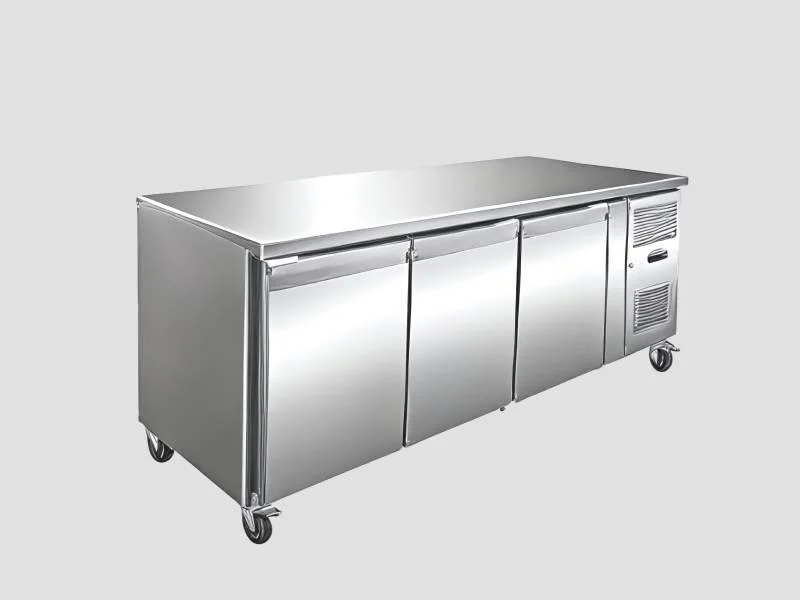
Built-in refrigerator units are specialized cooling appliances designed to be integrated seamlessly into cabinetry and kitchen layouts. These units are engineered for both functionality and aesthetics, allowing for a sleek appearance while providing effective refrigeration. Built-in refrigerators often offer advanced features such as temperature control, humidity management, and energy efficiency, making them an essential choice for modern culinary environments.
These units are primarily used in commercial kitchens, restaurants, and high-end residential settings. Their design allows businesses to optimize space while ensuring easy access to perishable goods. Built-in refrigerator units cater to the needs of chefs and kitchen staff by maintaining consistent temperatures, thereby preserving food quality. As the demand for efficient and stylish refrigeration continues to rise, built-in units have become increasingly relevant in the food service industry and beyond.
The market for built-in refrigerator units is expanding, driven by trends towards customized kitchen designs and the growing emphasis on energy-efficient appliances. Businesses prioritize reliability and performance, making these units a critical component in maintaining operational efficiency. As a result, built-in refrigerators are becoming a standard feature in various commercial and residential applications.
𝗞𝗲𝘆 𝗙𝗲𝗮𝘁𝘂𝗿𝗲𝘀 𝗮𝗻𝗱 𝗦𝗽𝗲𝗰𝗶𝗳𝗶𝗰𝗮𝘁𝗶𝗼𝗻𝘀
Built-in refrigerator units come equipped with a range of features tailored to meet the needs of both consumers and businesses. Their specifications define their performance, efficiency, and usability. Understanding these specifications is crucial for making informed purchasing decisions.
Key specifications include:
1. Temperature Control
- Provides precise temperature settings for optimal food preservation
- Typical range: 32°F to 40°F (0°C to 4°C)
2. Energy Efficiency Rating
- Indicates the energy consumption of the unit
- Common ratings include Energy Star certification
3. Storage Capacity
- Refers to the interior space available for food and beverages
- Ranges from 18 cubic feet to over 30 cubic feet
4. Humidity Control Features
- Helps maintain the freshness of produce and other perishables
- Varies by model; some offer adjustable humidity settings
5. Noise Level
- Measures operational sound during use
- Typically ranges from 40 dB to 50 dB
6. Construction Material
- Determines durability and aesthetic appeal
- Common materials include stainless steel and high-grade plastics
7. Cooling Technology
- Types include compressor and thermoelectric cooling
- Each type offers different benefits in terms of performance and energy use
8. Door Style
- Options include French doors, single doors, or drawer-style models
- Each style caters to different kitchen layouts and user preferences
In summary, understanding these features and specifications can significantly influence the selection process for built-in refrigerator units. Buyers should consider their specific needs and applications to choose the most suitable model.
𝗖𝗼𝗺𝗺𝗼𝗻 𝗔𝗽𝗽𝗹𝗶𝗰𝗮𝘁𝗶𝗼𝗻𝘀 𝗮𝗻𝗱 𝗨𝘀𝗲 𝗖𝗮𝘀𝗲𝘀
Built-in refrigerator units serve a variety of industries, each with distinct requirements.
1. Commercial Kitchens: Built-in refrigerators are essential in restaurants and catering services, providing reliable storage for ingredients and prepared foods.
2. Hotels and Resorts: These units are commonly installed in guest suites and staff areas for convenient access to refreshments and perishables.
3. Retail Environments: Grocery stores and specialty markets utilize built-in refrigerators to showcase products while maintaining optimal temperatures.
4. Healthcare Facilities: Hospitals and clinics require built-in refrigerators for storing medications and vaccines, ensuring compliance with temperature regulations.
5. Residential Spaces: High-end homes often feature built-in refrigerators for a seamless kitchen design, enhancing both functionality and aesthetics.
6. Food Service Trucks: Mobile kitchens benefit from the compact design of built-in units, which maximize space while ensuring food safety.
7. Educational Institutions: Schools and universities employ built-in refrigerators in cafeterias and staff lounges for efficient food storage.
𝗣𝗿𝗼𝗱𝘂𝗰𝘁 𝗩𝗮𝗿𝗶𝗮𝗻𝘁𝘀 𝗮𝗻𝗱 𝗦𝘂𝗯𝗰𝗮𝘁𝗲𝗴𝗼𝗿𝗶𝗲𝘀
Built-in refrigerator units offer various models tailored to specific needs and preferences.
Compact Built-in Refrigerators: These are ideal for smaller spaces, providing efficient cooling without taking up excessive room. They often feature a streamlined design for easy integration into cabinetry.
Luxury Built-in Refrigerators: Designed for high-end kitchens, these models come with advanced features, custom finishes, and superior energy efficiency. They are suitable for gourmet chefs and culinary enthusiasts.
Commercial Built-in Refrigerators: These units are engineered for high-capacity storage, often featuring robust construction and enhanced cooling technology to handle the demands of busy commercial environments.
Wine Coolers: A specialized variant, wine coolers are designed to maintain optimal temperatures for wine storage. They provide adjustable humidity and temperature settings, catering to connoisseurs.
𝗕𝗲𝗻𝗲𝗳𝗶𝘁𝘀 𝗮𝗻𝗱 𝗔𝗱𝘃𝗮𝗻𝘁𝗮𝗴𝗲𝘀
Built-in refrigerator units offer numerous advantages that make them a preferred choice for many businesses.
1. Space Optimization: Their design allows for seamless integration into kitchen layouts, maximizing available space without sacrificing functionality.
2. Enhanced Aesthetics: Built-in units offer a sleek and modern appearance, contributing to the overall design of a kitchen or commercial space.
3. Improved Food Preservation: These units maintain consistent temperatures and humidity levels, ensuring the longevity and quality of stored products.
4. Energy Efficiency: Many built-in refrigerators feature energy-saving technologies, reducing operational costs and environmental impact.
5. Customization Options: Buyers can select from various sizes, finishes, and features to meet specific needs and preferences.
6. Increased Property Value: High-quality built-in units can enhance the value of residential properties, making them more attractive to potential buyers.
𝗕𝘂𝘆𝗶𝗻𝗴 𝗚𝘂𝗶𝗱𝗲 𝗳𝗼𝗿 𝗕𝟮𝗕 𝗕𝘂𝘆𝗲𝗿𝘀
When sourcing built-in refrigerator units, it is essential to consider several factors to ensure a successful purchase.
1. Quality Assessment: Evaluate the materials and construction of the units. Look for certifications and warranties that indicate durability and reliability.
2. Supplier Verification: Research potential suppliers to ensure they have a solid reputation and positive customer reviews. Verify their credentials and experience in the industry.
3. Pricing and MOQ: Understand the pricing structure and minimum order quantities. Budget accordingly while considering long-term value.
4. Delivery and Lead Times: Discuss logistics and expected delivery times with suppliers to ensure timely installation and operation.
5. Compliance Requirements: Familiarize yourself with relevant regulations and standards to ensure the units meet industry requirements for safety and performance.
𝗖𝗼𝗺𝗽𝗹𝗶𝗮𝗻𝗰𝗲 𝗮𝗻𝗱 𝗖𝗲𝗿𝘁𝗶𝗳𝗶𝗰𝗮𝘁𝗶𝗼𝗻𝘀
Built-in refrigerator units must adhere to various quality standards and certifications to ensure safety and performance.
ISO 9001 is a widely recognized standard that signifies a commitment to quality management systems. Compliance with ISO 9001 ensures that manufacturers follow best practices in production and service delivery.
HACCP (Hazard Analysis Critical Control Point) is crucial in food-related industries. Compliance with HACCP standards helps ensure the safety of food storage and handling processes.
CE certification indicates that the product meets European safety standards, providing assurance to buyers regarding its quality and reliability.
Safety testing requirements may vary based on regional regulations. It is essential to verify compliance with local standards to avoid legal and operational issues.
Regional considerations are also important. Different markets may have specific compliance requirements based on local laws and industry practices.
𝗪𝗵𝘆 𝗦𝗼𝘂𝗿𝗰𝗲 𝗕𝘂𝗶𝗹𝘁-𝗶𝗻 𝗥𝗲𝗳𝗿𝗶𝗴𝗲𝗿𝗮𝘁𝗼𝗿 𝗨𝗻𝗶𝘁𝘀 𝗳𝗿𝗼𝗺 𝗣𝗲𝗽𝗮𝗴𝗼𝗿𝗮?
Pepagora provides a trusted platform for sourcing built-in refrigerator units, offering several key advantages to buyers.
Verified Supplier Network: Pepagora connects buyers with a network of verified suppliers, ensuring access to quality products and reliable service. This network fosters trust and transparency in transactions.
Streamlined RFQ Process: The platform simplifies the request for quotation process, allowing buyers to quickly compare options and make informed decisions. This efficiency saves time and resources in procurement.
Trade Assurance and Support: Pepagora offers buyer protection through trade assurance programs, ensuring that transactions are secure and that buyers receive the products as promised.
Regional Coverage: With a strong presence in India, the GCC, and Southeast Asia, Pepagora provides extensive geographic reach, enabling buyers to source products conveniently from reliable manufacturers in these regions.

 IN
IN