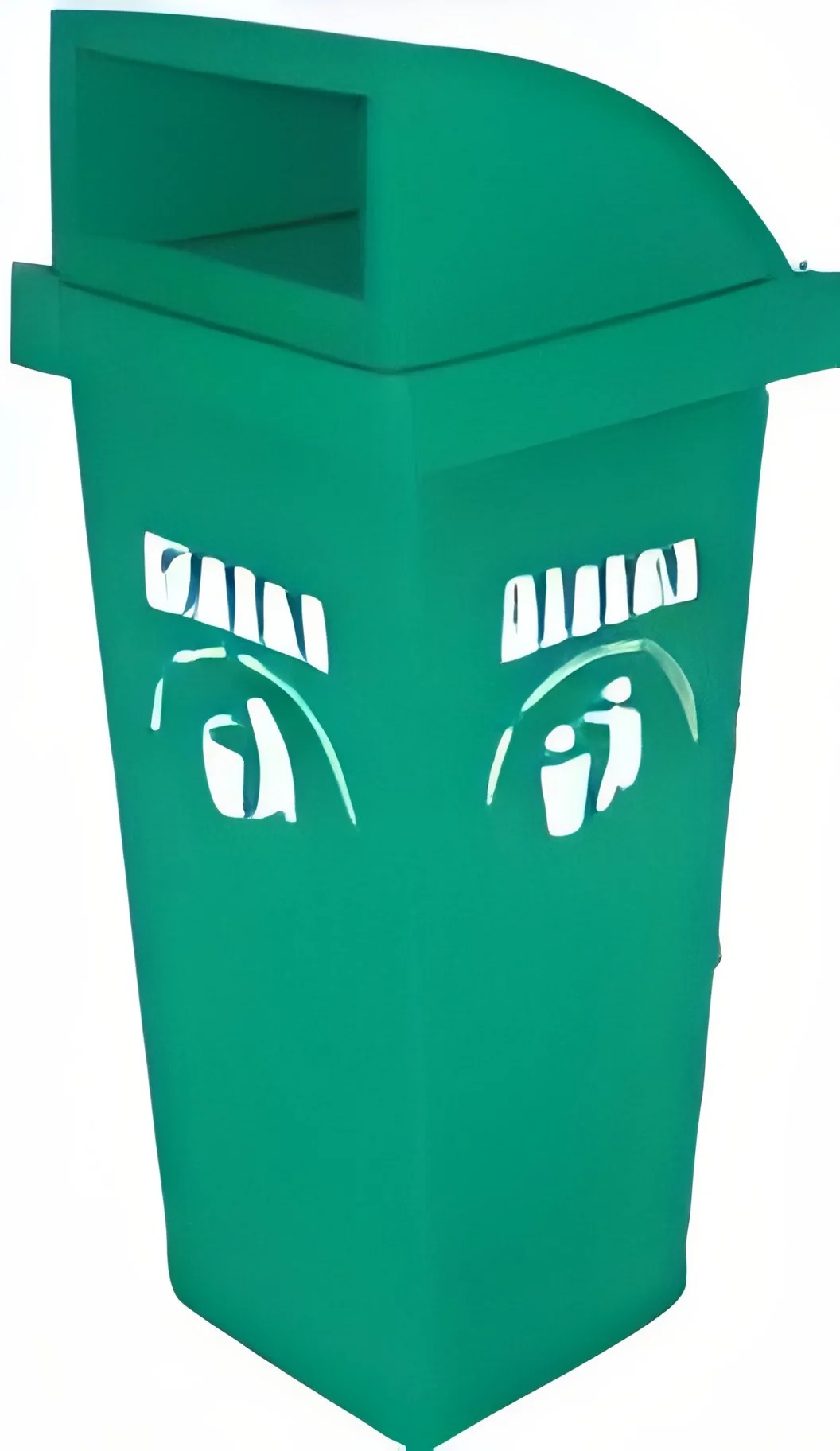
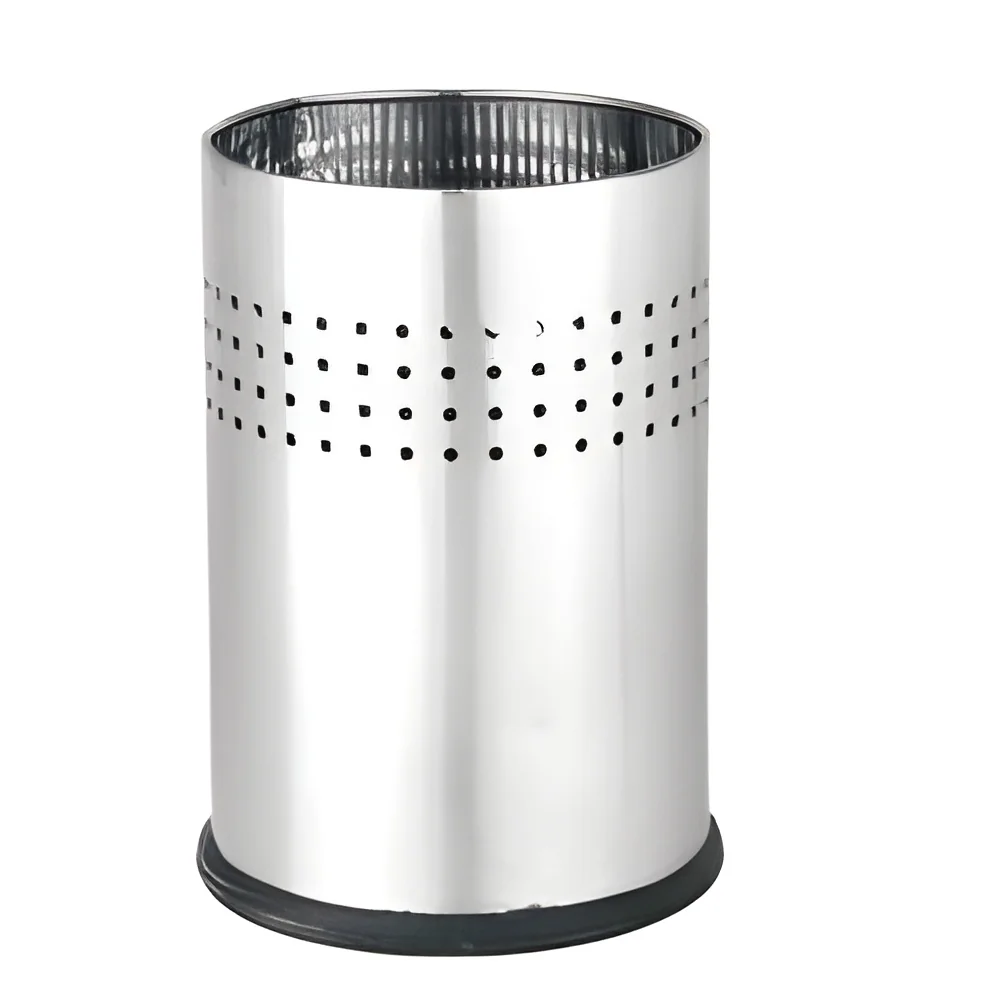
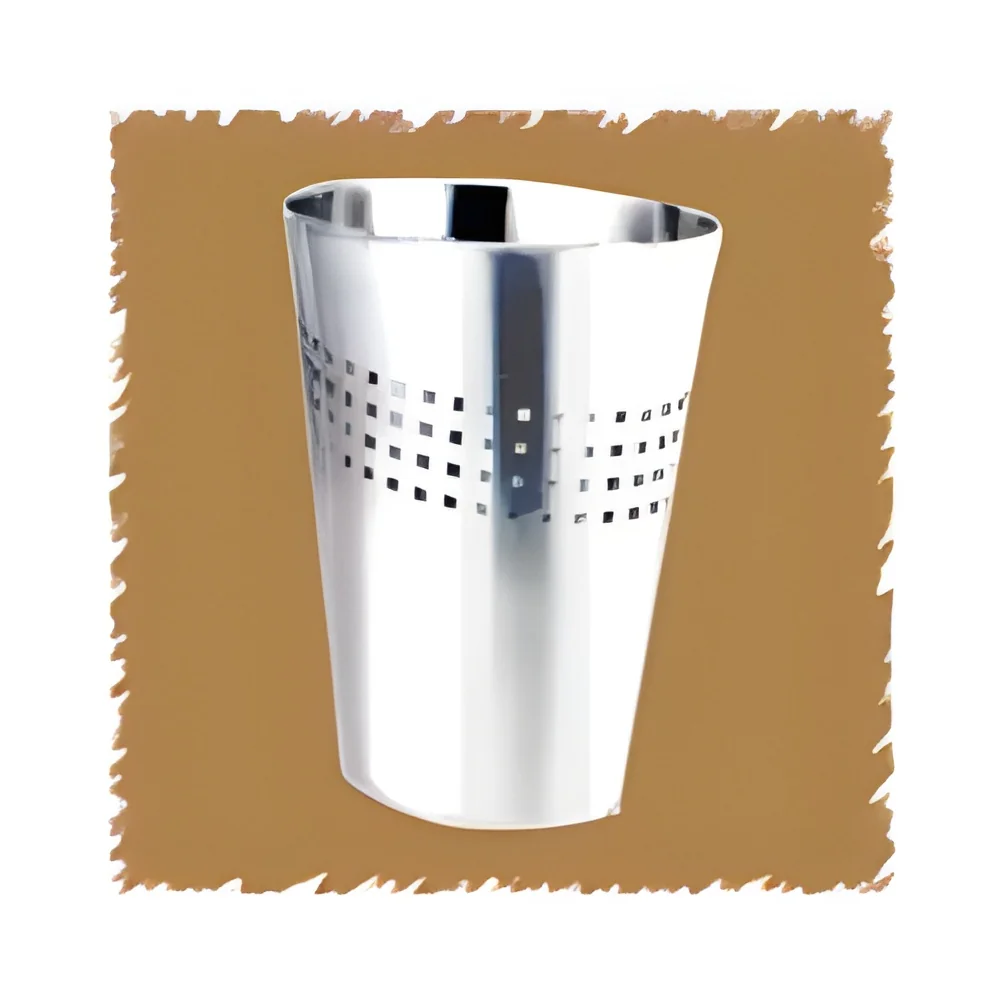
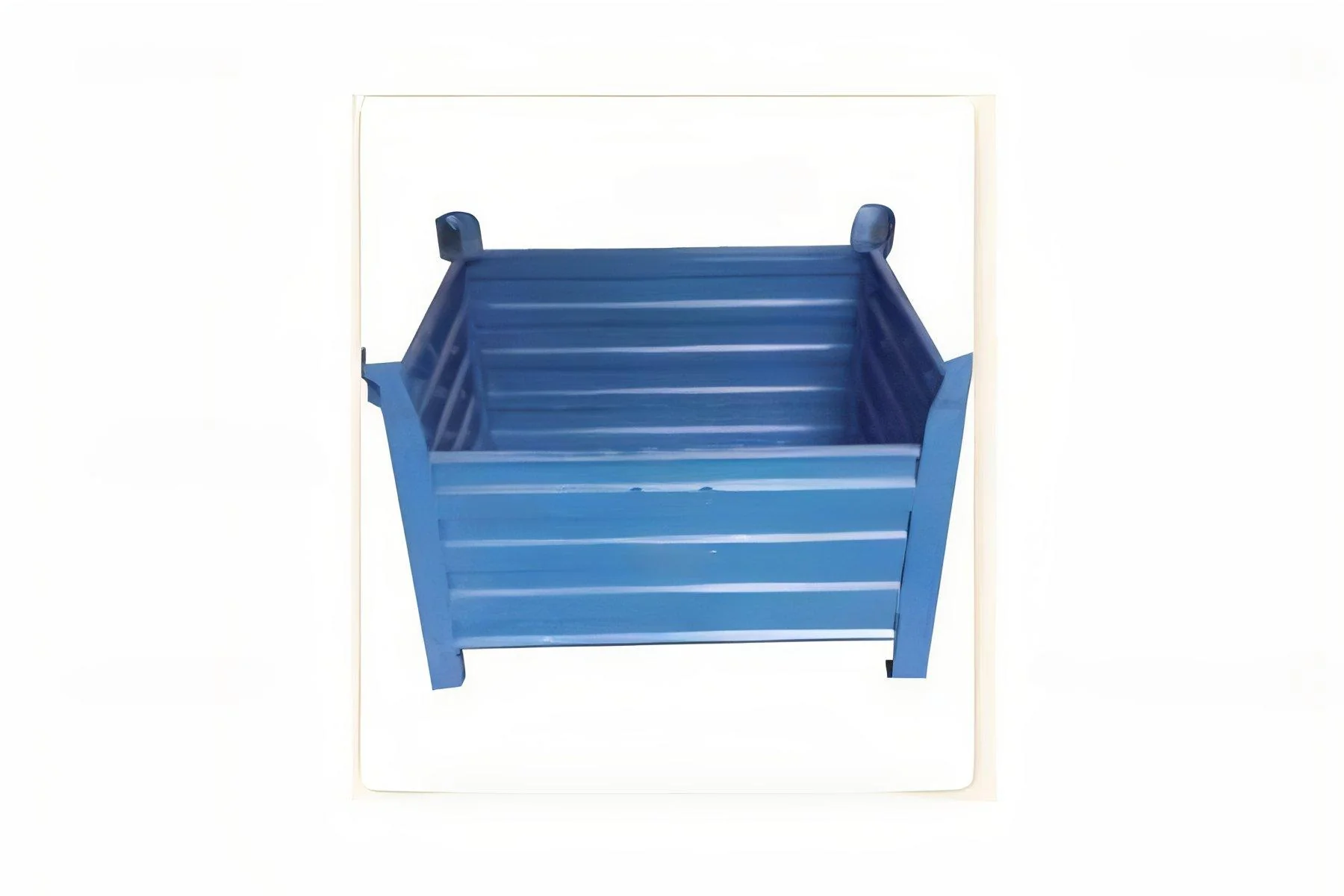
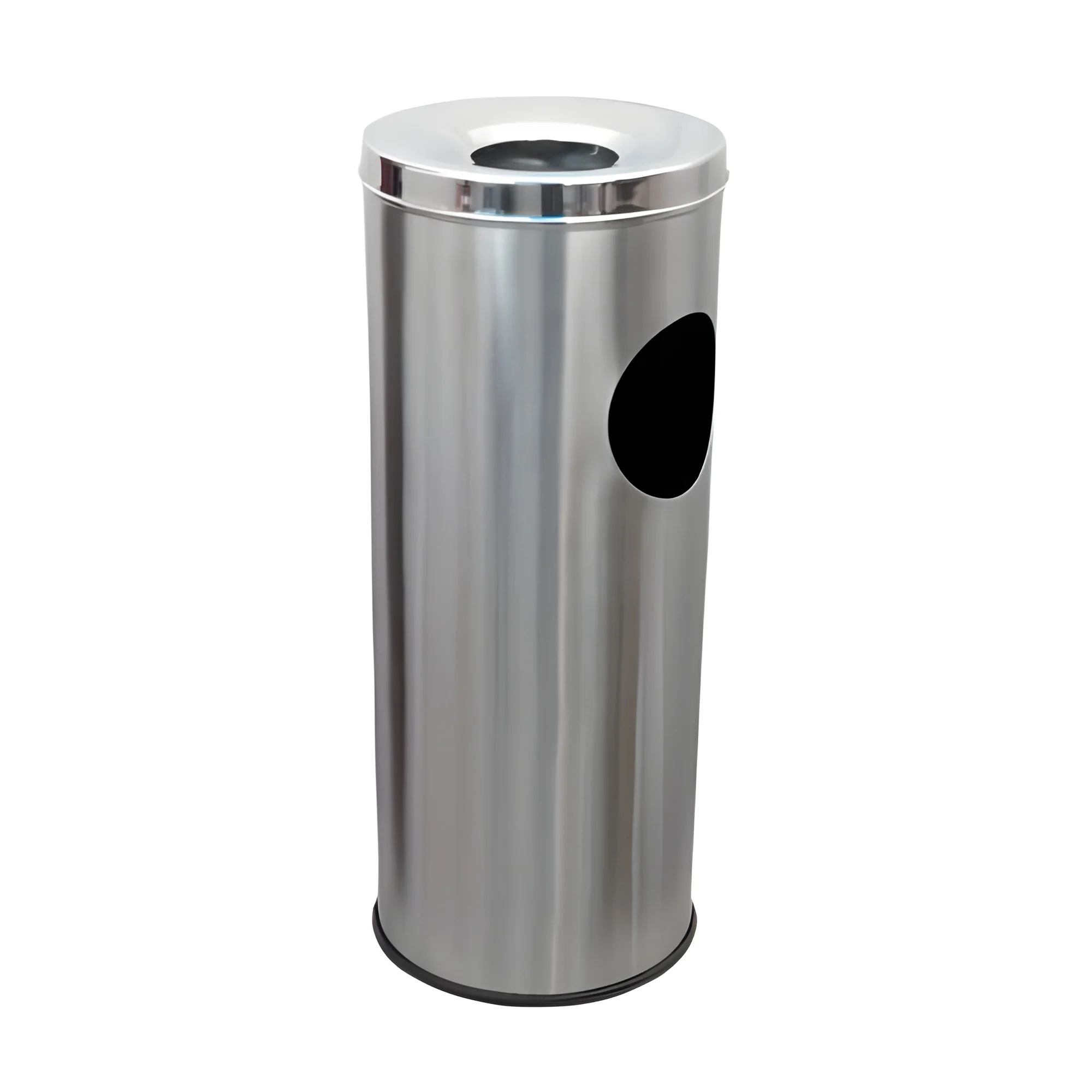
What are Waste Bins & Segregators?
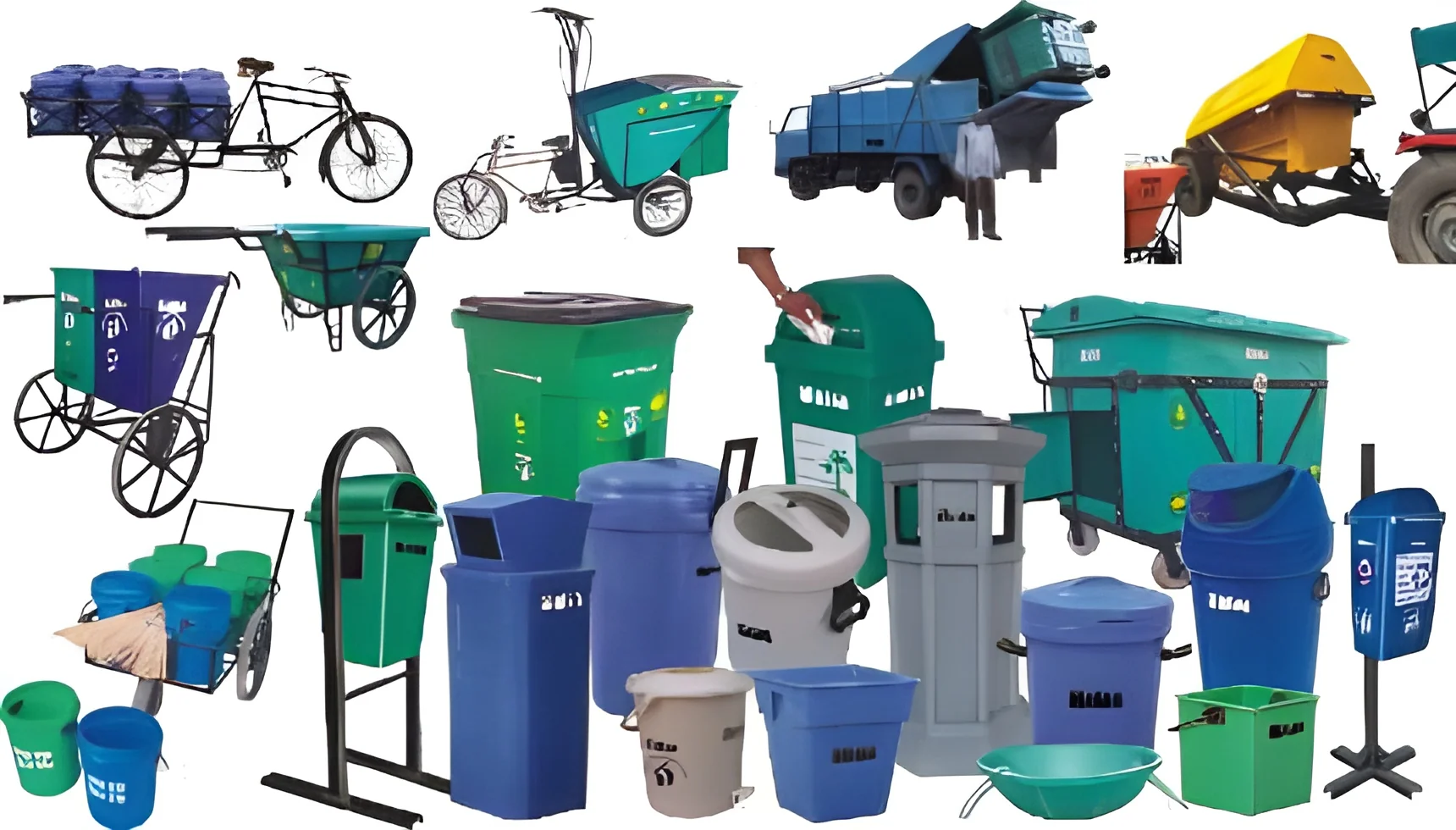
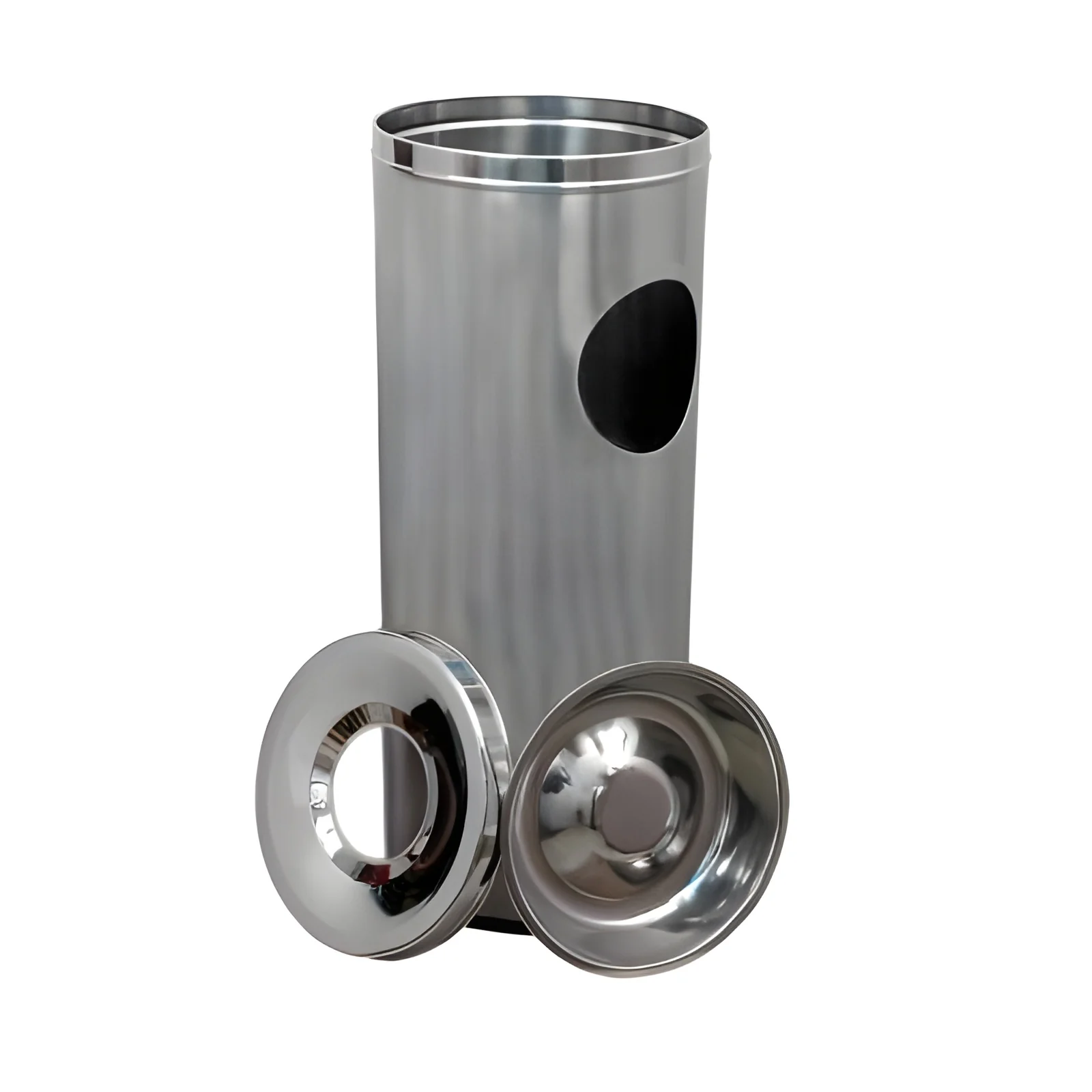
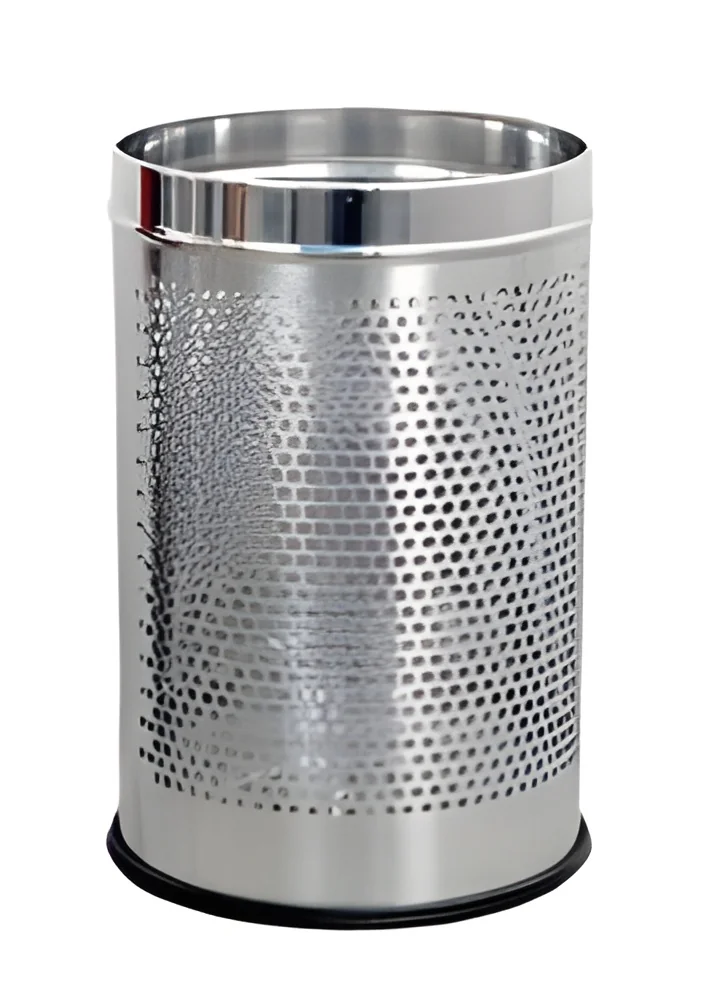
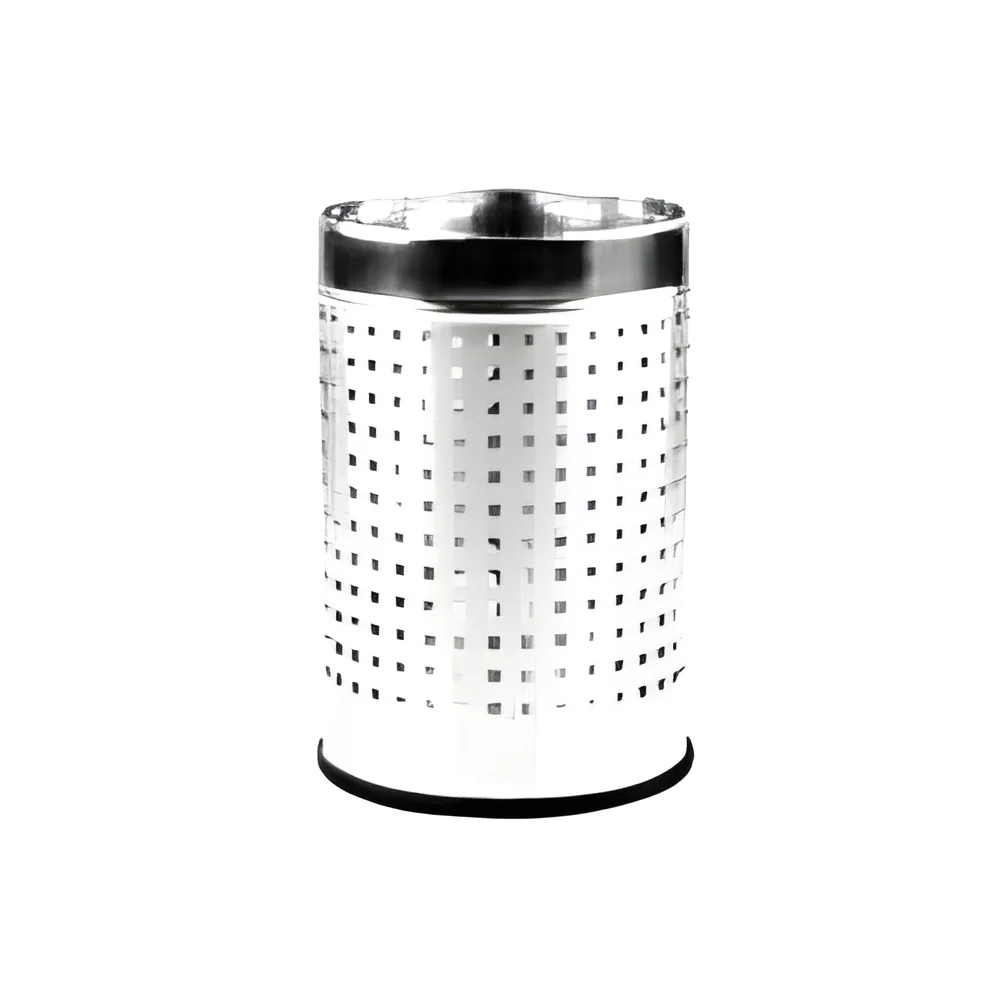
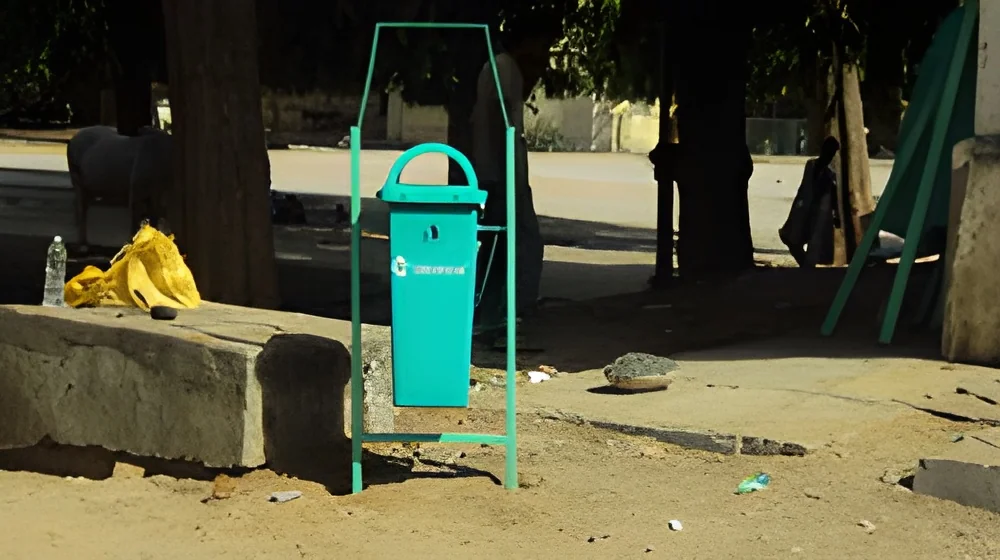
Waste bins and segregators are essential components in waste management systems, designed to facilitate the organized collection and disposal of waste materials. These products come in various shapes and sizes, allowing for the efficient separation of different types of waste, such as recyclables, organic waste, and general refuse. By promoting proper waste segregation, these bins help reduce contamination and improve recycling rates.
Businesses across multiple sectors utilize waste bins and segregators to adhere to environmental regulations and promote sustainability within their operations. Common applications include offices, manufacturing facilities, hospitals, and educational institutions, where effective waste management is critical for maintaining cleanliness and compliance. As environmental concerns grow globally, the demand for high-quality waste management solutions continues to rise, making waste bins and segregators relevant in today’s market.
Key Features and Specifications
Waste bins and segregators are characterized by several key features that enhance their functionality and usability. When choosing the right product, it is essential to understand these specifications to meet specific needs effectively.
Key specifications include:
1. Capacity
- Available in various sizes, typically ranging from 20 to 120 liters.
- Suitable for different waste volumes based on usage.
2. Material
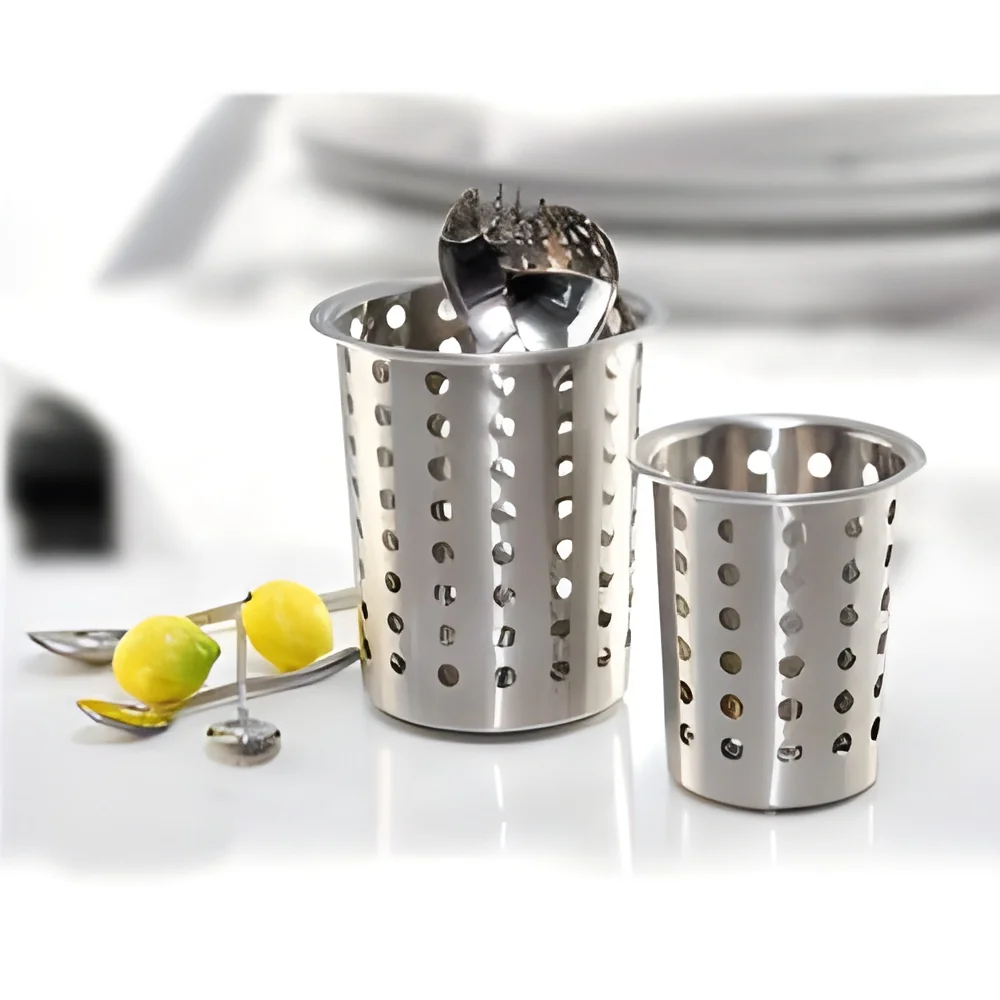
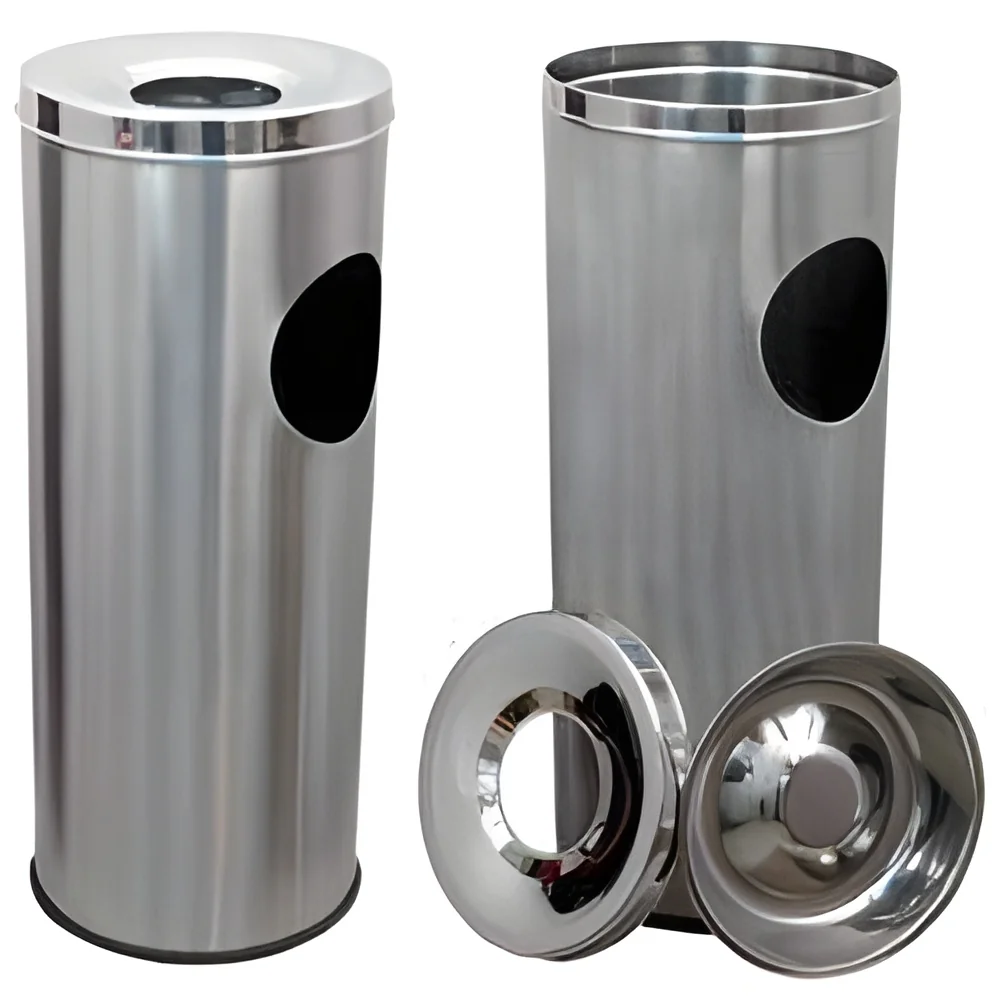
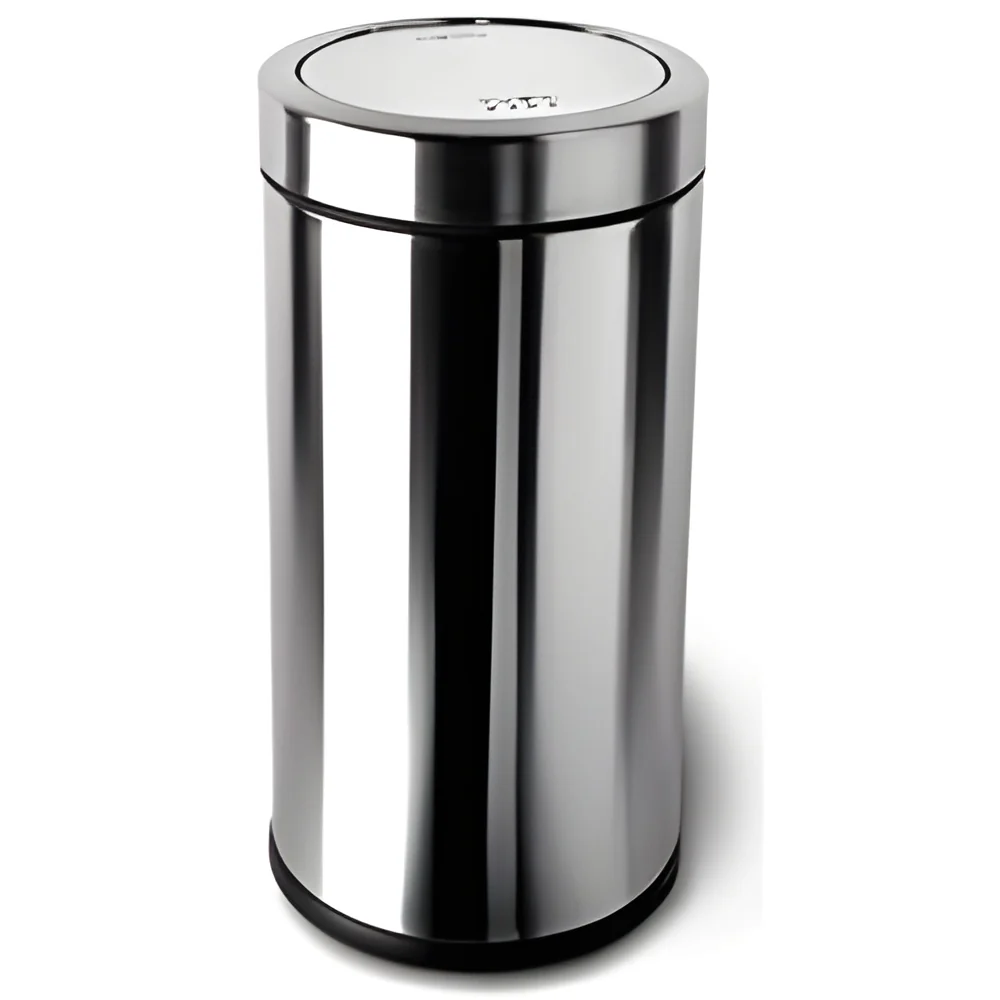
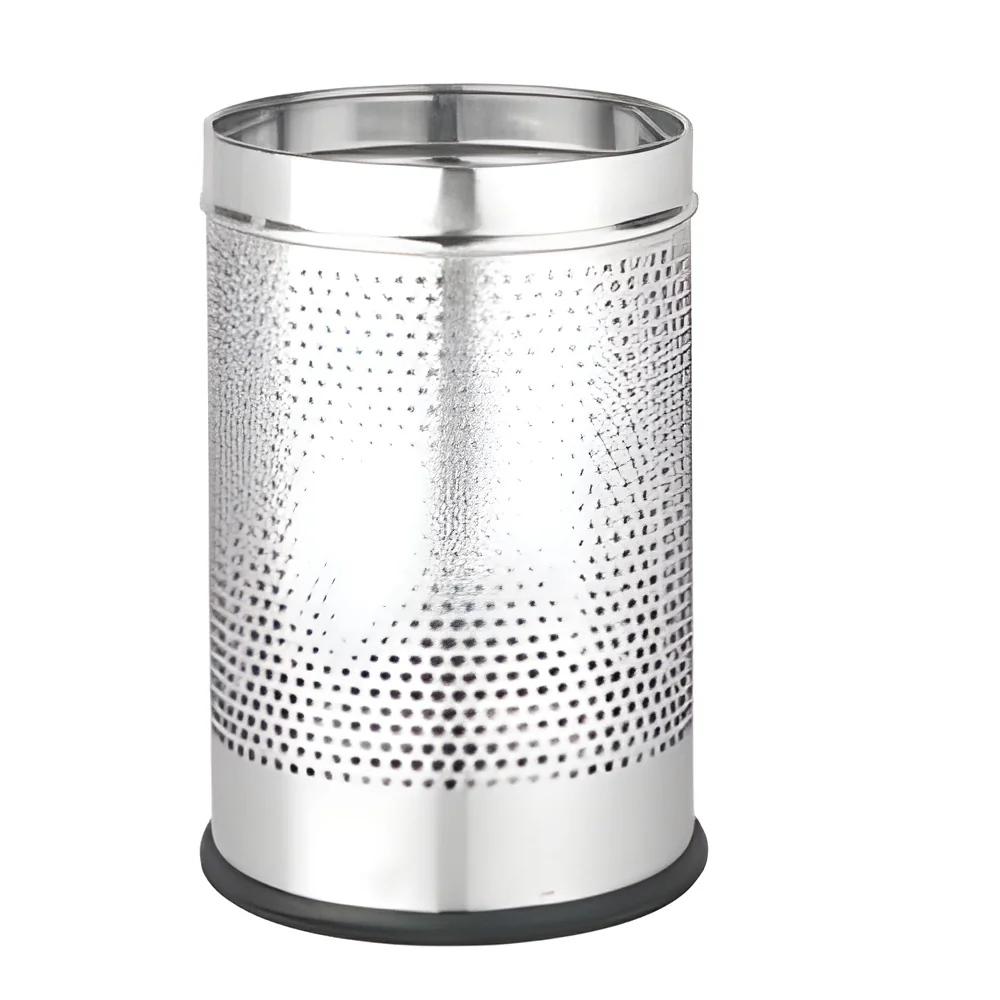
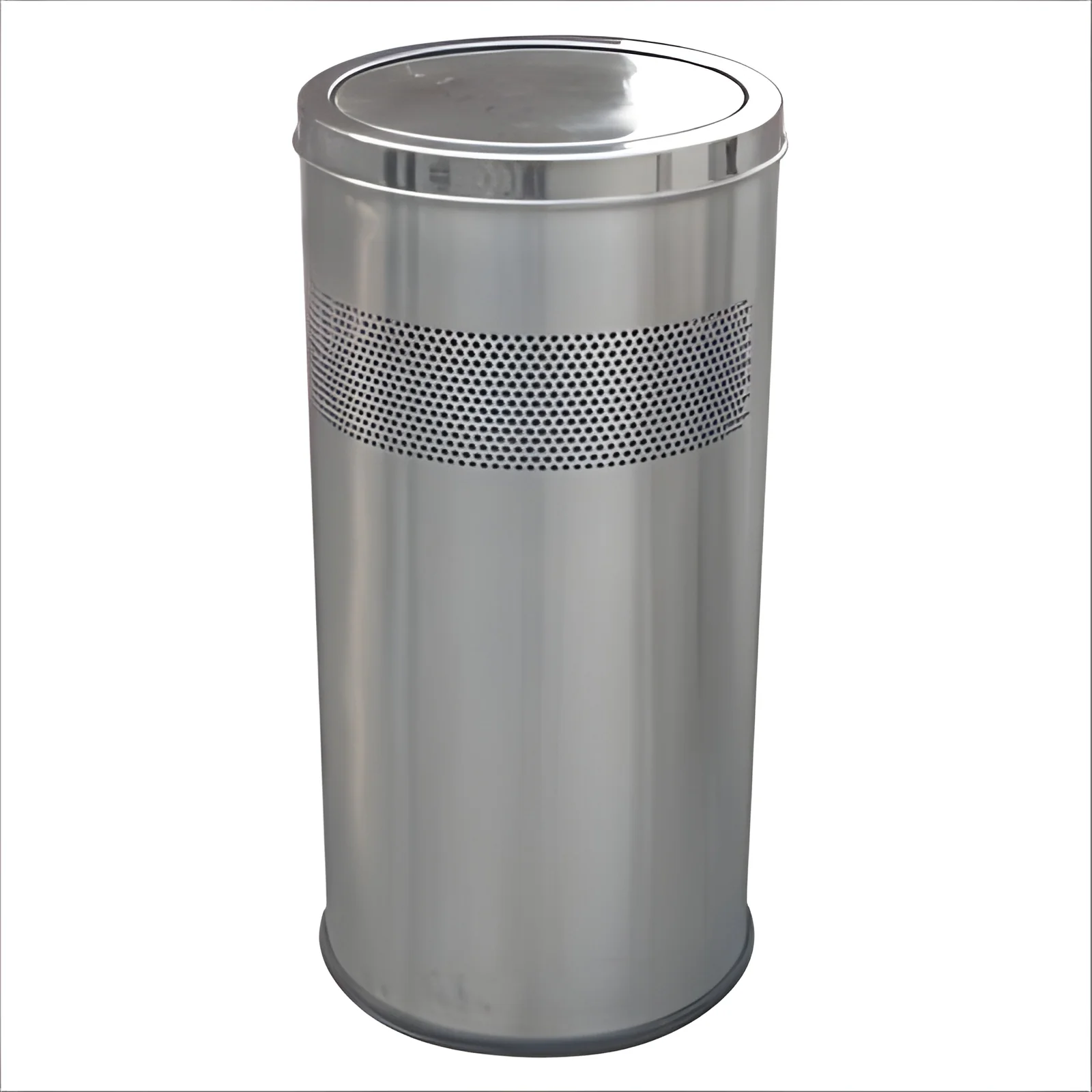
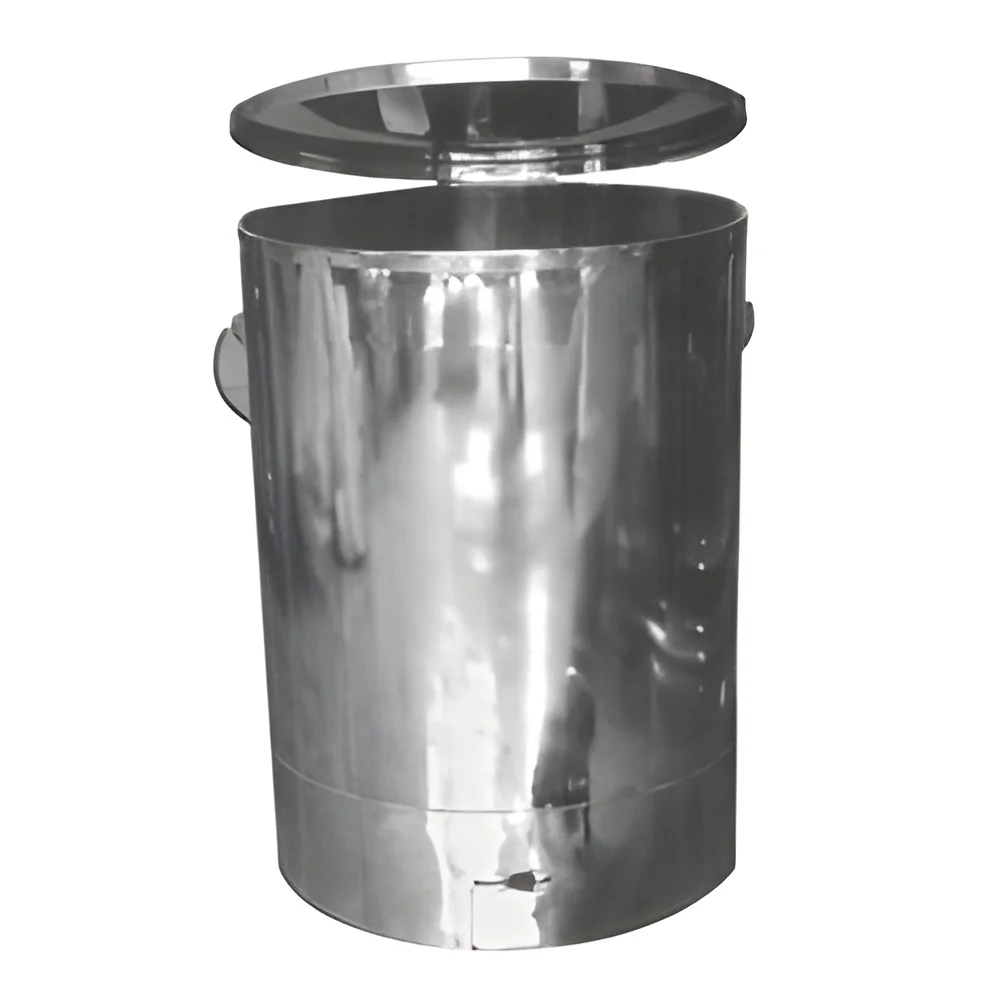
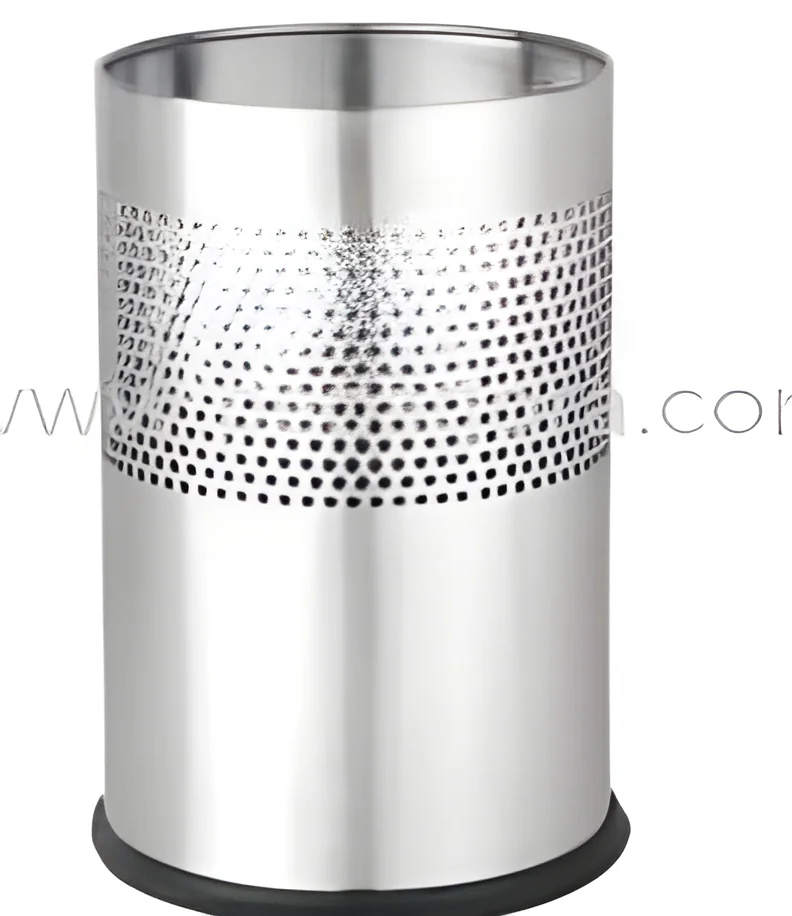
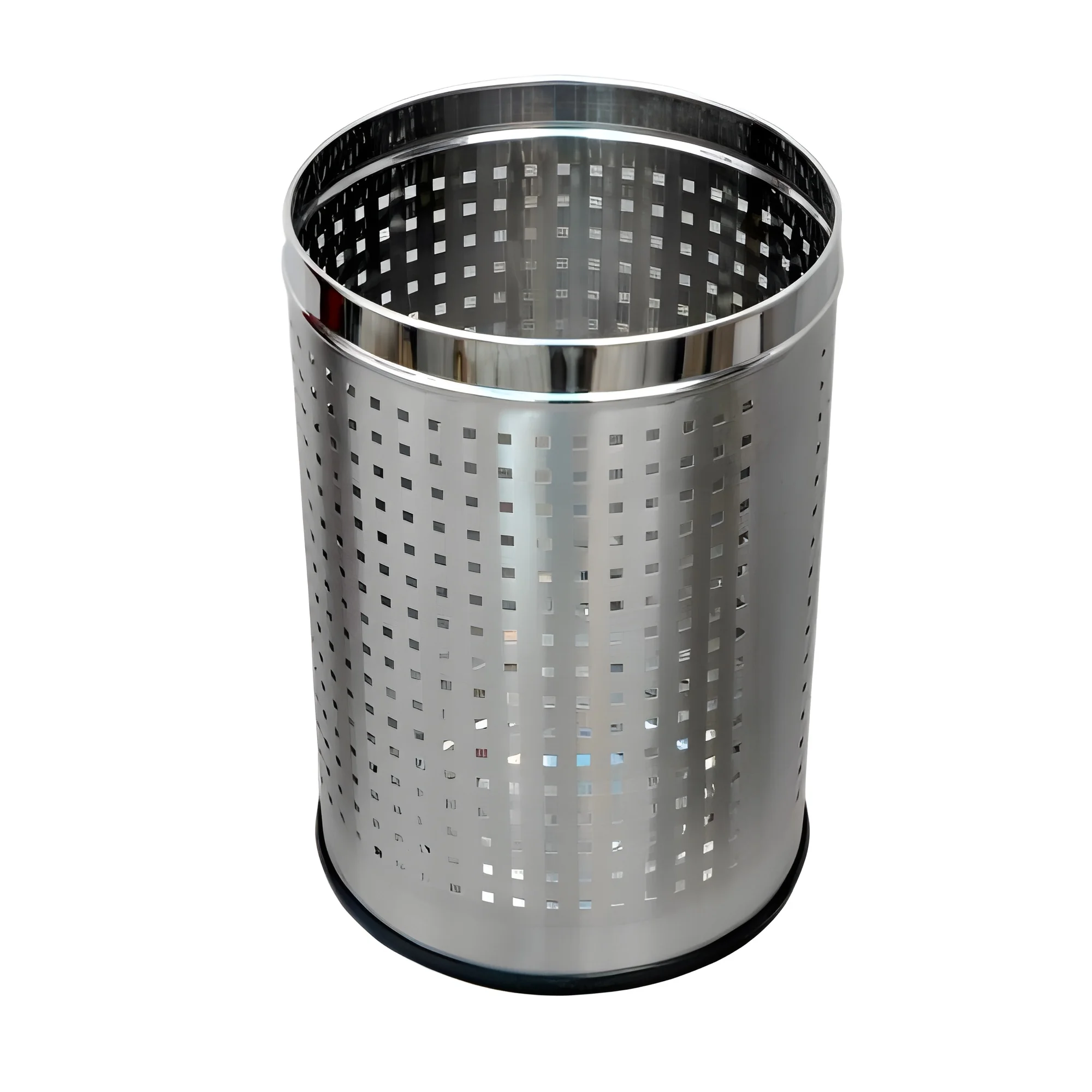
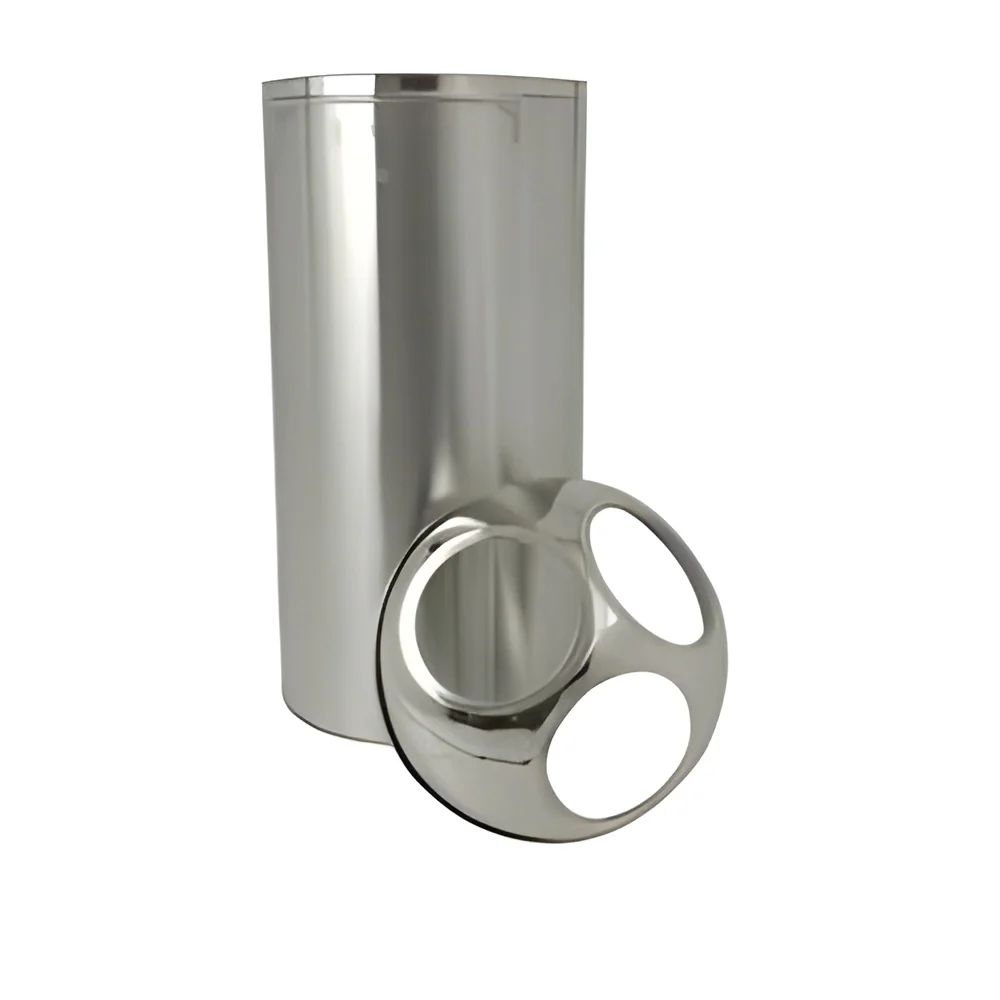
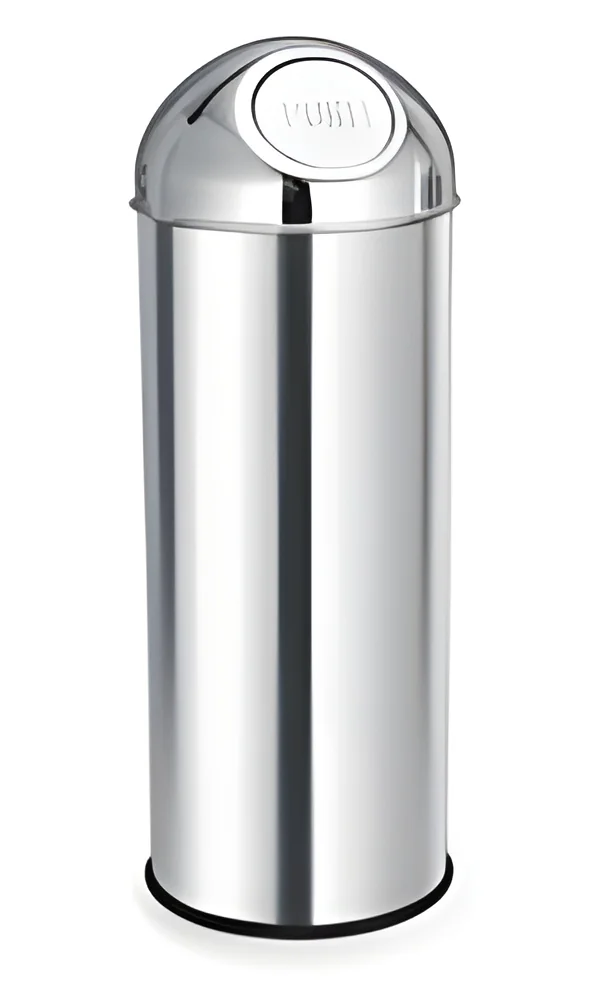
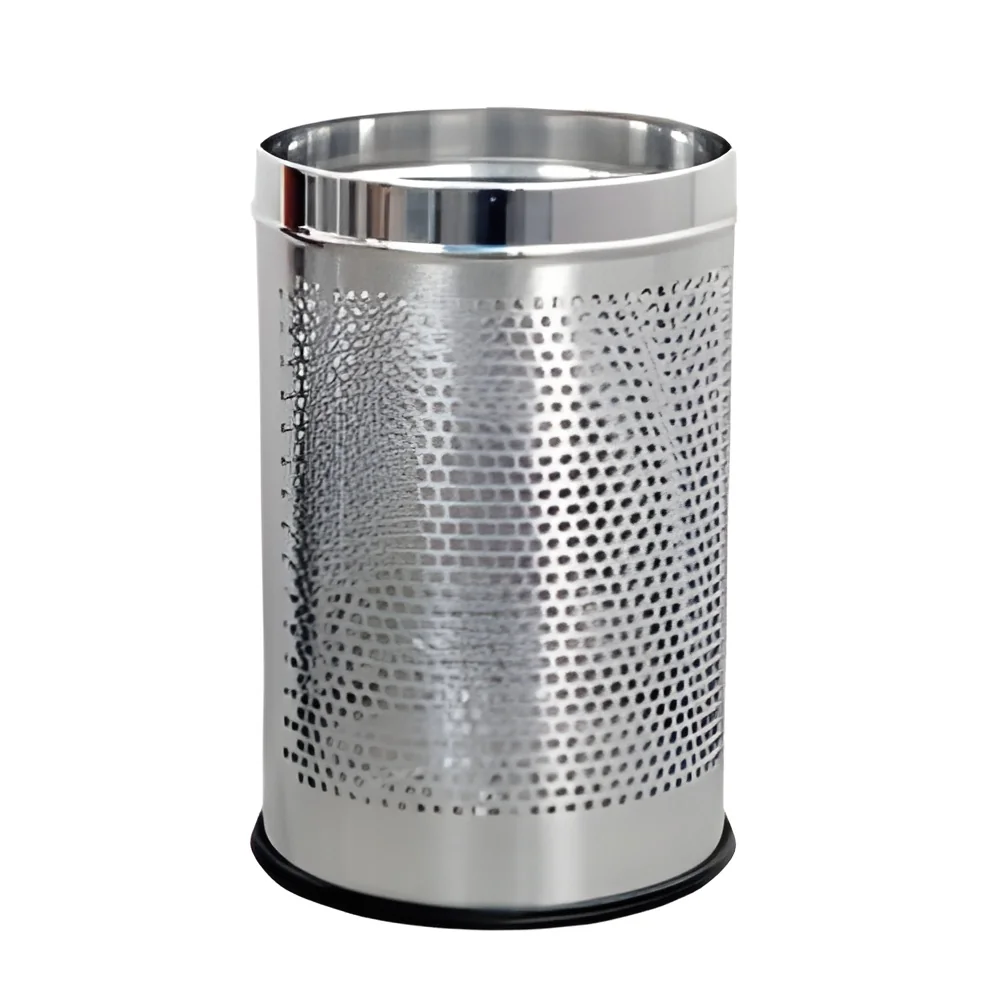
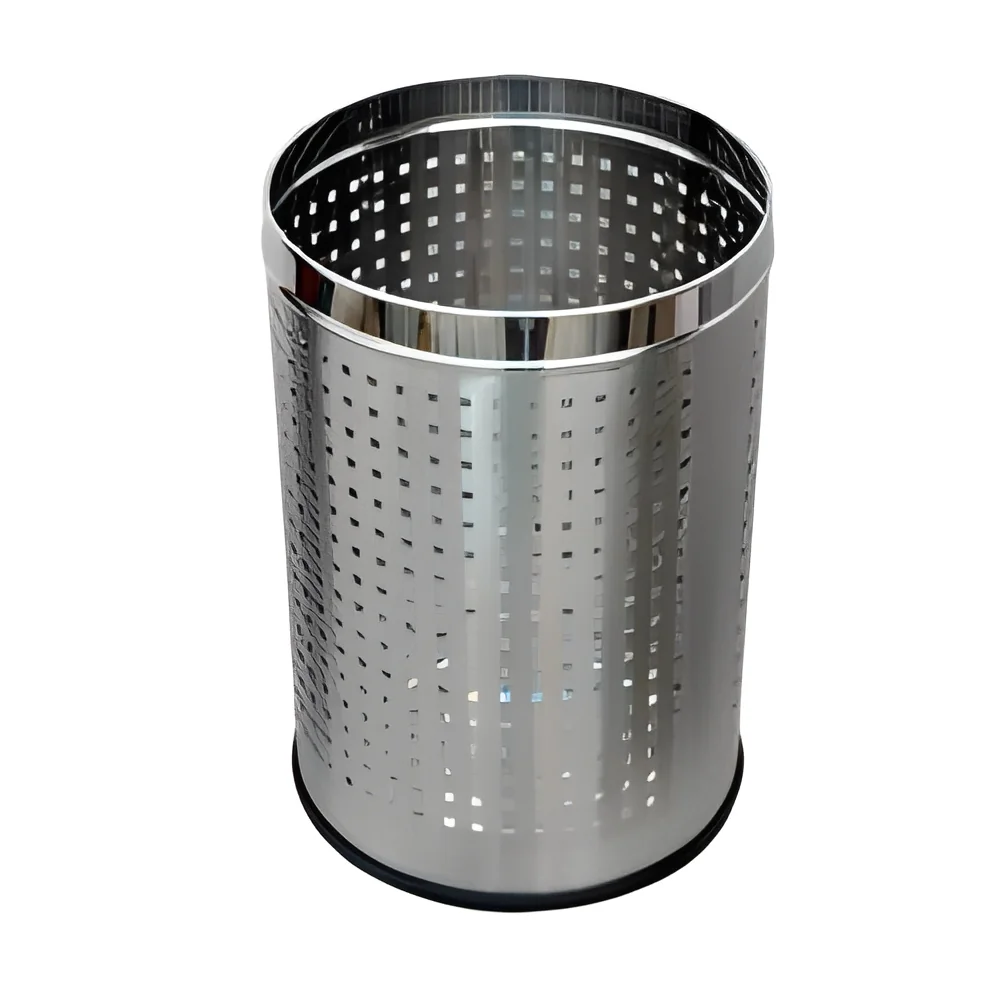
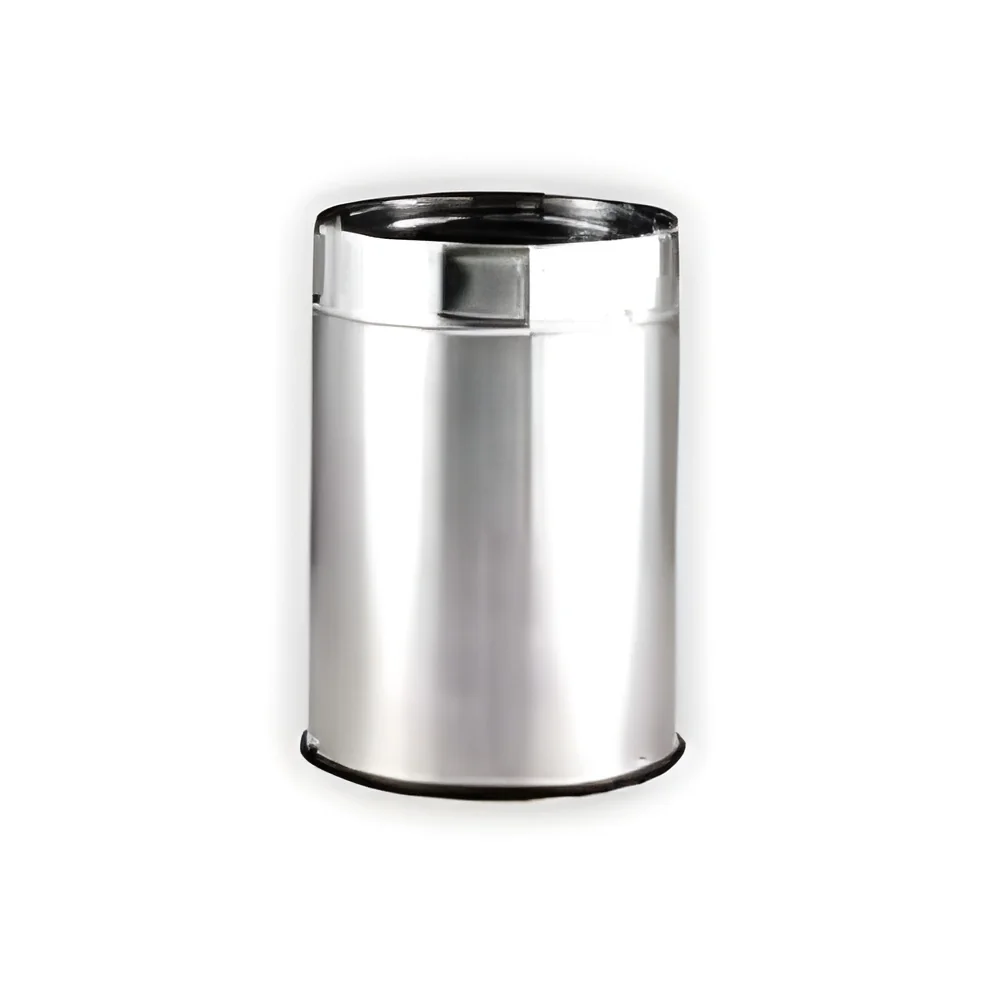
- Constructed from durable materials such as high-density polyethylene (HDPE) or stainless steel.
- Resistant to corrosion, UV rays, and harsh environmental conditions.
3. Color Coding
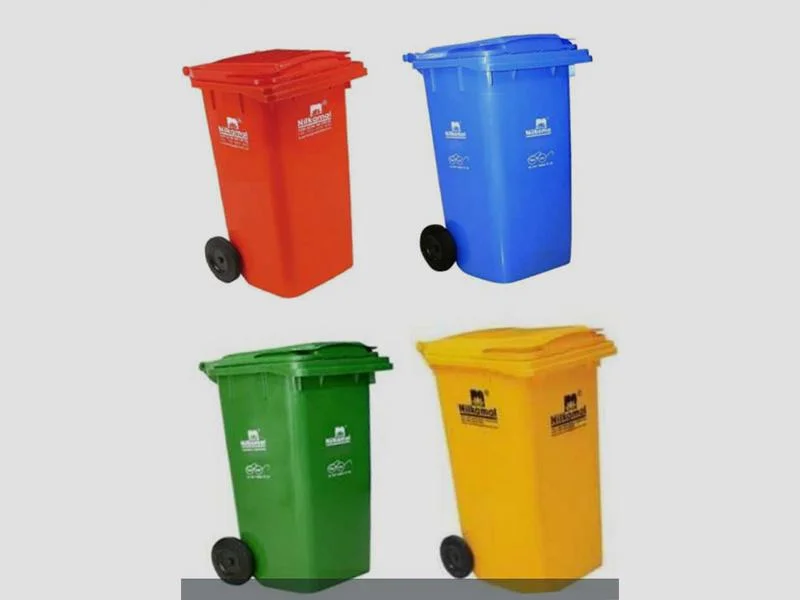
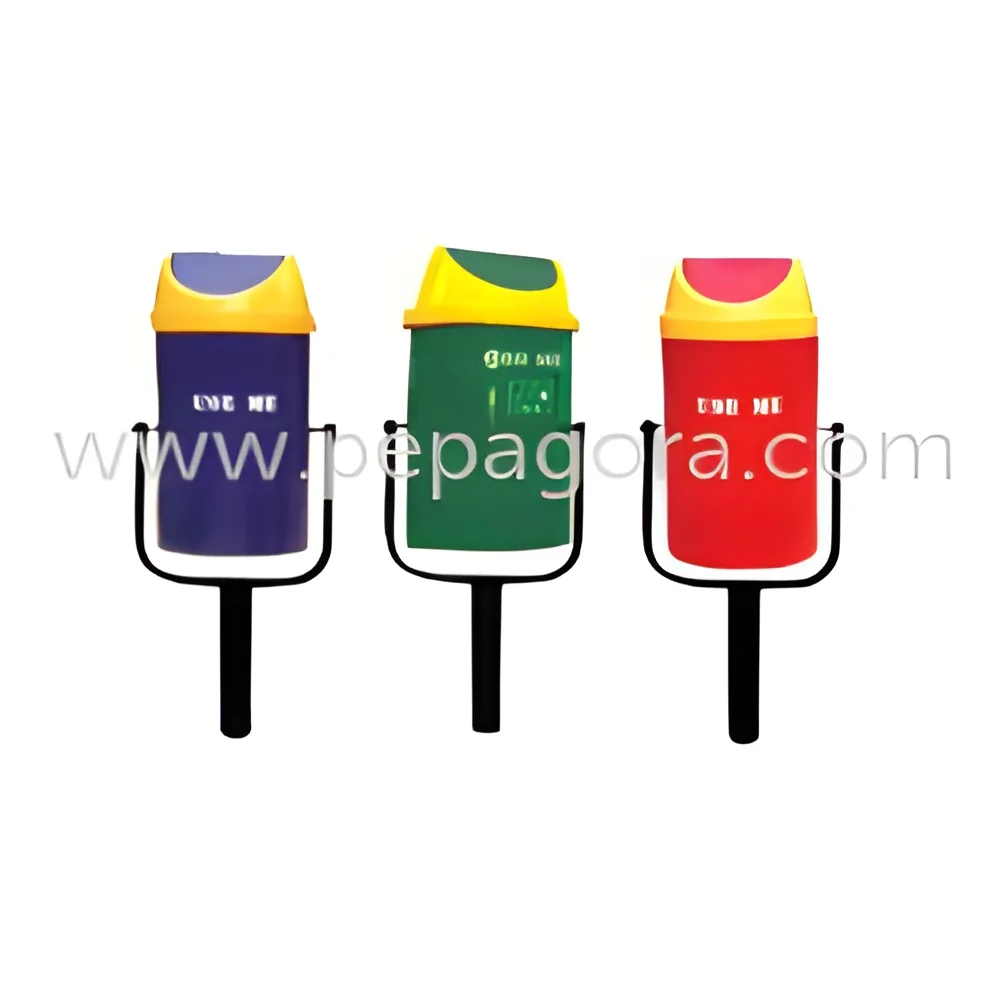
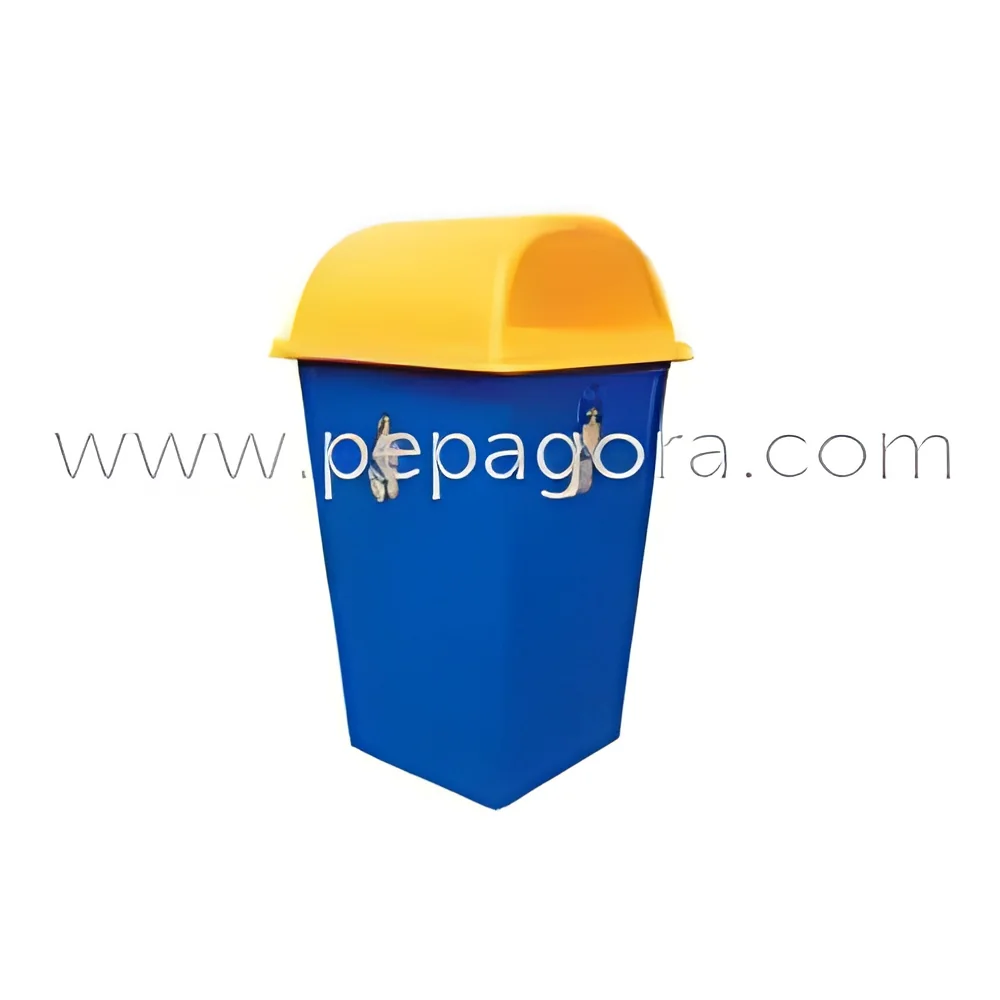
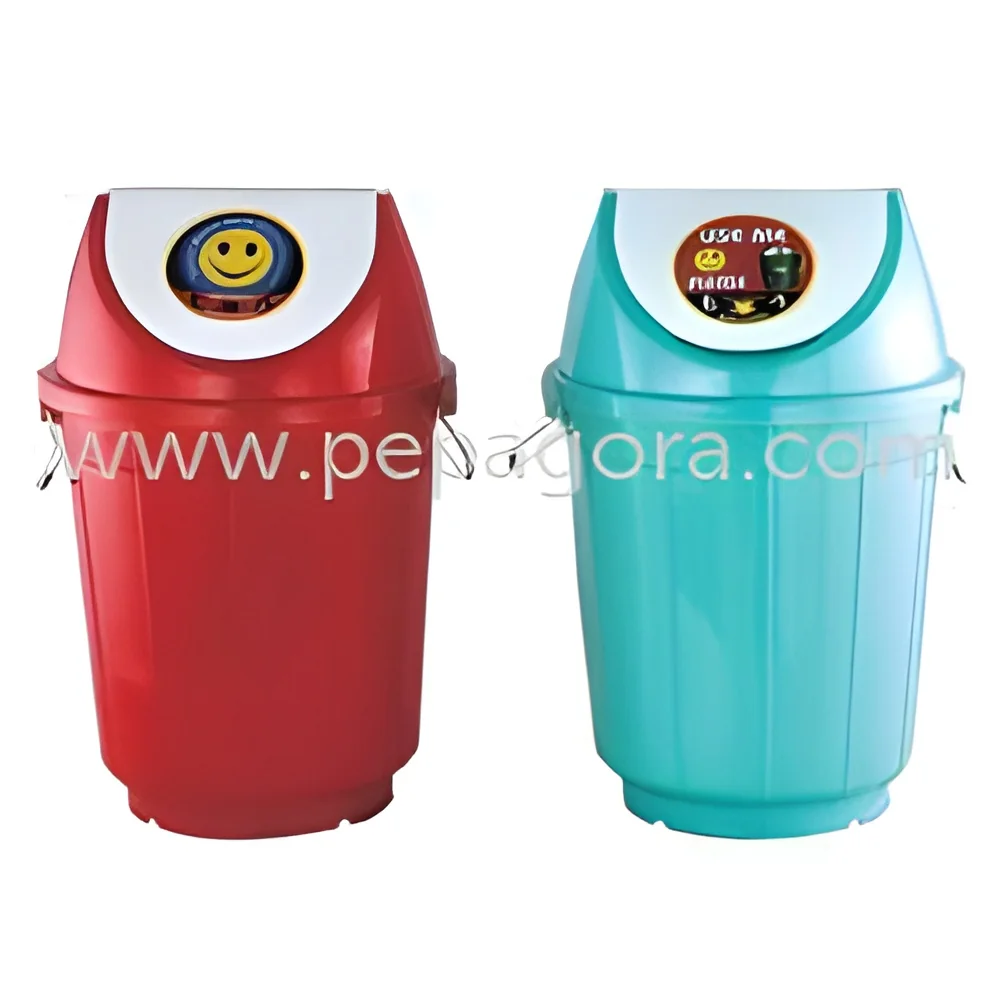
- Designed with color-coded lids or bodies for easy identification of waste types.
- Promotes proper segregation and encourages user compliance.
4. Mobility
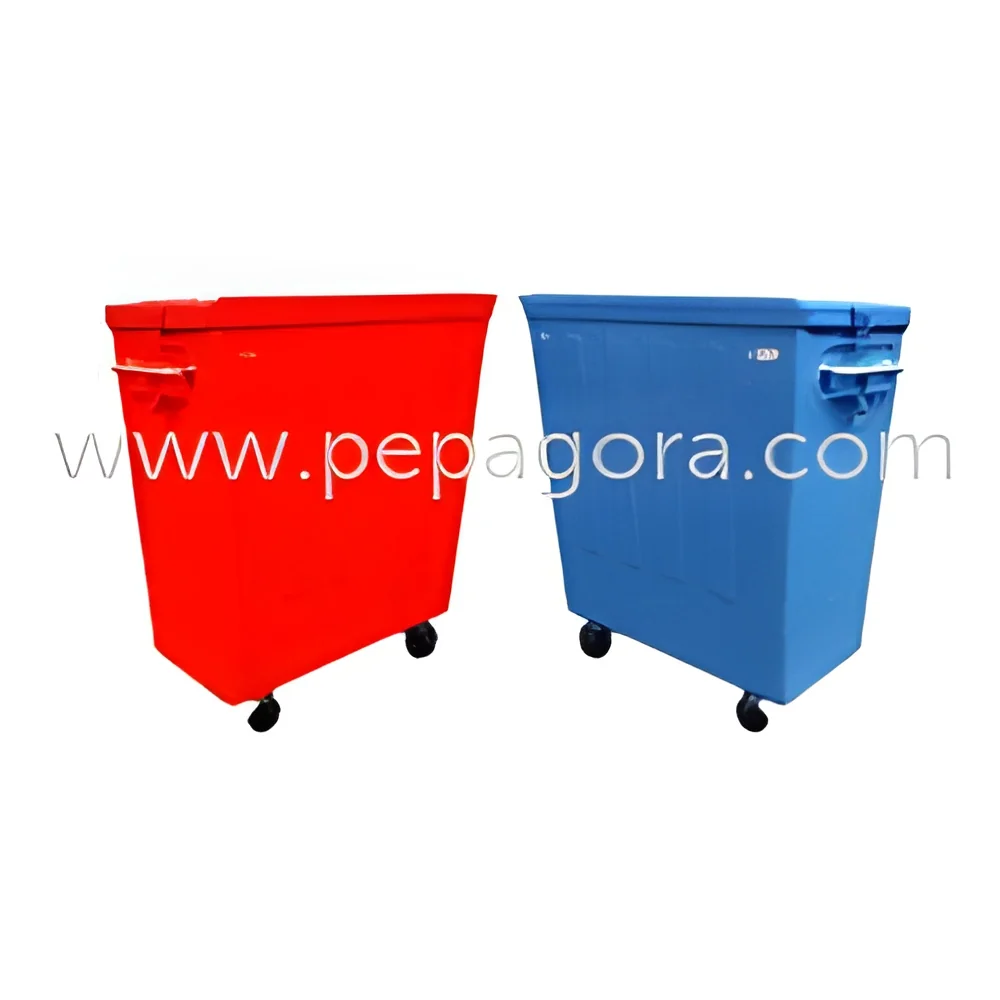
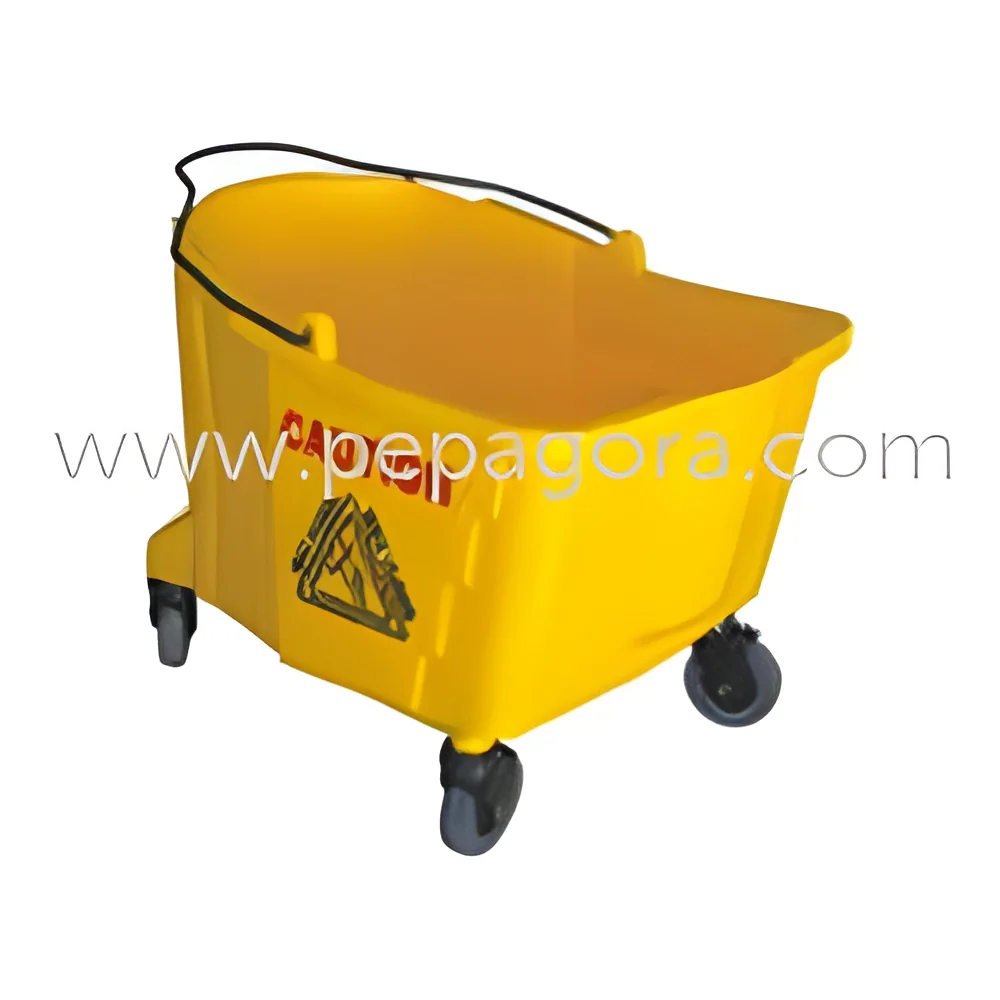
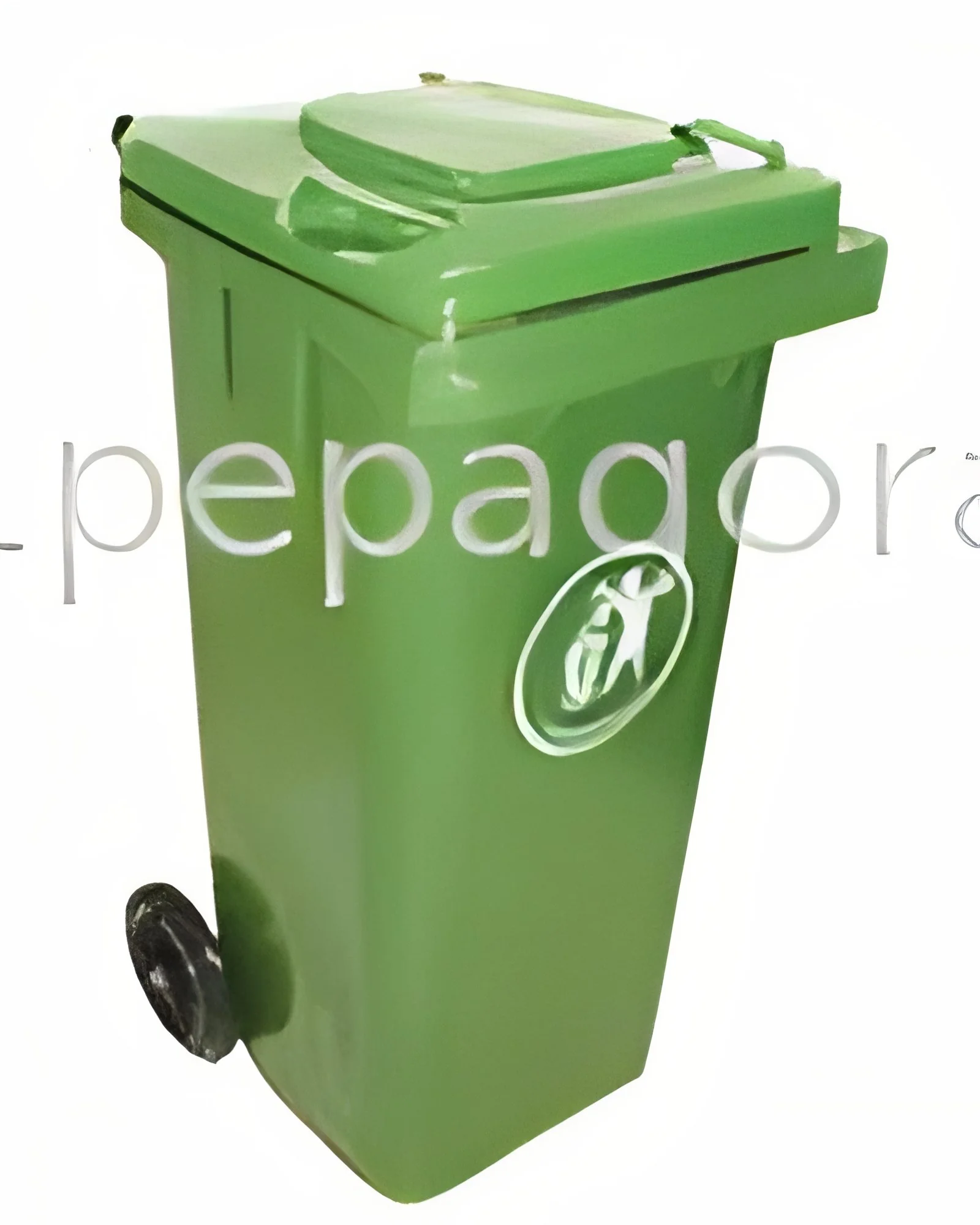
- Some models feature wheels for easy transportation and maneuverability.
- Ideal for high-traffic areas where frequent relocation is necessary.
5. Lid Type
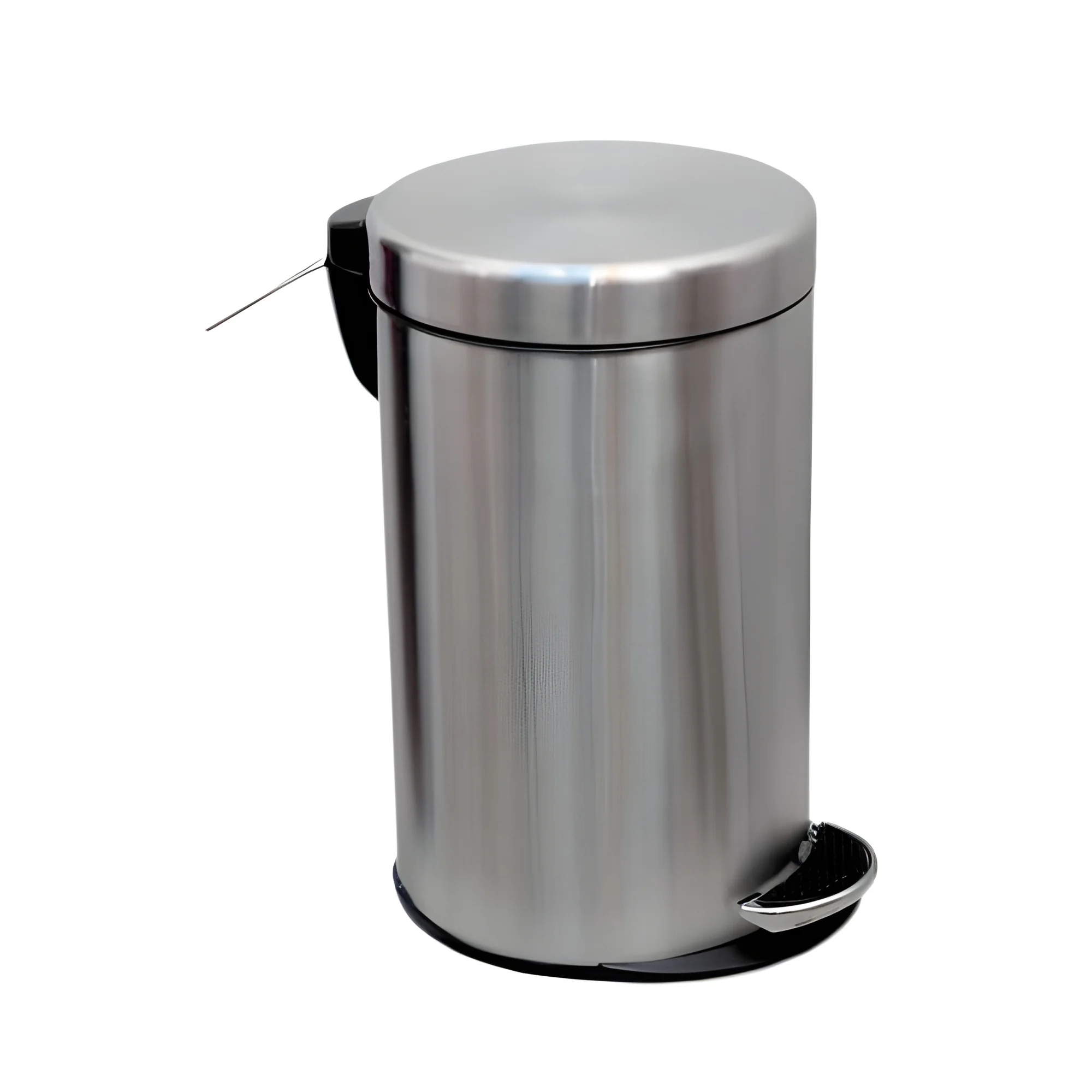
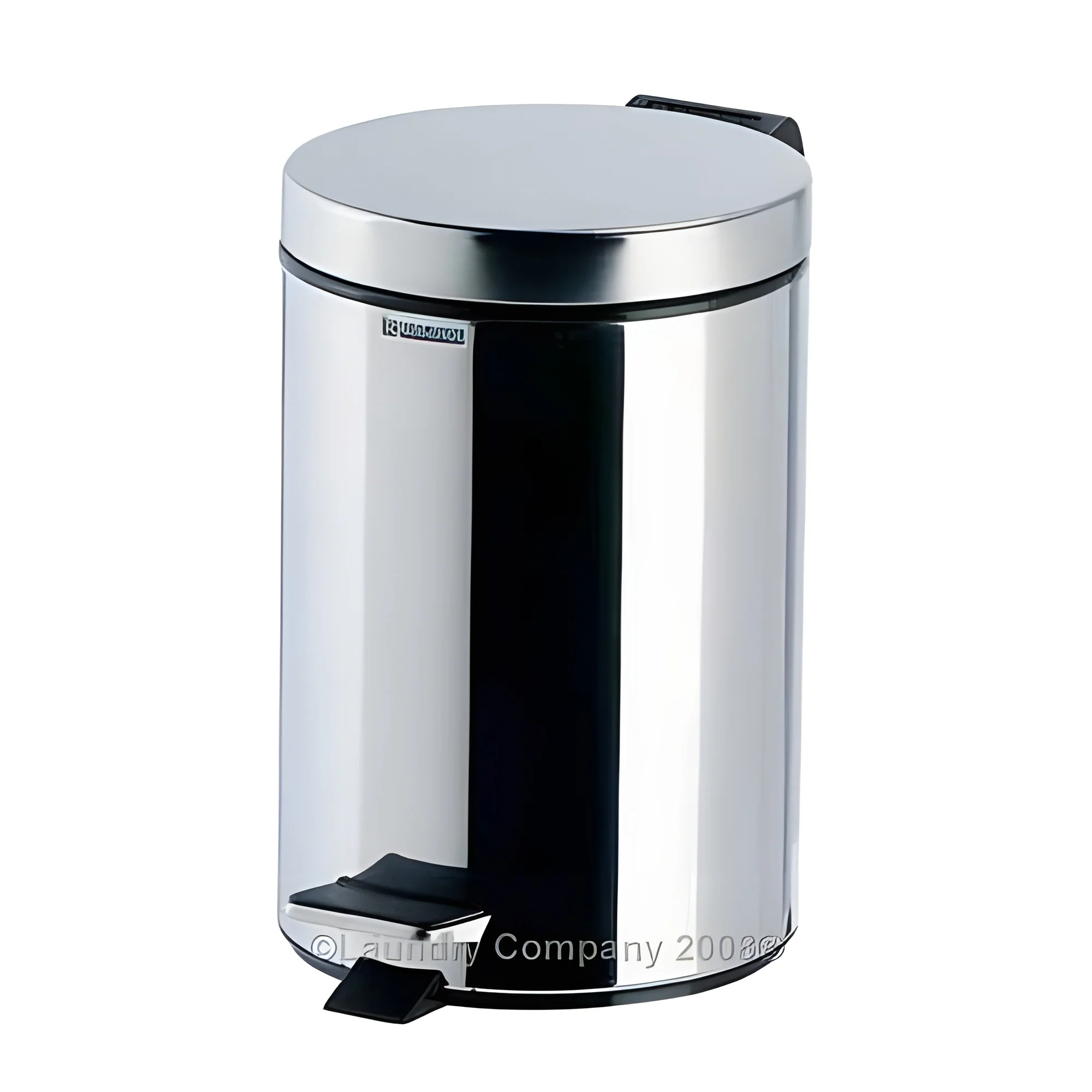
- Options include swing lids, foot pedals, or fully enclosed lids.
- Enhances hygiene and reduces odor exposure.
6. Design Features
- Some bins are designed with features such as built-in liners or venting systems.
- These innovations facilitate easier cleaning and waste disposal.
7. Customization Options
- Many manufacturers offer customizable designs to meet branding or specific operational needs.
- Allows businesses to tailor waste solutions to their environments.
8. Compliance Standards
- Many products are designed to meet industry-specific standards and certifications.
- Ensures safety and effectiveness in waste management practices.
In summary, understanding the features and specifications of waste bins and segregators is crucial for making informed purchasing decisions. These products not only play a vital role in waste management but also contribute to a cleaner and more sustainable environment.
Common Applications and Use Cases
Waste bins and segregators find applications in various industries, each with unique waste management needs.
1. Healthcare: In hospitals and clinics, segregators are crucial for managing biohazard waste, ensuring patient safety while complying with health regulations.
2. Education: Schools and universities utilize waste bins to promote recycling and waste segregation among students, fostering environmental awareness.
3. Manufacturing: Production facilities implement waste bins for the disposal of scrap materials, ensuring a clean workspace and compliance with safety regulations.
4. Hospitality: Restaurants and hotels use segregators to manage food waste, recyclables, and general trash, enhancing their sustainability efforts.
5. Retail: Stores and shopping centers deploy waste bins to maintain cleanliness and promote recycling among customers, improving overall shopping experiences.
6. Municipal Services: Local governments implement waste bins in public spaces to encourage responsible waste disposal and enhance community cleanliness.
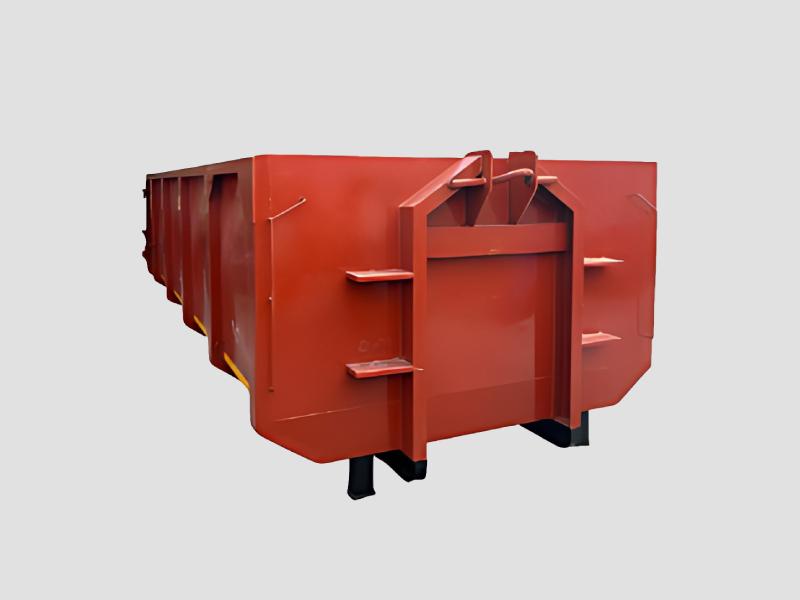
7. Construction: Construction sites utilize waste bins for debris and hazardous waste, ensuring safety and compliance with environmental regulations.
Product Variants and Subcategories
Waste bins and segregators come in various designs to address different waste management needs.
Standard Waste Bin
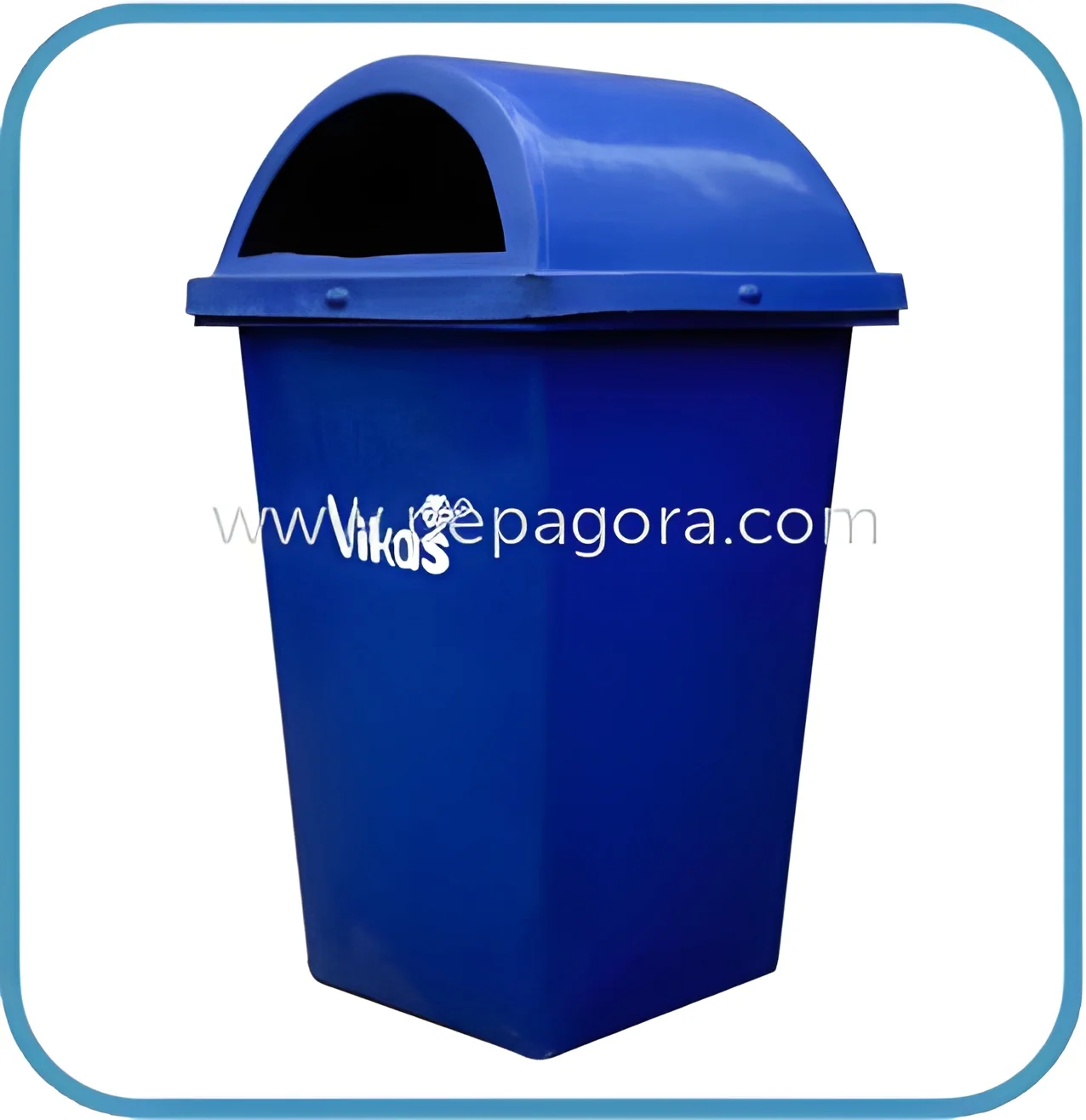
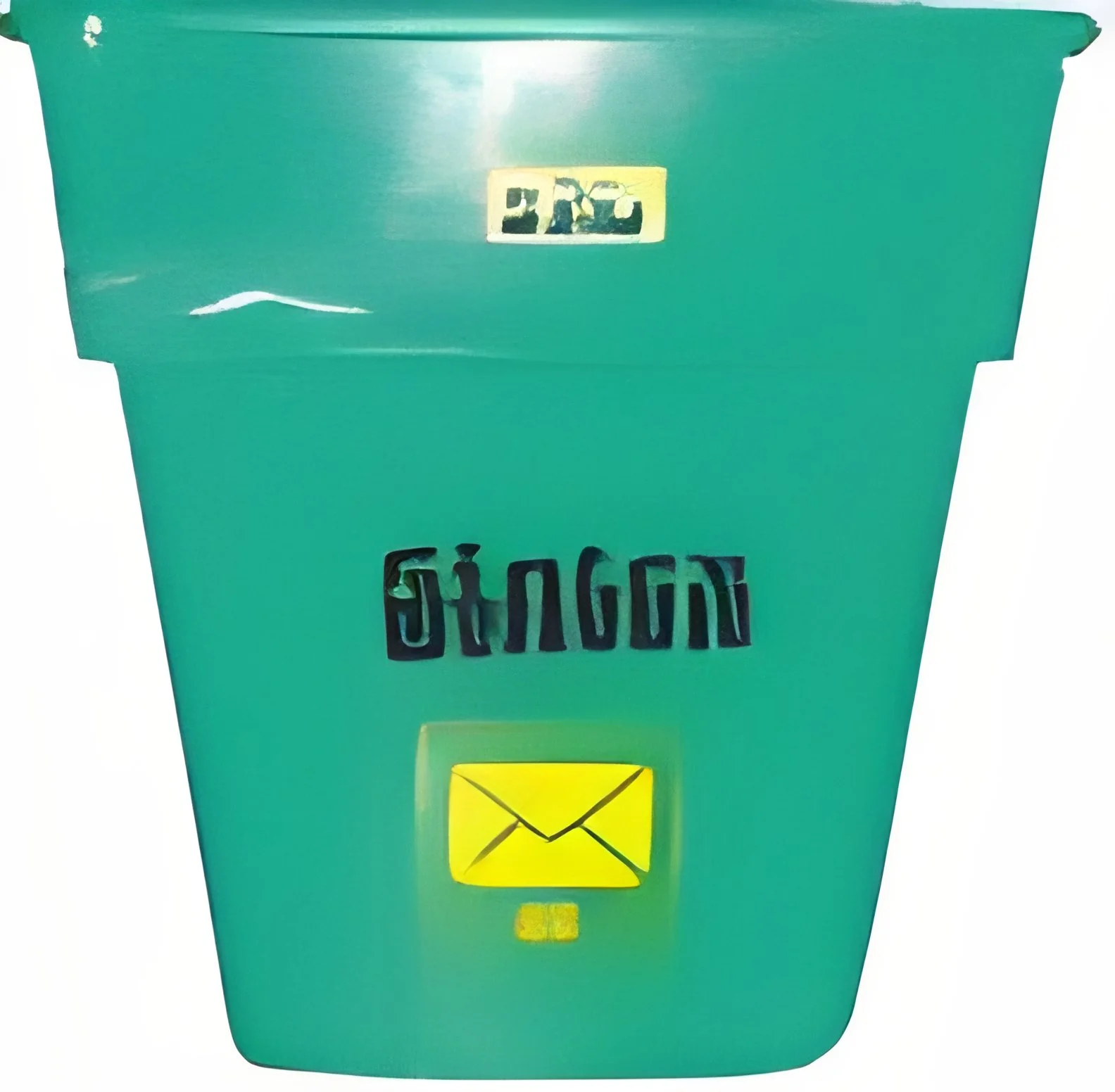
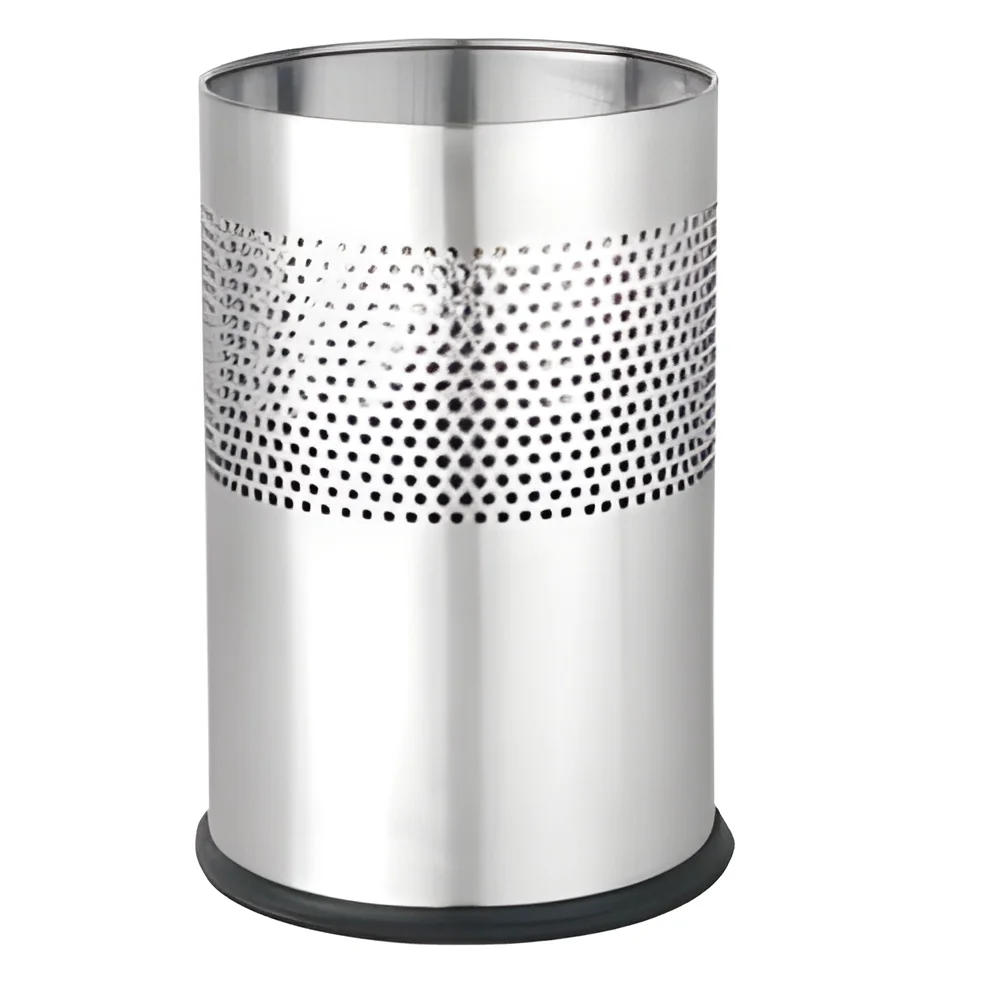
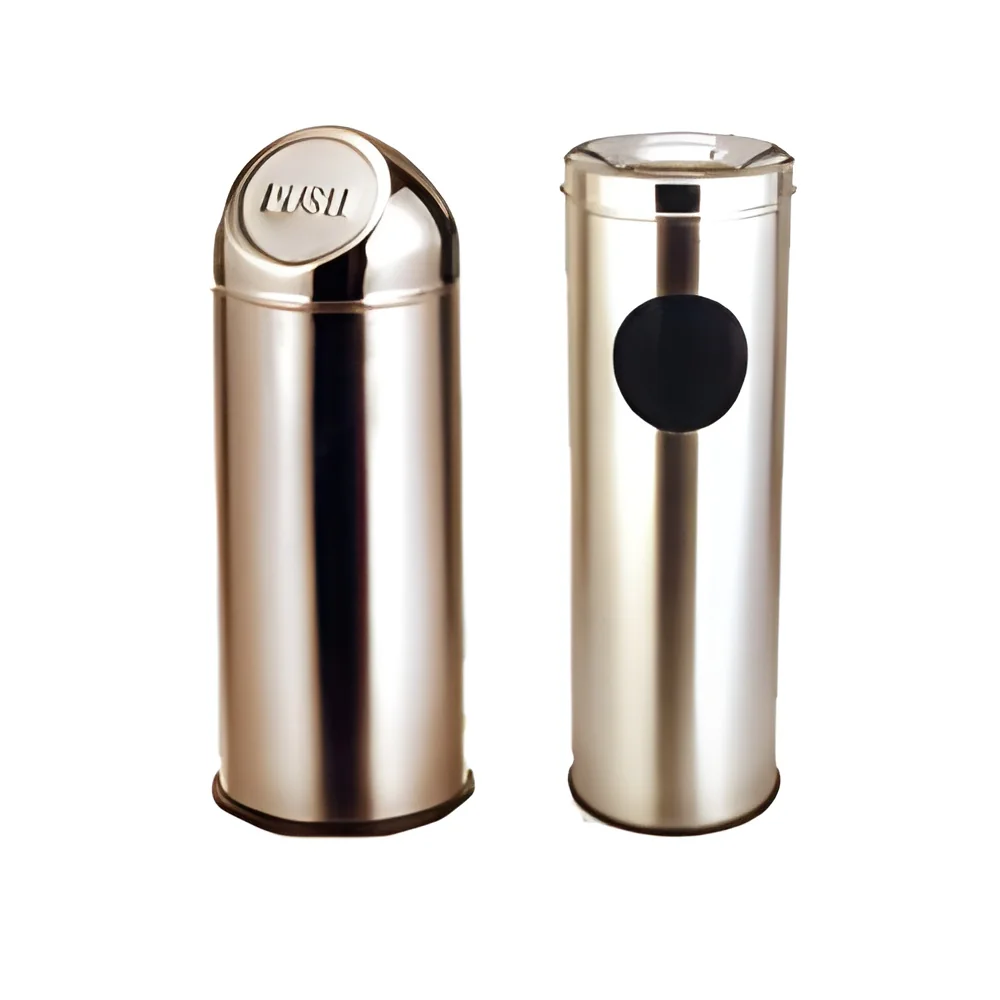
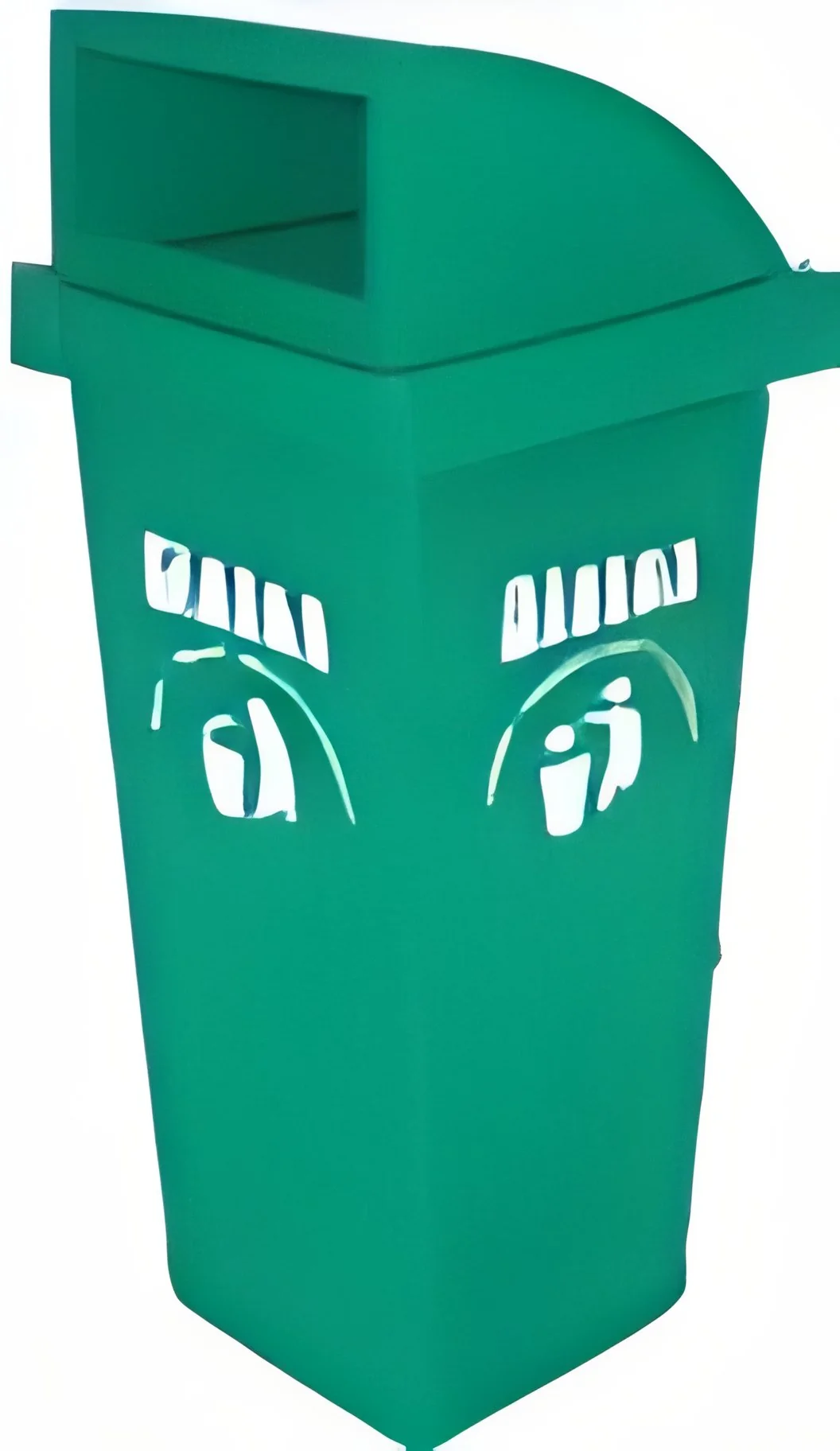
This basic variant is designed for general waste disposal. It is typically made from durable plastic or metal and is suitable for indoor and outdoor use.
Recycling Segregator
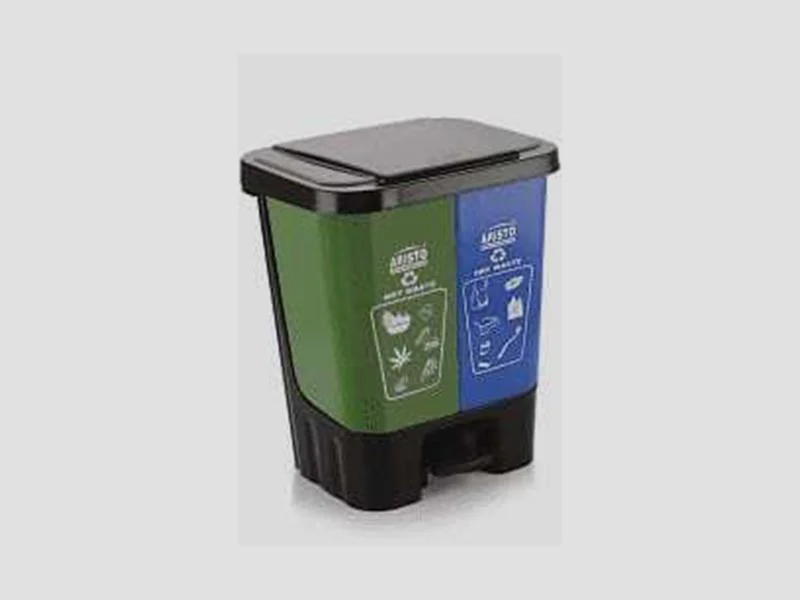
This variant is specifically designed to facilitate the separation of recyclables. It features color-coded compartments for different materials, promoting effective recycling practices.
Compost Bin
A compost bin is designed for organic waste disposal. It allows for aeration and moisture retention, which aids in the composting process.
Mobile Waste Bin
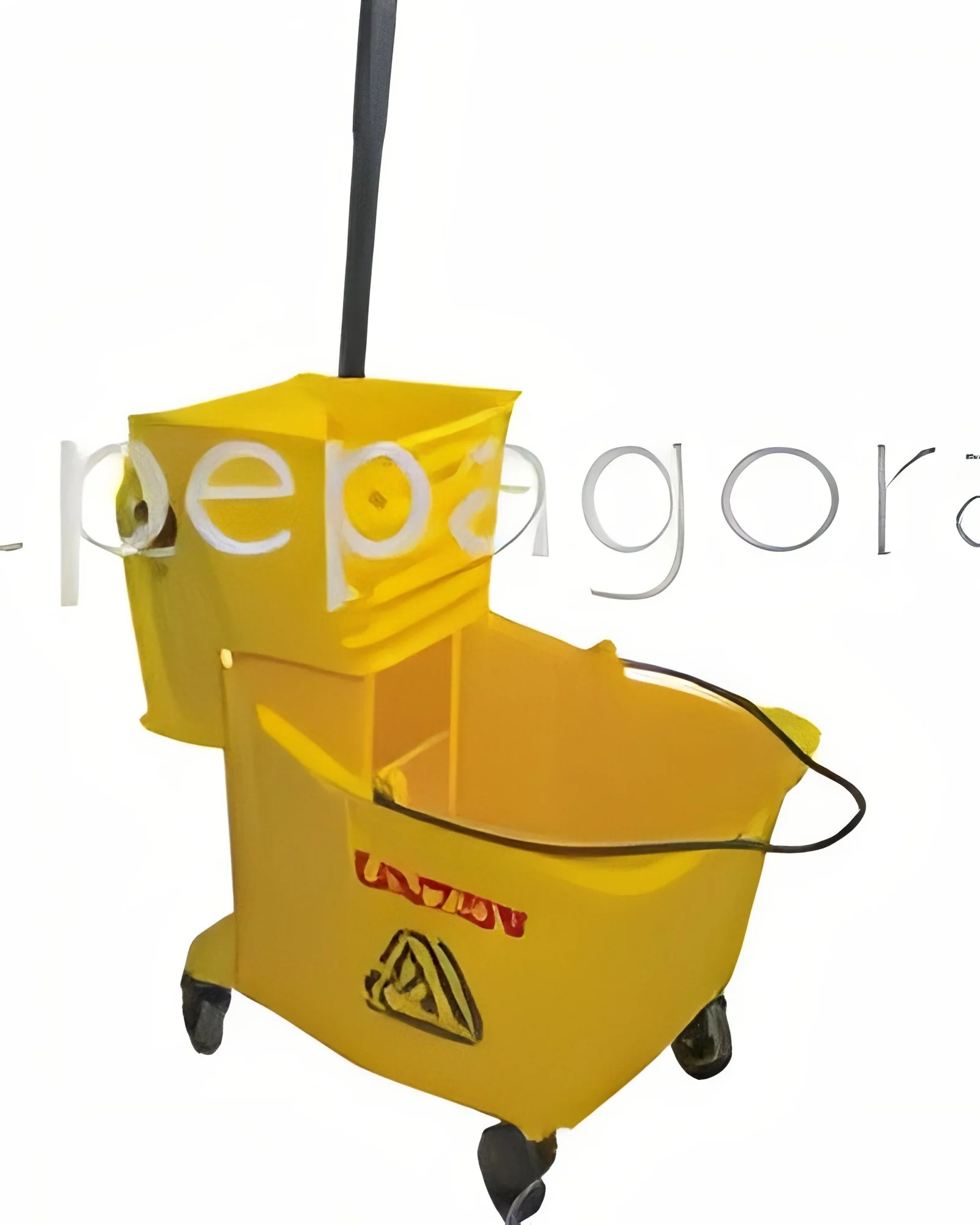
Equipped with wheels, this variant is ideal for environments where flexibility is necessary. It allows for easy movement across large areas, making waste collection more efficient.
Benefits and Advantages
Investing in waste bins and segregators offers several key benefits for businesses.
1. Improved Waste Management: These products streamline waste disposal processes, ensuring that different types of waste are collected and processed correctly.
2. Enhanced Compliance: Utilizing proper waste segregation helps businesses comply with local regulations regarding waste disposal and recycling.
3. Environmental Responsibility: By promoting recycling and reducing contamination, businesses demonstrate their commitment to sustainability and environmental stewardship.
4. Cost Savings: Effective waste management can lead to reduced disposal costs and increased recycling revenue over time.
5. Health and Safety: Proper waste disposal minimizes health risks associated with waste contamination, creating a safer environment for employees and customers.
6. User Engagement: Color-coded and well-marked waste bins encourage user participation in recycling initiatives, fostering a culture of environmental responsibility.
Buying Guide for B2B Buyers
When sourcing waste bins and segregators, it is important to consider several critical factors to ensure you select the right products for your business needs.
1. Quality Assessment: Evaluate the materials and construction standards of the bins. Look for products that are durable and designed for long-term use in various environments.
2. Supplier Verification: Vet suppliers to ensure they are reputable and capable of delivering high-quality products. Request references and check their manufacturing processes.
3. Pricing and MOQ: Understand the pricing structure and minimum order quantities. Compare costs across different suppliers to find the best value while considering bulk purchasing options.
4. Delivery and Lead Times: Coordinate logistics by discussing delivery timelines with suppliers. Ensure they can meet your production schedules and operational needs.
5. Compliance Requirements: Review any local regulations or industry standards that may apply to waste disposal. Ensure the bins you select meet these compliance guidelines to avoid legal issues.
Compliance and Certifications
Compliance and certifications are essential aspects of waste bins and segregators, ensuring they meet specific industry standards.
Quality standards such as ISO 9001 guarantee that products are manufactured with consistent quality and reliability. This certification indicates adherence to international management practices.
Additionally, certifications like CE demonstrate that the products meet European safety and environmental requirements, ensuring they are safe for use in various settings.
Regular safety testing is essential to validate the durability and effectiveness of waste management products. Compliance with regional regulations may also vary, so it is important to consider local laws governing waste disposal and recycling.
Why Source Waste Bins & Segregators from Pepagora?
Pepagora provides a trusted platform for sourcing waste bins and segregators, offering numerous advantages to buyers.
Verified Supplier Network: Pepagora connects buyers with a network of verified suppliers ensuring that products meet quality standards and compliance requirements. This reduces the risk of purchasing subpar products.
Streamlined RFQ Process: The request for quotation process is efficient, allowing buyers to quickly receive competitive pricing from multiple suppliers. This simplifies decision-making and procurement.
Trade Assurance and Support: Pepagora offers trade assurance, providing buyers with protection throughout the purchasing process. This support helps ensure a smooth transaction and builds buyer confidence.
Regional Coverage: With a focus on markets in India, GCC, and Southeast Asia, Pepagora offers extensive geographic reach. This allows businesses in these regions to access high-quality waste management solutions tailored to their needs.

 IN
IN