
 IN
Machinery & Equipment Servicing
71 products available
𝗪𝗵𝗮𝘁 𝗮𝗿𝗲 𝗠𝗮𝗰𝗵𝗶𝗻𝗲𝗿𝘆 & 𝗘𝗾𝘂𝗶𝗽𝗺𝗲𝗻𝘁 𝗦𝗲𝗿𝘃𝗶𝗰𝗶𝗻𝗴?
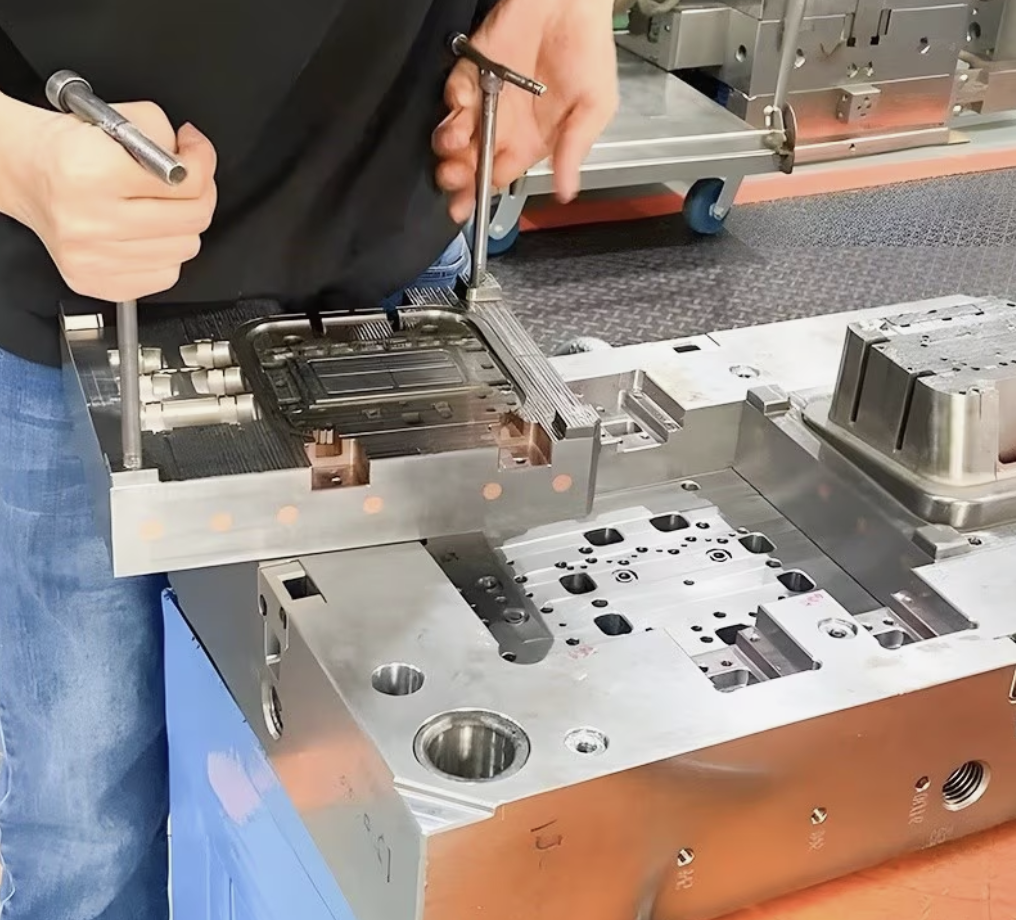
Machinery and equipment servicing refers to the comprehensive maintenance and repair of industrial machinery and equipment. This process ensures that machines operate efficiently and safely, minimizing downtime and extending their lifespan. Servicing can involve routine inspections, preventive maintenance, and corrective actions to address any identified issues. The goal is to maintain optimal performance and reliability of machinery across various industries.
The primary uses of machinery and equipment servicing encompass a wide range of applications, from manufacturing and construction to logistics and transportation. Businesses rely on these services to keep their operations running smoothly, thereby enhancing productivity and reducing operational costs. Regular servicing helps in identifying potential malfunctions before they escalate into costly breakdowns, which can disrupt workflow and affect profitability.
In the current market context, the demand for reliable machinery and equipment servicing is growing, driven by advancements in technology and increased automation. Companies are increasingly investing in maintenance solutions that not only focus on immediate repair needs but also emphasize predictive maintenance strategies. This trend is particularly relevant in industries that rely heavily on machinery, making effective servicing a critical component of their operational strategy.
𝗞𝗲𝘆 𝗙𝗲𝗮𝘁𝘂𝗿𝗲𝘀 𝗮𝗻𝗱 𝗦𝗽𝗲𝗰𝗶𝗳𝗶𝗰𝗮𝘁𝗶𝗼𝗻𝘀
Machinery and equipment servicing encompasses several key features and specifications that define its effectiveness and applicability. Understanding these specifications is essential for businesses looking to optimize their maintenance processes.
Key specifications include:
1. Maintenance Frequency
- Regularly scheduled maintenance intervals based on equipment usage and manufacturer recommendations.
- Typically ranges from weekly to annually.
2. Diagnostic Tools
- Advanced diagnostic equipment used to identify issues and monitor machine performance.
- Includes vibration analysis tools and thermal imaging cameras.
3. Service Response Time
- Time taken for service personnel to respond to maintenance requests.
- Generally within 24 to 48 hours for urgent repairs.
4. Preventive Maintenance Plans
- Structured plans outlining routine checks and services to prevent equipment failures.
- Tailored to specific machinery types and operational demands.
5. Technical Support Availability
- Access to expert assistance for troubleshooting and advice on equipment issues.
- Available via phone, email, or on-site visits.
6. Compliance with Safety Standards
- Adherence to industry safety protocols and regulations during servicing.
- Ensures the safety of personnel and equipment.
7. Parts Availability
- Access to genuine replacement parts to ensure high-quality repairs.
- Often determined by supplier networks and inventory management.
8. Training and Certification
- Qualifications of service technicians, ensuring they are trained in the latest technologies and practices.
- Certifications may include CE and other relevant industry standards.
In summary, understanding these features and specifications is crucial for businesses to make informed decisions regarding their machinery and equipment servicing needs.
𝗖𝗼𝗺𝗺𝗼𝗻 𝗔𝗽𝗽𝗹𝗶𝗰𝗮𝘁𝗶𝗼𝗻𝘀 𝗮𝗻𝗱 𝗨𝘀𝗲 𝗖𝗮𝘀𝗲𝘀
Machinery and equipment servicing plays a vital role across various industries. Each sector has specific applications that highlight the importance of effective maintenance.
1. Manufacturing: Regular servicing ensures machinery operates at peak efficiency, minimizing downtime and optimizing production lines. Equipment such as CNC machines and assembly robots require consistent maintenance to maintain precision and productivity.
2. Construction: Heavy construction equipment like excavators and bulldozers require routine inspections and servicing to prevent breakdowns on job sites. Timely maintenance enhances safety and ensures compliance with regulatory standards.
3. Transportation: Vehicles and machinery in logistics depend on regular servicing to ensure safe and efficient transportation of goods. This includes servicing of forklifts, delivery trucks, and shipping equipment.
4. Agriculture: Agricultural machinery, such as tractors and harvesters, requires specialized servicing to support seasonal demands and avoid costly delays during critical periods.
5. Energy: Equipment used in power generation, including turbines and generators, needs regular maintenance to ensure optimal performance and reliability, especially in renewable energy sectors.
6. Food Processing: Machinery in food manufacturing must adhere to strict hygiene and safety standards. Regular servicing helps maintain compliance and prevents contamination.
7. Mining: Mining equipment faces harsh conditions and requires consistent servicing to function effectively. This includes regular inspections and repairs to support continuous operation.
𝗣𝗿𝗼𝗱𝘂𝗰𝘁 𝗩𝗮𝗿𝗶𝗮𝗻𝘁𝘀 𝗮𝗻𝗱 𝗦𝘂𝗯𝗰𝗮𝘁𝗲𝗴𝗼𝗿𝗶𝗲𝘀
Machinery and equipment servicing can be diverse, offering various approaches tailored to specific needs.
Preventive Maintenance Services
These services focus on routine inspections and maintenance tasks designed to prevent equipment failures. They are essential for industries that rely heavily on operational uptime.
Corrective Maintenance Services
These services address failures after they occur, providing repairs and replacements as needed. They are crucial for businesses that need to respond quickly to unexpected breakdowns.
Predictive Maintenance Services
Utilizing advanced technologies, these services predict potential equipment failures based on data analysis. This approach minimizes downtime by addressing issues before they escalate.
𝗕𝗲𝗻𝗲𝗳𝗶𝘁𝘀 𝗮𝗻𝗱 𝗔𝗱𝘃𝗮𝗻𝘁𝗮𝗴𝗲𝘀
Machinery and equipment servicing provides numerous benefits that can significantly impact a company's operational efficiency.
Key benefits include:
1. Increased Equipment Lifespan: Regular servicing helps extend the life of machinery, reducing the need for costly replacements.
2. Enhanced Operational Efficiency: Well-maintained equipment operates more efficiently, leading to increased productivity and reduced energy consumption.
3. Cost Savings: Proactive maintenance minimizes unexpected breakdowns and repair costs, contributing to better budget management.
4. Improved Safety: Regular inspections and maintenance ensure compliance with safety standards, reducing the risk of accidents.
5. High-Quality Performance: Serviced equipment performs at optimal levels, delivering consistent results and maintaining product quality.
6. Better Resource Management: Effective servicing allows businesses to allocate resources more efficiently, optimizing labor and time.
𝗕𝘂𝘆𝗶𝗻𝗴 𝗚𝘂𝗶𝗱𝗲 𝗳𝗼𝗿 𝗕𝟮𝗕 𝗕𝘂𝘆𝗲𝗿𝘀
When sourcing machinery and equipment servicing, it is crucial for businesses to consider key factors that can influence their purchasing decisions.
1. Quality Assessment: Evaluate the quality of services offered by reviewing past performance, client testimonials, and adherence to industry standards. Ensure that service providers have a proven track record.
2. Supplier Verification: Vet potential suppliers by checking credentials, certifications, and compliance with relevant regulations. A reliable supplier should have industry recognition and a solid reputation.
3. Pricing and MOQ: Understand the pricing structure and minimum order quantity (MOQ) for servicing contracts. Compare quotes from different suppliers to ensure competitive pricing without compromising quality.
4. Delivery and Lead Times: Assess the responsiveness of suppliers and their ability to meet service timelines. Timely maintenance is critical to avoiding operational disruptions.
5. Compliance Requirements: Ensure that the servicing provider meets all regulatory and safety requirements relevant to your industry. This includes certifications and adherence to local laws.
𝗖𝗼𝗺𝗽𝗹𝗶𝗮𝗻𝗰𝗲 𝗮𝗻𝗱 𝗖𝗲𝗿𝘁𝗶𝗳𝗶𝗰𝗮𝘁𝗶𝗼𝗻𝘀
Compliance with industry standards and certifications is essential for machinery and equipment servicing. Relevant quality standards such as ISO 9001 ensure that service providers maintain high levels of quality management.
Industry certifications, such as CE, signify compliance with European safety regulations. These certifications demonstrate that the equipment meets necessary safety and performance criteria.
Safety and testing requirements are paramount in this sector. Regular audits and inspections are necessary to ensure that servicing practices align with current regulations.
Regional compliance considerations may vary based on the geographic location of operations. It is essential for businesses to ensure that their servicing partners comply with local laws and industry standards.
𝗪𝗵𝘆 𝗦𝗼𝘂𝗿𝗰𝗲 𝗠𝗮𝗰𝗵𝗶𝗻𝗲𝗿𝘆 & 𝗘𝗾𝘂𝗶𝗽𝗺𝗲𝗻𝘁 𝗦𝗲𝗿𝘃𝗶𝗰𝗶𝗻𝗴 𝗳𝗿𝗼𝗺 𝗣𝗲𝗽𝗮𝗴𝗼𝗿𝗮?
Pepagora offers a trusted platform for sourcing machinery and equipment servicing, delivering several key advantages to businesses.
Verified Supplier Network: Pepagora connects buyers with a network of verified suppliers. This ensures that businesses can find reliable service providers who meet their specific needs and quality standards.
Streamlined RFQ Process: The platform simplifies the request for quotation (RFQ) process, allowing buyers to easily compare service offerings, pricing, and delivery schedules. This transparency helps businesses make informed decisions.
Trade Assurance and Support: Pepagora provides trade assurance to protect buyers throughout the purchasing process. This includes support services to address any concerns or issues that may arise.
Regional Coverage: With a strong presence in India, the GCC, and Southeast Asia, Pepagora enables businesses to access machinery and equipment servicing solutions tailored to their regional requirements. This broad coverage ensures that companies can find local partners who understand their specific market dynamics.


Frequently Asked Questions
What are Machinery & Equipment Servicing?
Machinery & Equipment Servicing refers to the maintenance, repair, and overhaul of various types of machinery and equipment used in industrial, commercial, and manufacturing settings. This servicing ensures optimal performance, longevity, and safety of the equipment, reducing downtime and operational costs.
What are the different types of Machinery & Equipment Servicing?
The different types of Machinery & Equipment Servicing include preventive maintenance, corrective maintenance, predictive maintenance, and emergency repairs. Each type addresses specific needs, from routine checks to urgent repairs, ensuring machinery operates efficiently.
How do I choose the right Machinery & Equipment Servicing?
Choosing the right Machinery & Equipment Servicing involves evaluating the provider's experience, service offerings, and customer reviews. Additionally, assess their response time, availability of spare parts, and the range of machinery they support to ensure they meet your specific needs.
What are the standard specifications for Machinery & Equipment Servicing?
Standard specifications for Machinery & Equipment Servicing often include compliance with industry regulations, service frequency, and detailed reporting of maintenance activities. These specifications may vary based on the type of machinery and the industry in which it operates.
What is the price range for Machinery & Equipment Servicing?
The price range for Machinery & Equipment Servicing can vary widely based on the type of service, machinery involved, and complexity of the work. Generally, costs can range from a few hundred to several thousand dollars, depending on the specific requirements.
What quality standards apply to Machinery & Equipment Servicing?
Quality standards for Machinery & Equipment Servicing typically include ISO certifications, adherence to safety regulations, and industry-specific standards. These standards ensure that servicing is performed effectively and meets safety and reliability benchmarks.
Where can I find Machinery & Equipment Servicing suppliers in India?
Machinery & Equipment Servicing suppliers in India can be found through online B2B marketplaces, industry trade shows, and directories. Platforms like Pepagora.com provide a comprehensive list of suppliers, allowing you to compare services and prices.
Can Machinery & Equipment Servicing be customized?
Yes, Machinery & Equipment Servicing can often be customized to meet specific operational requirements or preferences. Many service providers offer tailored solutions based on the unique needs of the machinery and the industry it operates in.
What is the typical minimum order quantity for Machinery & Equipment Servicing?
The typical minimum order quantity (MOQ) for Machinery & Equipment Servicing can vary based on the service provider and the type of service required. It's best to consult with suppliers directly to understand their MOQ policies.
What is the typical lead time for Machinery & Equipment Servicing?
The typical lead time for Machinery & Equipment Servicing depends on the complexity of the service required and the availability of parts. Generally, lead times can range from a few days for routine servicing to several weeks for more extensive repairs or overhauls.
Why Businesses Trust Pepagora
Thousands of companies trust Pepagora to source smarter and sell faster
Expand Your Sales Globally

Source Smarter,Grow Faster
