What are Industrial Equipment Repair & Maintenance?
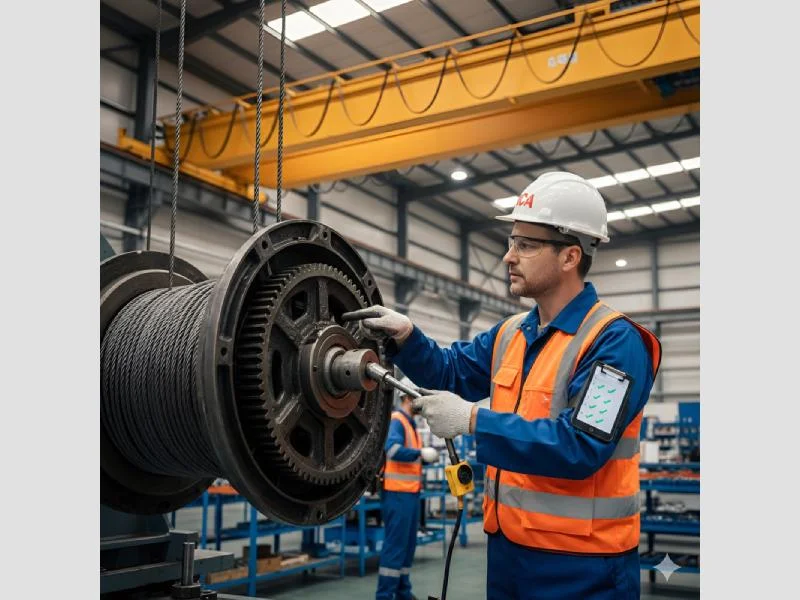
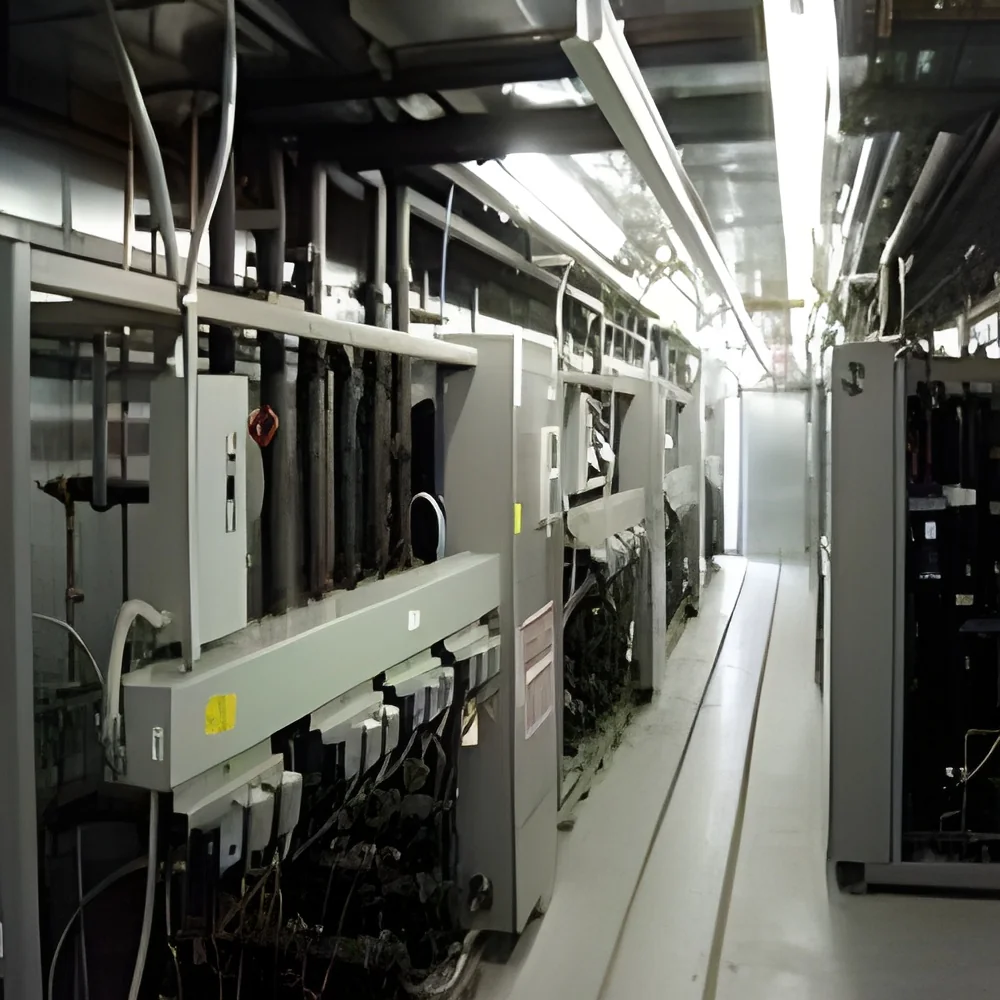
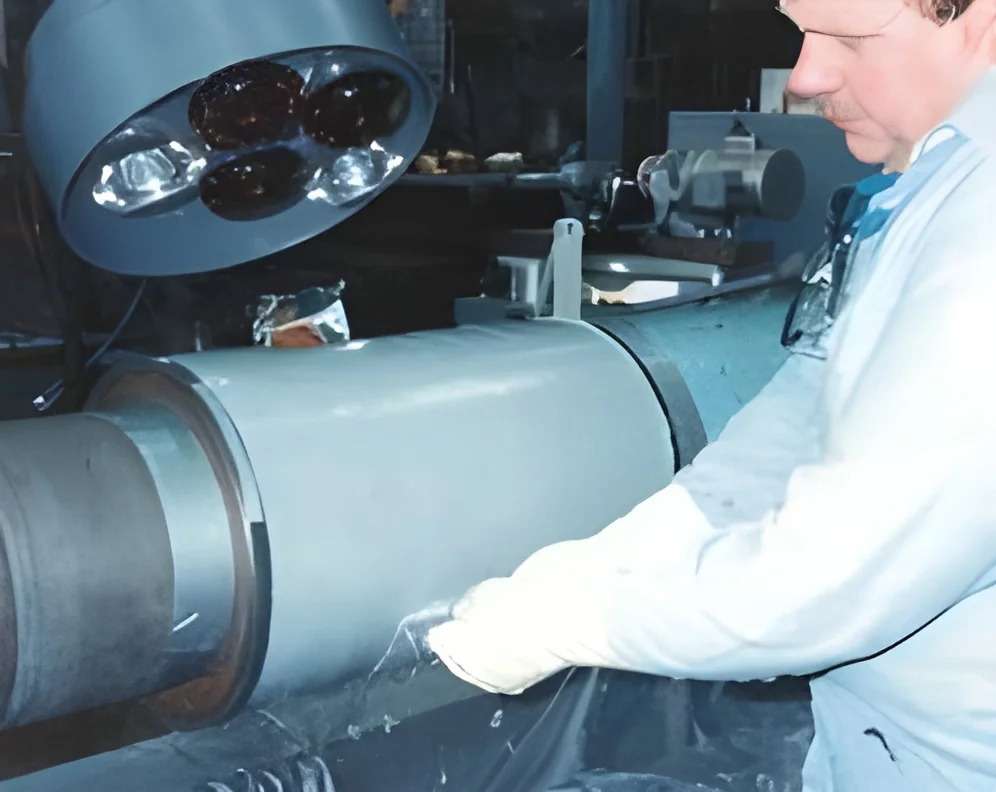
Industrial Equipment Repair & Maintenance refers to the services and processes involved in keeping machinery and equipment functioning optimally within various industries. This includes regular servicing, troubleshooting, and repairing equipment to prevent breakdowns and extend its operational life. These services are crucial for ensuring minimal downtime and maintaining productivity in manufacturing and other industrial sectors.
The primary uses of industrial equipment repair and maintenance span across multiple applications, including manufacturing plants, construction sites, and logistics operations. Businesses rely on these services to ensure their equipment performs efficiently and meets production demands. Proper maintenance can also enhance safety and compliance with industry regulations, making it an integral part of operational strategy.
In the current market context, the demand for industrial equipment repair and maintenance is increasing due to the growing complexity of machinery and the need for reliable production lines. Companies are increasingly focusing on predictive maintenance strategies, leveraging data and technology to foresee potential issues before they lead to costly failures. This trend highlights the importance of having skilled technicians and robust maintenance plans in place.
Key Features and Specifications
Industrial Equipment Repair & Maintenance services encompass a variety of features designed to ensure machinery operates at peak performance. These services are tailored to meet specific industry needs and include both preventive and corrective maintenance strategies.
Key specifications include:
1. Maintenance Frequency
- Scheduled maintenance intervals based on equipment usage and manufacturer recommendations
- Regular checks and servicing to prevent major repairs
2. Diagnostic Services
- Comprehensive analysis of equipment performance and issues
- Use of advanced diagnostic tools for accurate troubleshooting
3. Repair Services
- On-site and off-site repair options for various types of industrial equipment
- Replacement of worn or damaged parts with high-quality components
4. Emergency Services
- Rapid response for equipment failures to minimize downtime
- 24/7 availability for critical machinery repairs
5. Compliance Checks
- Ensuring equipment adheres to safety and regulatory standards
- Regular assessments for certifications and compliance documentation
6. Custom Maintenance Plans
- Tailored services based on specific operational needs
- Flexibility in scheduling and scope of maintenance work
These features are essential for maintaining the efficiency and reliability of industrial operations. Companies that invest in regular maintenance see enhanced performance and reduced long-term costs.
Common Applications and Use Cases
Industrial Equipment Repair & Maintenance plays a vital role across various industries, ensuring that equipment remains operational and efficient.
1. Manufacturing: In manufacturing, regular maintenance is crucial for machinery such as assembly lines and CNC machines. This ensures consistent production rates and quality output.
2. Construction: Construction sites rely on heavy machinery like excavators and cranes. Timely repairs and maintenance prevent delays and enhance safety on job sites.
3. Oil and Gas: Equipment used in oil and gas extraction requires specialized maintenance to operate under harsh conditions. Regular checks help avoid costly breakdowns.
4. Transportation and Logistics: In logistics, vehicles and handling equipment must be maintained for optimal performance. Regular servicing ensures timely deliveries and operational safety.
5. Food Processing: Equipment in food processing facilities must comply with health standards. Regular maintenance ensures safety and quality in food production.
6. Pharmaceuticals: In the pharmaceutical industry, equipment must be meticulously maintained to comply with regulatory standards. This ensures product safety and efficacy.
7. Mining: Mining operations depend on heavy machinery that faces harsh conditions. Maintenance is essential to avoid unexpected failures and ensure continuous operations.
Product Variants and Subcategories
Industrial Equipment Repair & Maintenance is diverse, catering to various types of equipment and services.
Preventive Maintenance Services
These services focus on regular inspections and servicing to prevent equipment failures. They include routine checks and scheduled maintenance tasks tailored to specific equipment needs.
Corrective Maintenance Services
These services are initiated after equipment failure occurs. They involve repairs and replacements to restore equipment functionality. Timeliness is crucial to minimize downtime.
Predictive Maintenance Services
Using advanced technology, predictive maintenance involves monitoring equipment performance to predict failures before they occur. This approach optimizes maintenance schedules and reduces costs.
Benefits and Advantages
Investing in Industrial Equipment Repair & Maintenance offers significant advantages for businesses.
Key benefits include:
1. Increased Equipment Lifespan: Regular maintenance reduces wear and tear, extending the operational life of machinery and equipment.
2. Enhanced Productivity: Well-maintained equipment operates efficiently, minimizing downtime and maximizing output.
3. Cost Savings: Preventive maintenance helps avoid costly repairs and replacements, leading to lower overall operational costs.
4. Improved Safety: Regular inspections and maintenance ensure equipment operates safely, reducing the risk of accidents and injuries.
5. Compliance Assurance: Maintenance services help ensure equipment meets industry regulations, reducing the risk of penalties and legal issues.
6. Better Performance: Routine maintenance optimizes equipment functionality, contributing to higher quality production and service delivery.
Buying Guide for B2B Buyers
When sourcing Industrial Equipment Repair & Maintenance, it is important to consider several key factors to ensure the best outcomes for your business.
1. Quality Assessment: Evaluate the quality of services offered by providers. Look for certifications and customer testimonials to gauge reliability and expertise.
2. Supplier Verification: Conduct thorough checks on potential suppliers. Ensure they have a proven track record and the necessary experience in your specific industry.
3. Pricing and MOQ: Understand the cost structures and minimum order quantities. Compare pricing among different suppliers to ensure competitive rates without compromising quality.
4. Delivery and Lead Times: Inquire about the typical lead times for services. Timely maintenance is crucial for operational efficiency, so opt for suppliers who can meet your schedule.
5. Compliance Requirements: Ensure that the service provider is familiar with relevant industry regulations and can provide necessary documentation to demonstrate compliance.
Compliance and Certifications
Compliance and certifications are crucial in the Industrial Equipment Repair & Maintenance sector. Adhering to quality standards ensures that services meet industry expectations and regulatory requirements.
Relevant quality standards include ISO 9001, which focuses on quality management systems, ensuring consistent quality in services provided. Compliance with HACCP (Hazard Analysis Critical Control Point) standards is vital in food processing sectors, ensuring food safety through proper maintenance practices.
Industry certifications, such as CE marking, indicate that products and services meet European health, safety, and environmental protection standards. This is particularly important for companies operating within or exporting to the European market.
Safety and testing requirements also play a significant role in compliance. Regular assessments and adherence to safety protocols are essential to protect both workers and equipment. Additionally, regional compliance considerations may vary, and it is important for service providers to be knowledgeable about local regulations.
Why Source Industrial Equipment Repair & Maintenance from Pepagora?
Pepagora provides a trusted platform for sourcing Industrial Equipment Repair & Maintenance with several key advantages that set it apart from other providers.
Verified Supplier Network: Our platform connects you with a network of verified suppliers who have undergone rigorous vetting. This ensures that you can trust the quality and reliability of the services offered.
Streamlined RFQ Process: Pepagora simplifies the request for quotation process, allowing you to easily compare offers from multiple suppliers. This helps you find the best fit for your specific needs in a timely manner.
Trade Assurance and Support: We prioritize buyer protection through trade assurance measures. This provides peace of mind, knowing that your transactions are safeguarded.
Regional Coverage: With a strong presence in India, the GCC, and Southeast Asia, Pepagora offers extensive regional coverage. This allows businesses across these regions to access quality repair and maintenance services efficiently.
By choosing Pepagora, you can ensure that your industrial equipment repair and maintenance needs are met with professionalism and expertise, contributing to the overall success of your operations.

 IN
IN