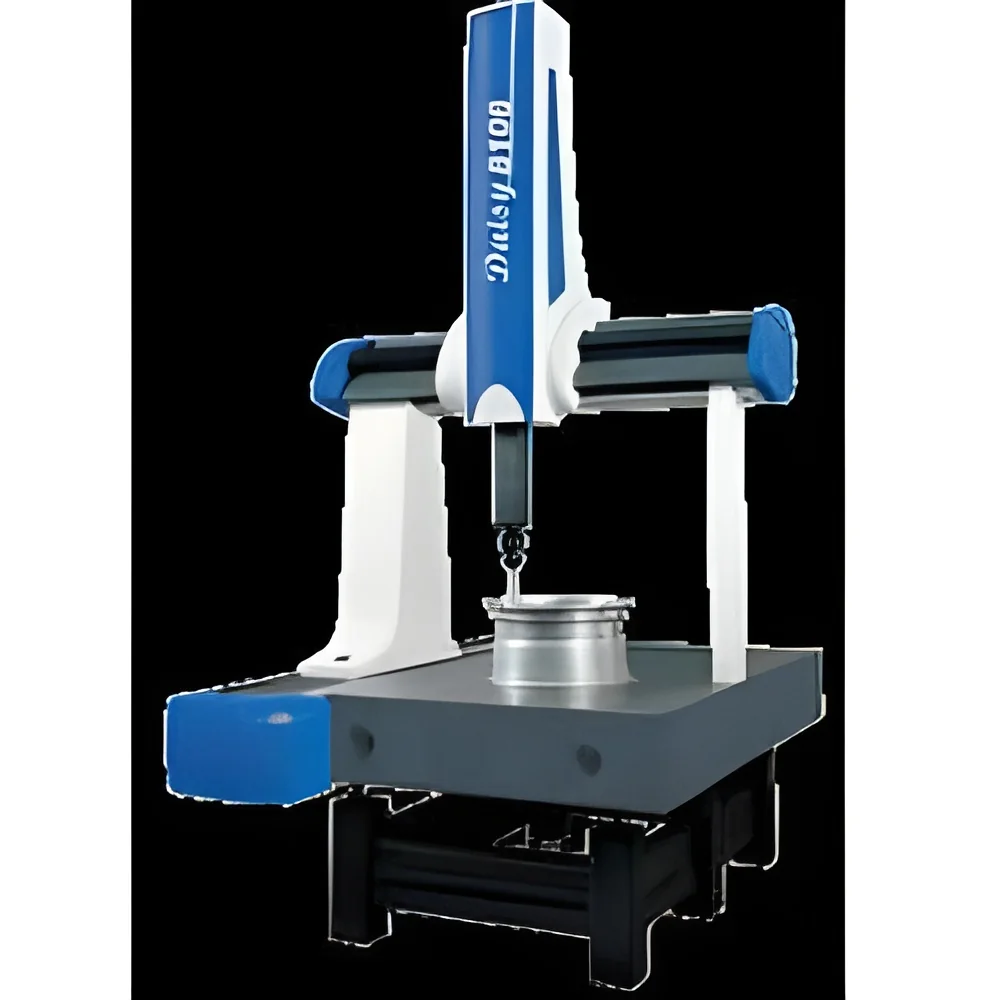
What are CNC Machine Servicing & Calibration?
CNC Machine Servicing & Calibration refers to the process of maintaining and adjusting CNC machines to ensure they operate with precision and efficiency. Servicing includes routine maintenance tasks that prevent breakdowns, while calibration involves adjusting machine parameters to meet specified tolerances. This combination is crucial for manufacturers who rely on CNC technology for precise machining operations.
The primary uses of CNC machine servicing and calibration are found in various sectors, including automotive, aerospace, and manufacturing. Businesses utilize these services to enhance productivity, reduce downtime, and ensure the accuracy of their machining processes. By maintaining optimal performance, companies can achieve higher quality products and improve their overall operational efficiency.
In today’s competitive market, the relevance of CNC machine servicing and calibration is increasing. As industries adopt more advanced technologies, the demand for precise and reliable machinery grows. Companies that invest in regular servicing and calibration can better meet the stringent quality standards of modern manufacturing, making them more competitive in the global marketplace.
Key Features and Specifications
CNC Machine Servicing & Calibration encompasses various features and specifications that ensure optimal performance. These specifications provide a framework for evaluating the quality and effectiveness of the services offered.
Key specifications include:
1. Calibration Accuracy
- Precision adjustment of machine tools to ensure high-quality output
- Typically within ±0.01 mm for most CNC machines
2. Maintenance Frequency
- Recommended servicing intervals to prevent wear and tear
- Generally every 6 to 12 months, depending on usage
3. Inspection Protocols
- Detailed procedures for evaluating machine performance
- Includes checks on alignment, backlash, and tool wear
4. Documentation and Reporting
- Comprehensive records of all servicing and calibration activities
- Essential for compliance and quality assurance audits
5. Equipment Compatibility
- Support for a wide range of CNC machine brands and models
- Ensures services can be tailored to specific machinery requirements
6. Service Response Time
- Quick response to service requests to minimize downtime
- Typically within 24 to 48 hours for urgent repairs
7. Technician Qualifications
- Skilled technicians with industry certifications
- Ensures high-quality service and expertise
These specifications highlight the importance of thorough servicing and calibration, which contribute to the longevity and reliability of CNC machinery.
Common Applications and Use Cases
CNC Machine Servicing & Calibration finds applications across multiple industries, ensuring the precision required for various manufacturing processes.
1. Automotive: CNC machine servicing is critical in automotive manufacturing, where precise machining of components like engine blocks and transmission parts is essential for performance and safety.
2. Aerospace: In the aerospace sector, calibration is vital for machining components that must meet stringent safety and performance standards, such as turbine blades and fuselage parts.
3. Medical Devices: CNC machines are used to manufacture intricate medical devices. Regular servicing ensures that these machines produce high-precision components crucial for patient safety.
4. Electronics: In electronics manufacturing, CNC machine servicing helps in producing circuit boards and components with high accuracy, reducing waste and improving efficiency.
5. Metal Fabrication: CNC machining plays a significant role in metal fabrication. Regular calibration ensures that cutting and shaping processes maintain the required tolerances.
6. Construction: CNC machines are used to create components for construction equipment. Servicing helps in maintaining their operational efficiency and reliability.
7. Furniture Manufacturing: In the furniture industry, CNC machines are used for customized designs. Regular servicing ensures that production remains smooth and meets design specifications.
Product Variants and Subcategories
CNC Machine Servicing & Calibration includes various service types tailored to specific needs. This diversity allows businesses to select services that best fit their requirements.
Preventive Maintenance Service
This variant focuses on scheduled maintenance tasks that reduce the likelihood of equipment failures. It includes checks and adjustments to maintain optimal machine performance.
Calibration Service
This service specializes in adjusting the machine parameters to ensure precise operation. It involves detailed inspections and adjustments based on the manufacturer's specifications.
Emergency Repair Service
This variant is designed for urgent situations where machines break down unexpectedly. It provides rapid response and repair to minimize production disruptions.
Remote Calibration Service
An innovative approach where technicians use advanced tools to perform calibration remotely. This service is ideal for businesses seeking quick adjustments without on-site visits.
Benefits and Advantages
CNC Machine Servicing & Calibration provides numerous benefits that can significantly enhance operational efficiency.
Key benefits include:
1. Improved Accuracy: Regular calibration ensures that machines operate within specified tolerances, resulting in higher quality products.
2. Reduced Downtime: Preventive maintenance minimizes the risk of unexpected breakdowns, leading to more consistent production schedules.
3. Extended Equipment Lifespan: Regular servicing helps identify wear and tear early, allowing for repairs before significant damage occurs.
4. Enhanced Productivity: Well-maintained machines operate more efficiently, improving overall production rates.
5. Compliance Assurance: Proper servicing and calibration help organizations meet industry standards and regulations, reducing the risk of penalties.
6. Cost Savings: By preventing major repairs and optimizing machine performance, businesses can achieve significant cost reductions over time.
Buying Guide for B2B Buyers
When sourcing CNC Machine Servicing & Calibration, it is essential for B2B buyers to consider several factors to ensure they select the right service provider.
1. Quality Assessment: Evaluate potential suppliers based on their track record and the quality of their services. Look for certifications and customer testimonials that demonstrate reliability.
2. Supplier Verification: Conduct background checks on suppliers to assess their experience and expertise in CNC servicing and calibration. This step is crucial to avoid unreliable service providers.
3. Pricing and MOQ: Understand the pricing model and any minimum order quantities. Compare costs among different suppliers to ensure competitive pricing while maintaining service quality.
4. Delivery and Lead Times: Consider logistics and the time required to complete servicing. Ensure that the supplier can meet your production schedules with timely service.
5. Compliance Requirements: Verify that the supplier adheres to relevant industry regulations and standards. This ensures that the calibration process meets necessary compliance requirements.
Compliance and Certifications
CNC Machine Servicing & Calibration must adhere to various industry standards and certifications to ensure quality and safety.
Relevant quality standards include ISO 9001, which focuses on quality management systems, and others like HACCP and GDP that may apply depending on the industry. Compliance with these standards ensures that service providers maintain high levels of quality and operational efficiency.
Industry certifications, such as CE marking, indicate that the services meet European safety and environmental requirements. These certifications are crucial for businesses that operate in regulated markets and want to ensure their equipment meets necessary safety standards.
Additionally, safety and testing requirements are paramount in the calibration process. Proper testing protocols must be followed to guarantee that all adjustments lead to safe and effective machine operation.
Regional compliance considerations also play a role, especially for businesses operating in multiple countries. Understanding the specific regulations in each region helps ensure that servicing and calibration meet local legal requirements.
Why Source CNC Machine Servicing & Calibration from Pepagora?
Pepagora provides a trusted platform for sourcing CNC Machine Servicing & Calibration, offering several key advantages.
Verified Supplier Network: Pepagora partners with a network of verified suppliers, ensuring that businesses have access to reliable and experienced service providers. This verification process reduces the risk of subpar service.
Streamlined RFQ Process: The platform simplifies the request for quotation (RFQ) process, allowing buyers to receive competitive quotes from multiple suppliers quickly. This efficiency helps businesses make informed decisions faster.
Trade Assurance and Support: Pepagora offers trade assurance to protect buyers, ensuring that they receive the services as promised. This includes support for any issues that may arise during the transaction.
Regional Coverage: With a strong presence in India, GCC, and Southeast Asia, Pepagora provides extensive regional coverage. This geographic reach enables businesses to find local service providers that understand specific market needs and compliance requirements.

 IN
IN