What are AMC for Industrial Machinery?
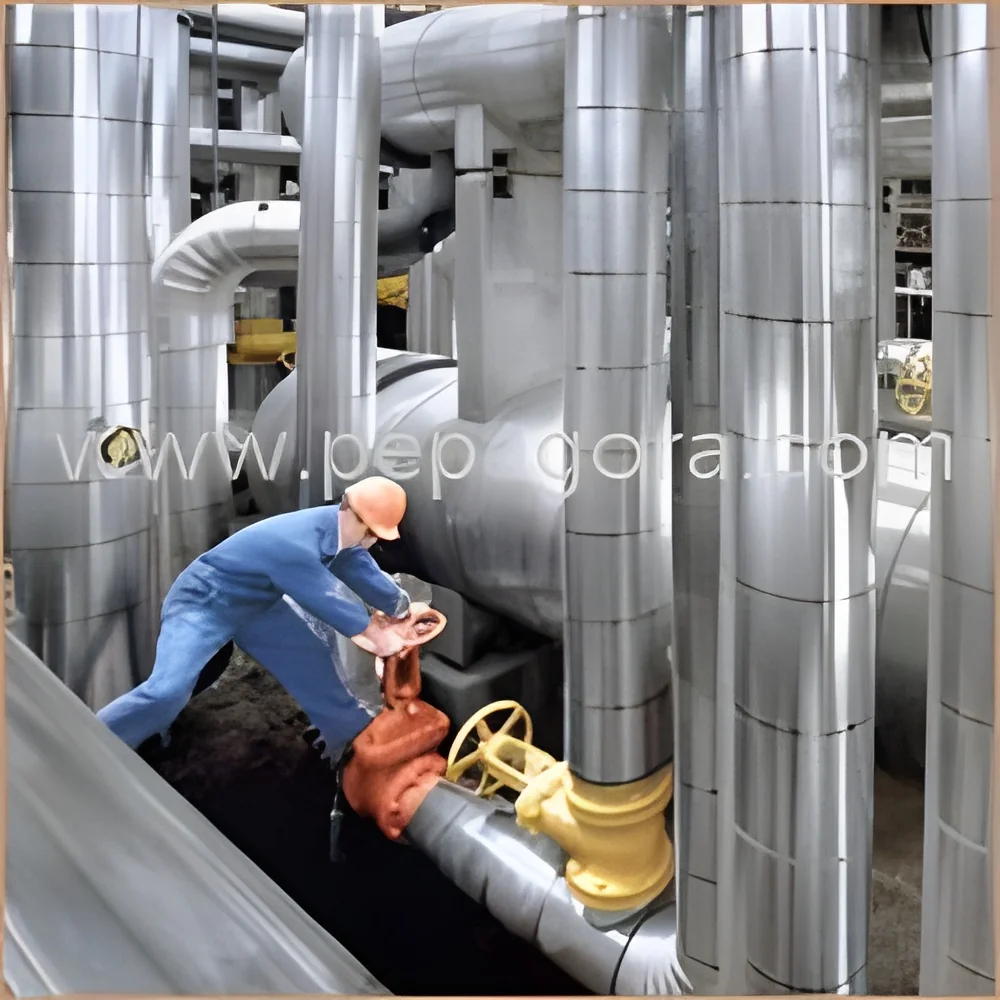
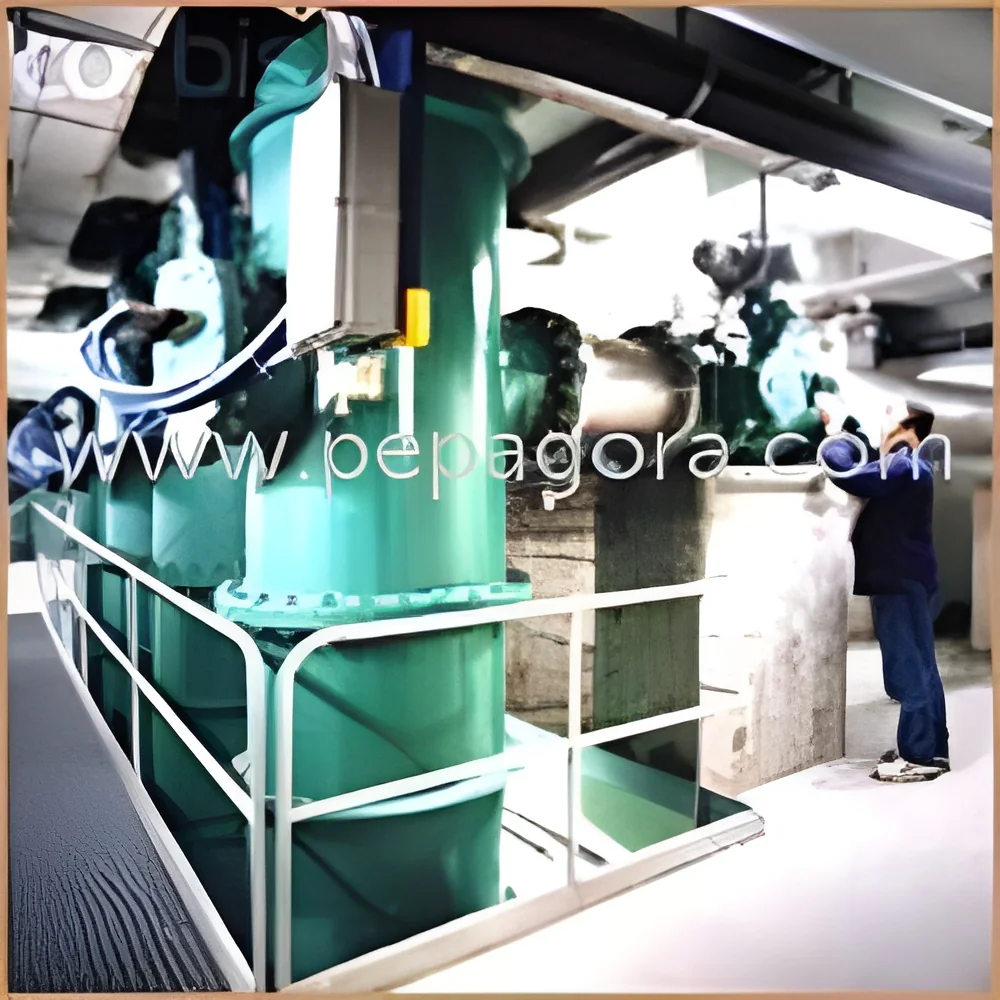
AMC, or Annual Maintenance Contracts, for industrial machinery are agreements between businesses and service providers that ensure regular maintenance and servicing of equipment. These contracts typically cover a defined period, often one year, during which the service provider is responsible for performing scheduled maintenance, repairs, and inspections to keep machinery operating efficiently. The primary goal of AMC is to prevent equipment breakdowns, extend machinery lifespan, and optimize performance.
These contracts are widely used across various industries to manage the upkeep of critical machinery such as manufacturing equipment, HVAC systems, and production lines. Businesses leverage AMCs to maintain high levels of operational efficiency and reduce unplanned downtime. By having a structured maintenance schedule, organizations can better allocate resources and budget for maintenance expenses, ensuring they have the necessary support for their machinery.
In the current industrial landscape, where efficiency and reliability are paramount, AMCs play a vital role. They are increasingly seen as an essential investment for businesses looking to enhance productivity and minimize risks associated with equipment failures. As industries evolve, the demand for tailored AMC solutions continues to grow, highlighting their importance in maintaining competitive advantages.
Key Features and Specifications
AMC for industrial machinery come with various features designed to meet the specific needs of different businesses. These features ensure that the contracts provide comprehensive coverage and support for maintenance activities.
Key specifications include:
1. Coverage Scope
- Defined services included in the contract
- May encompass routine maintenance, emergency repairs, and inspections
2. Response Time
- Time frame within which service providers must respond to maintenance requests
- Typically ranges from 24 to 72 hours depending on contract terms
3. Service Frequency
- Scheduled maintenance intervals (monthly, quarterly, annually)
- Frequency may vary based on machinery type and usage
4. Parts Replacement
- Conditions under which parts are replaced
- May specify included and excluded parts in the contract
5. Training and Support
- Availability of training for staff on equipment usage and maintenance
- Ongoing technical support from service providers
6. Performance Guarantees
- Commitments on machinery performance post-maintenance
- May include uptime guarantees or efficiency metrics
7. Cost Structure
- Pricing models (fixed fee, variable cost based on service usage)
- Detailed breakdown of costs associated with parts and labor
8. Customization Options
- Ability to tailor AMC terms to meet specific operational needs
- Options for add-on services or additional coverage
In summary, the specifications of AMC for industrial machinery provide clarity on the services offered, ensuring that businesses can select contracts that align with their maintenance needs and operational goals.
Common Applications and Use Cases
AMC for industrial machinery serve a variety of industries, ensuring that equipment runs smoothly and reliably.
1. Manufacturing: Regular maintenance of production machinery helps prevent breakdowns and enhances productivity on the factory floor.
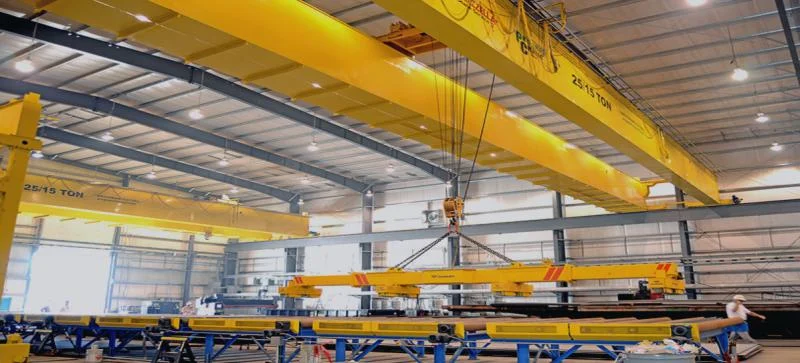
2. Construction: AMCs for heavy machinery ensure that equipment such as excavators and cranes are maintained for safety and efficiency during projects.
3. Food Processing: In food manufacturing facilities, maintaining machinery is critical for compliance with health regulations and operational efficiency.
4. Pharmaceuticals: AMCs help maintain precision equipment that is essential for producing medications while ensuring compliance with industry standards.
5. HVAC Systems: Regular maintenance of heating, ventilation, and air conditioning systems ensures optimal performance and energy efficiency.
6. Energy Sector: AMCs for turbines and generators are vital for maintaining power generation efficiency and reliability.
7. Transportation and Logistics: Maintenance contracts for vehicles and conveyors help ensure timely deliveries and operational reliability.
Product Variants and Subcategories
AMC for industrial machinery are available in various formats to cater to different business needs. Each variant offers unique features and benefits that appeal to specific industries and applications.
Standard AMC
This variant provides a comprehensive set of maintenance services covering routine checks, emergency repairs, and parts replacement. It is ideal for businesses that require regular, predictable maintenance schedules.
Customized AMC
This variant allows businesses to tailor the contract to their specific needs, including the frequency of maintenance and specific services required. It is beneficial for organizations with unique equipment or operational demands.
Extended AMC
Focusing on longer contract durations, this variant often includes additional benefits such as priority service and extended warranties. It suits businesses looking for long-term support and reliability.
Benefits and Advantages
Sourcing AMC for industrial machinery comes with numerous advantages that can significantly impact operational efficiency and cost management.
Key benefits include:
1. Preventive Maintenance: Regular servicing helps avoid unexpected breakdowns, reducing downtime and loss of productivity.
2. Cost Savings: An AMC can lead to lower overall maintenance costs compared to ad-hoc repairs and service calls, offering predictable budgeting.
3. Enhanced Equipment Lifespan: Consistent maintenance ensures machinery remains in optimal condition, extending its useful life.
4. Improved Safety: Regular inspections and servicing reduce the risk of accidents caused by malfunctioning equipment, ensuring a safer work environment.
5. Access to Expertise: Partnering with professional service providers gives businesses access to specialized knowledge and skills.
6. Compliance Assurance: Regular maintenance can ensure compliance with industry regulations and standards, reducing liability risks.
Buying Guide for B2B Buyers
When considering AMC for industrial machinery, businesses should keep several factors in mind to make informed decisions.
1. Quality Assessment: Evaluate the service provider's reputation and experience in the industry. Look for references and reviews to gauge their reliability.
2. Supplier Verification: Conduct thorough checks on potential suppliers to ensure they are certified and qualified to handle your specific machinery.
3. Pricing and MOQ: Understand the pricing structure and assess the minimum order quantity requirements. Ensure the costs align with your budget.
4. Delivery and Lead Times: Inquire about the expected response times for services and the lead times for parts replacement to avoid operational disruptions.
5. Compliance Requirements: Ensure that the AMC adheres to relevant industry regulations and safety standards to mitigate compliance risks.
Compliance and Certifications
Compliance and certifications play a crucial role in ensuring that AMC for industrial machinery meet industry standards and regulations.
Relevant quality standards, such as ISO 9001, ensure that the services provided meet consistent quality levels. These standards focus on quality management systems that enhance customer satisfaction and operational efficiency.
Additionally, certifications like CE indicate that the machinery and its maintenance meet European safety, health, and environmental protection standards. This is particularly important for businesses operating in regulated industries where compliance is mandatory.
Safety and testing requirements must also be adhered to, ensuring that all maintenance practices do not compromise equipment safety or functionality.
Regional compliance considerations can vary, so businesses should be aware of local regulations that may impact their operations and contractual obligations regarding AMCs.
Why Source AMC for Industrial Machinery from Pepagora?
Pepagora offers a reliable platform for sourcing AMC for industrial machinery, providing several key advantages to businesses.
Verified Supplier Network: Pepagora has a robust verification process to ensure that all suppliers meet industry standards. This builds trust and confidence in the sourcing process.
Streamlined RFQ Process: The platform simplifies the request for quotation process, making it easier for buyers to obtain competitive pricing and service options from multiple suppliers.
Trade Assurance and Support: Pepagora provides trade assurance to protect buyers during transactions. This includes support for disputes and ensuring that contractual obligations are met.
Regional Coverage: With a strong presence in India, the GCC, and Southeast Asia, Pepagora facilitates access to a wide range of suppliers, ensuring that businesses can find the right AMC solutions regardless of their location.

 IN
IN