What are Plastic & Injection Molding Machine Servicing?
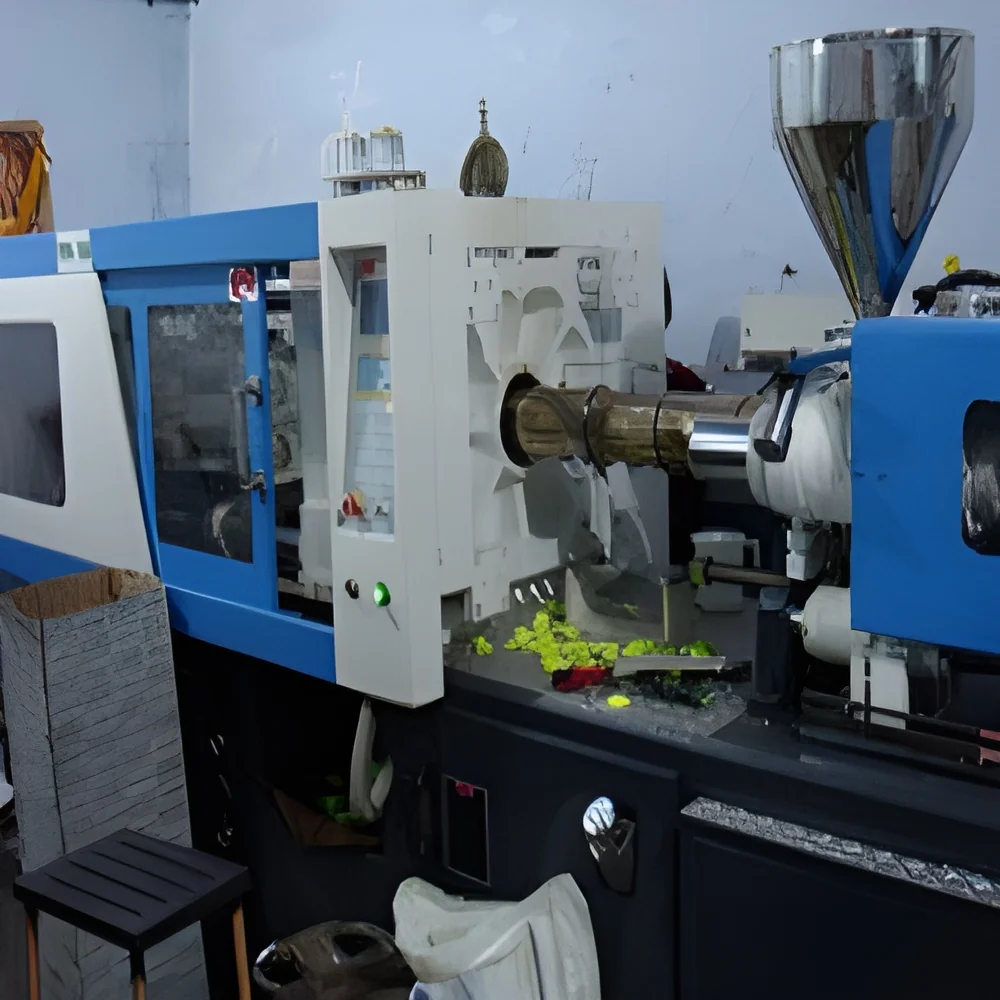
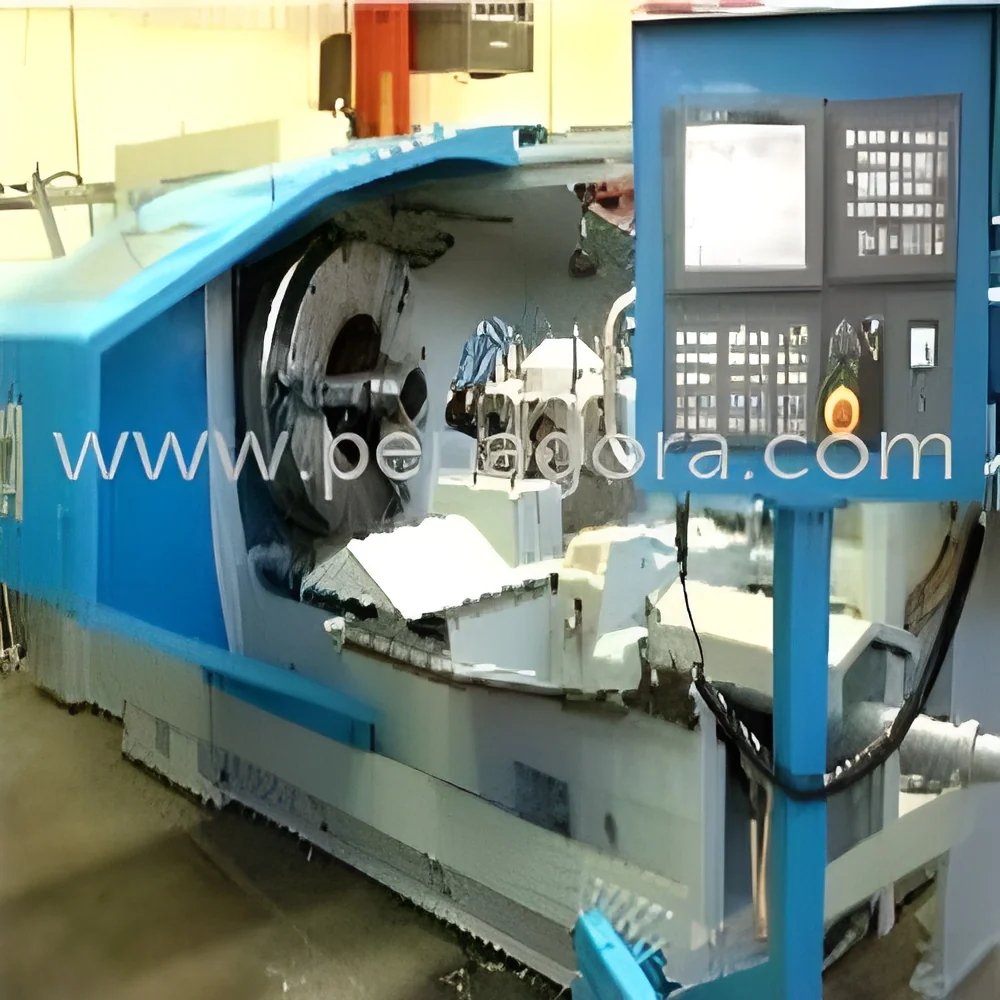
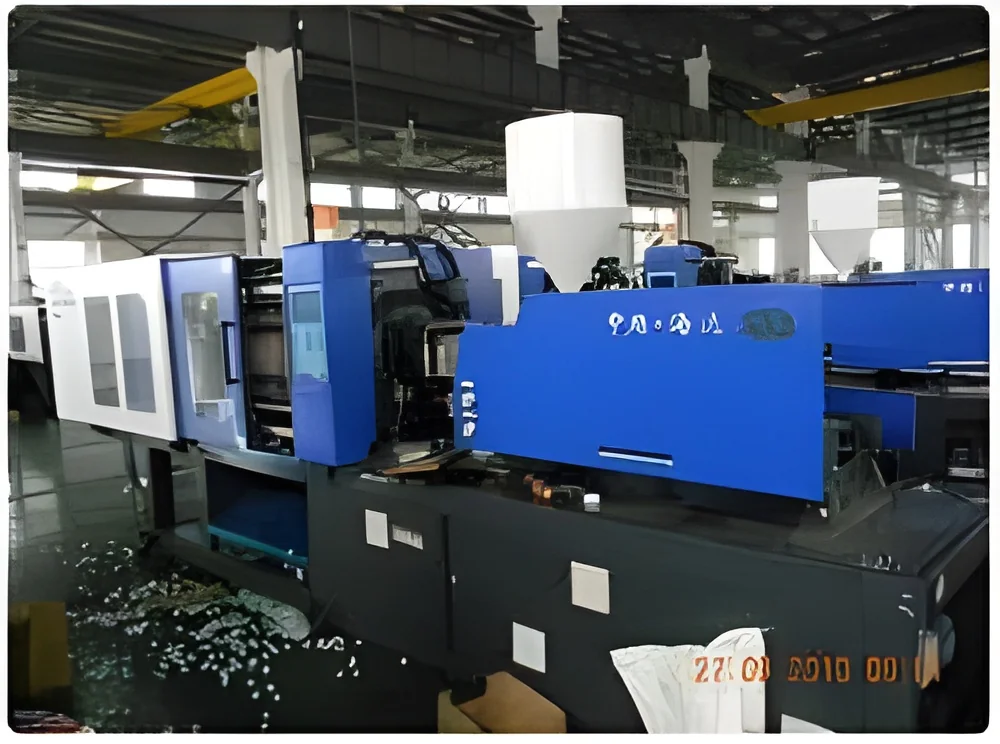
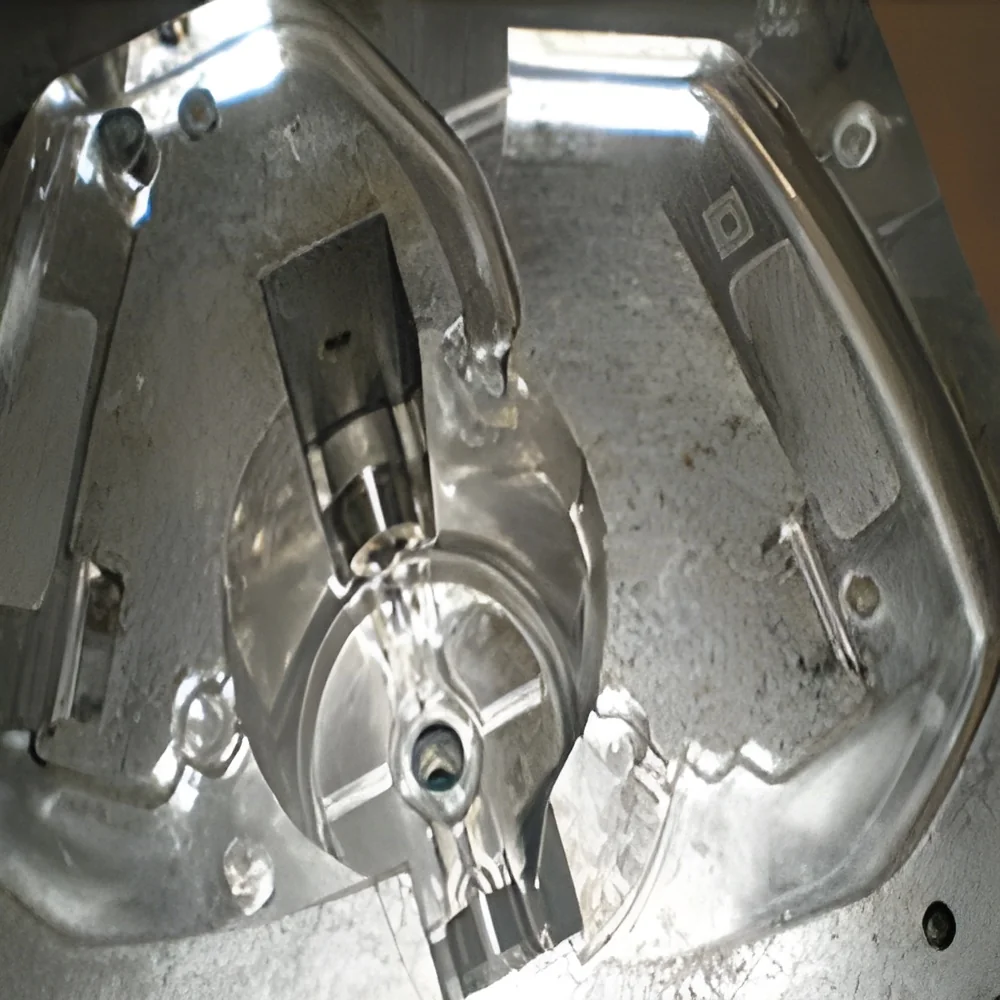
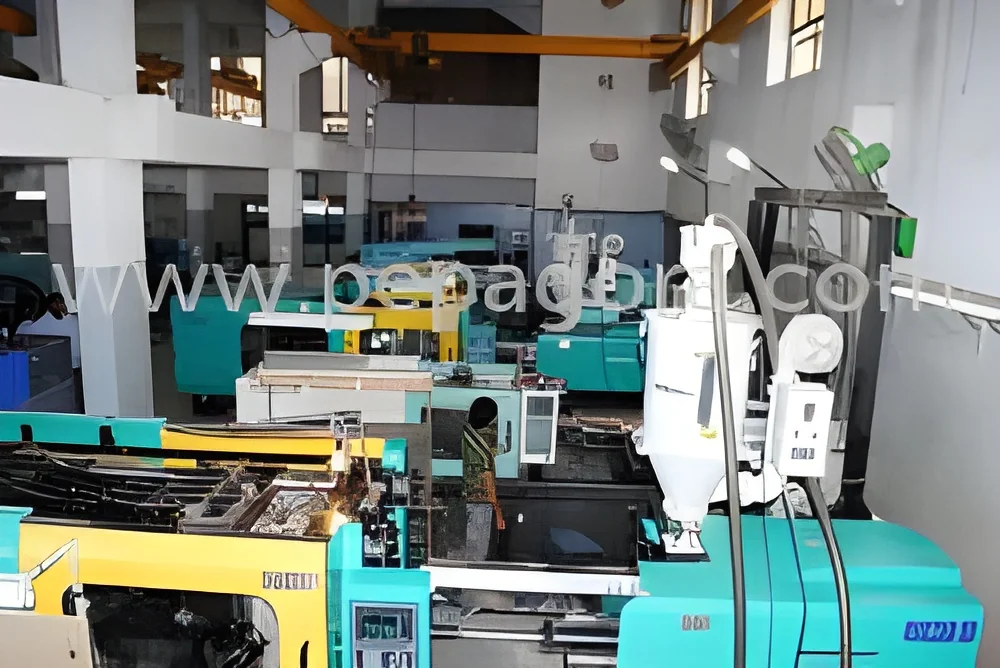
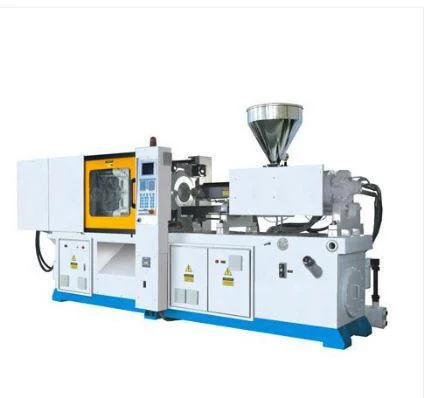
Plastic and injection molding machine servicing refers to the maintenance and repair of machines used in the production of plastic components through the injection molding process. This process involves melting plastic pellets and injecting the molten plastic into molds to create specific shapes and designs. Proper servicing of these machines is essential to ensure optimal performance and longevity, reducing downtime and enhancing production efficiency.
These services are primarily used in a variety of industries, including automotive, consumer goods, medical devices, and packaging. Businesses rely on injection molding for high-volume production of complex parts with precision and consistency. Regular servicing helps maintain the machines' operational integrity, ensuring that businesses can meet manufacturing demands effectively.
In the current market context, the demand for plastic and injection molded products continues to grow, driven by trends in lightweight materials and complex designs. Ensuring that the machinery operates at peak efficiency is vital in maintaining competitiveness in this evolving industry landscape.
Key Features and Specifications
When considering plastic and injection molding machine servicing, it is important to understand the key features and specifications that define quality service. These specifications can impact machine reliability and production outcomes.
Key specifications include:
1. Quality Standards
- Adherence to recognized quality standards like ISO 9001 ensures a consistent quality of service.
- Compliance with industry regulations enhances operational safety.
2. Technical Expertise
- Service technicians should have specialized training in injection molding machinery.
- Knowledge of various machine brands and models is crucial for effective service.
3. Maintenance Frequency
- Regular maintenance schedules, usually recommended every three to six months, help in identifying potential issues early.
- A proactive maintenance approach minimizes unexpected breakdowns.
4. Diagnostic Tools
- Use of advanced diagnostic tools to assess machine performance and identify issues.
- Integration of monitoring software for real-time performance tracking.
5. Parts Replacement
- Availability of OEM (Original Equipment Manufacturer) parts ensures compatibility and reliability.
- Quick access to spare parts reduces downtime during repairs.
6. Customization Options
- Service packages can be tailored to meet specific machine requirements or operational demands.
- Flexibility in service agreements to accommodate different business needs.
7. Warranty and Support
- Service agreements should include warranties for parts and labor.
- Access to technical support for troubleshooting and guidance.
In summary, understanding these key features and specifications is vital for businesses aiming to maintain their injection molding machines effectively, ensuring long-term productivity and efficiency.
Common Applications and Use Cases
Plastic and injection molding machine servicing has a wide range of applications across various industries.
1. Automotive: Injection molding is extensively used for producing components such as dashboards, bumpers, and interior fittings. Servicing ensures that production lines run smoothly, minimizing delays in automotive manufacturing.
2. Consumer Goods: Many everyday products, including containers, toys, and appliances, are created using injection molding. Regular maintenance helps manufacturers meet consumer demand efficiently.
3. Medical Devices: The production of medical components, such as syringes and inhalers, relies on precise injection molding technology. Servicing these machines is critical for meeting stringent safety and quality standards.
4. Packaging: Injection molding plays a significant role in producing plastic packaging solutions. Efficient servicing ensures that packaging manufacturers can keep up with high-volume production needs.
5. Electronics: Components such as housings and connectors for electronic devices are often made using injection molding. Proper servicing helps maintain the quality and reliability of these products.
6. Construction: Plastic parts used in construction applications, such as pipes and fittings, benefit from reliable injection molding processes. Regular servicing ensures compliance with industry standards.
7. Aerospace: Injection molded parts used in aerospace applications require high precision. Servicing is essential to maintain the integrity and performance of these critical components.
Product Variants and Subcategories
Plastic and injection molding machine servicing can encompass various approaches and techniques tailored to specific machine types and operational needs.
Preventive Maintenance
This variant focuses on scheduled servicing and inspections to prevent potential issues before they occur. It includes regular checks and adjustments to ensure optimal machine performance.
Corrective Maintenance
This approach involves addressing specific issues as they arise. It typically includes repairs or part replacements to rectify malfunctioning components.
Predictive Maintenance
Utilizing advanced diagnostic tools, predictive maintenance anticipates failures based on data analysis. This method aims to reduce downtime by addressing issues before they lead to machine failure.
Benefits and Advantages
The benefits of plastic and injection molding machine servicing are significant for manufacturers.
1. Enhanced Efficiency: Regular servicing ensures machines operate at peak performance, reducing production delays.
2. Cost Savings: Preventive maintenance helps avoid costly repairs and extends the lifespan of the machinery.
3. Improved Quality: Well-maintained machines produce higher-quality products, minimizing defects and waste.
4. Increased Safety: Regular servicing ensures compliance with safety standards, protecting workers and reducing liability.
5. Downtime Reduction: Proactive maintenance schedules help minimize unexpected breakdowns, keeping production lines running smoothly.
6. Better Compliance: Servicing helps ensure that machines meet industry regulations and standards, facilitating smoother operations.
Buying Guide for B2B Buyers
When sourcing plastic and injection molding machine servicing, several factors should be considered to ensure optimal service quality and business outcomes.
1. Quality Assessment: Evaluate potential service providers based on their adherence to recognized quality standards and previous performance records. Ensure they have the necessary certifications and expertise.
2. Supplier Verification: Vet suppliers thoroughly by checking references, customer reviews, and industry reputation. A reliable supplier will have a proven track record in servicing your specific machine types.
3. Pricing and MOQ: Understand the pricing structure and any minimum order quantities (MOQ) associated with service agreements. Compare quotes from multiple suppliers to ensure competitive pricing.
4. Delivery and Lead Times: Assess the supplier's ability to meet your operational timelines. Quick response times for servicing requests are essential to minimize disruptions.
5. Compliance Requirements: Ensure that the service provider is knowledgeable about and compliant with relevant industry regulations and safety standards. This is crucial for maintaining operational integrity.
Compliance and Certifications
Compliance with quality standards is essential in the plastic and injection molding machine servicing industry. Many service providers adhere to standards such as ISO 9001, which ensures a consistent approach to quality management and operational excellence.
Industry certifications such as CE mark indicate that the services meet European health, safety, and environmental protection standards. These certifications provide assurance to businesses about the reliability and safety of the services provided.
Safety and testing requirements are also paramount in this field. Regular inspections and adherence to safety protocols help prevent accidents and ensure a safe working environment. Additionally, regional compliance considerations must be taken into account, as different areas may have specific regulations governing manufacturing processes.
Why Source Plastic & Injection Molding Machine Servicing from Pepagora?
Pepagora offers a trusted platform for sourcing plastic and injection molding machine servicing, providing several key advantages that benefit B2B buyers.
Verified Supplier Network: Pepagora has established a network of verified suppliers, ensuring that businesses can connect with reputable service providers. This network facilitates trust and reliability in the sourcing process.
Streamlined RFQ Process: The request for quotation (RFQ) process on the Pepagora platform is designed to be efficient and straightforward. Buyers can easily submit their requirements and receive competitive quotes from multiple suppliers in a timely manner.
Trade Assurance and Support: Pepagora provides trade assurance, protecting buyers from potential issues during the transaction process. This support adds an extra layer of security, enabling businesses to source services with confidence.
Regional Coverage: With a strong presence in regions such as India, GCC, and Southeast Asia, Pepagora ensures that businesses can access quality plastic and injection molding machine servicing tailored to their local markets. This geographic reach enhances the ability to meet diverse operational needs across various industries.

 IN
IN