
 IN
Livestock Farming Equipment
105 products available
𝗪𝗵𝗮𝘁 𝗮𝗿𝗲 𝗟𝗶𝘃𝗲𝘀𝘁𝗼𝗰𝗸 𝗙𝗮𝗿𝗺𝗶𝗻𝗴 𝗘𝗾𝘂𝗶𝗽𝗺𝗲𝗻𝘁?
Livestock farming equipment encompasses a wide range of tools and machinery designed to support the needs of farmers managing various types of livestock. These products are essential for daily operations, enabling farmers to enhance productivity, streamline processes, and ensure the welfare of animals. Equipment can range from basic feeding and watering systems to advanced monitoring technologies that help manage health and productivity.
The primary applications of livestock farming equipment include feeding, watering, milking, waste management, and health monitoring. These tools are vital in both small farms and large-scale operations, allowing for efficient resource management and improved animal care. In an industry where efficiency and animal welfare are paramount, investing in the right equipment can lead to significant operational benefits and sustainability.
The livestock farming equipment market has seen growth due to increasing demand for animal products and advancements in agricultural technology. Farmers are now more inclined to adopt modern equipment that enhances productivity while ensuring compliance with industry standards. This trend reflects a broader shift towards more sustainable and efficient farming practices.
𝗞𝗲𝘆 𝗙𝗲𝗮𝘁𝘂𝗿𝗲𝘀 𝗮𝗻𝗱 𝗦𝗽𝗲𝗰𝗶𝗳𝗶𝗰𝗮𝘁𝗶𝗼𝗻𝘀
Livestock farming equipment features various specifications that cater to the needs of different livestock types and farming methods. Understanding these specifications is crucial for selecting the right equipment.
Key specifications include:
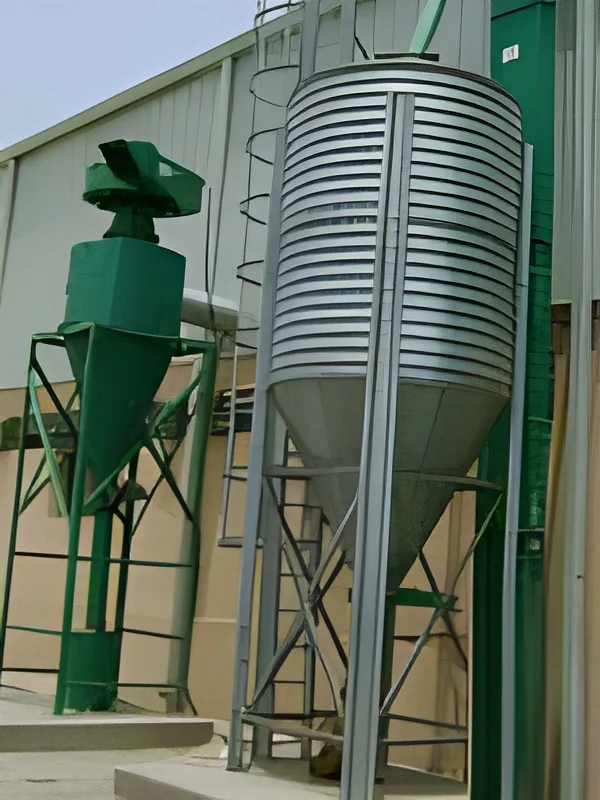
1. Feeding Systems
- Automated feeders designed for various livestock types.
- Capacity ranges from 100 to 1,000 pounds depending on system size.
2. Watering Systems
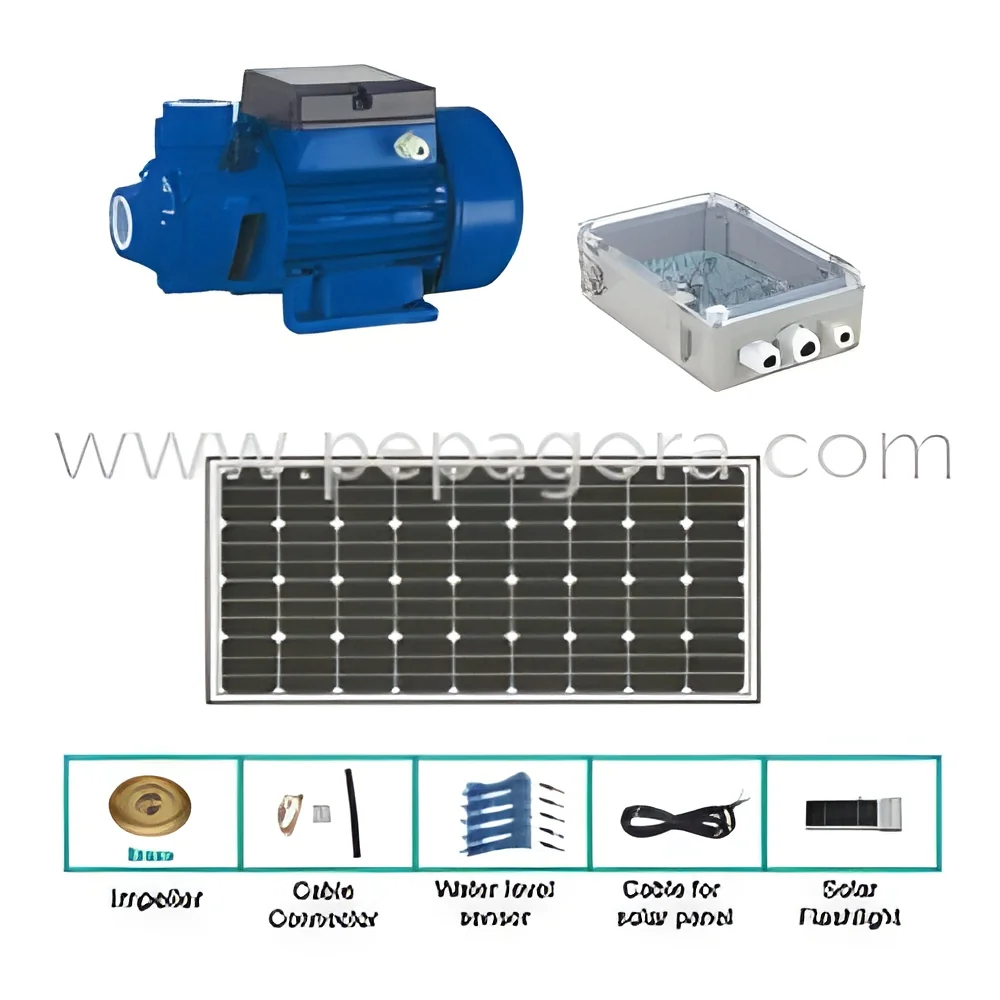
- Automatic watering systems to ensure constant hydration.
- Flow rates typically between 2 to 10 gallons per minute.
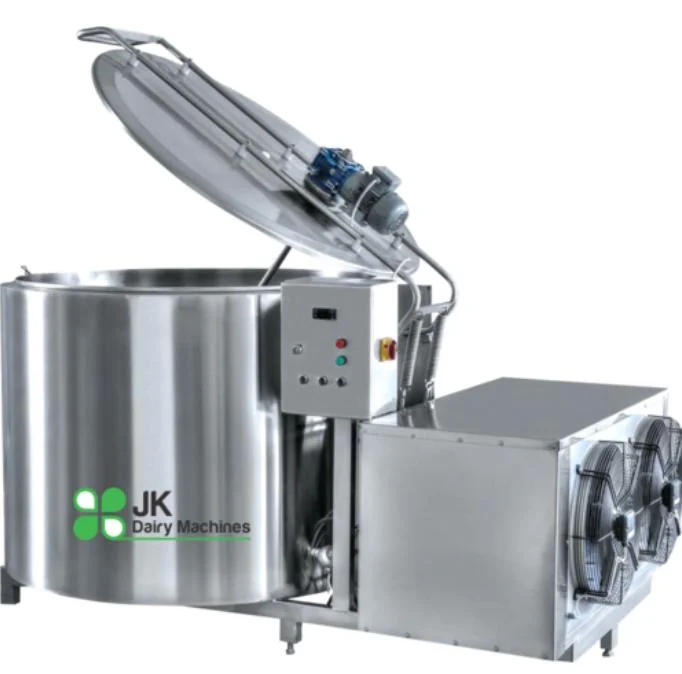
3. Milking Equipment
- Milking machines that are easy to operate and maintain.
- Designed to handle up to 12 cows at a time.
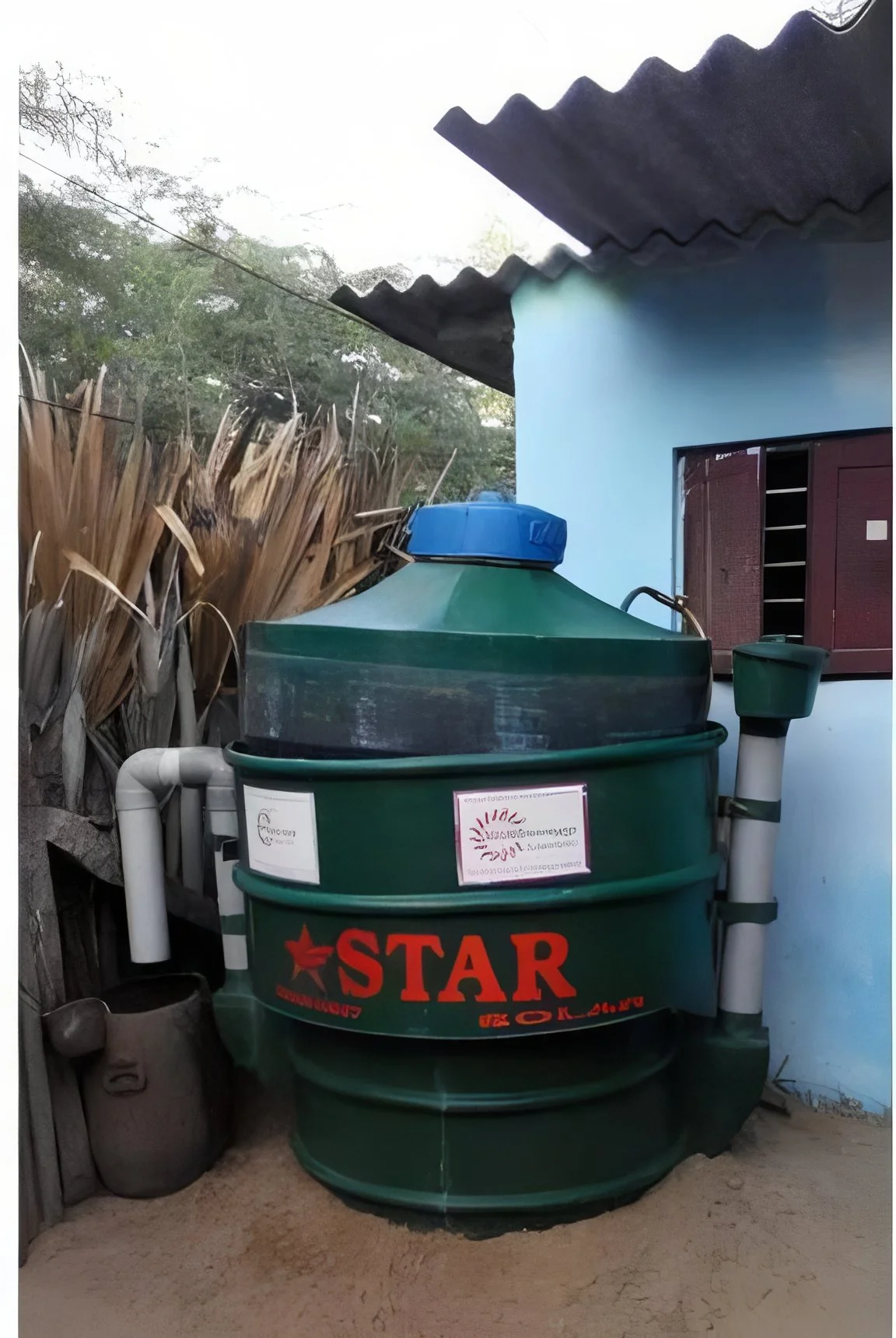
4. Waste Management Systems
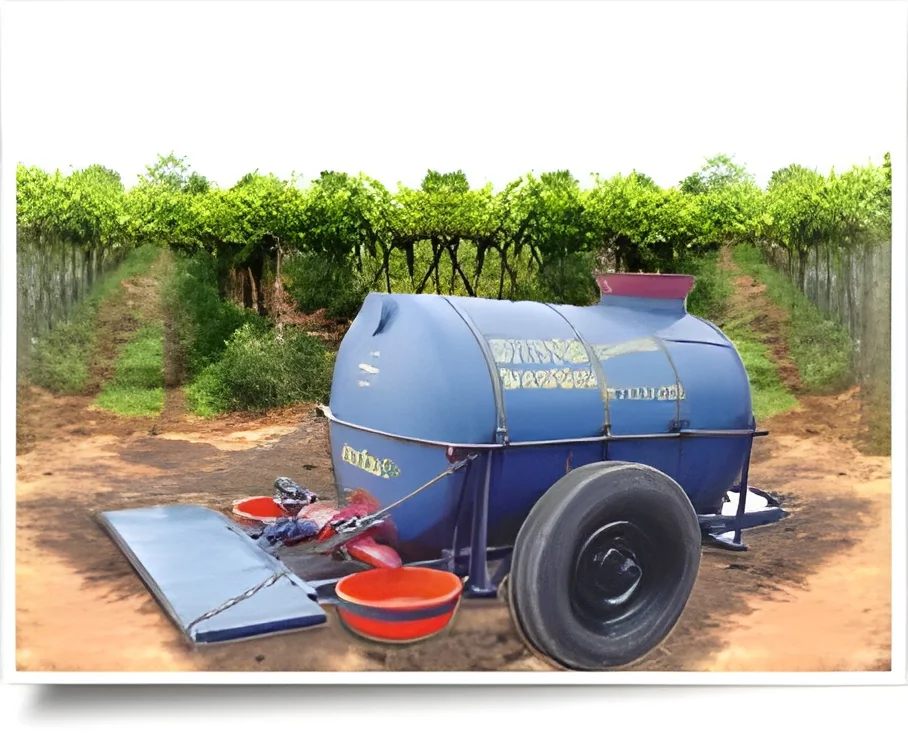
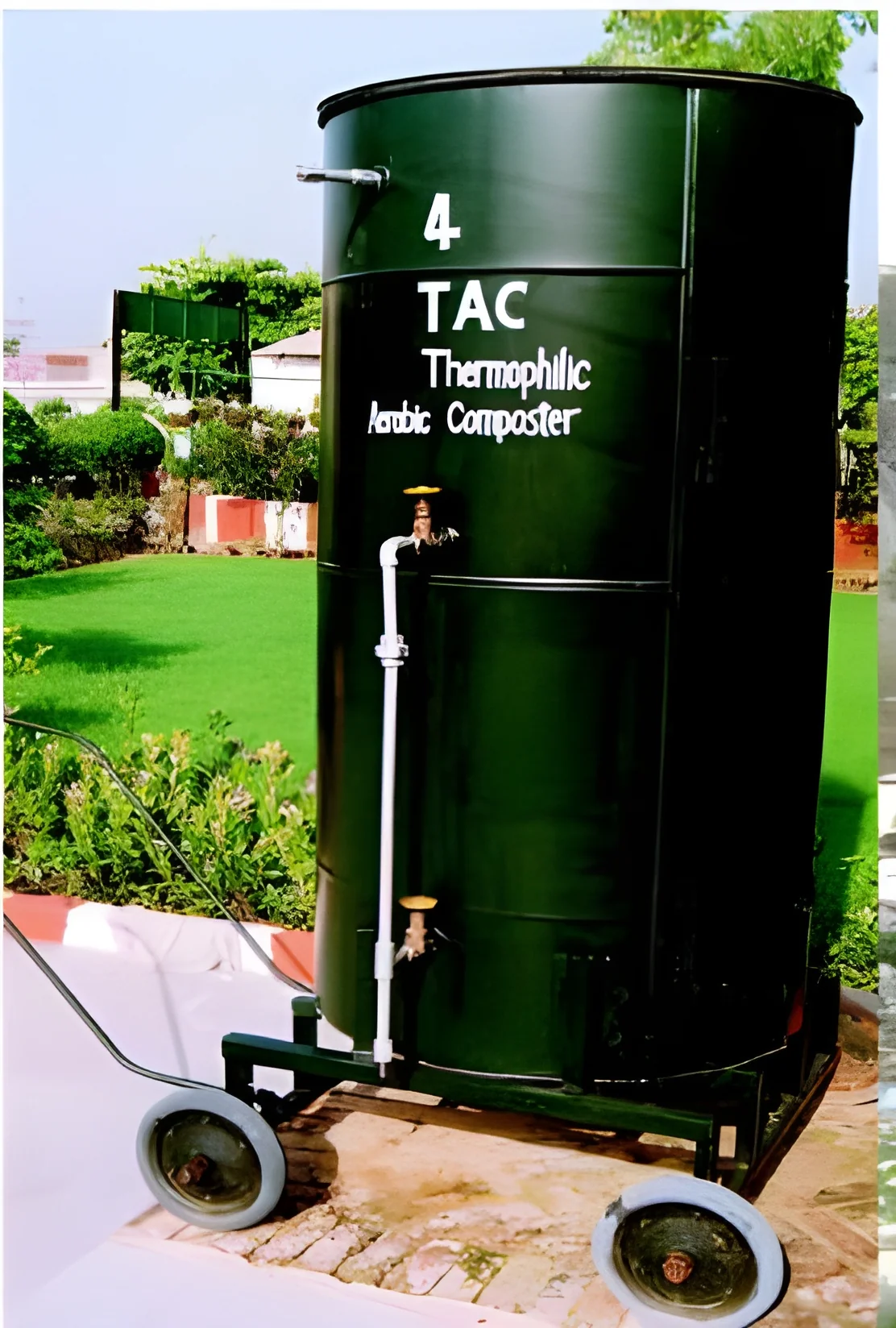
- Manure spreaders and composting equipment.
- Capacity options range from 500 to 3,000 liters.
5. Health Monitoring Tools
- Sensors for tracking health and activity levels of animals.
- Data transmission capabilities via Wi-Fi or Bluetooth.
6. Climate Control Systems
- Ventilation and heating systems for barns and animal enclosures.
- Temperature control ranges between 60 to 80 degrees Fahrenheit.
7. Biosecurity Equipment
- Disinfection systems for equipment and facilities.
- Compliance with health regulations for livestock safety.
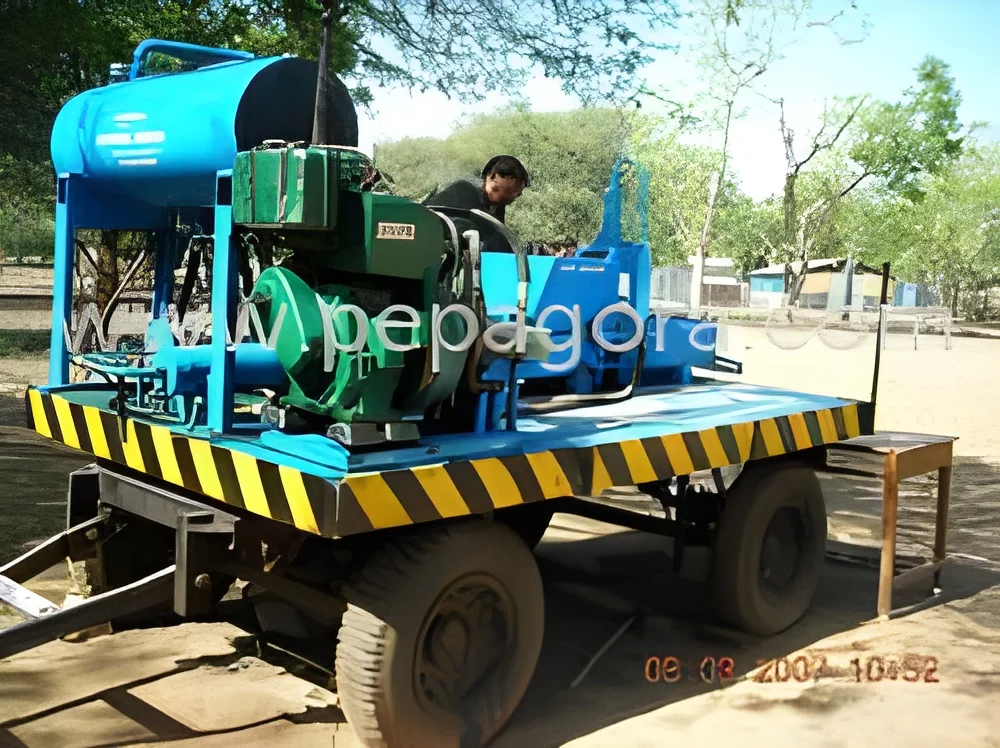
8. Transportation Equipment
- Livestock trailers designed for safe and humane transport.
- Variants available for different livestock sizes and types.
These specifications help farmers choose equipment that meets their specific operational needs while ensuring animal welfare and productivity.
𝗖𝗼𝗺𝗺𝗼𝗻 𝗔𝗽𝗽𝗹𝗶𝗰𝗮𝘁𝗶𝗼𝗻𝘀 𝗮𝗻𝗱 𝗨𝘀𝗲 𝗖𝗮𝘀𝗲𝘀
Livestock farming equipment serves various industries beyond traditional farming.
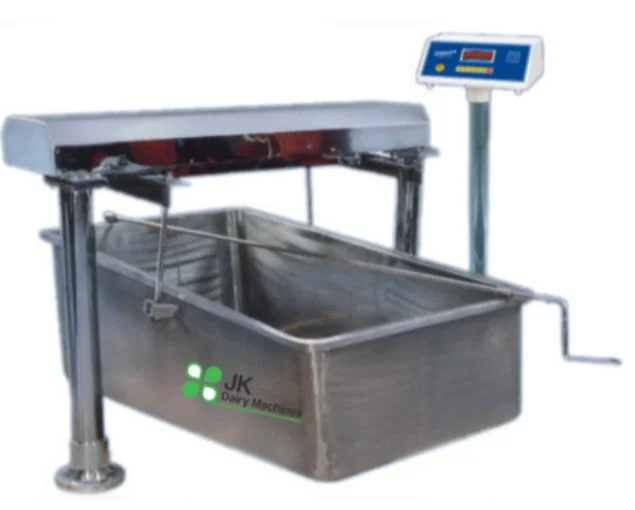
1. Dairy Farming: Milking machines and feeding systems are critical for managing dairy herds, ensuring efficient milk production while maintaining animal health.
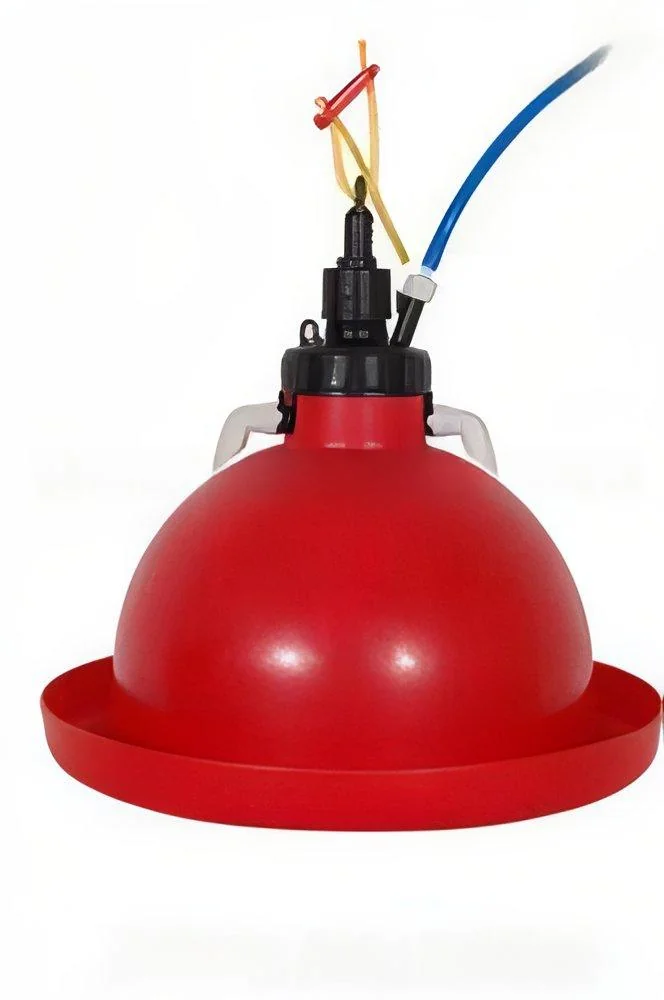
2. Poultry Farming: Automated feeding and watering systems are essential in poultry operations, optimizing feed efficiency and minimizing labor.
3. Beef Cattle Farming: Equipment for waste management and climate control helps maintain optimal conditions for beef cattle, enhancing growth and production.
4. Swine Farming: Health monitoring tools assist in tracking the well-being of pigs, leading to better growth rates and reduced veterinary costs.
5. Sheep Farming: Equipment for shearing and feeding helps streamline operations, ensuring sheep are well-cared for and productive.
6. Aquaculture: Specialized feeding systems are used to manage fish stocks, ensuring optimal feed distribution and growth monitoring.
7. Organic Farming: Equipment designed for sustainable practices, such as composting systems, supports organic farming initiatives and enhances soil health.
𝗣𝗿𝗼𝗱𝘂𝗰𝘁 𝗩𝗮𝗿𝗶𝗮𝗻𝘁𝘀 𝗮𝗻𝗱 𝗦𝘂𝗯𝗰𝗮𝘁𝗲𝗴𝗼𝗿𝗶𝗲𝘀
Livestock farming equipment comes in diverse variants to cater to different farming needs and livestock types.
𝗙𝗲𝗲𝗱𝗶𝗻𝗴 𝗦𝘆𝘀𝘁𝗲𝗺𝘀
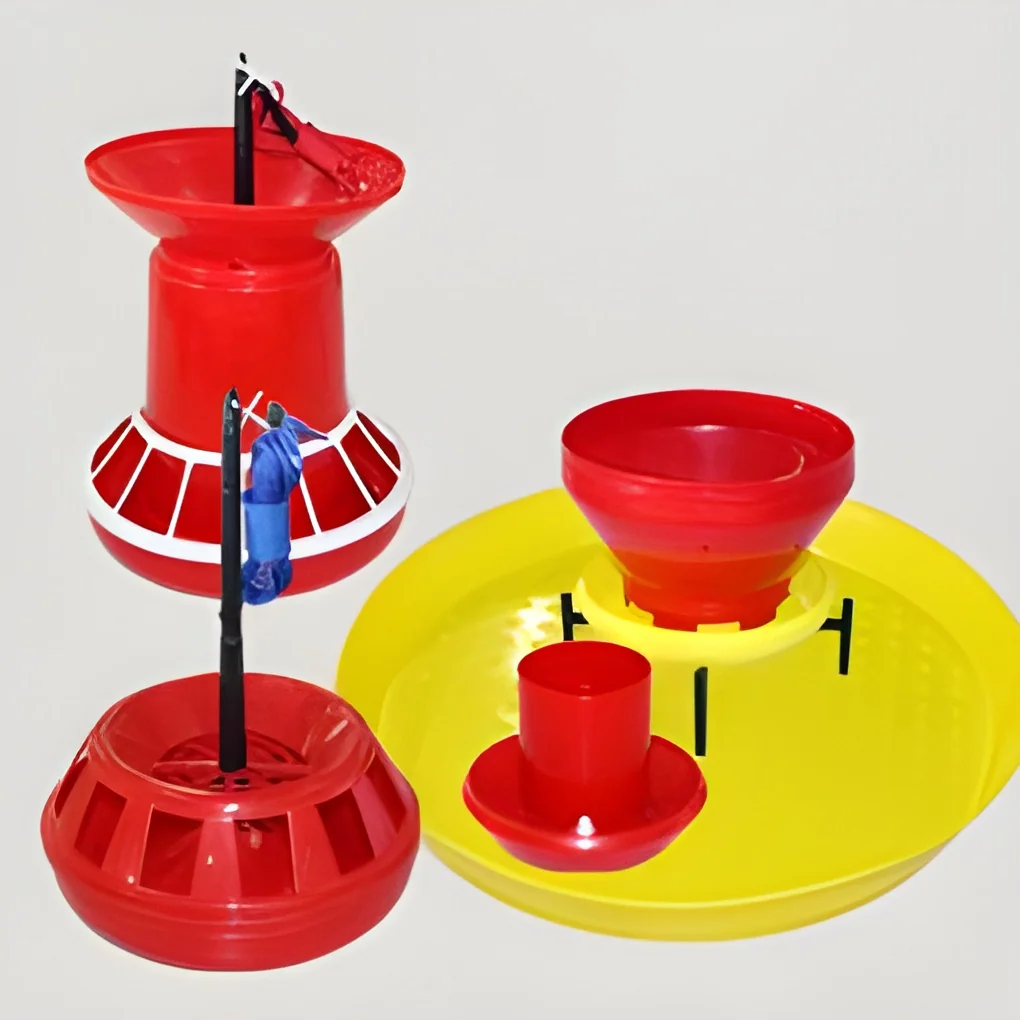
These systems include automated feeders that dispense precise amounts of feed at scheduled intervals. They help reduce waste and ensure all animals receive adequate nutrition.
𝗠𝗶𝗹𝗸𝗶𝗻𝗴 𝗘𝗾𝘂𝗶𝗽𝗺𝗲𝗻𝘁
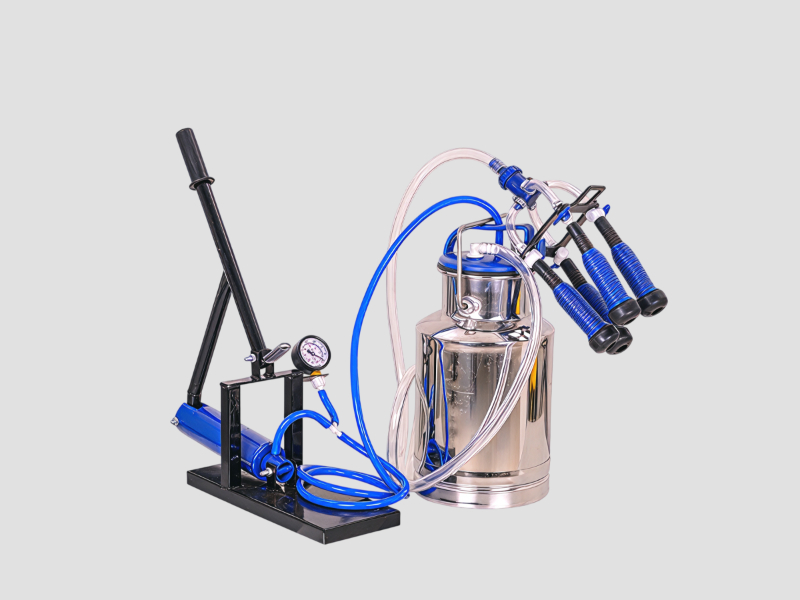
This variant includes various milking machines designed for efficiency and ease of use. They are available in different capacities, suitable for small to large dairy operations.
𝗪𝗮𝘁𝗲𝗿𝗶𝗻𝗴 𝗦𝘆𝘀𝘁𝗲𝗺𝘀
Automated watering solutions provide consistent access to fresh water for livestock. These systems help maintain hydration and reduce manual labor.
𝗛𝗲𝗮𝗹𝘁𝗵 𝗠𝗼𝗻𝗶𝘁𝗼𝗿𝗶𝗻𝗴 𝗧𝗼𝗼𝗹𝘀
These tools include wearable sensors and smart devices that track livestock health metrics. They offer real-time data to help farmers make informed decisions.
𝗕𝗲𝗻𝗲𝗳𝗶𝘁𝘀 𝗮𝗻𝗱 𝗔𝗱𝘃𝗮𝗻𝘁𝗮𝗴𝗲𝘀
Investing in livestock farming equipment offers numerous advantages for farmers.
1. Increased Efficiency: Automated systems reduce labor costs and streamline daily operations.
2. Enhanced Animal Welfare: Proper equipment ensures that livestock have access to food, water, and health monitoring, contributing to their overall well-being.
3. Improved Productivity: Efficient feeding and health monitoring can lead to higher yields in milk, meat, and eggs.
4. Cost Savings: Automation and proper management can reduce feed waste and veterinary expenses.
5. Compliance Support: Quality equipment often meets industry standards, helping farmers comply with regulations.
6. Data-Driven Insights: Advanced monitoring tools provide valuable insights that can inform management decisions and improve operations.
𝗕𝘂𝘆𝗶𝗻𝗴 𝗚𝘂𝗶𝗱𝗲 𝗳𝗼𝗿 𝗕𝟮𝗕 𝗕𝘂𝘆𝗲𝗿𝘀
When sourcing livestock farming equipment, buyers should consider several crucial factors.
1. Quality Assessment: Evaluate the quality of materials and construction. Look for reputable brands with a history of reliability.
2. Supplier Verification: Conduct thorough checks on suppliers to ensure they are credible and have a track record of providing quality equipment.
3. Pricing and MOQ: Understand the pricing structure and minimum order quantities. Compare offers from multiple suppliers to find the best deal.
4. Delivery and Lead Times: Discuss logistics with suppliers to ensure timely delivery of equipment, as delays can impact operations.
5. Compliance Requirements: Familiarize yourself with local regulations and ensure the equipment meets necessary compliance standards.
𝗖𝗼𝗺𝗽𝗹𝗶𝗮𝗻𝗰𝗲 𝗮𝗻𝗱 𝗖𝗲𝗿𝘁𝗶𝗳𝗶𝗰𝗮𝘁𝗶𝗼𝗻𝘀
Compliance and certifications are critical in the livestock farming equipment industry. Adhering to quality standards such as ISO 9001 ensures that products meet international benchmarks for quality management systems. HACCP (Hazard Analysis and Critical Control Points) guidelines help maintain food safety and quality, particularly in dairy and meat production.
Industry certifications like CE signify that the equipment complies with European health, safety, and environmental protection standards. It is essential for farmers to understand these certifications to ensure they are investing in reliable equipment.
Safety and testing requirements are also paramount. Equipment should undergo rigorous testing to ensure it meets operational and safety standards. Additionally, regional compliance considerations may vary, necessitating awareness of local regulations governing livestock farming.
𝗪𝗵𝘆 𝗦𝗼𝘂𝗿𝗰𝗲 𝗟𝗶𝘃𝗲𝘀𝘁𝗼𝗰𝗸 𝗙𝗮𝗿𝗺𝗶𝗻𝗴 𝗘𝗾𝘂𝗶𝗽𝗺𝗲𝗻𝘁 𝗳𝗿𝗼𝗺 𝗣𝗲𝗽𝗮𝗴𝗼𝗿𝗮?
Pepagora provides a trusted platform for sourcing livestock farming equipment, offering several key advantages to buyers.
Verified Supplier Network: Pepagora connects buyers with a network of verified suppliers known for their quality products and reliability. This network helps streamline the sourcing process.
Streamlined RFQ Process: The platform features an efficient request for quotation (RFQ) system, allowing buyers to easily compare offers and make informed purchasing decisions.
Trade Assurance and Support: Pepagora offers trade assurance, providing buyers with protection during transactions. Their support team is available to assist with any inquiries or issues that may arise.
Regional Coverage: With a strong presence in India, the GCC, and Southeast Asia, Pepagora facilitates access to a broad range of livestock farming equipment tailored to the needs of farmers in these regions. This regional focus ensures that buyers can find solutions specific to their local market conditions.








Frequently Asked Questions
What are Livestock Farming Equipment?
Livestock Farming Equipment refers to the tools, machines, and devices used in the management and care of livestock. This includes equipment for feeding, watering, cleaning, and housing animals, which are essential for efficient farming operations.
What are the different types of Livestock Farming Equipment?
The various types of Livestock Farming Equipment include feeders, waterers, milking machines, handling equipment, and housing systems. Each type serves a specific function aimed at enhancing the productivity and welfare of the animals.
How do I choose the right Livestock Farming Equipment?
Choosing the right Livestock Farming Equipment involves assessing your specific farming needs, the type of livestock you are raising, and the scale of your operations. It's also important to consider factors like durability, ease of use, and maintenance requirements.
What are the standard specifications for Livestock Farming Equipment?
Standard specifications for Livestock Farming Equipment often include materials used, dimensions, capacity, and energy requirements. Compliance with agricultural safety standards and regulations is also crucial for ensuring the equipment's reliability and effectiveness.
What is the price range for Livestock Farming Equipment?
The price range for Livestock Farming Equipment can vary widely based on the type and complexity of the equipment. Generally, prices can start from a few thousand rupees for basic tools to several lakhs for advanced machinery.
What quality standards apply to Livestock Farming Equipment?
Quality standards for Livestock Farming Equipment typically include durability, safety, and effectiveness. Many manufacturers adhere to international standards such as ISO or specific agricultural standards to ensure their products meet industry requirements.
Where can I find Livestock Farming Equipment suppliers in India?
Livestock Farming Equipment suppliers in India can be found through online B2B marketplaces, agricultural trade shows, and local agricultural supply stores. Websites like Pepagora.com provide a platform to connect with various manufacturers and suppliers.
Can Livestock Farming Equipment be customized?
Yes, many suppliers offer customization options for Livestock Farming Equipment to meet specific needs and preferences. Customization can include alterations in size, features, and functionalities based on different farming practices.
What is the typical minimum order quantity for Livestock Farming Equipment?
The typical minimum order quantity (MOQ) for Livestock Farming Equipment can vary by supplier and product type. Generally, MOQs can range from one unit for small items to larger batches for machinery, depending on manufacturer policies.
What is the typical lead time for Livestock Farming Equipment?
The typical lead time for Livestock Farming Equipment can vary based on the supplier and the complexity of the order. Generally, lead times can range from a few days for readily available products to several weeks for customized equipment.
Why Businesses Trust Pepagora
Thousands of companies trust Pepagora to source smarter and sell faster
Expand Your Sales Globally

Source Smarter,Grow Faster
