
 IN
INLeather Goods & Belt Manufacturers
182 products available
𝗪𝗵𝗮𝘁 𝗮𝗿𝗲 𝗟𝗲𝗮𝘁𝗵𝗲𝗿 𝗚𝗼𝗼𝗱𝘀 & 𝗕𝗲𝗹𝘁 𝗠𝗮𝗻𝘂𝗳𝗮𝗰𝘁𝘂𝗿𝗲𝗿𝘀?
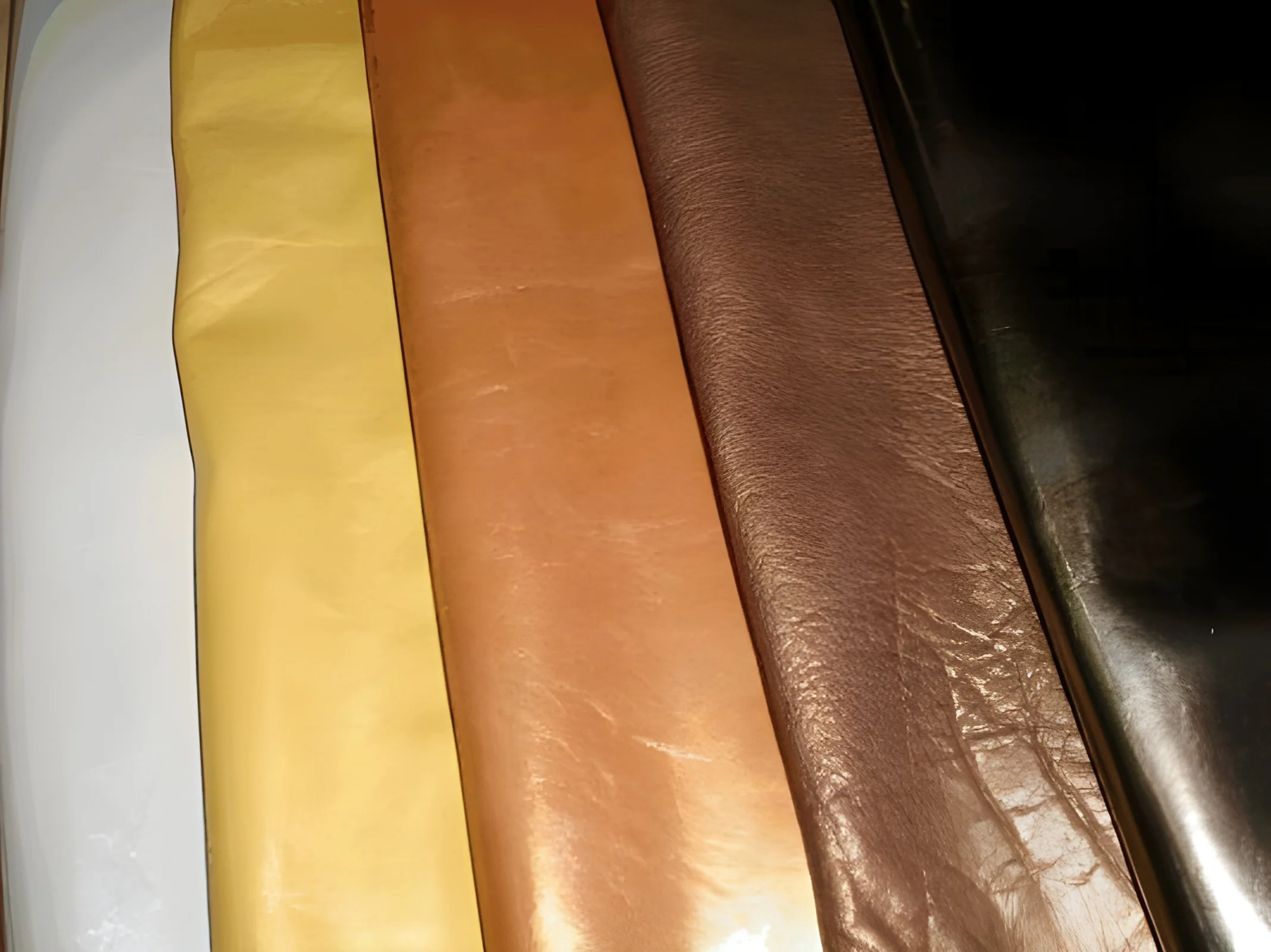
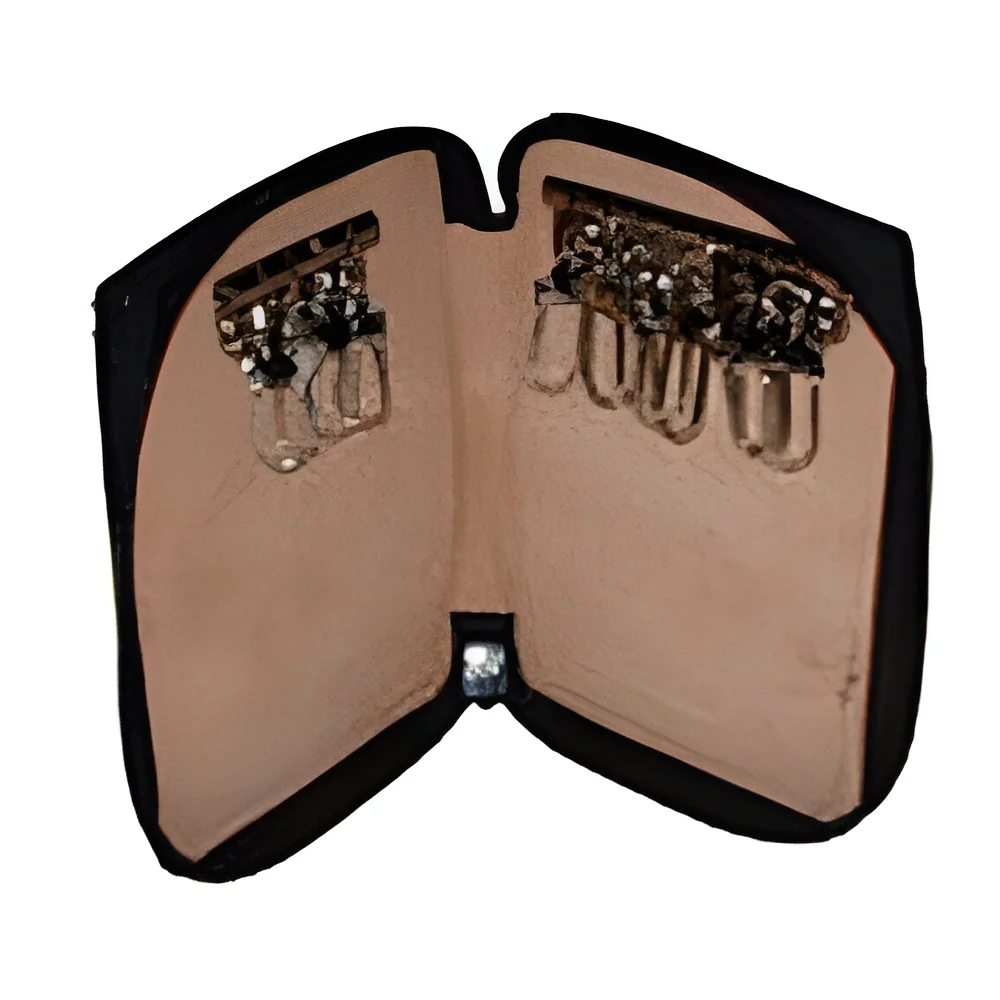
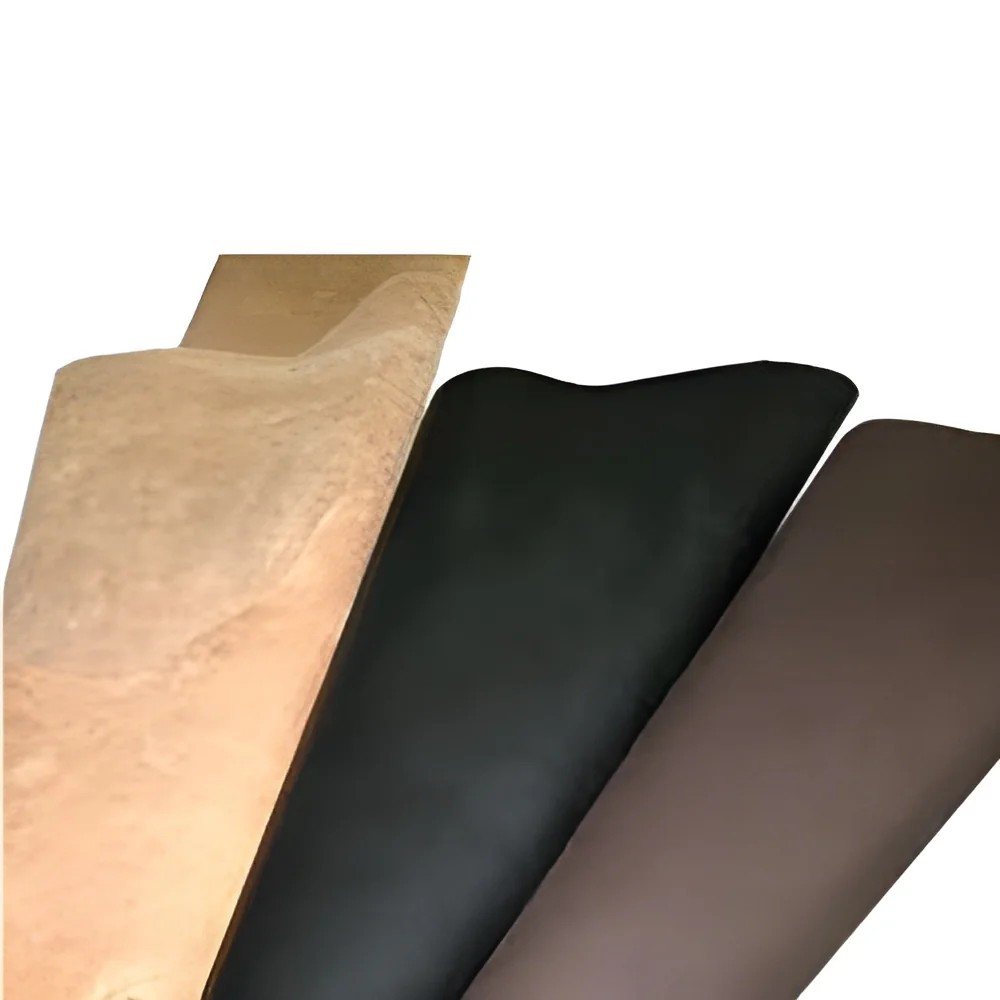
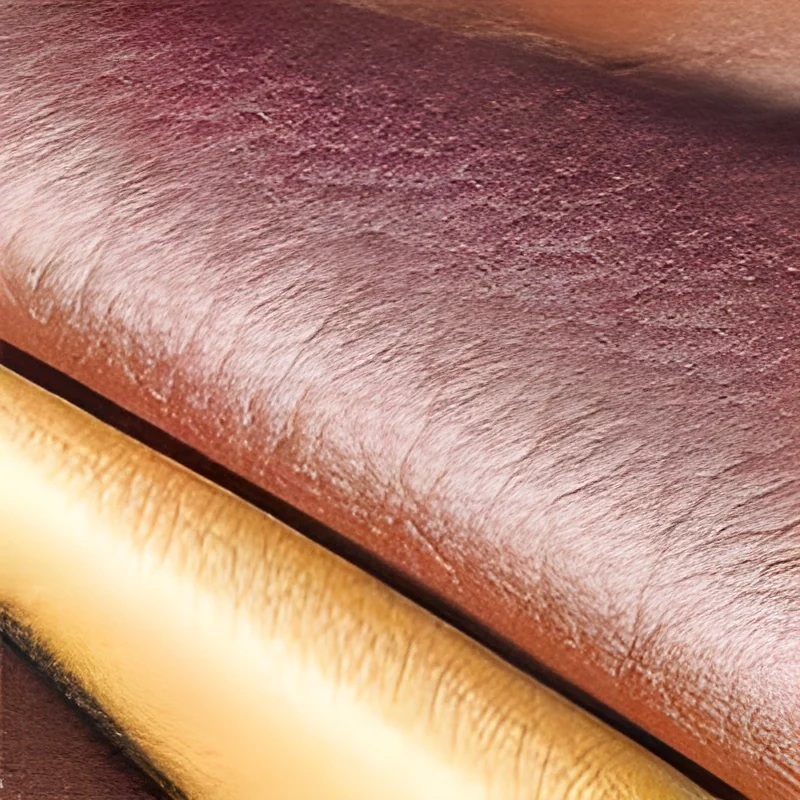
Leather goods and belt manufacturers specialize in producing a wide array of products made from leather. These products can range from belts and wallets to bags and jackets. The process involves sourcing quality leather, designing products, and implementing manufacturing techniques that ensure durability and aesthetic appeal. Manufacturers may also offer custom solutions tailored to specific client needs.
These products are essential in various sectors, including fashion, automotive, and industrial applications. Leather goods serve both functional and decorative purposes, providing consumers with stylish accessories while also being used for practical items such as tool belts or protective gear. The leather goods industry is significant in the global market, with a growing demand for sustainable and ethical production practices.
As the market evolves, manufacturers must adapt to changing consumer preferences and trends. This includes integrating technology into production and focusing on quality standards to meet customer expectations. Understanding the dynamics of this industry is crucial for businesses looking to source leather goods and belts.
𝗞𝗲𝘆 𝗙𝗲𝗮𝘁𝘂𝗿𝗲𝘀 𝗮𝗻𝗱 𝗦𝗽𝗲𝗰𝗶𝗳𝗶𝗰𝗮𝘁𝗶𝗼𝗻𝘀
When evaluating leather goods and belt manufacturers, it is important to consider various technical specifications and features that define the quality and usability of the products. These specifications help buyers make informed decisions based on their specific requirements.
Key specifications include:
1. Material Quality
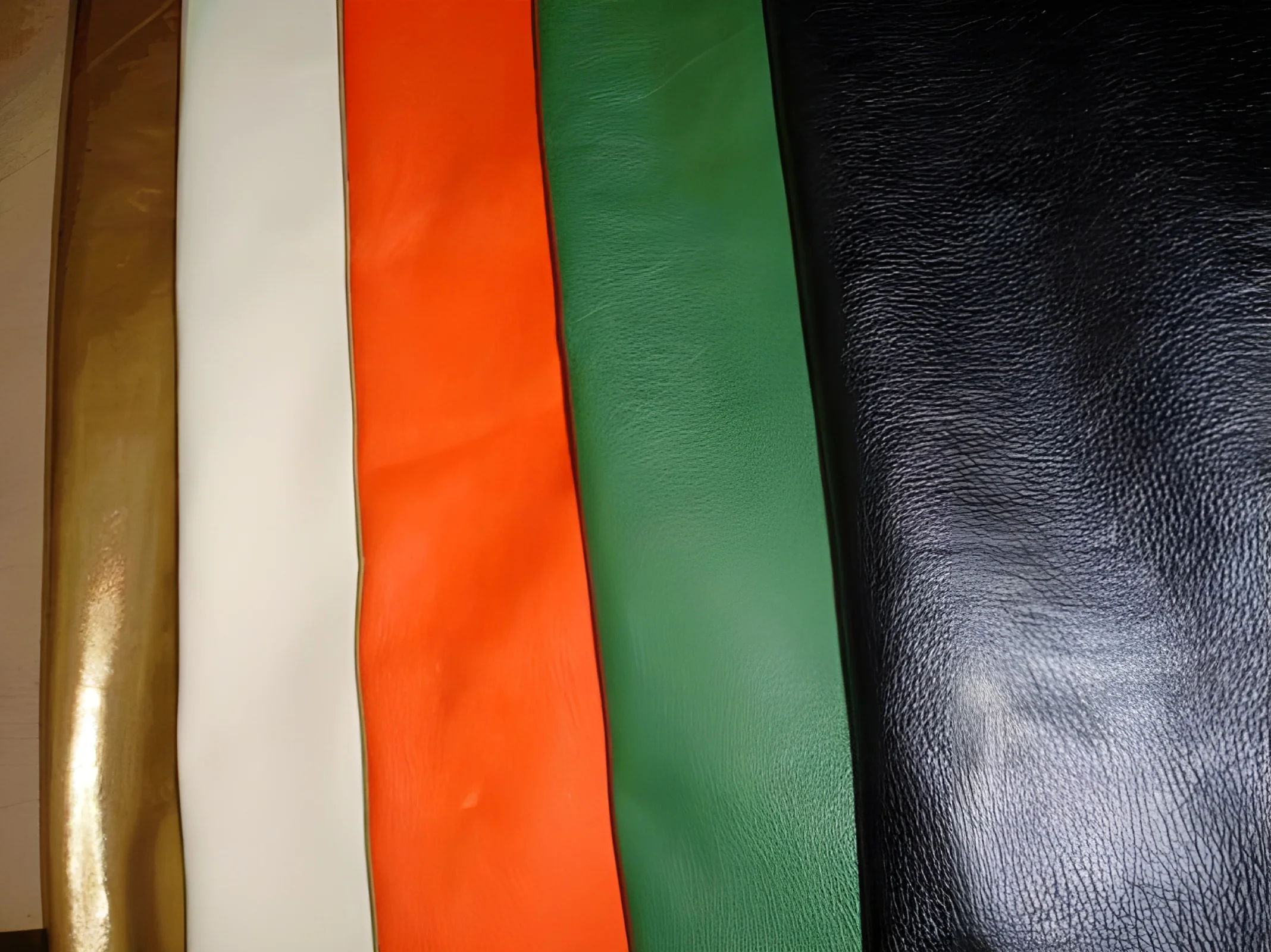
- Full-grain, top-grain, and genuine leather options available.
- Thickness typically ranges from 1.2mm to 3.0mm.
2. Durability
- Resistance to wear and tear, ensuring longevity of products.
- Ability to withstand various environmental conditions.
3. Design Customization
- Options for personalized designs and branding.
- Flexibility in size, color, and style to meet client needs.
4. Manufacturing Techniques
- Handcrafted versus machine-made items.
- Use of traditional techniques versus modern technology.
5. Eco-Friendliness
- Sourcing of sustainable leather.
- Compliance with environmental standards in production.
6. Safety Standards
- Adherence to regulations regarding the use of chemicals in tanning.
- Certifications for consumer safety.
7. Packaging and Presentation
- Options for customized packaging.
- Focus on aesthetic appeal for retail environments.
8. Lead Times
- Typical production lead times ranging from 4 to 12 weeks.
- Factors affecting lead times, such as order size and customization.
In summary, understanding these features and specifications can greatly enhance the purchasing process, ensuring that buyers select high-quality leather goods that meet their business needs.
𝗖𝗼𝗺𝗺𝗼𝗻 𝗔𝗽𝗽𝗹𝗶𝗰𝗮𝘁𝗶𝗼𝗻𝘀 𝗮𝗻𝗱 𝗨𝘀𝗲 𝗖𝗮𝘀𝗲𝘀
Leather goods and belts find applications across various industries, each with unique requirements.
1. Fashion Industry: Leather belts and accessories are staples in fashion, often used by designers to enhance collections. Custom designs are popular for brand differentiation.
2. Automotive Industry: Leather is commonly used in vehicle interiors, including seats, steering wheels, and trim. Manufacturers provide durable materials that meet safety and aesthetic standards.
3. Industrial Applications: Tool belts and protective gear made from leather are vital in construction and manufacturing sectors, offering durability and functionality for workers.
4. Retail Sector: Leather goods serve as luxury items in retail, appealing to consumers looking for quality products. This includes handbags, wallets, and belts.
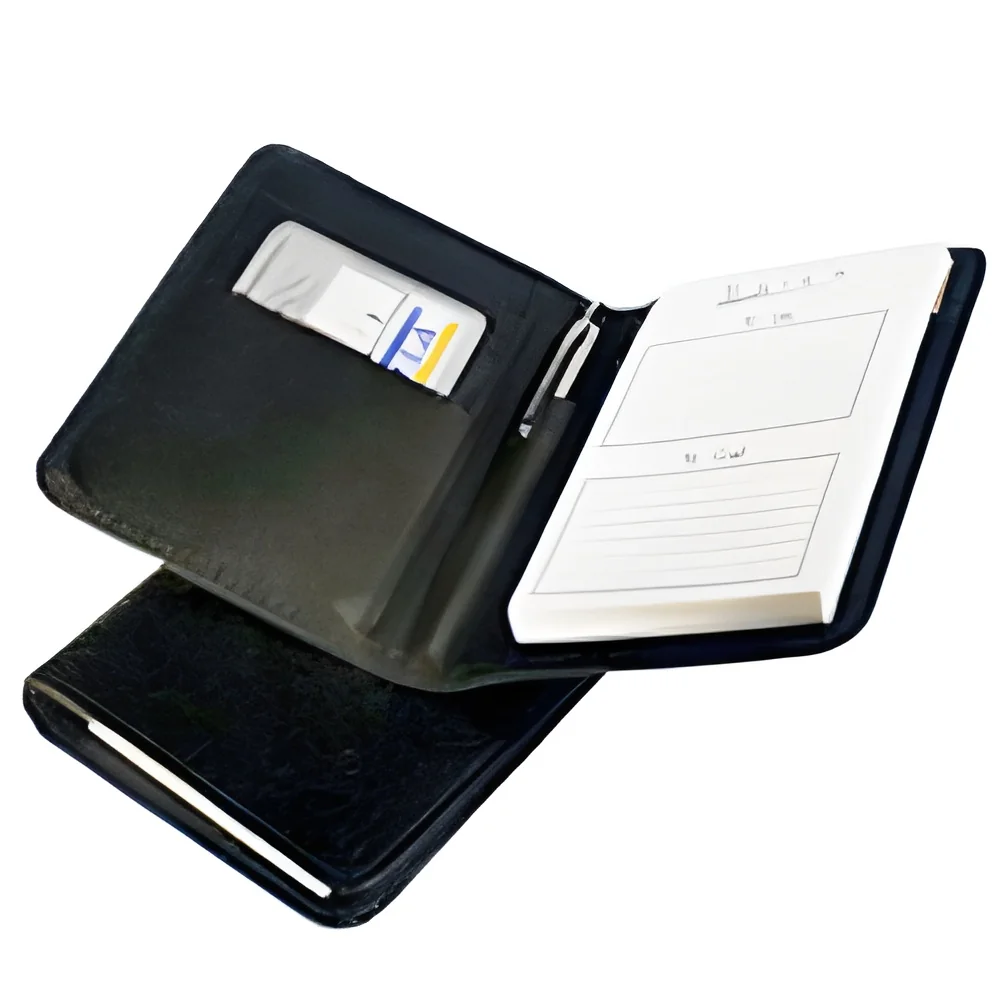
5. Hospitality Industry: Leather products are used in restaurants and hotels for items such as menus, guest registration books, and staff uniforms, enhancing a professional image.
6. Corporate Gifting: Custom leather items are often used as corporate gifts, reflecting brand values and providing a luxurious touch to client relations.
7. E-commerce: The rise of online shopping has increased demand for leather goods, with manufacturers adapting to digital sales channels and customer preferences.
𝗣𝗿𝗼𝗱𝘂𝗰𝘁 𝗩𝗮𝗿𝗶𝗮𝗻𝘁𝘀 𝗮𝗻𝗱 𝗦𝘂𝗯𝗰𝗮𝘁𝗲𝗴𝗼𝗿𝗶𝗲𝘀
Leather goods and belt manufacturers offer a diverse range of products to cater to various markets and consumer preferences.
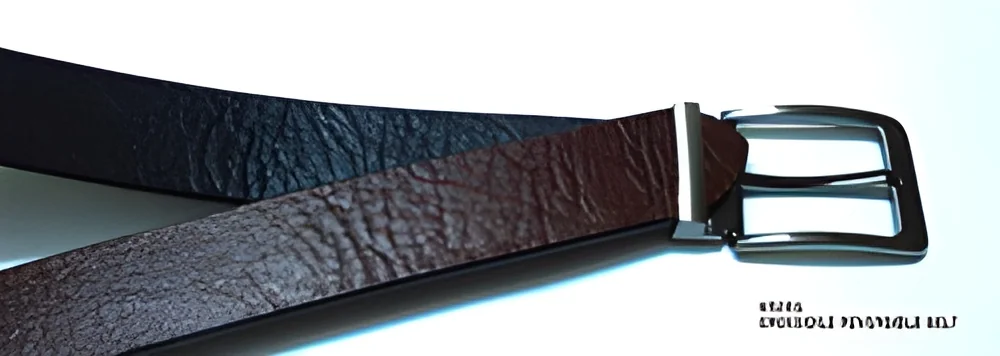
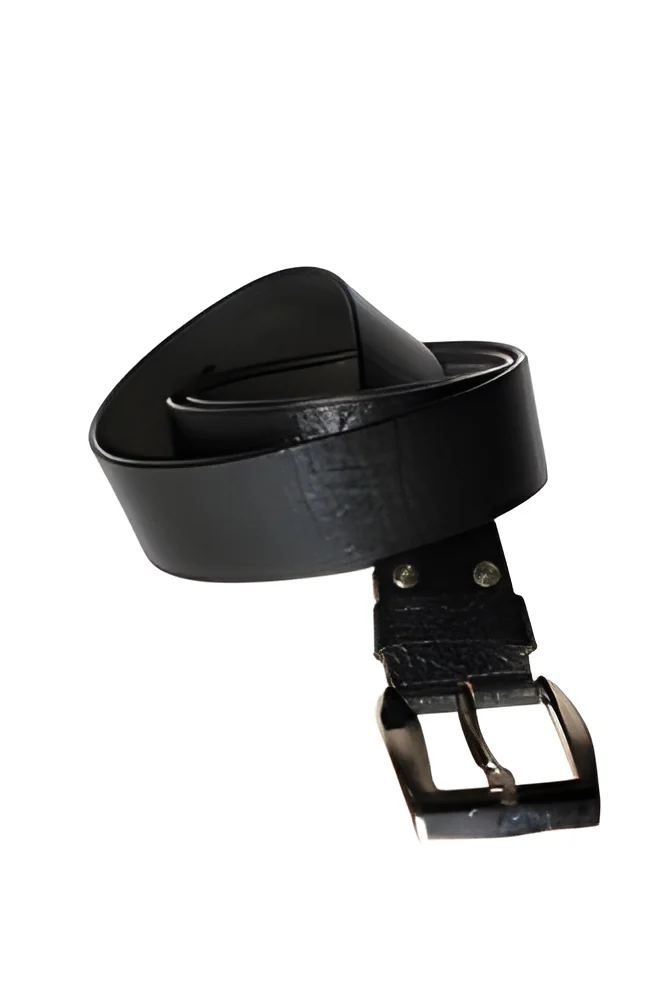
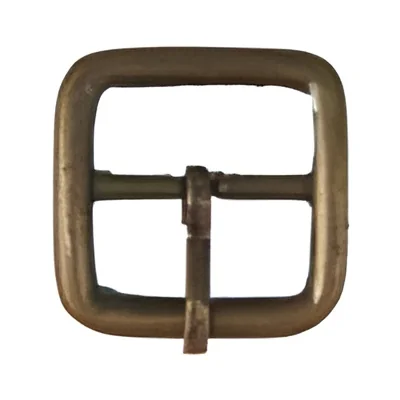
Standard Leather Belts: These belts are designed for everyday use, featuring a classic style and available in various sizes and colors. They can be made from different types of leather to suit different price points.
Fashion Leather Belts: Targeted towards fashion-conscious consumers, these belts often include unique designs and embellishments, appealing to trends and seasonal styles.
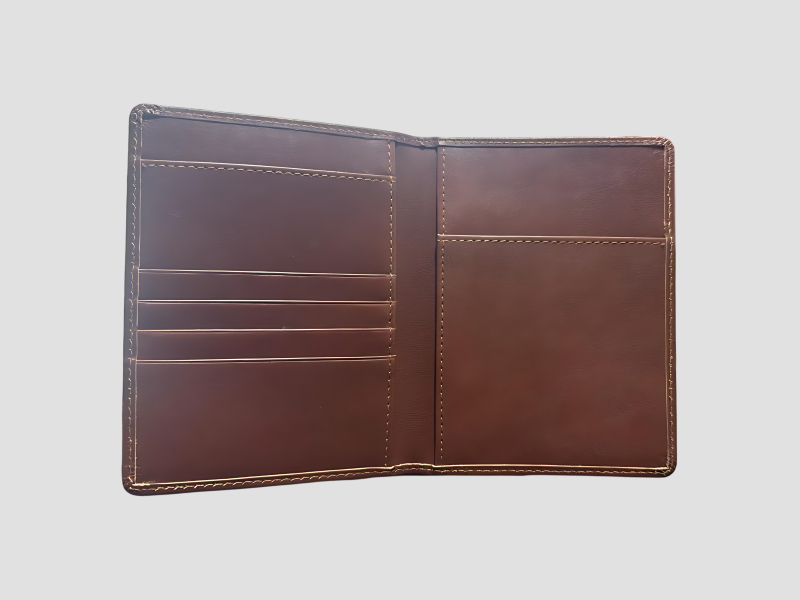
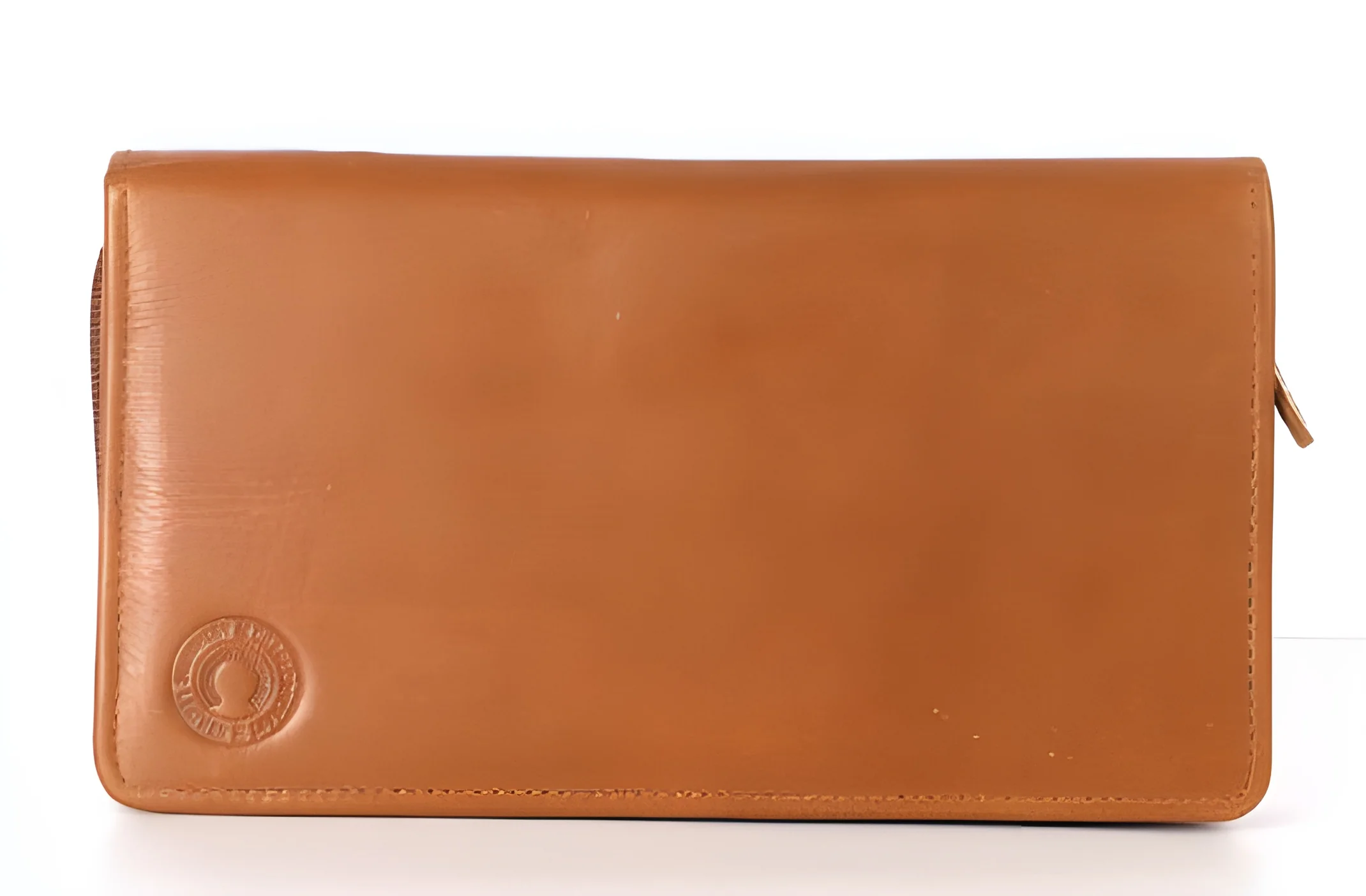
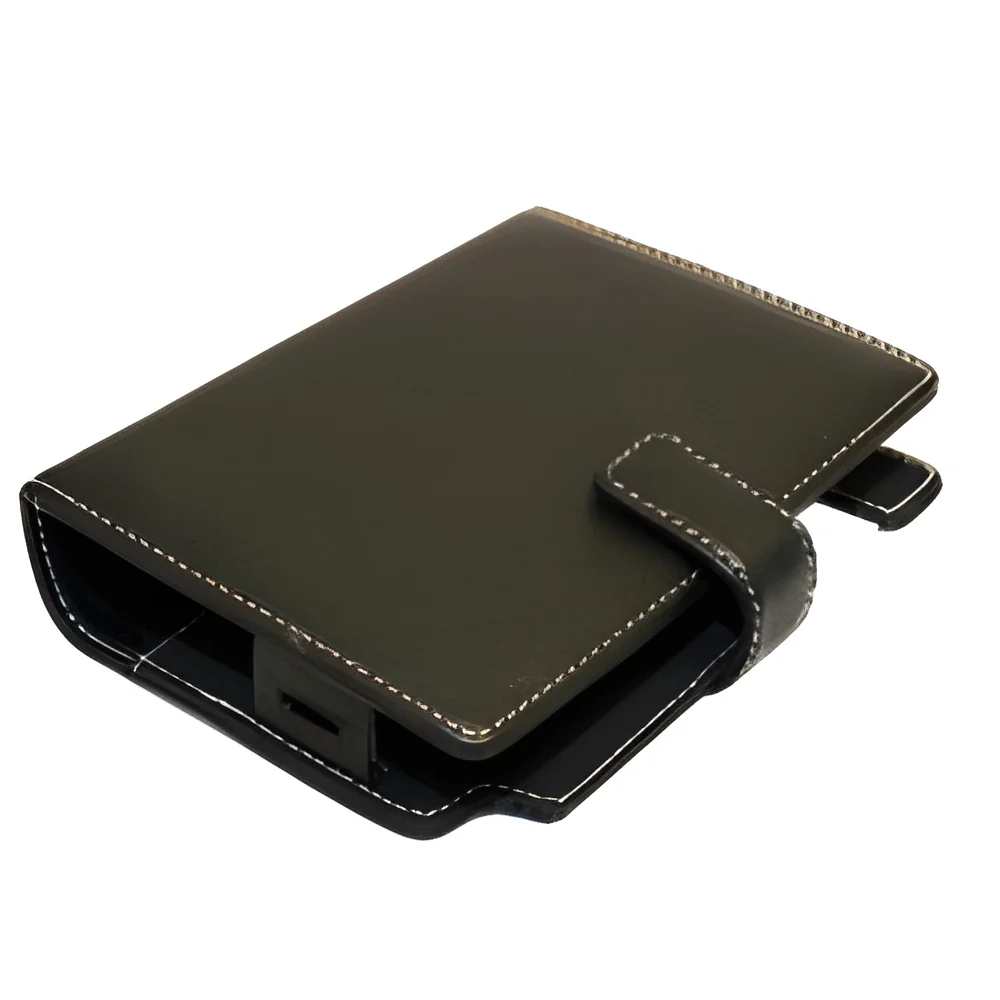
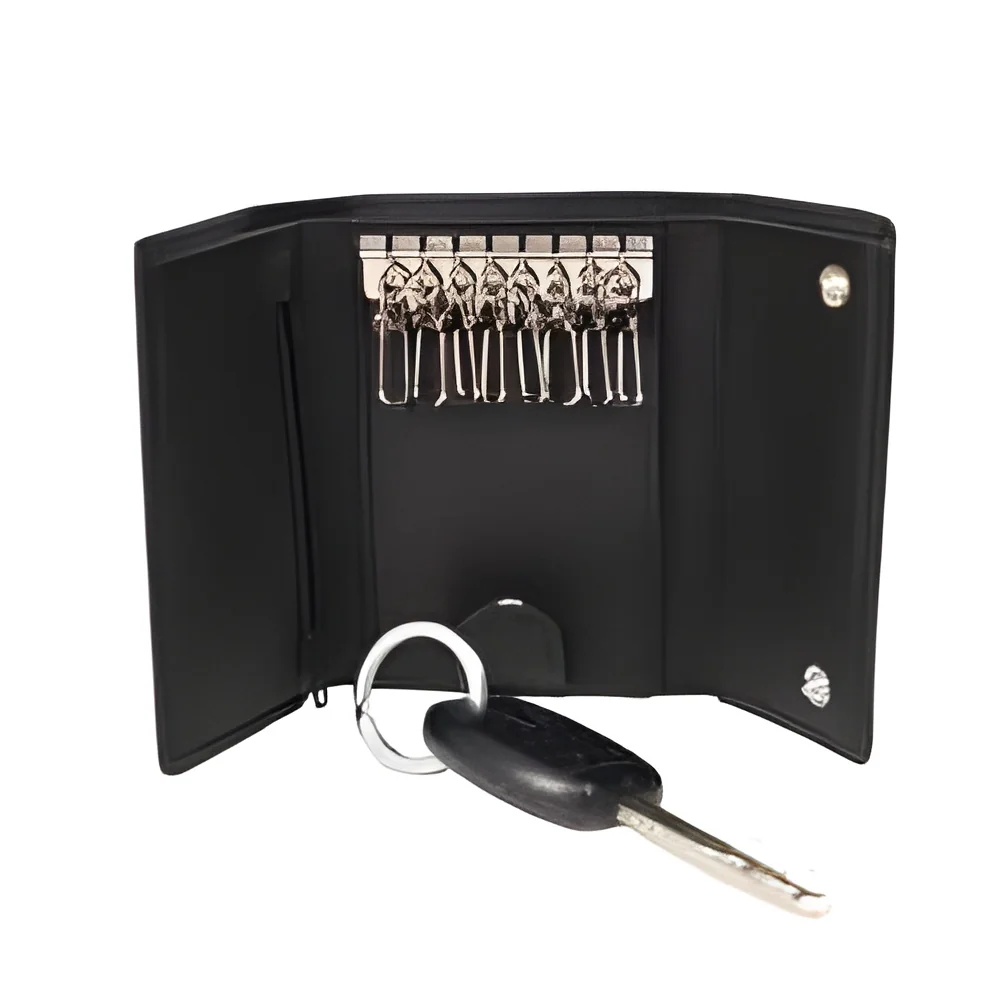
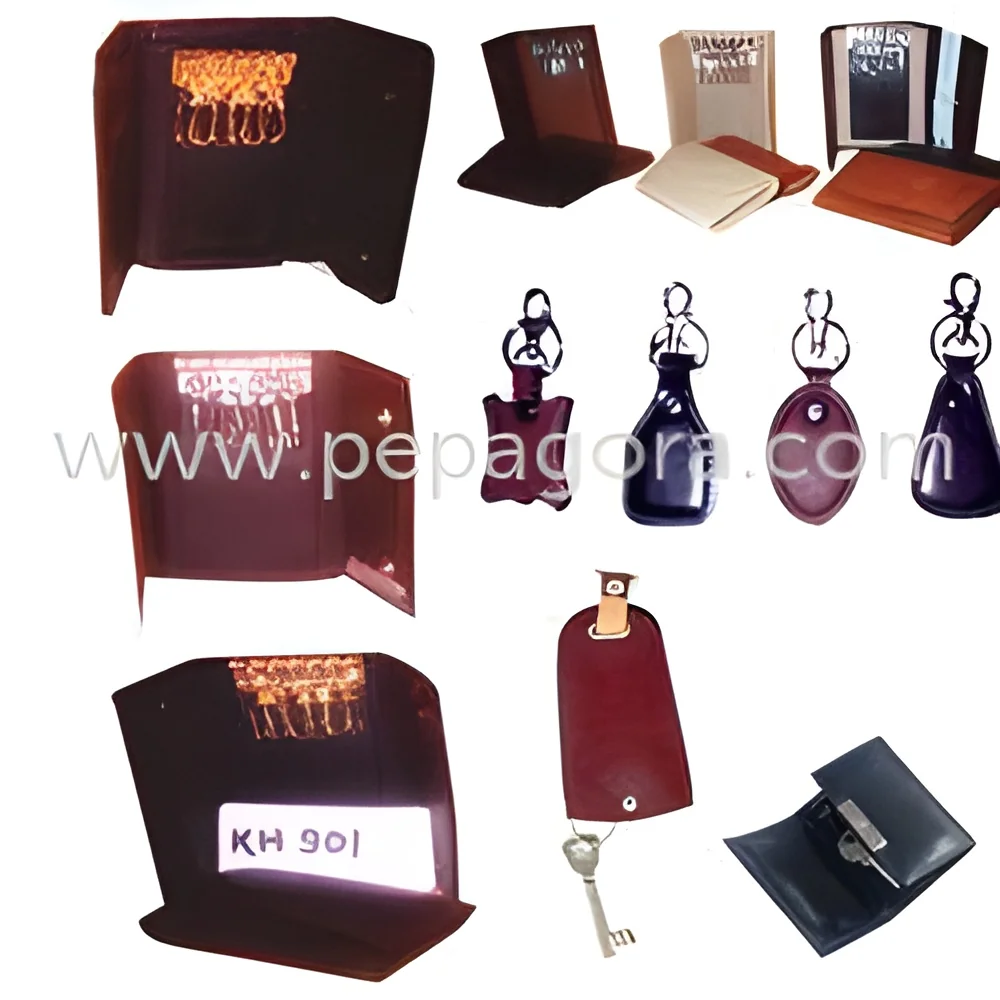
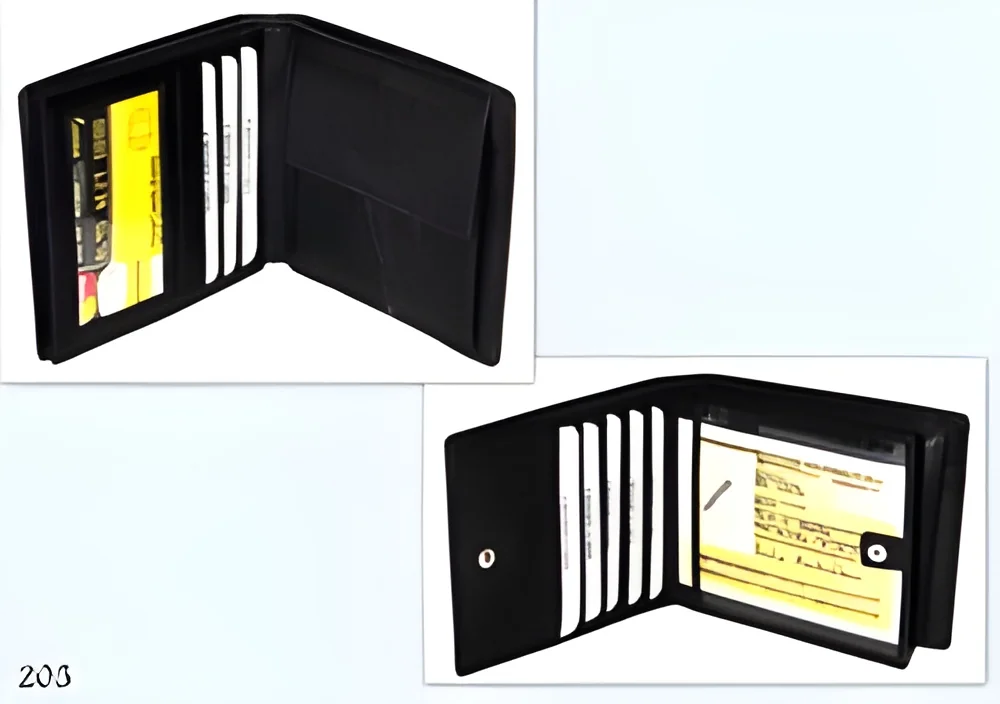
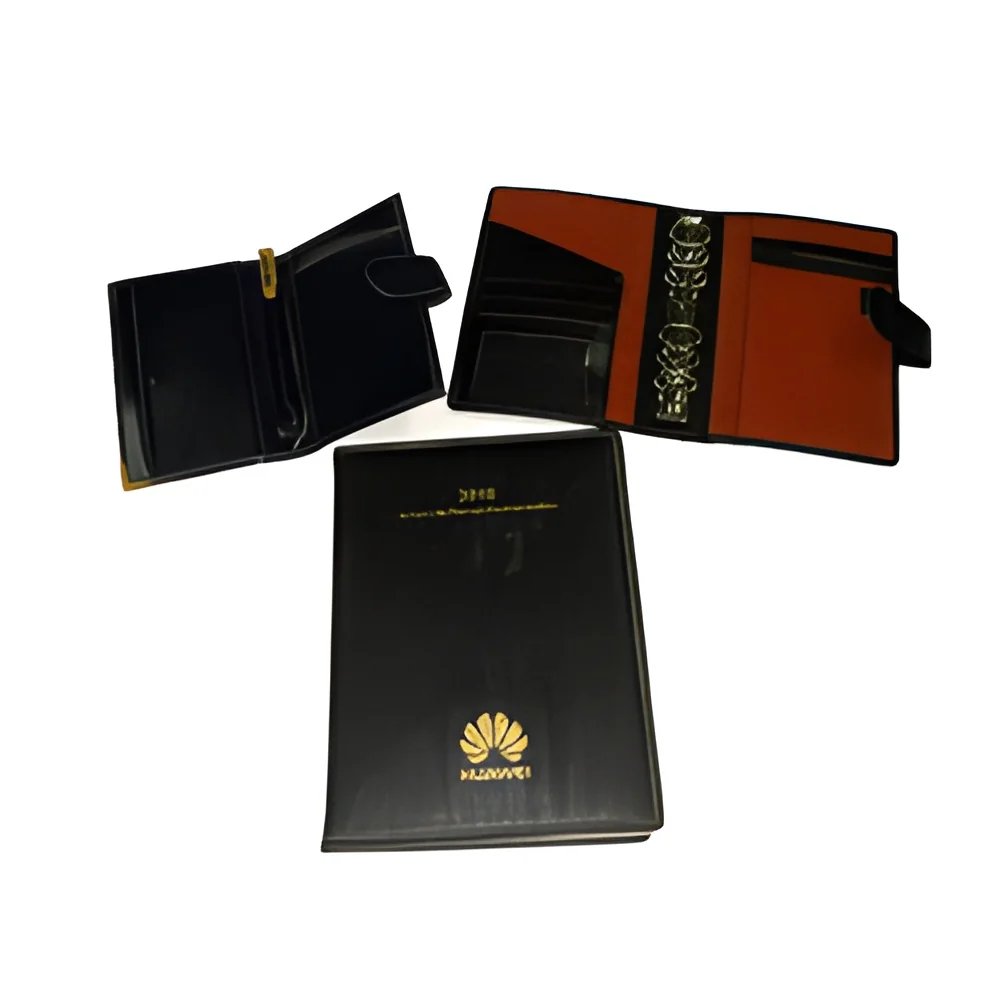
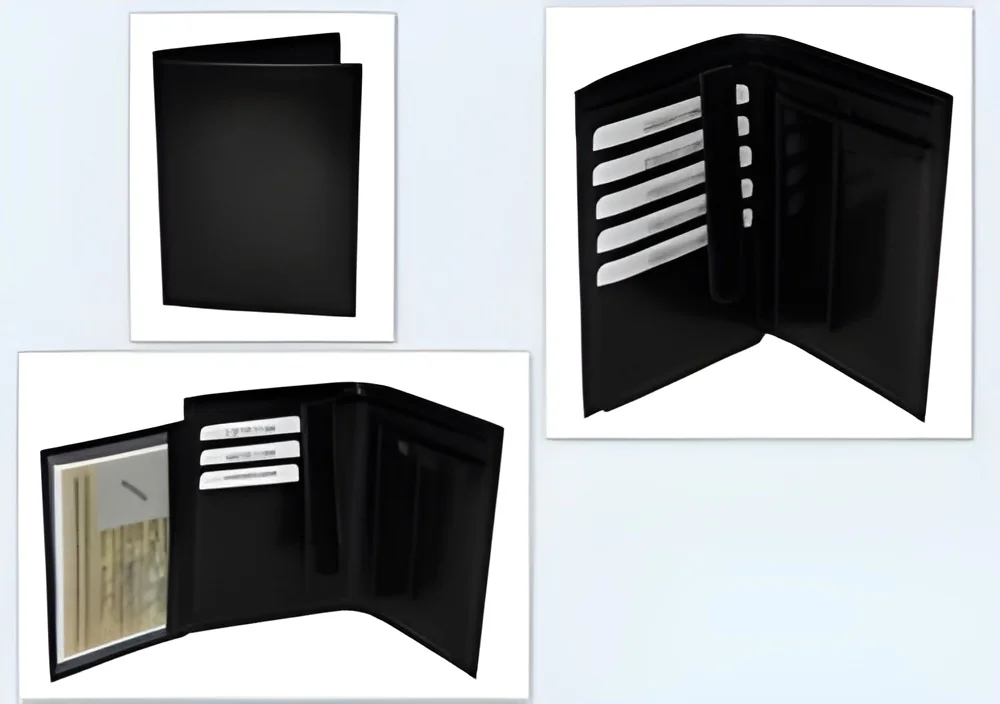
Leather Wallets: Manufacturers produce a wide variety of wallets, including bi-fold, tri-fold, and cardholder styles. These wallets can be customized with different leather types and personal branding.
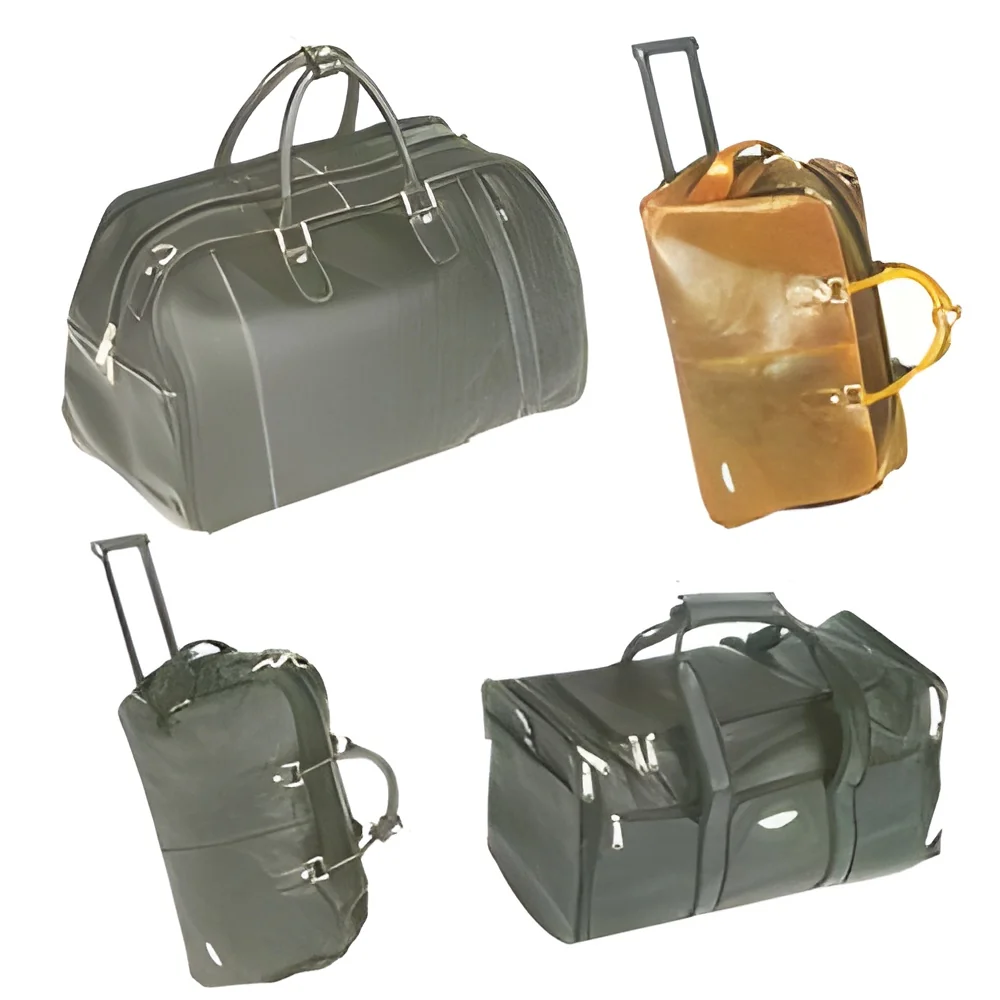
Leather Bags: This category includes handbags, totes, and backpacks. Each variant is designed with functionality and style in mind, catering to both casual and formal settings.
𝗕𝗲𝗻𝗲𝗳𝗶𝘁𝘀 𝗮𝗻𝗱 𝗔𝗱𝘃𝗮𝗻𝘁𝗮𝗴𝗲𝘀
Sourcing leather goods and belts from reputable manufacturers offers several key benefits.
1. Quality Assurance: Buyers can expect high-quality products that meet industry standards, ensuring satisfaction and reducing returns.
2. Customization Options: Many manufacturers offer the ability to customize products, allowing businesses to align their purchases with branding and customer preferences.
3. Supply Chain Efficiency: Partnering with established manufacturers can streamline the supply chain, reducing lead times and ensuring consistent product availability.
4. Competitive Pricing: By sourcing directly from manufacturers, businesses can often secure better pricing compared to retail channels, enhancing their profit margins.
5. Sustainability: Many manufacturers are adopting eco-friendly practices, providing options for sustainable leather that appeals to environmentally conscious consumers.
6. Expertise and Support: Working with experienced manufacturers often means access to professional guidance on product selection, design, and compliance issues.
𝗕𝘂𝘆𝗶𝗻𝗴 𝗚𝘂𝗶𝗱𝗲 𝗳𝗼𝗿 𝗕𝟮𝗕 𝗕𝘂𝘆𝗲𝗿𝘀
When looking to source leather goods and belt manufacturers, several factors should be taken into consideration.
1. Quality Assessment: Buyers should evaluate the quality of leather and craftsmanship. This can involve requesting samples and reviewing manufacturing processes.
2. Supplier Verification: It is crucial to vet suppliers for reliability and reputation. Checking references and reading reviews can help ensure a trustworthy partnership.
3. Pricing and MOQ: Understanding the pricing structure and minimum order quantities is vital for budgeting purposes. Buyers should clarify these details before proceeding.
4. Delivery and Lead Times: Assessing delivery times is important for planning. Manufacturers should provide clear timelines to help manage inventory and sales.
5. Compliance Requirements: Buyers must ensure that products meet relevant safety and regulatory standards. Familiarity with these requirements can prevent potential issues down the line.
𝗖𝗼𝗺𝗽𝗹𝗶𝗮𝗻𝗰𝗲 𝗮𝗻𝗱 𝗖𝗲𝗿𝘁𝗶𝗳𝗶𝗰𝗮𝘁𝗶𝗼𝗻𝘀
Compliance with industry standards and certifications is critical for leather goods and belt manufacturers. Quality standards such as ISO 9001 ensure that manufacturers maintain a consistent level of quality in production processes. These standards cover aspects such as management systems and continuous improvement.
Industry certifications, such as CE marking, indicate that products meet European safety and health requirements. Compliance with these standards is essential for accessing certain markets and ensuring consumer safety.
Safety and testing requirements are also critical in the leather goods industry. Manufacturers must adhere to regulations regarding the use of chemicals in tanning processes to ensure that finished products are safe for consumer use.
Regional compliance considerations may vary, with different countries having specific regulations governing leather production. Understanding these regional requirements is essential for manufacturers aiming to export their products globally.
𝗪𝗵𝘆 𝗦𝗼𝘂𝗿𝗰𝗲 𝗟𝗲𝗮𝘁𝗵𝗲𝗿 𝗚𝗼𝗼𝗱𝘀 & 𝗕𝗲𝗹𝘁 𝗠𝗮𝗻𝘂𝗳𝗮𝗰𝘁𝘂𝗿𝗲𝗿𝘀 𝗳𝗿𝗼𝗺 𝗣𝗲𝗽𝗮𝗴𝗼𝗿𝗮?
Pepagora offers a trusted platform for sourcing leather goods and belt manufacturers, providing several key advantages to B2B buyers.
Verified Supplier Network: Pepagora has established a network of verified suppliers, ensuring that buyers can access reliable manufacturers with a proven track record in quality and service.
Streamlined RFQ Process: The platform simplifies the request for quotation process, allowing buyers to easily compare offerings from various suppliers and receive competitive pricing.
Trade Assurance and Support: Pepagora provides buyer protection through trade assurance, ensuring that transactions are secure and disputes can be resolved effectively.
Regional Coverage: With a focus on markets such as India, the GCC, and Southeast Asia, Pepagora’s regional coverage enables buyers to connect with local manufacturers, reducing shipping costs and lead times.
By choosing Pepagora, businesses can enhance their sourcing experience, ensuring they find the right leather goods and belt manufacturers to meet their needs.















Frequently Asked Questions
What are Leather Goods & Belt Manufacturers?
Leather Goods & Belt Manufacturers are companies that specialize in producing a variety of leather products, including belts, bags, wallets, and other accessories. These manufacturers often use different types of leather and techniques to create high-quality goods that cater to diverse markets.
What are the different types of Leather Goods & Belt Manufacturers?
There are several types of Leather Goods & Belt Manufacturers, including those that focus on fashion accessories, industrial leather products, and custom leather goods. Some manufacturers may specialize in specific leather types such as genuine leather, synthetic leather, or eco-friendly alternatives.
How do I choose the right Leather Goods & Belt Manufacturers?
To choose the right Leather Goods & Belt Manufacturers, consider factors such as their reputation, product range, quality standards, and customer reviews. Additionally, assess their ability to meet your specific needs, including customization options and production capabilities.
What are the standard specifications for Leather Goods & Belt Manufacturers?
Standard specifications for Leather Goods & Belt Manufacturers often include material quality, stitching techniques, and design requirements. Manufacturers typically adhere to industry standards for durability, safety, and environmental regulations to ensure product integrity.
What is the price range for Leather Goods & Belt Manufacturers?
The price range for Leather Goods & Belt Manufacturers can vary significantly based on factors such as product type, material quality, and order volume. Generally, prices can range from affordable options for mass-produced goods to higher-end prices for customized or luxury items.
What quality standards apply to Leather Goods & Belt Manufacturers?
Quality standards for Leather Goods & Belt Manufacturers may include ISO certifications, compliance with international leather standards, and adherence to specific safety regulations. Manufacturers often implement quality control processes to ensure that their products meet these standards.
Where can I find Leather Goods & Belt Manufacturers suppliers in India?
You can find Leather Goods & Belt Manufacturers suppliers in India through online B2B marketplaces, trade shows, industry directories, and local business listings. Platforms like Pepagora.com provide a comprehensive listing of manufacturers and suppliers for easy access.
Can Leather Goods & Belt Manufacturers be customized?
Yes, many Leather Goods & Belt Manufacturers offer customization options to meet specific customer requirements. This can include custom designs, size adjustments, and personalized branding, allowing businesses to create unique products.
What is the typical minimum order quantity for Leather Goods & Belt Manufacturers?
The typical minimum order quantity (MOQ) for Leather Goods & Belt Manufacturers can vary widely depending on the manufacturer and the type of product. Generally, MOQs can range from a small batch of a few dozen items to larger quantities for mass production.
What is the typical lead time for Leather Goods & Belt Manufacturers?
The typical lead time for Leather Goods & Belt Manufacturers varies based on order volume, complexity, and production capacity. Generally, lead times can range from a few weeks for standard orders to several months for customized products.
Why Businesses Trust Pepagora
Thousands of companies trust Pepagora to source smarter and sell faster
Expand Your Sales Globally

Source Smarter,Grow Faster
