What are Formal Belt Manufacturers?
Formal belt manufacturers are specialized companies that produce belts designed for formal attire, primarily catering to the fashion and clothing industries. These manufacturers focus on creating high-quality belts that complement business suits, dress pants, and other formal wear. The belts are often made from premium materials such as leather, synthetic fabrics, or textiles that provide both aesthetic appeal and durability. The production process involves various techniques, including cutting, stitching, and finishing, to ensure that the final product meets industry standards and customer expectations.
The primary uses of formal belts are in professional settings where a polished appearance is required. Businesses and organizations often mandate specific dress codes that include formal belts as part of their employees' attire. Additionally, fashion retailers and online platforms source formal belts from manufacturers to include in their product offerings. The relevance of formal belt manufacturers in the market extends beyond mere accessories; they contribute to the overall image and branding of professionals and organizations, making them essential in the fashion supply chain.
Key Features and Specifications
Formal belt manufacturers focus on several key features and specifications that define the quality and functionality of their products. Understanding these specifications is crucial for B2B buyers when choosing a supplier.
Key specifications include:
1. Material Quality
- Typically made from high-grade leather or synthetic alternatives.
- Ensures durability and resistance to wear.
2. Width and Length Options
- Standard widths range from 1 to 1.5 inches.
- Lengths can vary to accommodate different waist sizes.
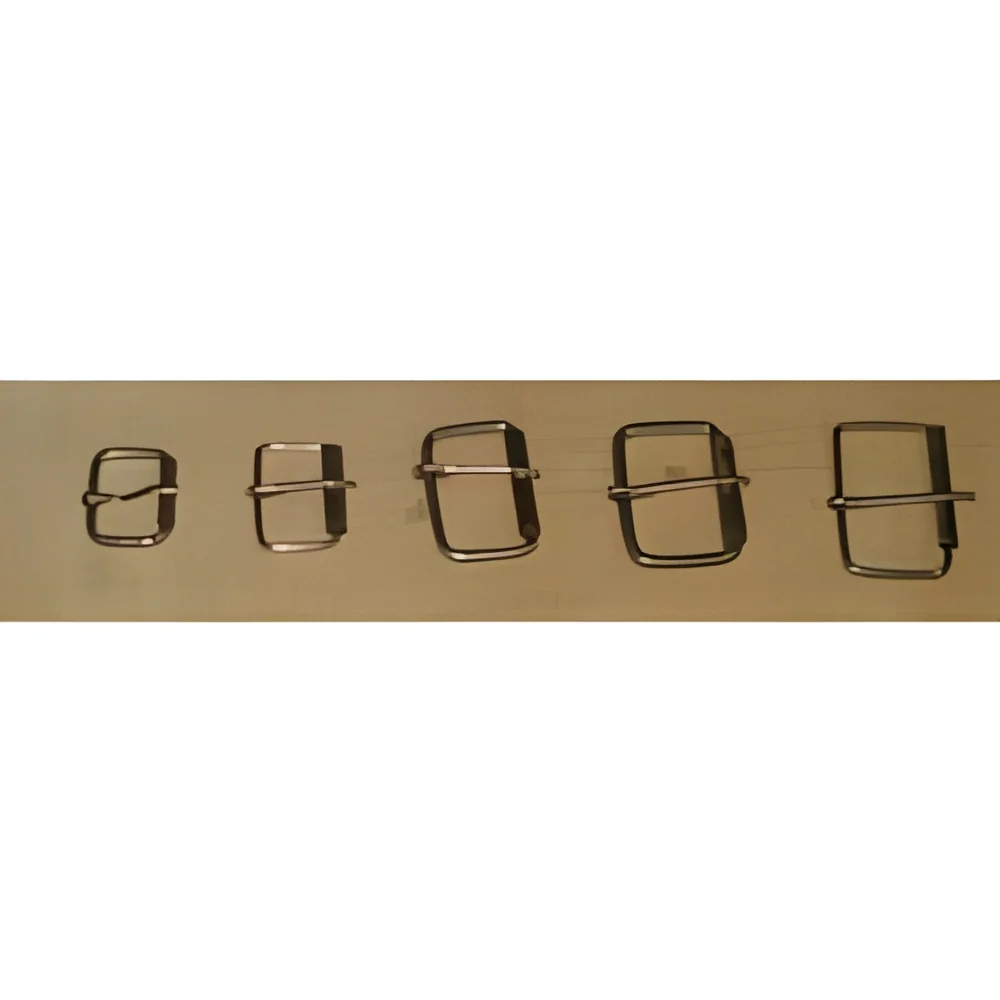
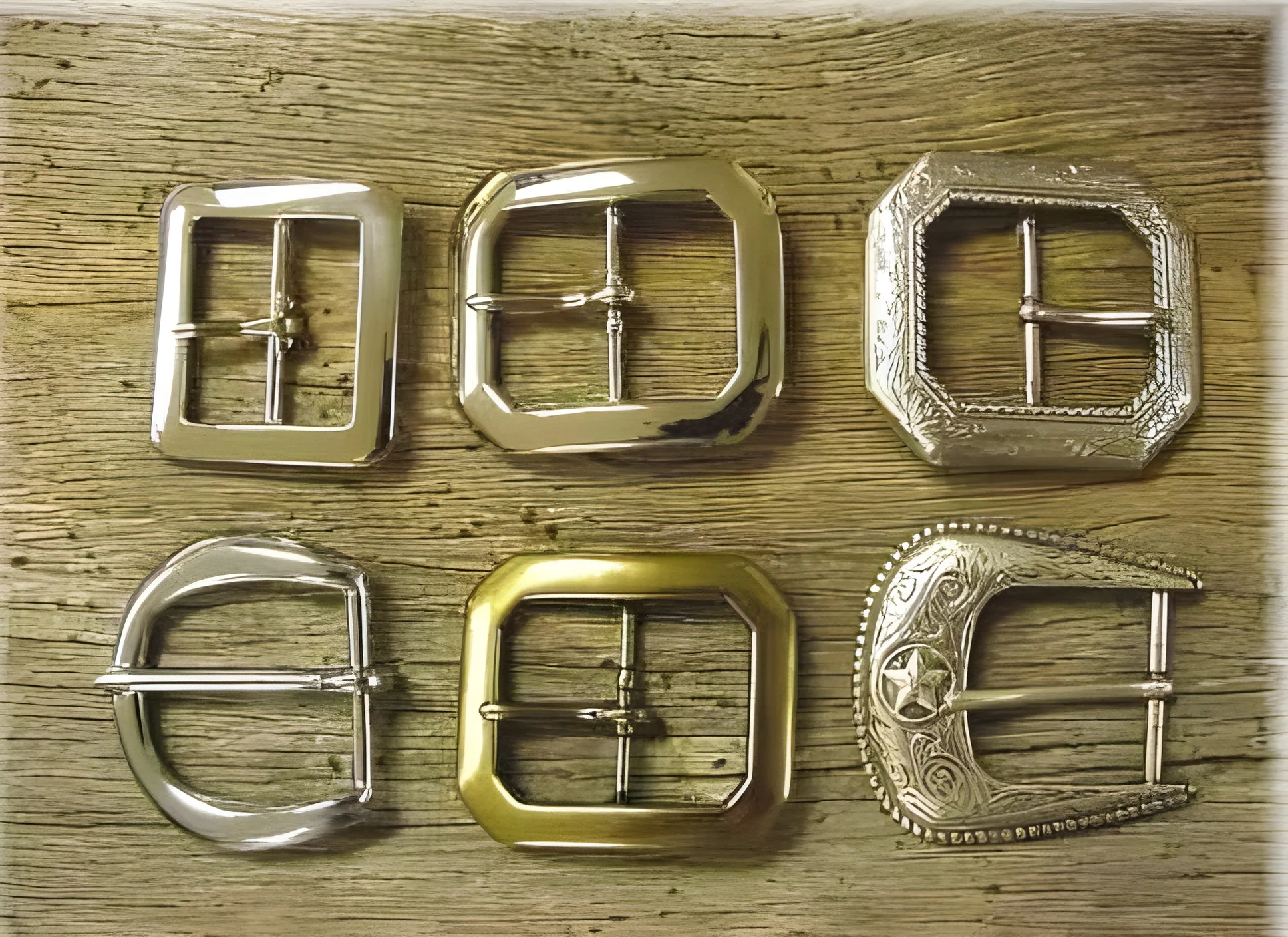
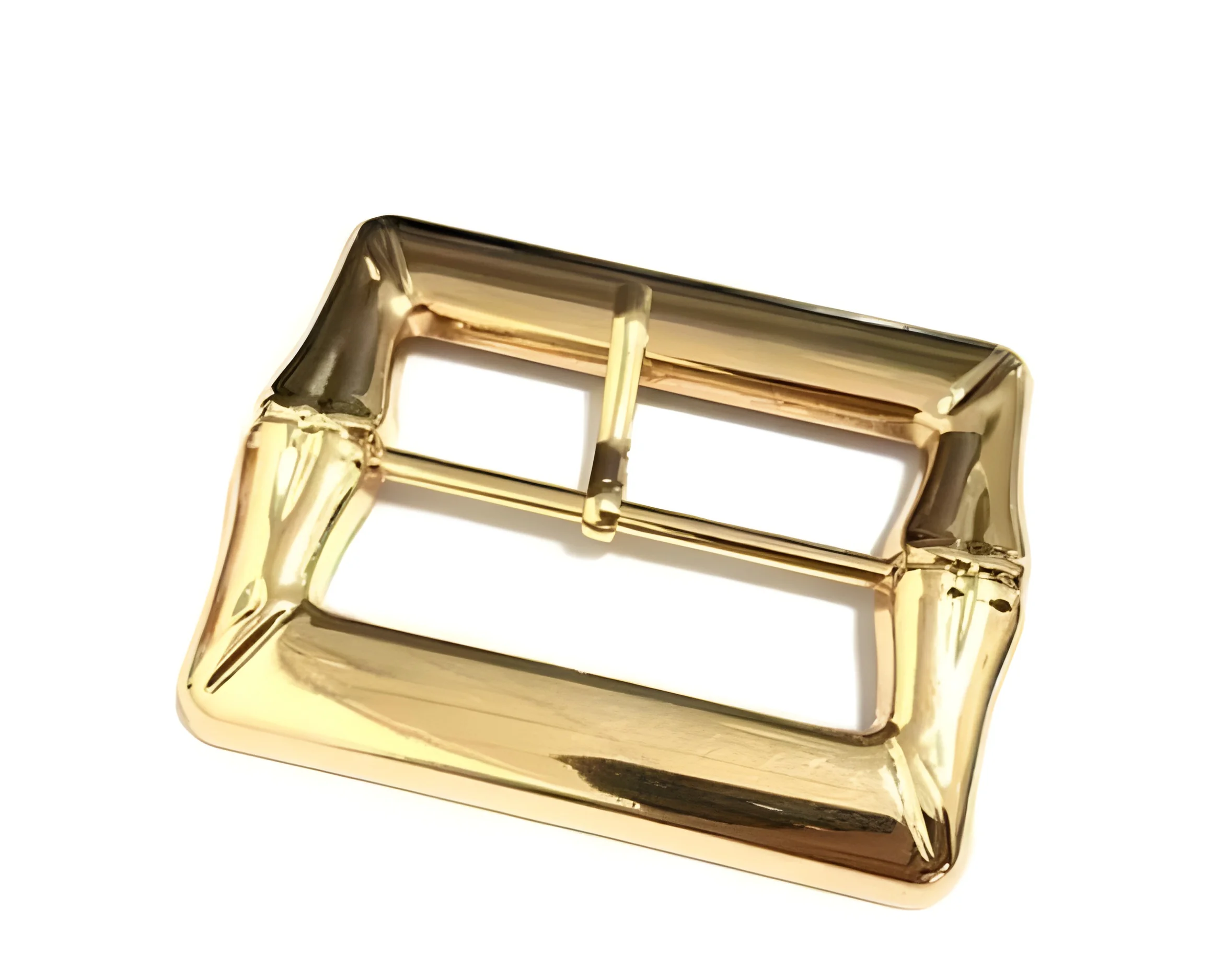
3. Buckle Type
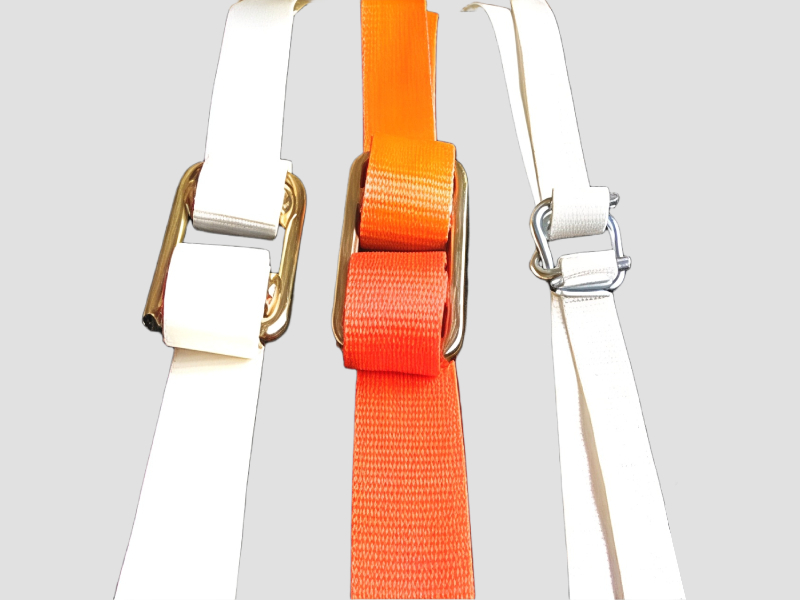
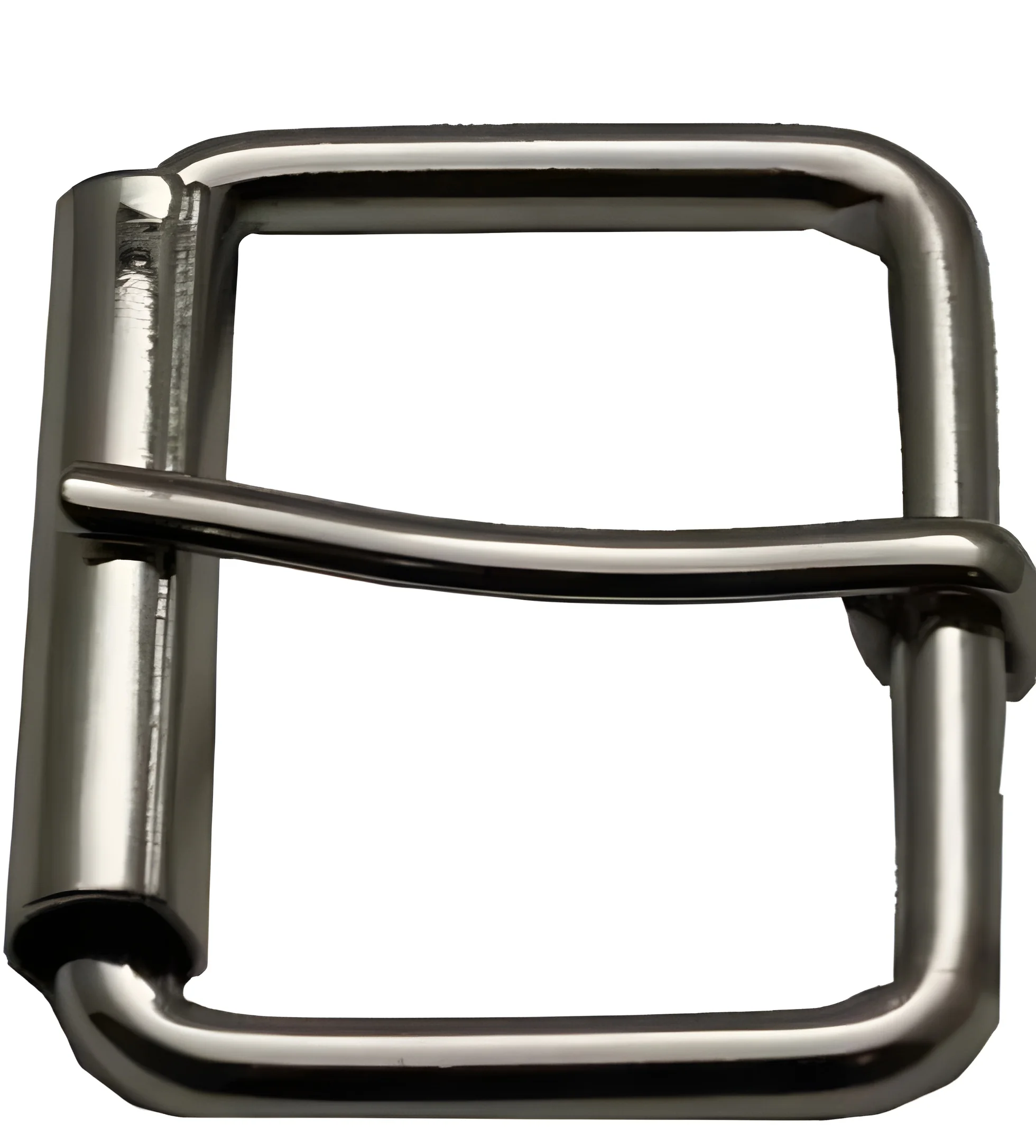
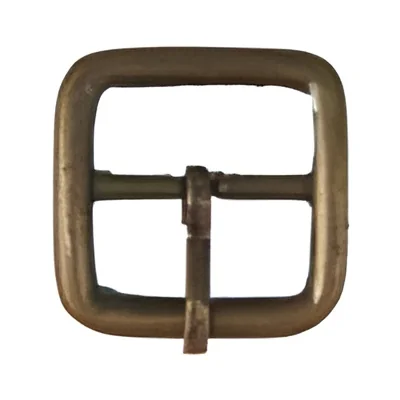
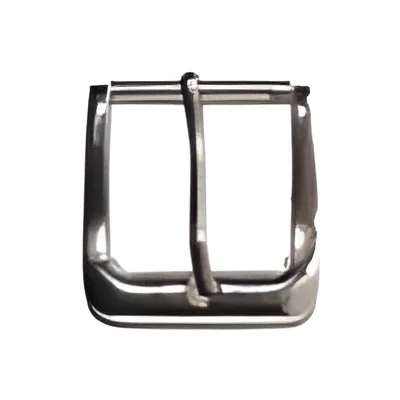
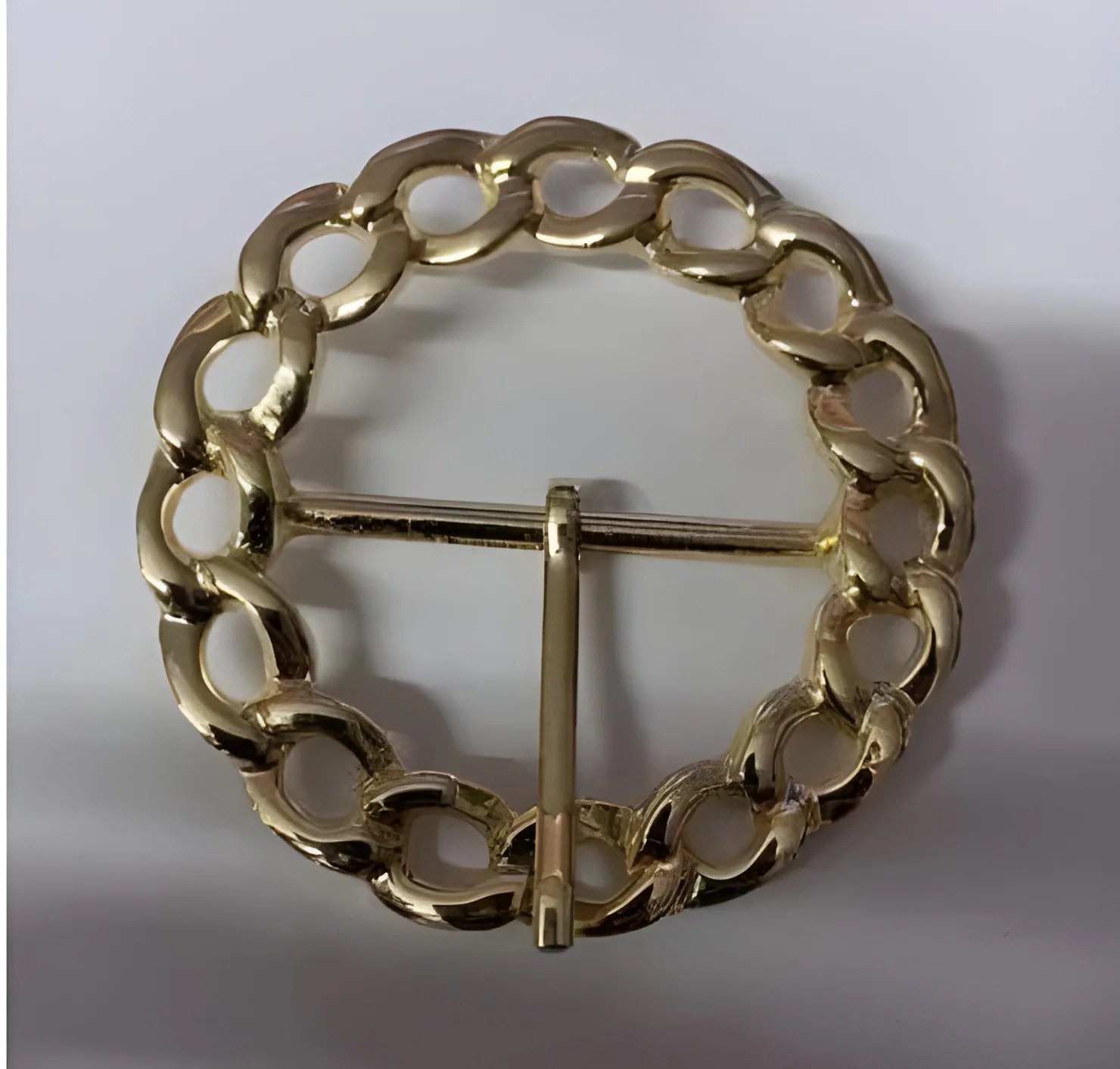
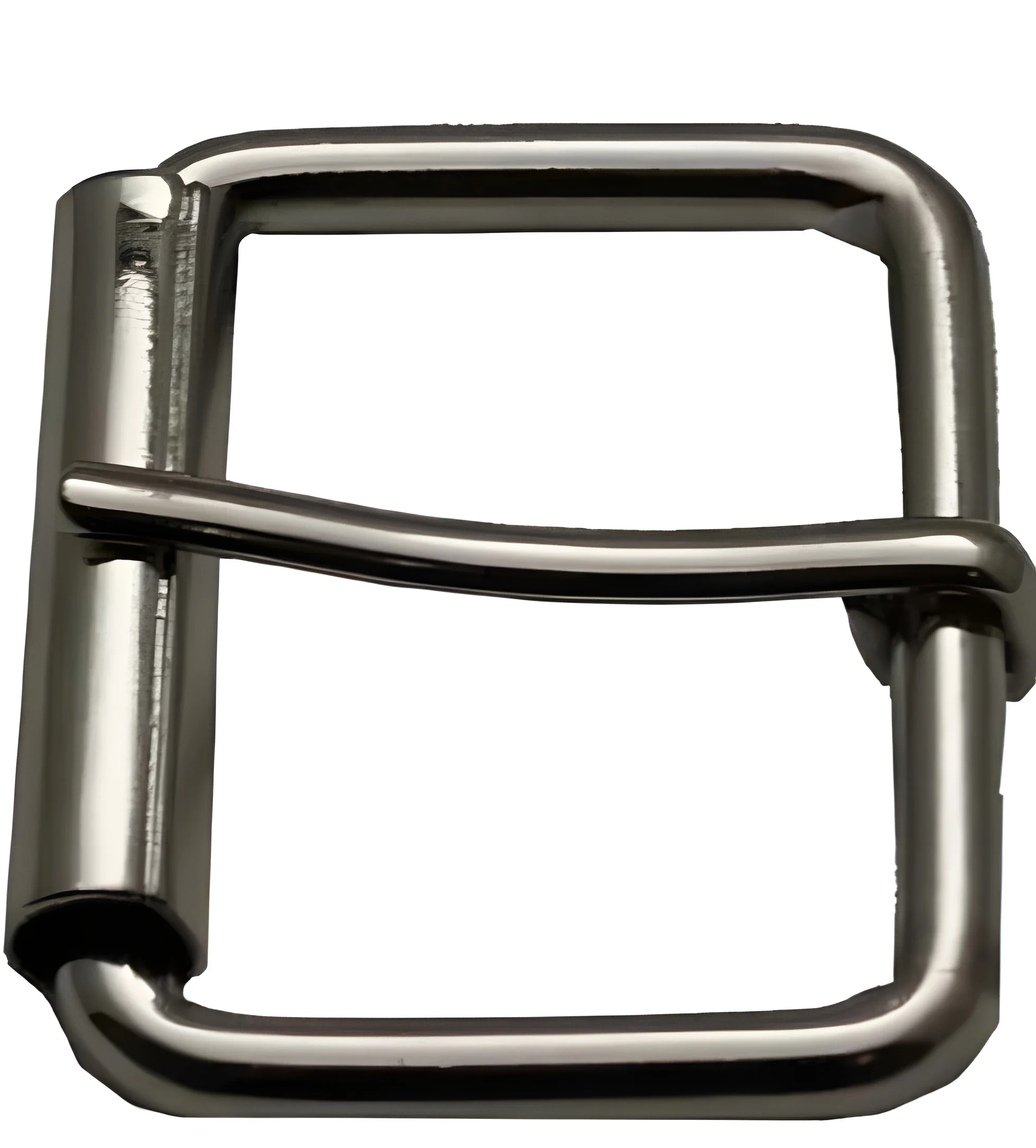
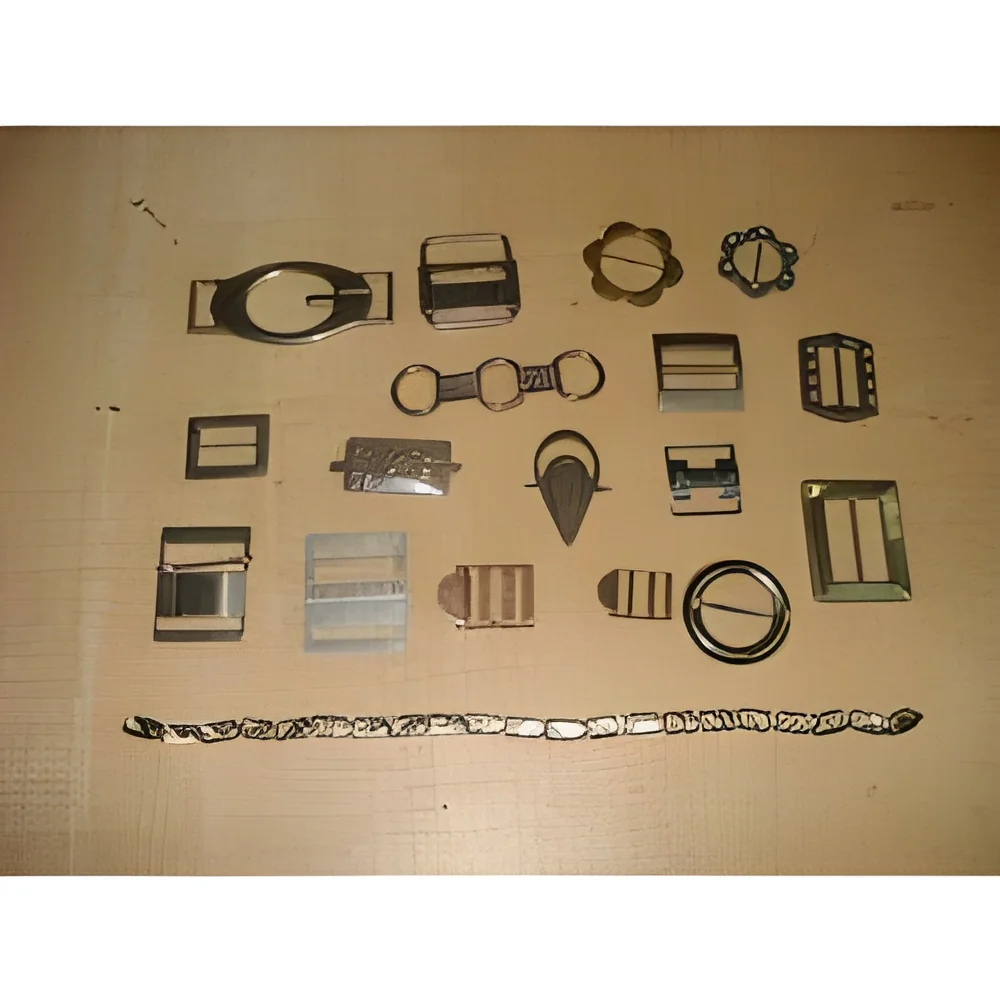
- Options include traditional prong, automatic, or decorative buckles.
- Buckle material may include stainless steel or alloy for added durability.
4. Stitching Techniques
- Double stitching is common for added strength.
- Various decorative stitching patterns available for aesthetic appeal.
5. Color Variations
- Available in classic colors such as black, brown, and tan.
- Custom color options may be available upon request.
6. Customization Options
- Ability to customize sizes, colors, and materials based on client needs.
- Personalized branding options for corporate clients.
7. Packaging Solutions
- Professional packaging for retail display or bulk orders.
- Eco-friendly packaging options can be provided.
8. Compliance with Industry Standards
- Adherence to quality and safety standards relevant to the fashion industry.
- Certifications such as CE may apply.
These specifications ensure that formal belts meet the diverse needs of businesses and consumers while maintaining high quality.
Common Applications and Use Cases
Formal belts find applications across various industries, serving both functional and stylistic purposes.
1. Corporate Sector: In corporate environments, formal belts are often a requirement for business attire. They enhance the professional appearance of employees and reflect the organization's branding.
2. Retail Fashion: Fashion retailers source formal belts to complement their clothing lines. These belts are essential accessories that enhance the overall aesthetic of formal wear.
3. Event Management: Formal belts are frequently used in event management and hospitality sectors, ensuring staff adhere to dress codes during formal events.
4. Uniform Providers: Companies that produce uniforms for various sectors, such as security or hospitality, include formal belts in their offerings to complete the look.
5. Wedding and Formal Events: Formal belts are often a staple in wedding attire, providing a polished finish for grooms and groomsmen.
6. Promotional Merchandise: Businesses may use formal belts as part of promotional merchandise, offering them as gifts to clients or employees to enhance brand visibility.
7. Custom Tailoring: Tailors and custom clothing providers often collaborate with belt manufacturers to offer tailored solutions that match specific garments.
Product Variants and Subcategories
Formal belt manufacturers offer a range of product variants tailored to meet different customer needs. This diversity ensures that businesses can find the right fit for their specific applications.
Classic Leather Belt
This variant is crafted from genuine leather, featuring a timeless design suitable for formal occasions. It often includes a polished buckle and is available in various colors to match different outfits.
Dress Belt
Dress belts are typically narrower and designed to be worn with dress pants. These belts emphasize elegance and style, often featuring decorative stitching and high-quality finishes.
Reversible Belt
Reversible belts provide versatility with two distinct color options in one product. This feature makes them ideal for consumers looking to maximize their wardrobe with minimal items.
Narrow Fashion Belt
These belts are designed for fashion-forward individuals who seek a sleek look. They are often made from softer materials and include unique buckle designs for added flair.
Benefits and Advantages
Choosing to source from formal belt manufacturers offers several key benefits for B2B buyers.
1. High-Quality Products: Manufacturers focus on quality materials and craftsmanship, ensuring durability and style for their belts.
2. Customization Options: Many manufacturers offer customization, allowing businesses to tailor products to their specific branding and style requirements.
3. Competitive Pricing: Sourcing directly from manufacturers can lead to more favorable pricing compared to retail channels, enabling better profit margins.
4. Reliable Supply Chains: Established manufacturers usually have efficient supply chains that ensure timely delivery and consistent product availability.
5. Industry Expertise: Manufacturers often have extensive experience in the fashion industry, providing valuable insights into trends and consumer preferences.
6. Strong Relationships: Partnering with reliable manufacturers fosters strong business relationships that can lead to long-term collaboration and mutual growth.
Buying Guide for B2B Buyers
When sourcing formal belt manufacturers, it is essential to consider several factors to ensure a successful partnership.
1. Quality Assessment: Evaluate the quality of materials and craftsmanship. Request samples if possible to assess product durability and aesthetics.
2. Supplier Verification: Conduct thorough research on potential suppliers. Look for certifications, customer reviews, and industry reputation to ensure reliability.
3. Pricing and MOQ: Understand the pricing structure and minimum order quantities (MOQ). This information is crucial for budgeting and planning inventory.
4. Delivery and Lead Times: Discuss logistics and delivery timelines upfront. Reliable manufacturers should provide clear information on lead times for orders.
5. Compliance Requirements: Ensure that the manufacturer adheres to relevant compliance and safety standards. This can include certifications such as CE for product safety.
Compliance and Certifications
Formal belt manufacturers must comply with various quality standards and certifications to operate successfully within the industry. Relevant quality standards include ISO 9001, which emphasizes the importance of quality management systems in manufacturing processes. Compliance with HACCP and Good Distribution Practices (GDP) is also critical, particularly if belts are intended for use in specific sectors such as hospitality.
Industry certifications, notably CE, indicate that products meet European safety and health requirements, adding value and credibility to the manufacturer’s offerings. Safety testing is essential to ensure that materials used in belt production are safe for consumers, particularly in regions with strict regulations.
Regional compliance considerations can vary significantly. Manufacturers must be aware of local laws and standards applicable in different markets. This ensures that their products not only meet customer expectations but also adhere to legal requirements in those regions.
Why Source Formal Belt Manufacturers from Pepagora?
Pepagora provides a trusted platform for sourcing formal belt manufacturers, offering several key advantages to B2B buyers.
Verified Supplier Network: Pepagora has a rigorous supplier verification process in place. This ensures that buyers can connect with reliable manufacturers who meet industry standards and have a proven track record.
Streamlined RFQ Process: The Request for Quotation (RFQ) process on Pepagora is designed to be user-friendly. Buyers can easily submit their requirements and receive competitive quotes from multiple manufacturers, facilitating informed decision-making.
Trade Assurance and Support: Pepagora offers trade assurance, providing buyers with protection and support throughout the purchasing process. This includes assistance with disputes or issues, ensuring a smooth transaction.
Regional Coverage: With a broad geographic reach, Pepagora connects buyers with manufacturers not only in India but also in the GCC and Southeast Asia. This diversity allows buyers to find the right partners to meet their specific needs while taking advantage of regional manufacturing strengths.

 IN
IN