Key Features and Specifications
Synthetic leather goods are characterized by multiple features that enhance their appeal in various applications. The material is designed to offer durability, flexibility, and resistance to wear and tear. Understanding the specifications of synthetic leather is essential for businesses looking to make informed purchasing decisions.
Key specifications include:
1. Material Composition
- Typically made from polyurethane applied over a fabric or paper substrate.
- Provides a leather-like appearance while being more affordable.
2. Thickness
- Ranges from 0.5 mm to 3 mm depending on the application.
- Thicker options are available for upholstery, while thinner variants are used in garments.
3. Color Variety
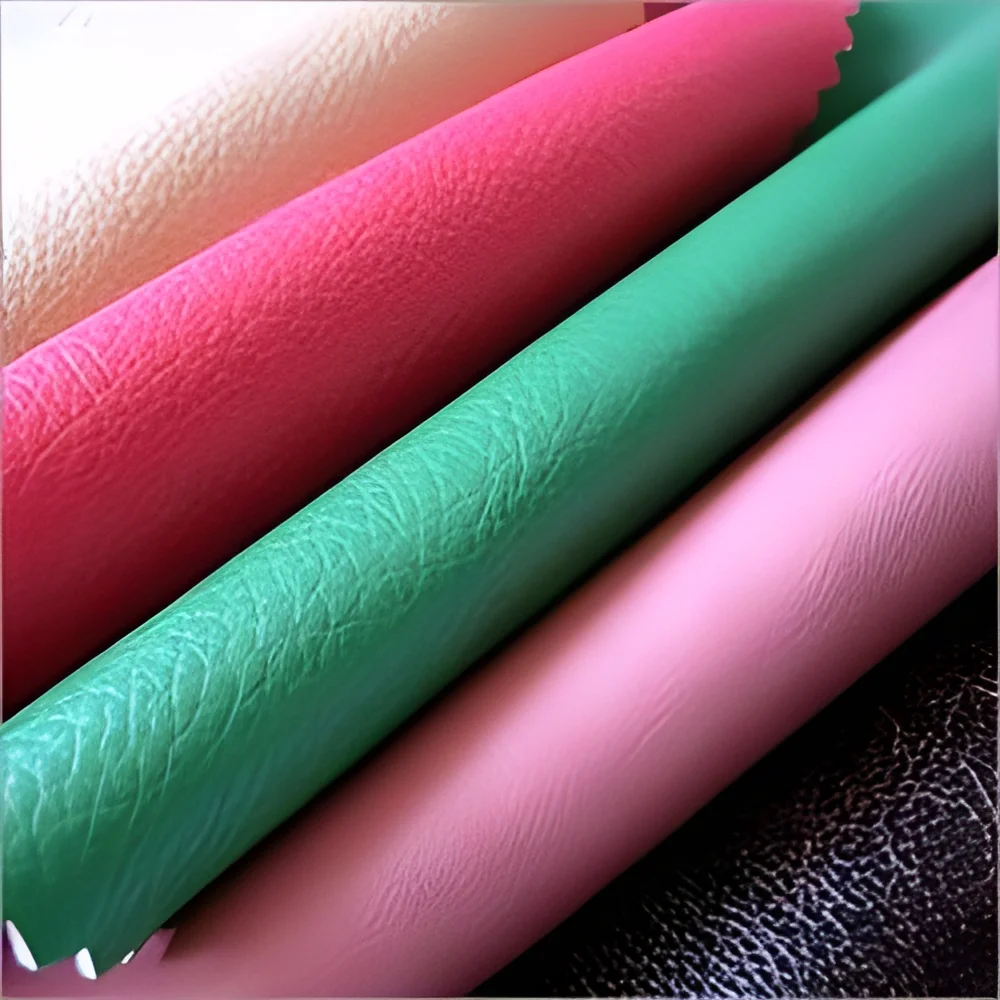
- Available in a wide range of colors and finishes.
- Custom color matching can be arranged for specific projects.
4. UV Resistance
- Resistant to fading and degradation from exposure to sunlight.
- Important for outdoor applications.
5. Water Resistance
- Offers a degree of water repellency.
- Suitable for items exposed to moisture, such as bags and footwear.
6. Breathability
- Designed to allow air circulation, enhancing comfort in clothing and upholstery.
7. Fire Retardancy
- Options that meet specific fire safety standards are available.
- Important for use in commercial settings.
8. Easy Maintenance
- Simple to clean and maintain compared to natural leather.
- Wipes clean with a damp cloth for most applications.
The diversity of features makes synthetic leather a versatile choice for many businesses, allowing them to tailor products to specific needs.
Common Applications and Use Cases
Synthetic leather goods are utilized across a range of industries, serving various functional and aesthetic purposes.
1. Fashion Industry: Synthetic leather is widely used in clothing and accessories. Designers leverage its versatility to create stylish jackets, skirts, and handbags that appeal to eco-conscious consumers.
2. Footwear: The footwear industry benefits from synthetic leather due to its durability and ease of maintenance. Many brands use it for casual shoes, boots, and athletic footwear.
3. Upholstery: In the furniture sector, synthetic leather is popular for sofas, chairs, and automotive interiors. Its resilience and variety of colors make it a perfect choice for modern designs.
4. Accessories: Synthetic leather is often found in various accessories such as belts, wallets, and phone cases. Its lightweight nature and ability to hold intricate designs attract manufacturers.
5. Automotive: The automotive industry uses synthetic leather for seat covers and interior trims. Its resistance to stains and wear makes it a practical choice for vehicles.
6. Sports Equipment: Many sports items, such as gloves and bags, are made from synthetic leather. Its durability is essential for withstand rigorous use.
7. Home Décor: Synthetic leather is also used in decorative items, providing a stylish alternative to traditional leather in cushions and wall coverings.
Product Variants and Subcategories
Synthetic leather goods are diverse, offering a wide range of variants to suit different applications.
Standard PU Leather
This is the most common type of synthetic leather, known for its leather-like appearance and affordability. It is widely used in fashion, upholstery, and accessories.
Microfiber Leather
Microfiber leather is a more advanced version, made of ultra-fine polyester fibers. It offers enhanced durability and breathability, making it suitable for high-end applications such as luxury handbags and car interiors.
Embossed PU Leather
This variant features textures and patterns that mimic natural leather grains. It is often used in fashion items and upholstery, adding a unique visual appeal.
Reinforced PU Leather
Reinforced options include added layers for enhanced durability, ideal for heavy-duty applications such as industrial uses or equipment covers.
Benefits and Advantages
Synthetic leather (PU) goods offer numerous advantages that make them a favorable choice for businesses.
1. Cost-Effectiveness: Synthetic leather is generally less expensive than genuine leather, allowing companies to reduce production costs while maintaining quality.
2. Ethical Production: PU leather is a vegan alternative, appealing to consumers who are concerned about animal welfare and seeking cruelty-free options.
3. Versatile Design Options: With a wide range of colors and textures available, businesses can create unique products tailored to market trends.
4. Durability: Synthetic leather is resistant to wear and tear, making it suitable for high-usage applications such as footwear and upholstery.
5. Easy Maintenance: The material is simple to clean and maintain, which reduces long-term care costs for consumers and businesses alike.
6. Weather Resistance: Many synthetic leather products are designed to withstand environmental factors, including moisture and UV exposure, enhancing their longevity.
Buying Guide for B2B Buyers
When sourcing synthetic leather (PU) goods, businesses should consider several important factors to ensure they select the best products for their needs.
1. Quality Assessment: Examine the material quality by requesting samples and evaluating the texture, durability, and overall finish. Quality standards should meet industry expectations.
2. Supplier Verification: Vet suppliers through background checks and reviews. Look for those that have established reputations and provide transparent information about their manufacturing processes.
3. Pricing and MOQ: Understand pricing structures and minimum order quantities (MOQs). Compare quotes from multiple suppliers to find the best value without compromising quality.
4. Delivery and Lead Times: Discuss logistics with suppliers to ensure timely delivery. Understand lead times, especially if products are custom-made or if there are seasonal demand fluctuations.
5. Compliance Requirements: Ensure that the products comply with relevant industry regulations and standards. This may include safety certifications, environmental regulations, and quality assurance processes.
Compliance and Certifications
Synthetic leather (PU) goods are subject to various compliance and certification standards to ensure quality and safety. One of the primary standards is ISO 9001, which focuses on quality management systems. Adhering to this standard helps manufacturers demonstrate their commitment to consistent quality.
Additionally, the CE mark is important in the European market, indicating that products meet essential health and safety requirements. Companies should also be aware of the HACCP (Hazard Analysis Critical Control Point) standard, particularly relevant in food-related applications where synthetic leather may be used.
Safety and testing requirements are critical, especially for products used in consumer goods. Manufacturers should conduct thorough testing for durability, chemical resistance, and fire safety.
Finally, regional compliance considerations may vary, necessitating that businesses stay informed about local regulations and standards to avoid legal issues and ensure market access.
Why Source Synthetic Leather (PU) Goods from Pepagora?
Pepagora offers an excellent platform for sourcing synthetic leather (PU) goods, providing several key advantages to B2B buyers.
Verified Supplier Network: Pepagora connects businesses with a network of verified suppliers. This ensures that buyers can trust the quality and reliability of the products they purchase.
Streamlined RFQ Process: The request for quotation (RFQ) system simplifies the procurement process. Buyers can easily communicate their needs and receive competitive quotes from multiple suppliers.
Trade Assurance and Support: Pepagora provides trade assurance, offering protection for buyers against potential disputes. This adds a layer of security to transactions and builds trust between parties.
Regional Coverage: With a focus on markets in India, the GCC, and Southeast Asia, Pepagora ensures a broad geographic reach. This allows businesses to find local suppliers that meet their specific needs while navigating regional nuances effectively.

 IN
IN