What are Reversible Belt Manufacturers?
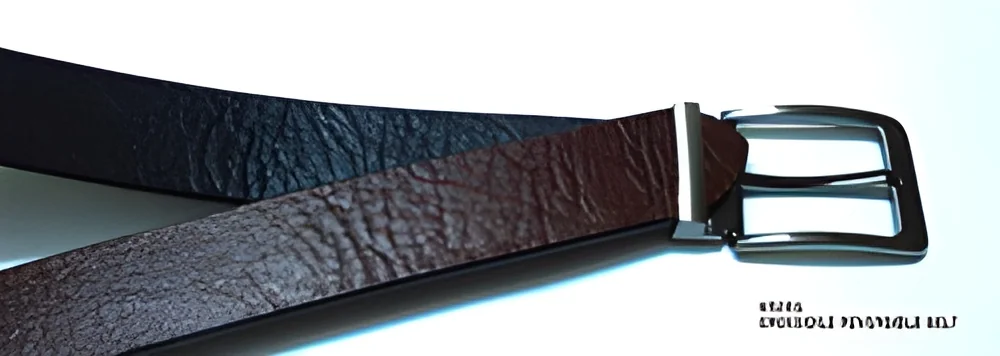
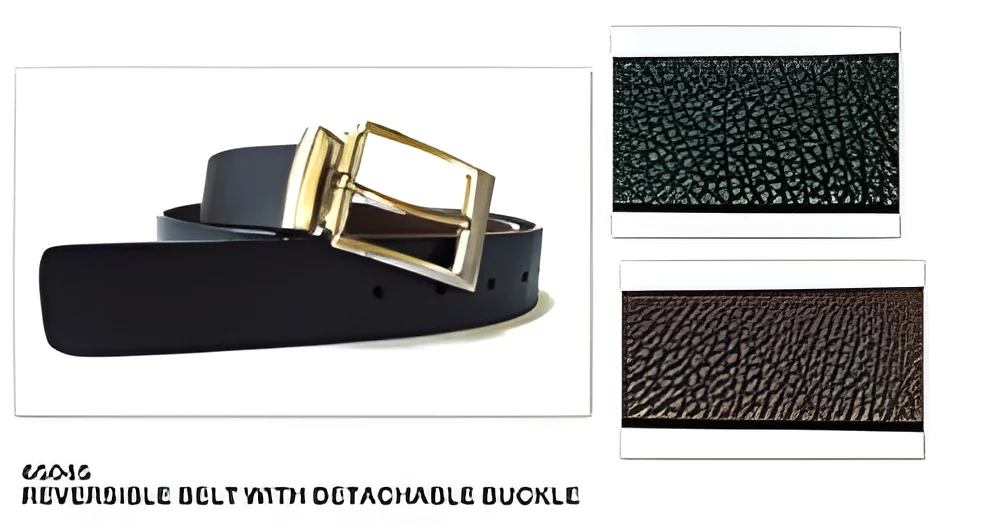
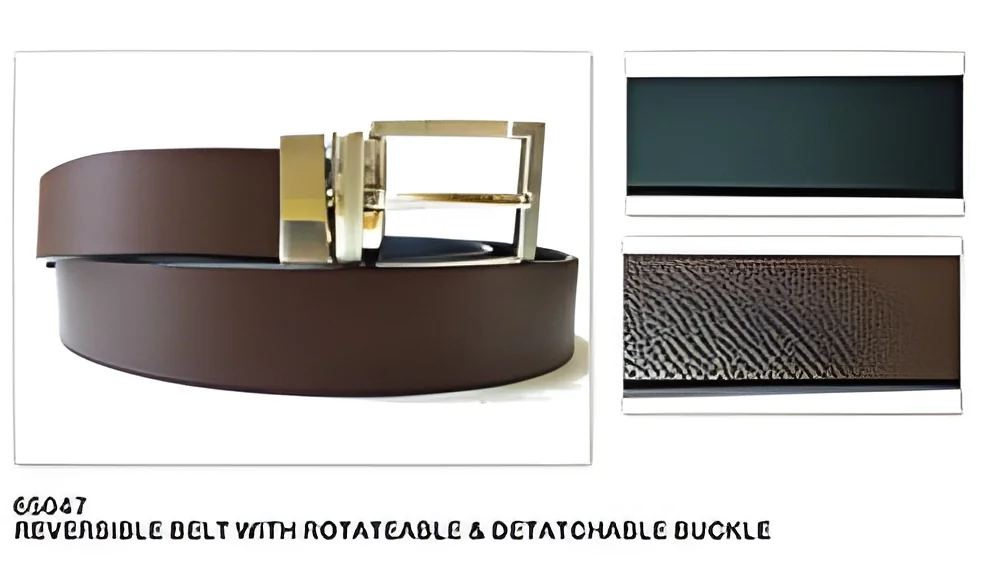
Reversible belt manufacturers specialize in producing belts that can be worn on both sides, offering versatility in style and functionality. These manufacturers utilize various materials, including leather, synthetic fabrics, and other durable materials to create products that can be flipped to showcase different colors or patterns. The design and construction of reversible belts cater to both aesthetic appeal and practical use, making them a popular choice in the fashion and accessory industries.
The primary applications of reversible belts include retail clothing stores, fashion brands, and promotional items. Businesses leverage reversible belts as a way to offer consumers multiple options in one product, appealing to the desire for cost-effective and space-saving solutions. This feature is particularly valued in the fashion industry, where trends shift rapidly, and consumers are looking for items that provide both functionality and style.
In the current market, reversible belts hold significant relevance as they align with consumer demands for sustainable and versatile products. As brands and retailers focus on reducing waste, the ability to offer a two-in-one product is increasingly attractive. Reversible belt manufacturers play a vital role in meeting these market expectations while providing businesses with quality and innovative solutions.
Key Features and Specifications
Reversible belts come with several features and specifications that enhance their usability and appeal. Understanding these specifications is crucial for businesses looking to source quality products.
Key specifications include:
1. Material Composition
- Common materials include leather, polyester, and nylon.
- Each material offers different levels of durability and style.
2. Width Options
- Typical widths range from 1 inch to 1.5 inches.
- Wider belts may provide more support for heavy-duty usage.
3. Length Variability
- Available lengths often range from 30 inches to 50 inches.
- Custom lengths can be provided based on specific buyer requirements.
4. Color Choices
- Belts are available in various color combinations, enhancing versatility.
- Custom color options may be available for bulk orders.
5. Buckle Types
- Common buckle types include metal, plastic, and magnetic.
- Buckles can be designed for ease of use or aesthetic appeal.
6. Design Patterns
- Patterns can range from solid colors to intricate designs.
- Custom designs may be available to align with brand identity.
7. Care Instructions
- Some belts may require specific cleaning methods depending on the material.
- Instructions for maintenance help prolong the lifespan of the product.
In summary, the key features and specifications of reversible belts make them a versatile choice for various applications, catering to different consumer needs and preferences.
Common Applications and Use Cases
Reversible belts serve multiple industries and applications, providing flexibility for various business needs.
1. Fashion Retail: Many fashion retailers use reversible belts as a seasonal item, offering customers two looks in one purchase. This appeals to consumers looking for stylish yet functional accessories.
2. Corporate Gifting: Businesses often select reversible belts as promotional items or corporate gifts. Their dual functionality makes them a practical and appreciated choice for clients and employees.
3. Travel Accessories: Reversible belts are popular among travelers, as they reduce packing space while offering multiple styling options. Their lightweight nature makes them easy to carry.
4. Sports and Outdoor Activities: Some reversible belts are designed for durability and weather resistance, making them suitable for outdoor sports enthusiasts who require reliable gear.
5. Uniforms: Companies that provide uniforms may choose reversible belts to accommodate different uniform styles while maintaining a professional appearance.
6. Custom Merchandise: Brands may use reversible belts as customizable merchandise, allowing them to incorporate logos or specific designs that resonate with their target audience.
7. E-commerce: Online retailers benefit from offering reversible belts as they can showcase a diverse range of styles in a single product listing, enhancing shopping convenience for customers.
Product Variants and Subcategories
Reversible belts come in various forms, catering to different consumer needs and preferences.
Casual Reversible Belts: These belts are designed for everyday wear and are made from comfortable materials. They often feature fun designs and colors, appealing to a younger demographic.
Formal Reversible Belts: Aimed at business professionals, these belts are made from high-quality leather with subtle designs. They provide a polished look suitable for formal occasions.
Sport Reversible Belts: Crafted from durable, weather-resistant materials, these belts are designed for active users. They often come with features like moisture-wicking properties and additional support.
Fashion Reversible Belts: These are trend-focused belts that feature bold patterns or colors to attract fashion-forward consumers. They are often used to complete outfits for special occasions.
Benefits and Advantages
Reversible belts offer several advantages that make them an attractive option for consumers and businesses alike.
1. Versatility: The ability to wear the belt on both sides provides consumers with multiple styling options, making it a practical addition to any wardrobe.
2. Cost-Effective: By offering two looks in one product, reversible belts help consumers save money and reduce the need for multiple belts.
3. Space-Saving: These belts are ideal for travelers and minimalists, as they take up less space in luggage or storage.
4. Customization: Many manufacturers offer customization options, allowing businesses to create unique products that align with their branding.
5. Durability: Quality reversible belts are designed to withstand daily wear, providing long-lasting use for consumers.
6. Eco-Friendly Options: With a focus on sustainability, some manufacturers produce reversible belts using environmentally friendly materials, appealing to eco-conscious consumers.
Buying Guide for B2B Buyers
When sourcing reversible belt manufacturers, it is essential for buyers to consider several key factors to ensure quality and satisfaction.
1. Quality Assessment: Evaluate the materials and craftsmanship of the belts. Look for manufacturers who adhere to industry standards and have a reputation for producing durable products.
2. Supplier Verification: Verify the credentials of potential suppliers. Check for industry certifications and customer reviews to ensure reliability and trustworthiness.
3. Pricing and MOQ: Understand the pricing structure and minimum order quantities (MOQ) that manufacturers require. This information is crucial for budgeting and planning inventory.
4. Delivery and Lead Times: Inquire about the manufacturing and delivery timelines. Timely delivery is essential to meet market demands and avoid stock shortages.
5. Compliance Requirements: Ensure that the manufacturers comply with relevant regulations and standards. This may include safety standards and environmental compliance, depending on the market.
Compliance and Certifications
Reversible belt manufacturers often adhere to various quality standards and certifications to ensure product safety and reliability.
ISO 9001 is a widely recognized quality management standard that outlines requirements for consistent quality in production. Manufacturers certified under ISO 9001 demonstrate their commitment to quality assurance and operational excellence.
CE certification indicates that a product meets European safety, health, and environmental protection standards. This certification is particularly relevant for businesses exporting to European markets, ensuring compliance with local regulations.
Safety and testing requirements vary by region and industry. Manufacturers should conduct necessary tests to ensure their products are safe for consumer use, particularly for belts that may be used in active or outdoor settings.
Regional compliance considerations may also play a role, as regulations differ across countries. Manufacturers should be aware of local laws regarding materials, labor practices, and environmental impact to avoid legal issues and maintain a positive reputation.
Why Source Reversible Belt Manufacturers from Pepagora?
Pepagora offers a trusted platform for sourcing reversible belt manufacturers, providing several key advantages for businesses.
Verified Supplier Network: Pepagora has a robust verification process for its suppliers, ensuring that businesses can connect with reputable manufacturers. This reduces the risk associated with purchasing from unverified sources.
Streamlined RFQ Process: The request for quotation (RFQ) process on Pepagora allows buyers to easily compare options and receive competitive pricing from multiple manufacturers. This simplifies decision-making for businesses.
Trade Assurance and Support: Pepagora offers trade assurance, providing buyers with protection and support throughout the transaction process. This instills confidence in sourcing decisions.
Regional Coverage: With a strong presence in regions like India, the GCC, and Southeast Asia, Pepagora connects buyers with manufacturers that cater to diverse markets. This geographical reach ensures that businesses can find suitable sourcing options tailored to their needs.

 IN
IN