
 IN
INPrivate Label Belt Manufacturers
2 products available
What are Private Label Belt Manufacturers?
Private label belt manufacturers are companies that produce belts under a retailer's brand name. These manufacturers typically offer a range of products that can be customized to meet specific branding and design requirements. The private label model allows retailers to sell unique products without the need for in-house production facilities. This arrangement provides an opportunity for businesses to expand their product offerings while maintaining control over branding and quality.
The primary uses of private label belts include fashion apparel, workwear, and industrial applications. Retailers can leverage private label products to differentiate their offerings in a competitive market. This approach not only helps in building brand loyalty but also allows businesses to cater to specific customer needs by offering tailored solutions. As demand for unique and branded products continues to rise, private label belt manufacturing has gained significant traction across various sectors.
In the current market context, private label belt manufacturers play a crucial role in the supply chain, providing businesses with flexibility and scalability. With the rise of online retail and the increasing importance of branding, these manufacturers are becoming essential partners for retailers looking to enhance their product lines. The ability to create customized belts that align with market trends is vital for businesses aiming to remain competitive.
Key Features and Specifications
Private label belts come with various features and specifications that cater to different industries and consumer needs. Understanding these specifications helps businesses make informed decisions when sourcing products.
Key specifications include:
1. Material Quality
- Premium materials such as leather, synthetic fibers, and canvas
- Durability and resistance to wear and tear
2. Size Range
- Availability in various sizes to accommodate different body types
- Custom sizing options to meet specific requirements
3. Design Flexibility
- Opportunities for custom designs, colors, and branding
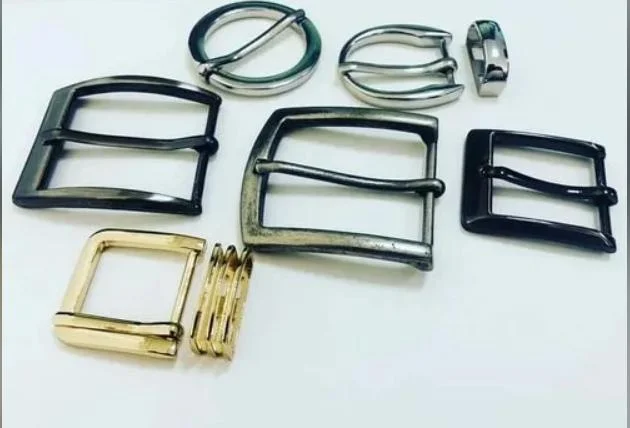
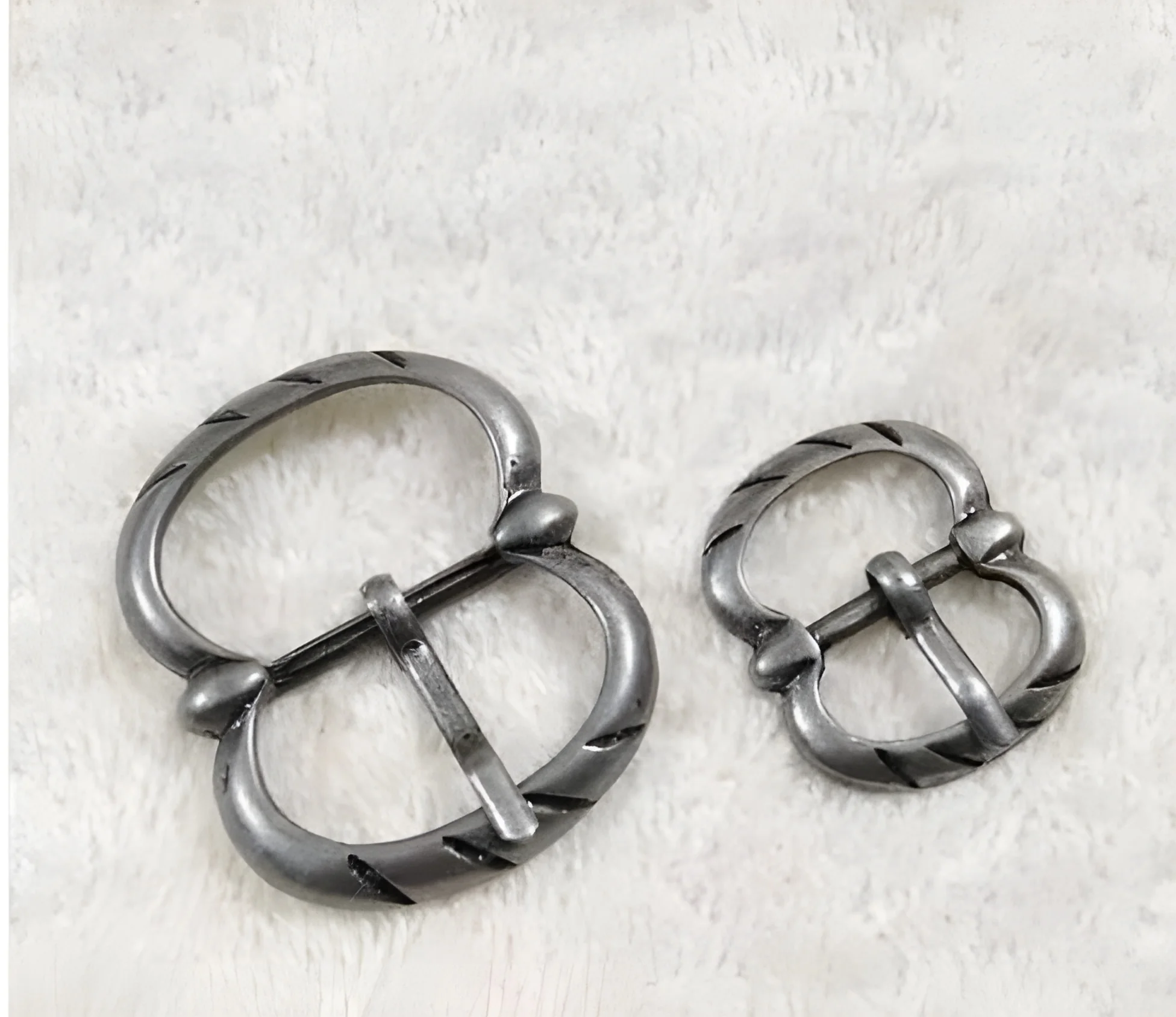
- Options for different buckle styles and fastening mechanisms
4. Production Capacity
- Ability to handle bulk orders efficiently
- Flexibility in small batch production for niche markets
5. Lead Times
- Typical production lead times varying based on quantity
- Options for expedited services for urgent needs
6. Compliance Standards
- Adherence to relevant industry regulations and safety standards
- Certification options available for quality assurance
7. Pricing Structure
- Competitive pricing based on order volume and specifications
- Transparency in pricing for better budget management
8. Shipping and Logistics
- Various shipping options available to meet delivery requirements
- Support for international shipping and customs considerations
In summary, evaluating these features and specifications allows B2B buyers to select the right private label belt manufacturers that align with their business goals.
Common Applications and Use Cases
Private label belts serve a variety of industries, each with unique applications that highlight their versatility.
1. Fashion Retail: Fashion brands use private label belts to complement their clothing lines, offering stylish accessories that enhance their product offerings.
2. Workwear: Industries such as construction and manufacturing utilize durable private label belts designed for functionality and safety, meeting the specific needs of workers.
3. E-commerce: Online retailers can leverage private label belts to create exclusive products that attract customers and boost brand identity in a crowded market.
4. Promotional Products: Companies often use custom private label belts as promotional items, providing them as giveaways at events to enhance brand visibility.
5. Sports and Outdoor: Brands in the sports and outdoor sector use specialized belts for activities like hiking and cycling, tailored to meet performance and durability standards.
6. Accessories Market: The accessories market benefits from private label belts that can be customized to fit seasonal trends and consumer preferences.
7. Gift Items: Private label belts can also be marketed as gift items, offering personalized options for special occasions.
Product Variants and Subcategories
Private label belts come in various forms, allowing businesses to cater to diverse consumer preferences and market demands.
Classic Leather Belts: These belts are made from high-quality leather, providing a timeless look suitable for formal and casual wear. They often feature elegant buckles and can be customized with embossing or branding.
Casual Fabric Belts: Made from materials like cotton or canvas, these belts are designed for everyday use and comfort. They are often available in a range of colors and patterns to suit different styles.
Utility Belts: Designed for functionality, utility belts are used in industrial and outdoor settings. They can feature multiple attachment points for tools and equipment, making them ideal for professionals.
Fashion Statement Belts: These belts are designed with bold styles and unique buckles to make a fashion statement. They are often targeted at younger demographics looking for trendy accessories.
Benefits and Advantages
Sourcing private label belts offers numerous advantages for businesses looking to enhance their product offerings.
Key benefits include:
1. Brand Differentiation: Private label belts enable companies to create unique products that stand out in the marketplace, enhancing brand identity.
2. Cost Efficiency: By partnering with manufacturers, businesses can reduce production costs while maintaining quality standards, leading to better profit margins.
3. Customization Opportunities: Retailers can tailor designs, materials, and sizes to meet specific customer needs, increasing consumer satisfaction.
4. Market Responsiveness: Private label manufacturers can quickly adapt to changing market trends, allowing businesses to stay relevant and competitive.
5. Quality Control: Working directly with manufacturers provides businesses with greater oversight on quality, ensuring that products meet established standards.
6. Scalability: Companies can easily scale production up or down based on demand, allowing for flexibility in inventory management.
Buying Guide for B2B Buyers
When sourcing private label belt manufacturers, several key factors should be considered to ensure a successful partnership.
1. Quality Assessment: It is essential to evaluate the quality of materials and craftsmanship. Requesting samples or visiting production facilities can provide insight into manufacturing standards.
2. Supplier Verification: Conduct thorough research on potential suppliers. Check their reputation, client references, and previous work to ensure reliability and credibility.
3. Pricing and MOQ: Understand the pricing structure and minimum order quantities. This will help in budgeting and ensuring that orders align with business needs.
4. Delivery and Lead Times: Clarify delivery timelines and logistics arrangements. It is crucial to align production schedules with market demands to avoid stockouts.
5. Compliance Requirements: Familiarize yourself with any relevant industry regulations and certification standards. Ensuring compliance can prevent legal issues and enhance product credibility.
Compliance and Certifications
Compliance and certifications play a vital role in the manufacturing of private label belts. Adhering to quality standards such as ISO 9001 ensures that manufacturers maintain consistent quality management systems. This certification is recognized globally and demonstrates a commitment to quality.
Industry certifications like CE mark compliance are essential, especially for products sold in the European market. This certification indicates that the products meet safety and health standards, providing assurance to consumers and retailers.
Safety and testing requirements must also be met to ensure that the belts are free from hazardous materials and safe for use. Manufacturers should conduct regular testing to verify that products comply with safety regulations.
Regional compliance considerations are significant as well. Different markets may have specific requirements regarding materials, labeling, and safety standards. It is crucial for manufacturers to stay informed about these regulations to avoid compliance issues.
Why Source Private Label Belt Manufacturers from Pepagora?
Pepagora offers a trusted platform for sourcing private label belt manufacturers with several key advantages. The verified supplier network ensures that buyers connect with reliable manufacturers who have been vetted for quality and professionalism.
The streamlined RFQ process simplifies the quotation system, allowing buyers to receive competitive pricing and terms quickly. This efficiency helps businesses make timely decisions based on accurate information.
Trade assurance and support are other benefits Pepagora provides. This feature protects buyers by ensuring that orders are fulfilled as agreed, enhancing trust in the purchasing process.
Additionally, Pepagora's regional coverage spans India, the GCC, and Southeast Asia, offering a broad selection of manufacturers catering to diverse markets. This geographic reach allows businesses to tap into regional expertise and local manufacturing capabilities.

Frequently Asked Questions
What are Private Label Belt Manufacturers?
Private Label Belt Manufacturers are companies that produce belts that can be branded and sold under a retailer's name. These manufacturers typically offer a range of products that can be customized to meet the retailer's specifications, allowing for unique branding opportunities.
What are the different types of Private Label Belt Manufacturers?
There are several types of Private Label Belt Manufacturers, including those that specialize in leather belts, fabric belts, and synthetic material belts. Some manufacturers may also focus on specific styles, such as casual, formal, or sports belts, catering to various market segments.
How do I choose the right Private Label Belt Manufacturers?
To choose the right Private Label Belt Manufacturers, consider factors such as their production capabilities, quality standards, and experience in the industry. It's also important to review their portfolio, customer reviews, and the level of customization they offer to ensure they align with your brand's needs.
What are the standard specifications for Private Label Belt Manufacturers?
Standard specifications for Private Label Belt Manufacturers may include materials used, belt widths, lengths, and buckle types. Additionally, manufacturers should comply with industry standards for durability and safety, which can vary based on the intended use of the belts.
What is the price range for Private Label Belt Manufacturers?
The price range for Private Label Belt Manufacturers can vary widely depending on factors such as materials, complexity of design, and order quantity. Generally, prices can start from a few hundred rupees for basic models and can go up to several thousand rupees for high-end or custom-designed belts.
What quality standards apply to Private Label Belt Manufacturers?
Quality standards for Private Label Belt Manufacturers typically include compliance with ISO standards and other industry-specific regulations. Manufacturers should also adhere to quality control processes to ensure that the belts meet durability, safety, and performance criteria.
Where can I find Private Label Belt Manufacturers suppliers in India?
You can find Private Label Belt Manufacturers suppliers in India through online B2B marketplaces like Pepagora, trade shows, and industry directories. Networking within the fashion and apparel industry can also help identify reputable manufacturers.
Can Private Label Belt Manufacturers be customized?
Yes, Private Label Belt Manufacturers can often provide customization options such as unique designs, materials, and branding elements. Retailers can work closely with manufacturers to create belts that fit their brand identity and meet customer preferences.
What is the typical minimum order quantity for Private Label Belt Manufacturers?
The typical minimum order quantity (MOQ) for Private Label Belt Manufacturers can vary, but it usually ranges from 100 to 500 units. Factors such as the manufacturer’s production capabilities and the complexity of the order can influence the MOQ.
What is the typical lead time for Private Label Belt Manufacturers?
The typical lead time for Private Label Belt Manufacturers can range from 4 to 12 weeks, depending on the order size, customization requirements, and current production schedules. It's advisable to discuss lead times upfront with the manufacturer to ensure timely delivery.
Why Businesses Trust Pepagora
Thousands of companies trust Pepagora to source smarter and sell faster
Expand Your Sales Globally

Source Smarter,Grow Faster
