
 IN
Garment Manufacturers (OEM/ODM)
122 products available
𝗞𝗲𝘆 𝗙𝗲𝗮𝘁𝘂𝗿𝗲𝘀 𝗮𝗻𝗱 𝗦𝗽𝗲𝗰𝗶𝗳𝗶𝗰𝗮𝘁𝗶𝗼𝗻𝘀
Garment manufacturers (OEM/ODM) offer a range of features and specifications tailored to meet the diverse needs of their clients. These specifications ensure quality, efficiency, and compliance with industry standards.
Key specifications include:
1. Manufacturing Capacity
- High volume production capabilities
- Ability to handle small to large order quantities
2. Material Sourcing
- Access to various fabrics and textiles
- Options for sustainable and eco-friendly materials
3. Design Services
- Prototyping and sample production
- Custom design and branding assistance
4. Quality Control
- In-house quality assurance processes
- Compliance with international quality standards
5. Supply Chain Management
- Efficient logistics and inventory management
- Partnerships with global shipping providers
6. Technology Integration
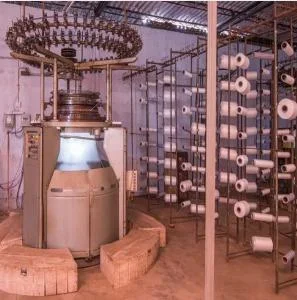
- Use of advanced manufacturing technologies
- Implementation of automated processes for efficiency
7. Compliance and Certifications
- Adherence to industry regulations
- Certifications such as CE for safety standards
8. Lead Time and Delivery
- Short turnaround times for production
- Reliable delivery schedules
Understanding these specifications helps businesses select the right manufacturer that can meet their production needs and standards.
𝗖𝗼𝗺𝗺𝗼𝗻 𝗔𝗽𝗽𝗹𝗶𝗰𝗮𝘁𝗶𝗼𝗻𝘀 𝗮𝗻𝗱 𝗨𝘀𝗲 𝗖𝗮𝘀𝗲𝘀
Garment manufacturers (OEM/ODM) cater to a wide range of industries with their versatile production capabilities.
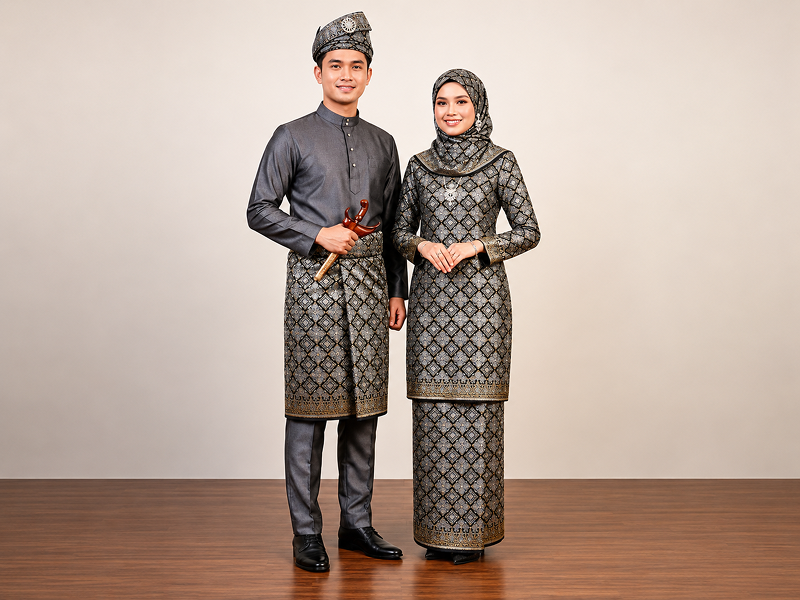
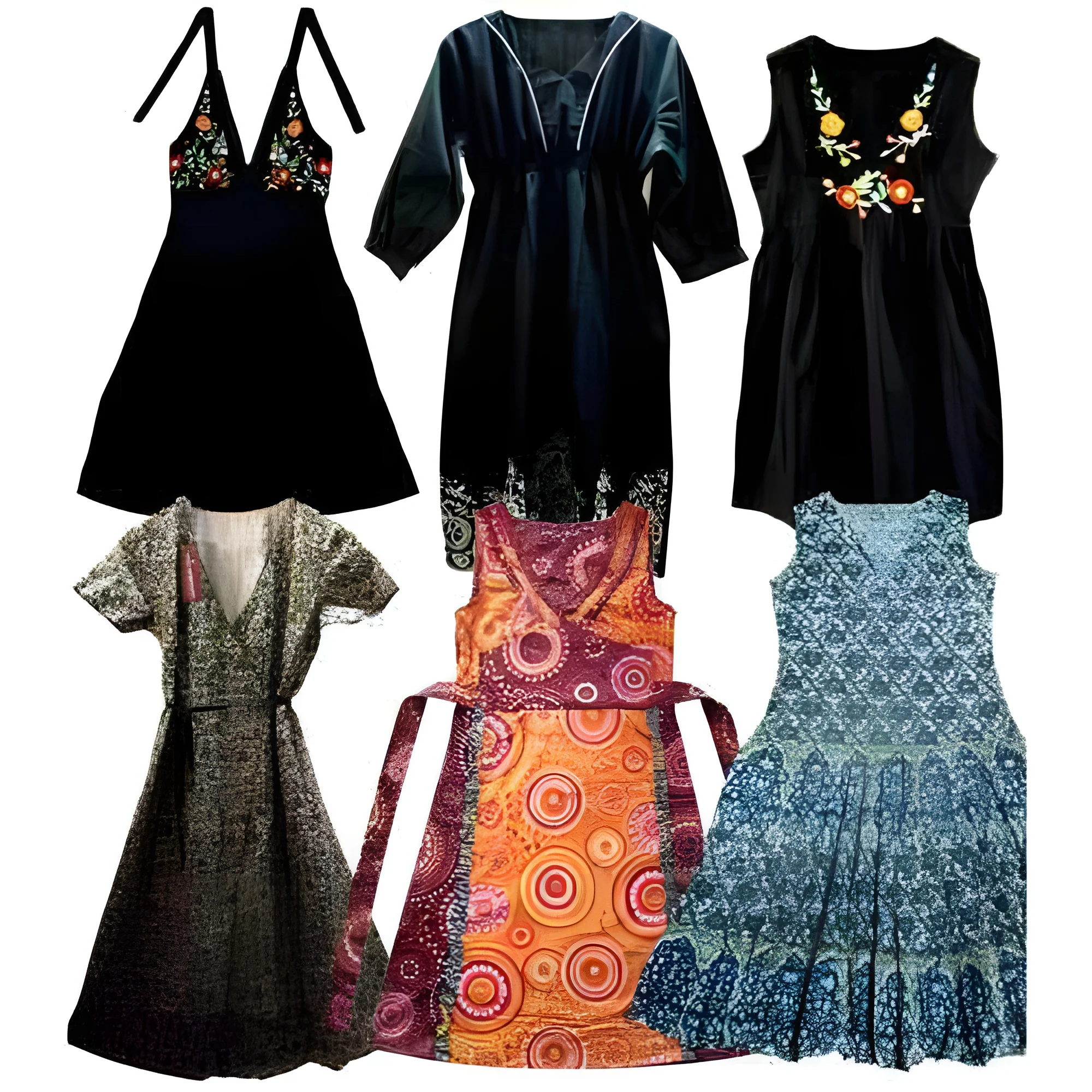
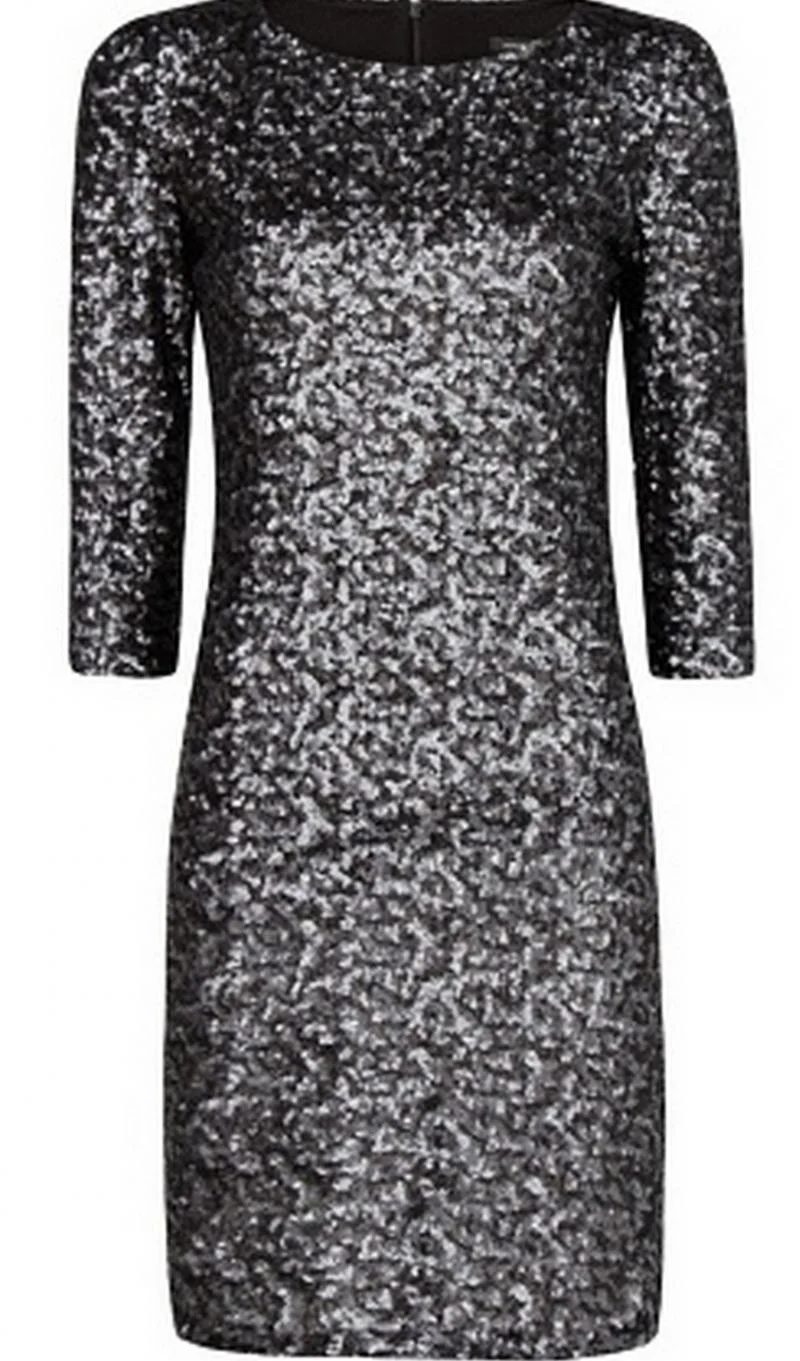
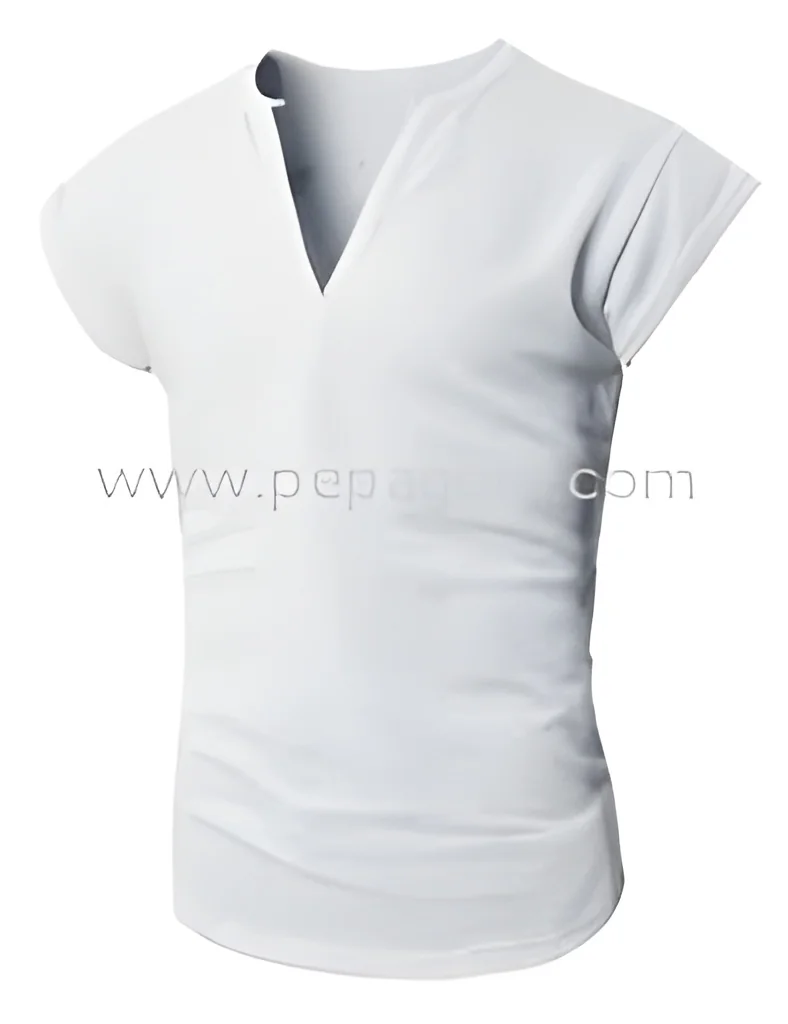
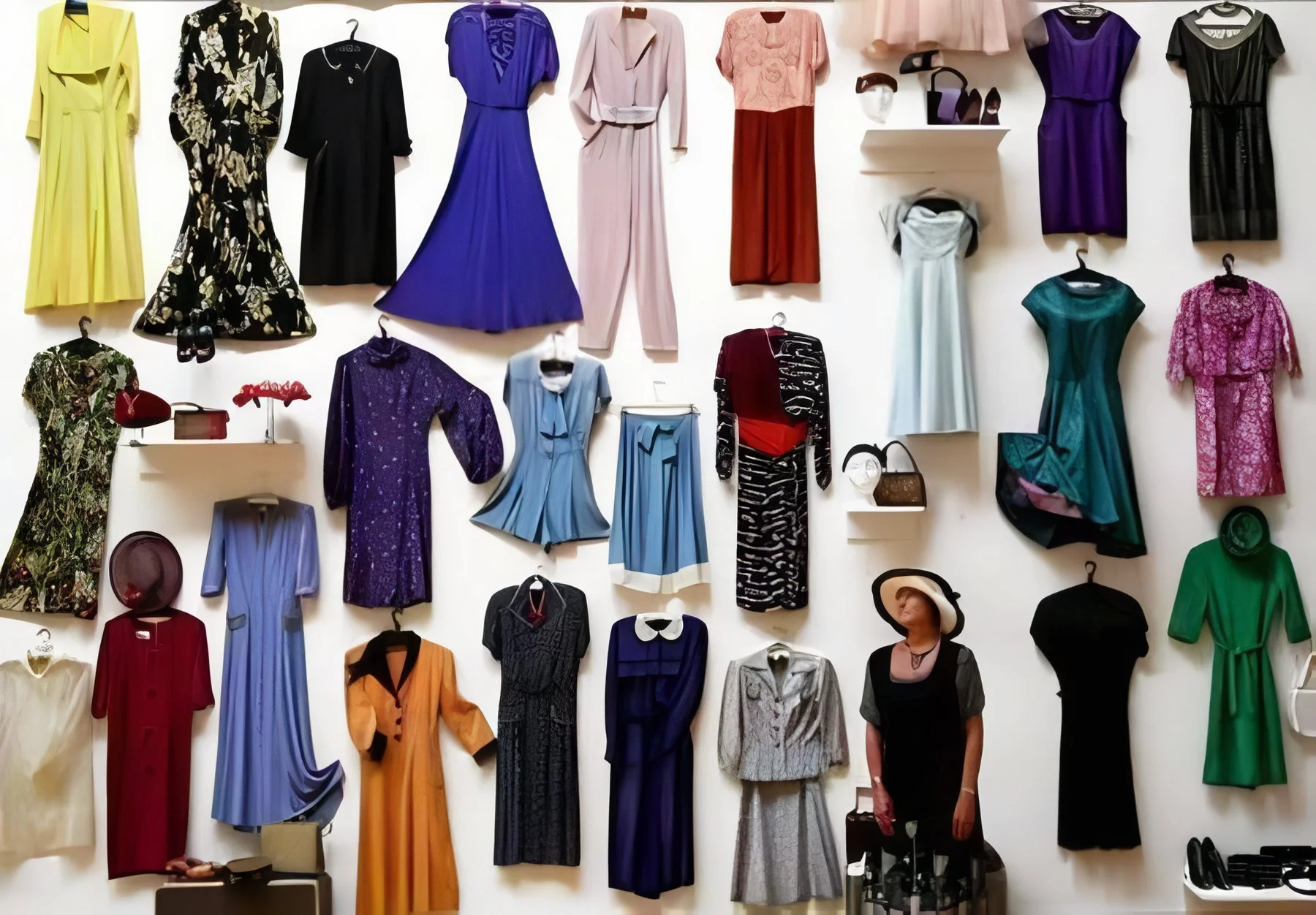
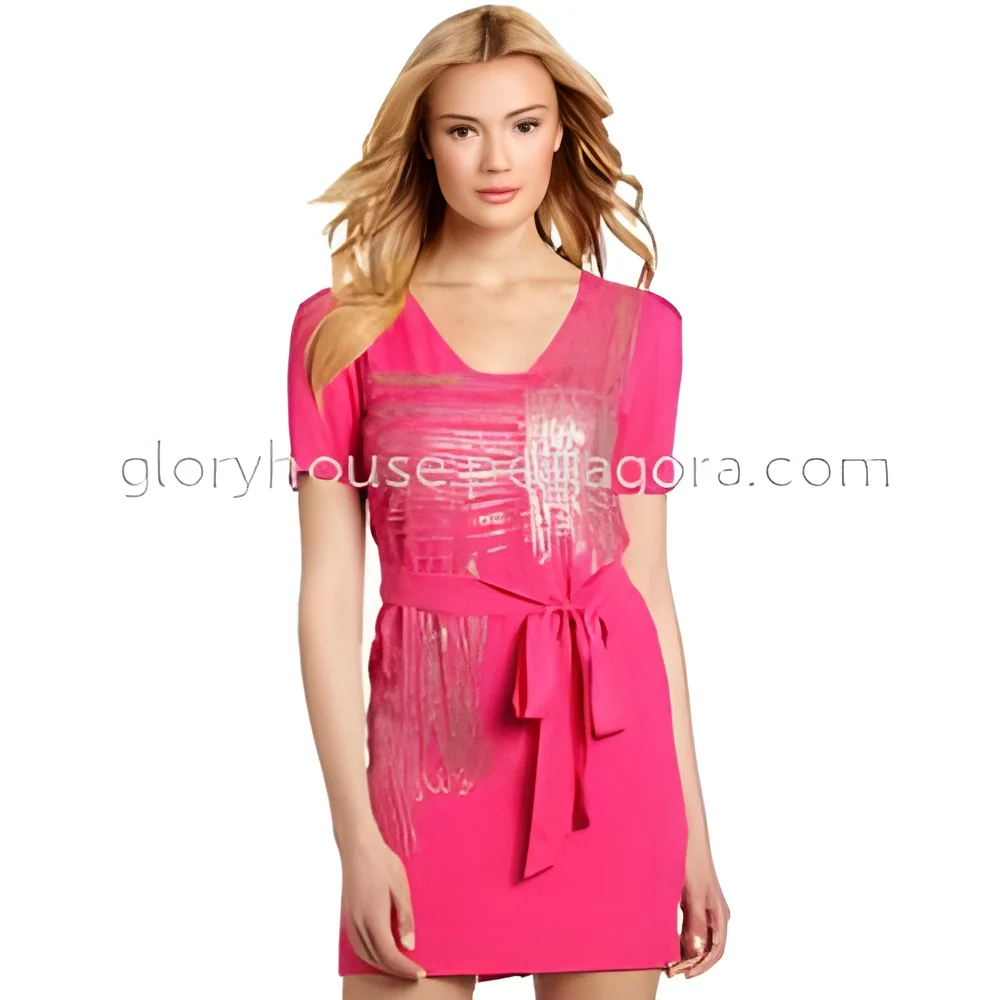
1. Fashion Apparel: These manufacturers produce clothing lines for retail brands, including seasonal collections and limited editions.
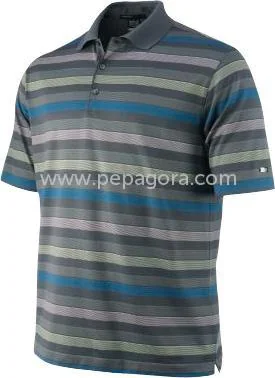
2. Sportswear: OEMs and ODMs create specialized garments tailored for sports and activewear, focusing on performance and comfort.
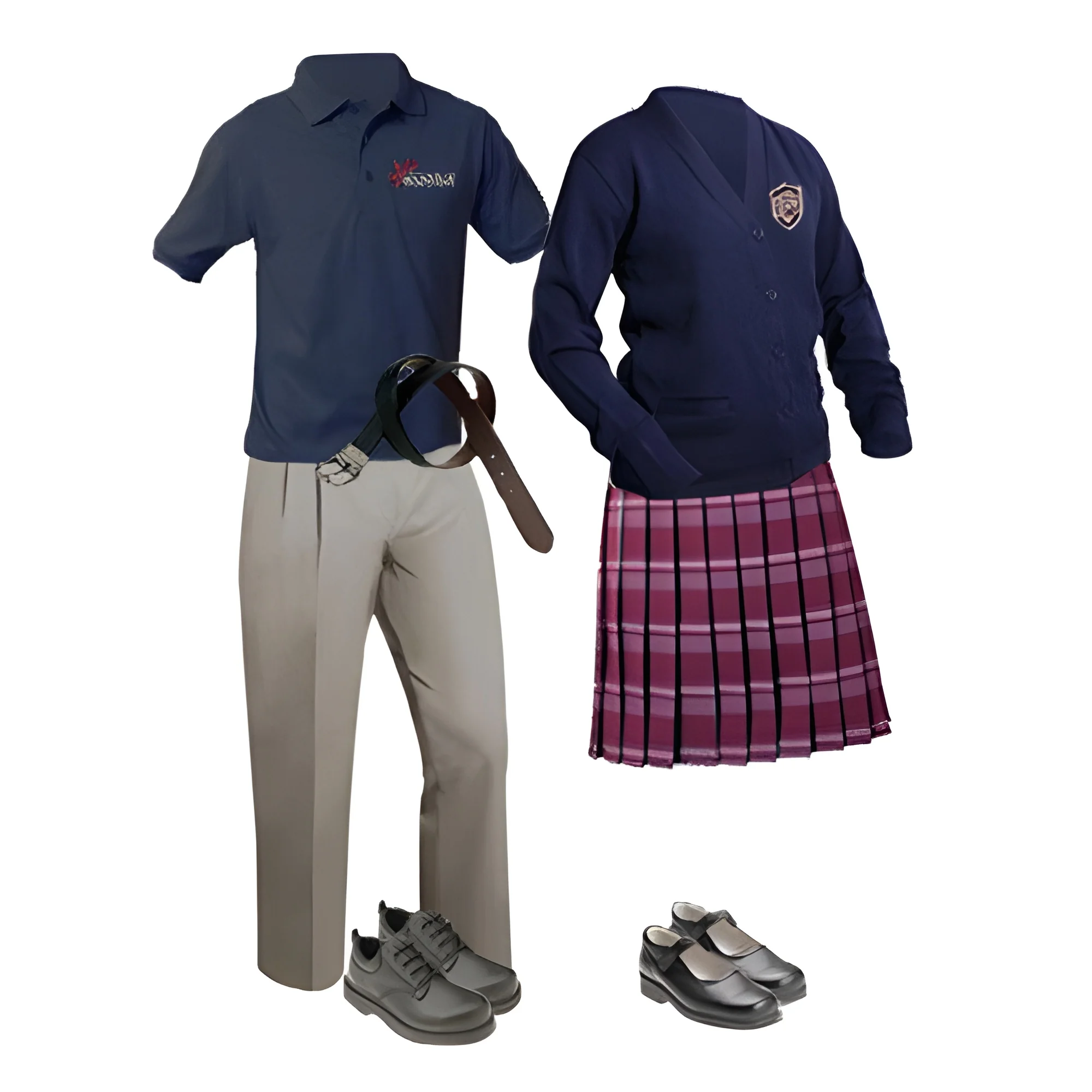
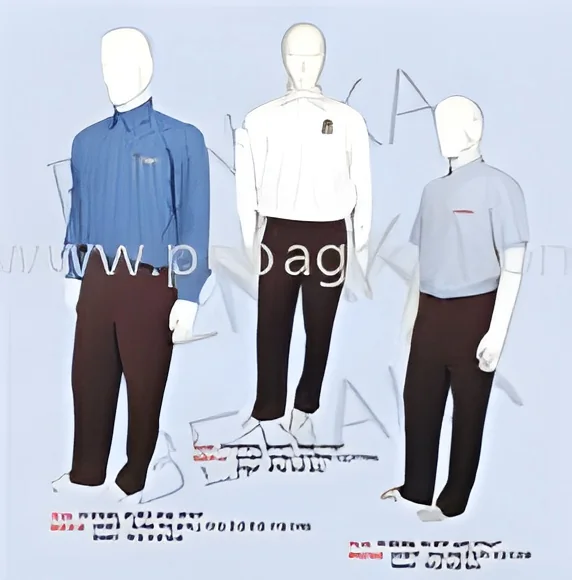
3. Workwear: Custom uniforms and protective clothing for industries such as construction, healthcare, and hospitality are also produced.
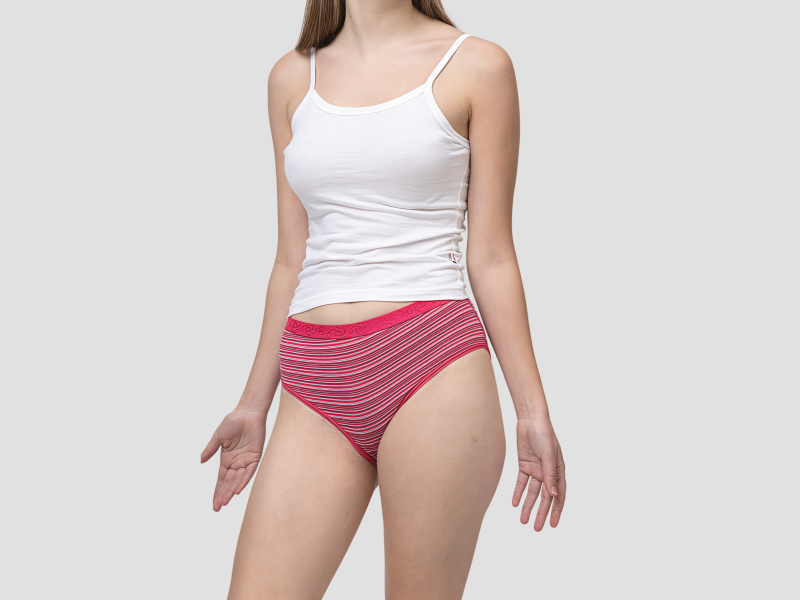
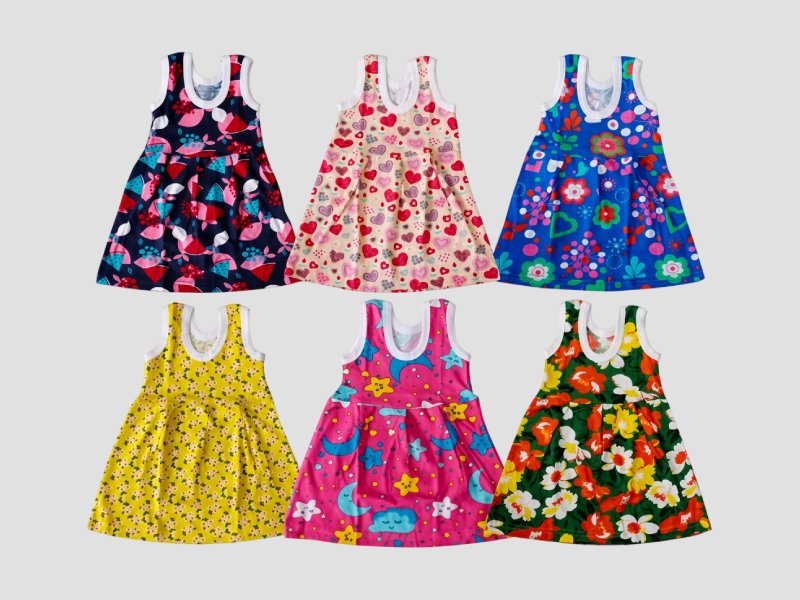
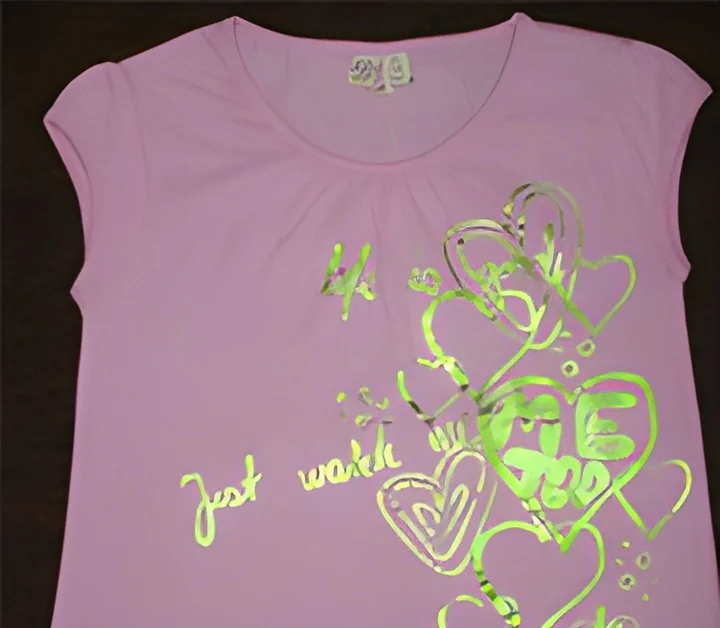
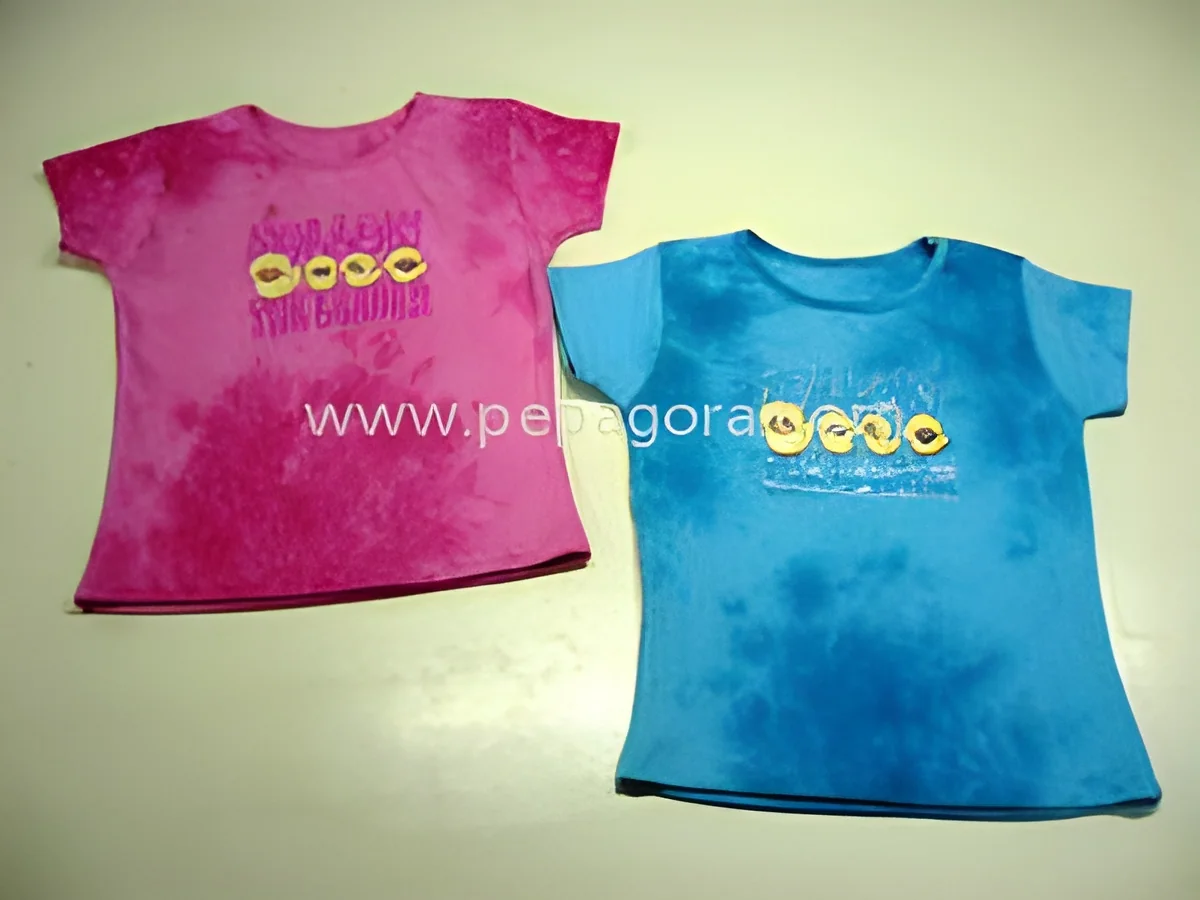
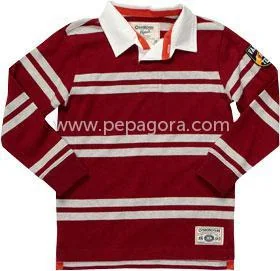
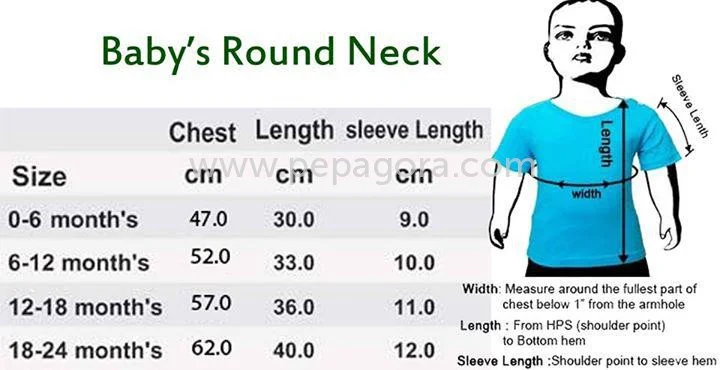
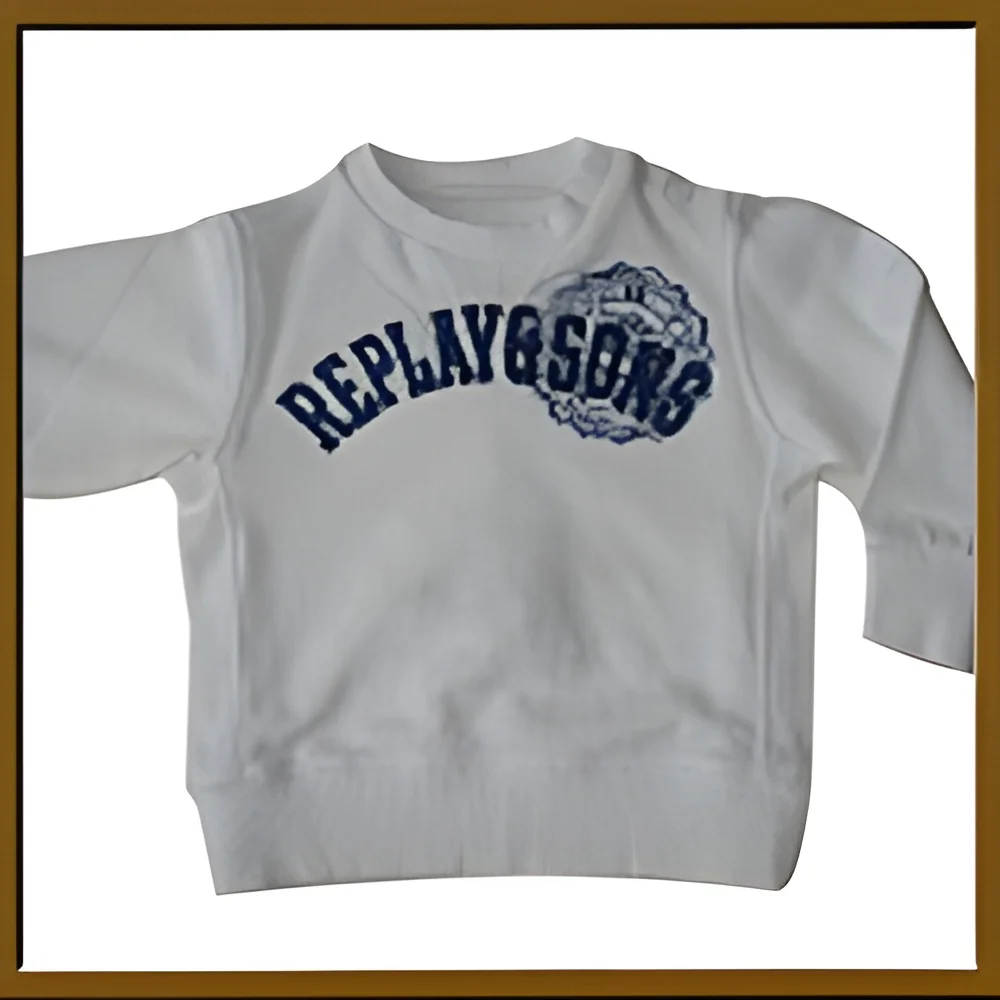
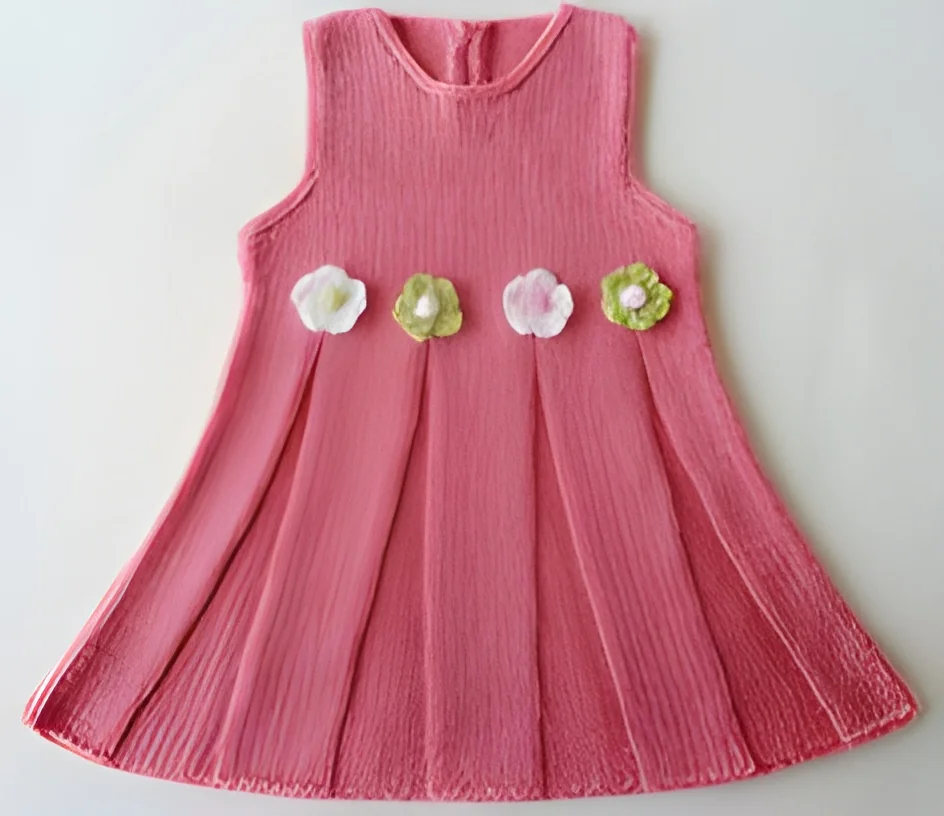
4. Children's Clothing: Manufacturers offer safe, durable, and trendy clothing options for children, meeting strict safety regulations.
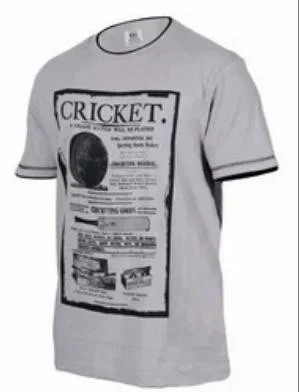
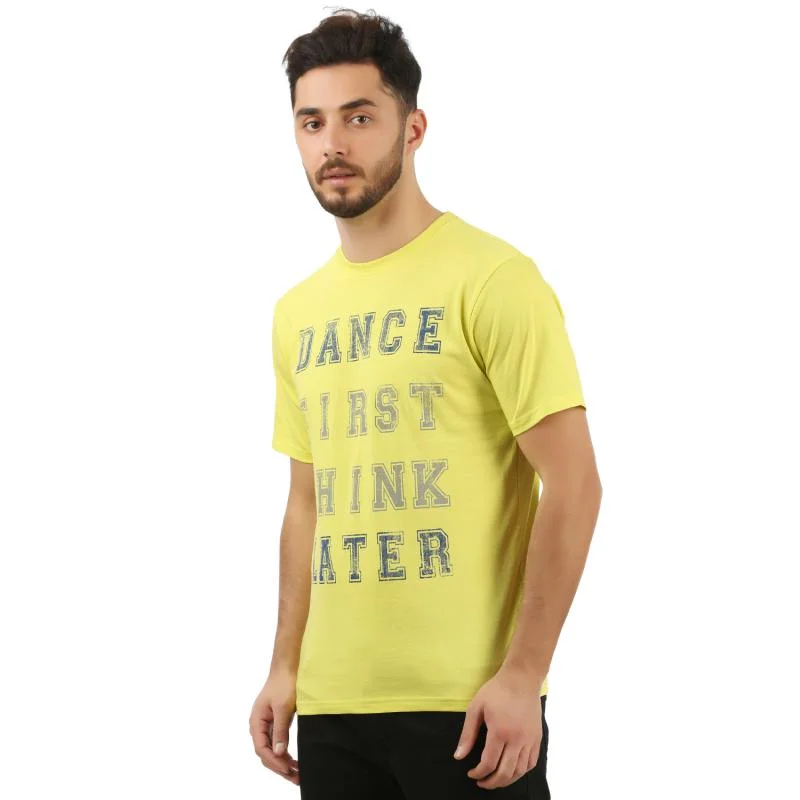
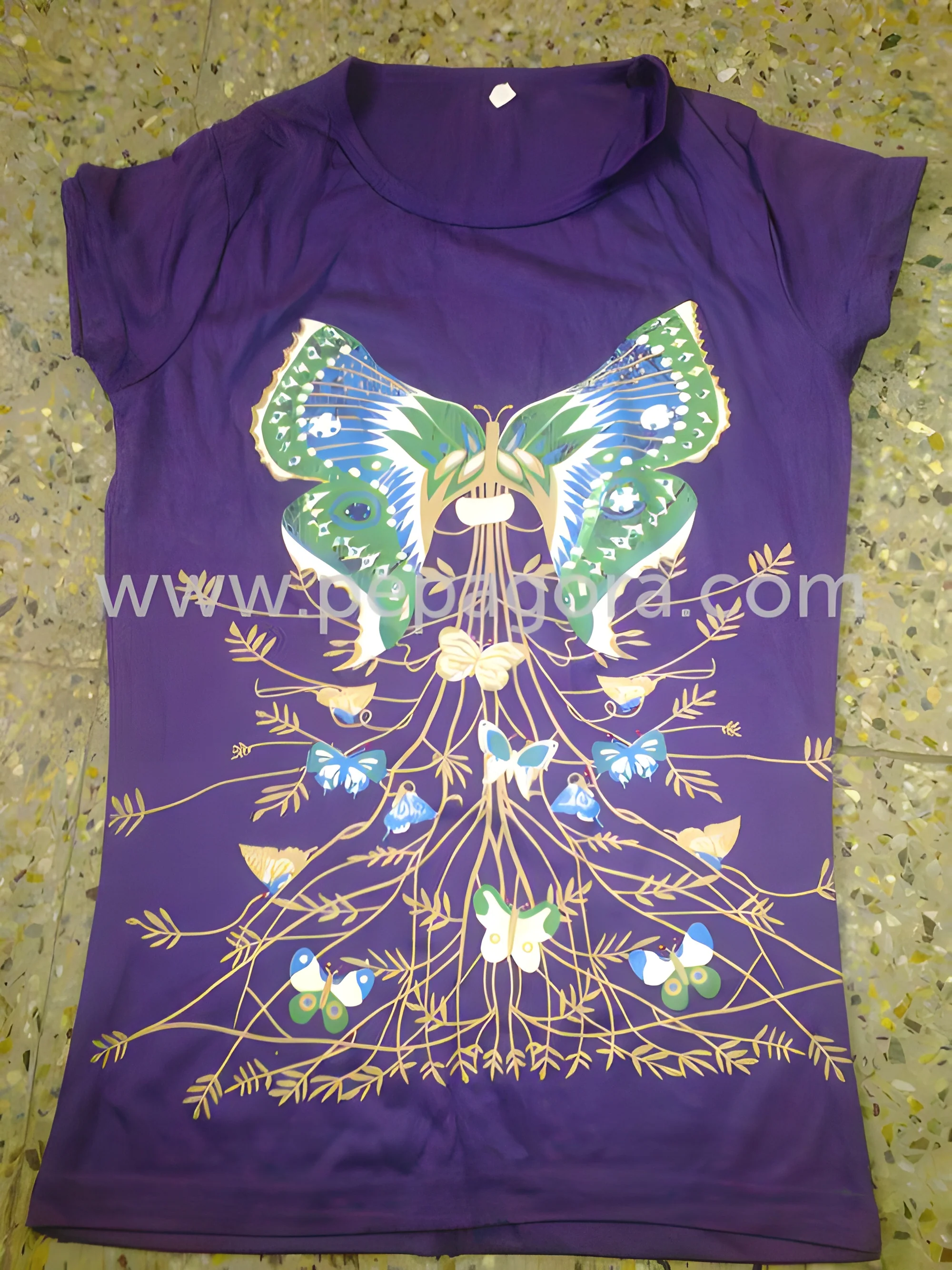
5. Promotional Apparel: Many companies use OEM/ODM services for producing branded merchandise and promotional clothing items.
6. Home Textiles: Some manufacturers extend their services to produce home textiles like curtains, bed linens, and upholstery.
7. Sustainable Fashion: With growing demand for eco-friendly products, manufacturers are increasingly focusing on sustainable garment production.
𝗣𝗿𝗼𝗱𝘂𝗰𝘁 𝗩𝗮𝗿𝗶𝗮𝗻𝘁𝘀 𝗮𝗻𝗱 𝗦𝘂𝗯𝗰𝗮𝘁𝗲𝗴𝗼𝗿𝗶𝗲𝘀
Garment manufacturers (OEM/ODM) provide a variety of product options, allowing businesses to choose solutions that best fit their needs.
Cotton Apparel
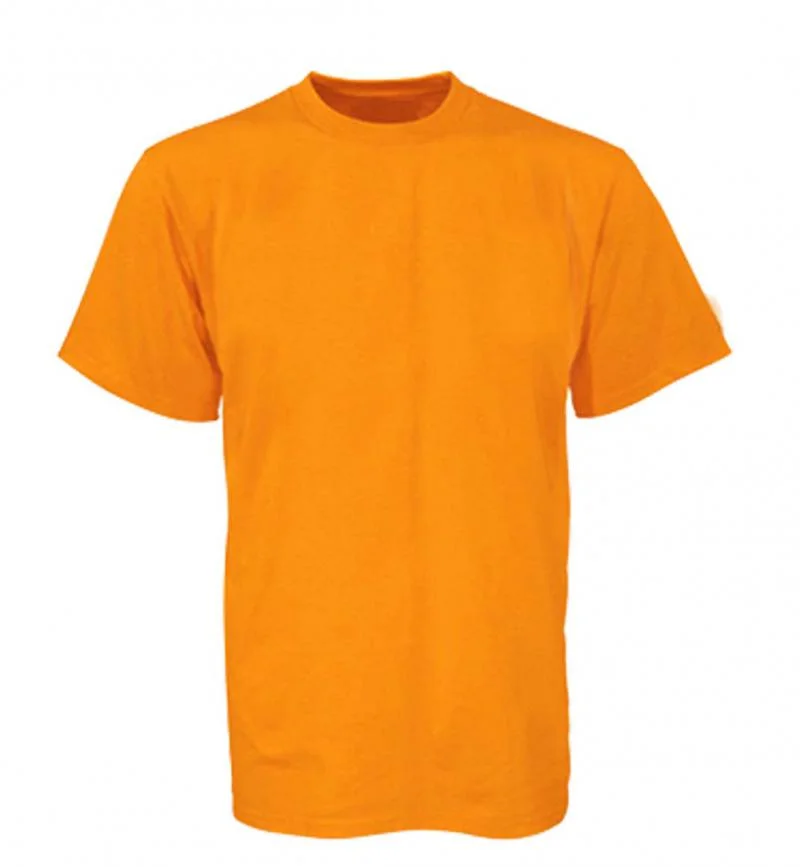
This variant includes a range of clothing made from different types of cotton, offering breathability and comfort for casual and formal wear.
Activewear
Focused on functionality, this variant includes garments designed for sports and fitness, incorporating moisture-wicking and stretchable materials.
Workwear
Manufacturers offer durable and practical clothing options tailored for various professions, ensuring safety and compliance with industry standards.
Seasonal Collections
These are special lines produced for specific seasons, allowing brands to capitalize on trends and seasonal demands.
𝗕𝗲𝗻𝗲𝗳𝗶𝘁𝘀 𝗮𝗻𝗱 𝗔𝗱𝘃𝗮𝗻𝘁𝗮𝗴𝗲𝘀
Sourcing from garment manufacturers (OEM/ODM) offers numerous benefits to businesses looking to enhance their product offerings.
Key benefits include:
1. Cost Efficiency: Outsourcing production can significantly reduce operational costs, allowing companies to allocate resources to other business areas.
2. Access to Expertise: Manufacturers bring industry knowledge and technical expertise, ensuring high-quality products that meet market demands.
3. Flexibility: OEM/ODM partnerships provide businesses with the ability to scale production up or down based on demand fluctuations.
4. Speed to Market: These manufacturers often have established processes that enable quicker production and delivery times.
5. Customization: Businesses can tailor products to meet specific needs, from design to fabric selection, enhancing brand identity.
6. Risk Mitigation: Partnering with experienced manufacturers reduces the risks associated with production and supply chain management.
𝗕𝘂𝘆𝗶𝗻𝗴 𝗚𝘂𝗶𝗱𝗲 𝗳𝗼𝗿 𝗕𝟮𝗕 𝗕𝘂𝘆𝗲𝗿𝘀
When considering garment manufacturers (OEM/ODM) for partnership, businesses should evaluate several key factors.
1. Quality Assessment: Conduct thorough checks on the quality of materials and finished products. Look for manufacturers with strong quality control processes.
2. Supplier Verification: Vet potential suppliers through references, industry certifications, and audits to ensure they meet necessary standards.
3. Pricing and MOQ: Understand the pricing structure and minimum order quantities (MOQ) to ensure they align with your budget and production needs.
4. Delivery and Lead Times: Inquire about the manufacturer's delivery capabilities and lead times to ensure timely production and shipment.
5. Compliance Requirements: Ensure that the manufacturer adheres to relevant regulations and certifications, maintaining compliance with industry standards.
𝗖𝗼𝗺𝗽𝗹𝗶𝗮𝗻𝗰𝗲 𝗮𝗻𝗱 𝗖𝗲𝗿𝘁𝗶𝗳𝗶𝗰𝗮𝘁𝗶𝗼𝗻𝘀
Garment manufacturers (OEM/ODM) must adhere to various quality standards and certifications to ensure their products meet legal and safety requirements.
ISO 9001 is a key quality management standard that outlines criteria for an effective quality management system. Compliance with this standard ensures that manufacturers maintain high quality in their processes and outputs.
HACCP (Hazard Analysis Critical Control Point) and GDP (Good Distribution Practices) are also relevant for manufacturers producing garments that may come into contact with food or medical environments, emphasizing safety and hygiene.
Industry certifications such as CE indicate that products meet European safety standards, providing assurance of their quality and safety for consumers.
Manufacturers must also consider regional compliance requirements, which may vary significantly depending on local laws and regulations affecting production and distribution.
Why Source Garment Manufacturers (OEM/ODM) from Pepagora?
Pepagora stands out as a trusted platform for sourcing garment manufacturers (OEM/ODM) with several significant advantages.
Verified Supplier Network: Pepagora has established a robust network of verified suppliers, ensuring that businesses can connect with reputable manufacturers. This verification process helps mitigate risks associated with sourcing.
Streamlined RFQ Process: The platform offers an efficient request for quotation (RFQ) process, allowing buyers to easily obtain and compare quotes from multiple manufacturers. This simplifies decision-making and enhances transparency.
Trade Assurance and Support: Buyers benefit from trade assurance programs that protect their investments. Pepagora provides support throughout the sourcing process, ensuring a smooth transaction.
Regional Coverage: With a strong presence in India, the GCC, and Southeast Asia, Pepagora offers geographical reach that connects buyers with local and regional manufacturers. This ensures accessible options for various production needs.
By choosing Pepagora, businesses can enhance their sourcing strategy while accessing high-quality garment manufacturing solutions.






Frequently Asked Questions
What are Garment Manufacturers (OEM/ODM)?
Garment Manufacturers (OEM/ODM) are companies that produce clothing items under another brand's label. OEM stands for Original Equipment Manufacturer, while ODM stands for Original Design Manufacturer. These manufacturers handle everything from design to production, allowing brands to focus on marketing and sales.
What are the different types of Garment Manufacturers (OEM/ODM)?
There are two primary types of Garment Manufacturers: OEM and ODM. OEM manufacturers produce garments based on designs provided by the client, while ODM manufacturers create their own designs which clients can then brand. Additionally, some manufacturers specialize in specific types of clothing, such as activewear, formalwear, or children's clothing.
How do I choose the right Garment Manufacturers (OEM/ODM)?
Choosing the right Garment Manufacturer involves considering factors such as their experience, production capacity, and quality of work. It's important to review their portfolio, check client testimonials, and request samples. Additionally, assessing their compliance with industry standards and certifications can help ensure they meet your requirements.
What are the standard specifications for Garment Manufacturers (OEM/ODM)?
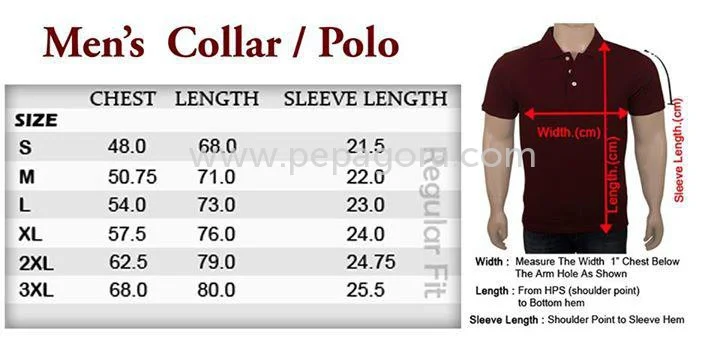
Standard specifications for Garment Manufacturers typically include fabric quality, stitching techniques, sizing standards, and finishing details. Manufacturers should also adhere to specific compliance regulations regarding labor practices and environmental sustainability. These specifications can vary based on the type of garments being produced.
What is the price range for Garment Manufacturers (OEM/ODM)?
The price range for Garment Manufacturers can vary widely based on factors such as order volume, garment complexity, and material costs. Generally, prices can range from a few dollars to over $50 per item. It's advisable to obtain quotes from multiple manufacturers to compare pricing and services.
What quality standards apply to Garment Manufacturers (OEM/ODM)?
Quality standards for Garment Manufacturers often include ISO certifications, compliance with safety regulations, and adherence to specific industry benchmarks. Manufacturers may also follow guidelines set by organizations like the Global Organic Textile Standard (GOTS) for organic fabrics. Regular quality control checks are essential throughout the production process.
Where can I find Garment Manufacturers (OEM/ODM) suppliers in India?
You can find Garment Manufacturers (OEM/ODM) suppliers in India through various online B2B marketplaces, trade shows, and industry directories. Websites like Pepagora.com provide a platform to connect with verified manufacturers. Additionally, networking within industry associations can help you discover reputable suppliers.
Can Garment Manufacturers (OEM/ODM) be customized?
Yes, Garment Manufacturers (OEM/ODM) often offer customization options such as fabric selection, design alterations, and branding elements. Customization can range from minor adjustments to complete design overhauls, depending on the manufacturer's capabilities. Discussing your specific needs with the manufacturer will help determine the extent of customization available.
What is the typical minimum order quantity for Garment Manufacturers (OEM/ODM)?
The typical minimum order quantity (MOQ) for Garment Manufacturers varies, but it often ranges from 100 to 1000 pieces per design. The MOQ can depend on the manufacturer’s production capacity, the complexity of the garments, and the type of materials used. It's advisable to confirm the MOQ with potential manufacturers during the selection process.
What is the typical lead time for Garment Manufacturers (OEM/ODM)?
The typical lead time for Garment Manufacturers (OEM/ODM) can range from 4 to 12 weeks, depending on factors such as order size, complexity, and the manufacturer's workload. It's important to discuss lead times upfront and plan accordingly, especially for seasonal collections or specific launch dates.
Why Businesses Trust Pepagora
Thousands of companies trust Pepagora to source smarter and sell faster
Expand Your Sales Globally

Source Smarter,Grow Faster
