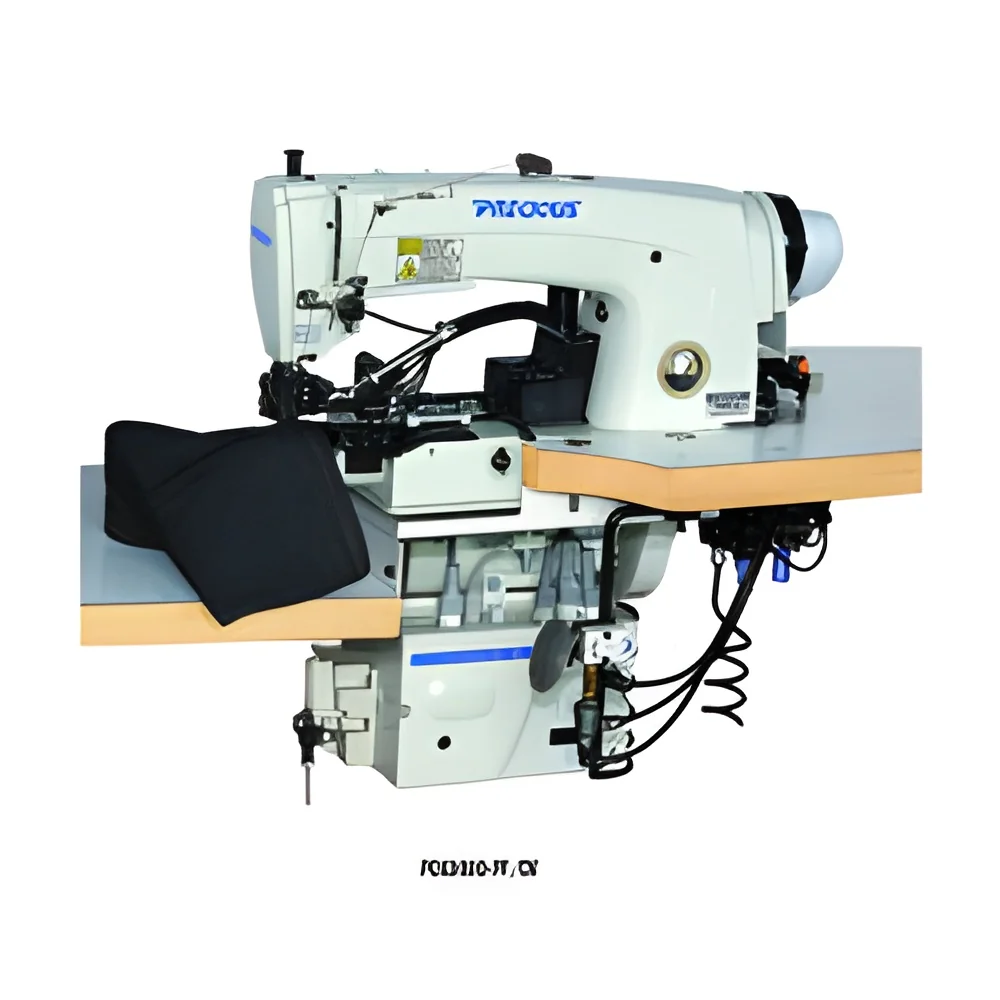
What are Small Batch Garment OEM?
Small Batch Garment OEM refers to the original equipment manufacturing process specifically tailored for producing small quantities of garments. This approach allows businesses to create unique clothing items without committing to large production runs. Typically, these services are utilized by fashion designers, boutique brands, and companies looking to test new designs before scaling up production. Small batch manufacturing can also facilitate customization, enabling brands to cater to niche markets effectively.
The primary applications of Small Batch Garment OEM span various sectors, including fashion, sportswear, and workwear industries. Businesses often leverage these services to prototype new designs, conduct market tests, and respond swiftly to changing fashion trends. As consumer preferences evolve, companies increasingly rely on small batch production to maintain agility and reduce excess inventory. In the current market context, this type of manufacturing is becoming essential for brands seeking to remain competitive and innovative.
Key Features and Specifications
Small Batch Garment OEM offers several features that cater to the specific needs of businesses looking for flexibility and quality. Understanding these specifications is crucial for making informed decisions.
Key specifications include:
1. Customization Options
- Ability to tailor designs to specific client requirements
- Options for fabric selection, sizing, and branding
2. Production Capacity
- Designed for small to medium-sized orders
- Typically ranges from 50 to 1,000 units per design
3. Turnaround Time
- Fast production cycles to accommodate rapid market changes
- Average lead times can vary from 2 to 6 weeks
4. Quality Control
- Rigorous quality checks at every stage of production
- Compliance with industry standards to ensure consistency
5. Material Sourcing
- Access to a variety of high-quality fabrics
- Partnerships with trusted suppliers for sustainable materials
6. Design Support
- Assistance with technical design and development
- Collaboration with in-house designers for optimal results
7. Low Minimum Order Quantity (MOQ)
- Ideal for startups and small businesses
- Allows brands to test the market without heavy financial investment
8. Scalability
- Capability to scale production as demand increases
- Flexibility in transitioning to larger batches when needed
In summary, the features of Small Batch Garment OEM enable businesses to innovate and adapt quickly while maintaining high standards of quality and customization.
Common Applications and Use Cases
Small Batch Garment OEM is relevant across a range of industries, each with specific applications.
1. Fashion Industry: Designers often utilize small batch production to create exclusive collections, allowing them to test new styles and trends with limited runs.
2. Sportswear: Brands producing athletic wear can experiment with different materials and designs, catering to specific sports or activities while ensuring performance and comfort.
3. Workwear: Companies requiring specialized uniforms benefit from custom small batch manufacturing, which allows for tailored designs that meet safety and branding criteria.
4. Eco-Friendly Fashion: Brands focused on sustainability can produce small quantities of garments with organic or recycled materials, minimizing waste and promoting responsible consumption.
5. Apparel for Events: Organizations hosting events may need custom apparel for participants, making small batch options ideal for unique, short-term needs.
6. Children's Clothing: Brands targeting children's fashion can produce small runs of playful, size-specific garments that appeal to parents looking for one-of-a-kind options.
7. Promotional Clothing: Businesses seeking to promote their brand can utilize small batch production for custom promotional items, ensuring a unique and memorable offering.
Product Variants and Subcategories
The diversity of Small Batch Garment OEM allows for various product variants tailored to different business needs.
Casual Wear
This variant focuses on creating comfortable, everyday clothing. It includes items like t-shirts, hoodies, and joggers, ideal for brands looking to tap into the casual fashion market.
Activewear
Designed for performance and comfort, this variant includes sports bras, leggings, and athletic tops. It caters to fitness enthusiasts and brands aiming to provide functional workout gear.
Formal Wear
This variant includes tailored suits, dresses, and accessories for formal occasions. It allows businesses to offer sophisticated options for events, weddings, and corporate functions.
Seasonal Collections
Focusing on trends and seasonal changes, this variant enables brands to create timely designs that appeal to consumers during specific times of the year.
Benefits and Advantages
Sourcing Small Batch Garment OEM offers numerous advantages for businesses aiming to enhance their product offerings.
Key benefits include:
1. Flexibility: Small batch production allows for quick adjustments to designs based on market feedback or changing trends.
2. Lower Financial Risk: Companies can test new products without the financial burden of large inventory commitments.
3. High Customization: Brands can tailor products to meet specific customer demands, enhancing overall satisfaction.
4. Quality Assurance: The focus on smaller quantities enables more rigorous quality control, ensuring that each piece meets high standards.
5. Faster Time to Market: With shorter lead times, businesses can launch products quickly, capitalizing on emerging trends.
6. Sustainability: Small batch production can reduce waste and promote environmentally responsible practices, appealing to eco-conscious consumers.
Buying Guide for B2B Buyers
When considering Small Batch Garment OEM, it is essential for businesses to evaluate several key factors.
1. Quality Assessment: Examine samples and request information on quality control measures. Look for certifications that indicate adherence to industry standards.
2. Supplier Verification: Research potential suppliers thoroughly. Verify their reputation, past work, and customer reviews to ensure reliability.
3. Pricing and MOQ: Understand the pricing structure and minimum order quantities. Compare different suppliers to find the best value for your needs.
4. Delivery and Lead Times: Inquire about production timelines and shipping options. Ensure that the supplier can meet your schedule requirements.
5. Compliance Requirements: Familiarize yourself with any regulations or compliance standards that apply to your products. Ensure that suppliers adhere to these requirements.
Compliance and Certifications
Compliance and certification are critical for maintaining quality and safety in Small Batch Garment OEM. Relevant quality standards include ISO 9001, which ensures effective quality management systems are in place, and HACCP, which focuses on safety in production processes. Compliance with good distribution practices (GDP) is also important for ensuring that products are handled correctly throughout the supply chain.
Industry certifications, such as CE marking, indicate that the garments meet European safety and environmental standards. It is crucial for manufacturers to conduct thorough safety testing to minimize risks associated with garment production. Additionally, businesses should be aware of regional compliance considerations that may affect the sourcing and production of garments in specific markets.
Why Source Small Batch Garment OEM from Pepagora?
Pepagora provides a trusted platform for sourcing Small Batch Garment OEM with several key advantages.
The verified supplier network ensures that businesses can find reputable manufacturers who meet stringent quality and compliance standards. Each supplier is vetted to guarantee reliability and capability.
Pepagora’s streamlined RFQ process simplifies the quotation system, enabling buyers to receive competitive pricing and quick responses from multiple suppliers. This efficiency helps businesses make informed purchasing decisions.
Additionally, Pepagora offers trade assurance and support to protect buyers throughout the sourcing process. This commitment to buyer protection fosters confidence in transactions.
Finally, Pepagora’s regional coverage spans India, the GCC, and Southeast Asia, allowing businesses to access a diverse range of suppliers and products tailored to their specific needs. This geographic reach ensures that companies can find the right partners for their small batch garment production.

 IN
IN