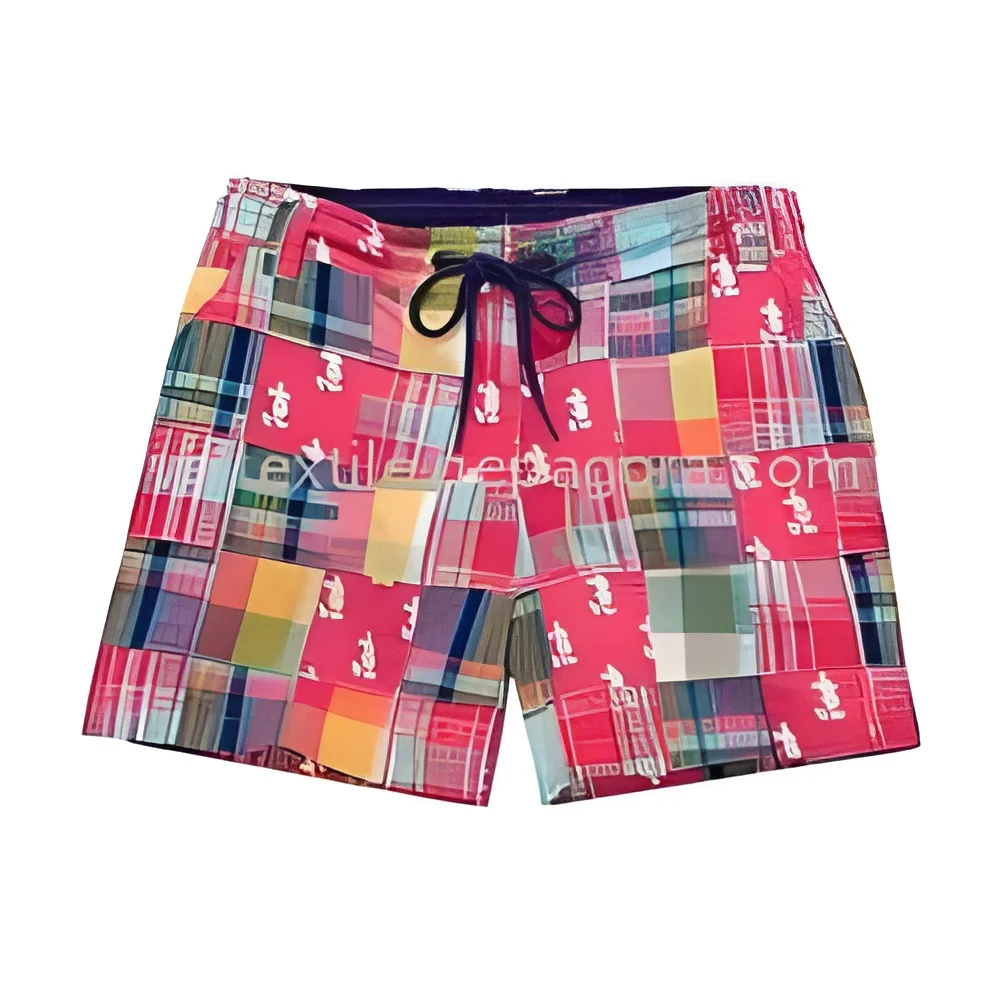
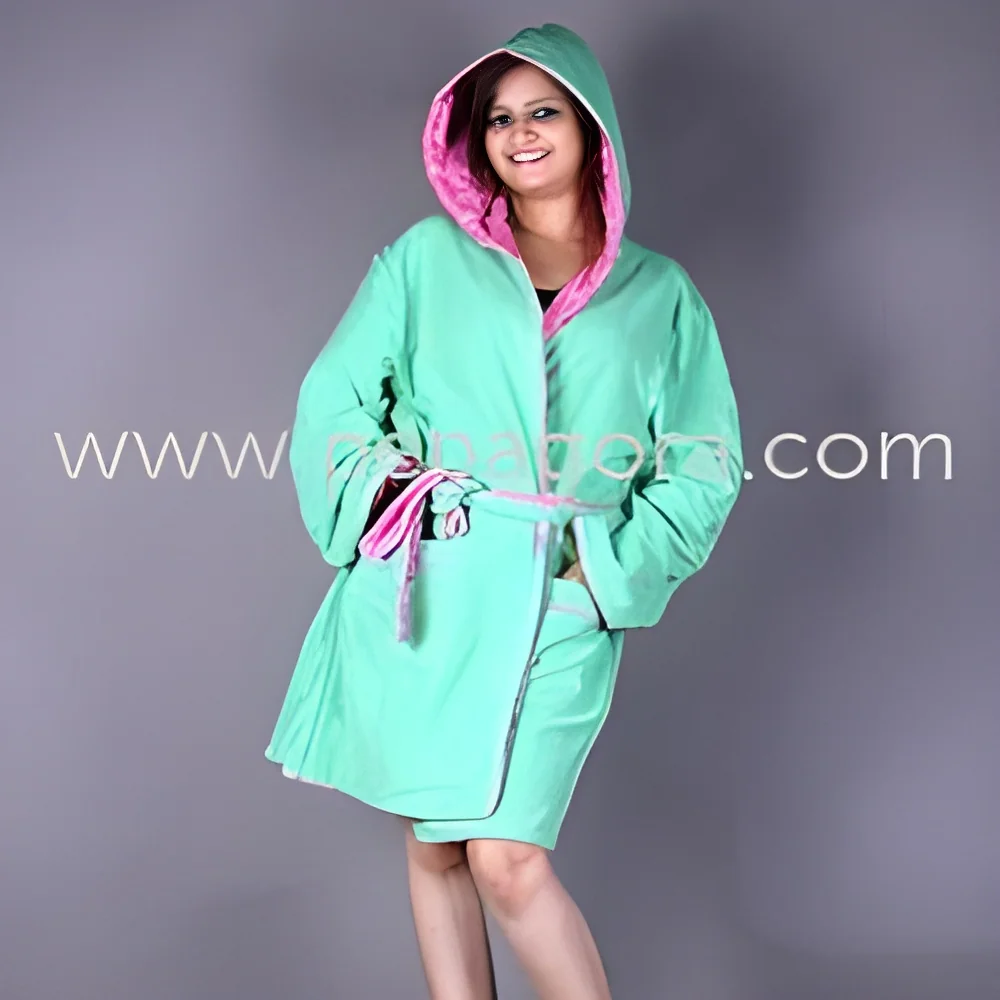
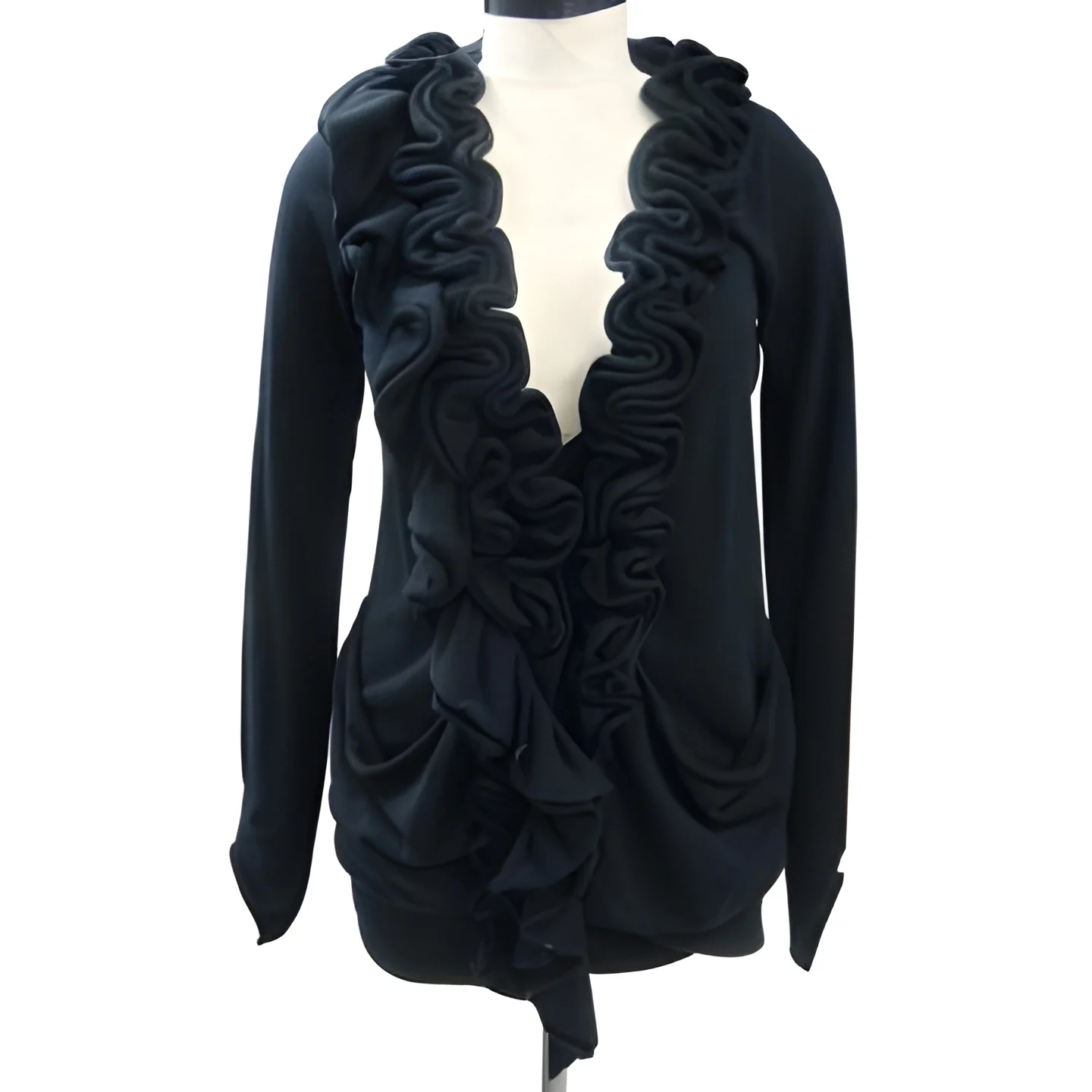
What are Women's Fashion Wear OEM?
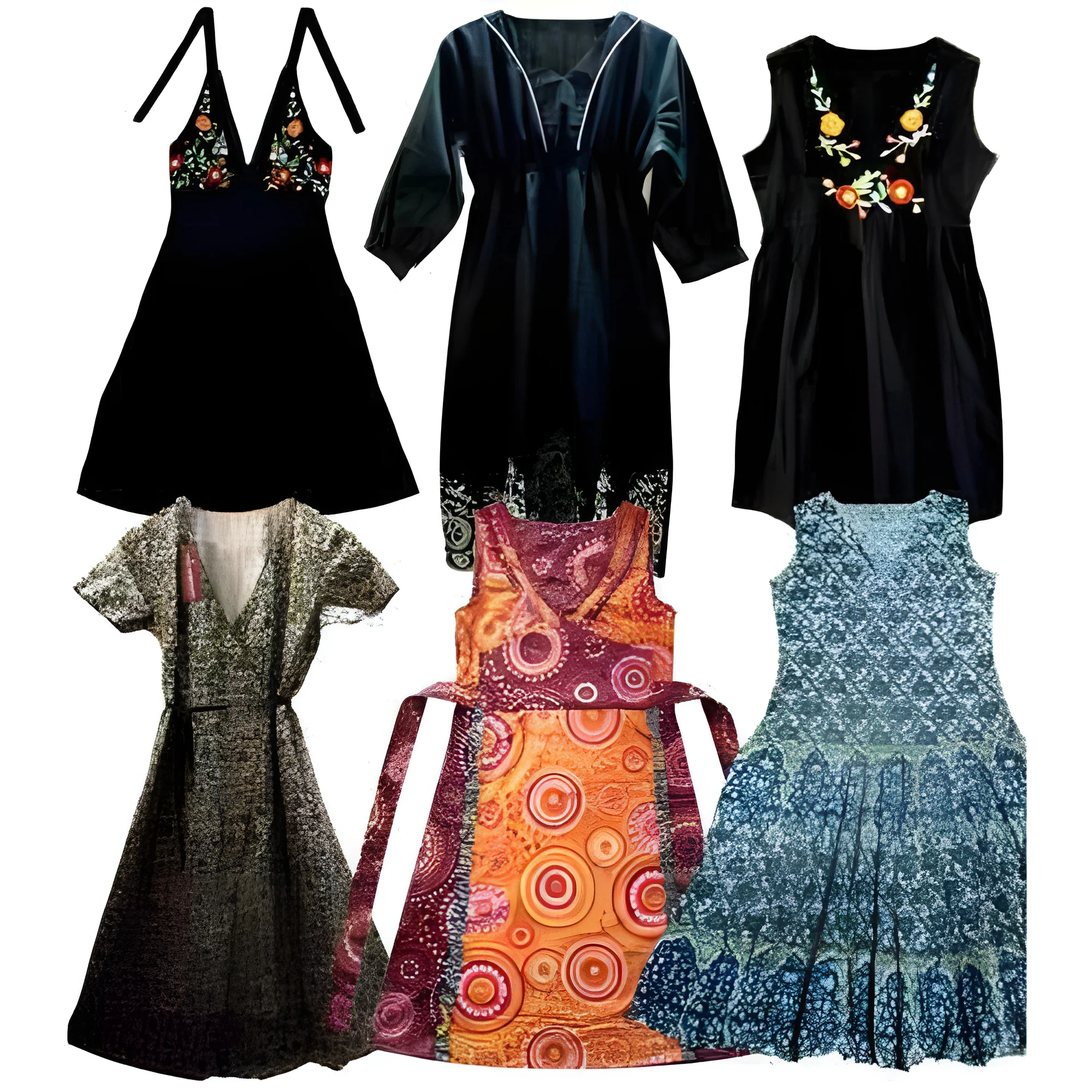
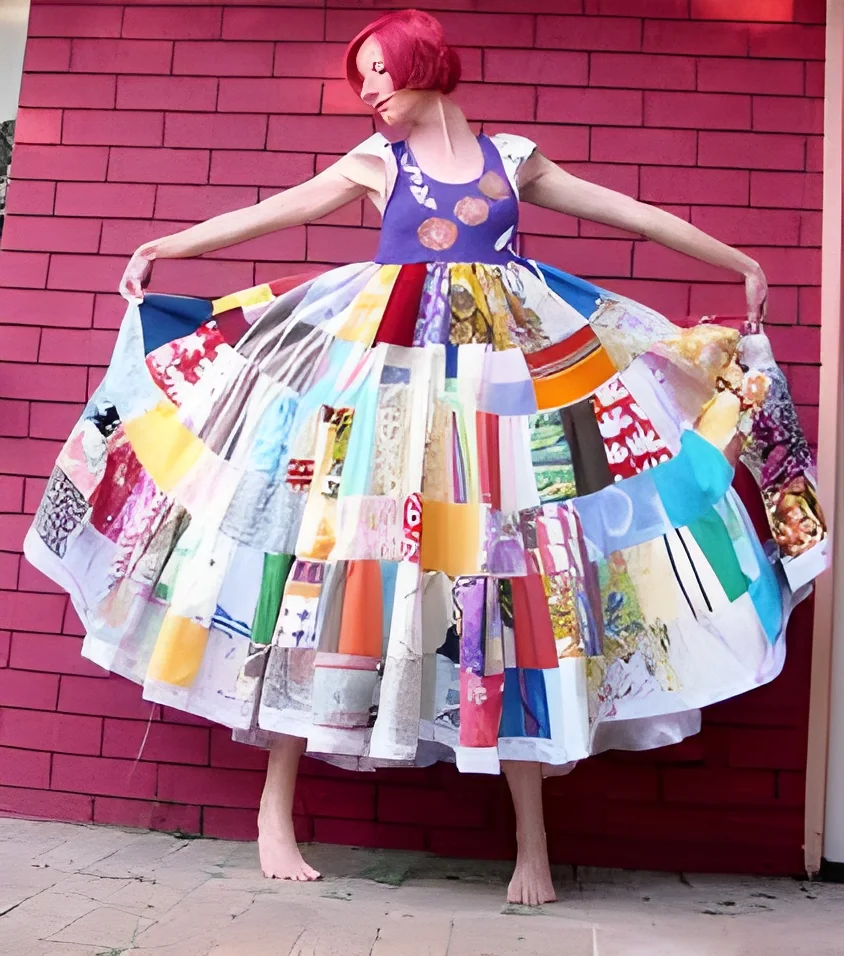
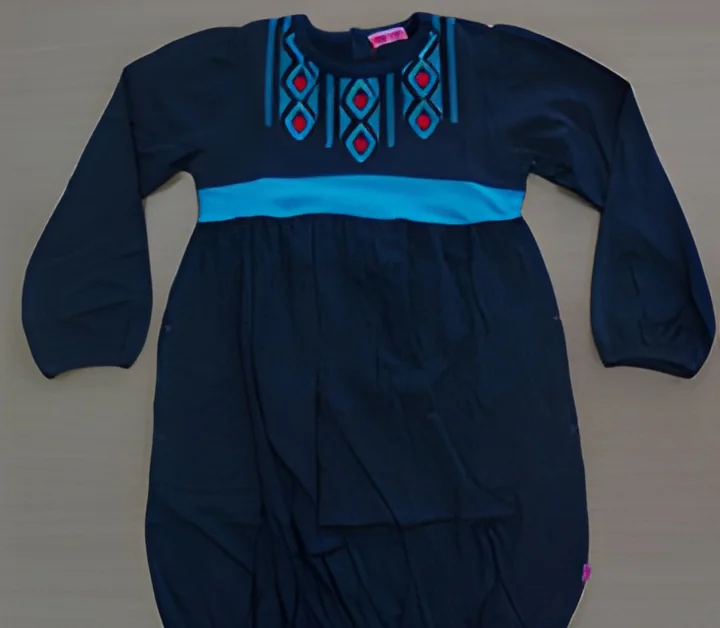
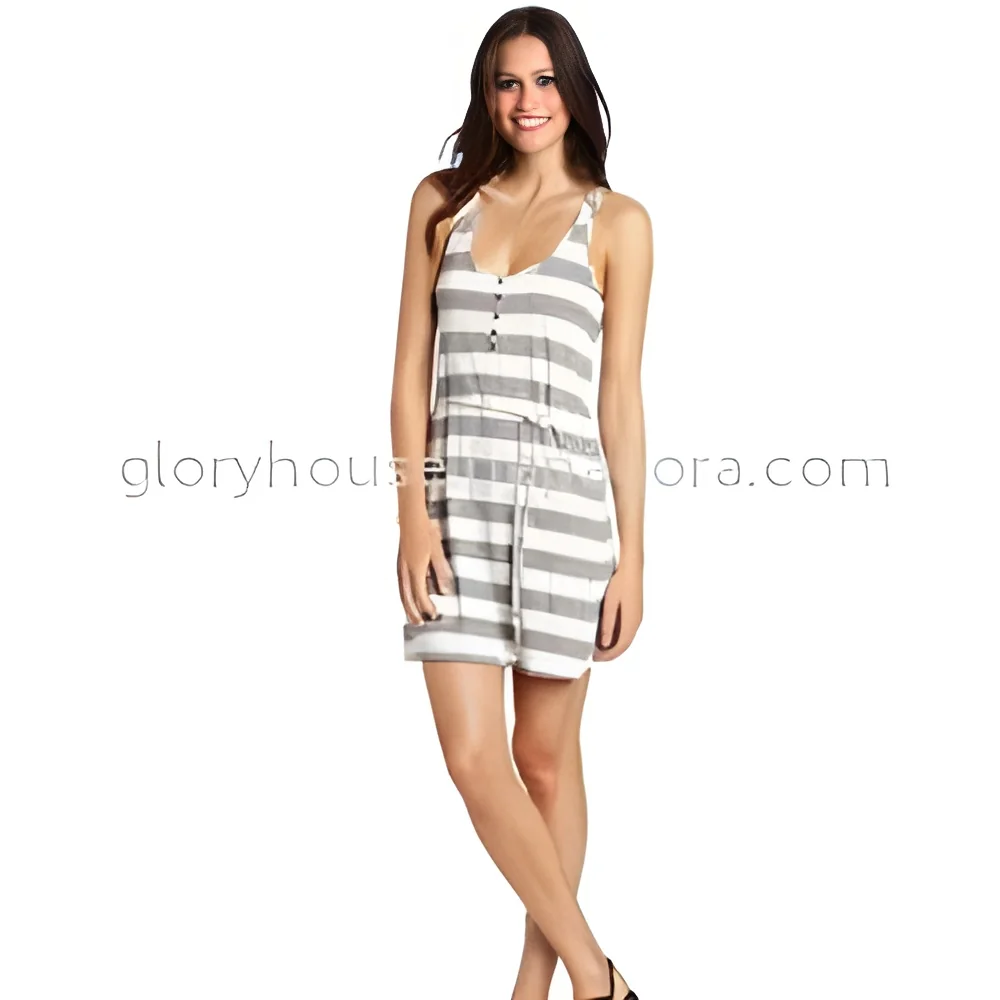
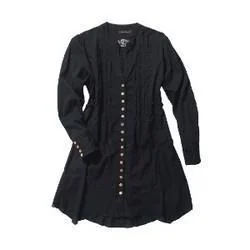
Women's Fashion Wear OEM refers to the original equipment manufacturer services that produce fashion apparel designed specifically for women. This model allows businesses to create and sell clothing without holding inventory, as the manufacturing process is outsourced to specialized companies. These OEM partners design, produce, and often ship the clothing directly to retailers or brands, enabling them to focus on marketing and sales.
The primary applications of Women's Fashion Wear OEM include private label clothing lines, boutique collections, and large-scale retail offerings. Brands can leverage OEM services to develop unique styles and cater to specific market segments without the overhead costs associated with traditional manufacturing. This flexibility is particularly advantageous in fast-paced fashion markets where trends can change rapidly.
In the current fashion industry landscape, OEM services have become increasingly relevant. As brands seek to differentiate themselves in a crowded marketplace, working with OEM manufacturers allows for customization and quick turnaround times. This adaptability is essential for meeting consumer demands and responding to market shifts effectively.
Key Features and Specifications
Women's Fashion Wear OEM is characterized by several important features that cater to the needs of brands and retailers. Understanding these specifications is crucial for selecting the right manufacturing partner.
Key specifications include:
1. Fabric Quality
- High-quality materials ensuring comfort and durability
- Various fabric options available, including cotton, polyester, and blends
2. Design Flexibility
- Custom design options to meet brand requirements
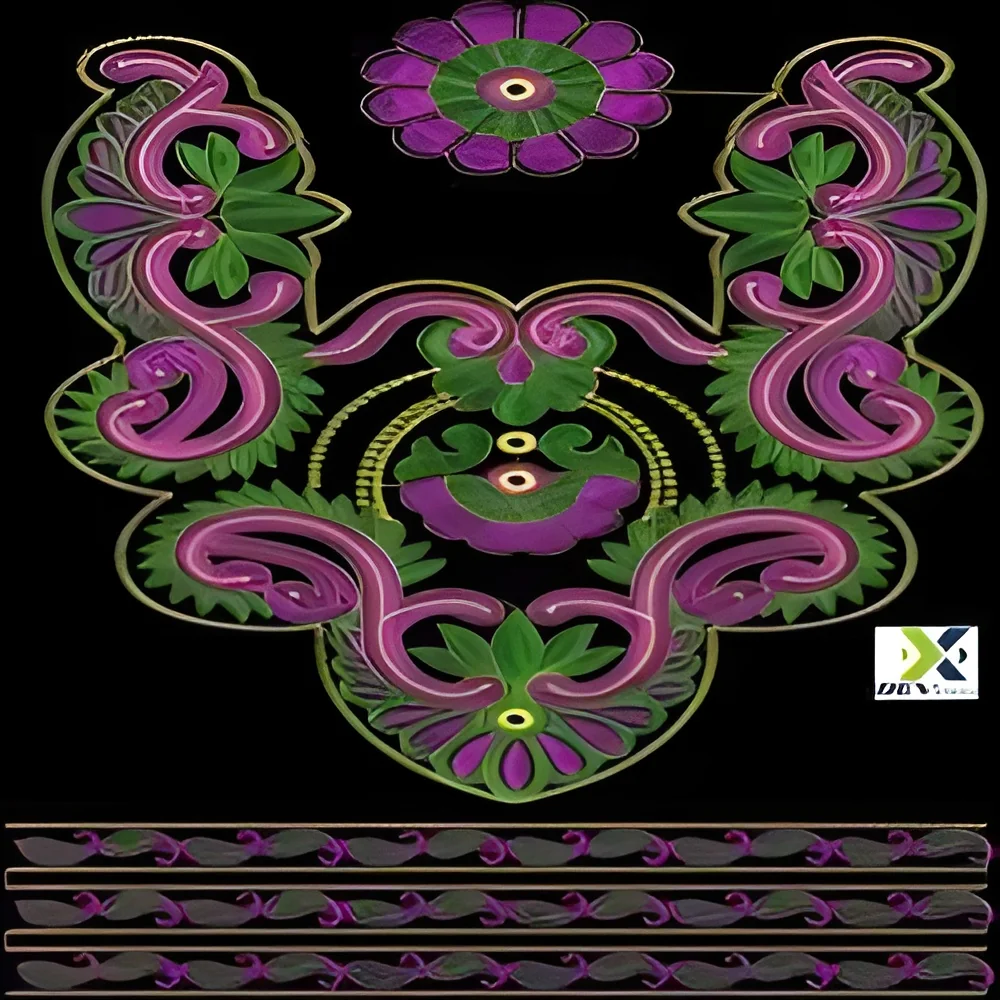
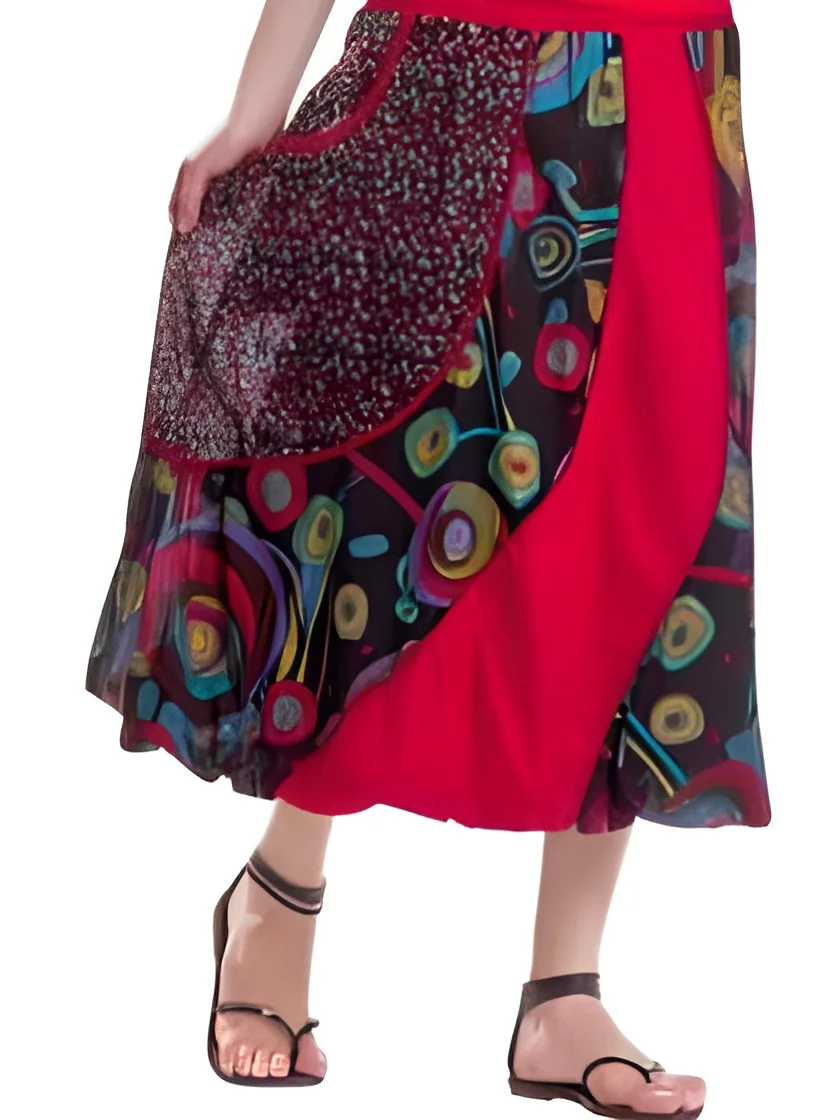
- Ability to create unique patterns and styles
3. Production Capacity
- Scalable production capabilities to meet varying order sizes
- Quick turnaround times for both small and large batches
4. Compliance with Industry Standards
- Adherence to relevant quality and safety standards
- Certifications like CE ensuring product reliability
5. Minimum Order Quantity (MOQ)
- Flexible MOQs to accommodate different business needs
- Options for both small startups and larger retailers
6. Lead Times
- Clear timelines provided for production and delivery
- Efficient logistics support for timely distribution
7. Customization Options
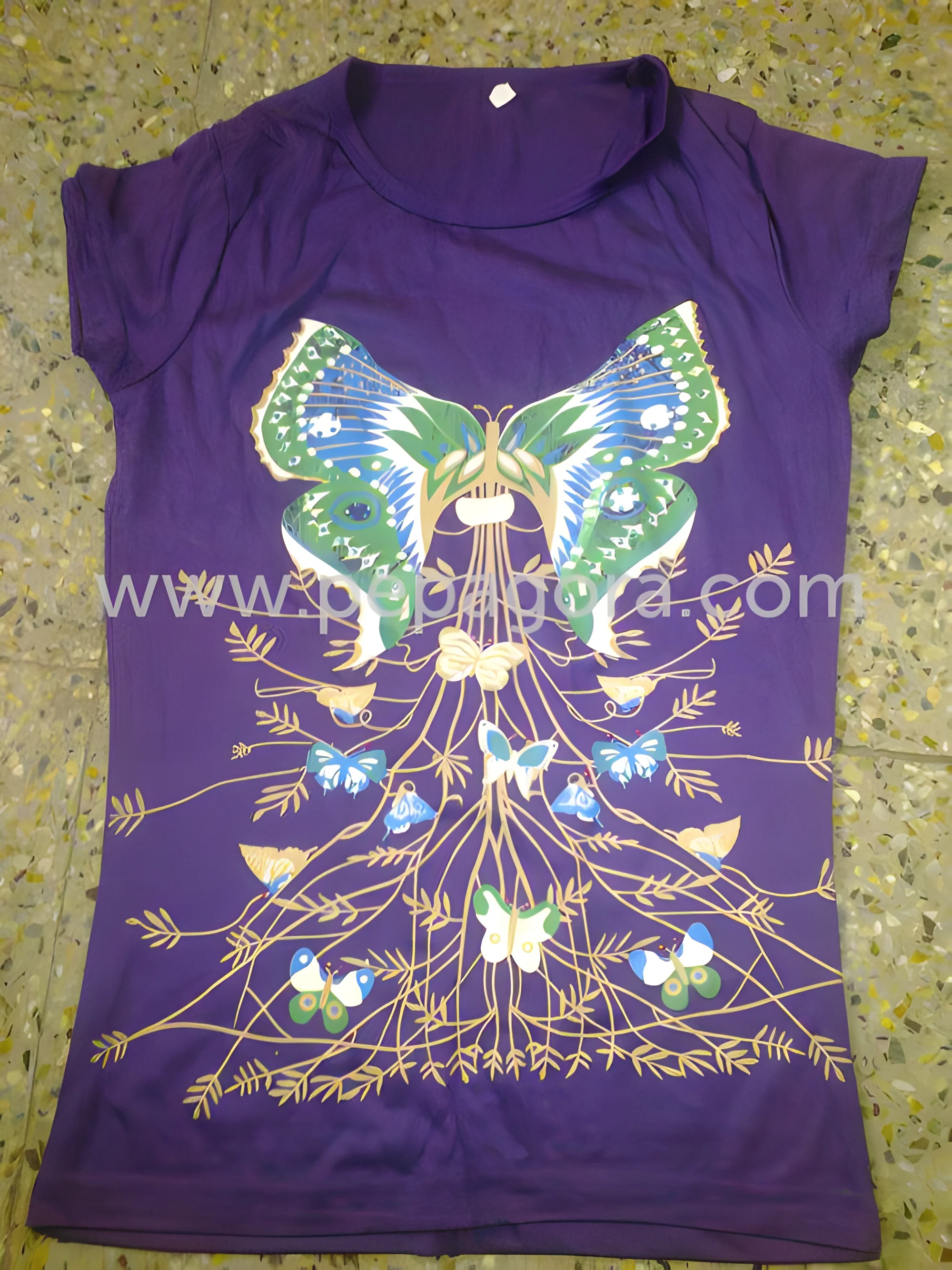
- Ability to personalize clothing with branding or specific features
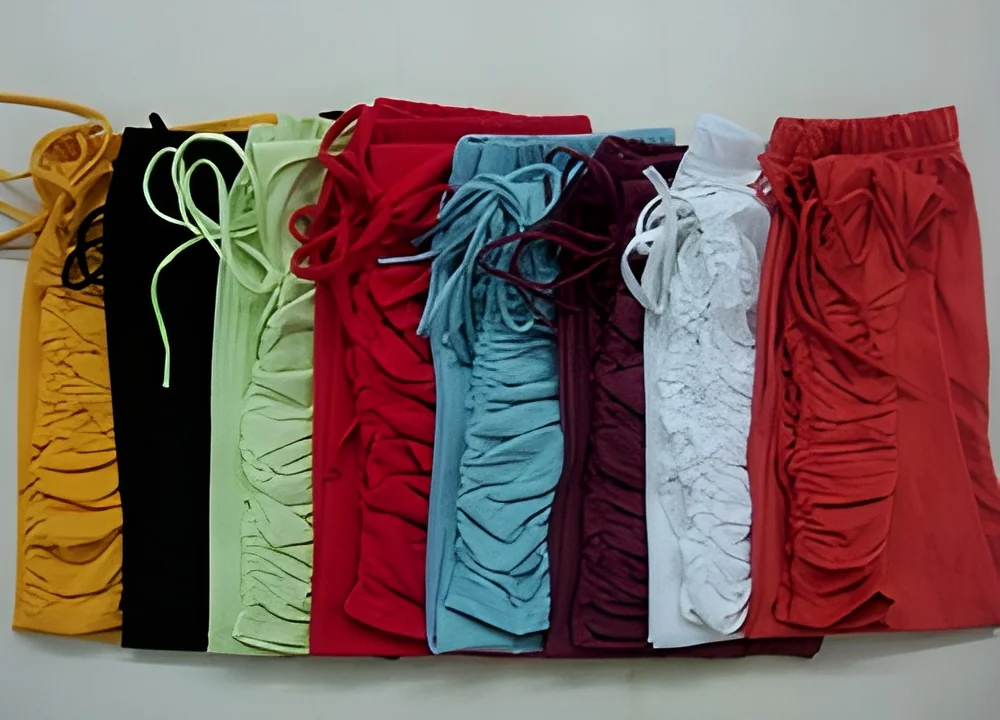
- Options for different colors, sizes, and styles
8. Shipping and Handling
- Diverse shipping options available for domestic and international delivery
- Reliable tracking and support throughout the shipping process
These features highlight the importance of selecting the right OEM partner to ensure a successful product launch and brand representation.
Common Applications and Use Cases
Women’s Fashion Wear OEM serves a variety of industries, showcasing its versatility and broad appeal.
1. Retail Fashion Brands: Many fashion retailers rely on OEM manufacturers to produce seasonal collections that align with current trends. This allows them to focus on marketing while ensuring high-quality apparel.
2. E-commerce Platforms: Online retailers utilize OEM services to maintain a diverse product catalog without the need for extensive inventory management. This model is particularly effective for dropshipping businesses.
3. Custom Clothing Lines: Designers and entrepreneurs use OEM services to bring their unique visions to life. They can create limited edition pieces that cater to niche markets.
4. Corporate Apparel: Companies often turn to OEM providers for branded uniforms and promotional wear, allowing them to maintain a professional image.
5. Boutique Shops: Local boutiques can source exclusive designs through OEM partnerships, offering unique clothing options that attract customers looking for something different.
6. Subscription Box Services: Fashion subscription boxes frequently use OEM services to curate and deliver personalized clothing selections to subscribers, enhancing customer experience.
7. Athletic Wear Brands: OEM manufacturing is key for brands focused on performance apparel, allowing them to innovate in terms of fabric technology and design.
Product Variants and Subcategories
The Women’s Fashion Wear OEM category is diverse, offering various product variants to meet different consumer needs.
Casual Wear
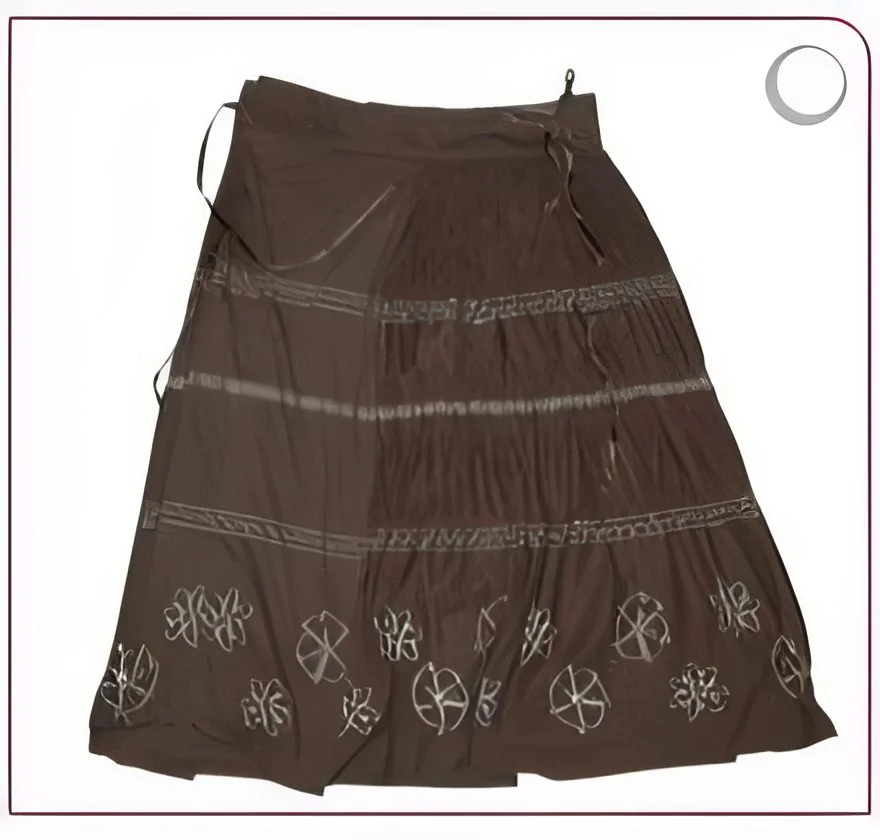
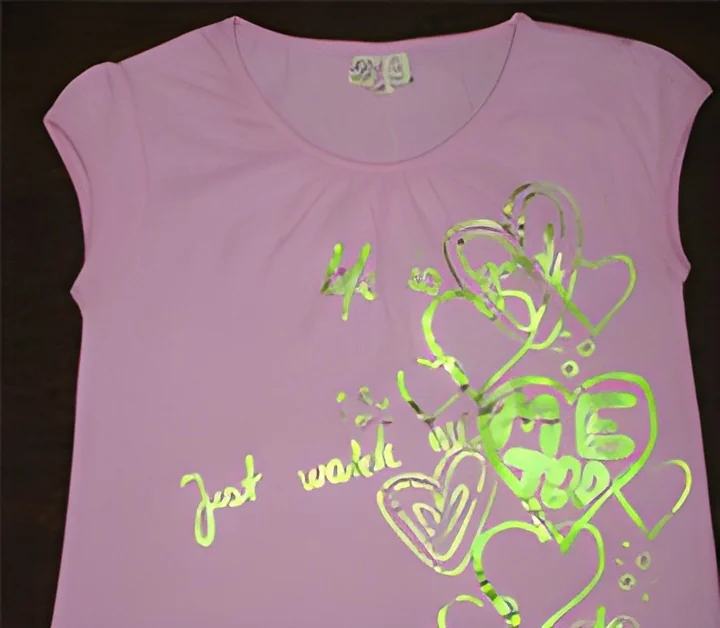
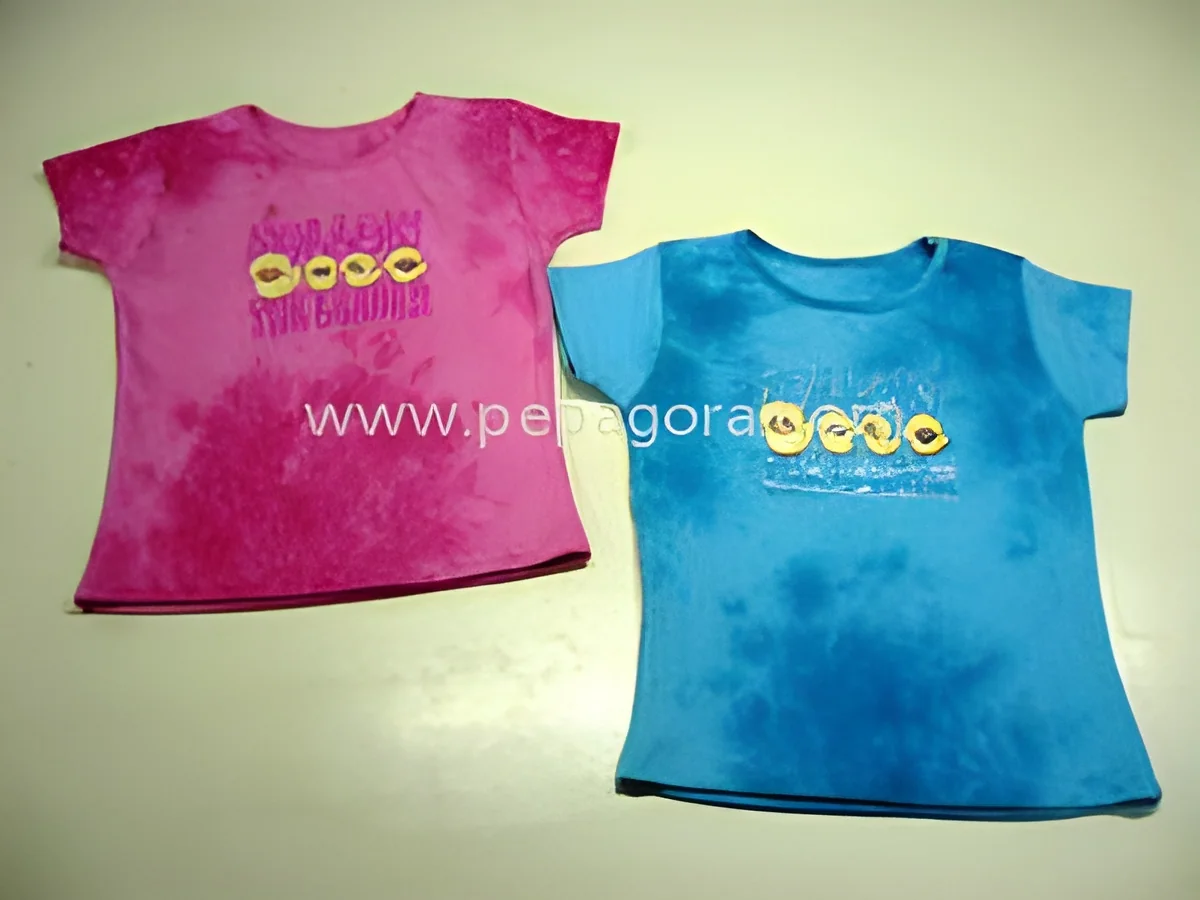
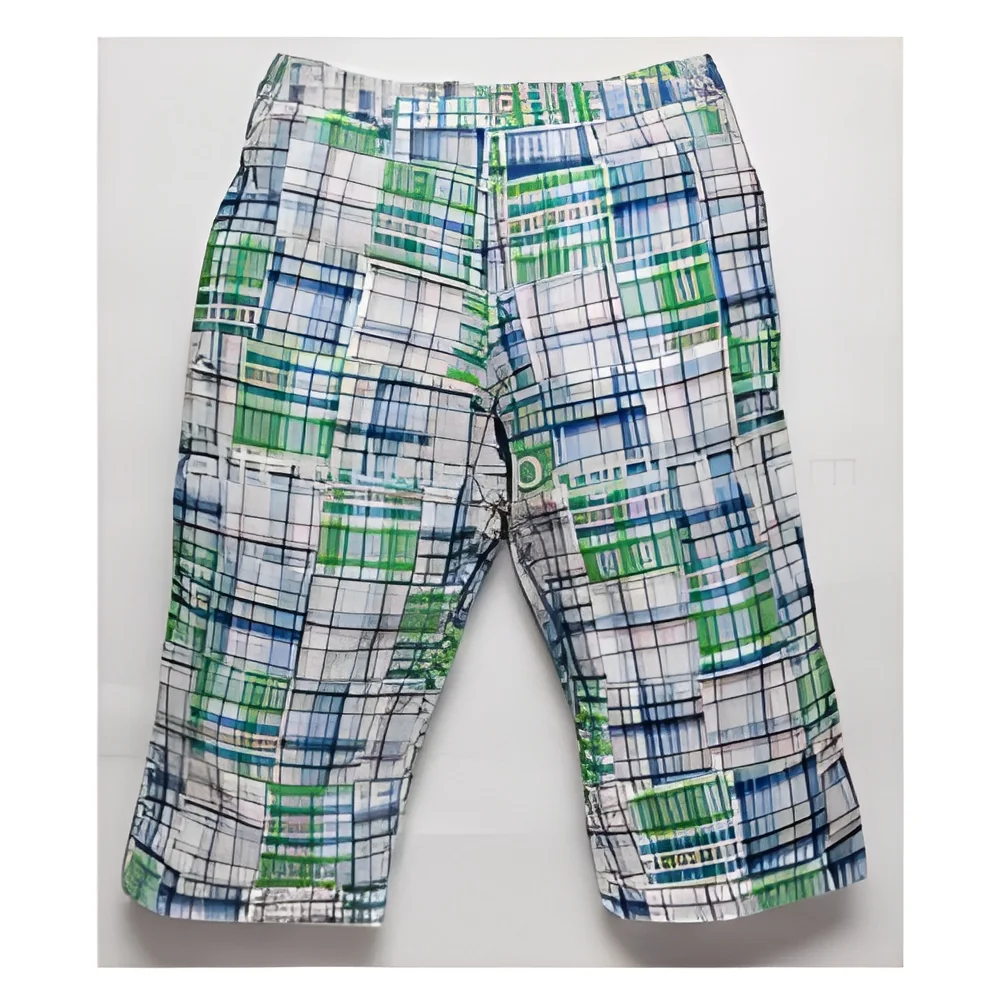
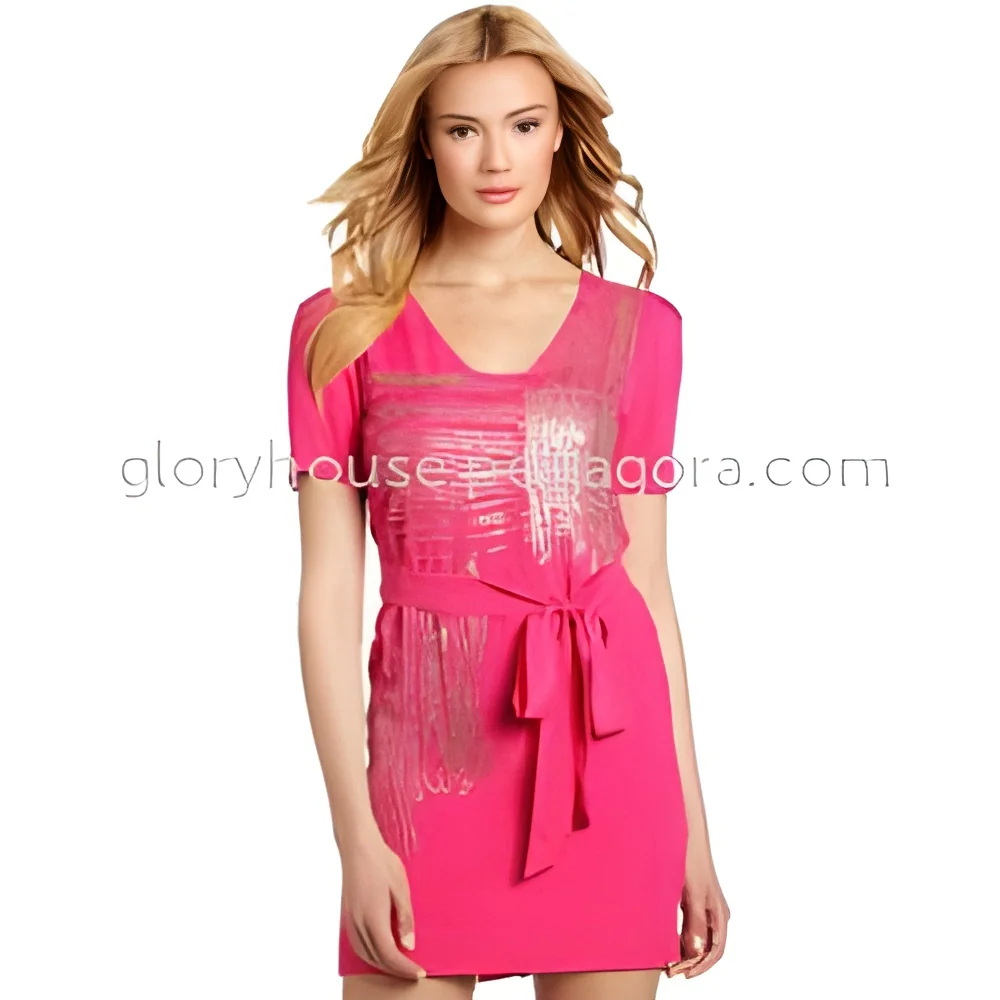
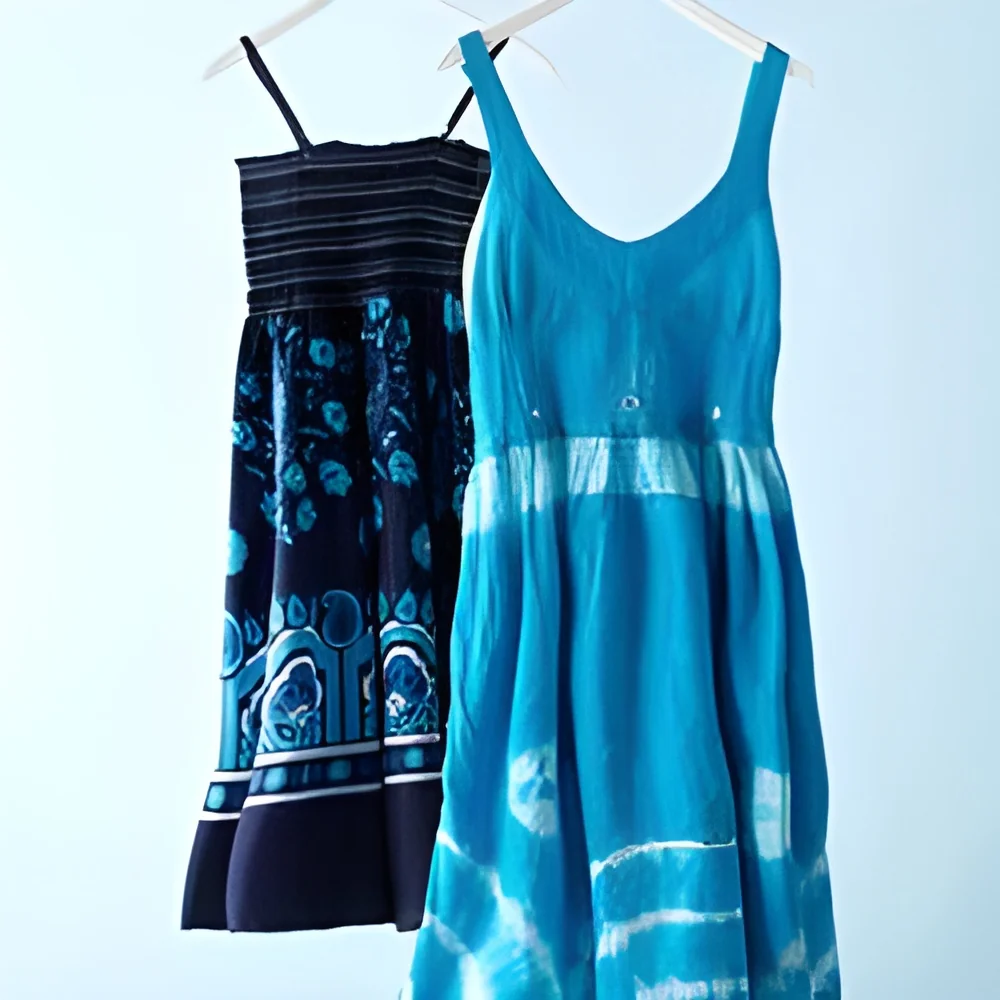
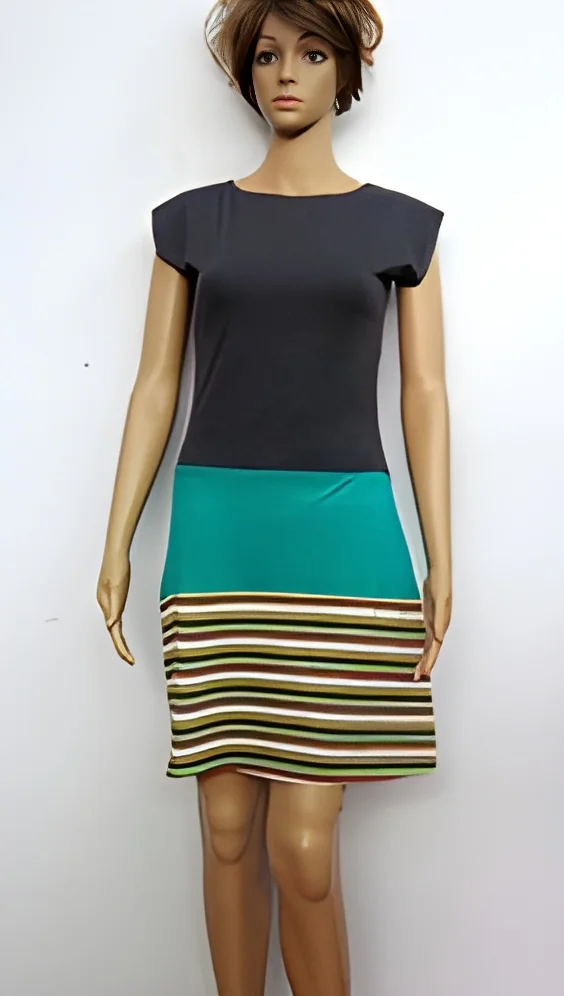
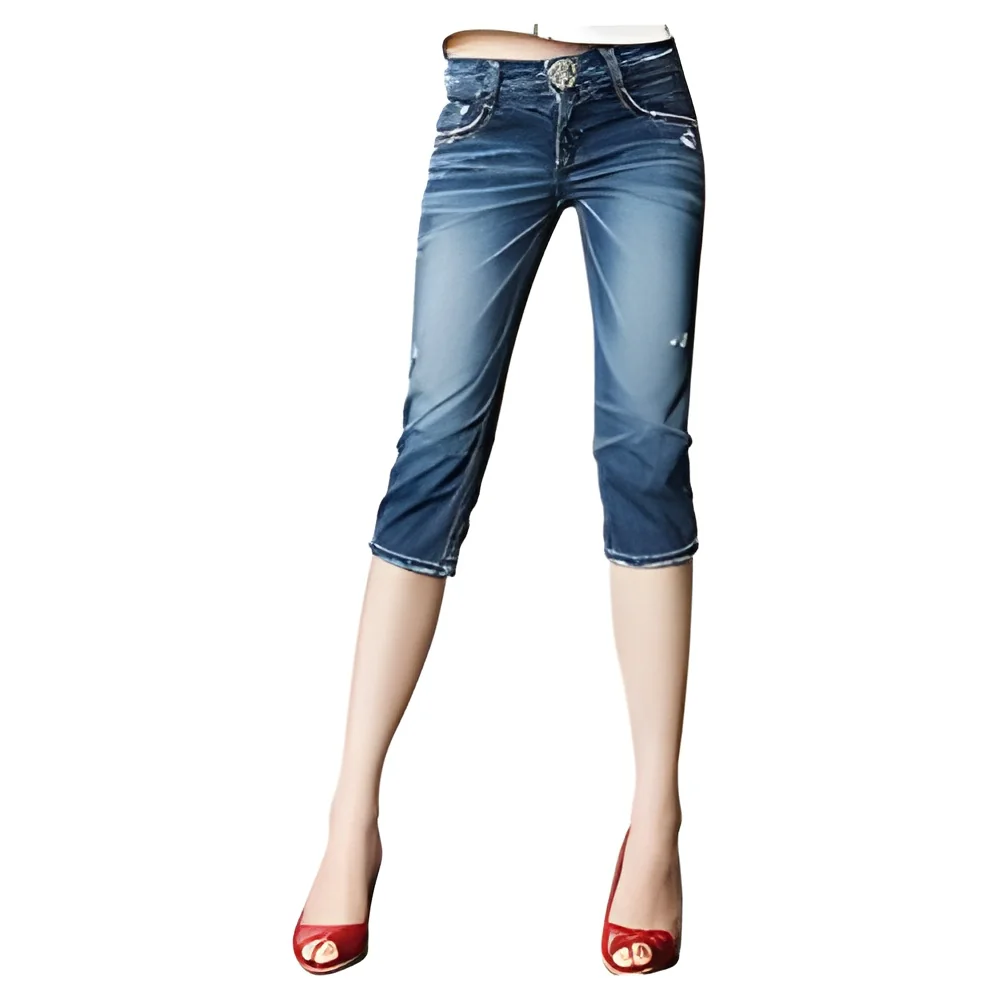
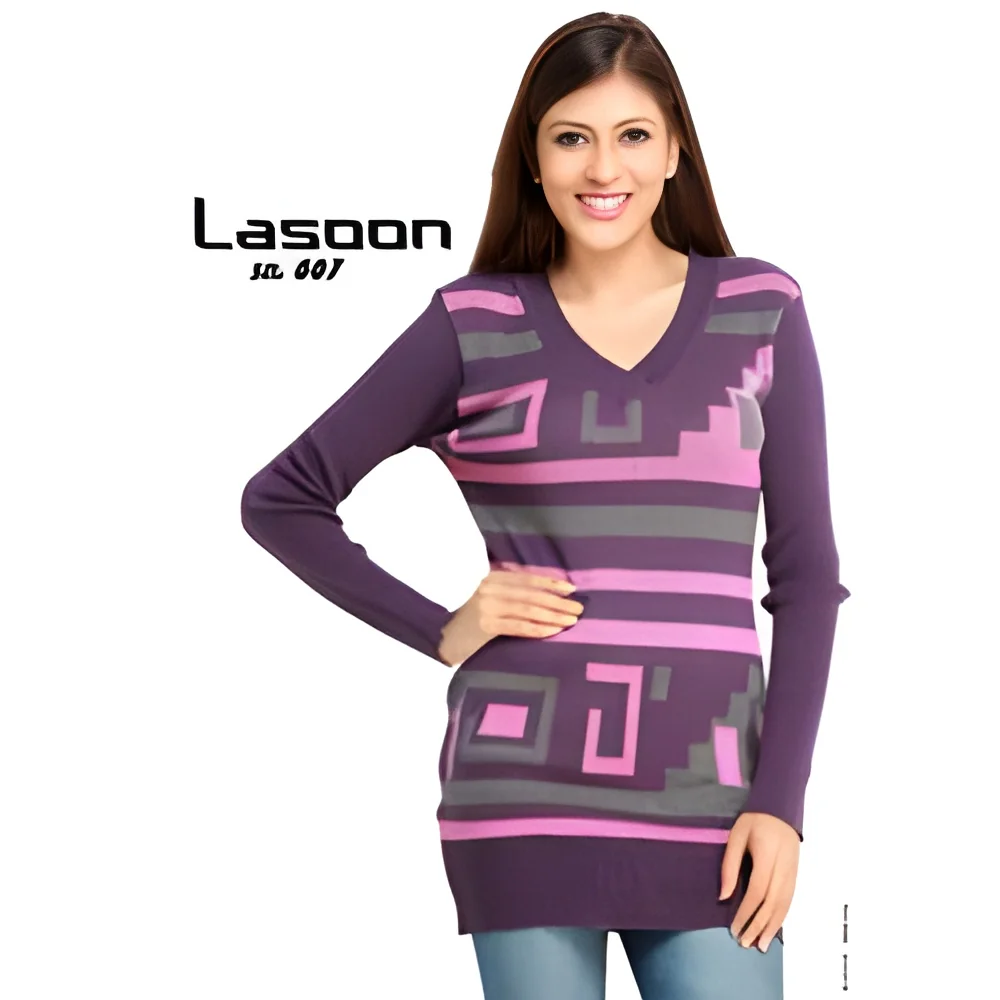
This variant includes everyday clothing such as dresses, tops, and bottoms designed for comfort and style. It is perfect for brands targeting casual fashion enthusiasts.
Formal Wear
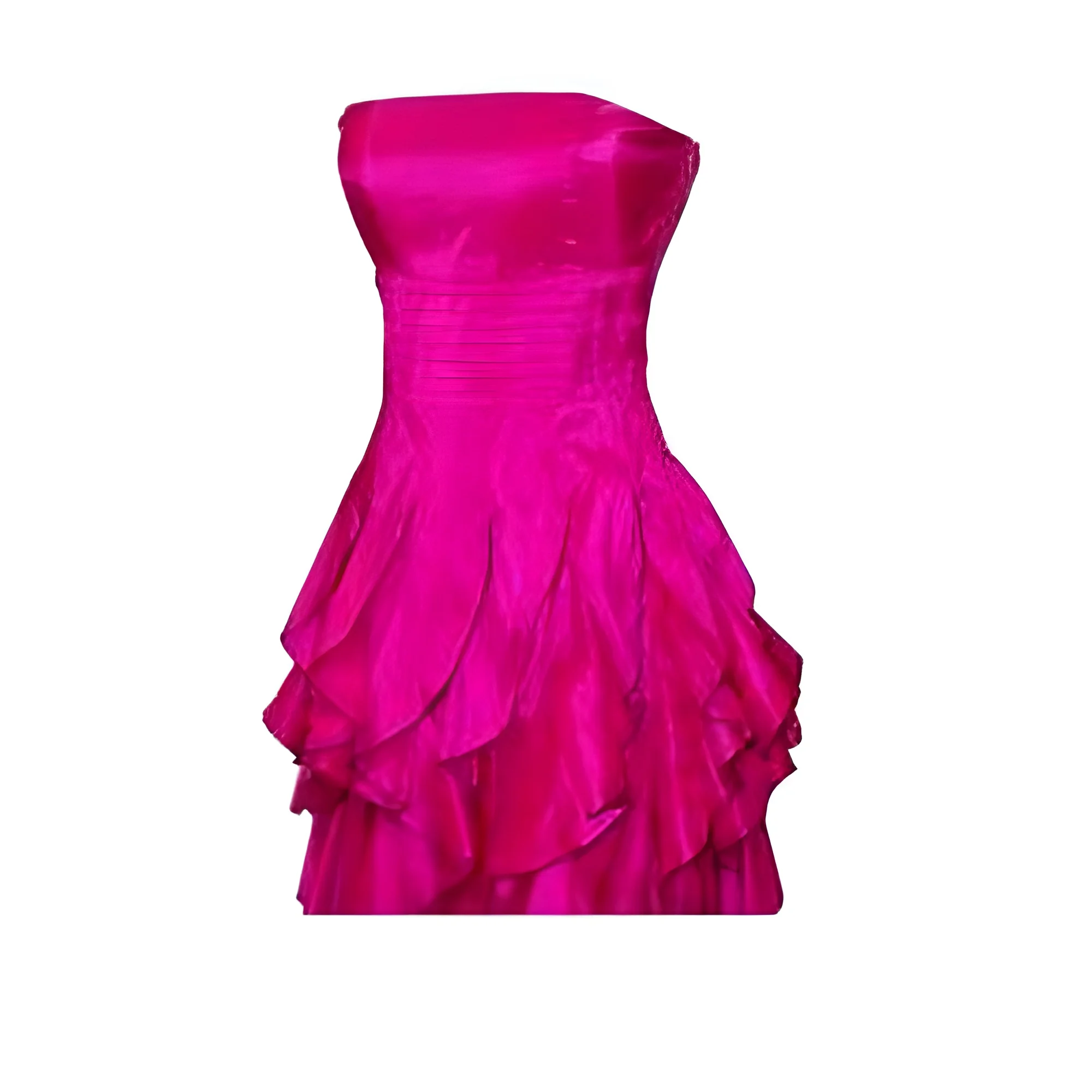
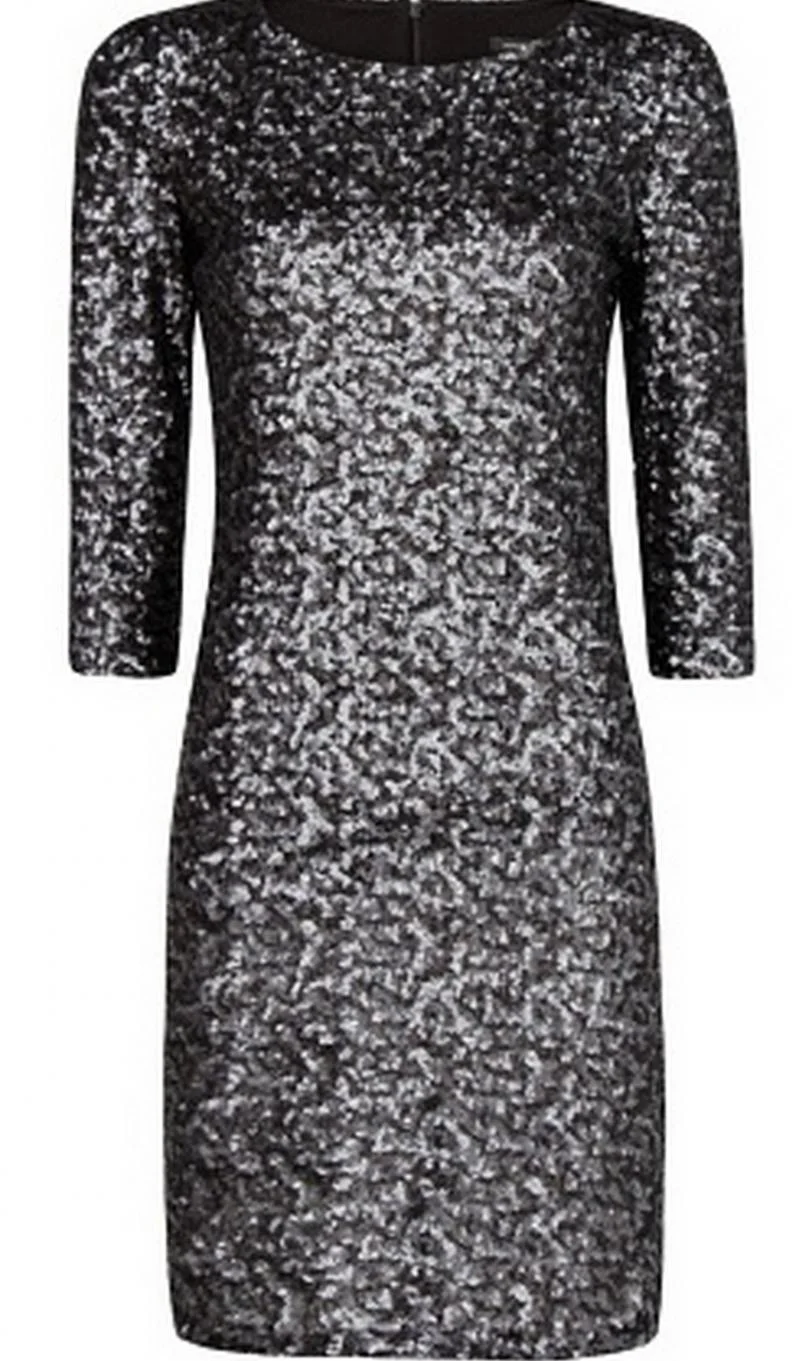
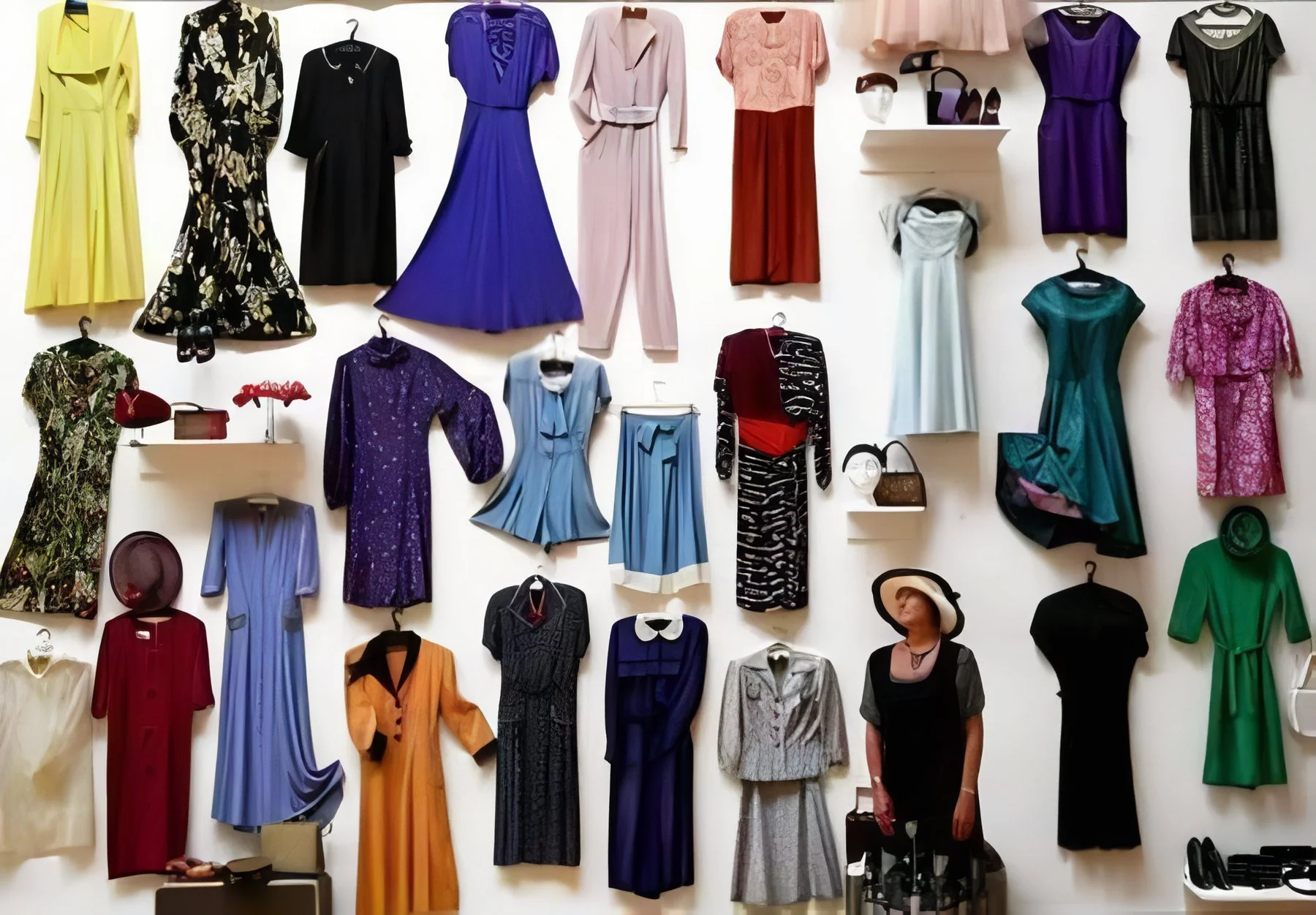
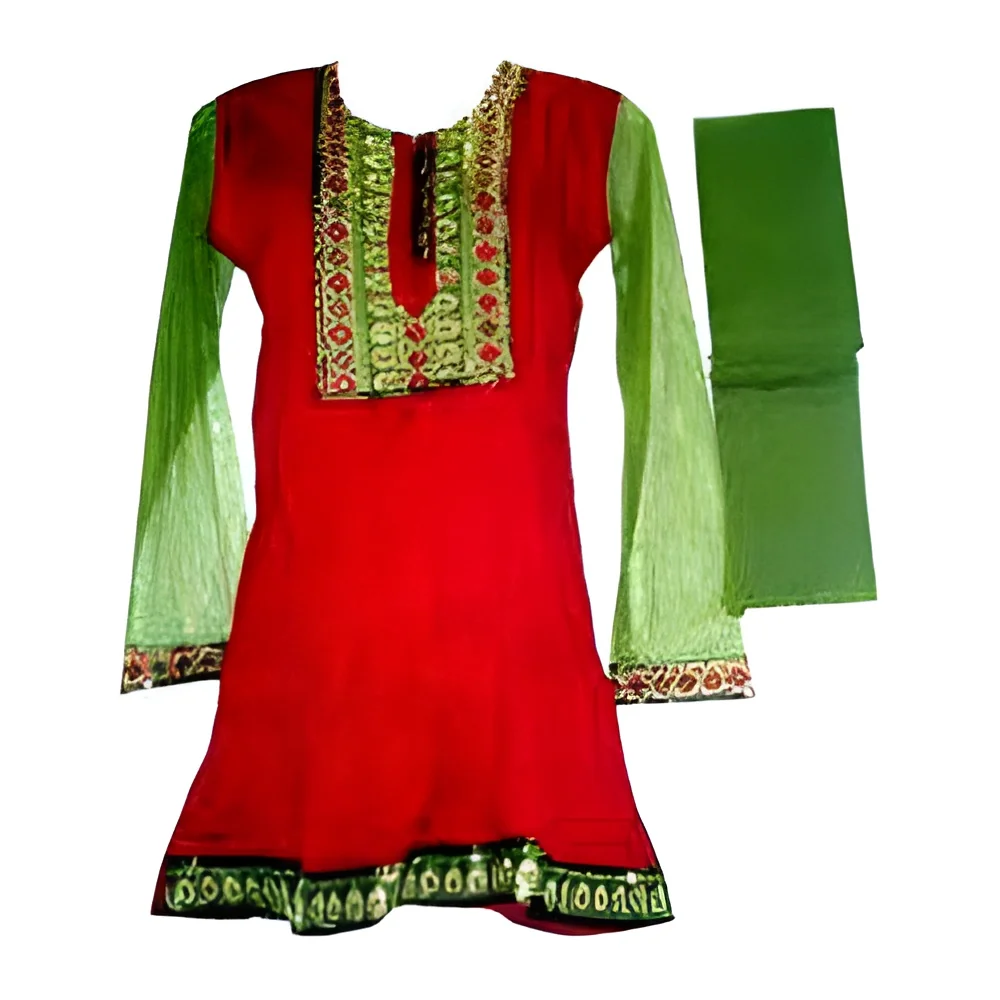
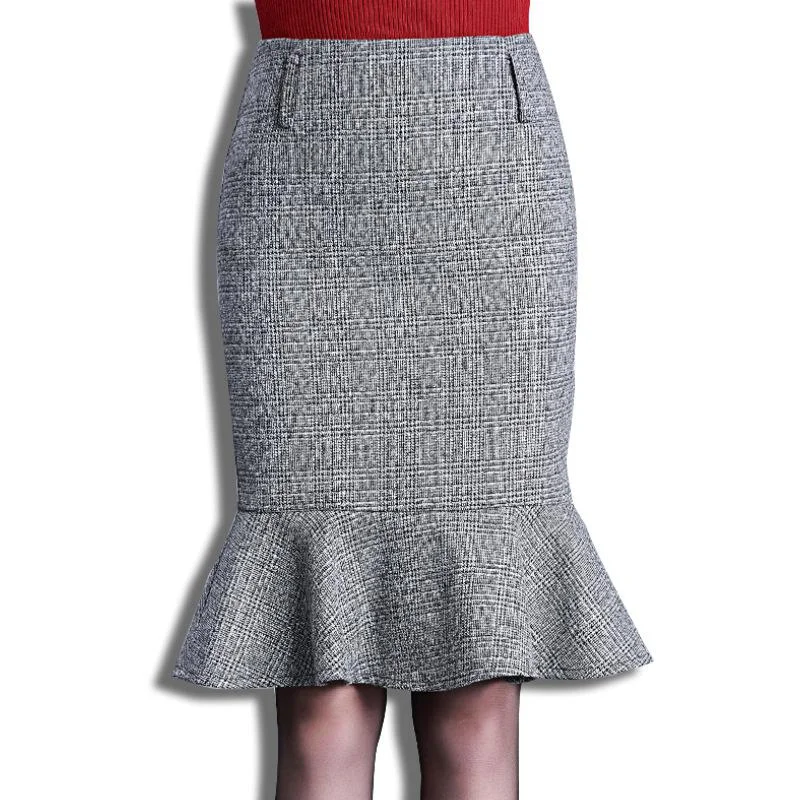
Formal wear OEM includes dresses, blouses, and tailored pieces suited for business or evening events. This variant allows brands to offer elegant options for more upscale occasions.
Activewear
Activewear OEM focuses on producing functional, stylish clothing for fitness enthusiasts. This variant encompasses leggings, sports bras, and workout tops, catering to the growing demand for athleisure.
Loungewear
Loungewear OEM specializes in comfortable clothing for relaxation and home wear. This variant has gained popularity in recent years, appealing to consumers seeking comfort without sacrificing style.
Benefits and Advantages
Sourcing Women’s Fashion Wear OEM offers numerous benefits for businesses looking to enhance their offerings in the fashion market.
Key benefits include:
1. Cost Efficiency: By outsourcing production, brands can reduce overhead costs associated with manufacturing, allowing for better pricing strategies.
2. Design Innovation: OEM partnerships enable brands to access the latest trends and technologies in fashion design, fostering creativity and innovation.
3. Time Savings: With an established manufacturing process, businesses can bring products to market more quickly, responding effectively to consumer demands.
4. Scalability: OEM services allow brands to adjust their production levels based on market conditions, ensuring they can meet demand without excess inventory.
5. Quality Assurance: Working with experienced OEM manufacturers often ensures that products meet high standards of quality and compliance, reducing the risk of customer dissatisfaction.
6. Focus on Core Business: By outsourcing production, companies can concentrate on marketing, sales, and customer service, enhancing overall business performance.
Buying Guide for B2B Buyers
When sourcing Women's Fashion Wear OEM, several factors should be considered to ensure a successful partnership.
1. Quality Assessment: Evaluate the materials and construction of samples to ensure they meet your brand standards. Quality control processes should also be in place to maintain consistency.
2. Supplier Verification: Research potential OEM partners to confirm their reliability and reputation in the industry. Look for reviews and testimonials from other brands.
3. Pricing and MOQ: Understand the pricing structure and minimum order quantities offered by suppliers. This will help you align your budget with your production needs.
4. Delivery and Lead Times: Discuss logistics, including shipping methods and delivery timelines. Timely delivery is crucial for maintaining your sales schedule.
5. Compliance Requirements: Ensure that the OEM manufacturer adheres to relevant industry standards and regulations. This may include certifications and safety testing to ensure product reliability.
Compliance and Certifications
Compliance and certifications are vital for ensuring the quality and safety of Women’s Fashion Wear OEM products. Relevant quality standards include ISO 9001, which focuses on quality management systems, ensuring that manufacturers maintain high-quality production processes.
Additionally, HACCP (Hazard Analysis Critical Control Point) guidelines may be applicable, especially in areas where food safety intersects with apparel, such as uniforms for food service industries. CE certification is also significant, as it demonstrates that products meet European safety standards.
Safety and testing requirements are paramount, with manufacturers expected to conduct thorough testing on materials and finished products. This process ensures that clothing is safe for consumers and adheres to all regulatory measures.
Regional compliance considerations are essential, particularly for companies looking to sell in international markets. Understanding local regulations can help businesses avoid potential legal issues and enhance their marketability.
Why Source Women's Fashion Wear OEM from Pepagora?
Pepagora provides a trusted platform for sourcing Women's Fashion Wear OEM with several key advantages.
Verified Supplier Network: Pepagora connects businesses with a network of verified suppliers, ensuring that buyers can trust their partners. Each supplier goes through a rigorous vetting process to confirm their capabilities.
Streamlined RFQ Process: The platform simplifies the Request for Quotation process, allowing buyers to easily compare offers from multiple suppliers. This efficiency saves time and enhances decision-making.
Trade Assurance and Support: Pepagora offers trade assurance, providing buyers with confidence in their purchases. The platform also provides support throughout the sourcing process, helping to address any concerns that may arise.
Regional Coverage: Pepagora has a strong presence in key markets such as India, the Gulf Cooperation Council, and Southeast Asia. This geographic reach allows businesses to tap into diverse markets and expand their brand's footprint globally.

 IN
IN