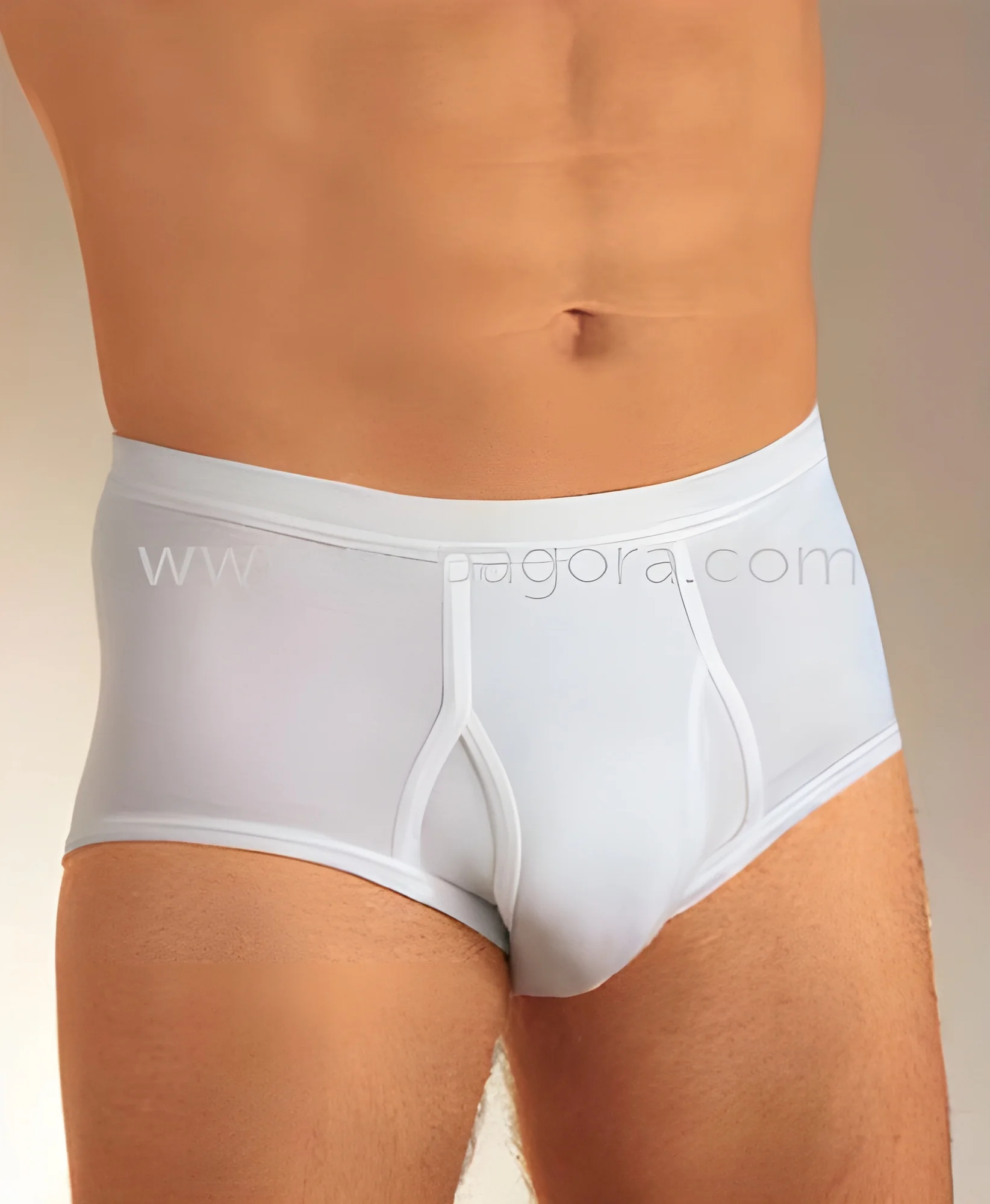
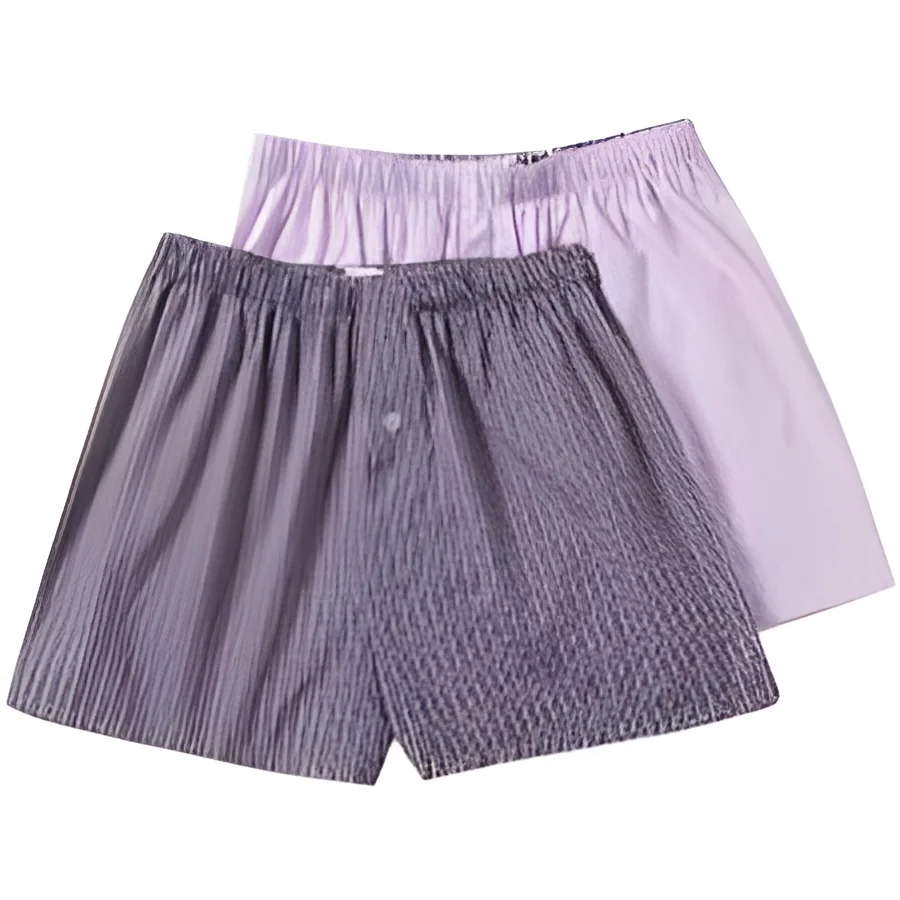
What are Men's Innerwear & Undergarment OEM?
Men's Innerwear and Undergarment OEM (Original Equipment Manufacturer) refers to the production of men’s underwear and undergarments by a third-party manufacturer. These products can include items such as briefs, boxers, and undershirts, which are designed primarily for comfort and functionality. OEM services allow brands to outsource their manufacturing processes while maintaining control over product design and branding. This approach provides businesses with the flexibility to expand their product lines without investing heavily in production facilities.
These products are essential in various business applications, ranging from retail clothing brands to online marketplaces. Companies can leverage OEM partnerships to offer high-quality innerwear without the complexities of handling manufacturing processes. The OEM model is particularly relevant in today's fast-paced market, where businesses aim to respond quickly to changing consumer demands and fashion trends. The global market for men's innerwear continues to grow, driven by increasing awareness of comfort and style among consumers.
Key Features and Specifications
Men's Innerwear and Undergarment OEM products come with a range of features designed to enhance comfort, durability, and user appeal. Understanding these specifications is crucial for businesses looking to source these products effectively.
Key specifications include:
1. Fabric Type
- Common materials include cotton, modal, and polyester.
- Each fabric offers unique benefits such as breathability, softness, and moisture-wicking properties.
2. Size Range
- Available in various sizes, typically from small to XXL.
- Custom sizing options may also be available to meet specific market demands.
3. Design Variations
- Options include boxers, briefs, trunks, and long johns.
- Customization in designs can cater to brand aesthetics or consumer preferences.
4. Elasticity Features
- Waistbands are often designed for comfort with stretchable elastics.
- Reinforced stitching may be used to prevent wear and tear.
5. Color Options
- A wide range of colors and patterns are available.
- Custom color options can be provided based on branding requirements.
6. Moisture Management
- Fabrics may include moisture-wicking technology to keep the wearer dry.
- Enhanced breathability is a feature in many high-performance undergarments.
7. Care Instructions
- Most products are machine washable with specific care guidelines.
- Durability is often highlighted in product features to ensure longevity.
8. Country of Origin
- Products may be sourced from various regions, impacting pricing and lead times.
- Regional regulations may also influence manufacturing processes.
In summary, understanding these key specifications can significantly aid businesses in making informed sourcing decisions.
Common Applications and Use Cases
Men's Innerwear and Undergarment OEM products serve a variety of industries, each with specific applications.
1. Retail Clothing Brands: Many retailers use OEM services to create branded lines of innerwear that align with their overall product offerings.
2. E-commerce Platforms: Online marketplaces often source OEM products to expand their inventory without managing production logistics.
3. Sports and Activewear: OEM manufacturers create performance-oriented innerwear designed for athletes, focusing on moisture control and comfort.
4. Subscription Services: Some companies utilize OEM products to deliver curated boxes of men's innerwear to consumers on a recurring basis.
5. Corporate Gifting: Businesses often procure customized innerwear as promotional items for employees and clients.
6. Specialty Stores: Niche markets, such as eco-friendly or luxury innerwear, utilize OEM to offer unique product variations.
7. Private Label Brands: Many startups leverage OEM capabilities to launch private label men’s undergarments, building brand identity without manufacturing costs.
Product Variants and Subcategories
Men's Innerwear and Undergarment OEM offers a wide variety of product options to cater to different preferences and needs.
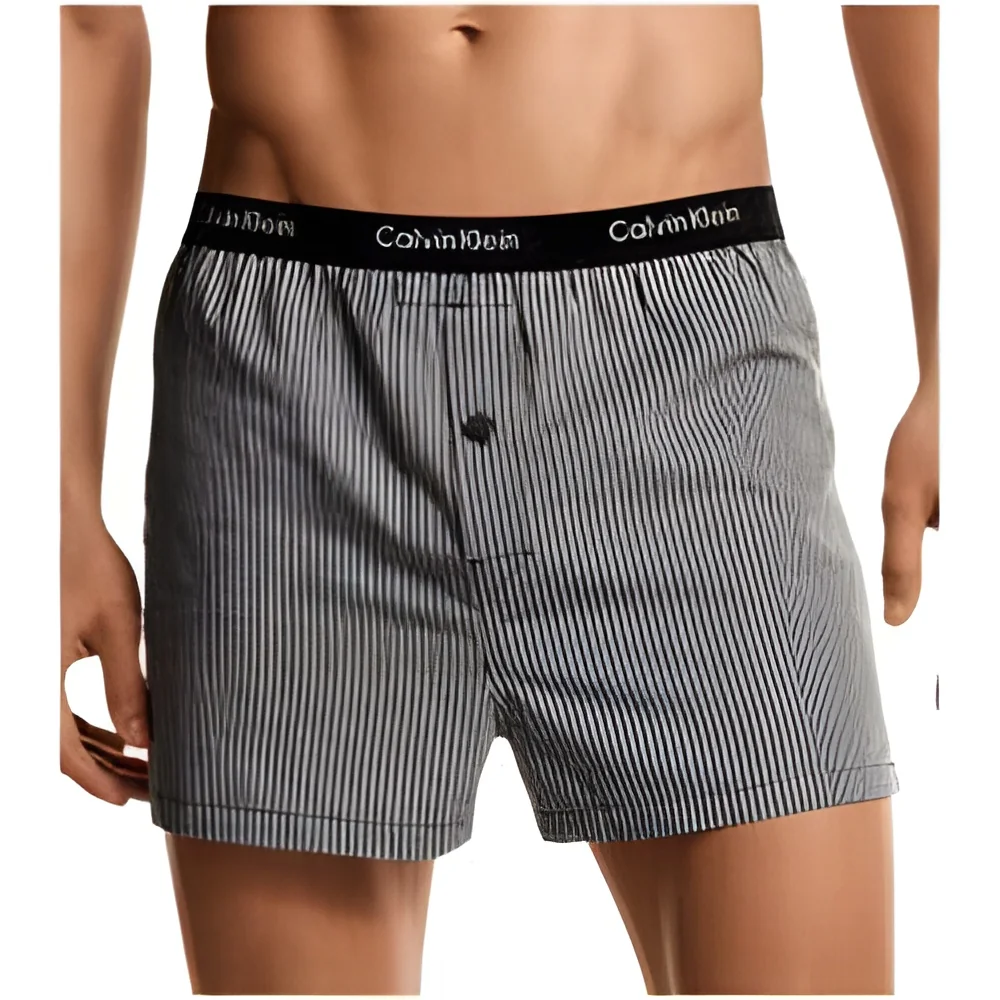
Boxers: Boxers provide a loose fit, ideal for comfort. They often feature breathable fabrics and elastic waistbands for a relaxed feel.
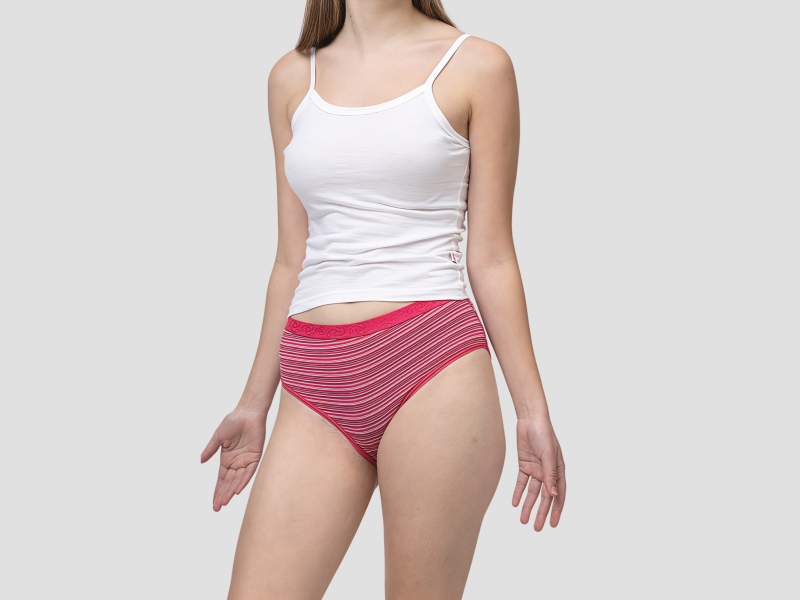
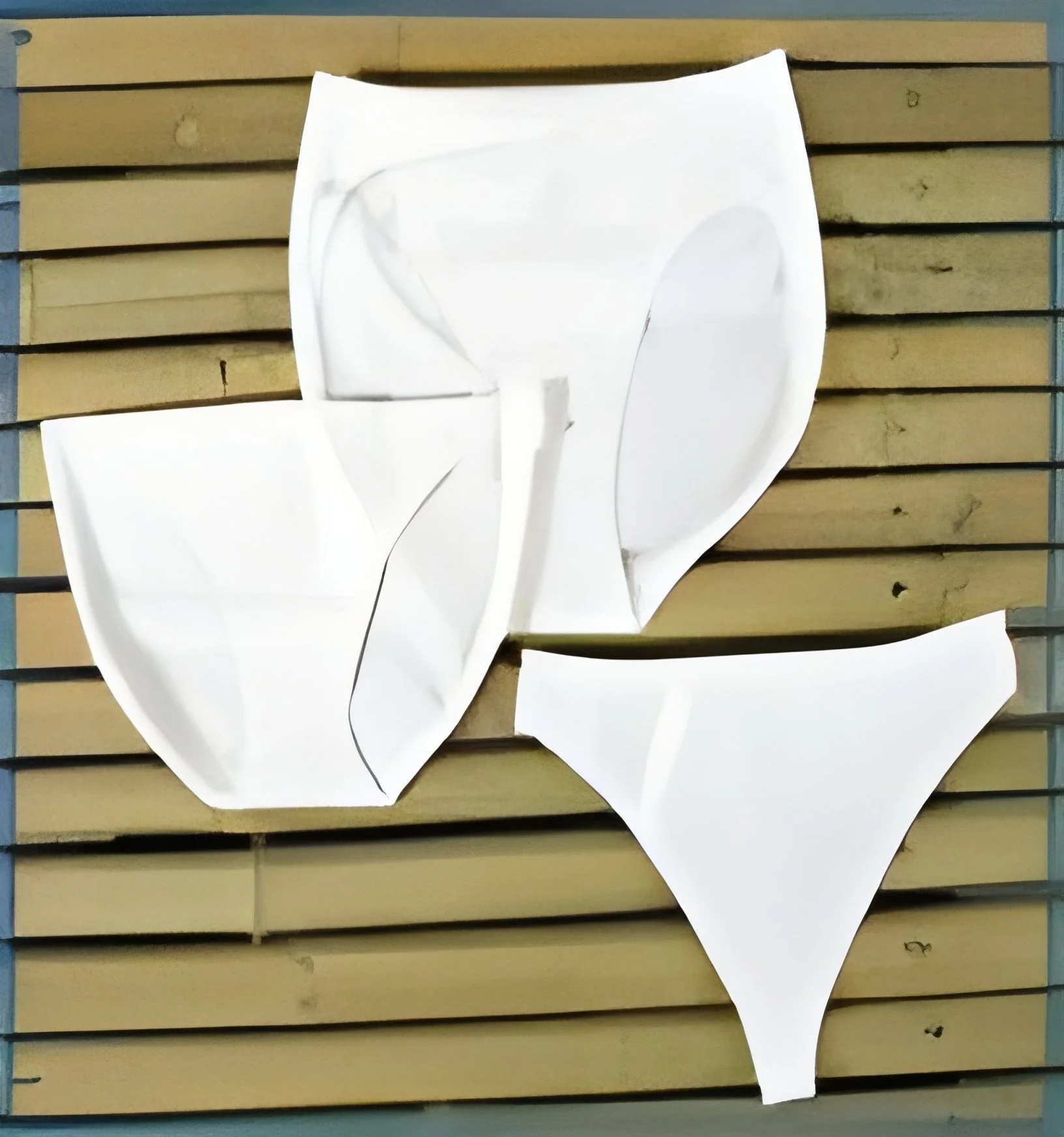
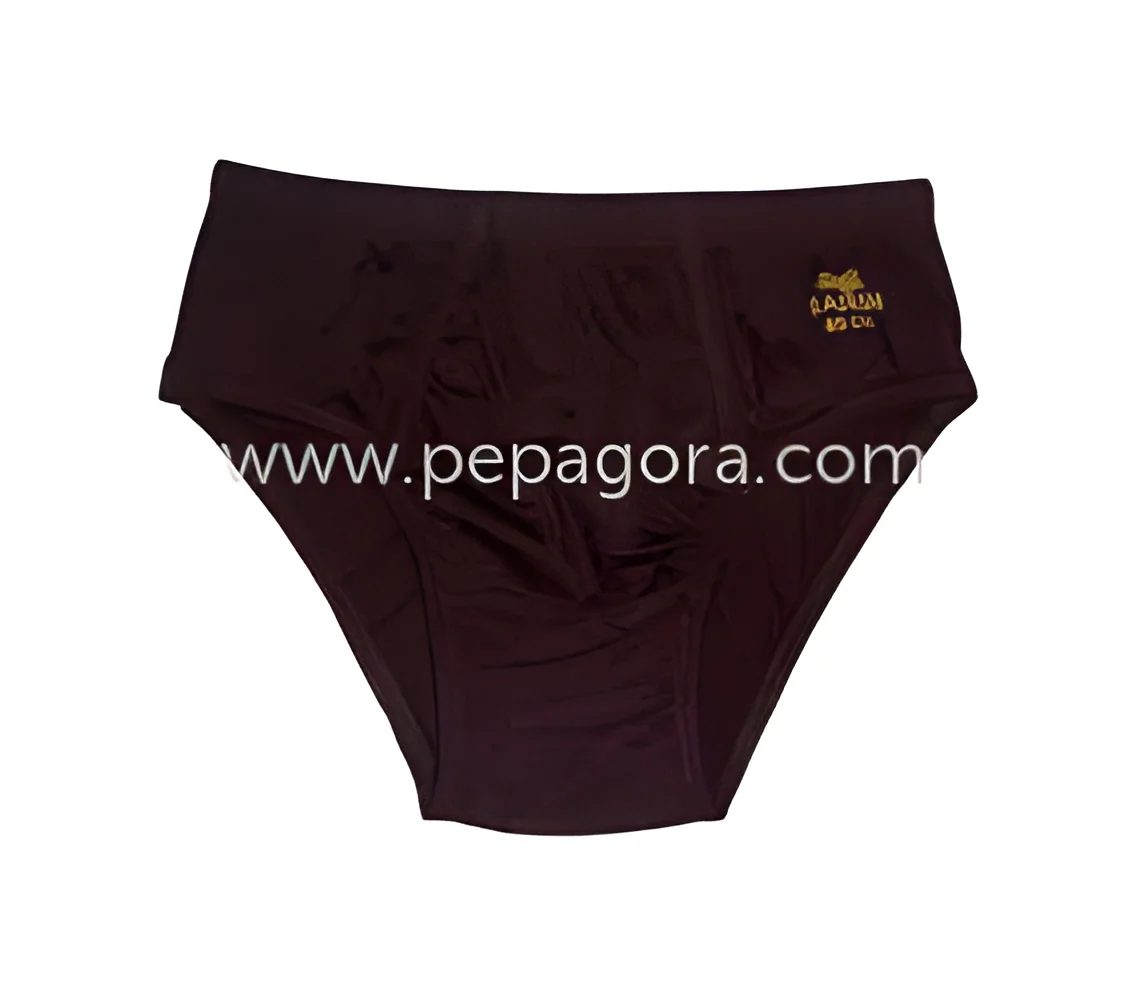
Briefs: Known for their snug fit, briefs offer excellent support and are a popular choice for everyday wear. They are often designed with moisture-wicking properties.
Trunks: Combining elements of boxers and briefs, trunks offer a shorter leg length and a snug fit. They are favored for their style and comfort.
Long Johns: Typically worn in colder climates, long johns provide extra warmth and coverage. They are often made from thicker materials for added insulation.
Benefits and Advantages
Sourcing Men's Innerwear and Undergarment OEM products can provide numerous advantages for businesses.
1. Cost Efficiency: By outsourcing production, companies can reduce overhead costs associated with manufacturing facilities and labor.
2. Quality Control: Established OEMs often adhere to strict quality standards, ensuring that products meet customer expectations.
3. Flexibility: Businesses can easily adjust their product offerings based on market trends without the need for significant investments in production.
4. Speed to Market: OEM partnerships can accelerate the product development cycle, allowing brands to launch new items quickly.
5. Customization Options: Many OEMs offer customization in terms of design, fabric, and sizing, enabling brands to differentiate themselves in the market.
6. Access to Expertise: Partnering with experienced manufacturers provides businesses with valuable insights into material selection and production techniques.
Buying Guide for B2B Buyers
When sourcing Men's Innerwear and Undergarment OEM products, buyers should consider several key factors to ensure they make informed decisions.
1. Quality Assessment: Evaluate the quality of materials and craftsmanship to meet your brand standards. Request samples to inspect before placing large orders.
2. Supplier Verification: Conduct thorough due diligence on potential suppliers. Check their reputation, certifications, and past client reviews to ensure reliability.
3. Pricing and MOQ: Understand the pricing structure and minimum order quantities (MOQ) that OEMs require. This information is crucial for budgeting and inventory planning.
4. Delivery and Lead Times: Inquire about production timelines and shipping options. Reliable lead times are essential for managing inventory effectively.
5. Compliance Requirements: Ensure that the products meet necessary regulatory standards and certifications, such as CE, to avoid compliance issues in your target markets.
Compliance and Certifications
Compliance and certifications play a vital role in ensuring the quality and safety of Men's Innerwear and Undergarment OEM products. Many manufacturers adhere to internationally recognized quality standards such as ISO 9001, which ensures that they maintain a consistent level of quality in their production processes. This certification is essential for businesses looking to establish credibility and trust with their customers.
Additionally, industry certifications like CE mark are crucial for products sold in various regions. The CE mark indicates that the product meets European health, safety, and environmental protection standards. Compliance with safety and testing requirements is paramount to prevent potential risks associated with substandard products.
Regional compliance considerations also come into play, as different markets may have specific regulations governing textile products. Understanding these regulations can help businesses avoid legal complications and ensure their products are market-ready.
Why Source Men's Innerwear & Undergarment OEM from Pepagora?
Pepagora offers a trusted platform for sourcing Men's Innerwear and Undergarment OEM products, providing several key benefits for businesses.
Verified Supplier Network: Pepagora has established a rigorous vetting process for its suppliers, ensuring that only reliable and reputable manufacturers are included in its network. This instills confidence in buyers looking for quality products.
Streamlined RFQ Process: The platform simplifies the request for quotation (RFQ) process, allowing businesses to easily compare quotes from multiple suppliers. This efficiency helps buyers find the best pricing and terms for their needs.
Trade Assurance and Support: Pepagora provides trade assurance to protect buyers, ensuring that their transactions are secure and that they receive the products as promised. This support reduces the risk associated with sourcing from overseas suppliers.
Regional Coverage: With a broad geographic reach, including India, GCC, and Southeast Asia, Pepagora offers access to a diverse range of manufacturers. This variety enables businesses to find OEM partners that align with their specific market requirements and target demographics.

 IN
IN