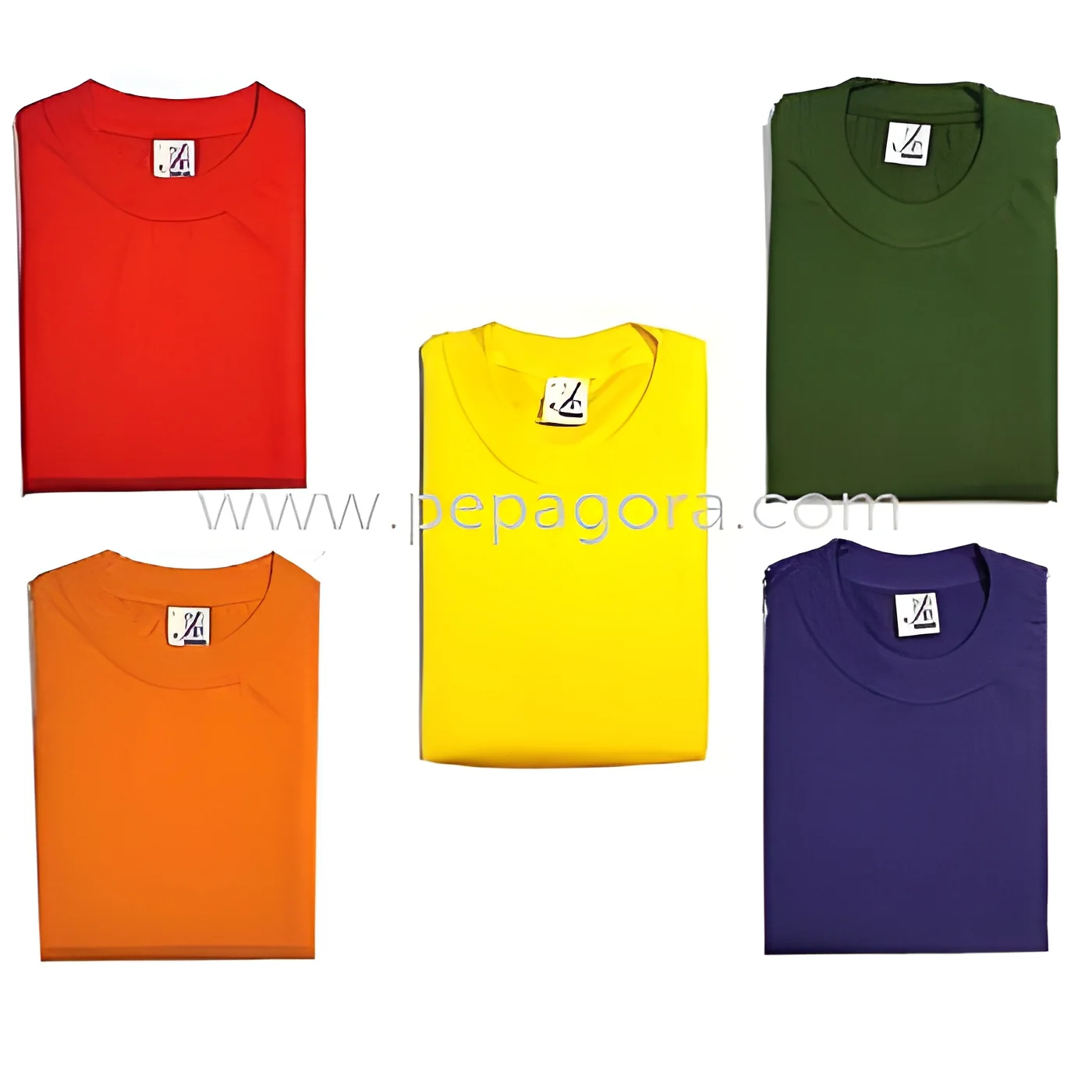
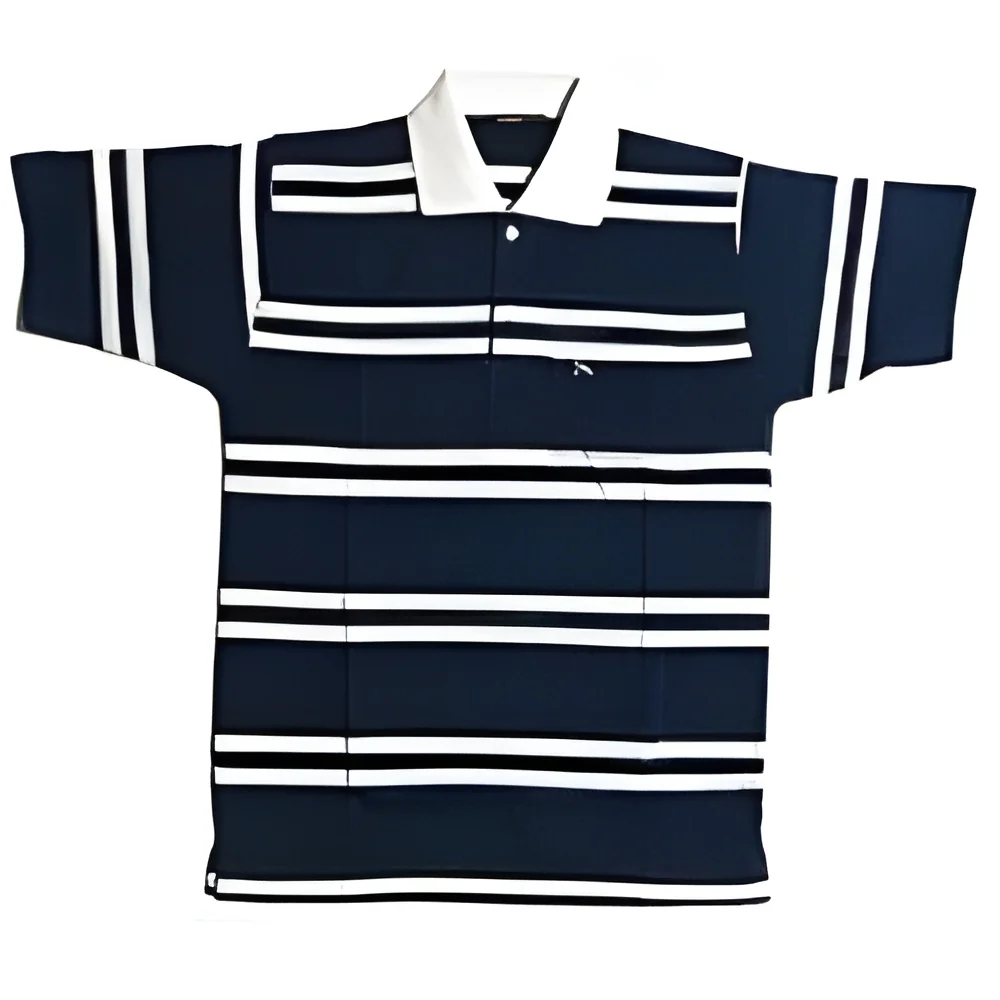
𝗪𝗵𝗮𝘁 𝗮𝗿𝗲 𝗧-𝗦𝗵𝗶𝗿𝘁𝘀 & 𝗣𝗼𝗹𝗼𝘀 𝗢𝗘𝗠?
T-Shirts and Polos OEM (Original Equipment Manufacturer) refer to custom-designed apparel products that businesses have manufactured under their own brand name. These garments are produced by specialized manufacturers who create clothing according to specific design requirements provided by the buyer. This process allows businesses to offer unique products that resonate with their target audience while maintaining quality standards and brand identity.
The primary uses of T-Shirts and Polos OEM are found in various sectors, including promotional events, corporate branding, sports teams, and retail merchandise. Companies often utilize these products for giveaways, employee uniforms, or as part of marketing campaigns. By leveraging custom apparel, businesses can enhance brand recognition and create a cohesive image across different platforms.
In the current market context, the demand for customized apparel is on the rise as businesses seek to differentiate themselves in a competitive landscape. T-Shirts and Polos OEM are relevant in industries ranging from hospitality to education, where branding and employee representation are crucial. The ability to customize these garments allows companies to cater to diverse consumer preferences and market trends.
𝗞𝗲𝘆 𝗙𝗲𝗮𝘁𝘂𝗿𝗲𝘀 𝗮𝗻𝗱 𝗦𝗽𝗲𝗰𝗶𝗳𝗶𝗰𝗮𝘁𝗶𝗼𝗻𝘀
T-Shirts and Polos OEM come with a variety of features and specifications that can be tailored to meet business needs. These specifications ensure that the garments not only fit well but also align with the intended use and branding requirements.
Key specifications include:
1. Fabric Composition
- Common materials include cotton, polyester, and blends
- Fabric weight ranges from lightweight to heavyweight options
2. Size Range
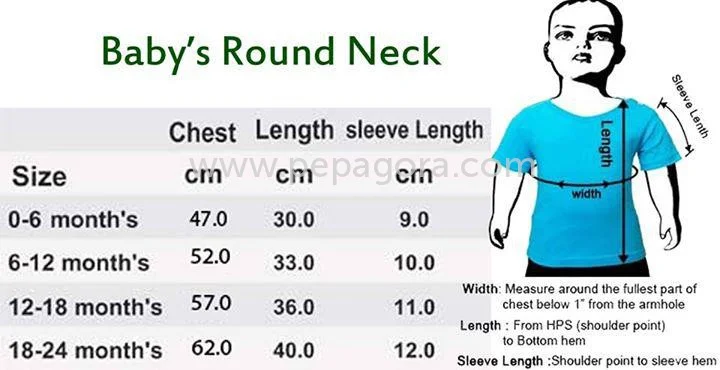
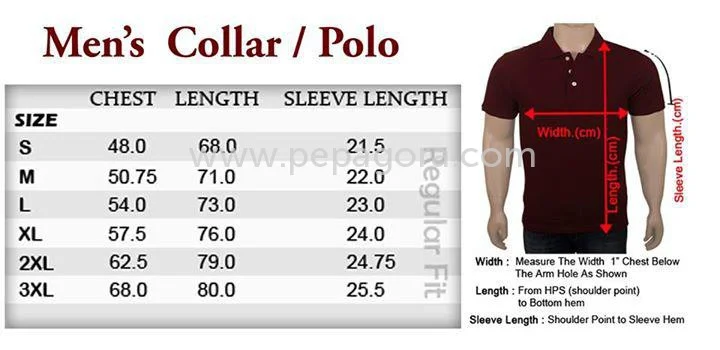
- Available sizes typically range from XS to XXL or larger
- Custom sizing options can be provided upon request
3. Color Options
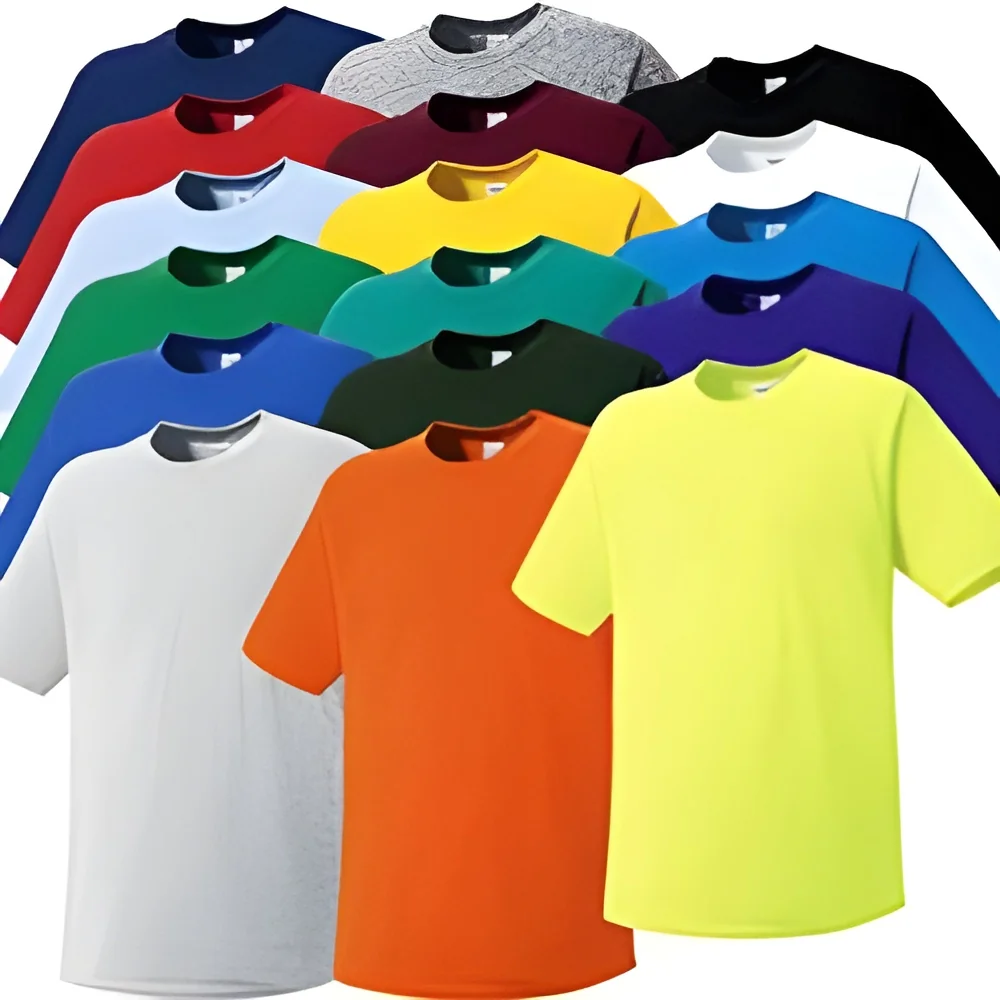
- A wide spectrum of colors is available for customization
- Pantone color matching can be offered for brand consistency
4. Printing Techniques
- Options for screen printing, embroidery, and direct-to-garment printing
- Each technique varies in cost, durability, and visual appeal
5. Design Customization
- Businesses can provide their own designs or work with manufacturers to create unique artwork
- Options for placement of logos, slogans, and other graphics are flexible
6. Minimum Order Quantity (MOQ)
- MOQs typically start from a few dozen units, depending on the supplier
- Larger orders can often reduce per-unit costs
7. Lead Time
- Typical production lead times range from two to six weeks
- Faster turnaround may be possible for urgent requests
8. Compliance Standards
- Products can adhere to various quality and safety standards as required by the market
- Regional compliance may also be necessary depending on the buyer’s location
In summary, the key features and specifications of T-Shirts and Polos OEM play a vital role in meeting the diverse needs of businesses while ensuring quality and consistency in the final product.
𝗖𝗼𝗺𝗺𝗼𝗻 𝗔𝗽𝗽𝗹𝗶𝗰𝗮𝘁𝗶𝗼𝗻𝘀 𝗮𝗻𝗱 𝗨𝘀𝗲 𝗖𝗮𝘀𝗲𝘀
T-Shirts and Polos OEM serve a multitude of industries, each with specific applications that enhance brand visibility and employee engagement.
1. Corporate Sector: Many companies use custom T-Shirts and Polos for employee uniforms, promotional events, and corporate gifts. These garments foster a sense of unity and professionalism among staff.
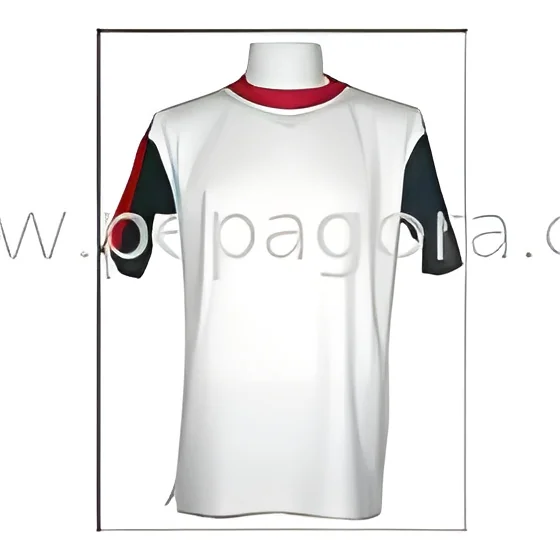
2. Sports Teams: Teams often opt for custom apparel to strengthen team identity and promote their brand during games and events. This can include jerseys, practice shirts, and fan merchandise.
3. Educational Institutions: Schools and universities frequently use custom T-Shirts and Polos for student uniforms, spirit wear, and fundraising events. These garments promote school pride and unity.
4. Hospitality Industry: Hotels and restaurants utilize custom apparel for staff uniforms, helping to reinforce their brand image while ensuring staff are easily identifiable to customers.
5. Retail: Retailers may offer custom T-Shirts and Polos as part of their merchandise, allowing them to create unique offerings that align with their brand ethos and attract customers.
6. Non-Profit Organizations: Many non-profits use custom apparel for fundraising events, awareness campaigns, and volunteer uniforms, helping to increase visibility and support for their cause.
7. Events and Promotions: Custom T-Shirts and Polos are popular for events such as marathons, conferences, and trade shows, where branding and participant recognition are essential.
𝗣𝗿𝗼𝗱𝘂𝗰𝘁 𝗩𝗮𝗿𝗶𝗮𝗻𝘁𝘀 𝗮𝗻𝗱 𝗦𝘂𝗯𝗰𝗮𝘁𝗲𝗴𝗼𝗿𝗶𝗲𝘀
T-Shirts and Polos OEM offer a range of product variations to suit different preferences and applications. The diversity in styles ensures that businesses can find the right fit for their branding needs.
Classic T-Shirt
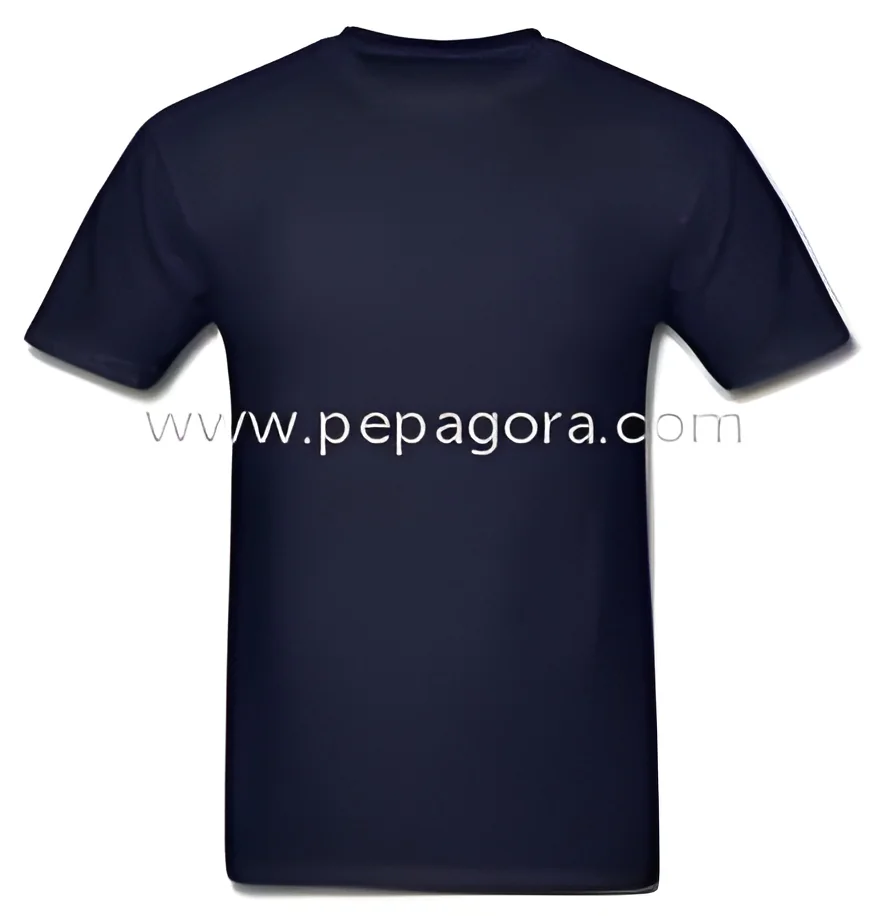
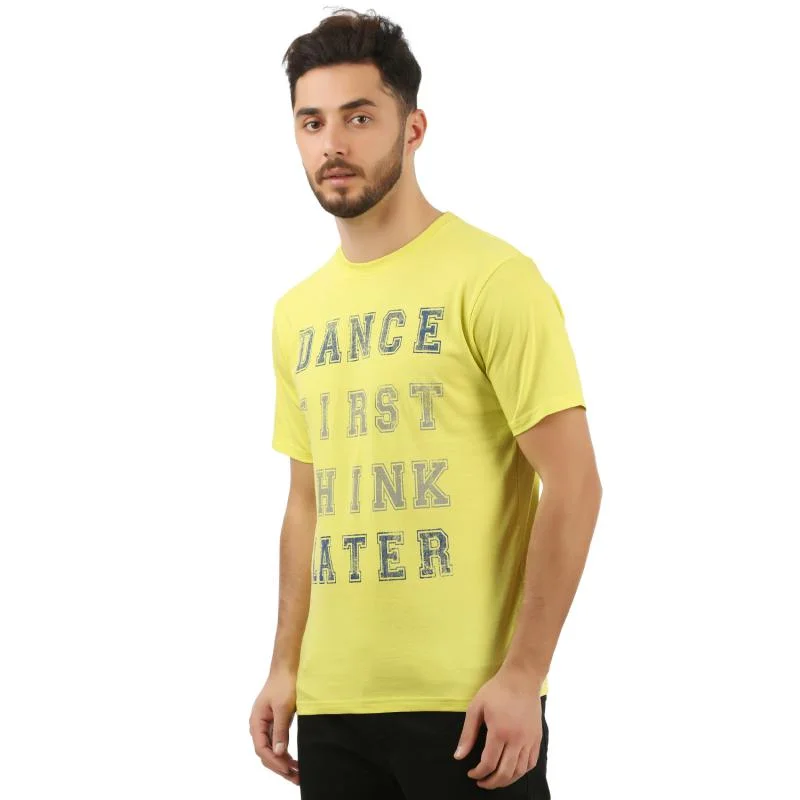
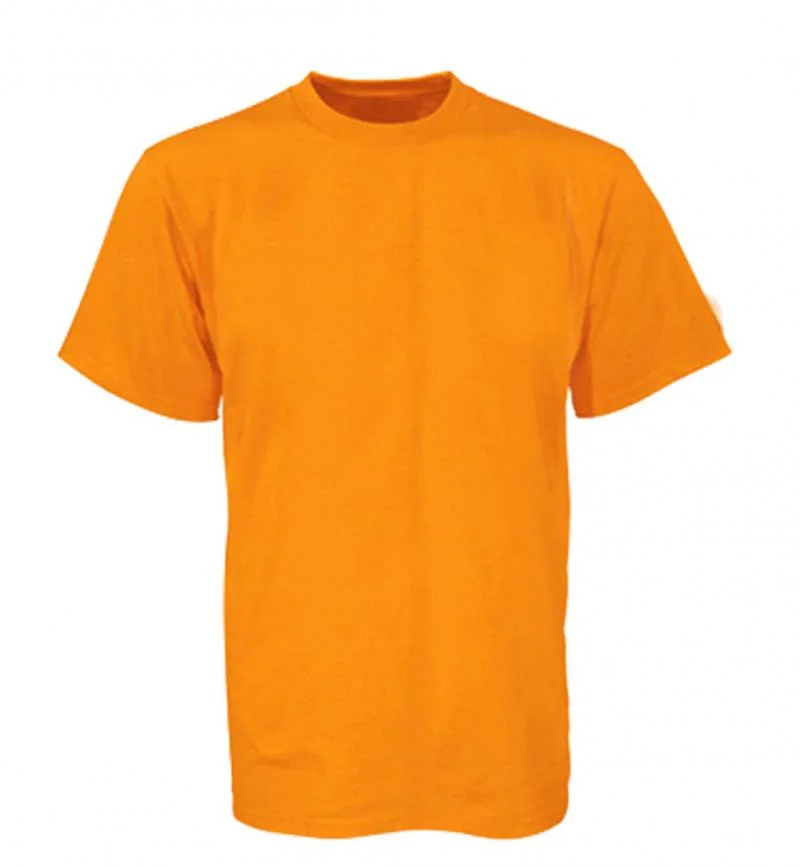
The classic T-shirt features a simple design with a standard crew neck and short sleeves. It is versatile and can be used for casual wear, promotional events, or corporate branding.
Polo Shirt
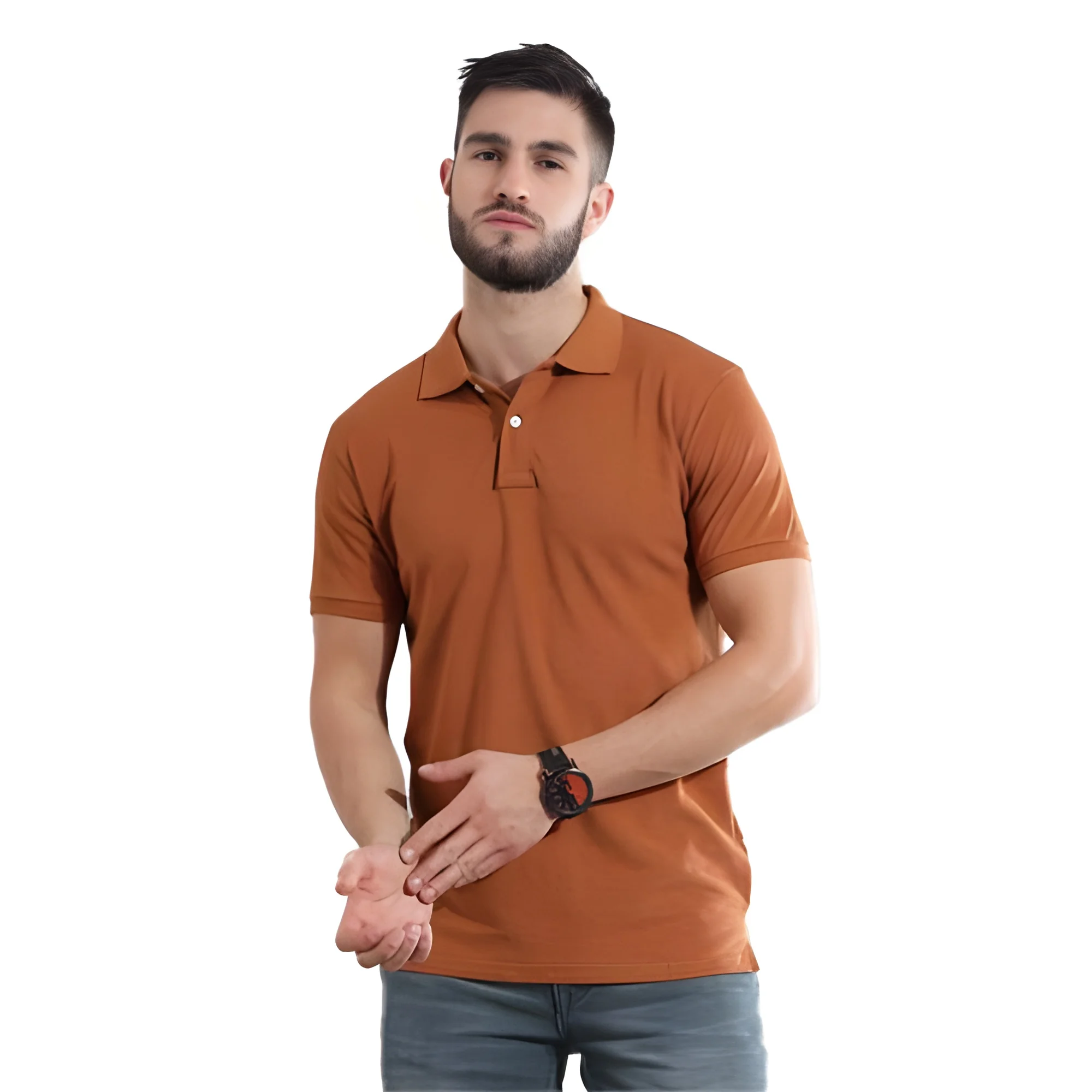
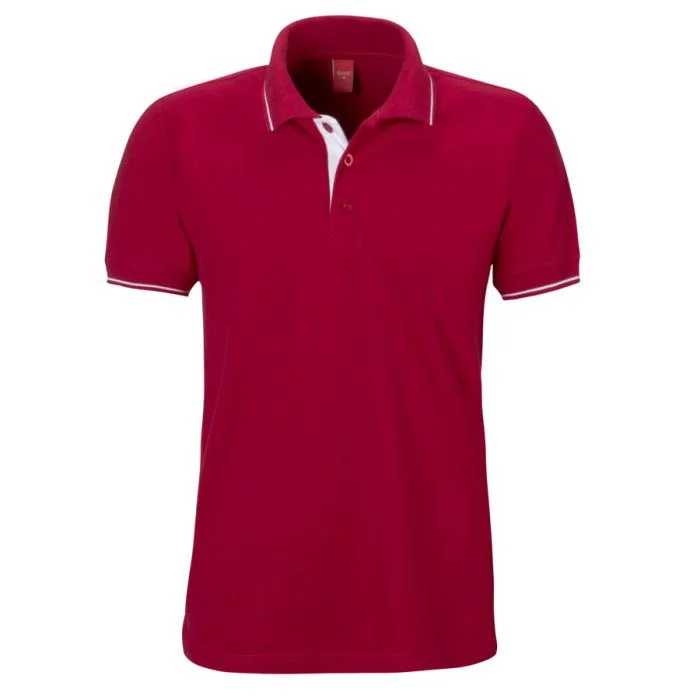
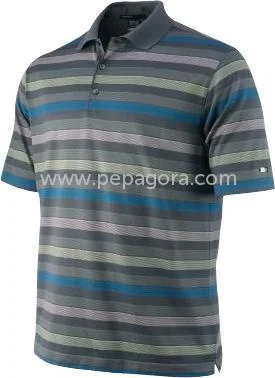
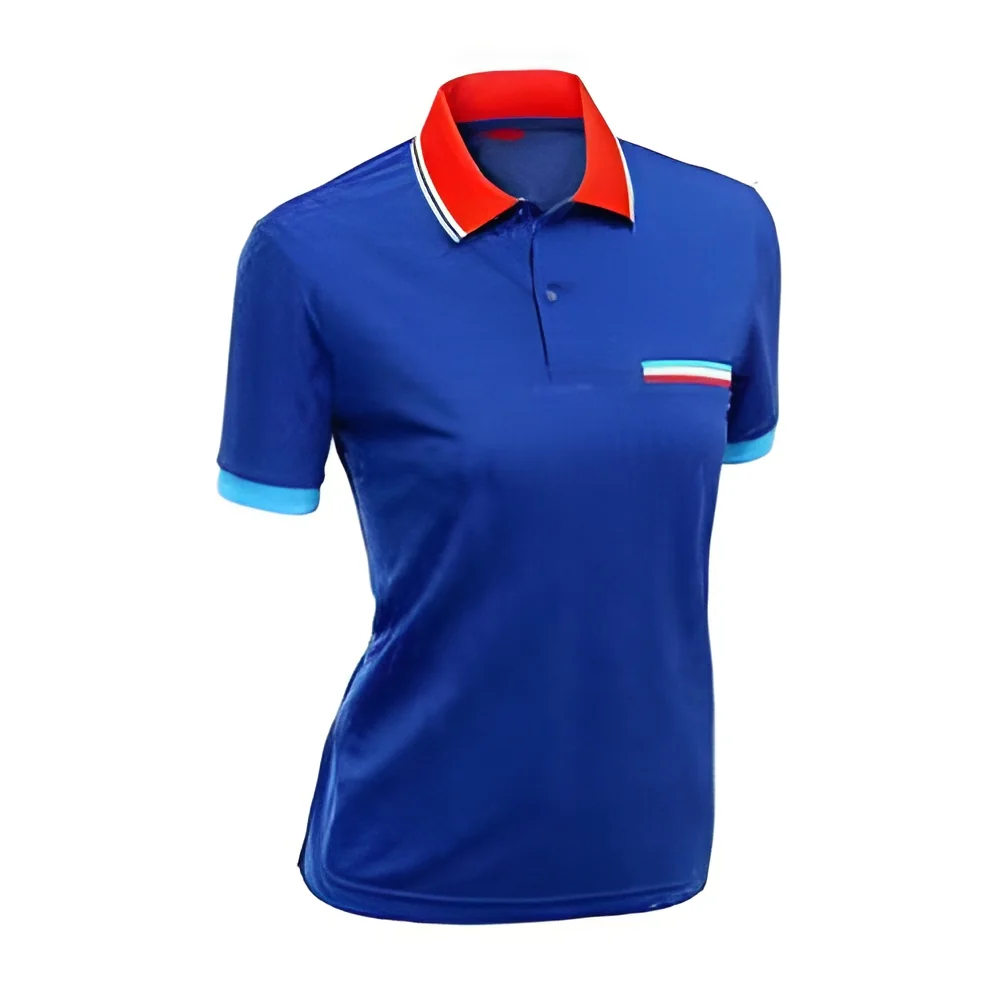
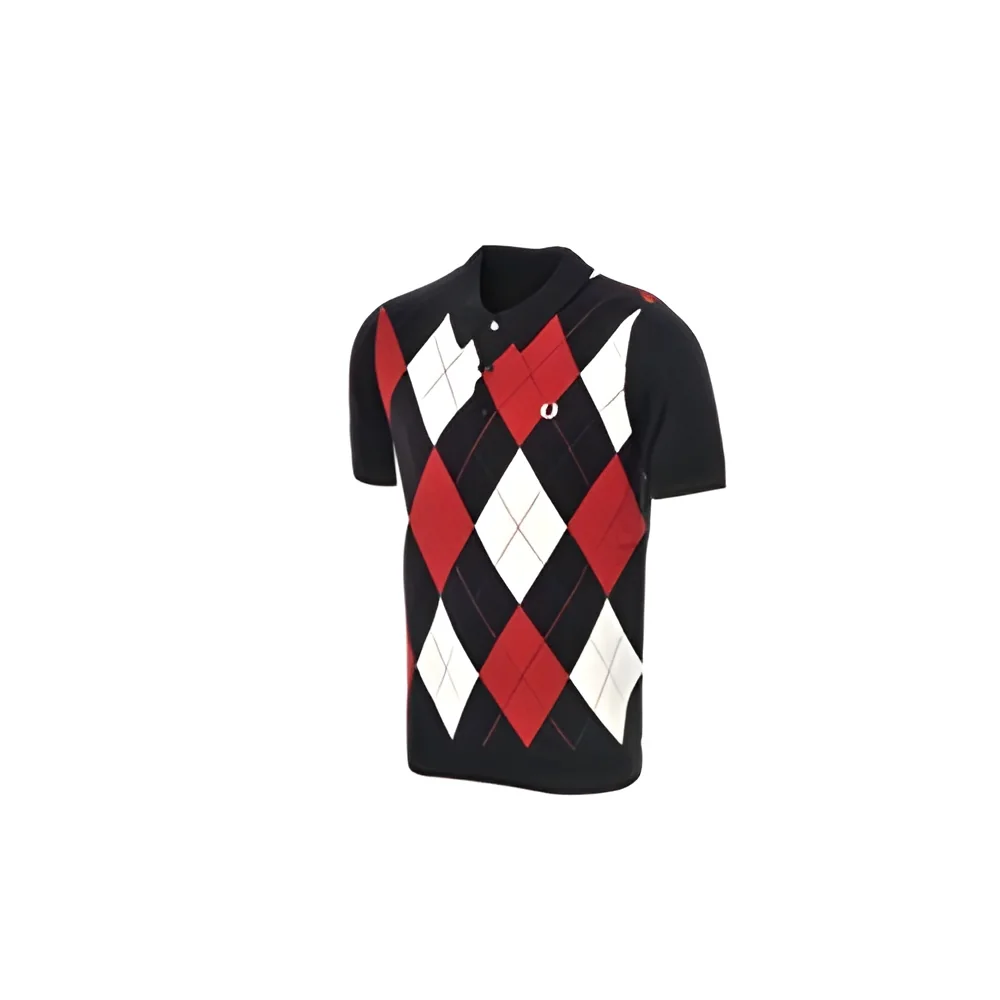
The Polo shirt is a more formal option that includes a collar and buttoned placket. It is ideal for corporate uniforms and events where a polished appearance is desired.
Performance T-Shirt
Designed with active wear in mind, the performance T-shirt is made from moisture-wicking fabric. It is suitable for sports teams and fitness events where comfort and functionality are important.
Long Sleeve T-Shirt
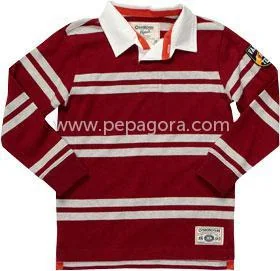
The long sleeve T-shirt provides additional coverage and can be used in cooler temperatures. This variant is popular for outdoor events and casual wear during fall and winter seasons.
Fashion T-Shirt
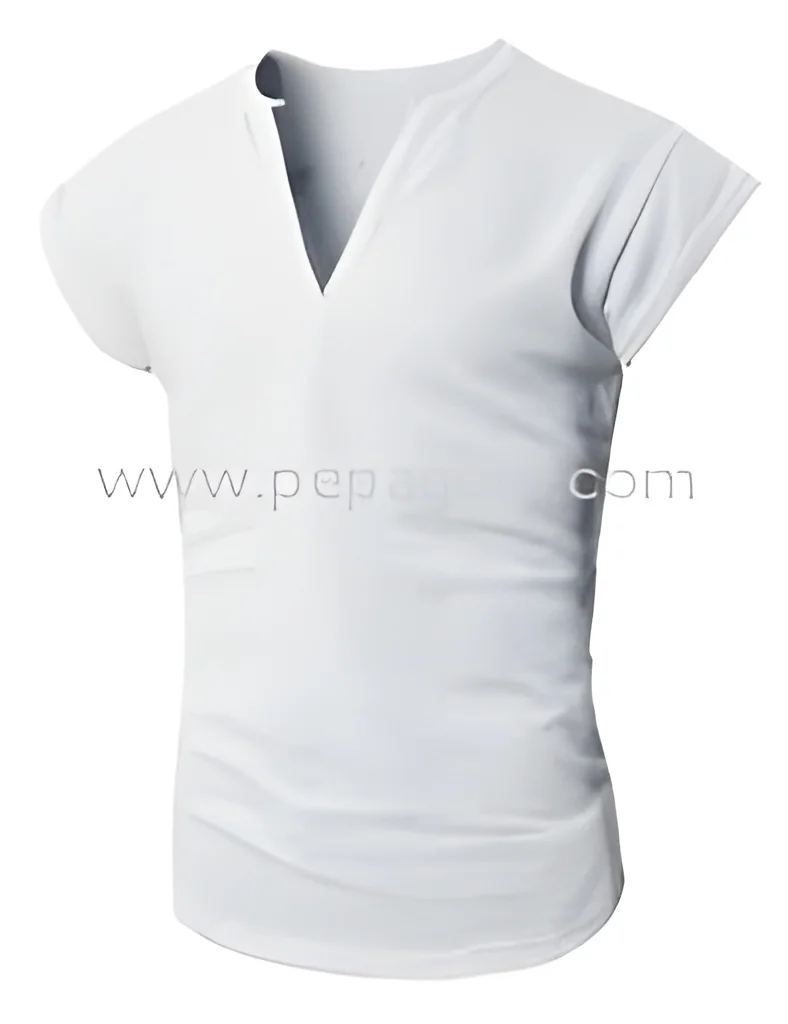
The fashion T-shirt incorporates trendy designs, colors, and cuts, appealing to a younger audience. Businesses can leverage this variant for retail lines or promotional giveaways.
𝗕𝗲𝗻𝗲𝗳𝗶𝘁𝘀 𝗮𝗻𝗱 𝗔𝗱𝘃𝗮𝗻𝘁𝗮𝗴𝗲𝘀
Sourcing T-Shirts and Polos OEM offers numerous benefits for businesses looking to enhance their branding and employee representation.
Key benefits include:
1. Brand Customization: Businesses can tailor designs and features to align with their brand identity, ensuring consistency across all promotional materials.
2. Cost-Effectiveness: By ordering in bulk, companies can reduce per-unit costs and maximize their return on investment for promotional apparel.
3. Quality Assurance: Working with reputable manufacturers ensures that products meet quality standards and align with customer expectations.
4. Diverse Options: The availability of various styles, colors, and fabrics allows businesses to choose products that best suit their specific needs.
5. Enhanced Visibility: Custom apparel helps improve brand recognition, making it easier for customers to identify and remember the business.
6. Employee Morale: Providing team members with custom uniforms fosters a sense of belonging and pride, which can enhance overall workplace morale.
𝗕𝘂𝘆𝗶𝗻𝗴 𝗚𝘂𝗶𝗱𝗲 𝗳𝗼𝗿 𝗕𝟮𝗕 𝗕𝘂𝘆𝗲𝗿𝘀
When sourcing T-Shirts and Polos OEM, buyers should consider several factors to ensure they make informed decisions.
1. Quality Assessment: Evaluate the quality of materials and craftsmanship. Look for samples to gauge fabric feel and durability before placing large orders.
2. Supplier Verification: Vet suppliers thoroughly to ensure they have a reliable track record and can meet your specifications and deadlines.
3. Pricing and MOQ: Understand the pricing structure and minimum order quantities. Compare quotes from different suppliers to find the best deal without compromising quality.
4. Delivery and Lead Times: Confirm delivery schedules and lead times, especially if you have a specific deadline for an event or launch.
5. Compliance Requirements: Ensure that the products comply with relevant industry standards and regulations, which may vary by region.
𝗖𝗼𝗺𝗽𝗹𝗶𝗮𝗻𝗰𝗲 𝗮𝗻𝗱 𝗖𝗲𝗿𝘁𝗶𝗳𝗶𝗰𝗮𝘁𝗶𝗼𝗻𝘀
T-Shirts and Polos OEM must adhere to various compliance standards to ensure quality and safety. Relevant quality standards such as ISO 9001 are important for manufacturers to demonstrate their commitment to quality management systems. This certification ensures that manufacturers consistently produce products that meet customer and regulatory requirements.
Additionally, industry certifications like CE may apply, particularly for apparel intended for specific markets or uses. Safety and testing requirements also play a crucial role, especially when garments are used in environments where safety is paramount, such as in industrial or healthcare settings.
Regional compliance considerations are also vital, as different regions may have specific regulations regarding textile products. Buyers should be aware of these requirements to ensure that their custom apparel meets local laws and standards.
𝗪𝗵𝘆 𝗦𝗼𝘂𝗿𝗰𝗲 𝗧-𝗦𝗵𝗶𝗿𝘁𝘀 & 𝗣𝗼𝗹𝗼𝘀 𝗢𝗘𝗠 𝗳𝗿𝗼𝗺 𝗣𝗲𝗽𝗮𝗴𝗼𝗿𝗮?
Pepagora provides a trusted platform for sourcing T-Shirts and Polos OEM, offering several key advantages that cater to the needs of businesses.
Verified Supplier Network: Pepagora connects buyers with a network of verified suppliers, ensuring that they can find reliable manufacturers who meet their quality standards and production requirements.
Streamlined RFQ Process: The platform facilitates a streamlined request for quotation (RFQ) process, allowing buyers to easily compare options from different suppliers and select the best fit for their needs.
Trade Assurance and Support: Pepagora offers trade assurance, providing buyers with protection against potential risks in the purchasing process. Their dedicated support team is available to assist with any inquiries or issues that may arise.
Regional Coverage: With a strong presence in India, the GCC, and Southeast Asia, Pepagora enables businesses to access a wide range of suppliers and products, ensuring they can find the right T-Shirts and Polos OEM for their market needs.

 IN
IN