
 IN
INGarment Manufacturers (OEM/ODM)
117 products available
𝗞𝗲𝘆 𝗙𝗲𝗮𝘁𝘂𝗿𝗲𝘀 𝗮𝗻𝗱 𝗦𝗽𝗲𝗰𝗶𝗳𝗶𝗰𝗮𝘁𝗶𝗼𝗻𝘀
𝗖𝗼𝗺𝗺𝗼𝗻 𝗔𝗽𝗽𝗹𝗶𝗰𝗮𝘁𝗶𝗼𝗻𝘀 𝗮𝗻𝗱 𝗨𝘀𝗲 𝗖𝗮𝘀𝗲𝘀
𝗣𝗿𝗼𝗱𝘂𝗰𝘁 𝗩𝗮𝗿𝗶𝗮𝗻𝘁𝘀 𝗮𝗻𝗱 𝗦𝘂𝗯𝗰𝗮𝘁𝗲𝗴𝗼𝗿𝗶𝗲𝘀
𝗕𝗲𝗻𝗲𝗳𝗶𝘁𝘀 𝗮𝗻𝗱 𝗔𝗱𝘃𝗮𝗻𝘁𝗮𝗴𝗲𝘀
𝗕𝘂𝘆𝗶𝗻𝗴 𝗚𝘂𝗶𝗱𝗲 𝗳𝗼𝗿 𝗕𝟮𝗕 𝗕𝘂𝘆𝗲𝗿𝘀
𝗖𝗼𝗺𝗽𝗹𝗶𝗮𝗻𝗰𝗲 𝗮𝗻𝗱 𝗖𝗲𝗿𝘁𝗶𝗳𝗶𝗰𝗮𝘁𝗶𝗼𝗻𝘀










Frequently Asked Questions
What are Garment Manufacturers (OEM/ODM)?
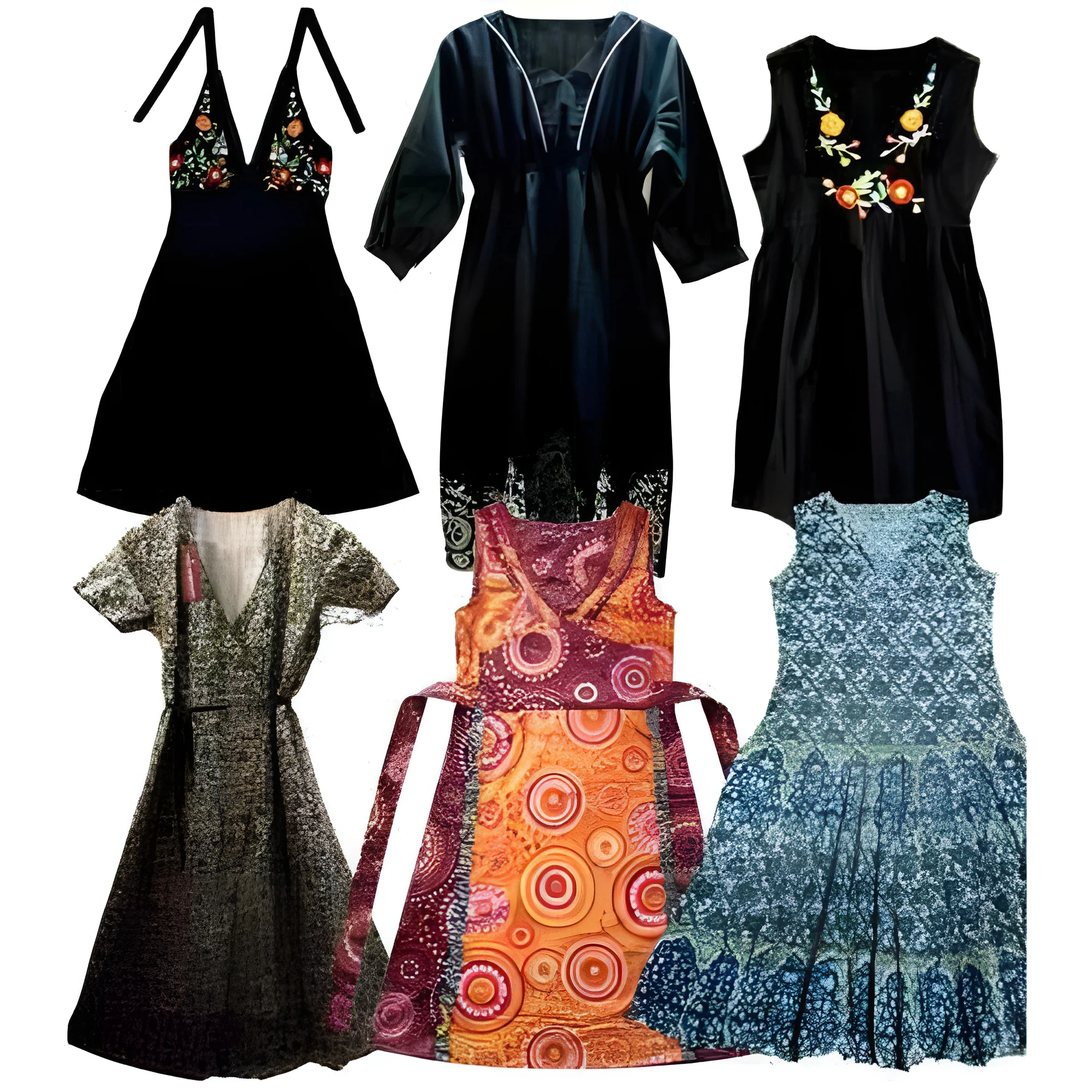
Garment Manufacturers (OEM/ODM) are companies that produce clothing items under another brand's label. OEM stands for Original Equipment Manufacturer, while ODM stands for Original Design Manufacturer. These manufacturers handle everything from design to production, allowing brands to focus on marketing and sales.
What are the different types of Garment Manufacturers (OEM/ODM)?
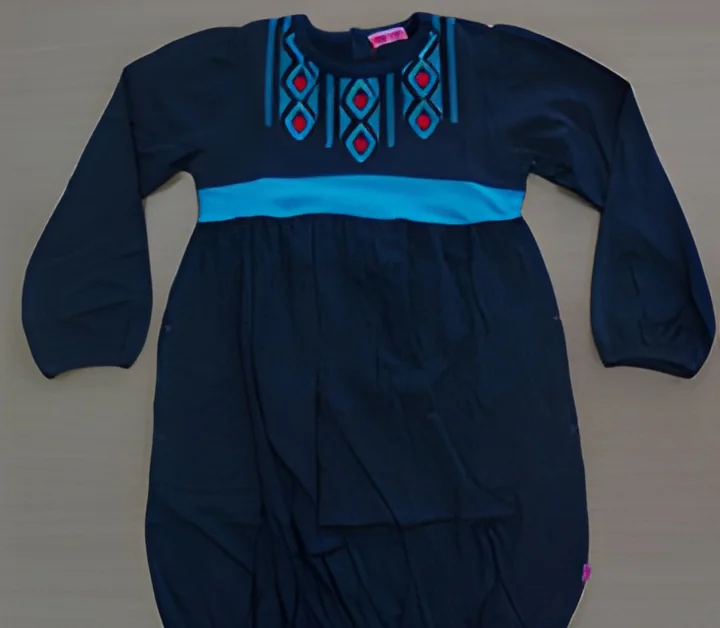
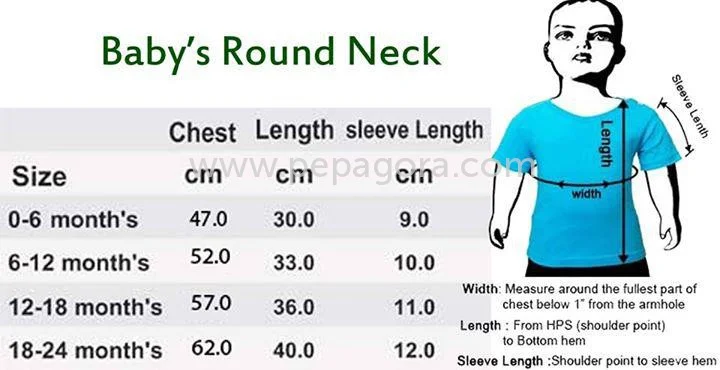
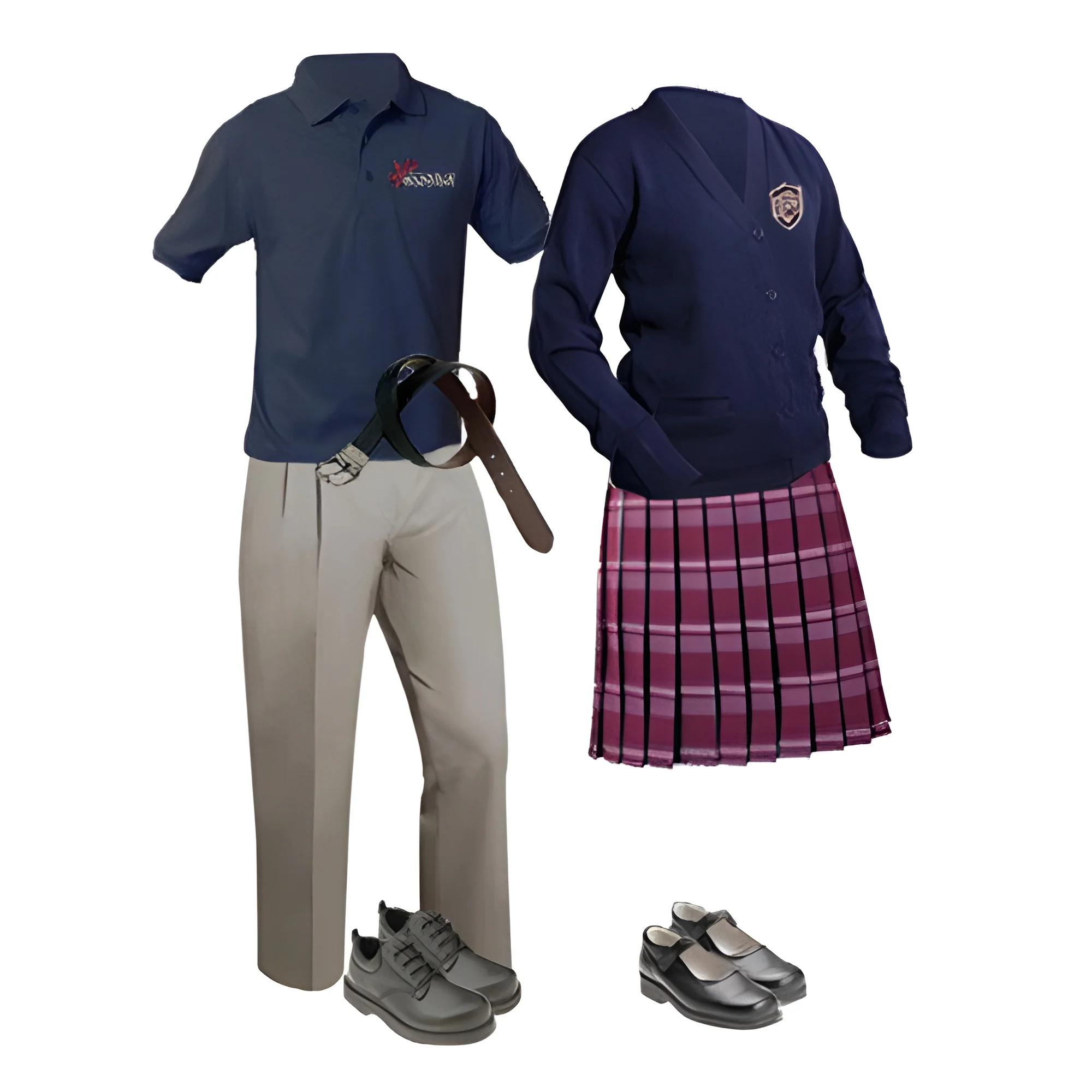
There are two primary types of Garment Manufacturers: OEM and ODM. OEM manufacturers produce garments based on designs provided by the client, while ODM manufacturers create their own designs which clients can then brand. Additionally, some manufacturers specialize in specific types of clothing, such as activewear, formalwear, or children's clothing.
How do I choose the right Garment Manufacturers (OEM/ODM)?
Choosing the right Garment Manufacturer involves considering factors such as their experience, production capacity, and quality of work. It's important to review their portfolio, check client testimonials, and request samples. Additionally, assessing their compliance with industry standards and certifications can help ensure they meet your requirements.
What are the standard specifications for Garment Manufacturers (OEM/ODM)?
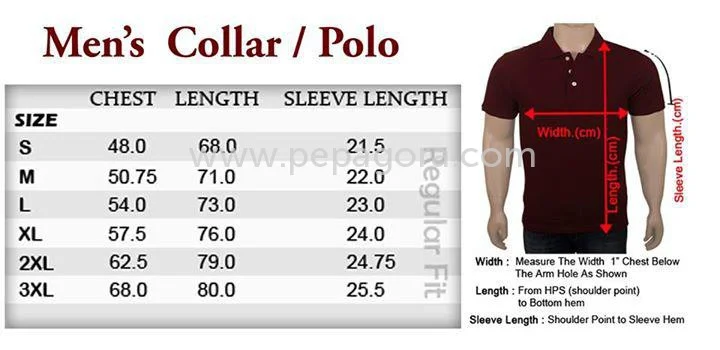
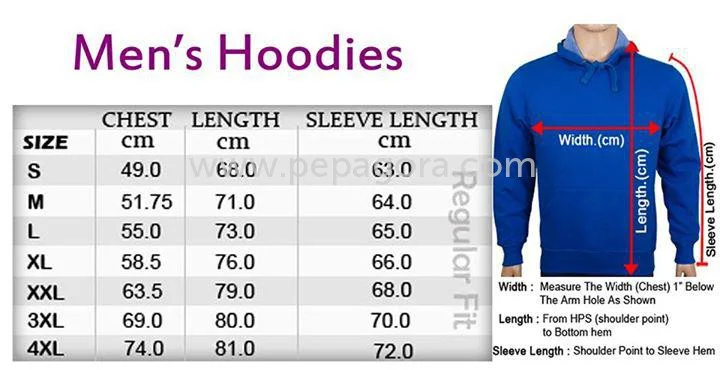
Standard specifications for Garment Manufacturers typically include fabric quality, stitching techniques, sizing standards, and finishing details. Manufacturers should also adhere to specific compliance regulations regarding labor practices and environmental sustainability. These specifications can vary based on the type of garments being produced.
What is the price range for Garment Manufacturers (OEM/ODM)?
The price range for Garment Manufacturers can vary widely based on factors such as order volume, garment complexity, and material costs. Generally, prices can range from a few dollars to over $50 per item. It's advisable to obtain quotes from multiple manufacturers to compare pricing and services.
What quality standards apply to Garment Manufacturers (OEM/ODM)?
Quality standards for Garment Manufacturers often include ISO certifications, compliance with safety regulations, and adherence to specific industry benchmarks. Manufacturers may also follow guidelines set by organizations like the Global Organic Textile Standard (GOTS) for organic fabrics. Regular quality control checks are essential throughout the production process.
Where can I find Garment Manufacturers (OEM/ODM) suppliers in India?
You can find Garment Manufacturers (OEM/ODM) suppliers in India through various online B2B marketplaces, trade shows, and industry directories. Websites like Pepagora.com provide a platform to connect with verified manufacturers. Additionally, networking within industry associations can help you discover reputable suppliers.
Can Garment Manufacturers (OEM/ODM) be customized?
Yes, Garment Manufacturers (OEM/ODM) often offer customization options such as fabric selection, design alterations, and branding elements. Customization can range from minor adjustments to complete design overhauls, depending on the manufacturer's capabilities. Discussing your specific needs with the manufacturer will help determine the extent of customization available.
What is the typical minimum order quantity for Garment Manufacturers (OEM/ODM)?
The typical minimum order quantity (MOQ) for Garment Manufacturers varies, but it often ranges from 100 to 1000 pieces per design. The MOQ can depend on the manufacturer’s production capacity, the complexity of the garments, and the type of materials used. It's advisable to confirm the MOQ with potential manufacturers during the selection process.
What is the typical lead time for Garment Manufacturers (OEM/ODM)?
The typical lead time for Garment Manufacturers (OEM/ODM) can range from 4 to 12 weeks, depending on factors such as order size, complexity, and the manufacturer's workload. It's important to discuss lead times upfront and plan accordingly, especially for seasonal collections or specific launch dates.
Why Businesses Trust Pepagora
Thousands of companies trust Pepagora to source smarter and sell faster
Expand Your Sales Globally

Source Smarter,Grow Faster
