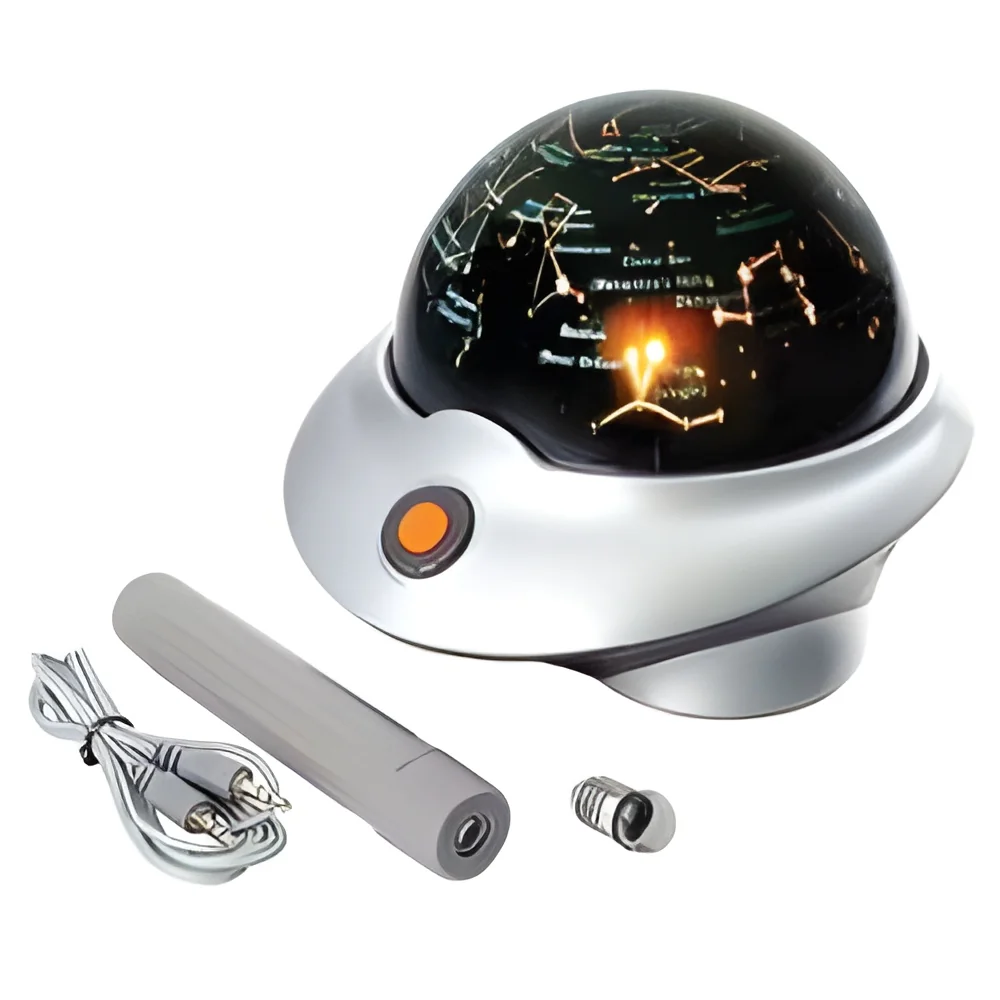
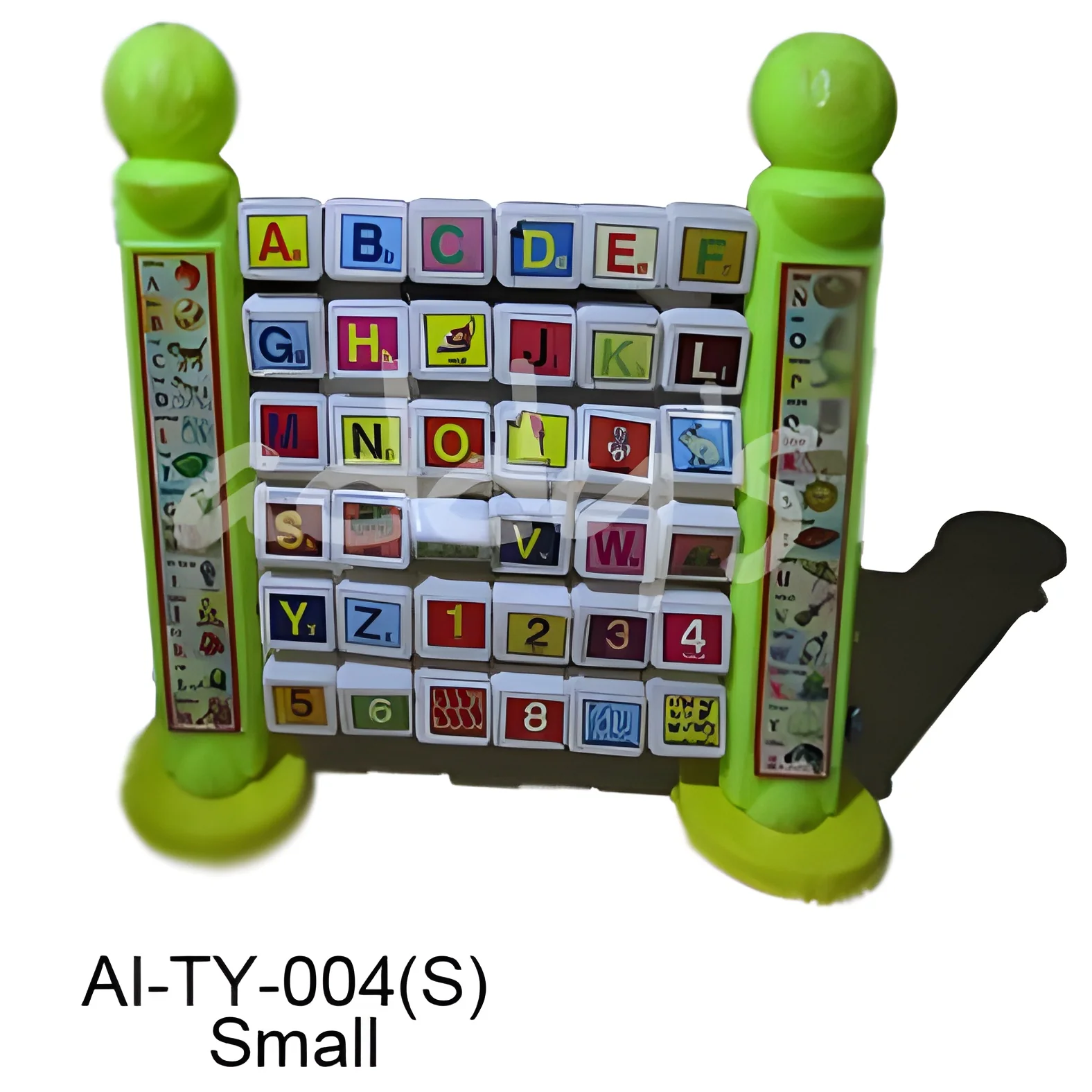
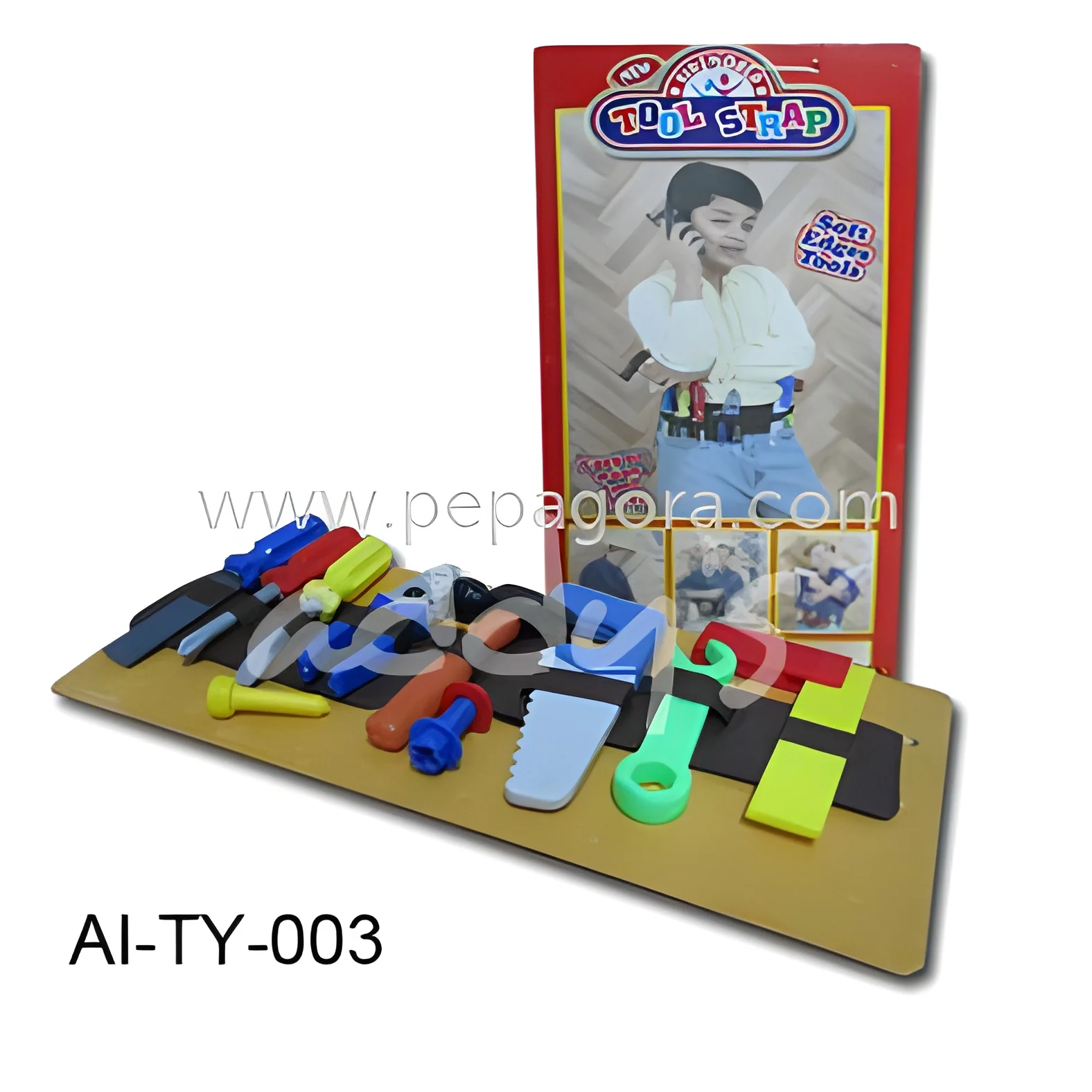
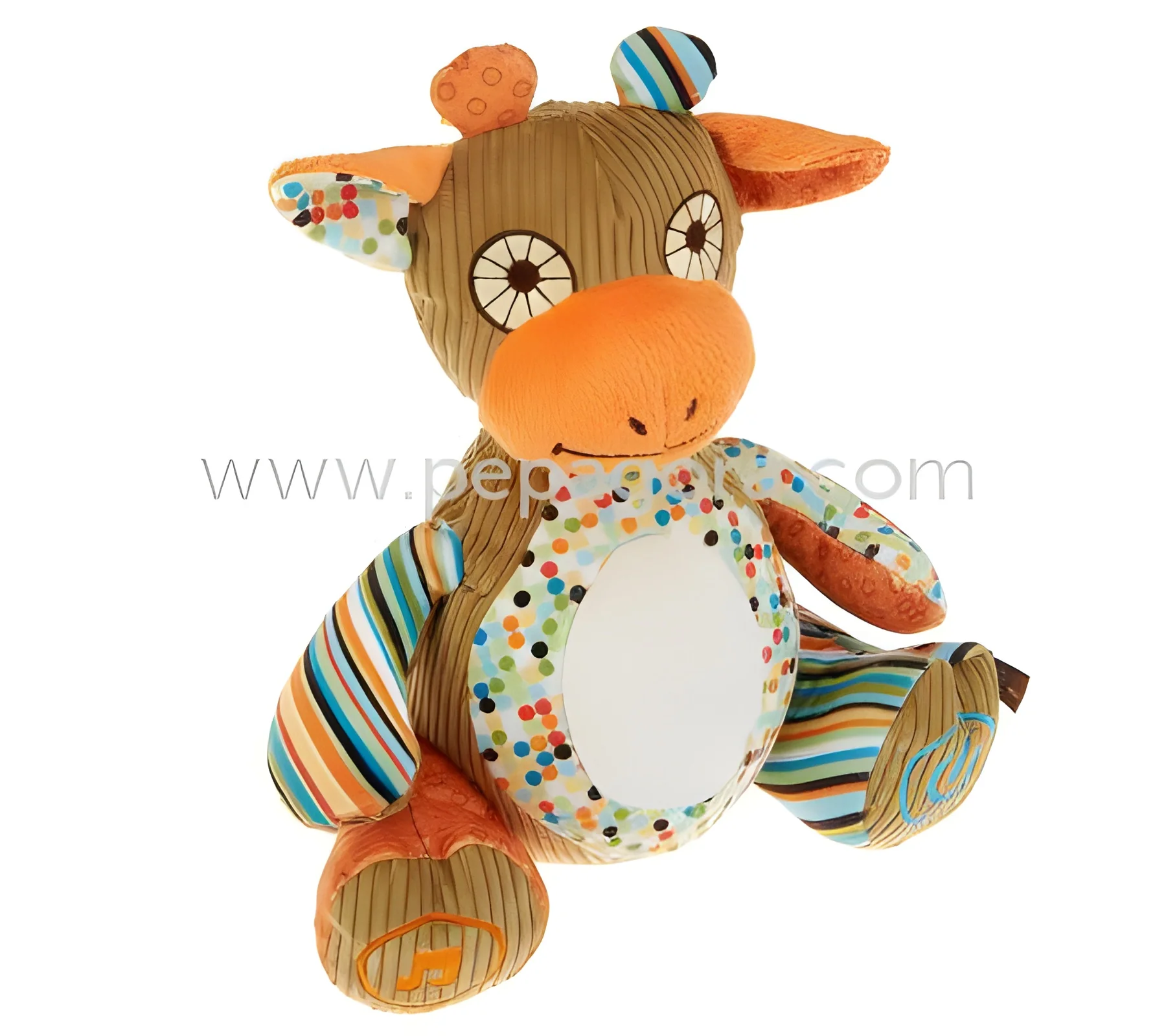
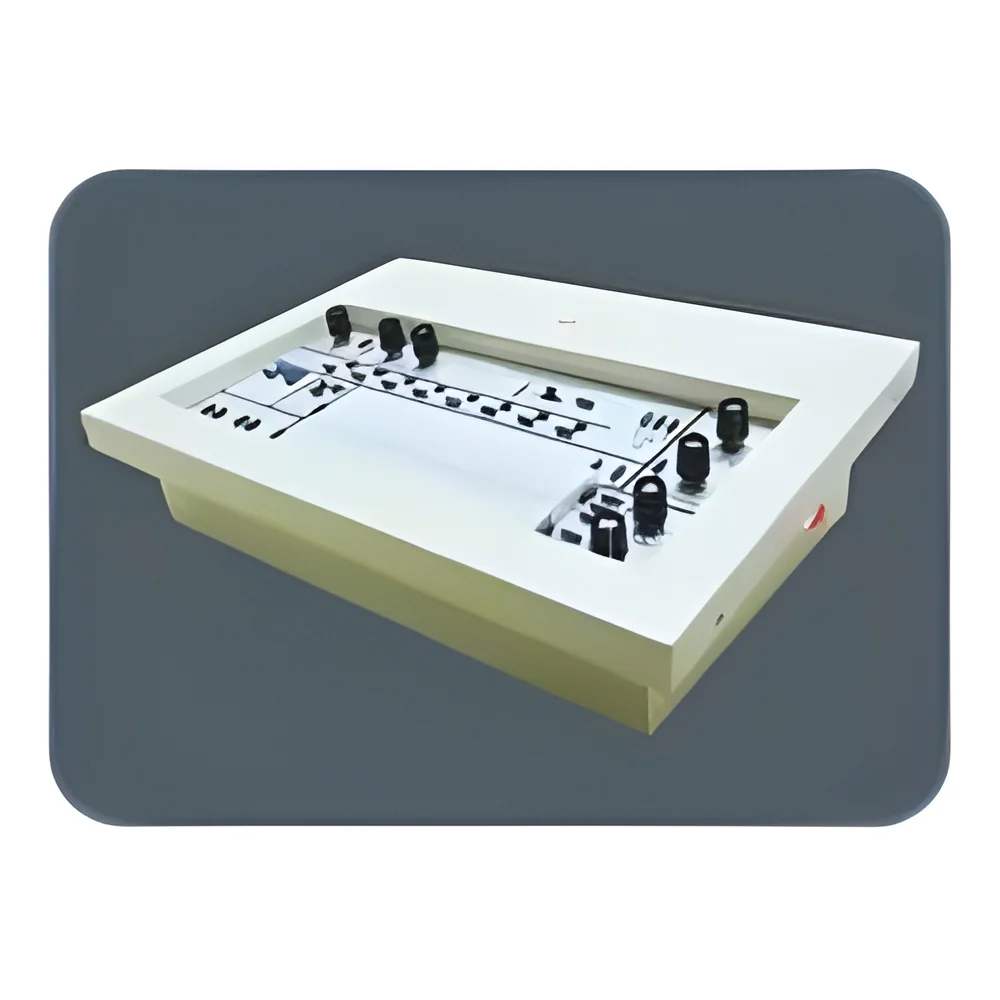
𝗪𝗵𝗮𝘁 𝗮𝗿𝗲 𝗘𝗹𝗲𝗰𝘁𝗿𝗼𝗻𝗶𝗰 𝗧𝗼𝘆𝘀 & 𝗘𝗱𝘂𝗰𝗮𝘁𝗶𝗼𝗻𝗮𝗹 𝗧𝗼𝘆𝘀?
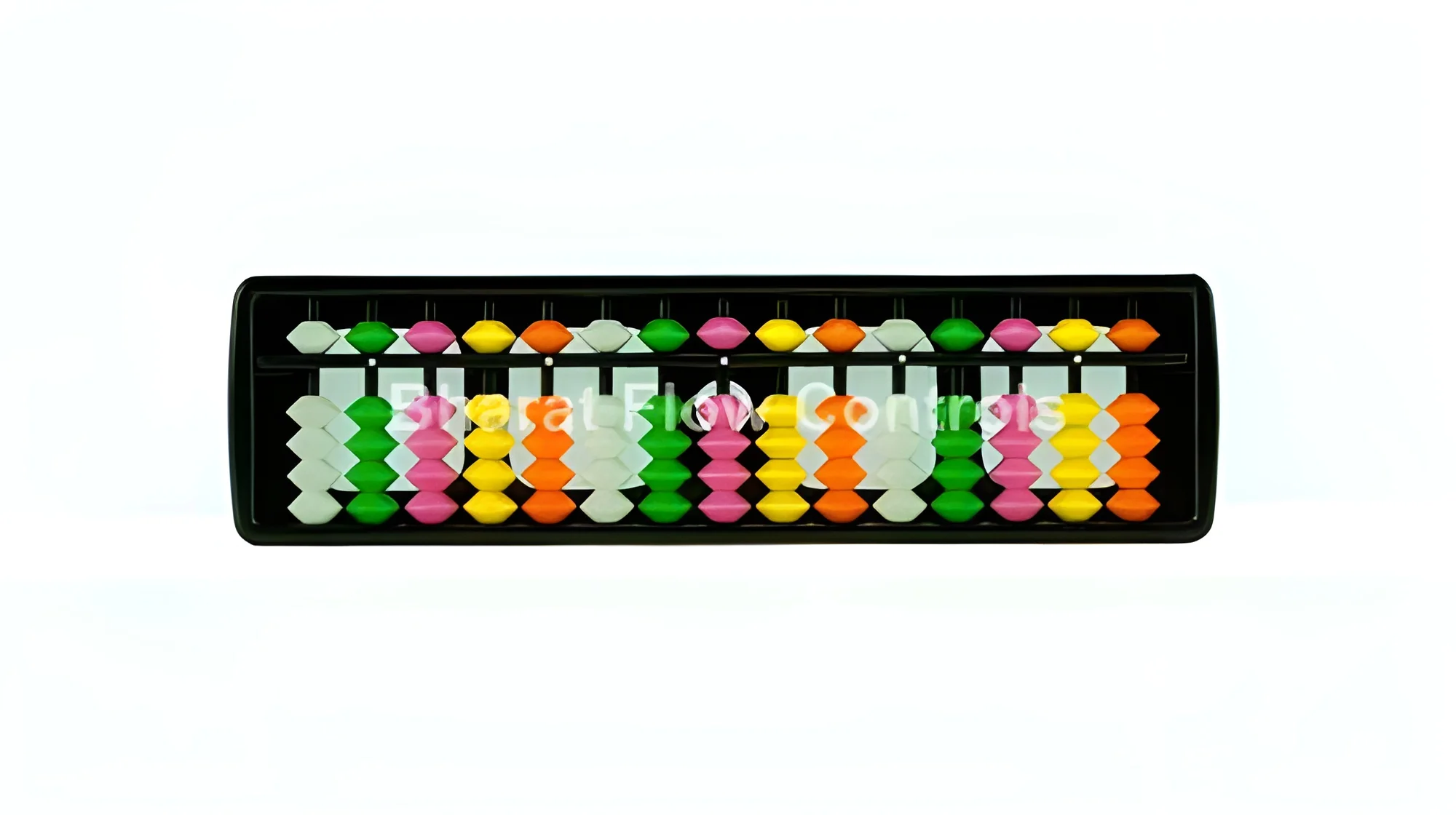
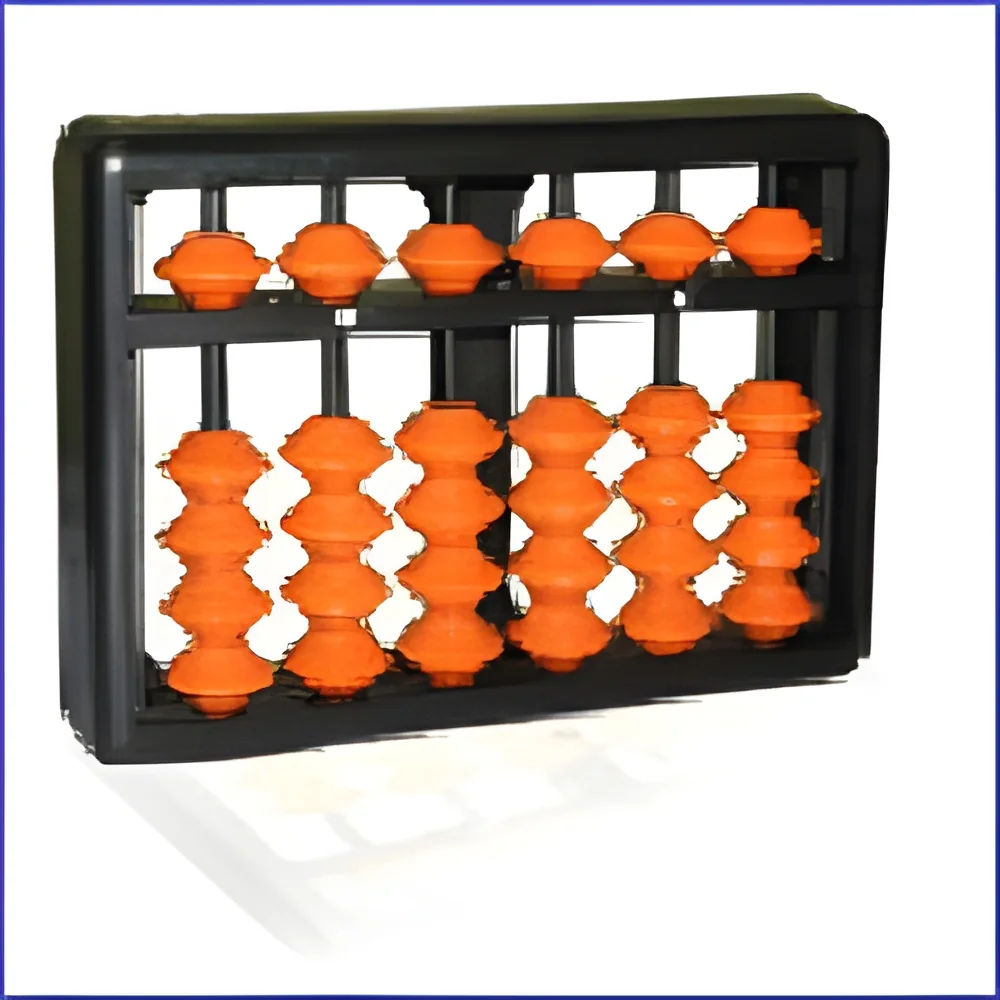
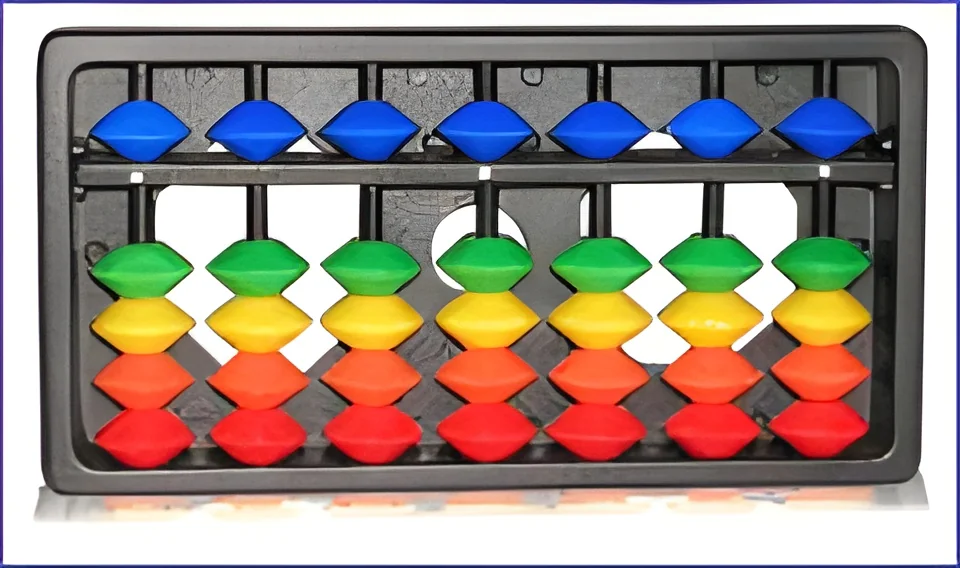
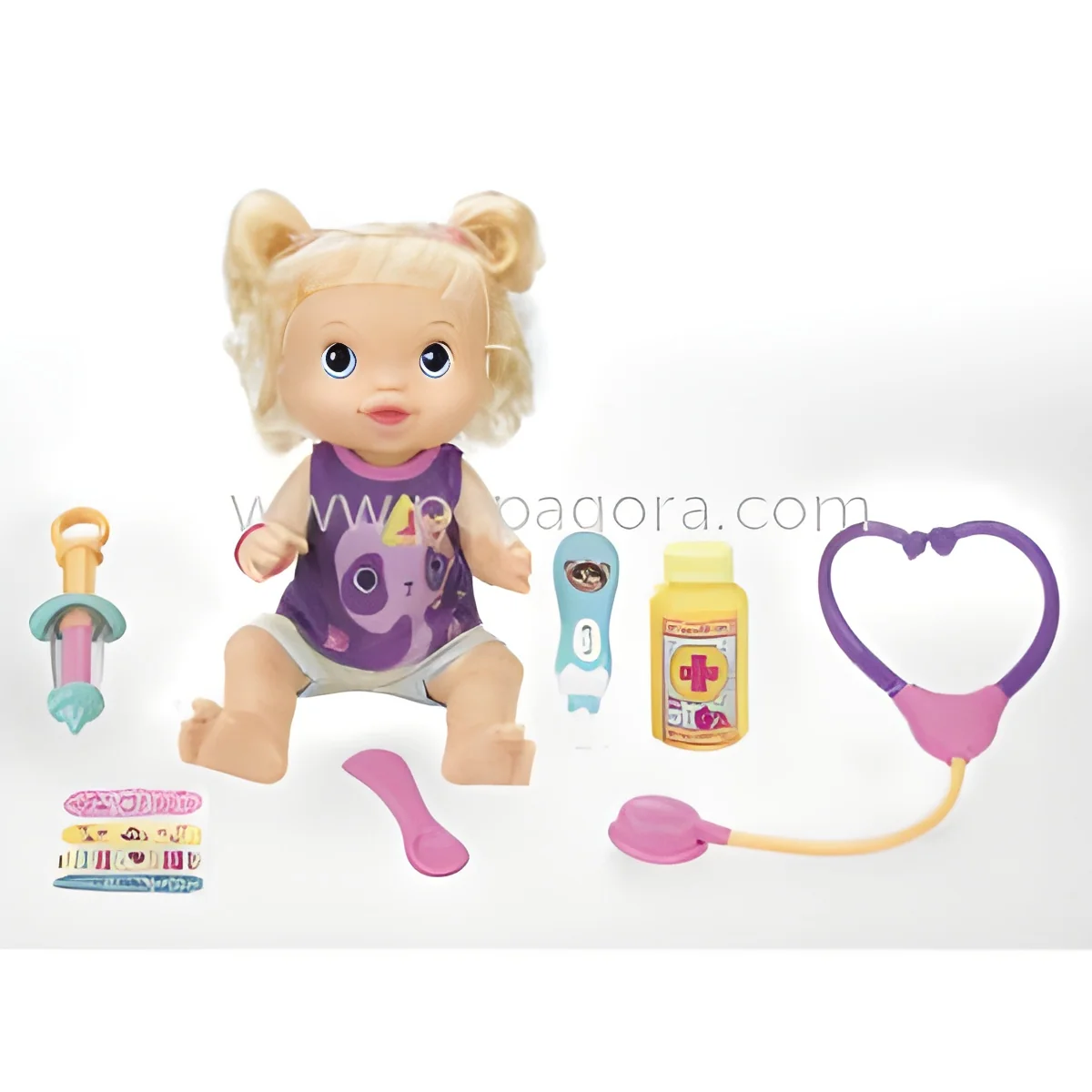
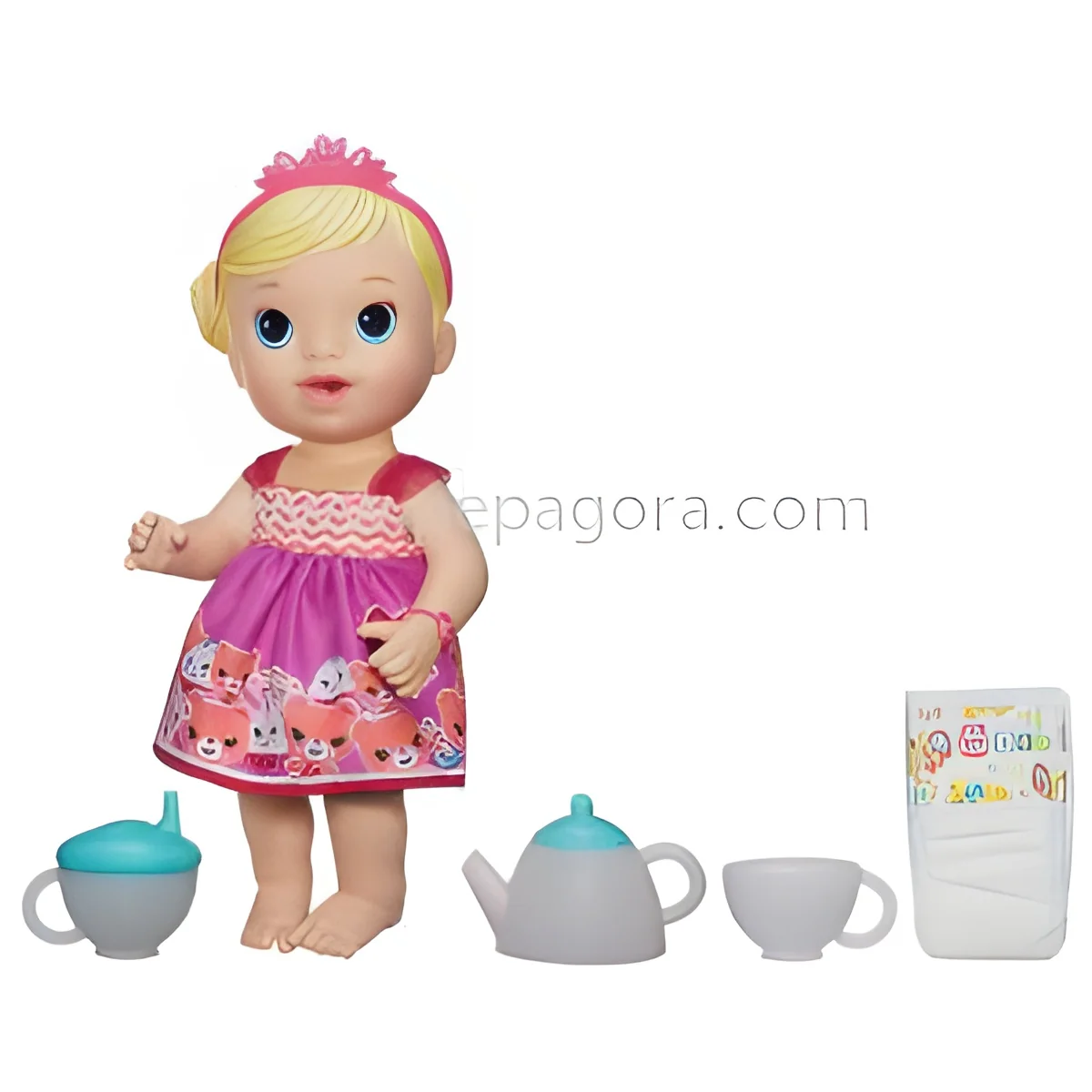
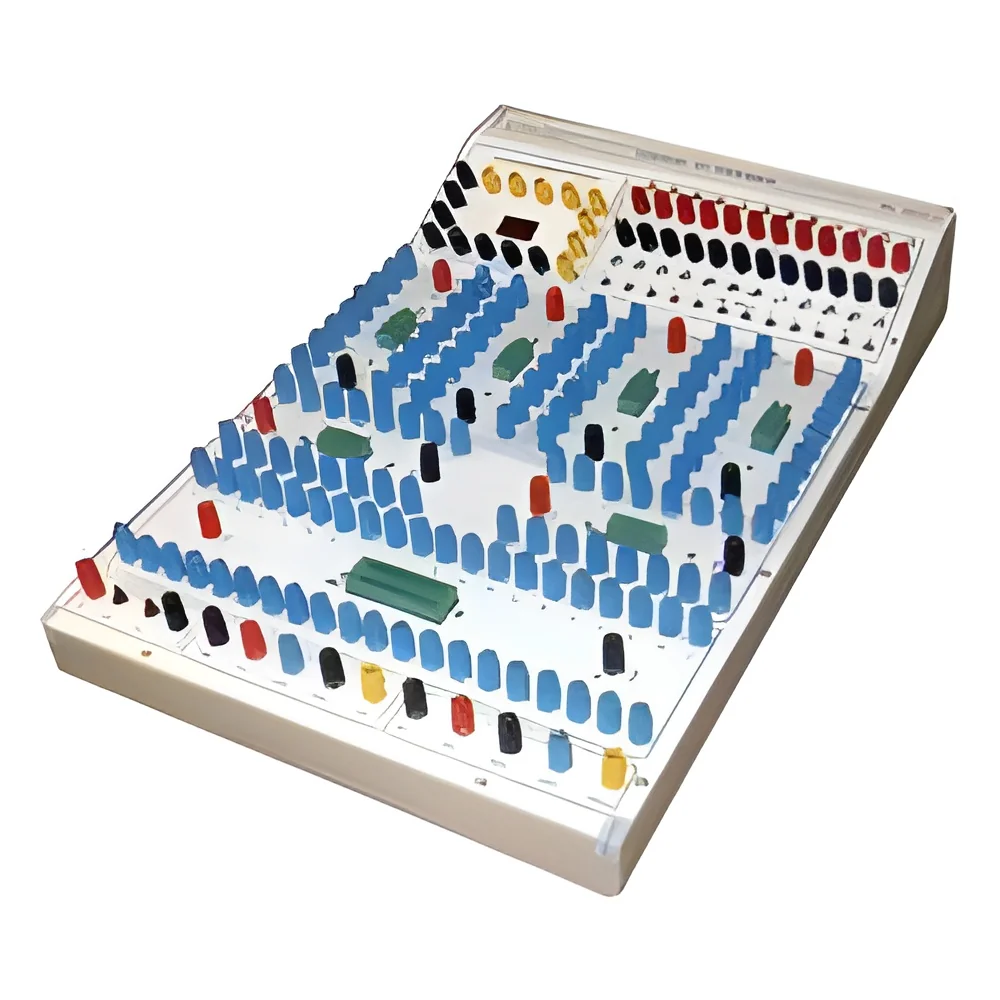
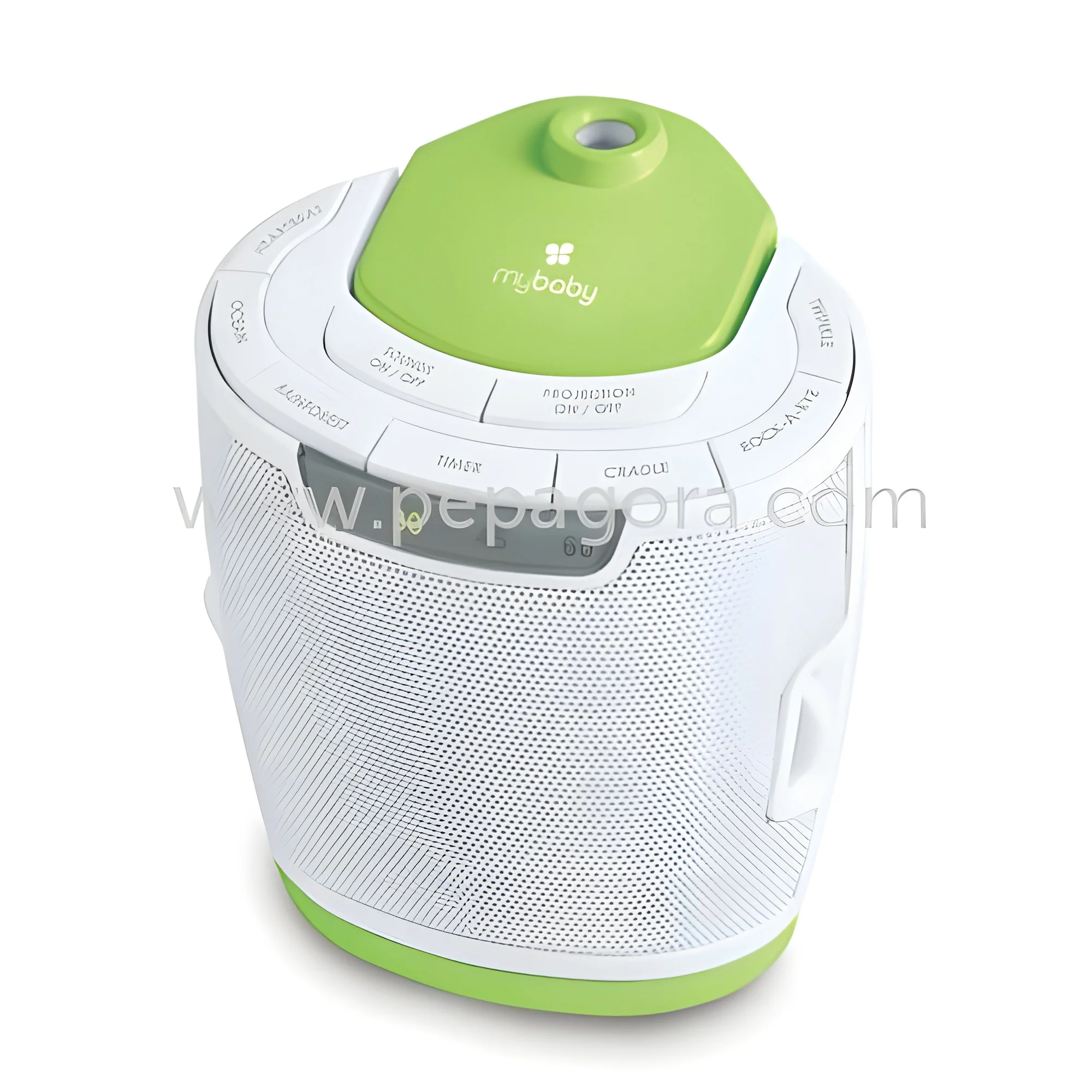
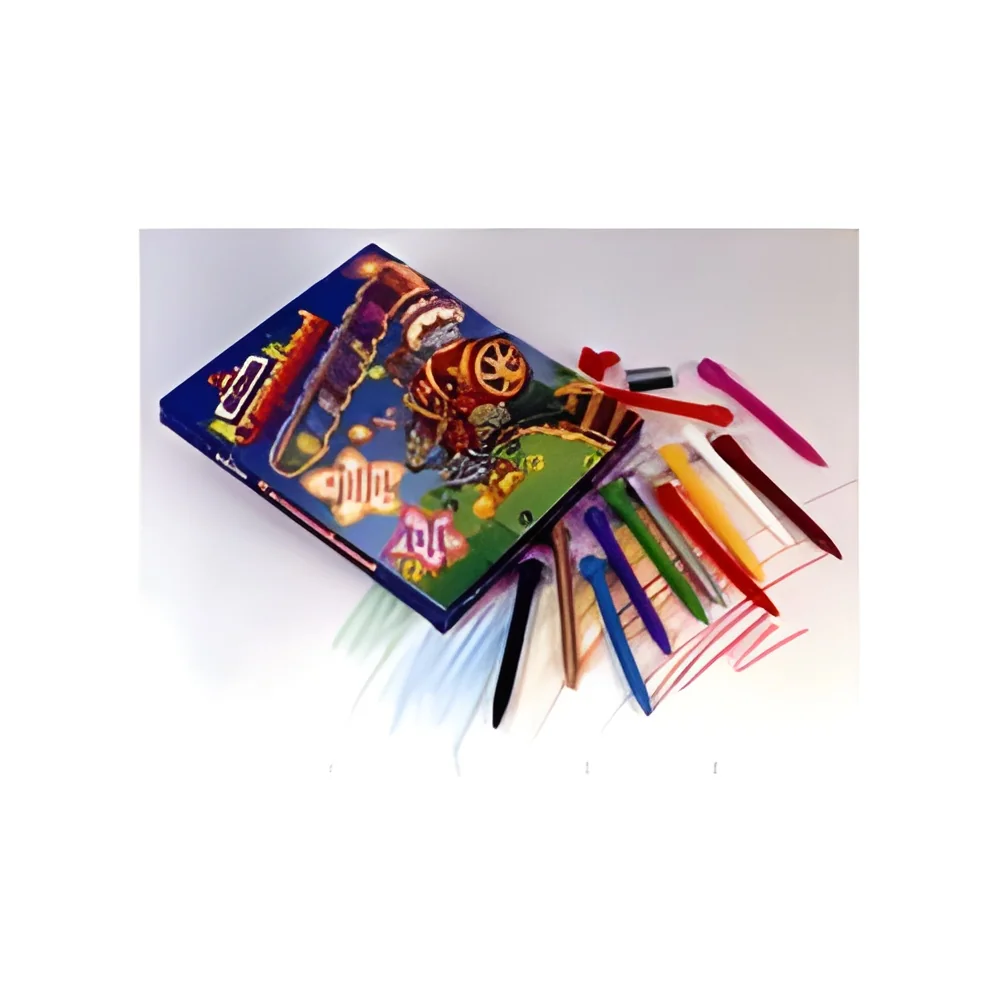
Electronic toys and educational toys are designed to engage children while promoting learning through play. These products often incorporate technology, such as sensors, lights, sounds, and interactive features, which enhance the learning experience. Educational toys focus on developing specific skills, such as problem-solving, critical thinking, and creativity, making them essential tools for early childhood education.
The primary uses of electronic and educational toys span various settings, including homes, schools, and daycare centers. Businesses in the educational sector often utilize these toys to support curriculum-based learning and to foster an engaging learning environment. They are also popular among parents looking to provide their children with enjoyable and productive playtime experiences. The relevance of this industry is underscored by the growing demand for innovative educational products that cater to the evolving needs of children and educators.
In the current market context, electronic and educational toys have seen significant growth due to advancements in technology and a greater emphasis on STEM (science, technology, engineering, and mathematics) education. As educational trends shift towards interactive learning, the market for these toys is expected to expand further, appealing to both parents and educational institutions.
𝗞𝗲𝘆 𝗙𝗲𝗮𝘁𝘂𝗿𝗲𝘀 𝗮𝗻𝗱 𝗦𝗽𝗲𝗰𝗶𝗳𝗶𝗰𝗮𝘁𝗶𝗼𝗻𝘀
Electronic toys and educational toys come with a variety of features that enhance their usability and effectiveness in promoting learning. When considering these products, it is essential to understand their key specifications to make informed purchasing decisions.
Key specifications include:
1. Age Range
- Recommended ages for toy usage, typically ranging from infants to pre-teens.
2. Material Composition
- Information on materials used, often including non-toxic plastics and sustainable resources.
3. Power Source
- Types of power sources, such as batteries or USB charging options.
4. Interactive Features
- Details about interactive components like touch sensors, lights, and sounds.
5. Educational Focus
- Areas of learning targeted, such as math, reading, or motor skills.
6. Size and Weight
- Dimensions and weight specifications for ease of handling and storage.
7. Safety Certifications
- Compliance with safety standards, such as CE certification.
8. Warranty Period
- Duration of the warranty offered by manufacturers.
Understanding these specifications helps B2B buyers select the right toys that meet their educational goals and safety standards.
𝗖𝗼𝗺𝗺𝗼𝗻 𝗔𝗽𝗽𝗹𝗶𝗰𝗮𝘁𝗶𝗼𝗻𝘀 𝗮𝗻𝗱 𝗨𝘀𝗲 𝗖𝗮𝘀𝗲𝘀
Electronic toys and educational toys are utilized across various industries and settings, enhancing learning experiences for children.
1. Education Sector: Schools and educational institutions use these toys to support hands-on learning and foster engagement among students.
2. Daycare Centers: These toys are vital in daycare settings, helping caregivers stimulate children's cognitive and motor skills through interactive play.
3. Home Learning: Parents frequently purchase these toys to create an educational environment at home, ensuring children learn while having fun.
4. Special Needs Education: Many electronic toys are designed to cater to children with special needs, providing tailored learning experiences that accommodate diverse learning styles.
5. Retail and E-commerce: Businesses in retail sell these toys, offering a wide range of options to consumers looking for educational products.
6. Parenting Workshops: Educational toys are often featured in parenting workshops, where experts demonstrate their benefits in child development.
7. Community Programs: Local organizations may use these toys in community programs aimed at enhancing early childhood development and education.
𝗣𝗿𝗼𝗱𝘂𝗰𝘁 𝗩𝗮𝗿𝗶𝗮𝗻𝘁𝘀 𝗮𝗻𝗱 𝗦𝘂𝗯𝗰𝗮𝘁𝗲𝗴𝗼𝗿𝗶𝗲𝘀
Electronic toys and educational toys encompass a wide range of products, each catering to different learning objectives and age groups.
Interactive Learning Tablets: These devices offer a variety of educational apps and games that promote literacy and numeracy skills. They often feature touch screens and parental controls.
Robotics Kits: Designed for older children, these kits allow users to build and program their robots, introducing concepts of coding and engineering in a hands-on manner.
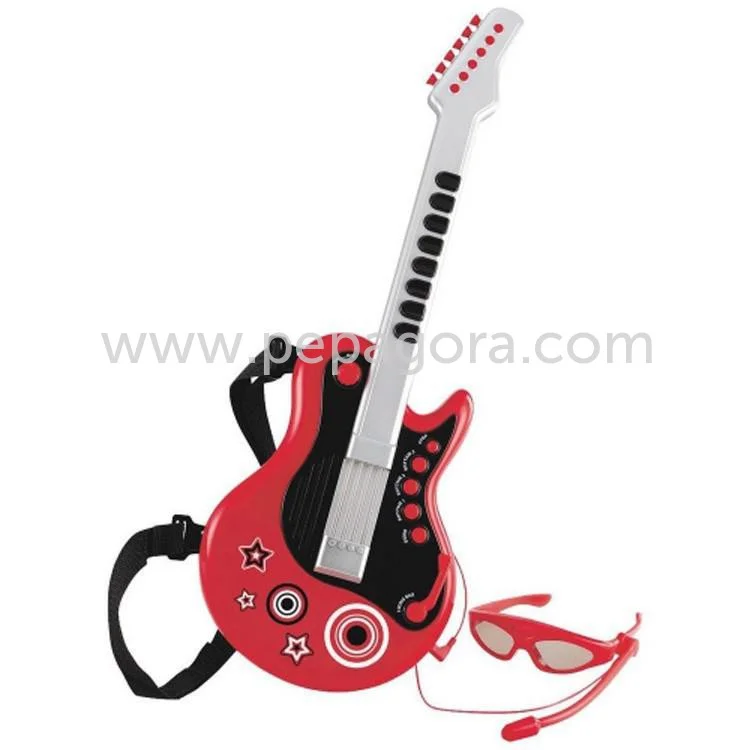
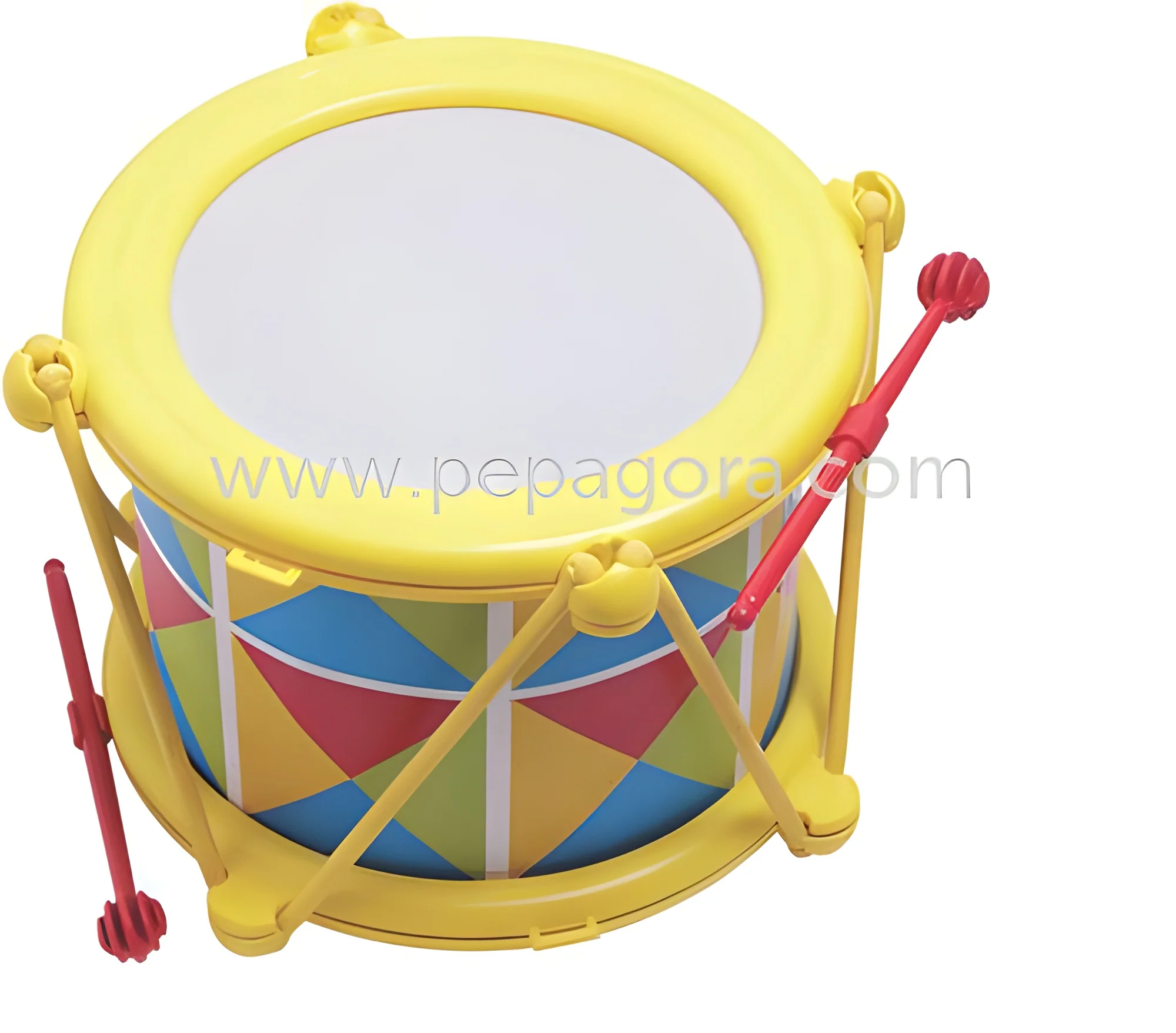
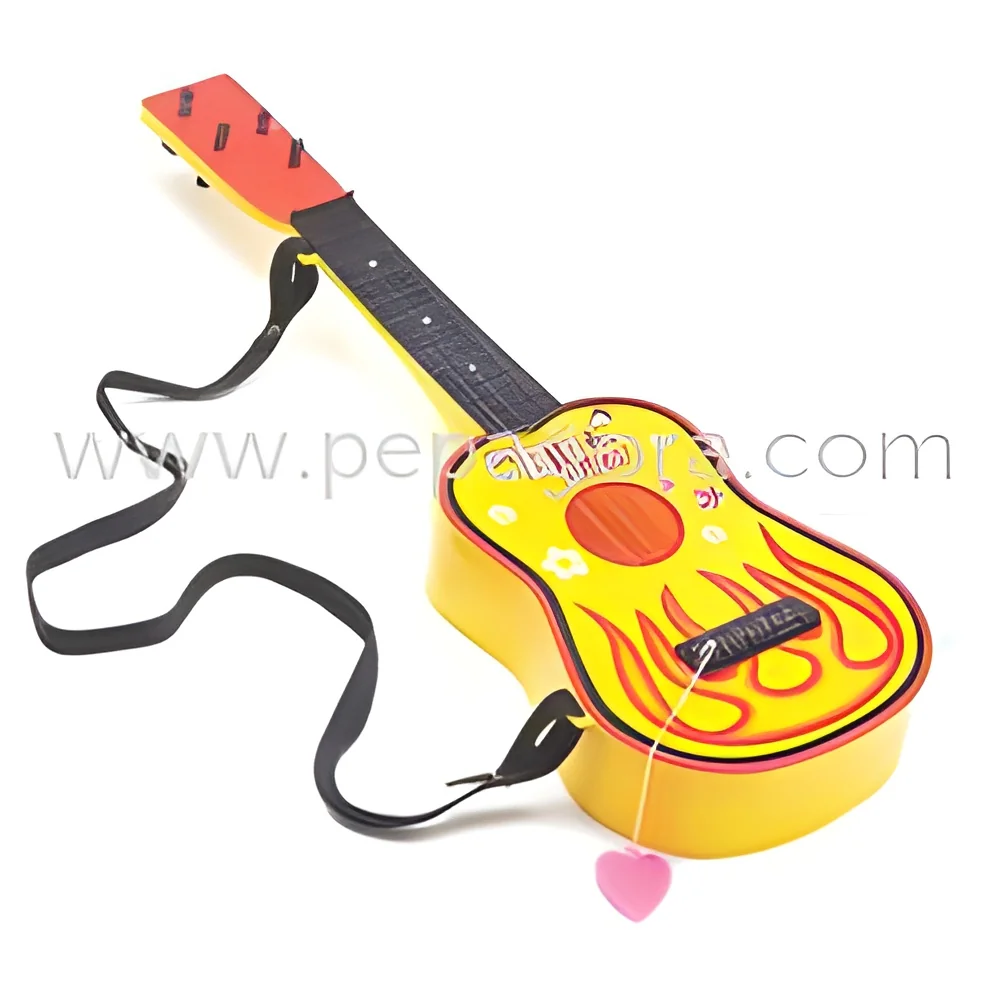
Musical Instruments: Electronic musical toys engage children in learning about rhythm and sound, fostering creativity and musicality.
Puzzle Games: These toys enhance problem-solving skills and logic through engaging, interactive puzzles that can be enjoyed solo or with friends.
𝗕𝗲𝗻𝗲𝗳𝗶𝘁𝘀 𝗮𝗻𝗱 𝗔𝗱𝘃𝗮𝗻𝘁𝗮𝗴𝗲𝘀
Investing in electronic toys and educational toys provides several benefits that support child development and learning.
1. Enhanced Learning: These toys promote active learning through interactive play, making education enjoyable and effective.
2. Skill Development: They help children develop critical skills such as problem-solving, creativity, and social interaction.
3. Engaging Content: The use of technology keeps children interested and motivated, encouraging longer playtime and deeper learning.
4. Versatility: These toys can be used in various settings, including homes, schools, and community programs, making them adaptable to different learning environments.
5. Safety Standards: Many educational toys comply with strict safety regulations, ensuring they are safe for children to use.
6. Parental Involvement: These toys often encourage parents to participate in their child's learning, fostering stronger family bonds.
𝗕𝘂𝘆𝗶𝗻𝗴 𝗚𝘂𝗶𝗱𝗲 𝗳𝗼𝗿 𝗕𝟮𝗕 𝗕𝘂𝘆𝗲𝗿𝘀
When sourcing electronic toys and educational toys, B2B buyers should consider several critical factors to ensure quality and suitability for their needs.
1. Quality Assessment: Evaluate the materials and construction of the toys. Look for certifications that indicate compliance with safety standards.
2. Supplier Verification: Research and vet suppliers to ensure they have a reliable track record and can provide consistent quality.
3. Pricing and MOQ: Consider the pricing structure and minimum order quantities to align with budgetary constraints and inventory needs.
4. Delivery and Lead Times: Understand the logistics involved, including shipping times, to plan accordingly for stock availability.
5. Compliance Requirements: Be aware of any regional compliance needs that may affect the sale and distribution of toys in specific markets.
𝗖𝗼𝗺𝗽𝗹𝗶𝗮𝗻𝗰𝗲 𝗮𝗻𝗱 𝗖𝗲𝗿𝘁𝗶𝗳𝗶𝗰𝗮𝘁𝗶𝗼𝗻𝘀
In the production of electronic toys and educational toys, adherence to quality standards and safety regulations is critical.
Relevant quality standards include ISO 9001 for quality management systems, ensuring consistent quality in production processes. Certifications such as CE indicate compliance with European safety and health requirements, providing assurance to buyers regarding product safety.
Safety and testing requirements are essential for ensuring toys are safe for children. This includes rigorous testing for harmful substances and durability. Regional compliance considerations may vary, with different countries having specific regulations governing toy safety and labeling.
𝗪𝗵𝘆 𝗦𝗼𝘂𝗿𝗰𝗲 𝗘𝗹𝗲𝗰𝘁𝗿𝗼𝗻𝗶𝗰 𝗧𝗼𝘆𝘀 & 𝗘𝗱𝘂𝗰𝗮𝘁𝗶𝗼𝗻𝗮𝗹 𝗧𝗼𝘆𝘀 𝗳𝗿𝗼𝗺 𝗣𝗲𝗽𝗮𝗴𝗼𝗿𝗮?
Pepagora offers a trusted platform for sourcing electronic toys and educational toys, providing several key advantages to B2B buyers.
Verified Supplier Network: Pepagora has established a robust network of verified suppliers, ensuring that buyers can access high-quality products from reputable manufacturers.
Streamlined RFQ Process: The platform facilitates a simplified Request for Quotation (RFQ) process, allowing buyers to easily request pricing and product details from multiple suppliers.
Trade Assurance and Support: Buyers benefit from trade assurance measures that protect their purchases, along with dedicated support for any inquiries or issues that may arise.
Regional Coverage: Pepagora’s reach extends across India, the Gulf Cooperation Council (GCC) countries, and Southeast Asia, making it a convenient choice for businesses operating in these regions.
By leveraging Pepagora, B2B buyers can confidently source electronic toys and educational toys that meet their specific needs and standards.

 IN
IN

 India
India