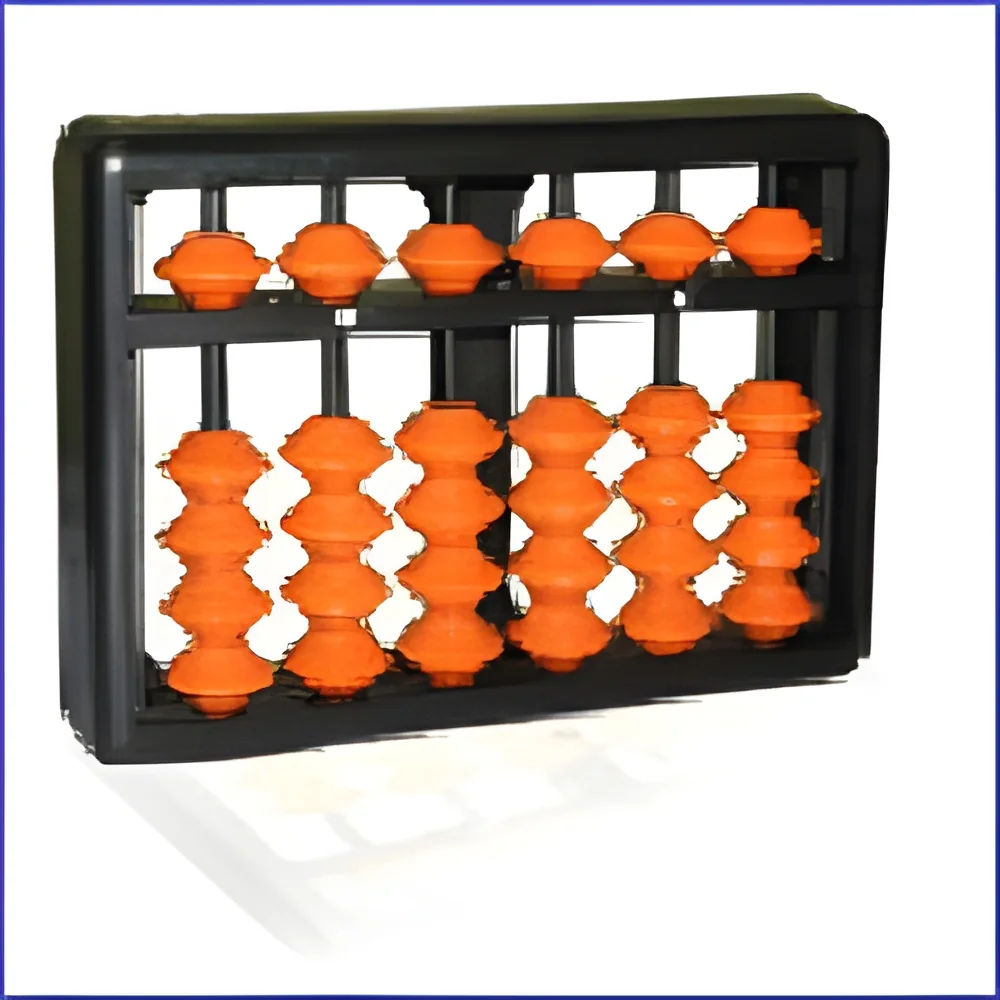
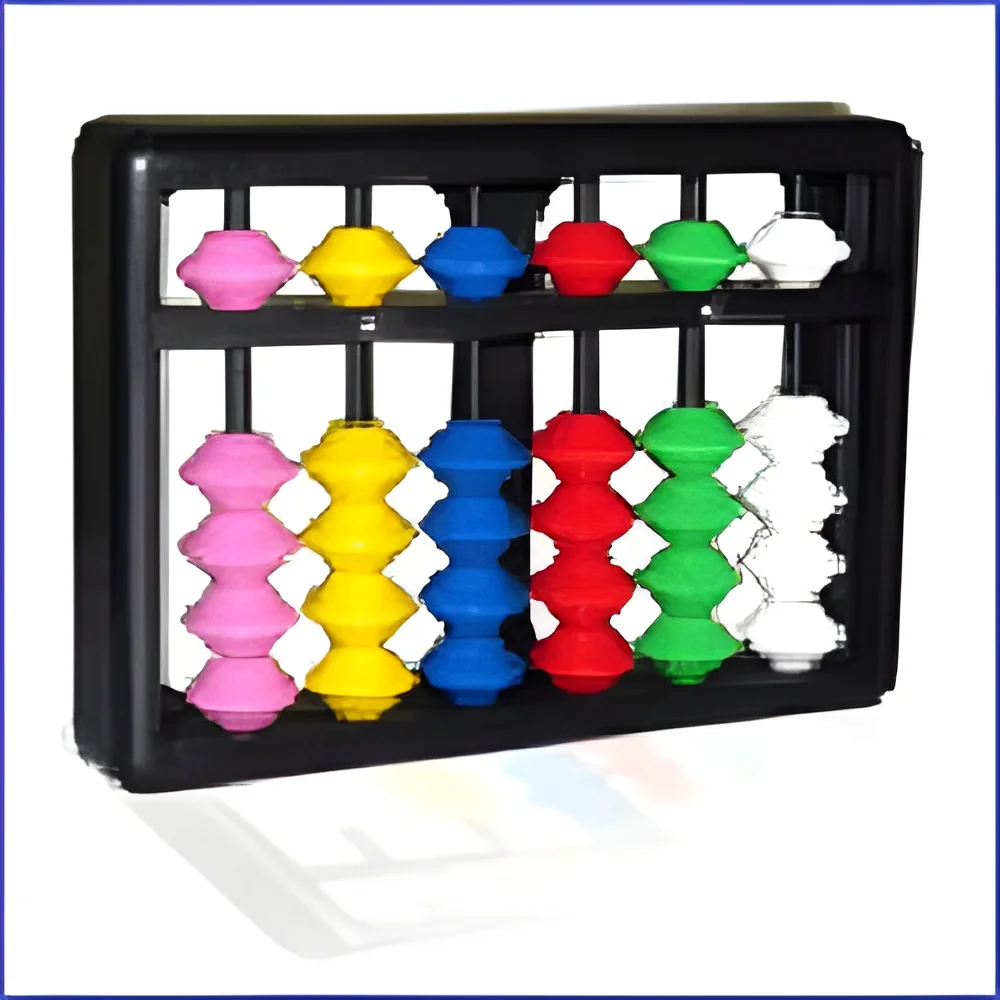
What are Number Learning Toys?
Number Learning Toys are educational tools designed to help children grasp fundamental numeracy skills. These toys typically incorporate a variety of engaging elements, such as colors, shapes, and tactile features, to facilitate learning through play. The primary objective of these toys is to introduce basic counting, number recognition, and simple arithmetic concepts in a fun and interactive way.
In the business landscape, Number Learning Toys are widely used in educational settings such as schools, daycare centers, and home learning environments. They provide educators and parents with effective resources to enhance children's mathematical understanding. These toys are also relevant for toy retailers and manufacturers, as they cater to the growing demand for educational products that promote cognitive development in early childhood. The market for Number Learning Toys has been expanding, driven by an increasing focus on STEM education and early childhood learning.
Key Features and Specifications
Number Learning Toys feature a variety of attributes that enhance their educational value. These specifications help buyers understand the product's effectiveness and suitability for their needs.
Key specifications include:
1. Material Composition
- Usually made from non-toxic, child-safe materials.
- Common materials include wood, plastic, and fabric.
2. Age Appropriateness
- Designed for children typically aged 2 to 7 years.
- Ensures that the complexity of the toy matches developmental stages.
3. Learning Focus
- Targets skills such as counting, number recognition, and basic arithmetic.
- Some toys offer multi-functional learning, incorporating shapes or colors.
4. Interactive Features
- Many toys include sound, lights, or movement to engage children.
- Encourages active participation and enhances learning retention.
5. Size and Weight
- Varies depending on the type of toy; designed for easy handling by small hands.
- Lightweight for safety and ease of use.
6. Safety Standards
- Must comply with safety regulations such as CE certification.
- Regular testing to ensure toys meet child safety guidelines.
In summary, understanding the features and specifications of Number Learning Toys equips buyers with the knowledge to select the most effective products for educational purposes.
Common Applications and Use Cases
Number Learning Toys have a wide range of applications across different sectors.
1. Educational Institutions: Schools and preschools utilize these toys to develop foundational math skills in young learners. They serve as valuable teaching aids during lessons.
2. Daycare Centers: Caregivers integrate Number Learning Toys into playtime, promoting cognitive development while providing entertainment.
3. Home Learning: Parents use these toys to support their children's education at home, reinforcing skills learned in school through interactive play.
4. Special Education: Number Learning Toys can be adapted for children with learning disabilities, making math concepts more accessible.
5. Retail: Toy retailers stock Number Learning Toys to meet consumer demand for educational products, enhancing their product offerings.
6. Online Learning Platforms: Some companies integrate these toys into their digital learning environments, combining physical play with virtual education.
Product Variants and Subcategories
Number Learning Toys come in various forms to suit different learning styles and preferences.
Wooden Number Blocks
These blocks are durable and often painted in bright colors. They help children learn numbers through stacking and sorting activities. Their tactile nature enhances sensory learning.
Magnetic Number Sets
These sets feature numbers that can stick to metal surfaces, such as whiteboards. They are useful for teaching number recognition and basic arithmetic in a visual format.
Interactive Learning Mats
These mats combine physical play with numbers and games. Children can engage in activities that promote counting and number recognition while enjoying the tactile experience of the mat.
Benefits and Advantages
Number Learning Toys offer numerous advantages for young learners.
1. Enhances Cognitive Skills: They promote critical thinking and problem-solving through interactive play.
2. Encourages Early Math Skills: By introducing numbers in a fun way, these toys help children develop a strong foundation in mathematics.
3. Supports Fine Motor Development: Many toys require manipulation, aiding in the development of dexterity and hand-eye coordination.
4. Fosters Engagement: Bright colors and interactive features capture children's attention, making learning enjoyable.
5. Promotes Social Skills: Group play with these toys encourages collaboration and communication among peers.
6. Versatile Learning Tool: They can be used in various settings, including schools, homes, and daycare centers, making them a flexible educational resource.
Buying Guide for B2B Buyers
When sourcing Number Learning Toys for business purposes, several factors should be considered to ensure a successful purchase.
1. Quality Assessment: Evaluate the materials and construction of the toys to ensure they meet safety and durability standards. Look for certifications that prove the toys are non-toxic and child-safe.
2. Supplier Verification: Research and vet potential suppliers to ensure they have a good reputation and reliable delivery records. Check for customer reviews and testimonials.
3. Pricing and MOQ: Understand the pricing structure and minimum order quantities (MOQ) offered by suppliers. It is essential to balance cost with quality to ensure a good return on investment.
4. Delivery and Lead Times: Confirm the supplier's ability to meet your delivery needs. Reliable lead times are crucial for maintaining inventory and fulfilling customer demand.
5. Compliance Requirements: Verify that the toys comply with relevant safety and quality standards in your region. This includes checking for certifications like CE.
Compliance and Certifications
Compliance with safety standards is crucial for Number Learning Toys to ensure they are safe for children. Relevant quality standards include ISO 9001, which focuses on quality management systems, and HACCP, which addresses food safety standards if toys are intended for use in environments with food.
CE certification is essential for toys sold in the European market, indicating they meet EU safety, health, and environmental protection standards. Additionally, toys should undergo rigorous safety testing to ensure they are free from hazards such as choking risks or toxic materials.
Regional compliance considerations may vary, so it is essential for businesses to understand the specific regulations that apply to their market. This ensures safety and compliance while fostering trust among consumers.
Why Source Number Learning Toys from Pepagora?
Pepagora provides a trusted platform for sourcing Number Learning Toys, offering several key advantages for B2B buyers.
Verified Supplier Network: Pepagora connects buyers with a network of verified suppliers, ensuring that businesses can source high-quality toys with confidence. Each supplier undergoes a rigorous verification process to maintain high standards.
Streamlined RFQ Process: The platform offers a user-friendly request-for-quotation (RFQ) system. Buyers can easily submit their requirements and receive competitive quotes from multiple suppliers, simplifying the procurement process.
Trade Assurance and Support: Pepagora provides trade assurance options to protect buyers, ensuring that transactions are secure. Their dedicated support team is available to assist with any inquiries or issues that may arise during the purchasing process.
Regional Coverage: With a strong presence in India, the GCC, and Southeast Asia, Pepagora allows businesses to access a wide market. This regional reach helps buyers find suitable suppliers and products to meet their local needs.
By choosing Pepagora, B2B buyers can navigate the sourcing process efficiently while ensuring they meet their educational product requirements.

 IN
IN