
 IN
Projector-Based Learning Toys
1 products available
What are Projector-Based Learning Toys?
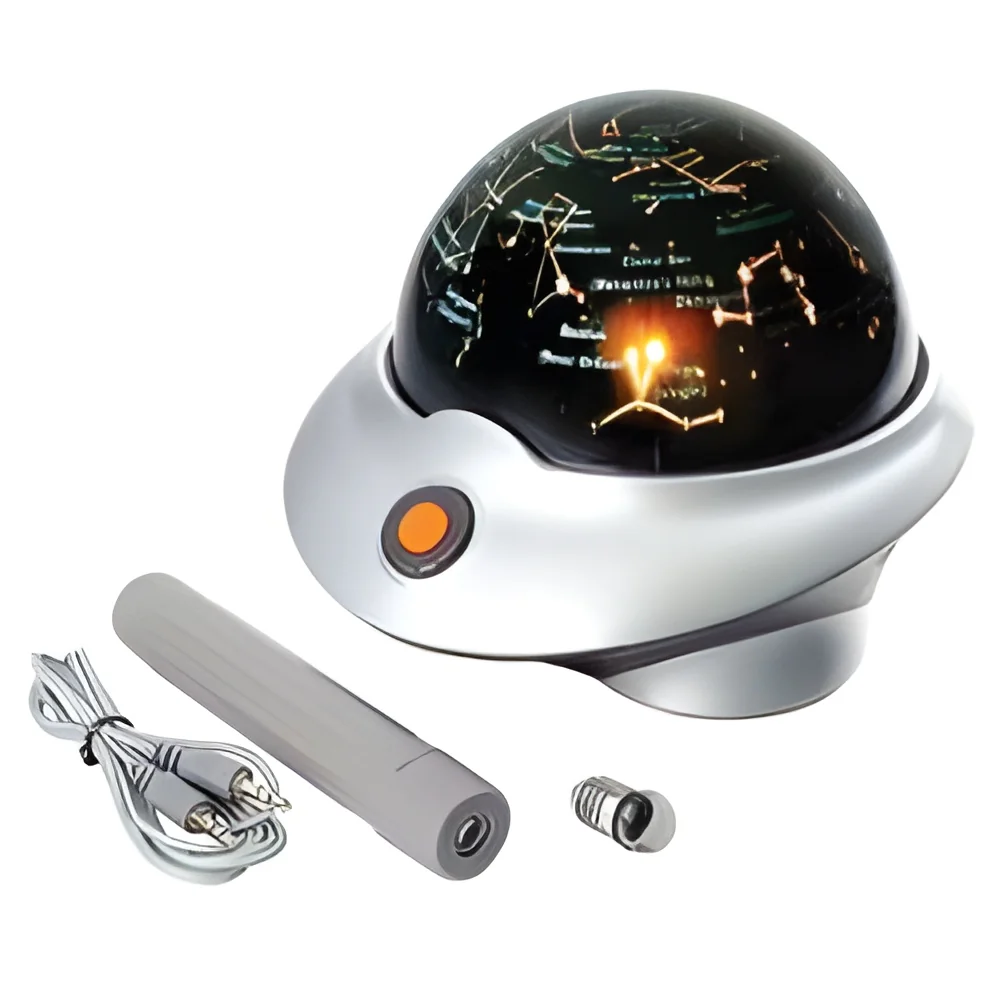
Projector-Based Learning Toys are innovative educational tools that utilize projection technology to enhance learning experiences for children. These toys typically project images, videos, or interactive content onto surfaces, allowing children to engage in a multi-sensory learning environment. They combine play with educational elements, making learning enjoyable and effective. By turning any surface into an interactive learning space, these toys cater to various learning styles and preferences.
The primary uses of Projector-Based Learning Toys include language acquisition, numeracy skills, and creative expression. Businesses in the educational sector, including schools, daycare centers, and toy manufacturers, frequently adopt these products to enrich their learning environments. The engaging nature of these toys encourages children to explore concepts actively, fostering a love for learning from a young age. In the current market, projector-based toys are gaining traction as a valuable tool for both educators and parents seeking to enhance early childhood education.
With the increasing emphasis on interactive and technology-driven learning methods, the relevance of Projector-Based Learning Toys in the education industry continues to grow. As more educational institutions integrate technology into their curriculums, the market for these toys is expected to expand, positioning them as a key player in the educational products sector.
Key Features and Specifications
Projector-Based Learning Toys come with a variety of features designed to support interactive learning. Understanding their specifications is essential for buyers looking to invest in these educational tools. Below are the key specifications that define the performance and usability of these toys.
Key specifications include:
1. Projection Quality
- High-resolution projection for clear images
- Typically supports resolutions up to 1080p
2. Interaction Method
- Touch-sensitive or remote-controlled interfaces
- Allows for interactive gameplay and learning activities
3. Content Variety
- Includes educational games, videos, and interactive lessons
- Often designed to cover various subjects such as math, science, and language
4. Power Source
- Operates on batteries or AC power
- Battery life typically ranges from 4 to 8 hours
5. Portability
- Lightweight and compact design for easy transport
- Many models include carrying cases
6. Age Appropriateness
- Designed for children typically aged 3 to 8 years
- Content and complexity are tailored to developmental stages
7. Safety Standards
- Complies with relevant safety regulations
- Materials used are non-toxic and child-friendly
8. Connectivity Options
- Bluetooth or Wi-Fi enabled for content updates
- USB ports for connecting to additional devices
These specifications ensure that Projector-Based Learning Toys are not only safe but also effective learning tools that can adapt to various educational environments.
Common Applications and Use Cases
Projector-Based Learning Toys have diverse applications across several industries. Their versatility and engaging nature make them suitable for various educational contexts.
1. Early Childhood Education: In preschools and kindergartens, these toys facilitate interactive learning experiences, helping children develop foundational skills in literacy and numeracy through play.
2. Special Education: These toys provide tailored learning experiences for children with special needs, allowing for personalized educational activities that cater to individual learning styles.
3. Home Learning: Parents increasingly use projector-based toys at home to supplement traditional learning, making education a fun family activity.
4. Libraries: Many public libraries incorporate these toys into their children's programs, promoting literacy and learning in a community space.
5. Educational Retail: Toy stores and educational supply stores leverage these products to attract parents looking for innovative learning tools for their children.
6. After-School Programs: These toys are used in after-school enrichment programs to engage kids in educational activities outside of the standard curriculum.
7. Museums: Interactive exhibits may utilize projector-based toys to enhance the learning experience for children visiting educational exhibits.
Product Variants and Subcategories
Projector-Based Learning Toys come in a variety of designs and functionalities, catering to different educational needs and preferences.
Interactive Projector Toy
This variant features a built-in projector that displays educational content on walls or tables. It often includes interactive games that engage children in learning through play.
Portable Projector Learning Kit
Designed for on-the-go learning, this kit typically comes with a compact projector and a selection of educational materials. It is ideal for travel or outdoor activities, making learning accessible anywhere.
Multimedia Projector Set
This variant includes a projector capable of playing videos, images, and audio, providing a comprehensive multimedia learning experience. It is especially useful for group learning sessions.
Benefits and Advantages
Projector-Based Learning Toys offer numerous benefits that can enhance the educational experience for children.
1. Enhanced Engagement: These toys capture children's attention with dynamic visuals and interactive content, making learning exciting.
2. Versatile Learning: They accommodate various learning styles, allowing children to learn at their own pace through visual, auditory, and kinesthetic methods.
3. Developmental Benefits: These toys support cognitive and social development by encouraging collaboration and problem-solving among peers.
4. Easy Integration: They can be easily incorporated into existing educational programs without significant changes to lesson plans.
5. Encouragement of Creativity: By providing a platform for imaginative play, these toys foster creativity and self-expression in children.
6. Parent-Child Interaction: They promote meaningful interactions between parents and children, enhancing the learning experience at home.
Buying Guide for B2B Buyers
When sourcing Projector-Based Learning Toys, several factors should be taken into consideration to ensure a successful purchase.
1. Quality Assessment: Buyers should evaluate the quality of materials and construction. Look for products that meet safety standards and offer durable designs for long-term use.
2. Supplier Verification: It is crucial to vet suppliers for reliability and reputation. Check for reviews and certifications to ensure a trustworthy partnership.
3. Pricing and MOQ: Understand the pricing structure and minimum order quantities. Consider budget constraints while ensuring quality is not compromised.
4. Delivery and Lead Times: Assess the logistics involved, including shipping times and delivery reliability. Timely delivery is essential for planning educational programs.
5. Compliance Requirements: Ensure that the products meet regional regulatory standards and certifications, such as CE, to avoid compliance issues.
Compliance and Certifications
Projector-Based Learning Toys must adhere to specific quality standards and regulatory requirements to ensure safety and performance. Relevant quality standards include ISO 9001, which emphasizes quality management systems, ensuring manufacturers maintain high production standards.
Industry certifications such as CE indicate compliance with European safety and health regulations. This certification assures buyers that the toys have undergone rigorous testing for safety.
Safety and testing requirements are critical, especially for products aimed at children. These toys must undergo assessments for material safety, ensuring they are free from harmful substances.
Additionally, regional compliance considerations may vary. Buyers should be aware of local regulations that may impact the sale and use of these educational toys in their markets.
Why Source Projector-Based Learning Toys from Pepagora?
Pepagora offers a trusted platform for sourcing Projector-Based Learning Toys, providing several key advantages for buyers in the educational sector.
Verified Supplier Network: Pepagora ensures that all suppliers in its network are thoroughly vetted, giving buyers confidence in the reliability and quality of the products offered.
Streamlined RFQ Process: The platform simplifies the request for quotation process, allowing buyers to receive competitive pricing and options quickly, facilitating informed purchasing decisions.
Trade Assurance and Support: Pepagora provides buyer protection through trade assurance measures, ensuring that transactions are secure and that buyers have recourse if issues arise.
Regional Coverage: With a strong presence in India, the GCC, and Southeast Asia, Pepagora offers extensive geographic reach, making it easier for buyers to source products tailored to their regional markets.

Frequently Asked Questions
What are Projector-Based Learning Toys?
Projector-Based Learning Toys are innovative educational tools that use projection technology to display images, videos, or interactive content on surfaces, enhancing the learning experience for children. They aim to promote engagement, creativity, and cognitive skills through interactive play.
What are the different types of Projector-Based Learning Toys?
There are several types of Projector-Based Learning Toys, including story projectors, educational game projectors, and interactive art projectors. Each type serves a different educational purpose, such as teaching language skills, mathematics, or fostering creativity through art.
How do I choose the right Projector-Based Learning Toys?
To choose the right Projector-Based Learning Toys, consider factors such as the age appropriateness, educational content, ease of use, and features like portability and battery life. Additionally, reading reviews and comparing different products can help in making an informed decision.
What are the standard specifications for Projector-Based Learning Toys?
Standard specifications for Projector-Based Learning Toys typically include resolution, brightness (measured in lumens), projection distance, and compatibility with various media formats. It's also important to look for safety standards and durability, especially for toys intended for young children.
What is the price range for Projector-Based Learning Toys?
The price range for Projector-Based Learning Toys can vary widely, typically starting from around INR 1,000 and going up to INR 10,000 or more, depending on the brand, features, and educational value. It's advisable to set a budget based on the features you need.
What quality standards apply to Projector-Based Learning Toys?
Quality standards for Projector-Based Learning Toys often include safety certifications, such as ISI or BIS in India, to ensure they are safe for children. Additionally, manufacturers may follow international standards like EN71 for toy safety to ensure absence of harmful materials.
Where can I find Projector-Based Learning Toys suppliers in India?
You can find Projector-Based Learning Toys suppliers in India through online B2B marketplaces like Pepagora, where numerous manufacturers and distributors list their products. Additionally, attending trade shows and educational fairs can also connect you with potential suppliers.
Can Projector-Based Learning Toys be customized?
Yes, many manufacturers of Projector-Based Learning Toys offer customization options, allowing you to tailor the content or design according to specific educational needs or branding requirements. It's best to inquire directly with suppliers regarding available customization options.
What is the typical minimum order quantity for Projector-Based Learning Toys?
The typical minimum order quantity (MOQ) for Projector-Based Learning Toys can vary by supplier, but it generally ranges from 50 to 100 units. It is advisable to check with individual suppliers for their specific MOQ requirements.
What is the typical lead time for Projector-Based Learning Toys?
The typical lead time for Projector-Based Learning Toys varies based on the supplier and order size, but it generally ranges from 2 to 6 weeks. Factors such as customization and shipping methods can also affect delivery timelines.
Why Businesses Trust Pepagora
Thousands of companies trust Pepagora to source smarter and sell faster
Expand Your Sales Globally

Source Smarter,Grow Faster
