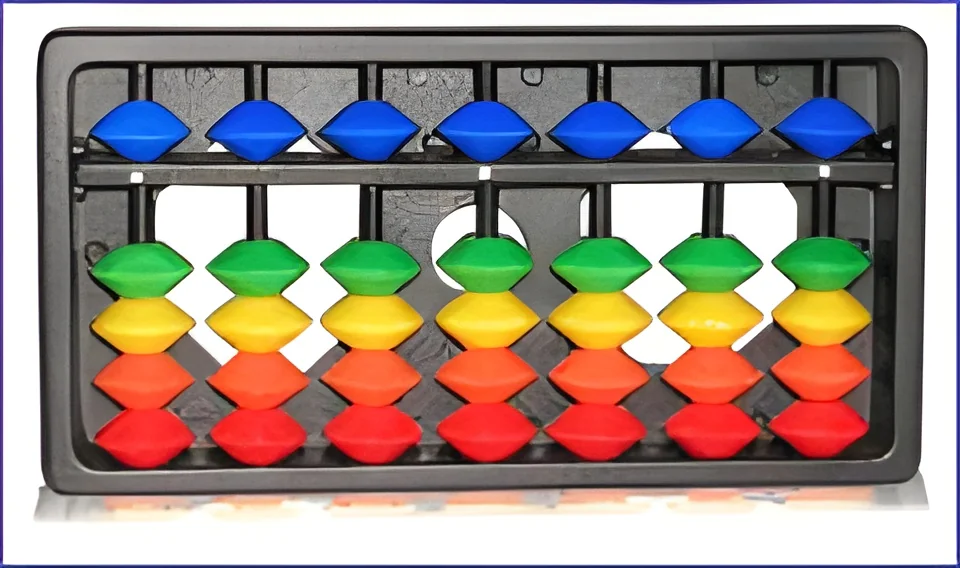
What are Electronic Math Games?
Electronic Math Games are interactive software applications designed to enhance mathematical skills through engaging gameplay. They combine educational content with entertainment, making learning math concepts fun and enjoyable for users. These games often feature various levels of difficulty, enabling learners to progress at their own pace while reinforcing their understanding of arithmetic, algebra, geometry, and other mathematical disciplines.
The primary uses of Electronic Math Games are in educational institutions and corporate training environments. Teachers utilize these tools to supplement traditional teaching methods, while businesses may implement them for employee skill development. With the growing emphasis on digital learning, these games have become increasingly popular as they offer a dynamic way to approach math, catering to different learning styles and preferences.
In today’s market, the relevance of Electronic Math Games is underscored by the increasing adoption of technology in education and professional development. Industries are recognizing the need for innovative solutions to facilitate learning and skill enhancement. As a result, the demand for these games is on the rise, reflecting a broader trend towards gamification in educational contexts.
Key Features and Specifications
Electronic Math Games come equipped with a range of features designed to enhance the learning experience. These specifications ensure that users receive a comprehensive and effective educational tool.
Key specifications include:
1. Interactive Gameplay
- Engaging user interfaces that promote active participation
- Customizable difficulty settings to suit various skill levels
2. Comprehensive Curriculum
- Coverage of key mathematical concepts from basic arithmetic to advanced topics
- Alignment with educational standards for consistency in learning
3. Performance Tracking
- Built-in analytics to monitor user progress
- Feedback mechanisms to guide learners on areas for improvement
4. Multi-Platform Compatibility
- Accessibility on various devices including tablets, PCs, and smartphones
- Cross-platform functionality for seamless user experiences
5. User-Friendly Design
- Intuitive navigation suitable for all age groups
- Visual aids and interactive elements to facilitate understanding
6. Language Options
- Availability in multiple languages to cater to diverse audiences
- Customization for regional educational needs
7. Offline Access
- Capability to function without an internet connection
- Ensures continuous learning in various environments
In summary, Electronic Math Games are designed with a variety of features that cater to different learning needs and preferences, making them an essential tool in today’s educational landscape.
Common Applications and Use Cases
Electronic Math Games have diverse applications across several industries.
1. Education: These games are widely used in schools to supplement traditional teaching methods, providing students with interactive ways to practice math skills and reinforce classroom learning.
2. Corporate Training: Businesses use Electronic Math Games for employee training programs, focusing on enhancing analytical and problem-solving skills in a fun and engaging manner.
3. Tutoring Services: Private tutoring centers incorporate these games into their curriculum to make math tutoring sessions more dynamic and effective, appealing to students with different learning styles.
4. Special Education: Electronic Math Games can be adapted for students with learning disabilities, offering personalized experiences that cater to individual needs.
5. Home Schooling: Parents use these games to provide additional math practice at home, ensuring that children receive a well-rounded education.
6. After-School Programs: Community centers and after-school programs leverage Electronic Math Games to engage children in productive learning activities outside of regular school hours.
7. Online Learning Platforms: E-learning platforms include these games as part of their educational offerings, enhancing the overall learning experience for users.
Product Variants and Subcategories
Electronic Math Games come in various formats, each tailored to meet specific educational needs.
Classic Math Games: These variants focus on fundamental arithmetic skills, making them ideal for younger students or those just starting to learn math. They often feature simple puzzles and challenges.
Advanced Math Games: Aimed at older students, these games cover more complex topics such as algebra and geometry. They include challenging scenarios that help in critical thinking and problem-solving.
Mobile Math Applications: These are designed for smartphones and tablets, providing users with flexible learning options that can be accessed anywhere. They often include features like progress tracking and rewards.
Multiplayer Math Games: These variants encourage collaboration and competition among users, making math learning a social experience. They can be used in classrooms or group settings to foster teamwork.
Benefits and Advantages
Electronic Math Games offer numerous benefits that enhance the learning experience.
1. Enhanced Engagement: The interactive nature of these games keeps learners motivated and interested, leading to better retention of mathematical concepts.
2. Personalized Learning: Users can progress at their own pace, allowing for tailored learning experiences that cater to individual strengths and weaknesses.
3. Immediate Feedback: Players receive instant feedback on their performance, helping them understand their mistakes and learn from them effectively.
4. Flexibility: These games can be accessed on various devices and at any time, making it easy for learners to integrate math practice into their daily routines.
5. Gamified Learning: The use of game elements in education makes learning enjoyable, reducing anxiety associated with math and encouraging a positive attitude towards the subject.
6. Cost-Effective Training: For businesses, incorporating Electronic Math Games into training programs can be a cost-effective solution compared to traditional training methods.
Buying Guide for B2B Buyers
When sourcing Electronic Math Games, businesses should consider several critical factors to ensure they select the right products.
1. Quality Assessment: Evaluate the educational content and gameplay quality. Look for games that align with recognized educational standards and have been tested for effectiveness in skill development.
2. Supplier Verification: Vet potential suppliers to ensure they have a proven track record of providing high-quality educational products. Check for customer reviews and any industry certifications that may apply.
3. Pricing and MOQ: Understand the pricing structure and minimum order quantities (MOQ) to avoid unexpected costs. Compare options from different suppliers to ensure competitive pricing.
4. Delivery and Lead Times: Inquire about delivery schedules and lead times to align with your implementation plans. Timely delivery is crucial for educational institutions and training programs.
5. Compliance Requirements: Ensure that the products meet any relevant regulatory standards or compliance requirements specific to your industry or region.
Compliance and Certifications
When it comes to Electronic Math Games, several compliance and certification aspects are crucial for B2B buyers.
Relevant quality standards such as ISO 9001 ensure that products meet consistent quality management principles. This certification reflects a commitment to quality and continuous improvement, which is essential in educational products.
Industry certifications like CE indicate that the products conform to health, safety, and environmental protection standards within the European Economic Area. This certification reassures buyers about the quality and safety of the games.
Safety and testing requirements are also significant. Products should undergo rigorous testing to ensure they are safe for use, particularly in educational settings where children are involved.
Additionally, regional compliance considerations may vary. Buyers should be aware of any specific regulations that apply to their local markets to ensure full compliance.
Why Source Electronic Math Games from Pepagora?
Pepagora provides a trusted platform for sourcing Electronic Math Games, offering several key advantages to B2B buyers.
Verified Supplier Network: Pepagora ensures that all suppliers in its network are thoroughly vetted for quality and reliability. This provides buyers with peace of mind when selecting products for their educational needs.
Streamlined RFQ Process: The platform features an efficient Request for Quotation (RFQ) process, allowing buyers to easily obtain competitive quotes from multiple suppliers. This saves time and enhances decision-making.
Trade Assurance and Support: Pepagora offers trade assurance, protecting buyers against potential issues during the purchasing process. Comprehensive support is available to address any concerns or queries.
Regional Coverage: With a strong presence in India, the GCC, and Southeast Asia, Pepagora provides broad geographic reach, making it easier for buyers to source Electronic Math Games tailored to their local markets.

 IN
IN