
 IN
Commercial Printing Services
443 products available
𝗪𝗵𝗮𝘁 𝗮𝗿𝗲 𝗖𝗼𝗺𝗺𝗲𝗿𝗰𝗶𝗮𝗹 𝗣𝗿𝗶𝗻𝘁𝗶𝗻𝗴 𝗦𝗲𝗿𝘃𝗶𝗰𝗲𝘀?
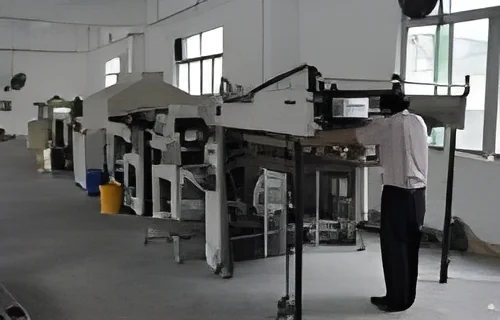
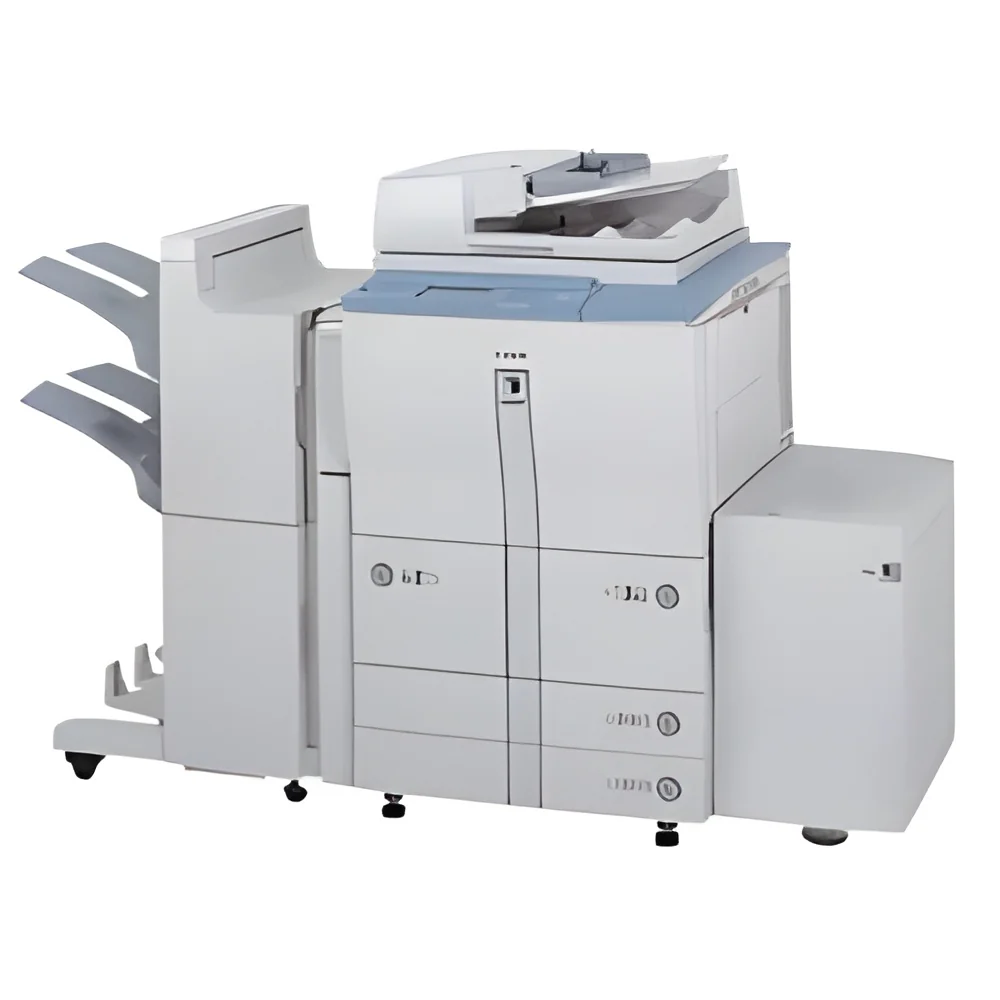
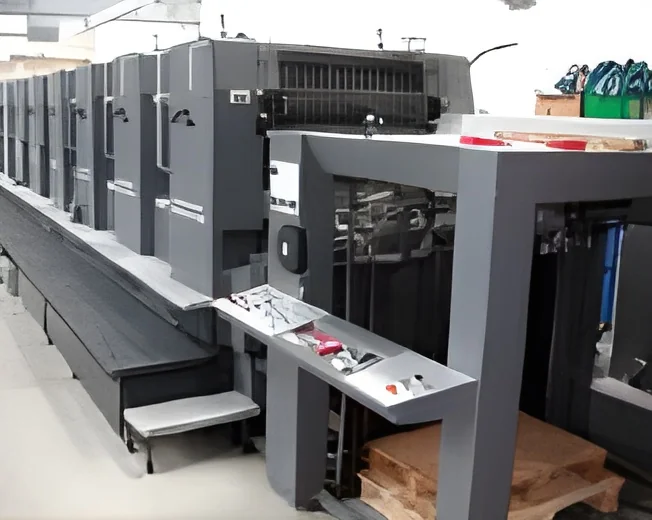
Commercial printing services encompass a wide range of printing solutions tailored for businesses and organizations. These services involve the production of printed materials such as brochures, flyers, business cards, posters, and packaging, using various printing techniques. Commercial printers utilize advanced machinery and technology to achieve high-quality results, catering to the specific needs of their clients.
These printing services are vital for businesses looking to promote their products, enhance brand visibility, and communicate effectively with their audience. They are used across various sectors, including retail, education, healthcare, and manufacturing. Companies rely on commercial printing for marketing materials, corporate communications, and promotional items, making them an essential component of modern business operations. The commercial printing industry continues to evolve, with advancements in digital printing and sustainable practices shaping its future.
𝗞𝗲𝘆 𝗙𝗲𝗮𝘁𝘂𝗿𝗲𝘀 𝗮𝗻𝗱 𝗦𝗽𝗲𝗰𝗶𝗳𝗶𝗰𝗮𝘁𝗶𝗼𝗻𝘀
Commercial printing services offer numerous features that cater to diverse business requirements. These features are designed to ensure quality, efficiency, and customization options for clients.
Key specifications include:
1. Print Quality
- High-resolution output for sharp images and clear text.
- Standard resolutions often ranging from 300 to 1200 DPI.
2. Material Options
- Variety of substrates including paper, cardstock, and synthetic materials.
- Custom finishes such as gloss, matte, and textured coatings.
3. Printing Techniques
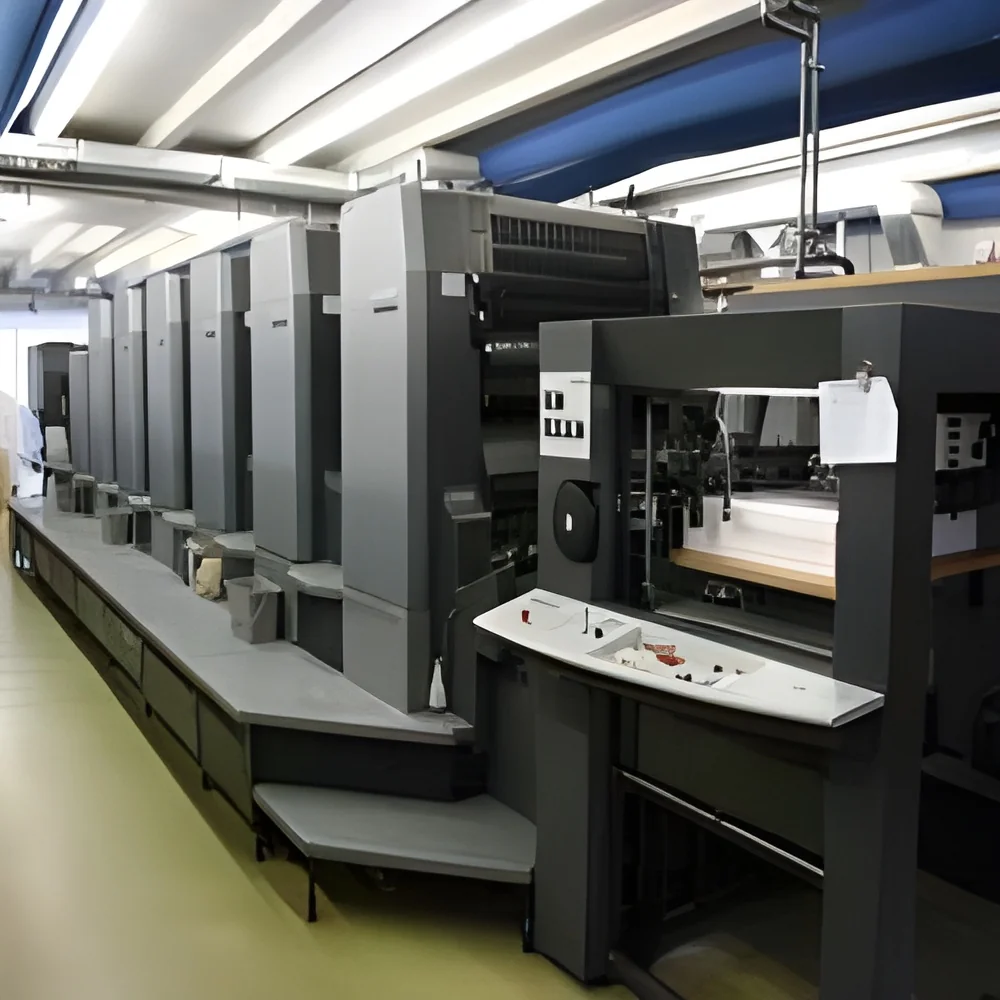
- Offset printing for large volume orders.
- Digital printing for smaller runs and quick turnarounds.
4. Color Options
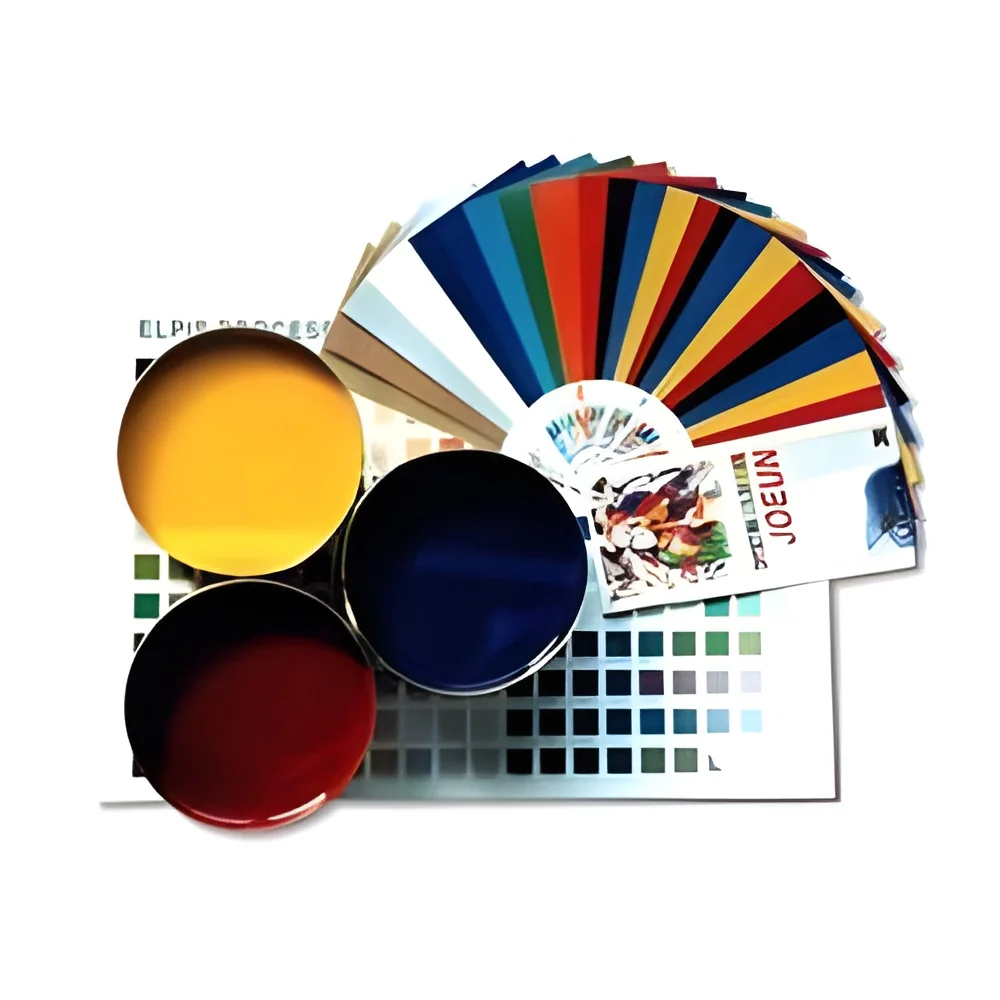
- Full-color printing using CMYK process.
- Pantone color matching for brand consistency.
5. Finishing Services
- Options for cutting, folding, binding, and laminating.
- Custom packaging solutions available.
6. Turnaround Times
- Standard production times typically ranging from 3 to 10 business days.
- Rush services available for urgent needs.
7. Minimum Order Quantities (MOQ)
- Varies by service provider, often starting from 100 units for digital prints.
8. Delivery Options
- Local delivery and shipping available based on client requirements.
These specifications highlight the versatility and adaptability of commercial printing services in meeting the specific needs of various businesses.
𝗖𝗼𝗺𝗺𝗼𝗻 𝗔𝗽𝗽𝗹𝗶𝗰𝗮𝘁𝗶𝗼𝗻𝘀 𝗮𝗻𝗱 𝗨𝘀𝗲 𝗖𝗮𝘀𝗲𝘀
Commercial printing services are applicable across a wide array of industries, each utilizing these services for specific purposes.
1. Retail: Retail businesses use printed materials such as promotional flyers, product catalogs, and packaging to attract customers and enhance the shopping experience.
2. Education: Educational institutions rely on commercial printing for textbooks, brochures, and promotional materials that communicate their programs and offerings.
3. Healthcare: The healthcare industry utilizes printed materials for patient education, informational brochures, and branded medical supplies to convey critical information effectively.
4. Real Estate: Real estate agencies benefit from high-quality property brochures, signage, and marketing materials to showcase listings and attract potential buyers.
5. Corporate: Businesses often require printed stationery, business cards, and reports for professional communication with clients and stakeholders.
6. Events: Event organizers use commercial printing for tickets, banners, and signage to promote and manage events effectively.
7. Nonprofits: Nonprofit organizations create printed fundraising materials, newsletters, and brochures to engage supporters and communicate their missions.
𝗣𝗿𝗼𝗱𝘂𝗰𝘁 𝗩𝗮𝗿𝗶𝗮𝗻𝘁𝘀 𝗮𝗻𝗱 𝗦𝘂𝗯𝗰𝗮𝘁𝗲𝗴𝗼𝗿𝗶𝗲𝘀
Commercial printing services offer a diverse range of options to cater to different business needs. Each variant provides unique features and benefits.
Brochure Printing
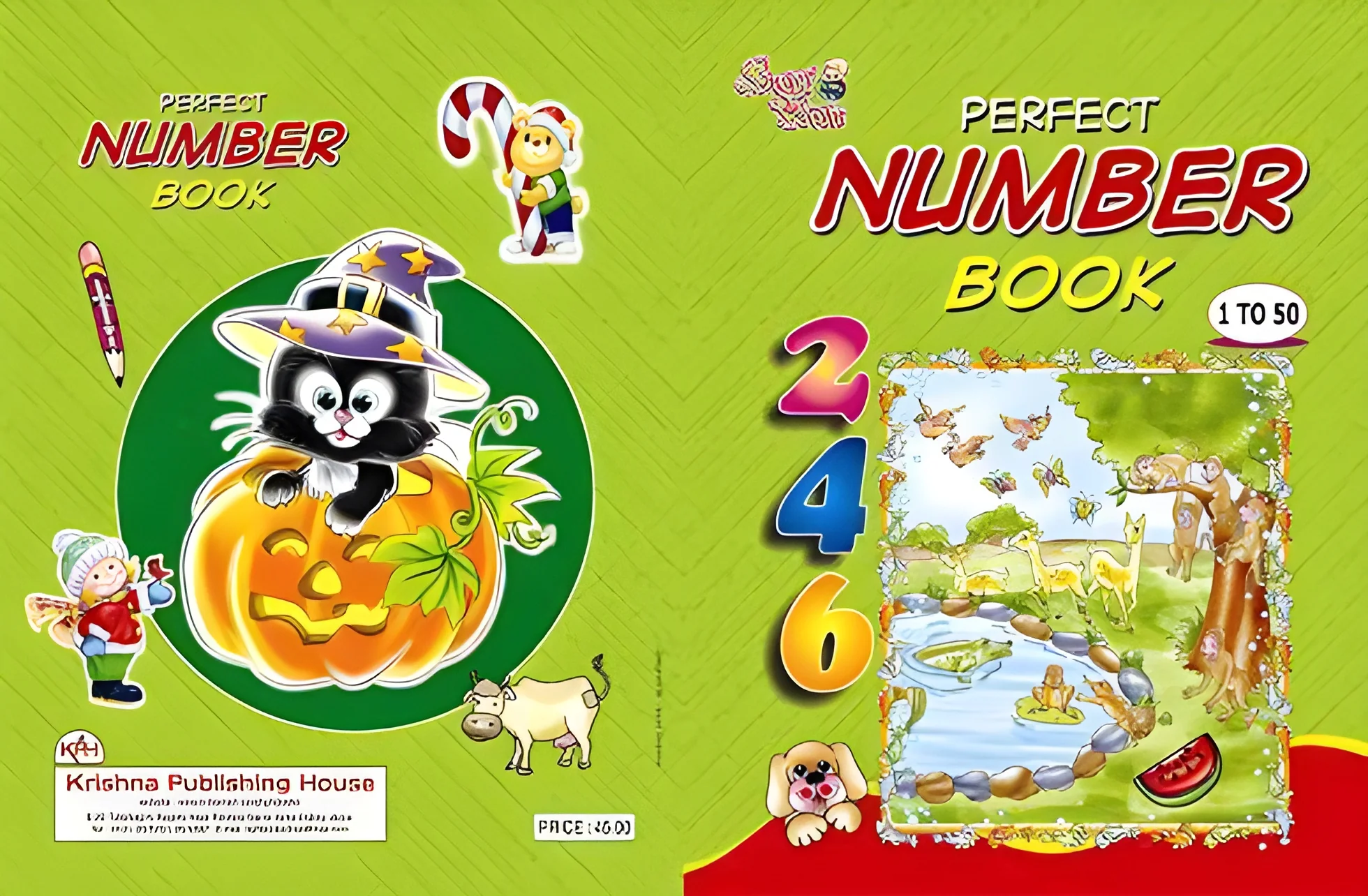
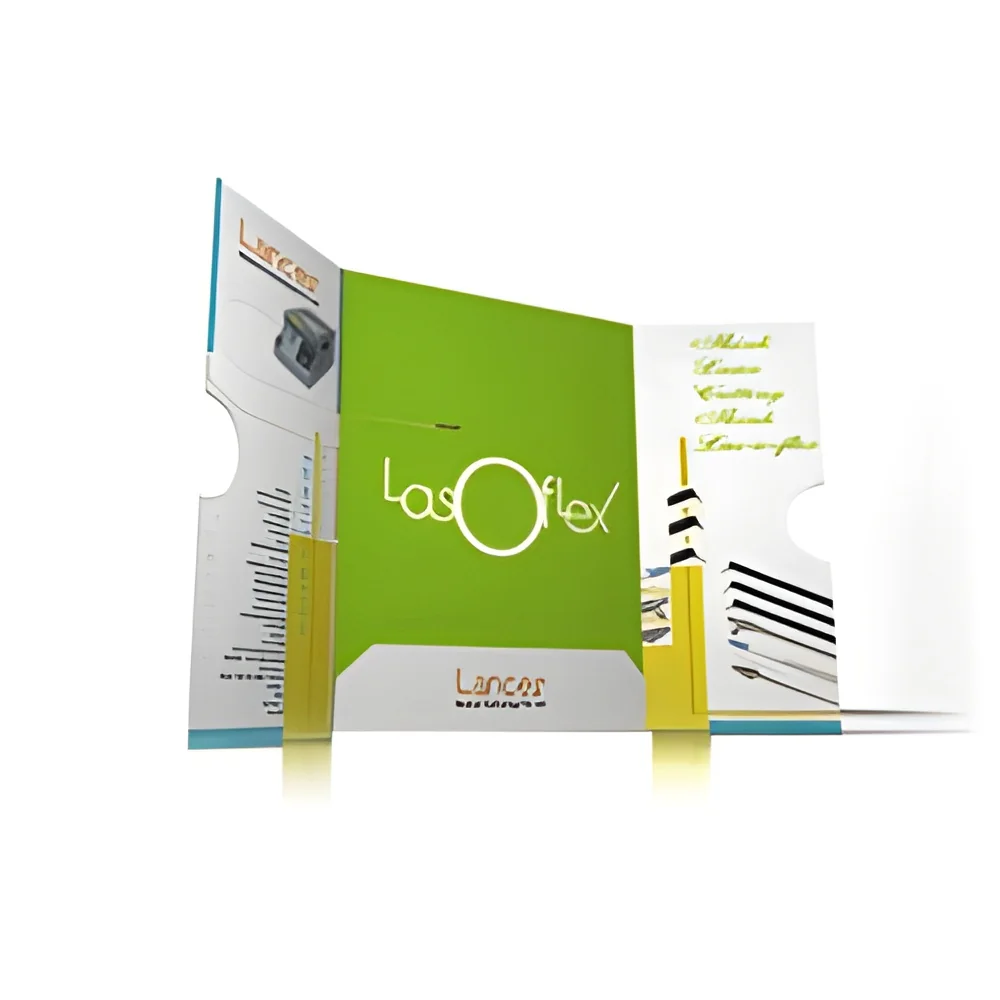
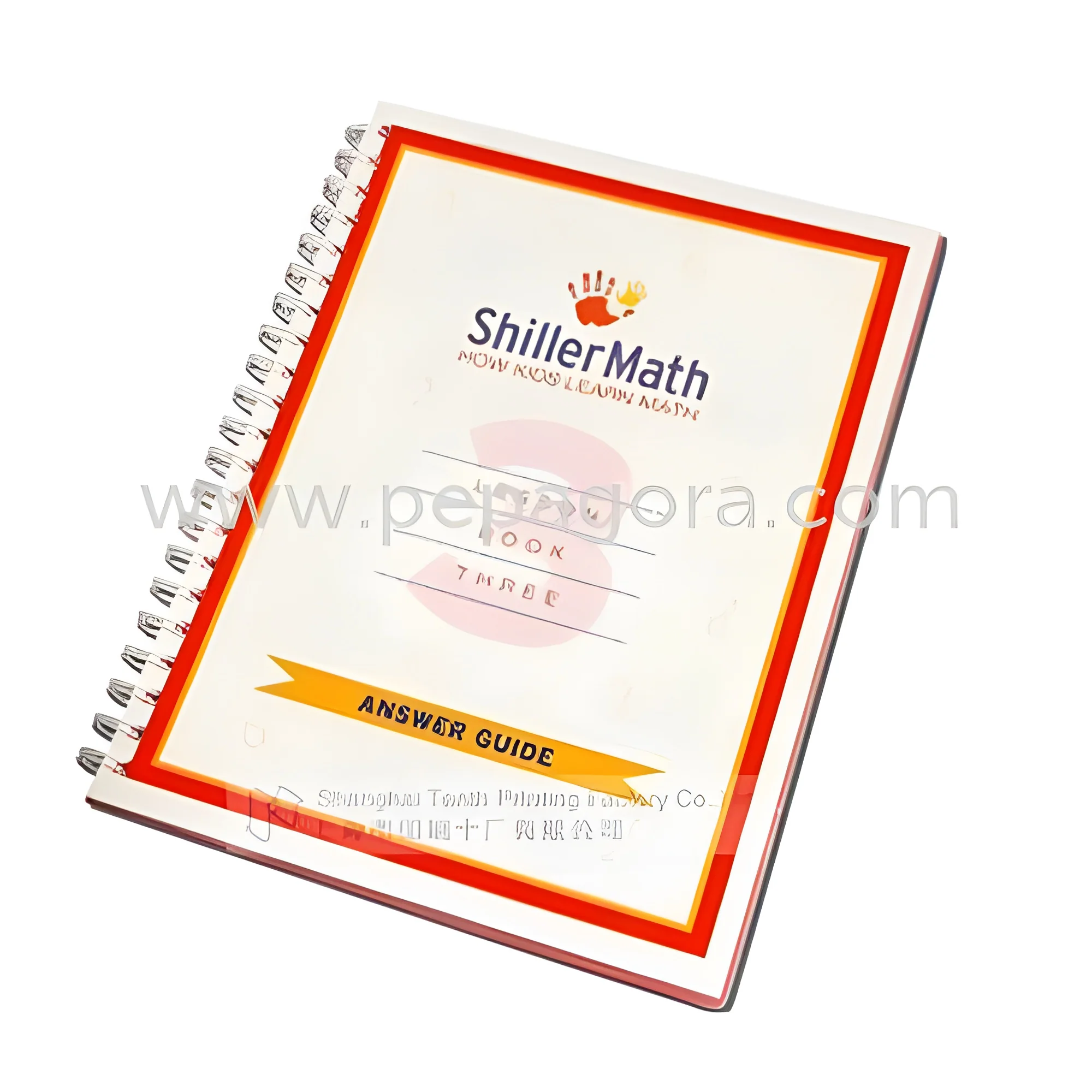
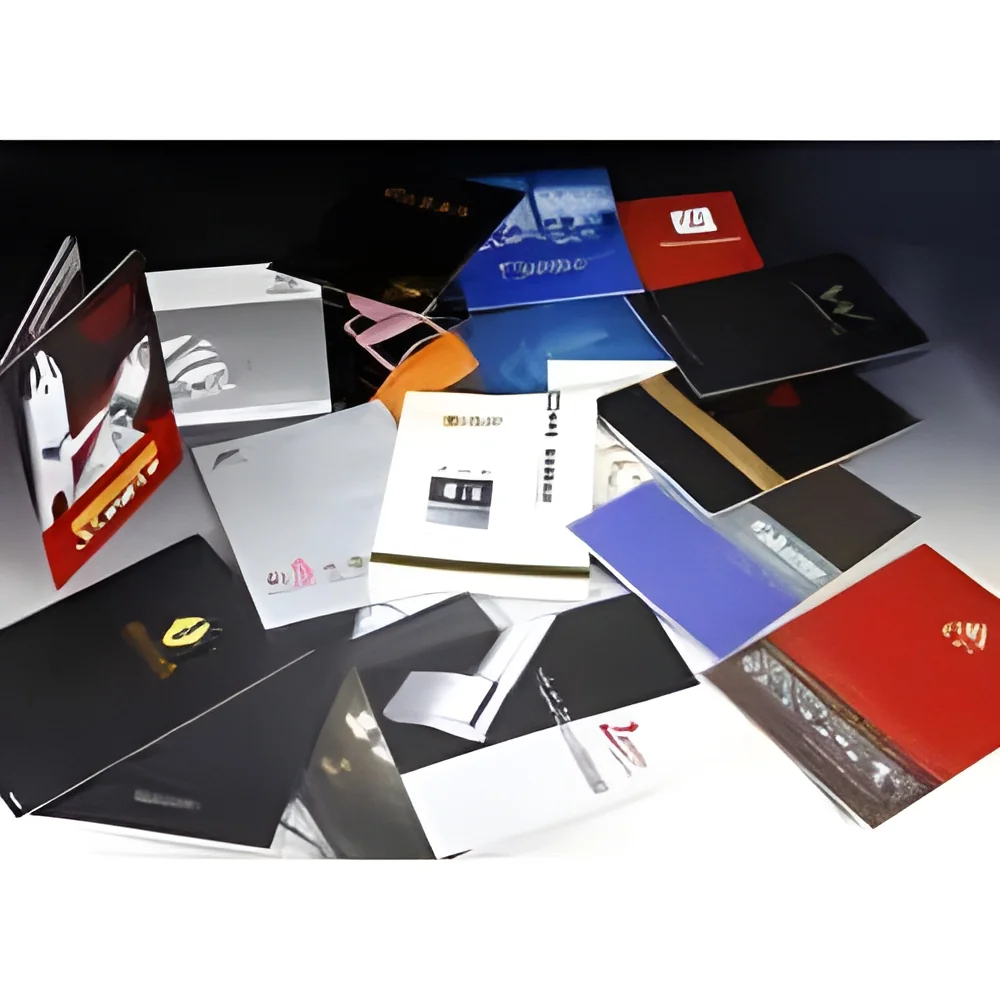
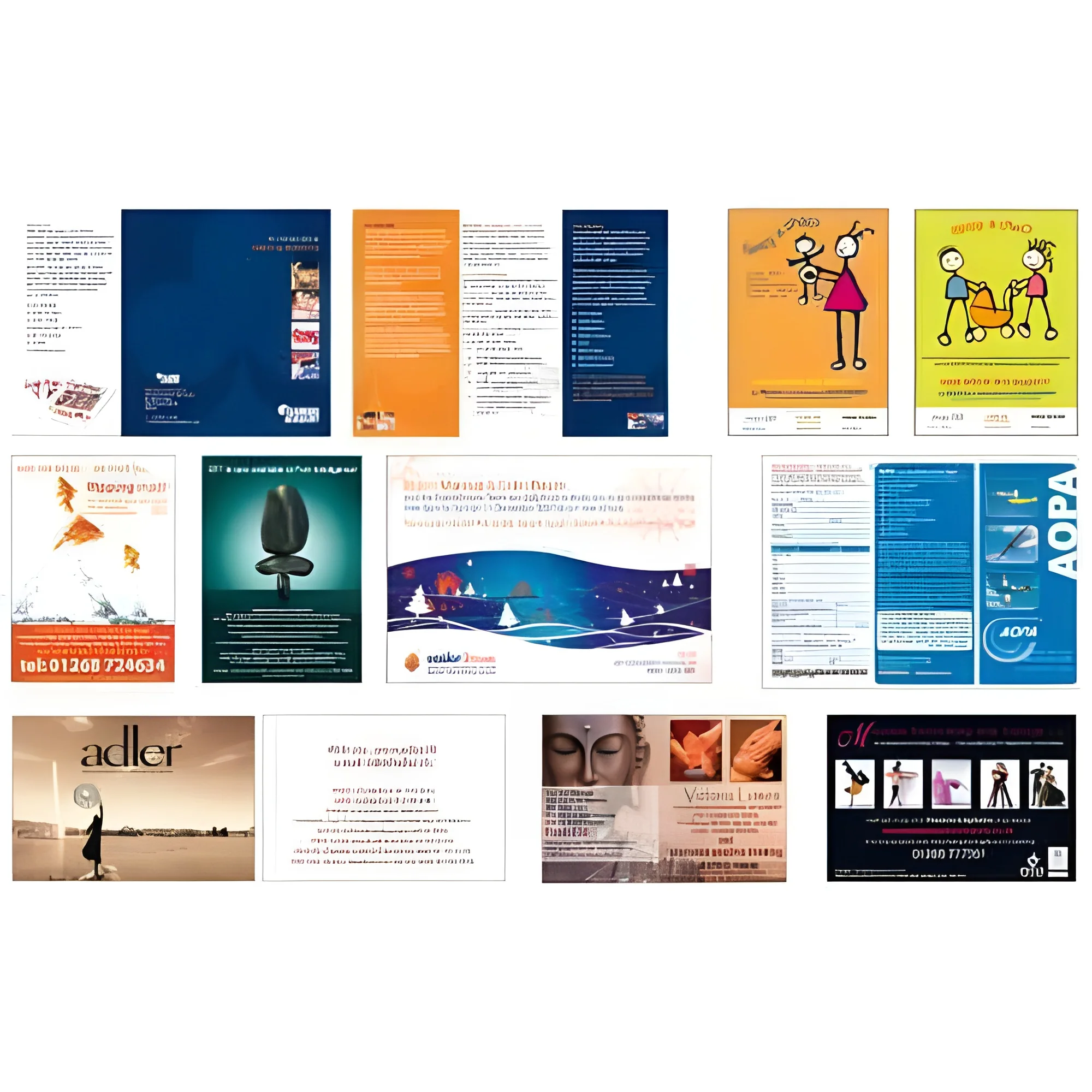
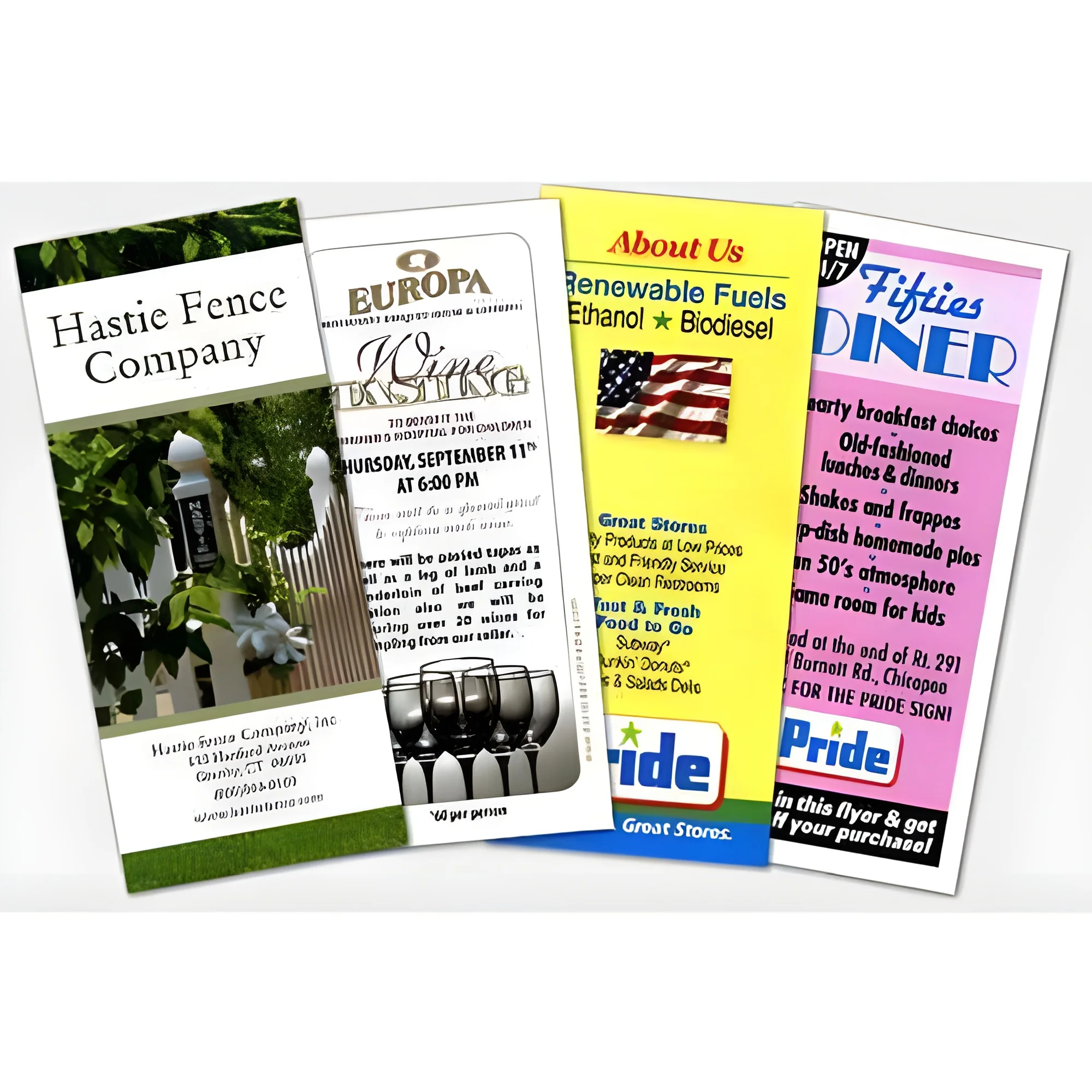
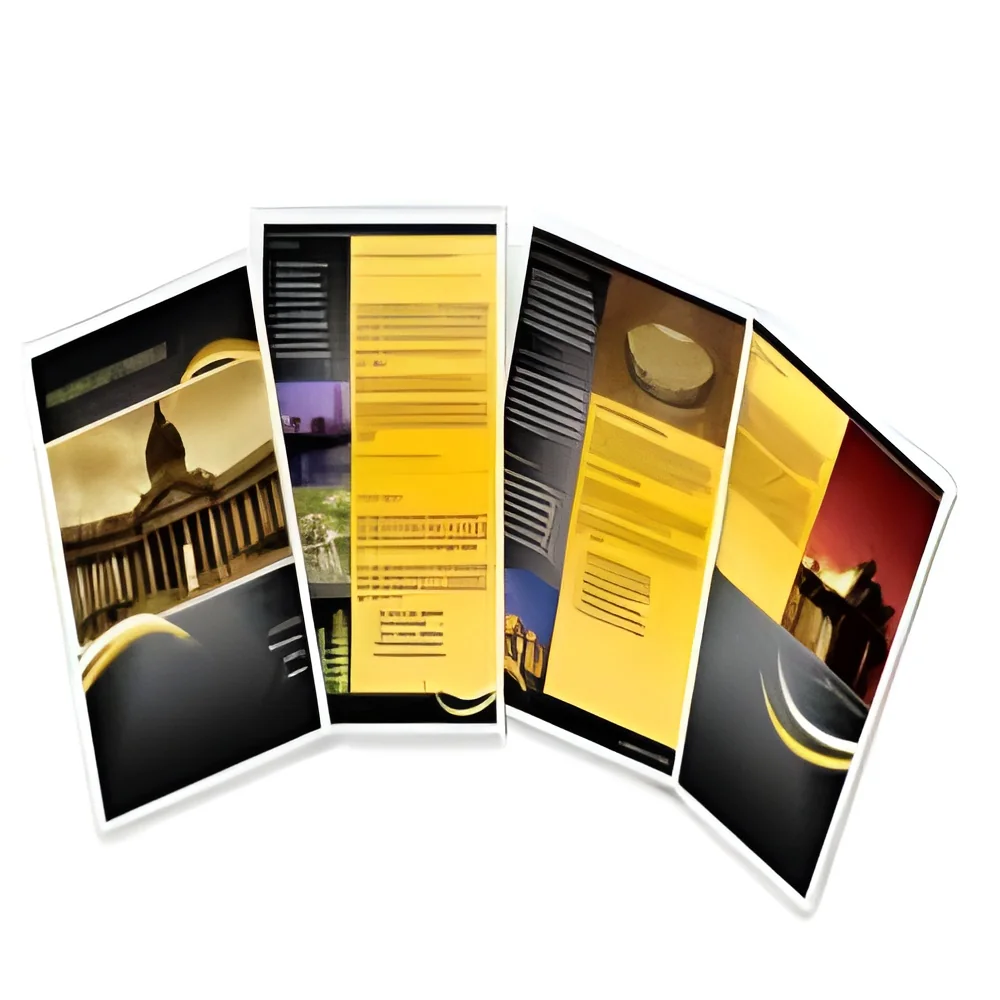
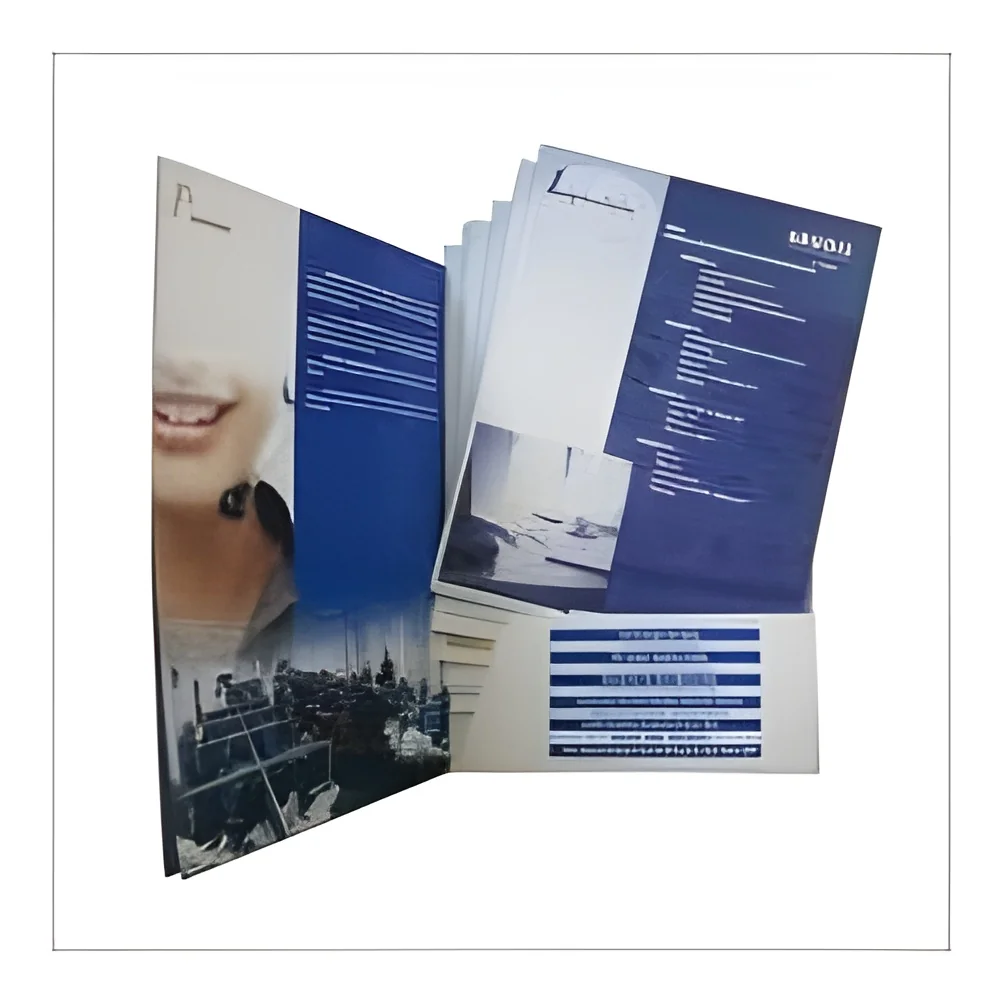
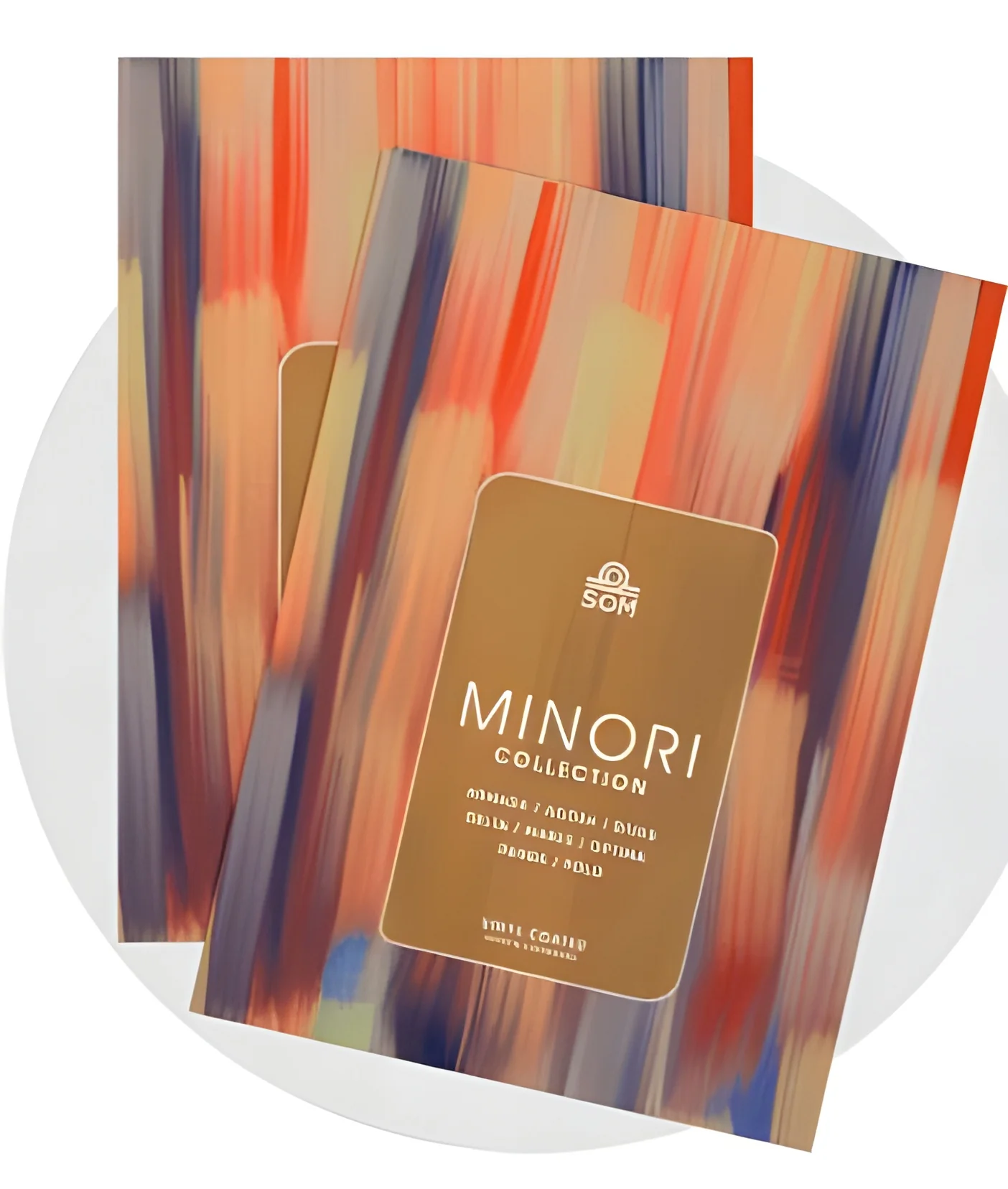
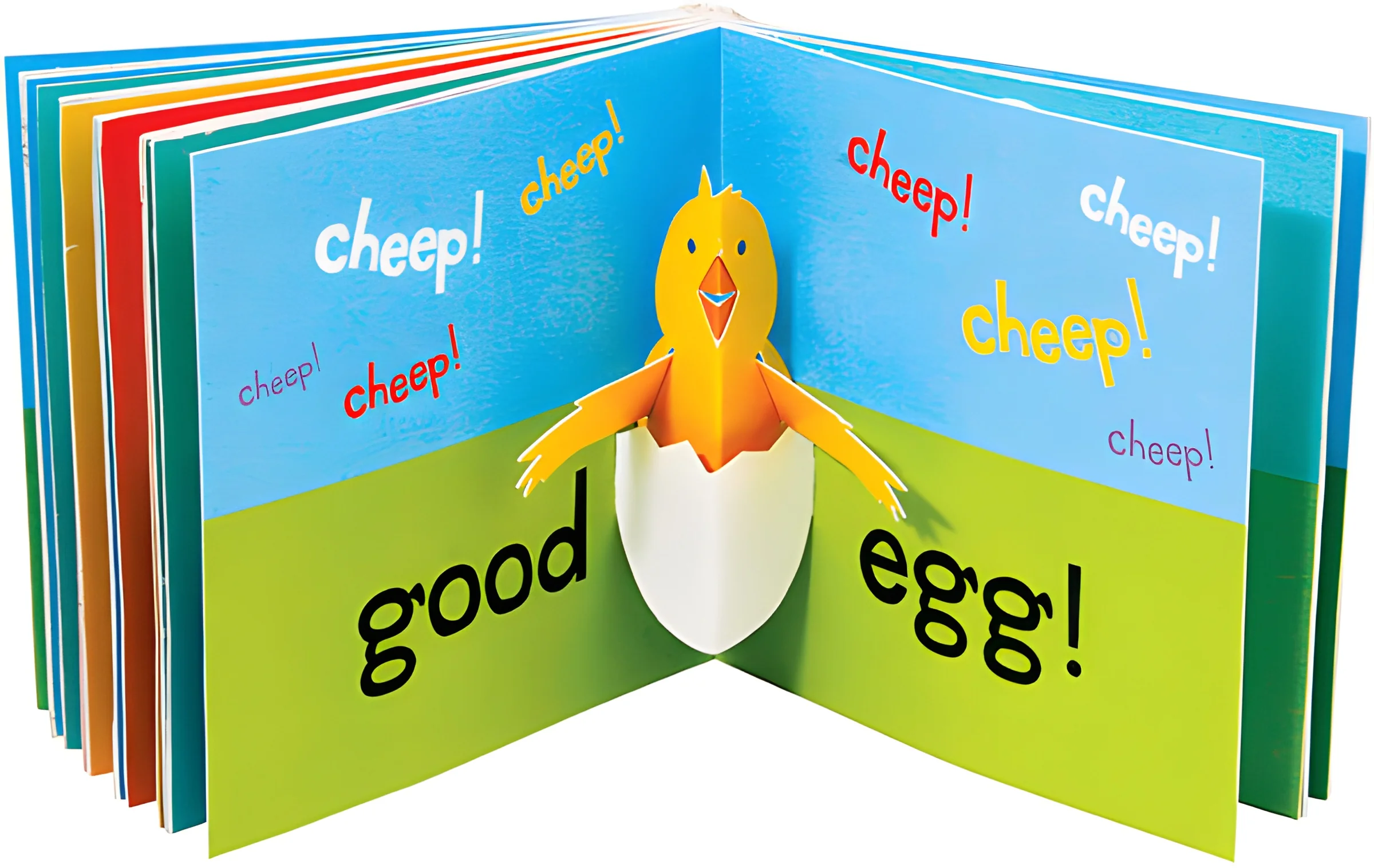
Brochure printing allows businesses to create informative and visually appealing materials for marketing purposes. Options include tri-fold, bi-fold, and booklet styles, suitable for various applications.
Business Card Printing
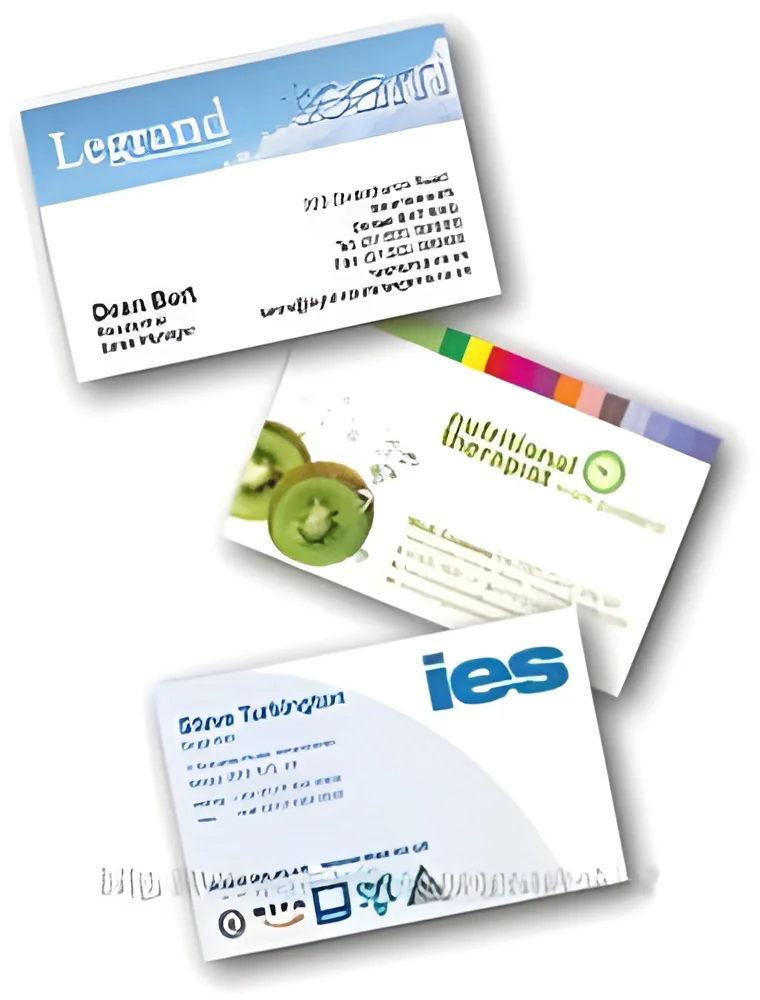
Business card printing provides companies with the opportunity to establish professional branding. Options for card stock, finishes, and custom designs enable businesses to make a memorable impression.
Large Format Printing
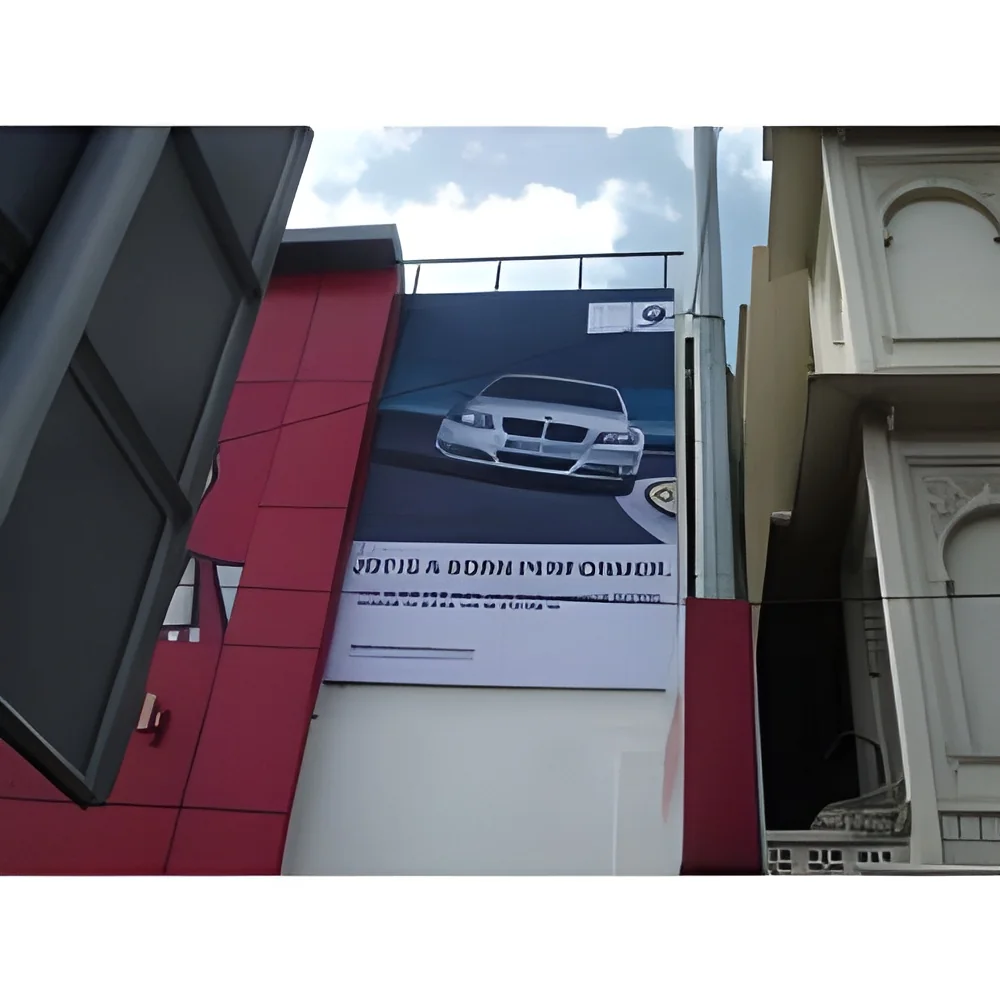
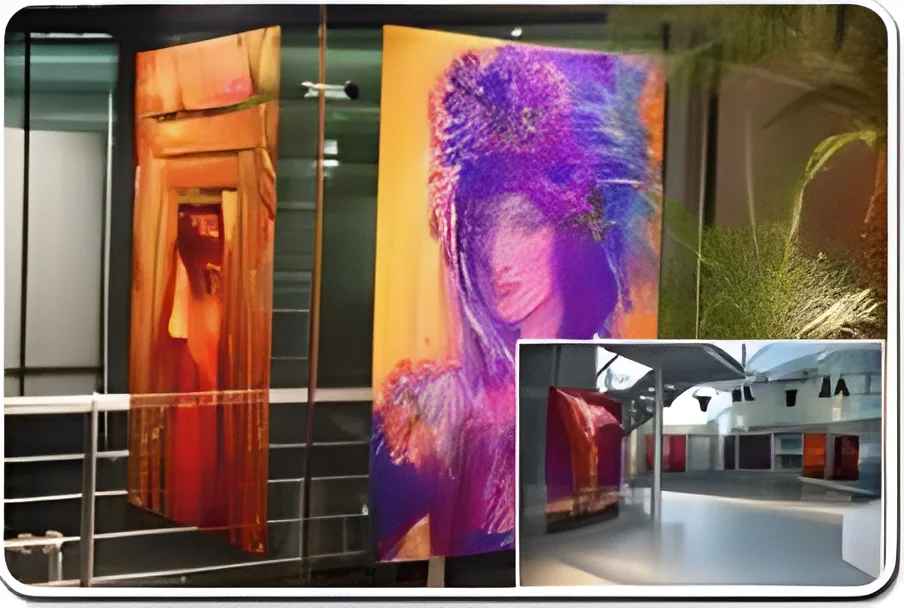
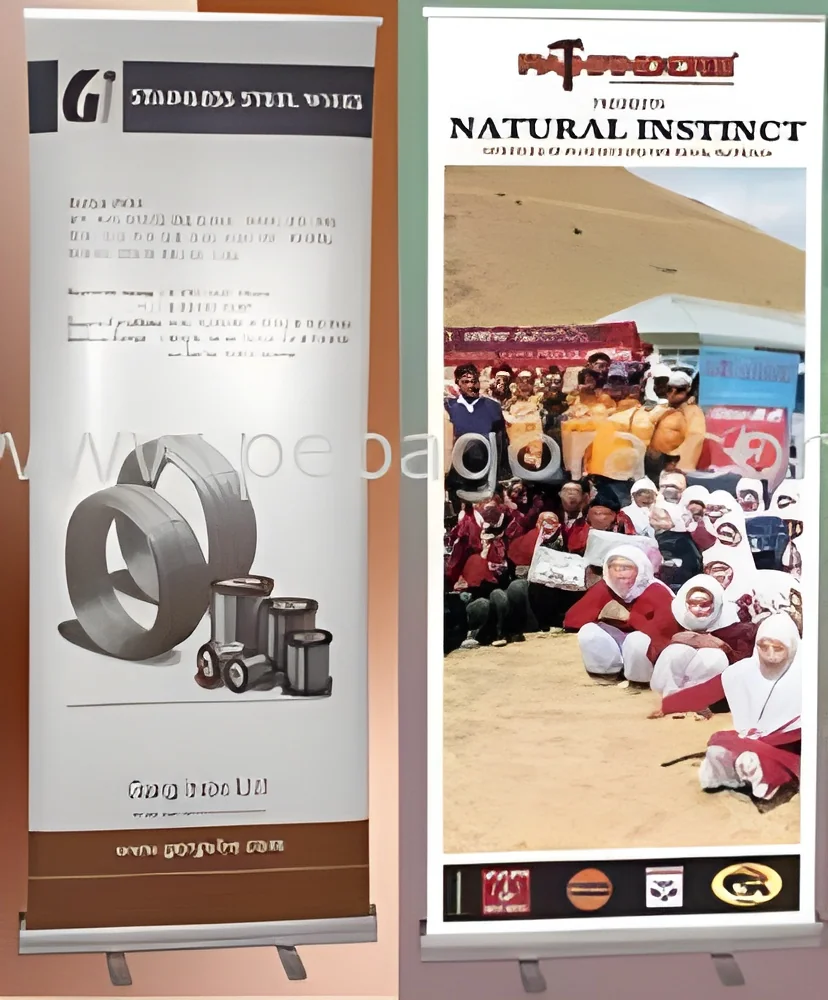
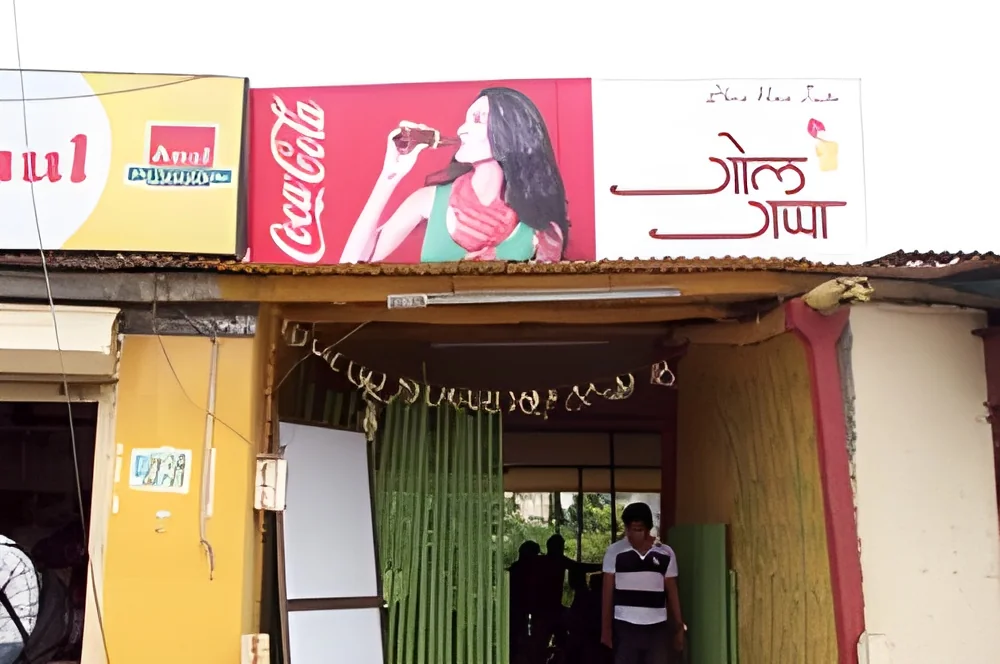
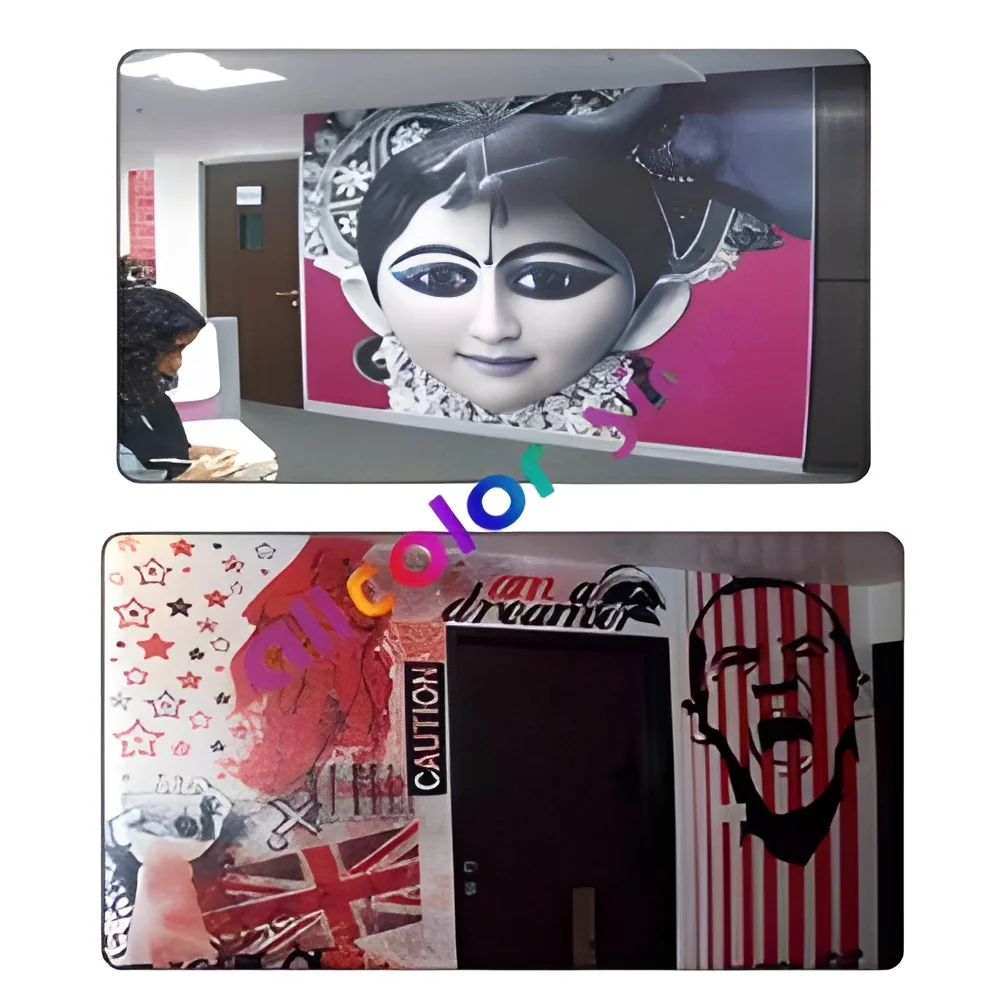
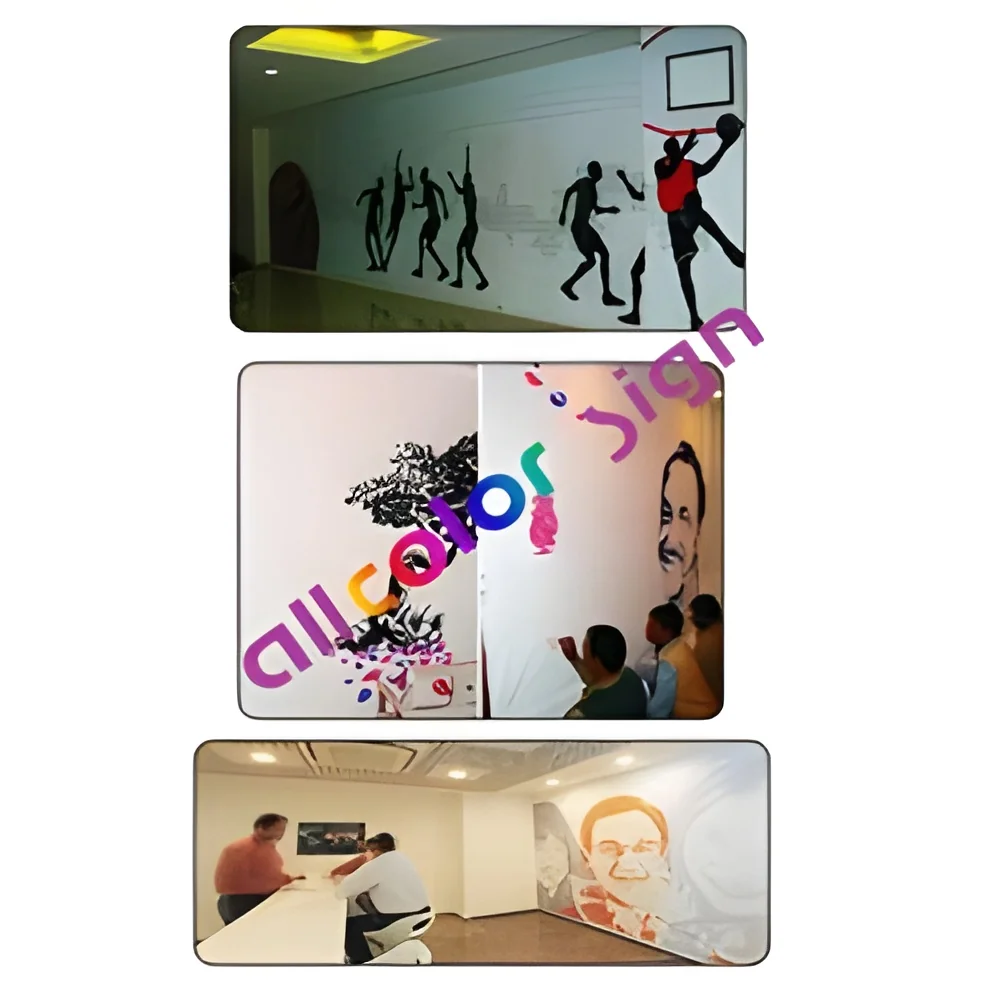
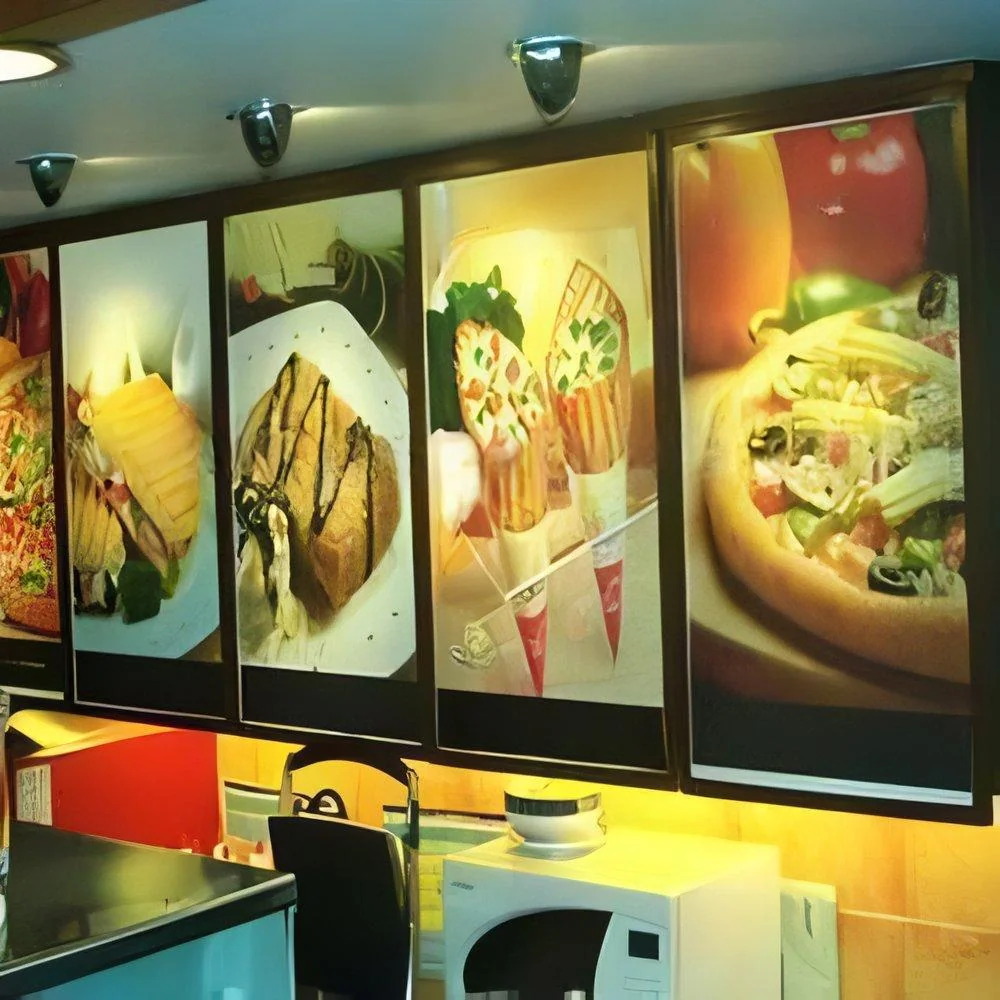
Large format printing caters to businesses needing oversized prints for banners, signage, and displays. This variant is often used for trade shows, outdoor advertising, and promotional events.
Packaging Printing
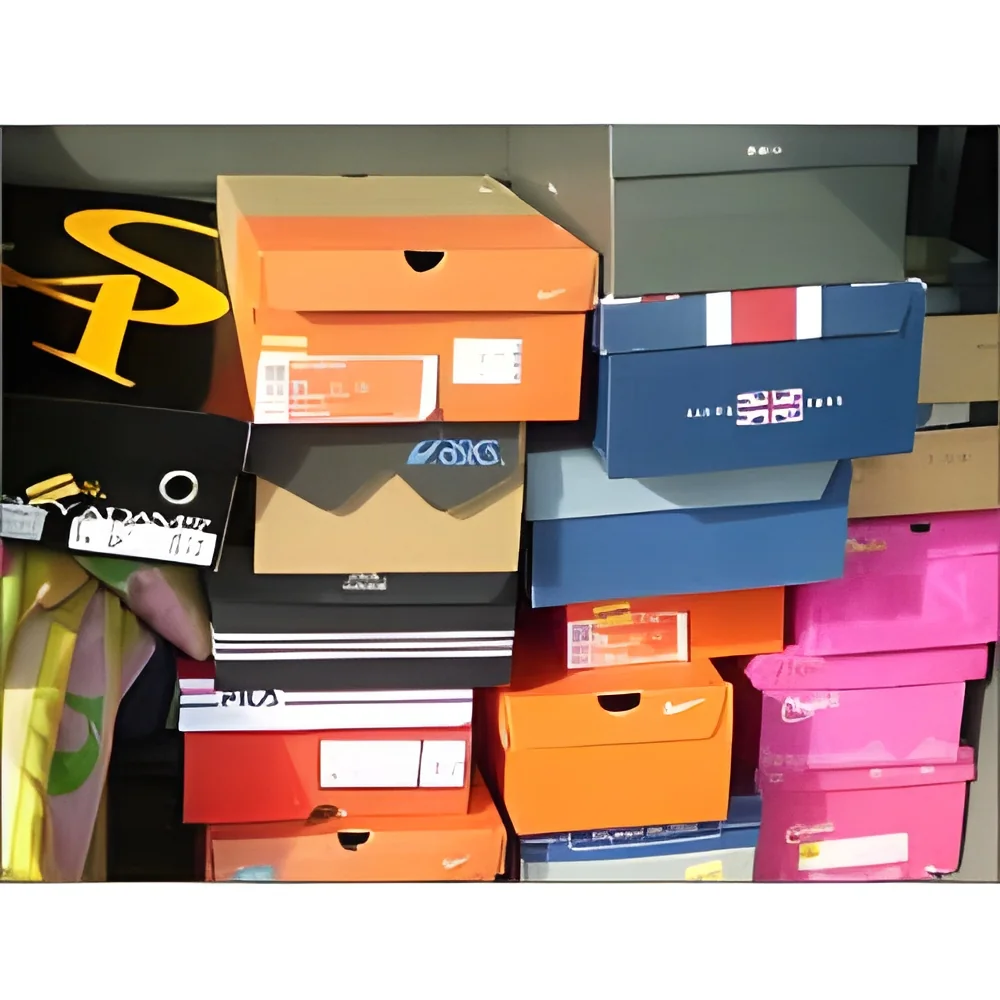
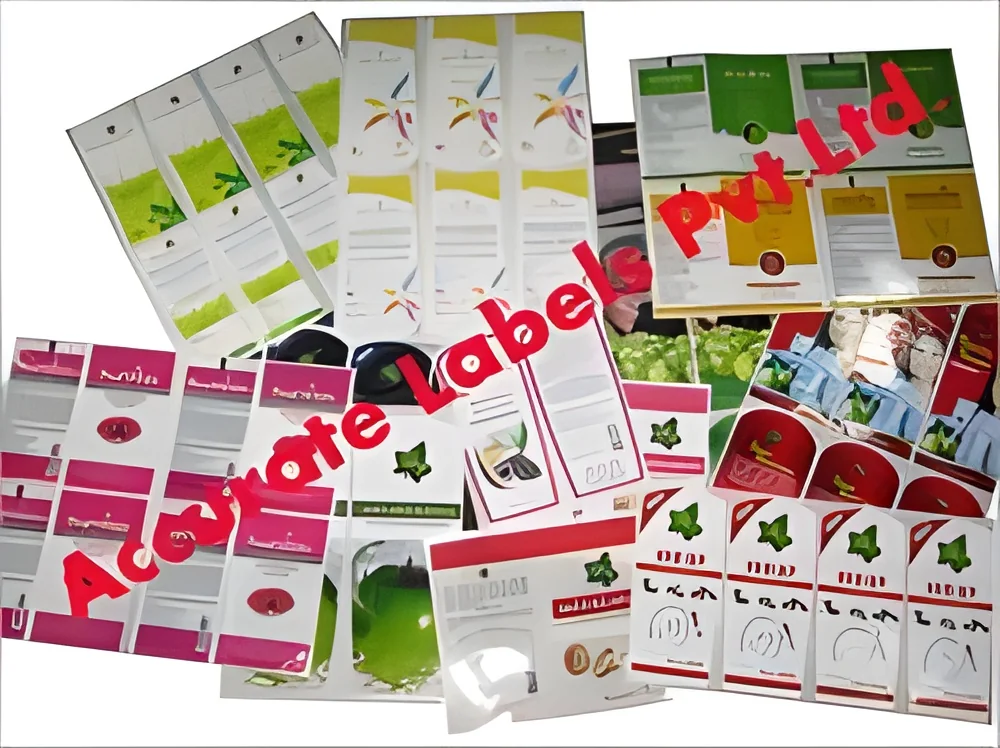
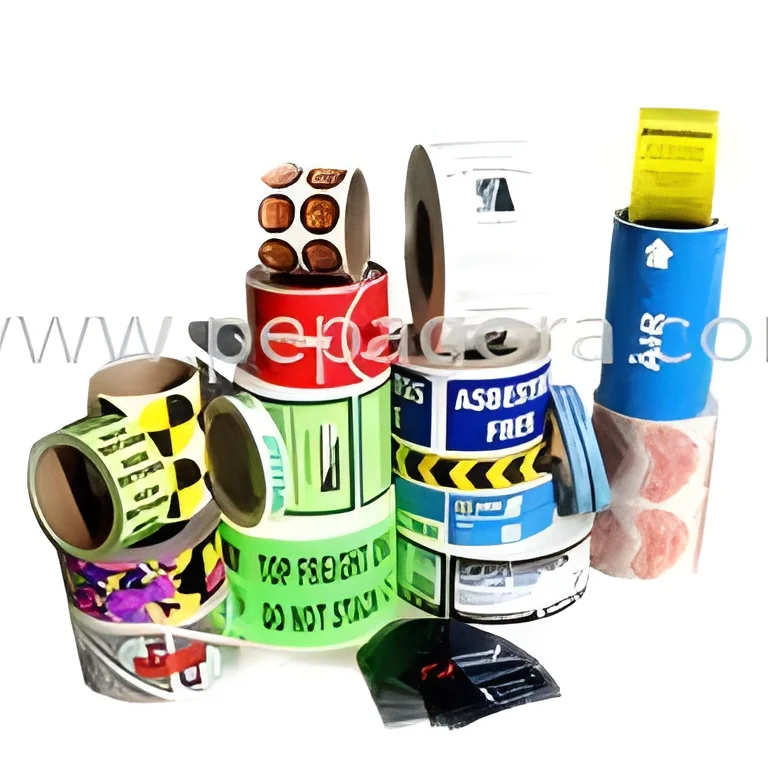
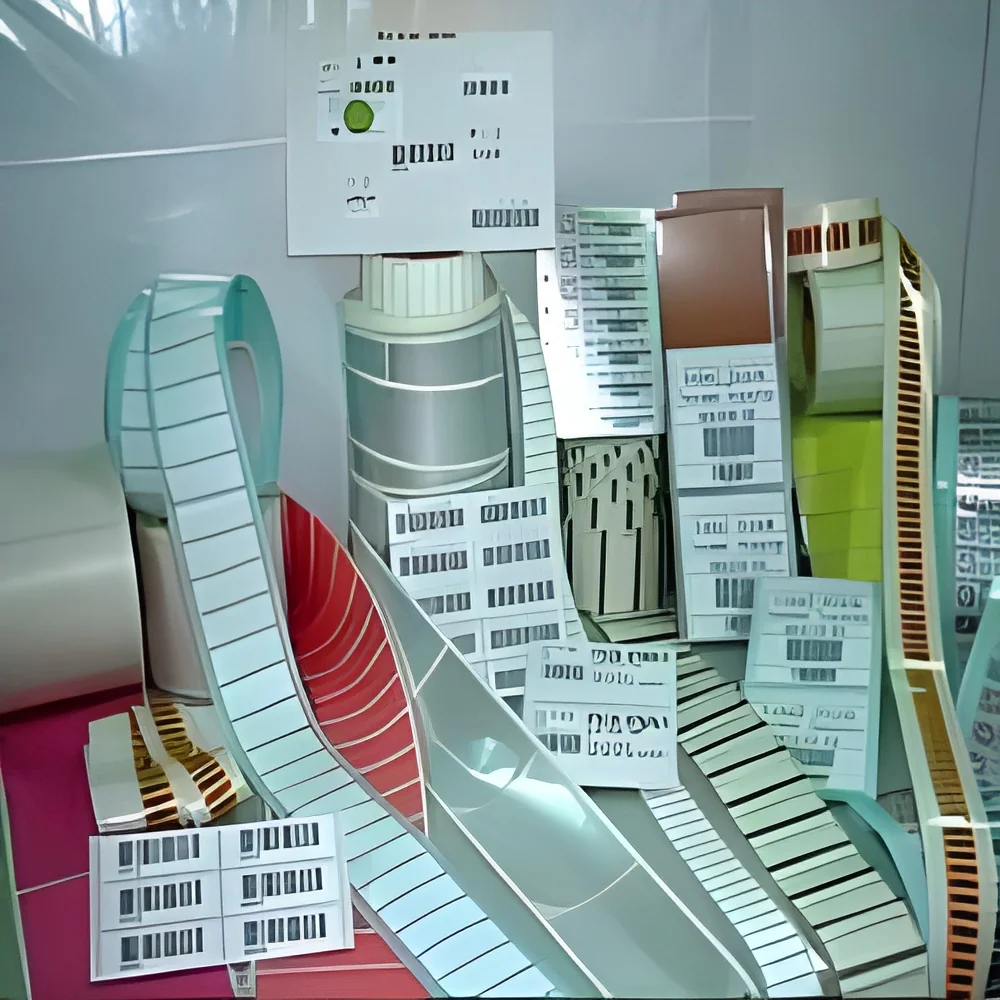
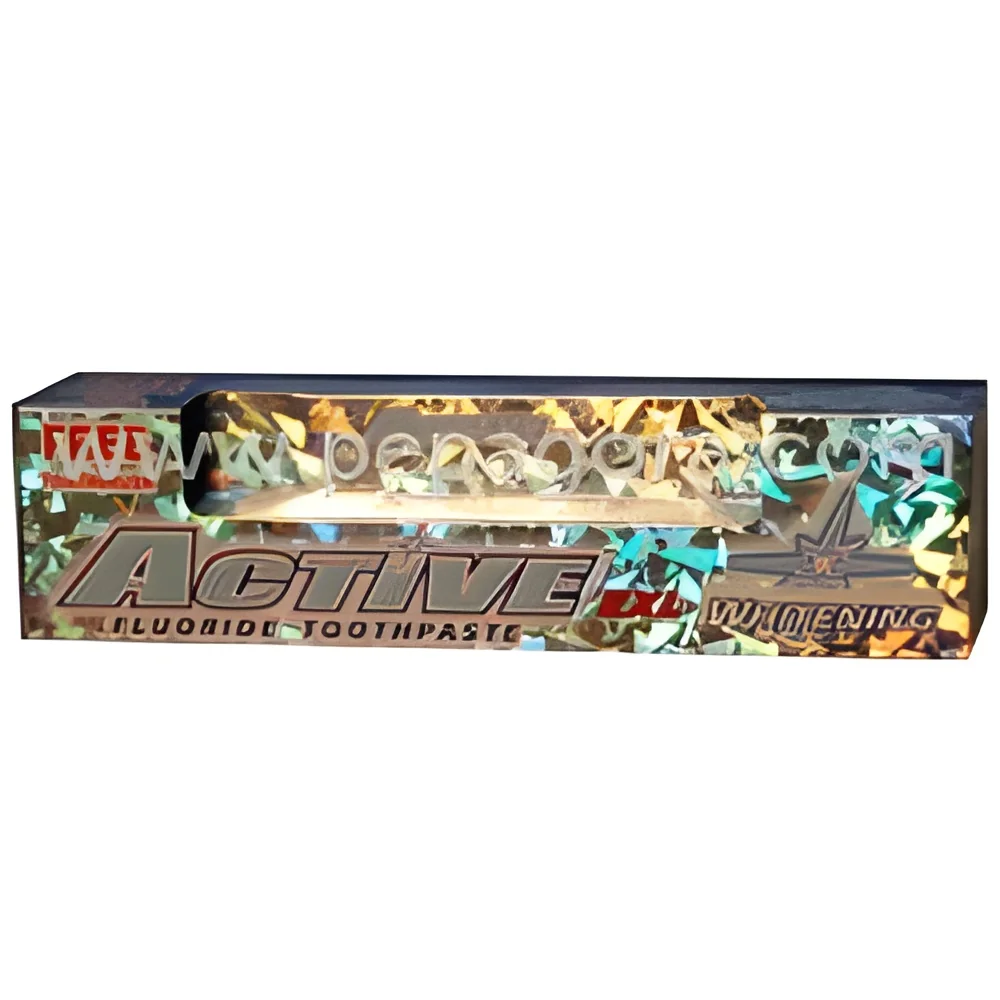
Packaging printing focuses on creating custom packaging solutions tailored to products. This variant encompasses boxes, labels, and wrappers, enhancing product presentation and brand identity.
𝗕𝗲𝗻𝗲𝗳𝗶𝘁𝘀 𝗮𝗻𝗱 𝗔𝗱𝘃𝗮𝗻𝘁𝗮𝗴𝗲𝘀
Utilizing commercial printing services offers numerous advantages for businesses.
Key benefits include:
1. Quality Production: High-quality printing ensures that materials represent the brand effectively and attractively.
2. Customization: Businesses can tailor printed materials to their specific requirements, enhancing relevance and impact.
3. Professional Appearance: Well-designed printed materials contribute to a professional image, building trust and credibility with clients.
4. Cost-Effectiveness: Bulk printing options can reduce costs per unit, making it economical for large-scale marketing campaigns.
5. Fast Turnaround: Many commercial printing services offer quick production times, allowing businesses to meet tight deadlines.
6. Eco-Friendly Options: Many providers offer sustainable printing practices, including recycled materials and eco-friendly inks, appealing to environmentally conscious clients.
𝗕𝘂𝘆𝗶𝗻𝗴 𝗚𝘂𝗶𝗱𝗲 𝗳𝗼𝗿 𝗕𝟮𝗕 𝗕𝘂𝘆𝗲𝗿𝘀
When sourcing commercial printing services, B2B buyers should consider several critical factors to ensure they choose the right provider.
1. Quality Assessment: Evaluate the printing quality by requesting samples. Look for clarity, color accuracy, and material durability to ensure they meet your standards.
2. Supplier Verification: Research potential suppliers by checking reviews, testimonials, and their portfolio. A reputable supplier should demonstrate a track record of reliability and quality.
3. Pricing and MOQ: Compare pricing structures among different providers. Understand the minimum order quantities and any associated costs, like setup fees or shipping.
4. Delivery and Lead Times: Confirm the expected turnaround times for your project. Ensure that the supplier can meet your deadlines and offers options for expedited services.
5. Compliance Requirements: Check for any industry-specific regulations or certifications needed for your printed materials, ensuring that the supplier adheres to these standards.
𝗖𝗼𝗺𝗽𝗹𝗶𝗮𝗻𝗰𝗲 𝗮𝗻𝗱 𝗖𝗲𝗿𝘁𝗶𝗳𝗶𝗰𝗮𝘁𝗶𝗼𝗻𝘀
Compliance and certifications play a crucial role in the commercial printing industry. Adhering to recognized quality standards ensures that printing services meet industry expectations and client requirements.
Relevant quality standards like ISO 9001 guarantee that businesses implement effective quality management systems. This certification indicates a commitment to continuous improvement and customer satisfaction.
Additionally, certifications such as CE demonstrate compliance with European health, safety, and environmental protection standards. These credentials are vital for businesses operating in regulated markets or exporting products.
Safety and testing requirements also play an essential role, as many industries require specific testing for inks and materials used in printed products. Compliance with these standards ensures that the output is safe for its intended use.
Regional compliance considerations should also be noted, as different regions may have specific regulations governing printed materials, especially in sectors like food packaging or pharmaceuticals.
𝗪𝗵𝘆 𝗦𝗼𝘂𝗿𝗰𝗲 𝗖𝗼𝗺𝗺𝗲𝗿𝗰𝗶𝗮𝗹 𝗣𝗿𝗶𝗻𝘁𝗶𝗻𝗴 𝗦𝗲𝗿𝘃𝗶𝗰𝗲𝘀 𝗳𝗿𝗼𝗺 𝗣𝗲𝗽𝗮𝗴𝗼𝗿𝗮?
Pepagora offers a trusted platform for sourcing commercial printing services, providing several key advantages for businesses.
Verified Supplier Network: Pepagora connects buyers with a network of verified suppliers. This verification process ensures that suppliers meet quality standards, enhancing buyer confidence in their choices.
Streamlined RFQ Process: The request for quotation (RFQ) process is simplified on Pepagora, allowing buyers to easily compare offers from multiple suppliers. This efficiency saves time and supports informed decision-making.
Trade Assurance and Support: Buyers benefit from trade assurance programs that protect their investments. Pepagora provides support throughout the purchasing process, ensuring a smooth experience from order to delivery.
Regional Coverage: With a geographic reach that includes India, the GCC, and Southeast Asia, Pepagora can facilitate connections with local suppliers, helping businesses find relevant services tailored to their needs.
By choosing Pepagora, businesses can access a comprehensive range of commercial printing services backed by a reliable network and robust support systems.

 India


 India





 India



 India


 India


 India


 India

 India
 India


 India


 India


 India


 India


 India

 India


 India
 India



 India
 India

 India

 India


 India

 India
 India


 India

 India

 India
 India


 India
 India

 India


 India


 India

 India



 India
 India
 India
 India


 India


 India

 India
 India


 India

 India


 India

 India


 India
 India
 India


 India

 India


 India


 India
 India
 India

 India


Frequently Asked Questions
What are Commercial Printing Services?
Commercial Printing Services refer to the production of printed materials for businesses, including brochures, business cards, flyers, and packaging. These services are typically offered by specialized companies equipped with advanced printing technology to meet various business needs.
What are the different types of Commercial Printing Services?
Different types of Commercial Printing Services include offset printing, digital printing, screen printing, and flexographic printing. Each type has its advantages and is suited for specific applications, such as high-volume production or short runs.
How do I choose the right Commercial Printing Services?
To choose the right Commercial Printing Services, consider factors such as the type of materials you need, your budget, and the printing technology required. Additionally, assess the supplier's experience, portfolio, and customer reviews to ensure quality service.
What are the standard specifications for Commercial Printing Services?
Standard specifications for Commercial Printing Services include paper type, dimensions, color mode (CMYK or RGB), and finishing options such as lamination or binding. It's essential to specify these details to achieve the desired outcome in your printed materials.
What is the price range for Commercial Printing Services?
The price range for Commercial Printing Services varies widely based on factors like the type of printing, quantity, and customization options. Generally, prices can range from a few hundred to several thousand rupees, depending on the complexity of the project.
What quality standards apply to Commercial Printing Services?
Quality standards for Commercial Printing Services typically include adherence to ISO standards, color accuracy, and print resolution. Many service providers also implement quality control processes to ensure that the final products meet client specifications.
Where can I find Commercial Printing Services suppliers in India?
You can find Commercial Printing Services suppliers in India through B2B marketplaces like Pepagora.com, industry directories, and trade shows. These platforms offer a range of suppliers, allowing you to compare services and pricing easily.
Can Commercial Printing Services be customized?
Yes, Commercial Printing Services can be highly customized to meet specific requirements, including size, design, materials, and finishing options. Many suppliers offer personalized solutions to cater to the unique needs of businesses.
What is the typical minimum order quantity for Commercial Printing Services?
The typical minimum order quantity (MOQ) for Commercial Printing Services can vary by supplier and type of printing. Generally, MOQs can range from 100 to 500 units, depending on the service and customization involved.
What is the typical lead time for Commercial Printing Services?
The typical lead time for Commercial Printing Services varies based on the complexity of the project and the service provider. On average, lead times can range from 5 to 15 business days, but it is advisable to confirm with the supplier for accurate timelines.
Why Businesses Trust Pepagora
Thousands of companies trust Pepagora to source smarter and sell faster
Expand Your Sales Globally

Source Smarter,Grow Faster
