
 IN
Wide Format Printing
25 products available
What are Wide Format Printing?
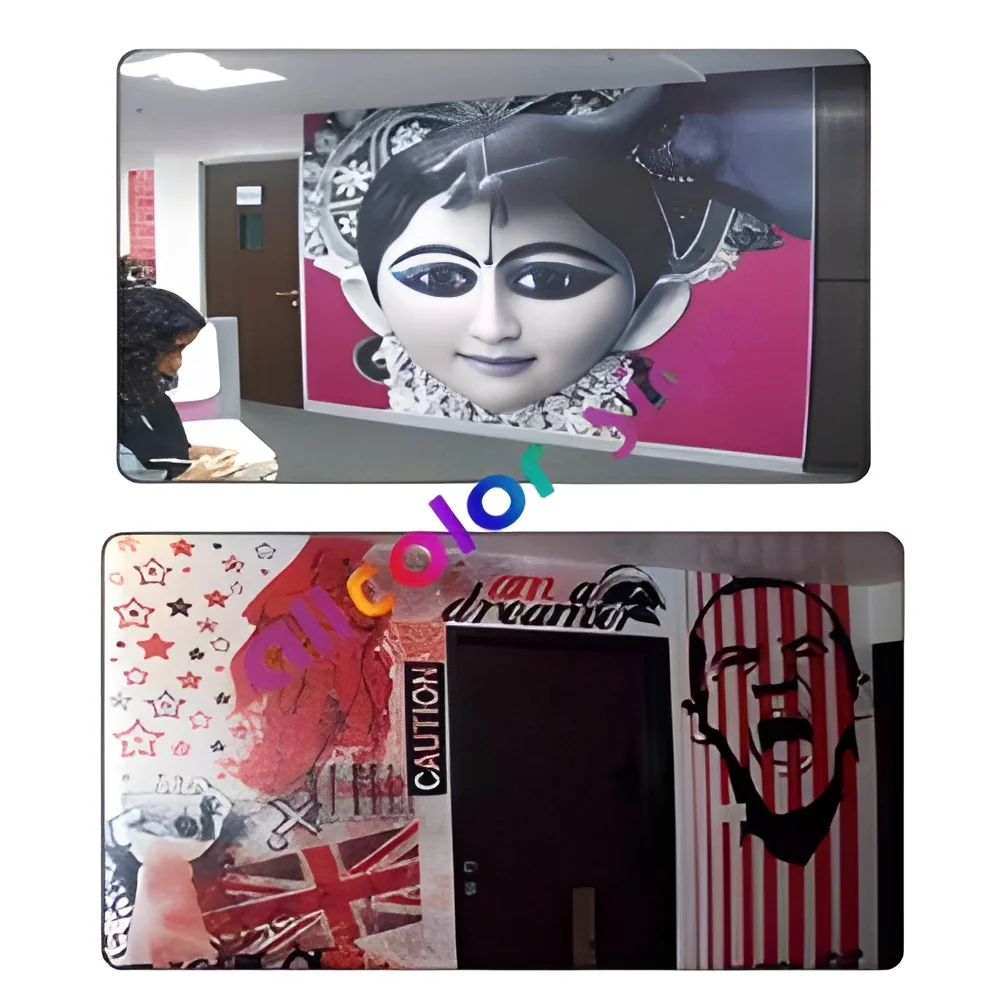
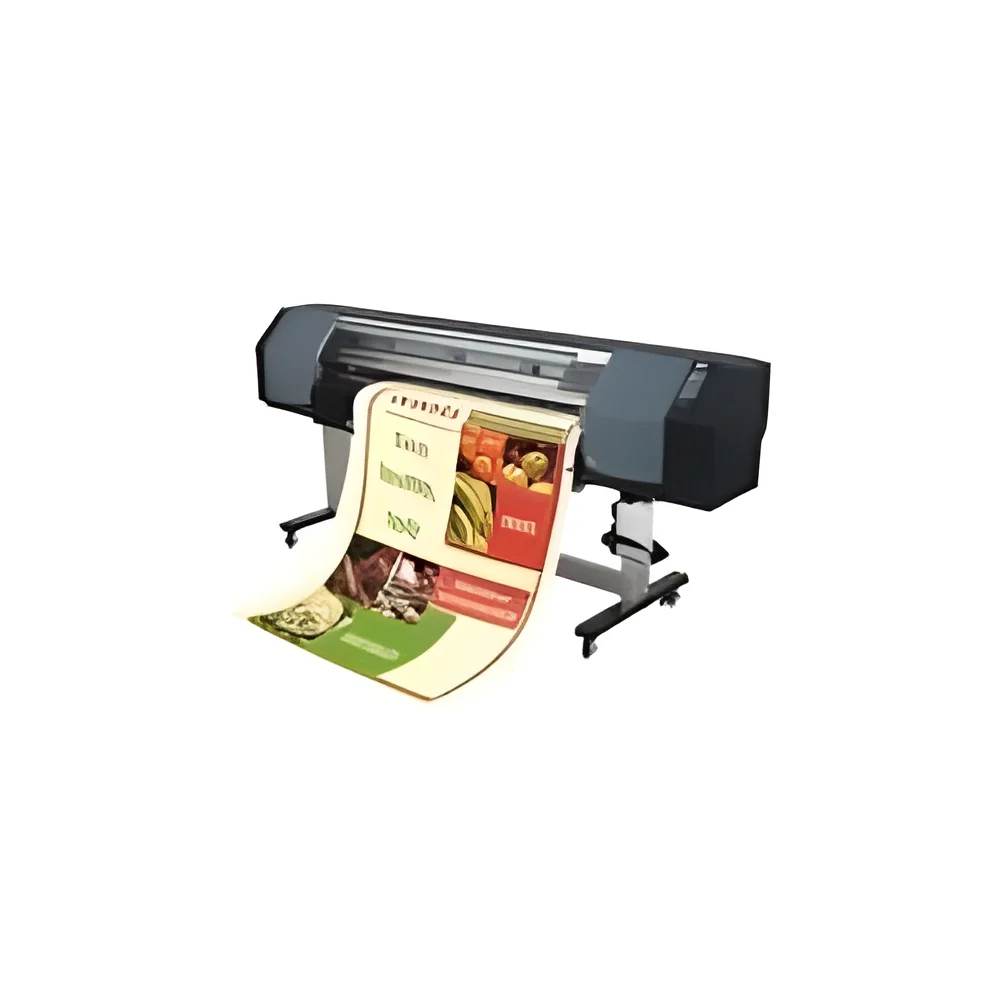
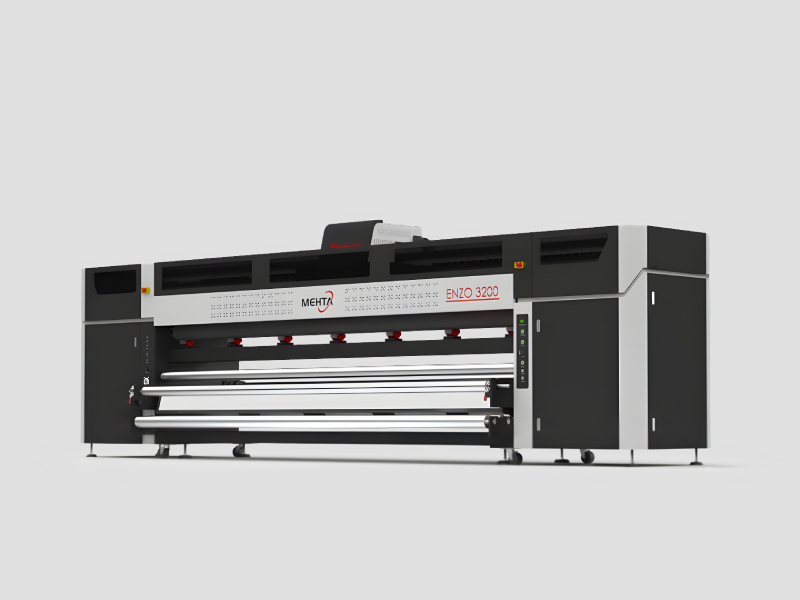
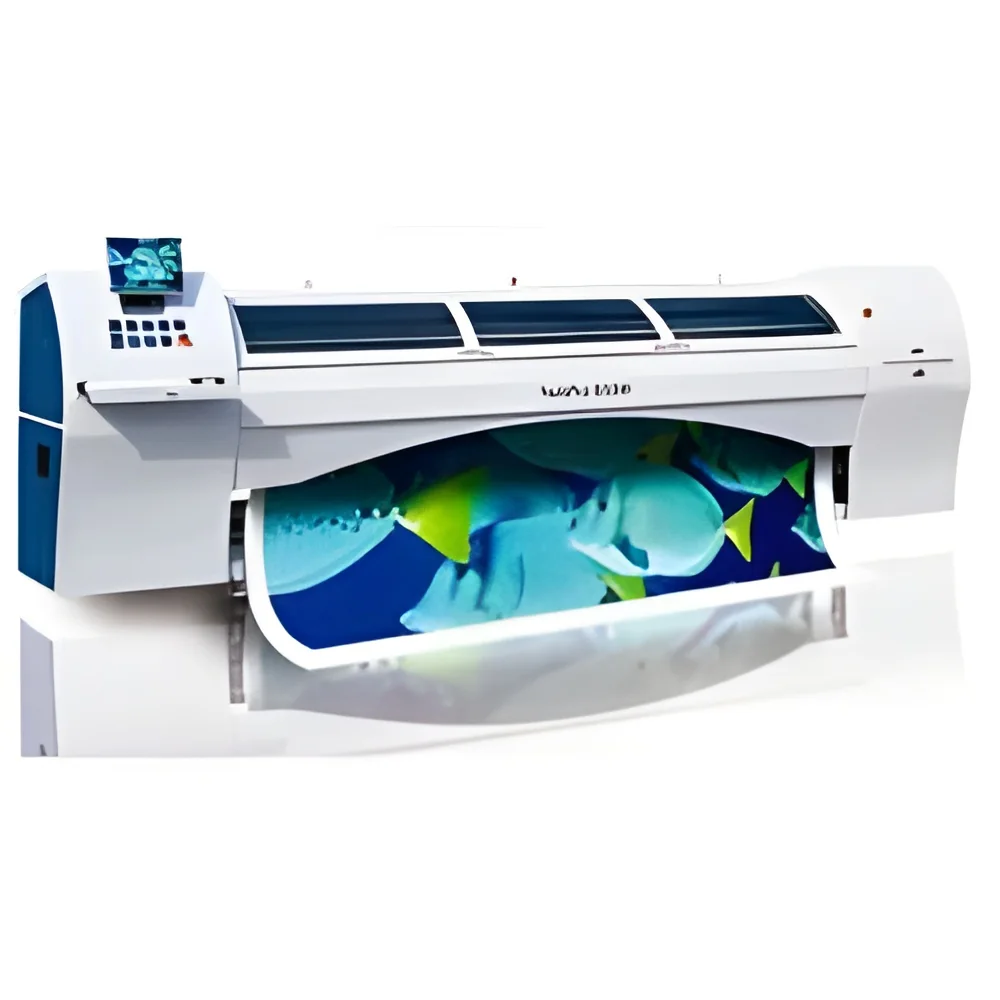
Wide format printing refers to a specialized printing technology designed to produce large-format materials, typically exceeding 24 inches in width. This type of printing utilizes advanced inkjet or digital printing technology to create high-quality images on a variety of substrates. Common materials include vinyl, canvas, paper, and fabric, allowing for versatility in production. The process is highly efficient, enabling businesses to produce large graphics, banners, and signage with impressive detail and color accuracy.
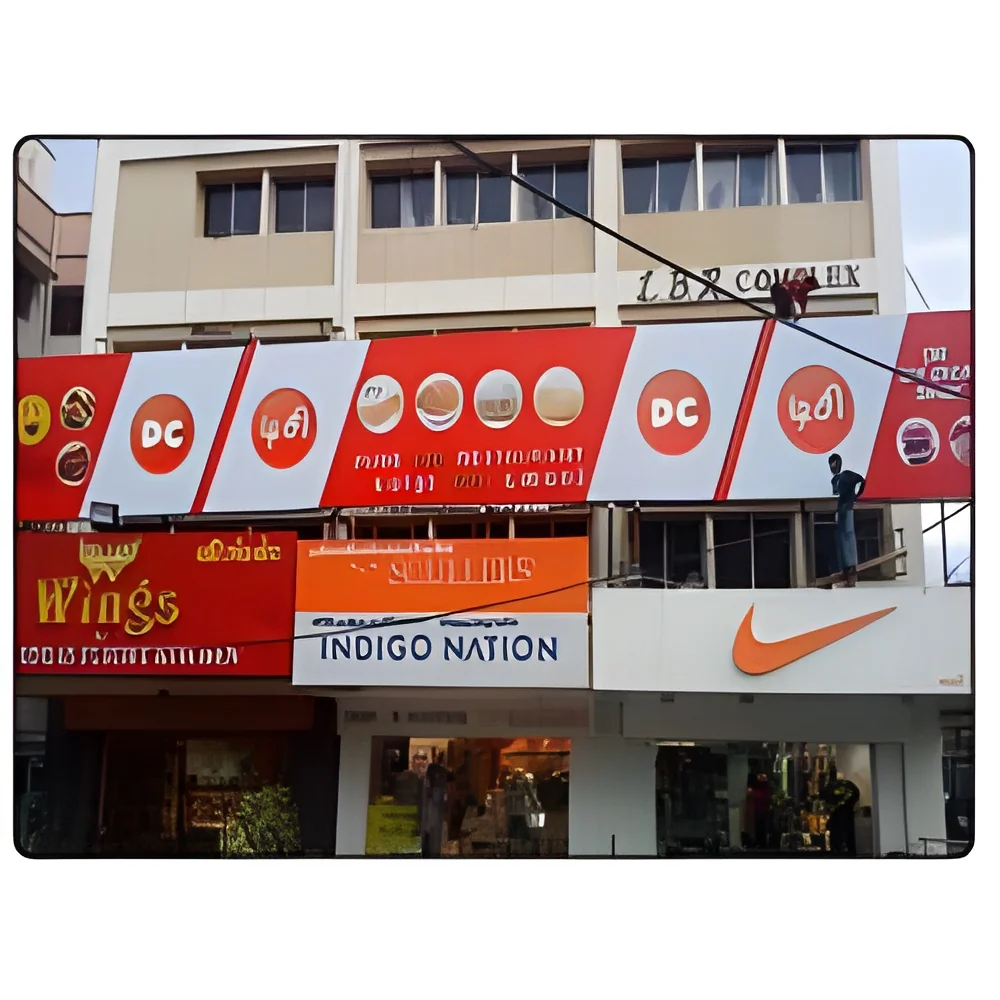
Wide format printing is widely used across various sectors, including advertising, retail, architecture, and event management. Businesses leverage this technology to create eye-catching promotional materials such as posters, trade show displays, and vehicle wraps. The ability to print on large surfaces opens up numerous creative possibilities, making it an essential tool for brands looking to enhance their visibility. As the demand for visually engaging content continues to grow, wide format printing remains a critical asset in the marketing and branding strategies of many companies.
Key Features and Specifications
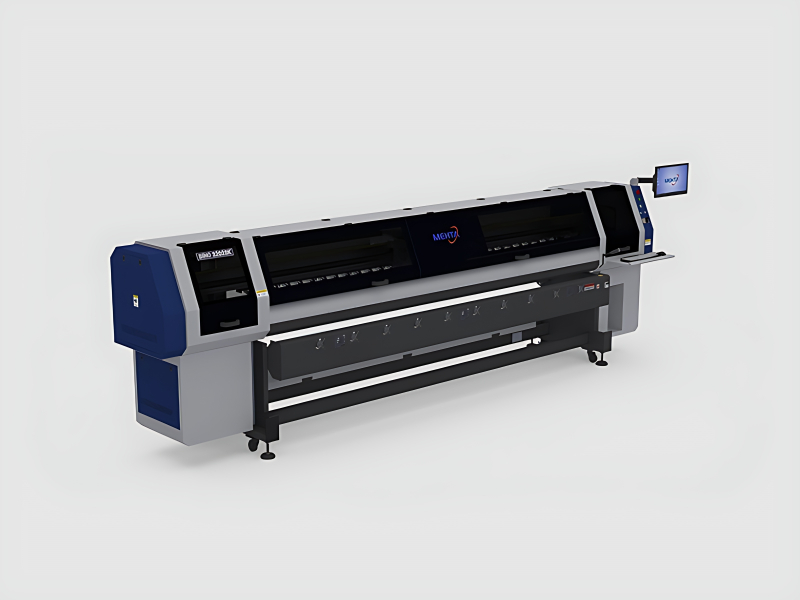
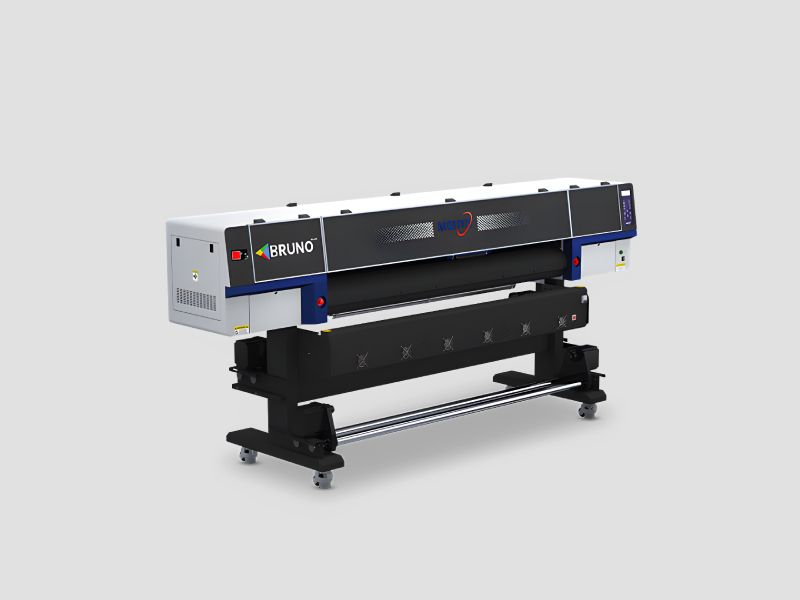
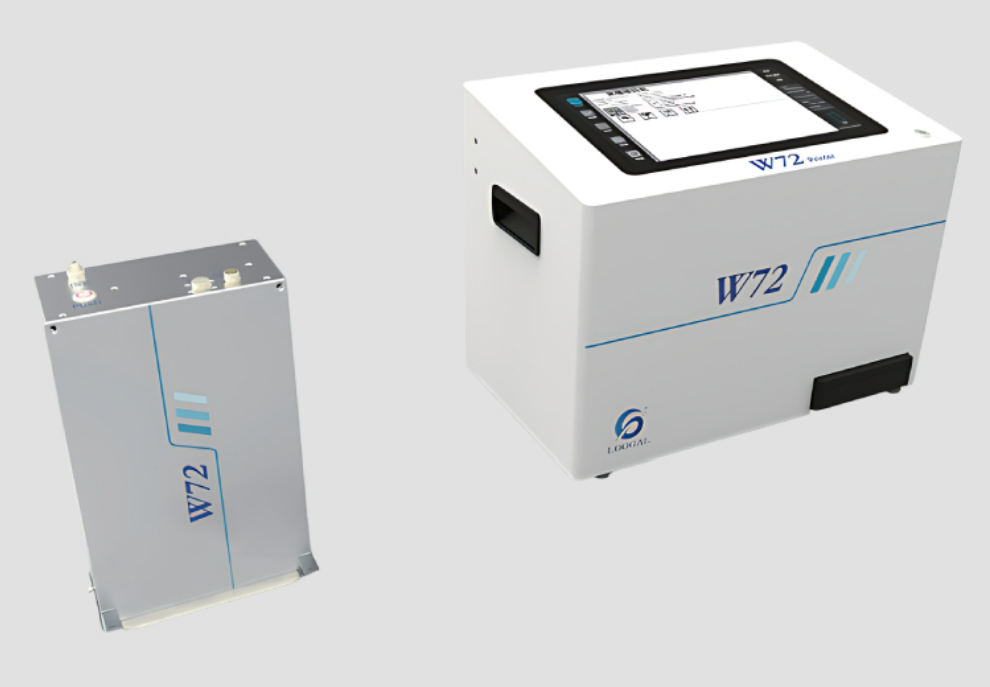
Wide format printing devices come equipped with a range of features that enhance their functionality and output quality. Understanding these specifications is crucial for businesses looking to invest in this technology.
Key specifications include:
1. Print Width
- The maximum width achievable by the printer.
- Ranges typically from 24 inches to over 100 inches.
2. Print Resolution
- The level of detail in the printed image.
- Measured in dots per inch (DPI), with common resolutions being 600 DPI to 2400 DPI.
3. Ink Type
- Different types of inks used, including solvent, eco-solvent, UV, and dye-sublimation.
- Each type affects durability, vibrancy, and drying time.
4. Media Compatibility
- The types of materials the printer can handle.
- Includes paper, vinyl, canvas, and fabric options.
5. Speed of Printing
- The rate at which the printer can produce output.
- Generally measured in square feet per hour.
6. Connectivity Options
- Methods for connecting to computers or networks.
- Common options include USB, Ethernet, and Wi-Fi.
7. Size and Weight
- Physical dimensions and weight of the printer.
- Important for determining placement and mobility.
8. Maintenance Features
- Built-in systems for cleaning and maintaining print heads.
- Essential for ensuring consistent print quality.
The diverse features of wide format printers cater to various printing needs, making them a valuable investment for businesses seeking to enhance their marketing efforts.
Common Applications and Use Cases
Wide format printing is employed across a multitude of industries, each benefiting from its unique capabilities.
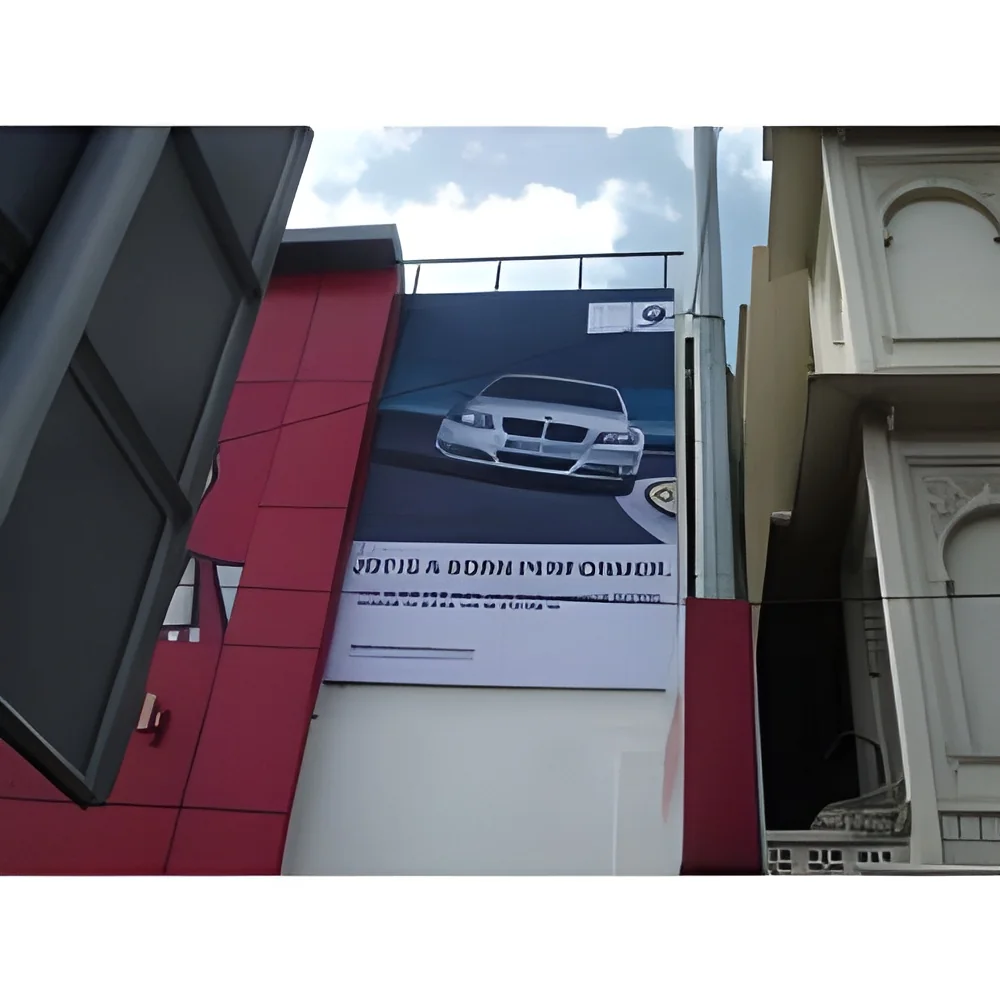
1. Advertising: Businesses use wide format printing to create large posters, banners, and billboards that capture attention and promote products or services effectively.
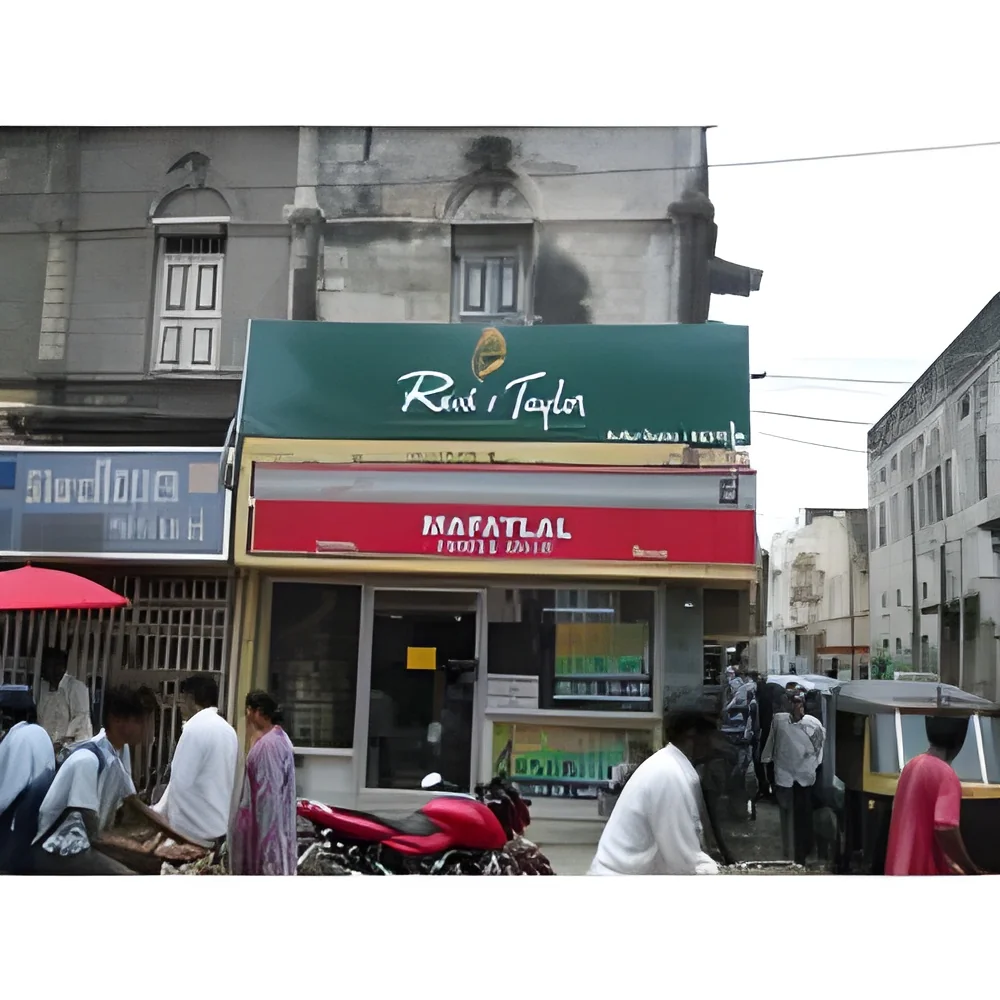
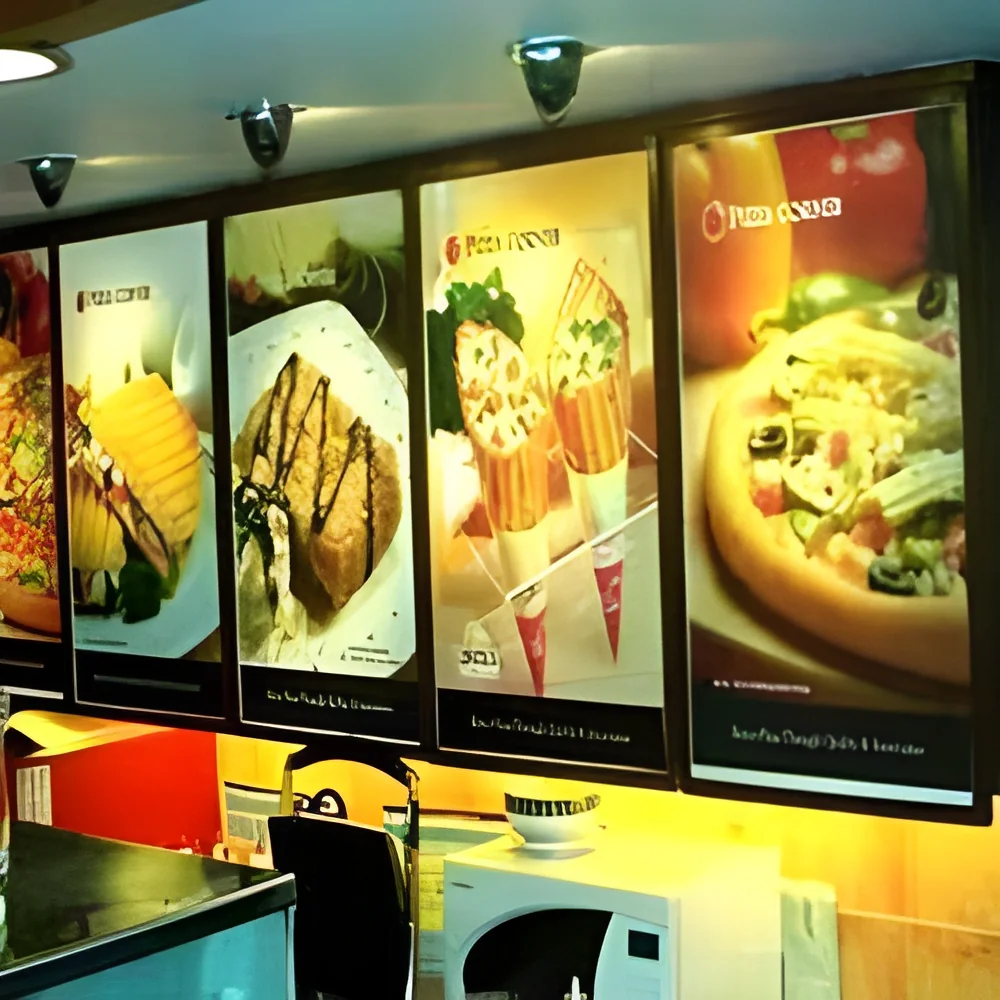
2. Retail: Retailers often utilize wide format printing for in-store displays, signage, and promotional materials, enhancing customer engagement and driving sales.
3. Architecture and Engineering: Professionals in these fields use wide format printing to produce blueprints, technical drawings, and presentations, ensuring precise representation of designs.
4. Events and Exhibitions: Trade shows and events leverage wide format printing for backdrops, booth displays, and promotional materials, helping brands stand out in crowded spaces.
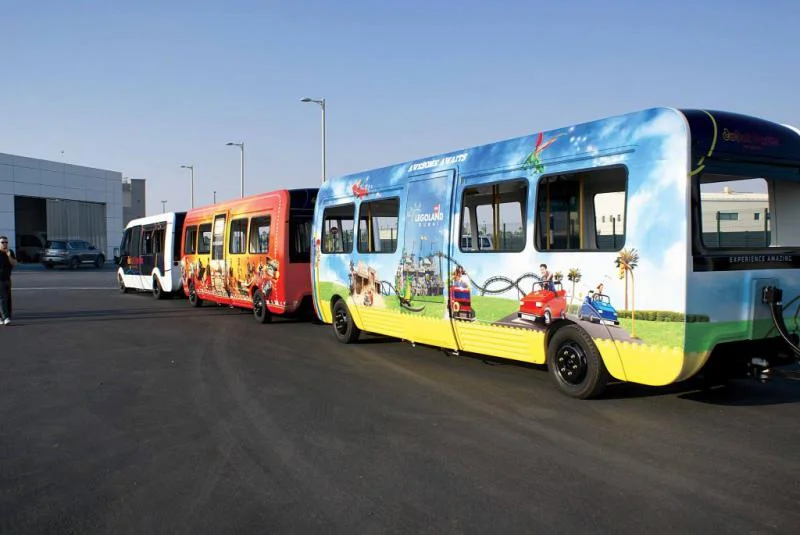
5. Vehicle Wraps: Companies use wide format printing to create eye-catching vehicle wraps that turn transportation into mobile advertising, broadening their reach.
6. Education: Schools and universities employ wide format printing for banners, informational posters, and event signage, fostering a vibrant educational environment.
7. Art and Photography: Artists and photographers use wide format printing to produce high-quality reproductions of their work, allowing for larger formats that showcase detail and color.
Product Variants and Subcategories
Wide format printing offers a range of variants to cater to different printing needs and applications.
Eco-Solvent Printers
These printers use eco-friendly inks that emit fewer volatile organic compounds. They are ideal for indoor signage and provide vibrant colors while minimizing environmental impact.
UV Printers
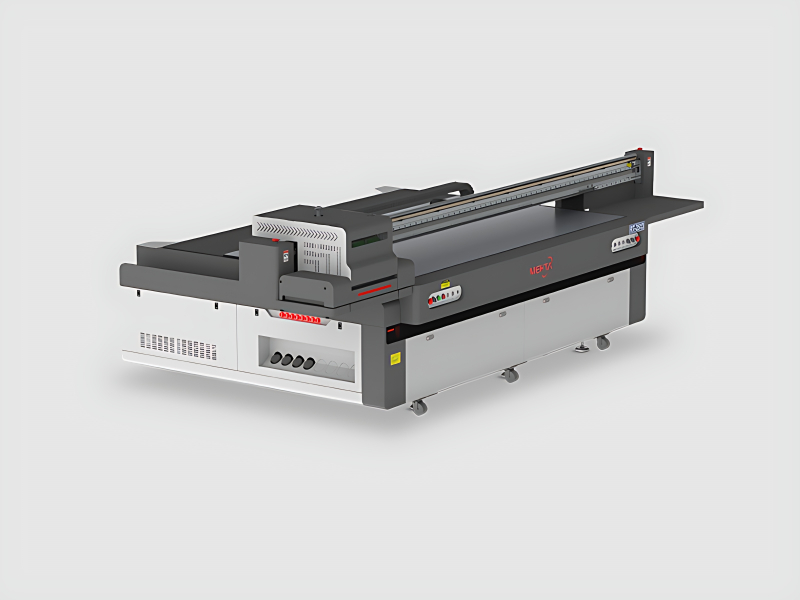
UV printers utilize ultraviolet light to cure inks as they are printed. This results in durable prints suitable for outdoor use on various materials, including rigid substrates.
Dye-Sublimation Printers
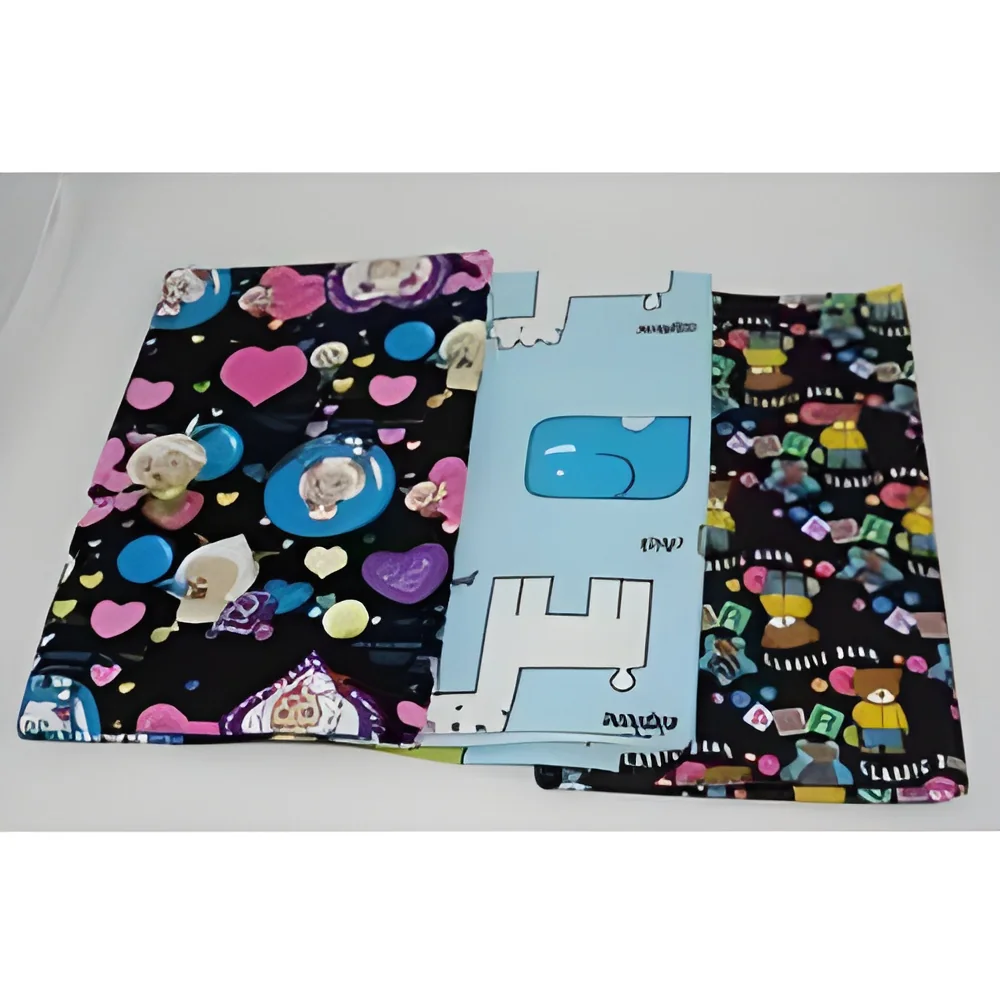
These printers use heat to transfer dye onto materials, making them perfect for textiles and soft signage. The results are vibrant images with excellent color depth.
Latex Printers
Latex printers use water-based inks that are safe for indoor environments. They are versatile for both indoor and outdoor applications and are known for their scratch-resistant prints.
Benefits and Advantages
Investing in wide format printing offers numerous advantages for businesses.
1. High-Quality Output: Wide format printers produce sharp, vibrant images, enhancing visual appeal and brand recognition.
2. Versatility: The ability to print on various materials allows businesses to meet diverse printing needs, from signage to textiles.
3. Cost-Effective Production: Producing large quantities of prints in-house reduces costs associated with outsourcing, improving overall profitability.
4. Quick Turnaround: In-house printing capabilities enable faster production times, allowing for quick responses to market demands.
5. Customization Options: Businesses can easily customize prints to align with branding and marketing strategies, providing a competitive edge.
6. Enhanced Visibility: Large-format prints are eye-catching and can effectively capture customer attention, leading to increased engagement.
Buying Guide for B2B Buyers
When sourcing wide format printing solutions, businesses should consider several critical factors to make informed decisions.
1. Quality Assessment: Evaluate the print quality by reviewing sample outputs and specifications to ensure it meets your standards.
2. Supplier Verification: Conduct thorough research on suppliers, checking their reputations, customer reviews, and certifications to ensure reliability.
3. Pricing and MOQ: Understand the cost structure, including pricing tiers and minimum order quantities, to align with your budget and needs.
4. Delivery and Lead Times: Discuss logistics with suppliers, including expected delivery timelines and any potential delays, to plan accordingly.
5. Compliance Requirements: Ensure that the printing solutions meet relevant industry standards and regulations, including safety and environmental considerations.
Compliance and Certifications
Wide format printing solutions must adhere to various compliance and certification standards to ensure quality and safety.
ISO 9001 is a prominent quality management standard that many manufacturers aim to achieve. This certification demonstrates a commitment to consistent quality in products and services.
CE marking is essential for products sold in the European market, indicating compliance with health, safety, and environmental protection standards.
While specific safety and testing requirements may vary, manufacturers typically focus on ensuring their products are safe for use in different environments, particularly for indoor applications.
Regional compliance considerations are also vital, as different countries may have specific regulations regarding environmental impact and safety standards. Buyers should ensure their suppliers are compliant with local laws to avoid potential legal issues.
Why Source Wide Format Printing from Pepagora?
Pepagora provides a trusted platform for sourcing wide format printing solutions, offering several key advantages for businesses looking to enhance their printing capabilities.
Verified Supplier Network: Pepagora connects buyers with verified suppliers, ensuring that all listed vendors meet stringent quality and reliability criteria. This reduces the risk associated with sourcing from unknown suppliers.
Streamlined RFQ Process: The platform features an easy-to-use request for quotation process, allowing businesses to quickly obtain quotes from multiple suppliers. This efficiency saves time and simplifies the decision-making process.
Trade Assurance and Support: Pepagora offers trade assurance, providing buyer protection against potential disputes. This support gives businesses peace of mind when making purchases.
Regional Coverage: With a strong presence in regions such as India, the GCC, and Southeast Asia, Pepagora facilitates access to a broad network of suppliers, making it easier to find the right wide format printing solutions tailored to specific regional needs.









Frequently Asked Questions
What are Wide Format Printing?
Wide Format Printing refers to the process of printing large graphics on various media types such as vinyl, paper, and fabric. It is commonly used for banners, posters, signage, and other large-scale visual displays.
What are the different types of Wide Format Printing?
The different types of Wide Format Printing include solvent printing, eco-solvent printing, UV printing, and dye-sublimation printing. Each type has its own unique characteristics and is suited for specific applications and materials.
How do I choose the right Wide Format Printing?
To choose the right Wide Format Printing, consider factors such as the intended use, material compatibility, and desired print quality. Additionally, evaluate the technology used by the printer and the expertise of the printing service providers.
What are the standard specifications for Wide Format Printing?
Standard specifications for Wide Format Printing typically include print resolution, color accuracy, and media compatibility. Common resolutions range from 720 dpi to 1440 dpi, depending on the printing technology and application.
What is the price range for Wide Format Printing?
The price range for Wide Format Printing can vary widely based on factors such as print size, materials used, and complexity of the design. Generally, prices can start from a few hundred rupees for small prints to several thousand rupees for large, custom jobs.
What quality standards apply to Wide Format Printing?
Quality standards for Wide Format Printing often include guidelines for color fidelity, durability, and print resolution. It is essential to source prints that meet industry standards to ensure longevity and visual appeal.
Where can I find Wide Format Printing suppliers in India?
You can find Wide Format Printing suppliers in India through online B2B marketplaces like Pepagora. These platforms connect you with manufacturers and service providers who specialize in wide format printing solutions.
Can Wide Format Printing be customized?
Yes, Wide Format Printing can be customized in terms of size, material, and design. Many suppliers offer tailored solutions to meet specific branding and marketing needs.
What is the typical minimum order quantity for Wide Format Printing?
The typical minimum order quantity (MOQ) for Wide Format Printing can vary by supplier, but it often ranges from 1 to 10 pieces for standard items. Larger orders may be required for custom or specialized prints.
What is the typical lead time for Wide Format Printing?
The typical lead time for Wide Format Printing can range from 3 to 10 business days depending on the complexity of the order, availability of materials, and the specific supplier's capabilities.
Why Businesses Trust Pepagora
Thousands of companies trust Pepagora to source smarter and sell faster
Expand Your Sales Globally

Source Smarter,Grow Faster
