What are Waterproof Printing?
Waterproof printing refers to the process of producing printed materials that resist moisture and water damage. This technology ensures that printed content remains intact and legible even when exposed to wet conditions. Waterproof printing is achieved through specialized inks and substrates that repel water, making it suitable for various applications where durability and longevity are essential.
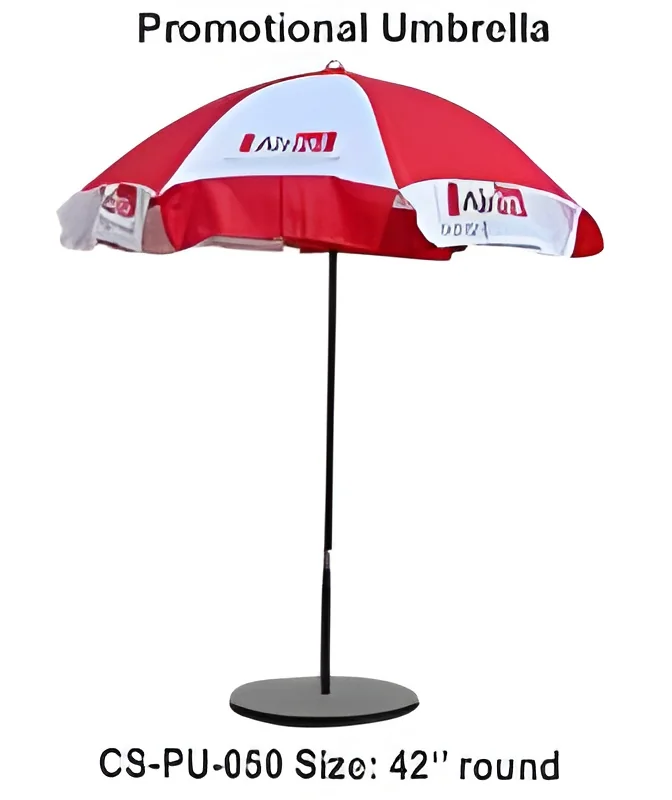
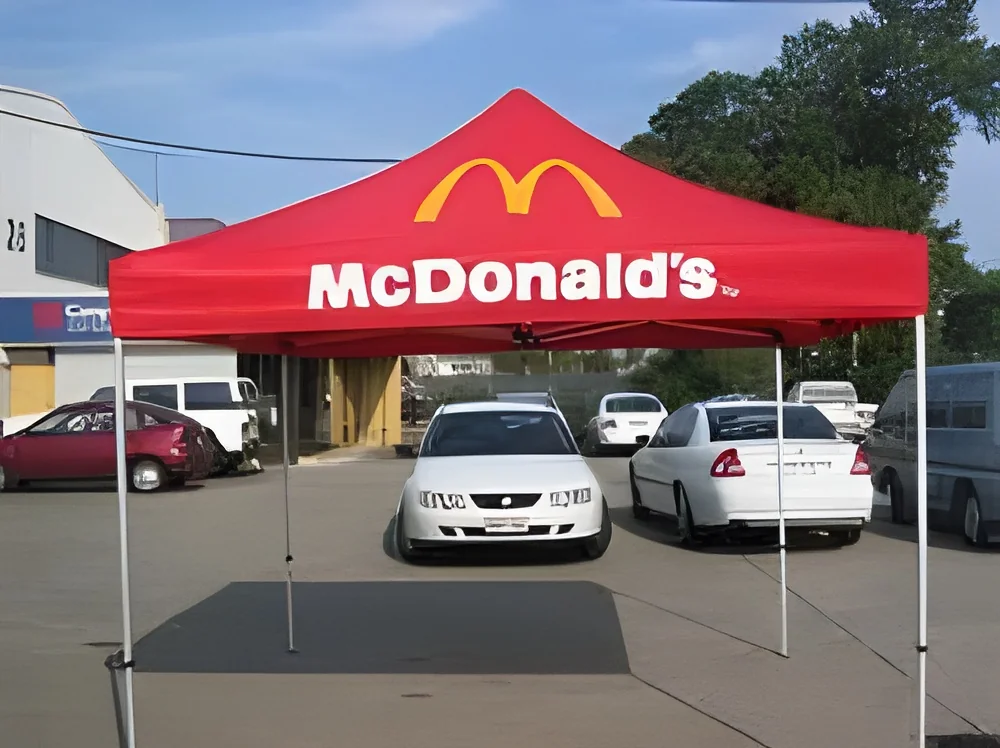
The primary uses of waterproof printing span several industries, including packaging, labeling, and outdoor signage. Businesses often require printed materials that can withstand environmental challenges without fading or degrading. Common applications include product labels for beverages, outdoor promotional banners, and maps designed for use in wet conditions. With the increasing demand for durable printed materials, waterproof printing has become a significant player in the printing industry.
In an era of heightened environmental awareness and sustainability, waterproof printing continues to evolve. Businesses are looking for solutions that not only meet durability requirements but also adhere to eco-friendly practices. This growth reflects the broader trends in the market, where quality and sustainability are paramount for both consumers and manufacturers.
Key Features and Specifications
Waterproof printing offers a range of features that enhance the quality and durability of printed materials. These features are critical for businesses that require reliable performance in challenging environments.
Key specifications include:
1. Ink Type
- Utilizes water-resistant inks that endure exposure to moisture
- Options available include eco-solvent, UV-cured, and latex inks
2. Substrate Material
- Available on a variety of waterproof substrates like vinyl, polyester, and polypropylene
- Each material offers different levels of durability and application suitability
3. Print Resolution
- Typically ranges from 300 to 1200 dpi for high-quality output
- High resolution ensures sharp and clear images and text
4. Durability Rating
- Rated for resistance to fading, scratching, and moisture
- Products may have longevity ratings of 3 to 5 years or more, depending on exposure conditions
5. Adhesion Properties
- Designed for strong adherence on various surfaces, ensuring longevity
- Important for labels that need to stick in outdoor or humid conditions
6. Colorfastness
- Ensures that colors remain vibrant and do not wash out over time
- Tested against industry standards for color stability
7. Compliance with Standards
- May include compliance with industry-specific regulations for safety and quality
- Certifications like CE may apply to specific applications
8. Customization Options
- Availability of custom sizes and designs to meet specific business needs
- Options for variable data printing for personalized applications
The combination of these specifications ensures that waterproof printing meets the rigorous demands of various industries while providing long-lasting and visually appealing results.
Common Applications and Use Cases
Waterproof printing serves multiple industries, each with its unique requirements for durability and moisture resistance.
1. Food and Beverage Industry: Labels for bottles and packaging that require moisture resistance to maintain product integrity and visibility.
2. Outdoor Advertising: Banners and signage designed for outdoor use, ensuring they withstand rain and humidity without damage.
3. Map and Guide Printing: Maps that are frequently used in outdoor activities, maintaining clarity and usability even in wet conditions.
4. Construction and Manufacturing: Labels for equipment and tools that may be exposed to water, ensuring essential information remains legible.
5. Marine Industry: Printed materials for boats and maritime applications that require resistance to saltwater and sun exposure.
6. Health and Safety: Instructional materials or safety signs that need to remain clear and functional in potentially wet or hazardous environments.
7. Retail and Packaging: Durable packaging solutions that protect the product and maintain aesthetic appeal under varied conditions.
Product Variants and Subcategories
Waterproof printing offers a diverse range of variants to cater to different business needs and applications.
Vinyl Waterproof Printing
Vinyl waterproof printing is commonly used for outdoor signage and banners. This variant is known for its durability and resistance to fading, making it ideal for long-term outdoor displays. Vinyl prints can withstand various weather conditions while maintaining vibrant colors.
Polyester Waterproof Printing
Polyester waterproof printing provides excellent flexibility and moisture resistance. This variant is often used for labels that require high durability, such as those applied to products in humid environments. Polyester prints are also resistant to tearing and stretching.
Waterproof Paper Printing
Waterproof paper printing combines the feel of traditional paper with water-resistant properties. It is often used for packaging and promotional materials that may come into contact with moisture. This variant allows for high-quality printing while ensuring longevity.
Benefits and Advantages
Waterproof printing offers numerous benefits that enhance its appeal for businesses across various sectors.
1. Enhanced Durability: Waterproof prints resist moisture and damage, ensuring that materials last longer and remain functional in challenging environments.
2. Cost-Effectiveness: By reducing the need for reprints due to damage from water or humidity, businesses can save money over time.
3. Versatile Applications: Waterproof printing can be used in various industries, making it a flexible solution for diverse needs.
4. High-Quality Output: Advanced printing technology ensures sharp images and vibrant colors, improving the overall quality of printed materials.
5. Eco-Friendly Options: Many waterproof printing solutions use environmentally friendly inks and substrates, aligning with sustainability goals.
6. Customization Flexibility: Businesses can tailor prints to meet specific requirements, including size, design, and material selection.
Buying Guide for B2B Buyers
When sourcing waterproof printing, several factors should be considered to ensure the best selection for business needs.
1. Quality Assessment: Evaluate the quality of the printing process and materials. Look for samples and case studies to ensure the product meets your standards.
2. Supplier Verification: Research potential suppliers thoroughly. Check their reputation, customer reviews, and certifications to ensure they provide reliable products.
3. Pricing and MOQ: Understand the pricing structure and minimum order quantities (MOQ) from suppliers. Compare costs to find a balance between quality and affordability.
4. Delivery and Lead Times: Discuss logistics with suppliers to understand delivery timelines. Ensure that lead times align with your project schedules.
5. Compliance Requirements: Confirm that the waterproof printing meets any regulatory standards your industry may require. This includes safety certifications and environmental compliance.
Compliance and Certifications
Compliance and certifications are critical aspects of waterproof printing, ensuring products meet industry standards and regulations.
Relevant quality standards such as ISO 9001 ensure that manufacturers maintain consistent quality in their processes. This standard helps businesses guarantee that their products are reliable and meet customer expectations.
Industry certifications, including CE marking, indicate that products comply with European health, safety, and environmental protection standards. This certification is crucial for businesses operating in or exporting to European markets.
Safety and testing requirements must be met to ensure that waterproof printed materials do not pose any hazards to users. This includes testing for chemical resistance and durability under various conditions.
Regional compliance considerations may vary based on local regulations. Businesses must be aware of these differences to ensure they comply with all necessary laws and standards in their operational regions.
Why Source Waterproof Printing from Pepagora?
Pepagora provides a trusted platform for sourcing waterproof printing, offering several key advantages for B2B buyers.
Verified Supplier Network: Pepagora features a comprehensive network of verified suppliers, ensuring that businesses connect with reputable manufacturers. This verification process helps mitigate risks associated with sourcing.
Streamlined RFQ Process: The request for quotation (RFQ) system simplifies the procurement process. Buyers can easily request quotes from multiple suppliers, ensuring competitive pricing and options that meet their needs.
Trade Assurance and Support: Pepagora offers trade assurance to protect buyers throughout the procurement process. This support includes assistance with disputes and quality issues, providing peace of mind.
Regional Coverage: Pepagora's geographic reach includes India, the GCC, and Southeast Asia, allowing businesses to access a wide range of suppliers and products tailored to their specific markets. This regional focus ensures that buyers receive relevant solutions and personalized support.

 IN
IN