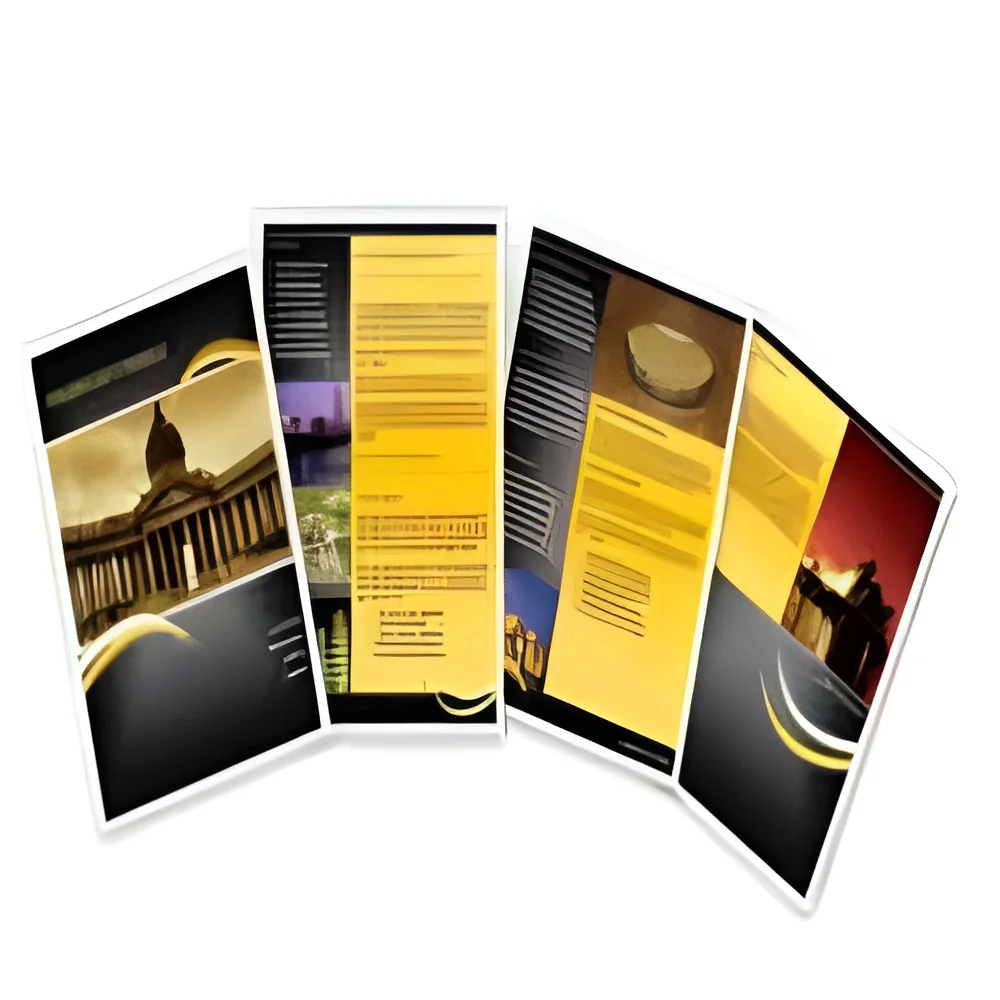
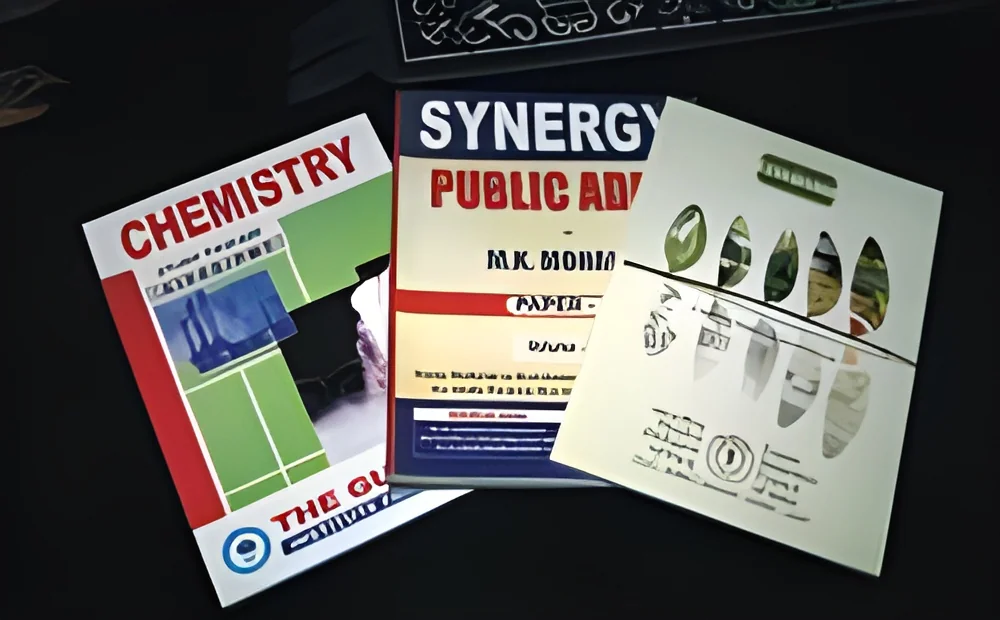
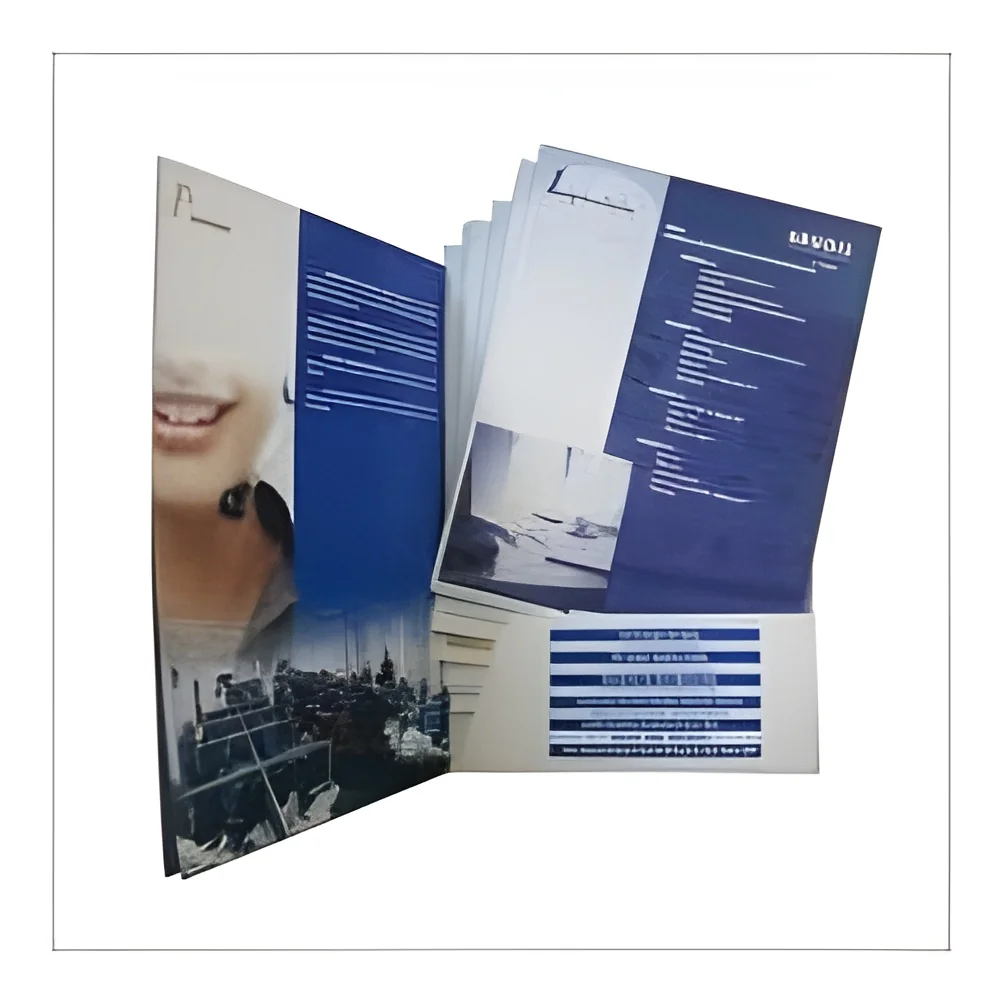
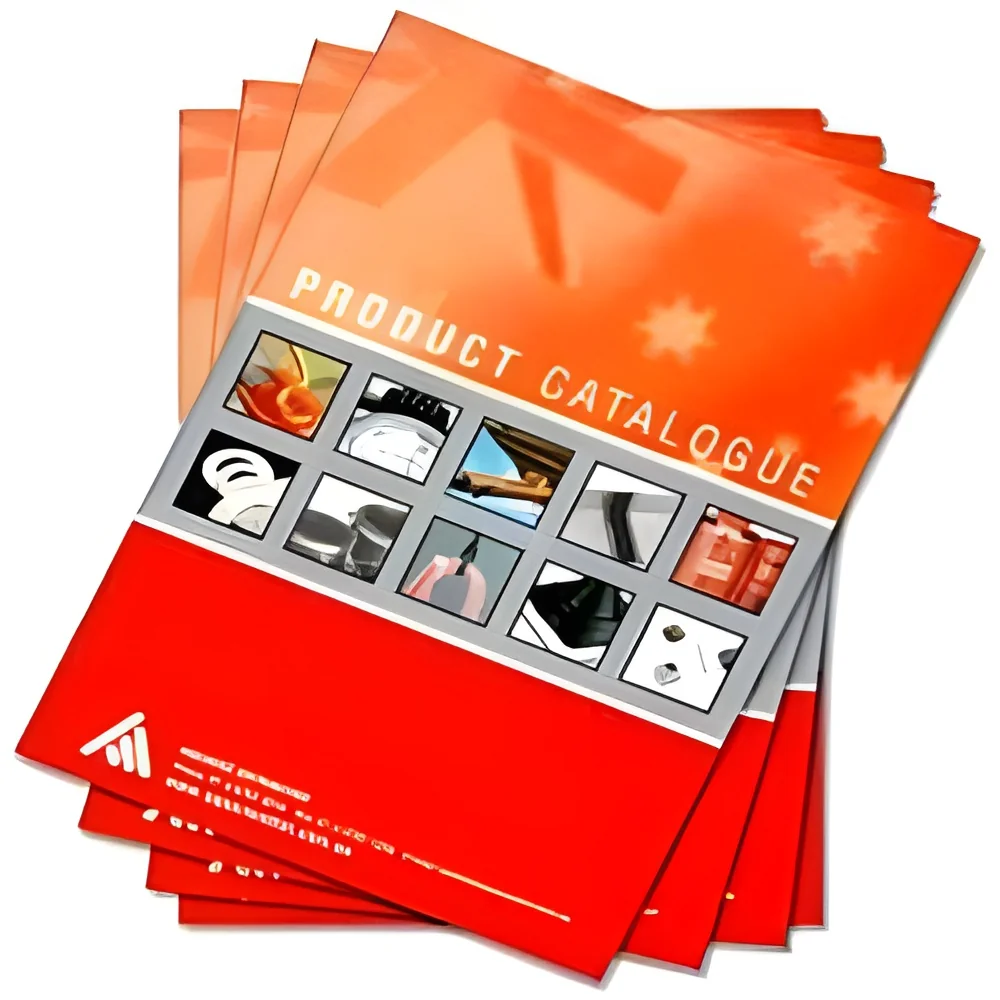
What are Catalogue & Booklet Printing?
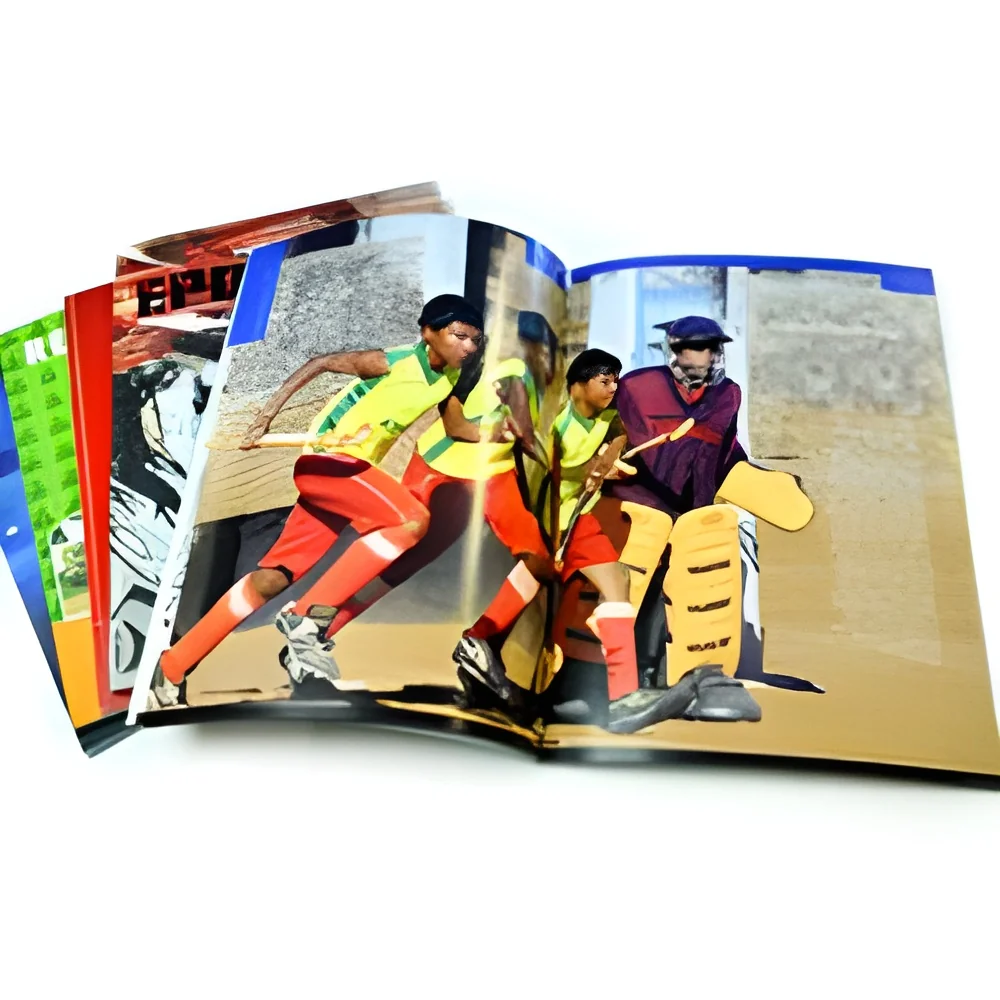
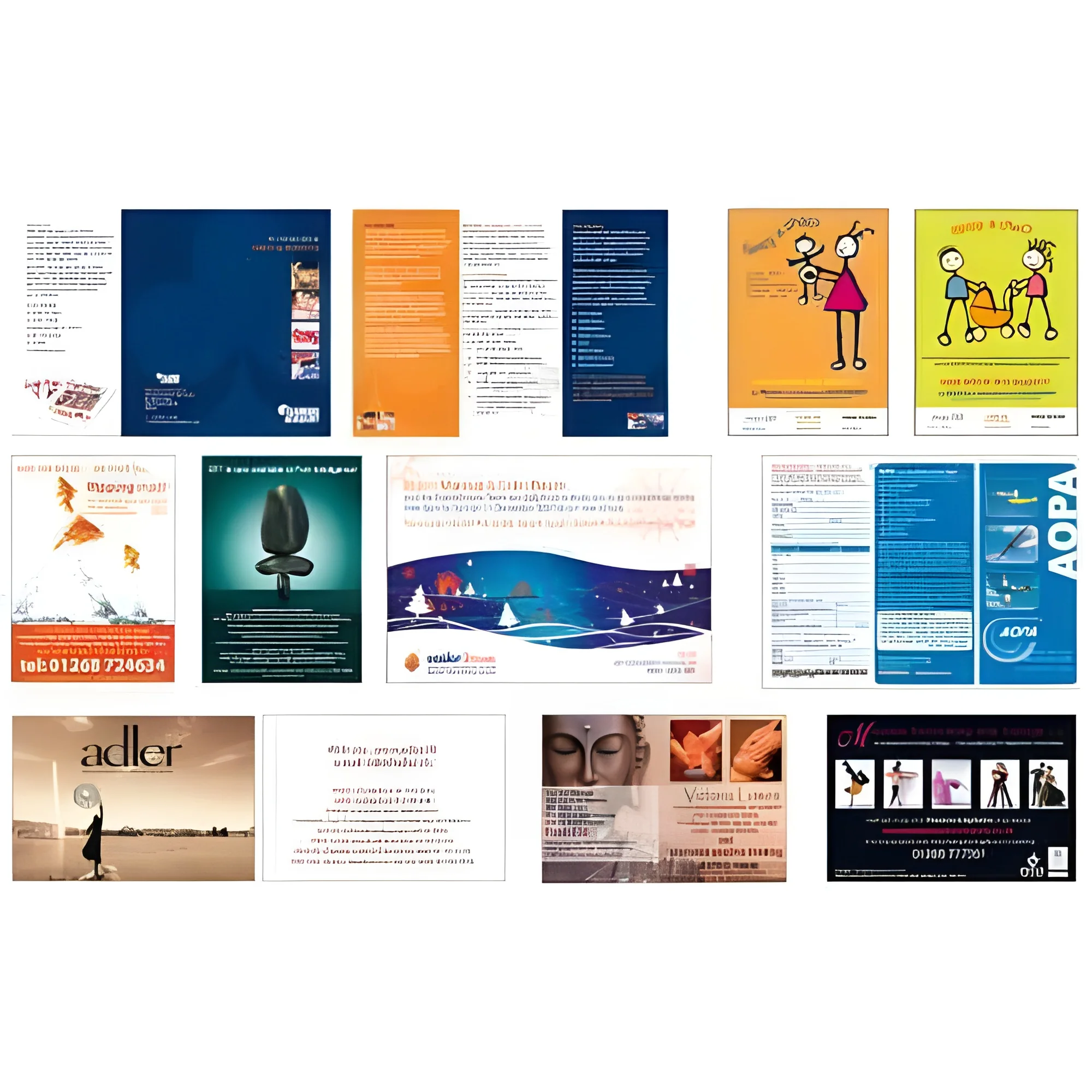
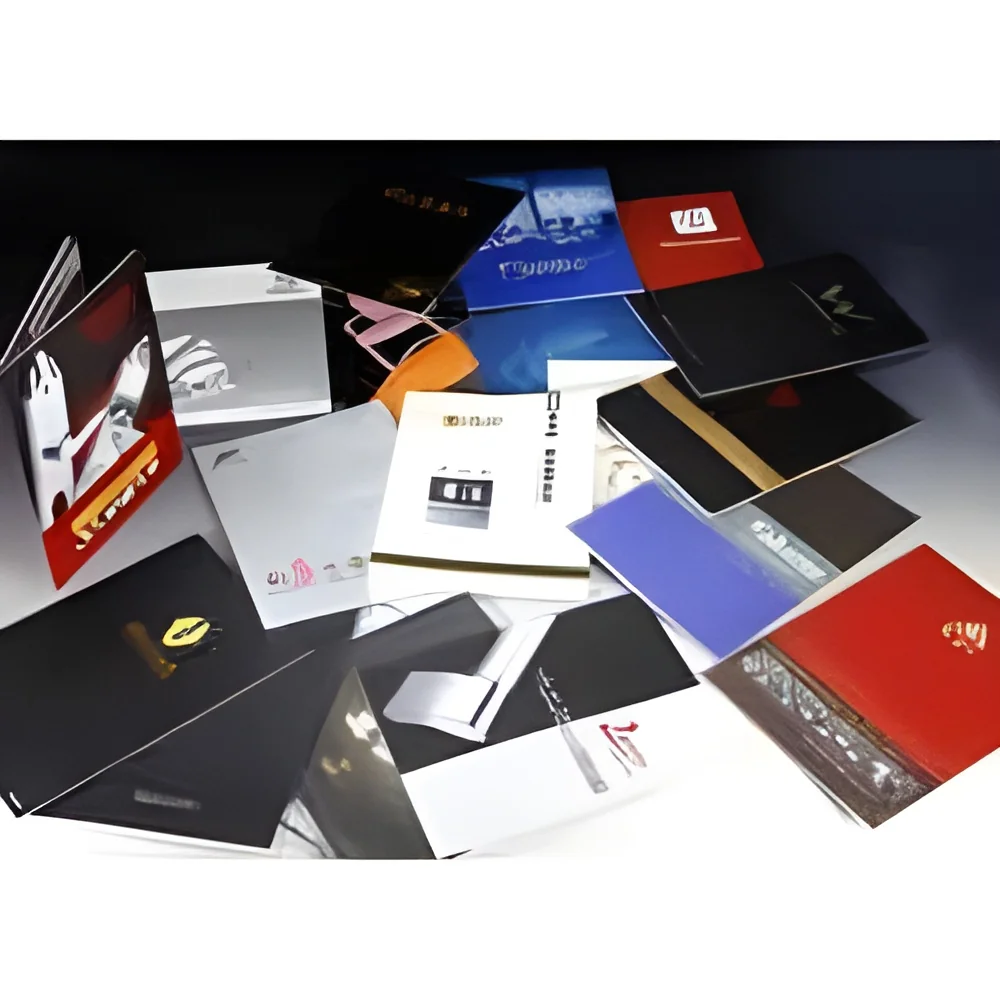
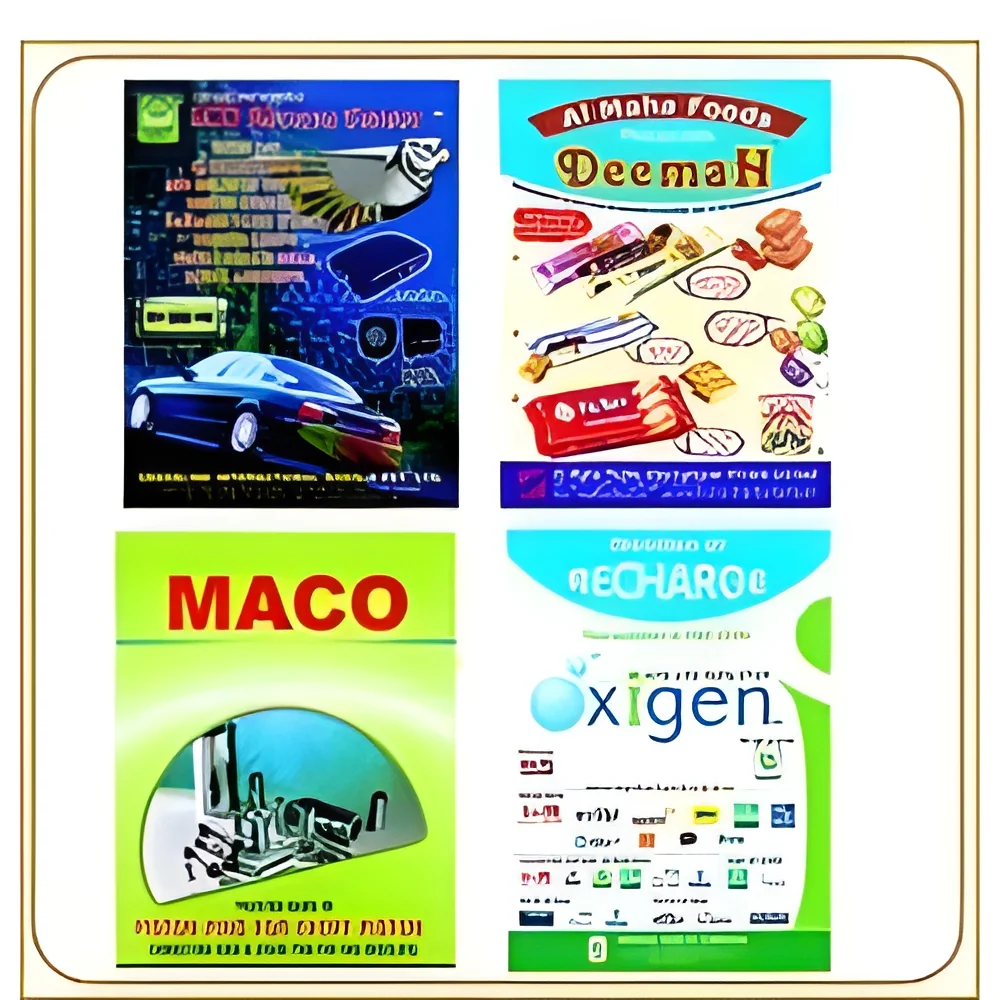
Catalogue and booklet printing refers to the production of printed materials that serve to showcase products, services, or information in a visually appealing format. These printed items can range from simple brochures to comprehensive catalogues featuring extensive product lines. The printing process involves various techniques, including digital, offset, and large-format printing, to meet the diverse needs of businesses. High-quality paper, vibrant inks, and binding options also play a crucial role in the final presentation.
These printed materials are primarily used for marketing and promotional purposes. They help businesses communicate with potential customers by providing detailed information about their offerings. Catalogues and booklets can be distributed at trade shows, mailed directly to prospective clients, or made available at retail locations. They are essential tools for industries such as retail, hospitality, and manufacturing, where presenting a professional image is vital for attracting customers. The demand for catalogue and booklet printing continues to grow as businesses seek innovative ways to engage their audience.
Key Features and Specifications
Catalogue and booklet printing encompasses a range of specifications that cater to different business needs. Understanding these features is crucial for selecting the right printing service.
Key specifications include:
1. Paper Quality
- Various paper weights and finishes are available, including glossy, matte, and uncoated options.
- Common weights range from 80gsm to 300gsm.
2. Printing Techniques
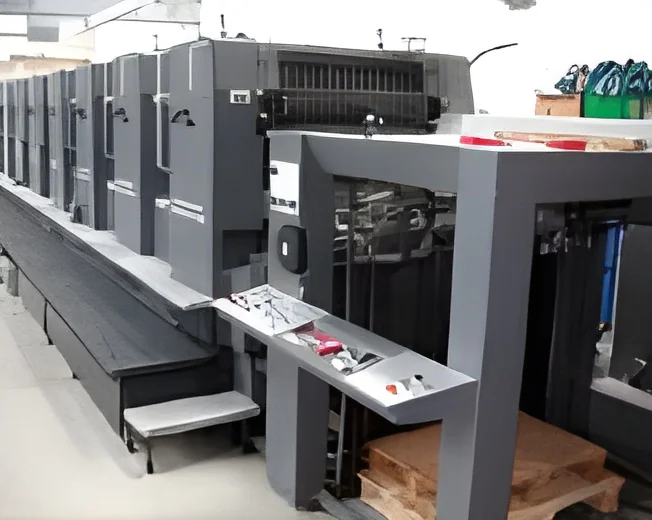
- Options include digital printing, offset printing, and large format printing.
- Each technique offers unique benefits in terms of cost, quality, and turnaround time.
3. Binding Options
- Choices include saddle stitching, spiral binding, and perfect binding.
- Binding type affects the durability and presentation of the finished product.
4. Custom Sizes
- Catalogues and booklets can be printed in various standard sizes or custom dimensions.
- Common sizes include A4, A5, and square formats.
5. Color Options
- Full-color printing is standard, while black and white options are also available for cost-effective solutions.
- CMYK and Pantone color matching can be utilized for brand consistency.
6. Finishing Touches
- Additional options may include lamination, embossing, or foil stamping for enhanced durability and aesthetics.
- These finishing techniques can elevate the professional appearance of printed materials.
7. Minimum Order Quantity (MOQ)
- MOQs can vary by supplier and printing method.
- It is essential to check with suppliers for specific requirements.
8. Turnaround Time
- Production times can range significantly based on the complexity and quantity ordered.
- Quick turnaround options are often available for urgent needs.
These specifications guide buyers in selecting the most suitable catalogue and booklet printing services for their business requirements.
Common Applications and Use Cases
Catalogue and booklet printing serves a variety of industries, each with unique needs and applications.
1. Retail: Retail businesses use catalogues to showcase their product offerings, allowing customers to browse items conveniently and make informed purchasing decisions.
2. Hospitality: Hotels and restaurants utilize booklets to present menus, services, and amenities, enhancing customer experience and engagement.
3. Manufacturing: Manufacturers rely on catalogues to provide detailed product specifications and options to distributors and end-users, facilitating better sales processes.
4. Education: Educational institutions often produce booklets to inform prospective students about courses, admissions, and campus life, helping to attract enrollments.
5. Real Estate: Real estate agencies use brochures and booklets to market properties, providing potential buyers with essential information and visual appeal.
6. Healthcare: Hospitals and clinics create informational booklets to educate patients about services and wellness programs, enhancing patient relations.
7. Non-Profit Organizations: Non-profits utilize catalogues to highlight programs and achievements, helping in fundraising efforts and community engagement.
Product Variants and Subcategories
Catalogue and booklet printing offers a diverse range of products to cater to different marketing needs.
Standard Catalogue
This variant typically features a multi-page design with a focus on product listings and descriptions. It is ideal for businesses with extensive inventories.
Promotional Booklet
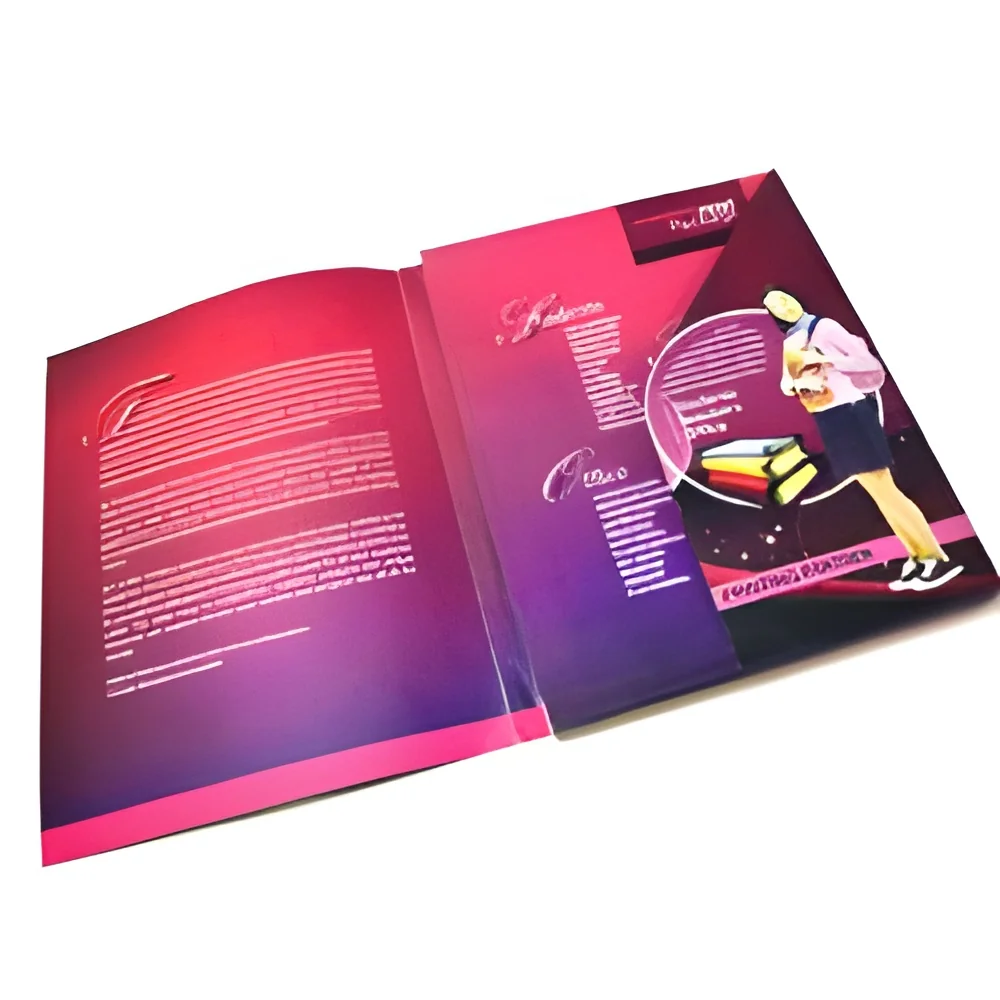
Promotional booklets are designed for marketing campaigns and often include special offers and advertisements. They are effective tools for engaging customers.
Portfolio Booklet
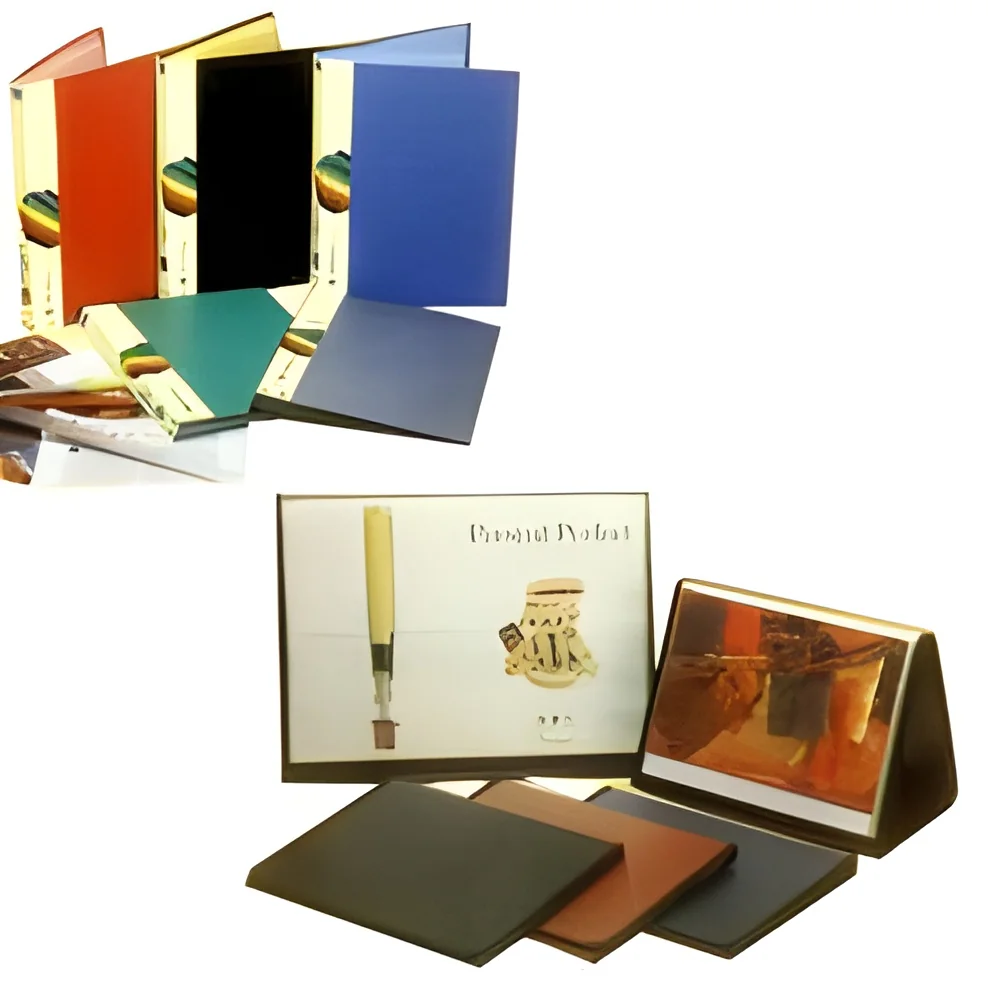
Used primarily by professionals such as photographers and designers, portfolio booklets showcase work in a compact format, helping to attract clients.
Product Brochure
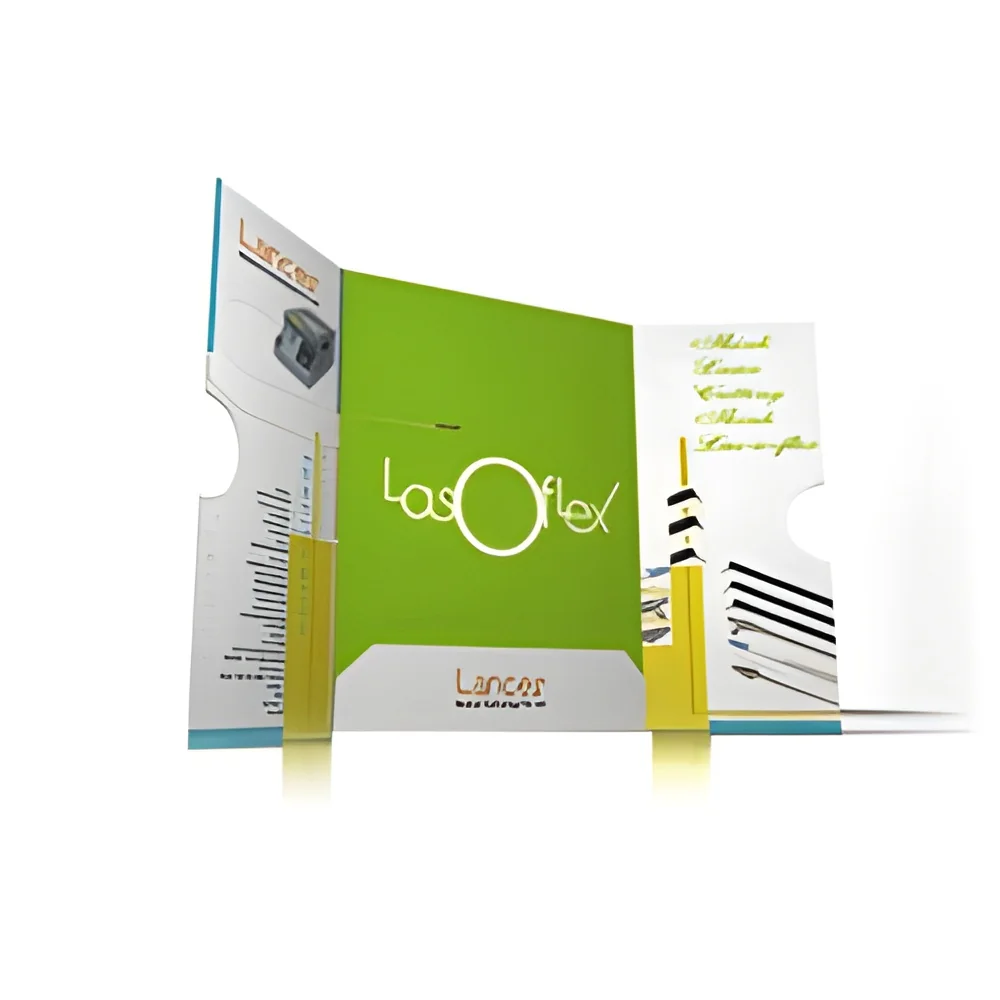
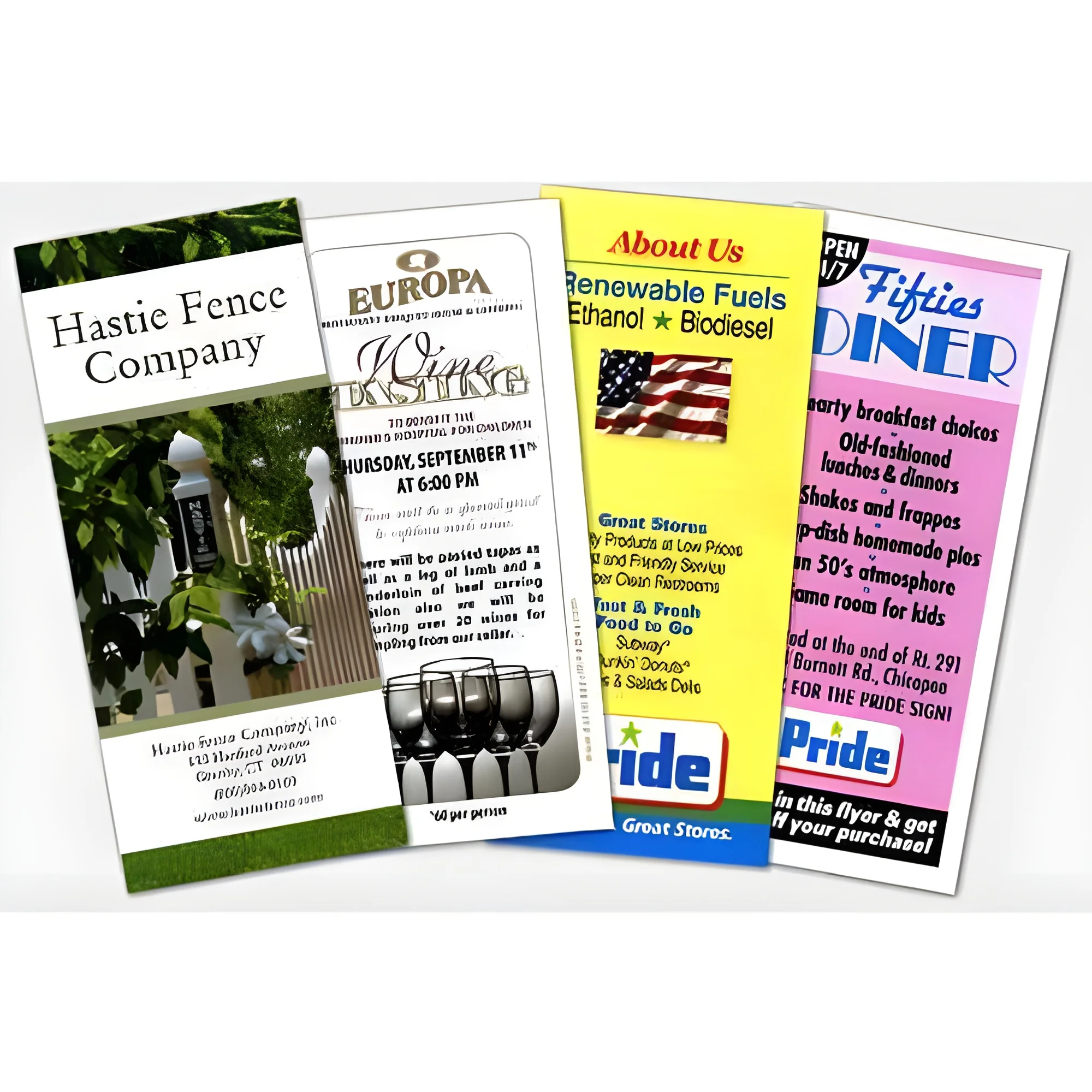
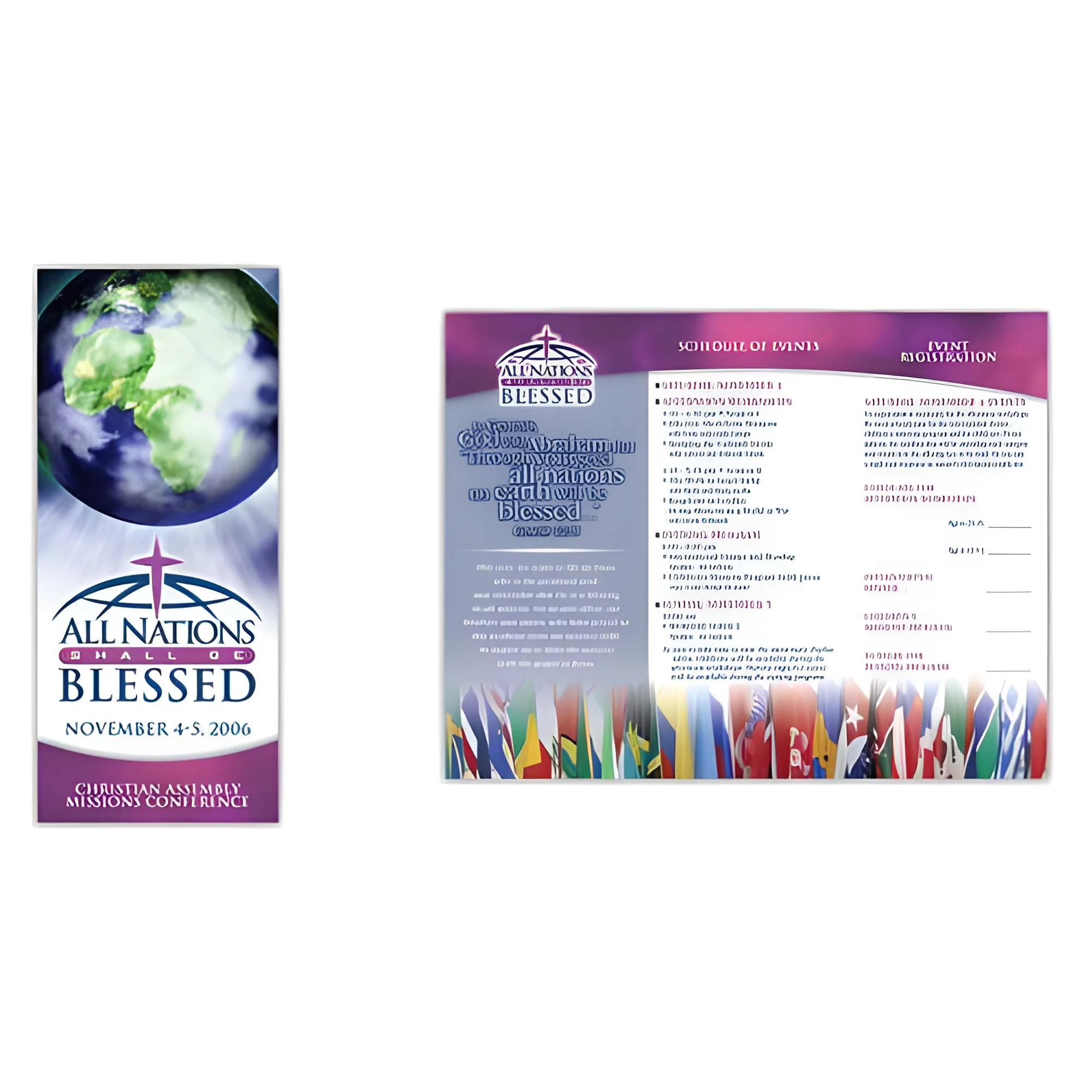
A product brochure is a single or multi-page document that highlights specific products or services. It is often used for targeted marketing efforts.
Benefits and Advantages
Investing in catalogue and booklet printing offers numerous advantages for businesses.
Key benefits include:
1. Enhanced Branding: High-quality printed materials reinforce brand identity and values, making a lasting impression on potential customers.
2. Increased Sales: Well-designed catalogues and booklets can drive sales by providing customers with detailed information and visual appeal, leading to informed purchase decisions.
3. Targeted Marketing: Customizable options allow businesses to tailor content to specific audiences, improving engagement and response rates.
4. Tangible Connection: Printed materials create a physical connection with customers, often leading to a more memorable experience compared to digital formats.
5. Versatile Distribution: Catalogues and booklets can be distributed through various channels, including direct mail, events, and retail locations, maximizing reach.
6. Long Shelf Life: Unlike digital content, printed materials can be kept and referenced over time, extending their value and effectiveness.
Buying Guide for B2B Buyers
When sourcing catalogue and booklet printing, it is essential to consider several key factors to ensure the best results.
1. Quality Assessment: Evaluate print quality by requesting samples from potential suppliers. Check for color accuracy, paper quality, and finishing details to ensure they meet your standards.
2. Supplier Verification: Research potential suppliers to confirm their reliability and expertise in catalogue and booklet printing. Look for customer reviews and industry certifications.
3. Pricing and MOQ: Compare pricing structures among suppliers and inquire about minimum order quantities. Understanding these factors will help you budget effectively.
4. Delivery and Lead Times: Discuss delivery options and lead times with suppliers to ensure that your printed materials arrive when needed for your marketing efforts.
5. Compliance Requirements: Be aware of any industry-specific regulations that may apply to your printed materials to avoid compliance issues and ensure quality.
Compliance and Certifications
Compliance and certifications play a crucial role in the quality and safety of catalogue and booklet printing.
ISO 9001 is a widely recognized quality management standard that ensures consistent quality in products and services. Adhering to this standard helps printing companies maintain high operational standards.
CE certification indicates that products meet European safety and health requirements. This certification is particularly relevant for businesses looking to operate within the European market.
Safety and testing requirements may vary based on the materials used in printing. It is essential to ensure that inks and papers meet safety standards to protect consumers and the environment.
Regional compliance considerations should be taken into account, especially for businesses operating in multiple countries. Understanding local regulations can help prevent legal issues and ensure smooth operations.
Why Source Catalogue & Booklet Printing from Pepagora?
Pepagora is a trusted platform for sourcing catalogue and booklet printing, offering several key advantages to B2B buyers.
Verified Supplier Network: Pepagora connects businesses with a network of verified suppliers. Each supplier undergoes a thorough vetting process, ensuring reliability and quality in printing services.
Streamlined RFQ Process: The platform simplifies the request for quotation (RFQ) process, allowing buyers to easily compare quotes from multiple suppliers. This enhances decision-making and ensures competitive pricing.
Trade Assurance and Support: Pepagora provides buyer protection through its trade assurance program, ensuring that clients receive the quality and service promised by suppliers. Support is available to address any concerns throughout the purchasing process.
Regional Coverage: With a focus on India, the GCC, and Southeast Asia, Pepagora offers extensive regional coverage, making it easier for businesses to find suppliers that can meet their specific geographic needs.
By choosing Pepagora, businesses can confidently source high-quality catalogue and booklet printing solutions tailored to their marketing requirements.

 IN
IN