What are Barcode & QR Code Printing?
Barcode and QR code printing refers to the process of producing machine-readable codes that store information in a visual format. These codes can be scanned and interpreted by devices such as barcode scanners or smartphones. Barcodes typically consist of parallel lines of varying widths, while QR codes are square patterns made up of smaller squares. Both types of codes are essential for modern data management and inventory control.
Businesses leverage barcode and QR code printing for various applications, including inventory tracking, product identification, and customer engagement. Retailers use these codes for pricing and managing stock, while manufacturers employ them to streamline production processes. QR codes, in particular, are increasingly utilized for marketing purposes, allowing consumers to access information or promotions quickly via their mobile devices.
The relevance of barcode and QR code printing spans numerous industries, including retail, manufacturing, logistics, and healthcare. As businesses seek to enhance operational efficiency and improve customer experiences, the demand for reliable printing solutions continues to grow. Understanding the market context helps businesses make informed decisions when selecting printing technologies.
Key Features and Specifications
Barcode and QR code printing technologies offer several key features that enhance their effectiveness and usability. These features are crucial for businesses looking to implement efficient coding solutions.
Key specifications include:
1. Print Resolution
- Detail about this specification: The clarity of the printed code, which impacts scan accuracy.
- Technical parameters or ranges: Typically measured in dots per inch (DPI), common resolutions range from 203 DPI to 600 DPI.
2. Code Types Supported
- Detail about this specification: The variety of barcode and QR code formats that can be printed.
- Technical parameters or ranges: Includes popular formats such as Code 128, UPC, EAN, and various QR code versions.
3. Print Speed
- Detail about this specification: The speed at which the printer can produce codes.
- Technical parameters or ranges: Usually measured in inches per second (IPS), with speeds ranging from 2 IPS to 12 IPS.
4. Connectivity Options
- Detail about this specification: The methods by which the printer can connect to other devices.
- Technical parameters or ranges: Common options include USB, Ethernet, Bluetooth, and Wi-Fi.
5. Media Compatibility
- Detail about this specification: The types of materials that can be used for printing.
- Technical parameters or ranges: Compatibility with labels, tags, and receipts in various sizes and materials.
6. Durability
- Detail about this specification: The ability of printed codes to withstand environmental conditions.
- Technical parameters or ranges: Resistance to moisture, temperature extremes, and abrasion depending on the printing technology used.
7. User Interface
- Detail about this specification: The ease of use of the printer's control panel and software.
- Technical parameters or ranges: Intuitive touchscreens versus traditional button interfaces.
8. Software Compatibility
- Detail about this specification: The ability to integrate with existing systems for seamless operations.
- Technical parameters or ranges: Compatibility with popular inventory management and POS systems.
In summary, understanding these features and specifications is crucial for businesses when selecting the right barcode and QR code printing solution to meet their operational needs.
Common Applications and Use Cases
Barcode and QR code printing serves a wide range of industries, each benefiting from the unique capabilities of these coding solutions.
1. Retail: In retail environments, barcodes are used for price tagging, inventory management, and point-of-sale transactions. QR codes help customers access product information and promotions.
2. Manufacturing: Manufacturers utilize barcodes to track parts and components throughout the production process, ensuring efficient assembly and quality control.
3. Logistics: In logistics, barcodes are essential for tracking shipments and managing inventory in warehouses. They facilitate quick scanning and real-time data access.
4. Healthcare: Hospitals and clinics use barcodes for patient identification, medication administration, and tracking medical equipment to enhance safety and efficiency.
5. Food and Beverage: The food industry employs barcodes for traceability and compliance with safety regulations, ensuring that products are properly labeled and monitored.
6. Pharmaceuticals: In the pharmaceutical sector, barcodes help manage inventory and prevent errors in medication dispensation, supporting patient safety.
7. E-commerce: Online retailers leverage QR codes in packaging to provide customers with easy access to product information and promotional offers.
Product Variants and Subcategories
The diversity of barcode and QR code printing solutions allows businesses to choose variants that best fit their needs.
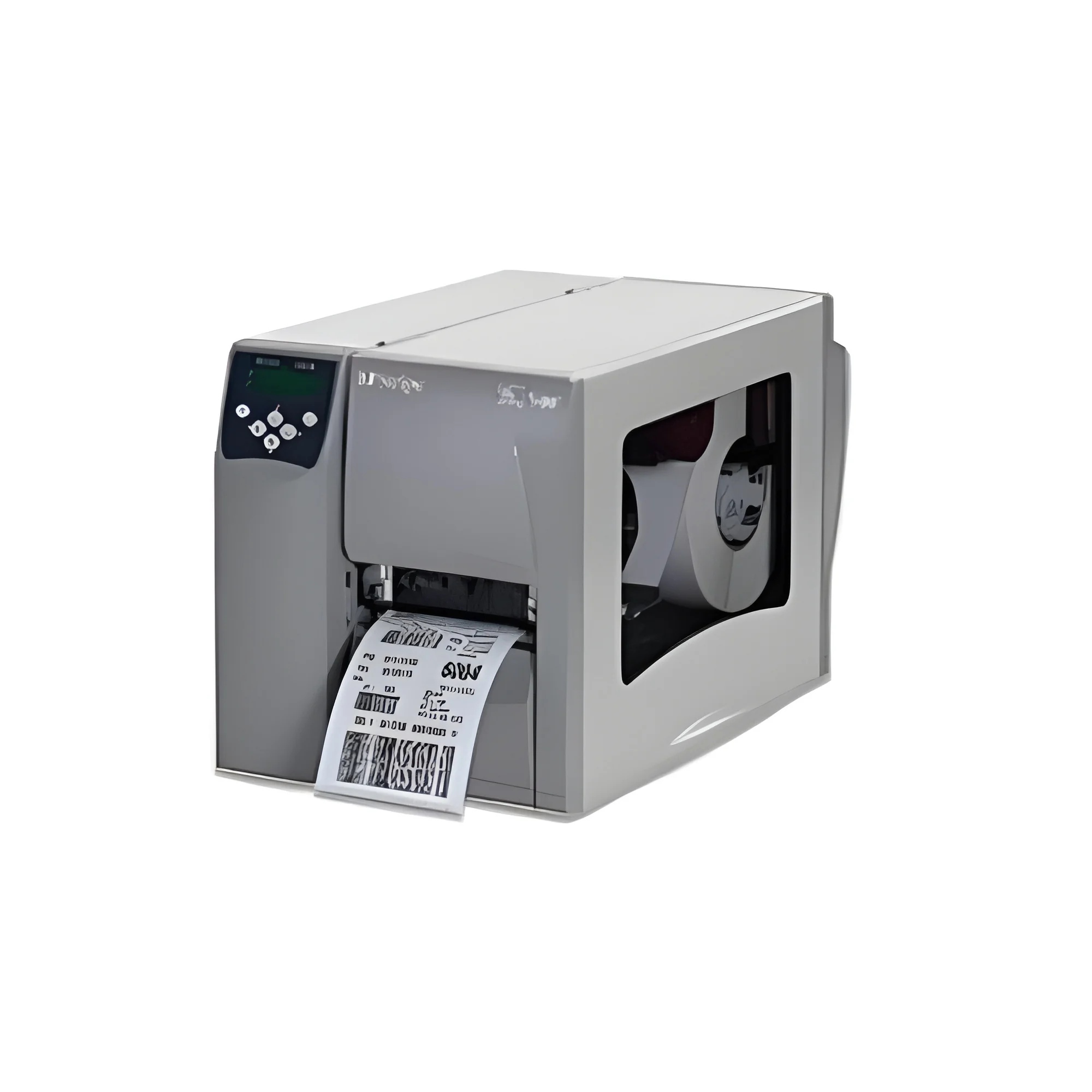
Thermal Transfer Printers: These printers use a heated ribbon to transfer ink onto labels. They offer high-quality prints and are ideal for durable label production.
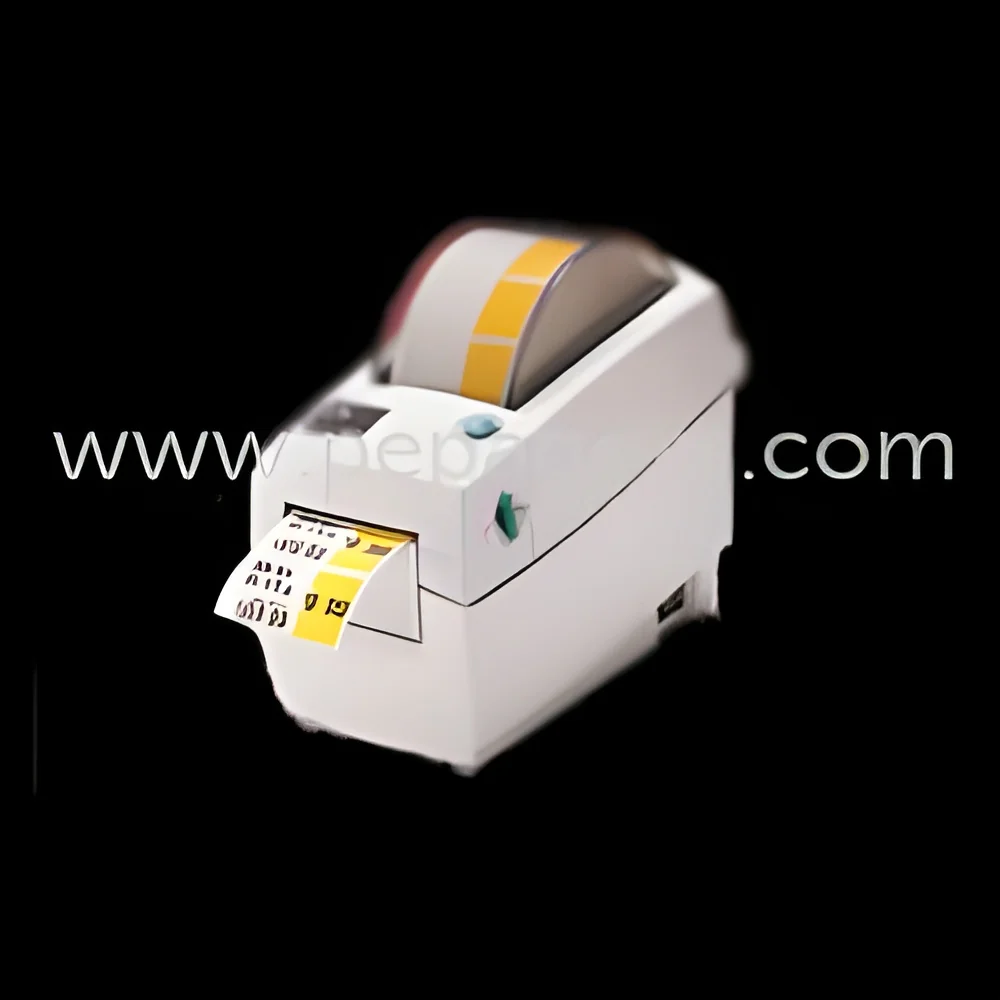
Direct Thermal Printers: These printers do not require ribbons, utilizing heat-sensitive paper instead. They are suitable for short-term labeling needs such as shipping labels.
Industrial Printers: Designed for high-volume printing, industrial printers are robust and suitable for harsh environments, making them ideal for manufacturing and logistics applications.
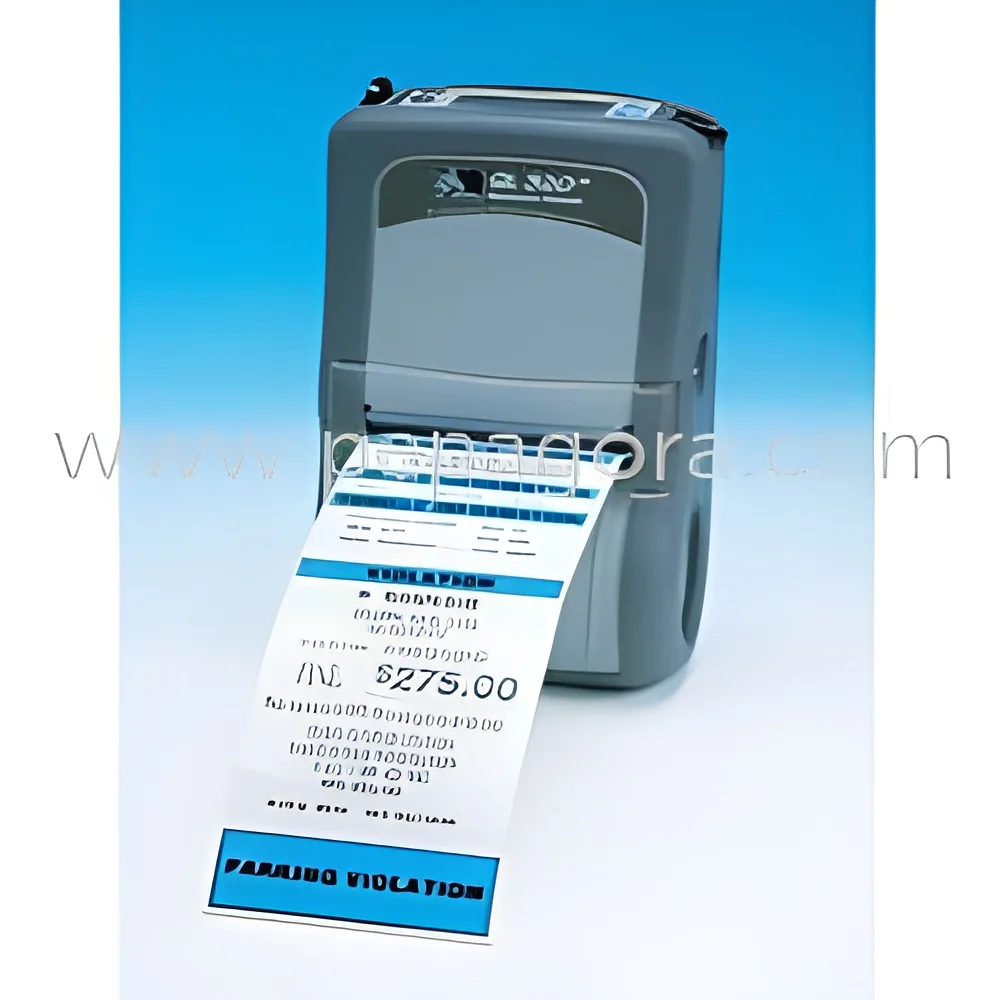
Mobile Printers: Compact and portable, mobile printers are designed for on-the-go printing needs, perfect for field operations and retail environments.
Benefits and Advantages
Investing in barcode and QR code printing provides several key advantages for businesses.
1. Increased Efficiency: Automated scanning of codes speeds up processes such as inventory management and checkout, reducing wait times and improving productivity.
2. Enhanced Accuracy: Barcode and QR code scanning minimizes human error in data entry, ensuring accurate tracking and record-keeping.
3. Cost Savings: Efficient inventory management through coding solutions reduces waste and helps businesses optimize stock levels, leading to cost savings.
4. Improved Customer Experience: QR codes provide customers with quick access to information and promotions, enhancing their overall shopping experience.
5. Better Data Management: Barcode systems allow for real-time data collection and analysis, helping businesses make informed decisions based on accurate information.
6. Compliance Support: Barcode and QR code printing helps meet regulatory requirements in industries such as healthcare and food, ensuring compliance with safety standards.
Buying Guide for B2B Buyers
When sourcing barcode and QR code printing solutions, several factors should be considered to ensure the best fit for your business needs.
1. Quality Assessment: Evaluate the print quality, including resolution and durability of the printed codes. High-quality prints ensure better scan accuracy and longevity.
2. Supplier Verification: Research potential suppliers to verify their reputation and reliability. Look for customer reviews and industry certifications to ensure quality.
3. Pricing and MOQ: Understand the pricing structure and minimum order quantities (MOQs) associated with different products. Compare costs to find the best value for your budget.
4. Delivery and Lead Times: Inquire about the delivery schedules and lead times for products. Ensure that suppliers can meet your timelines to avoid disruptions in operations.
5. Compliance Requirements: Familiarize yourself with relevant compliance standards and regulations in your industry. Ensure the products you choose meet these requirements.
Compliance and Certifications
Barcode and QR code printing solutions must adhere to several relevant quality standards and certifications to ensure safety and performance.
ISO 9001 is a widely recognized quality management standard that sets criteria for an organization's quality assurance processes. Adhering to this standard demonstrates a commitment to quality and continuous improvement.
HACCP (Hazard Analysis and Critical Control Points) is crucial in food safety management. Barcode and QR code systems help trace food products throughout the supply chain, ensuring compliance with HACCP protocols.
CE certification indicates that products meet safety, health, and environmental protection standards within the European Economic Area. This certification is essential for businesses exporting products to European markets.
It is also important to consider local compliance requirements, which may vary by region. Businesses should ensure that their barcode and QR code printing solutions meet all necessary regulations to operate effectively in their markets.
Why Source Barcode & QR Code Printing from Pepagora?
Pepagora is a trusted platform for sourcing barcode and QR code printing solutions, providing several key advantages for B2B buyers.
Verified Supplier Network: Pepagora maintains a network of verified suppliers, ensuring that businesses have access to high-quality products from reputable manufacturers. This verification process minimizes risks associated with sourcing.
Streamlined RFQ Process: The Request for Quotation (RFQ) system at Pepagora simplifies the procurement process. Buyers can easily submit their requirements and receive multiple quotes, facilitating informed decision-making.
Trade Assurance and Support: Pepagora offers trade assurance to protect buyers throughout the purchasing process. This support includes assistance with disputes, ensuring a smooth transaction experience.
Regional Coverage: With a strong presence in India, GCC, and Southeast Asia, Pepagora provides regional coverage that allows businesses to source locally while accessing a diverse range of products and suppliers. This geographic reach enhances convenience and supports timely deliveries.

 IN
IN