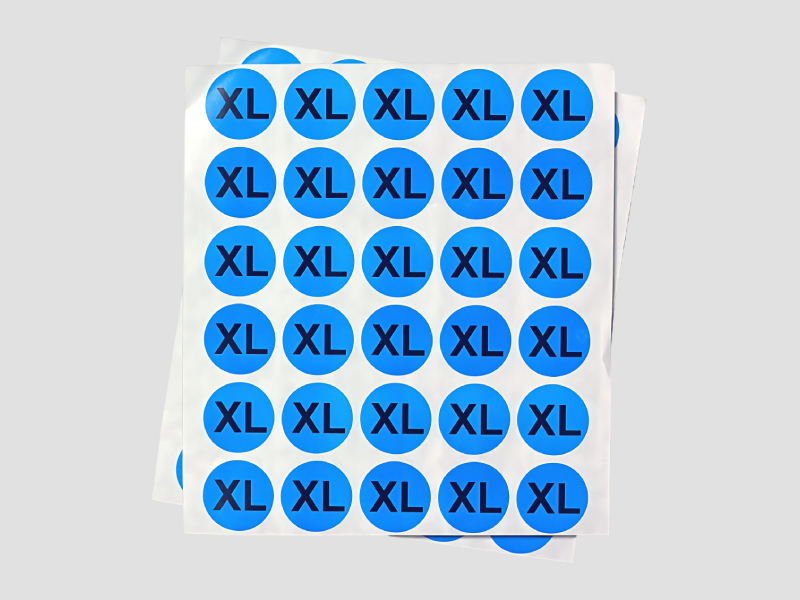
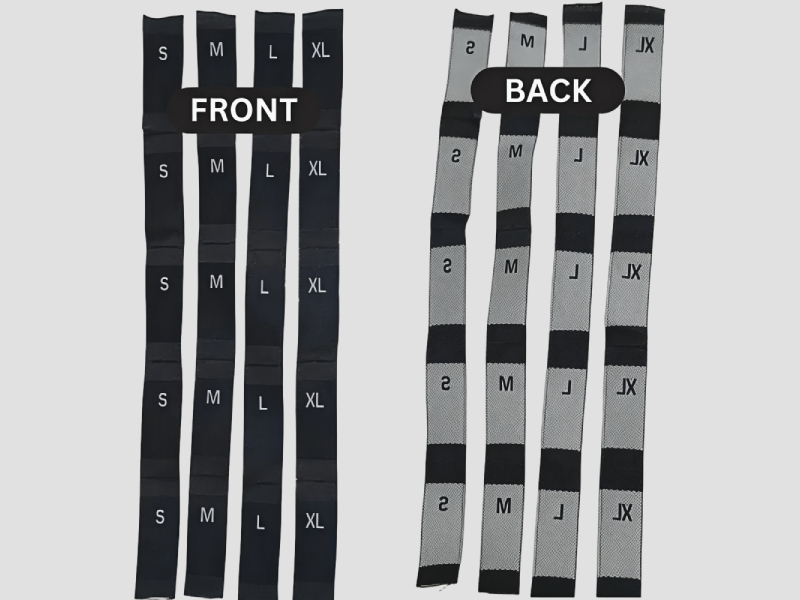
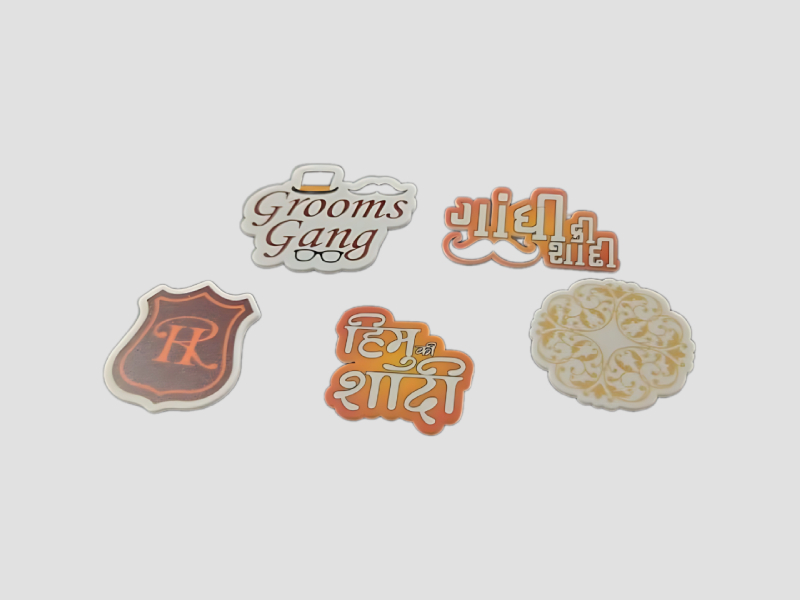
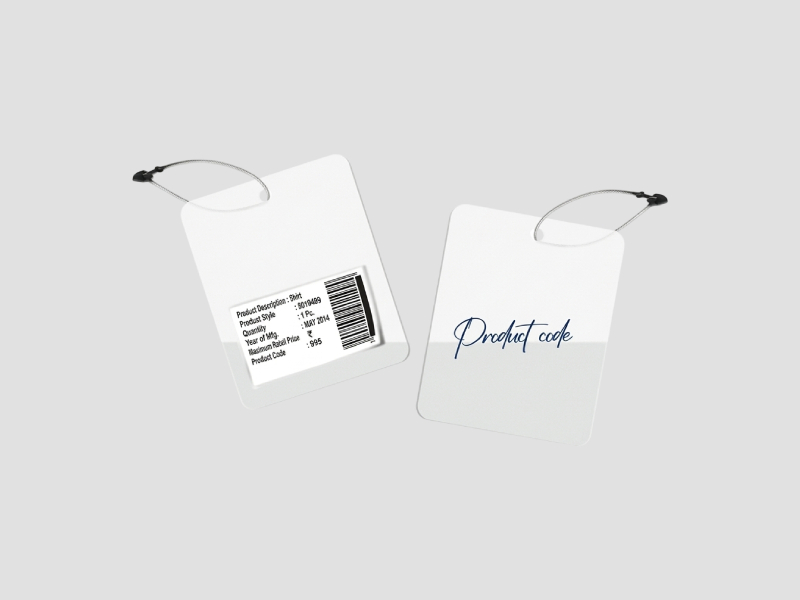
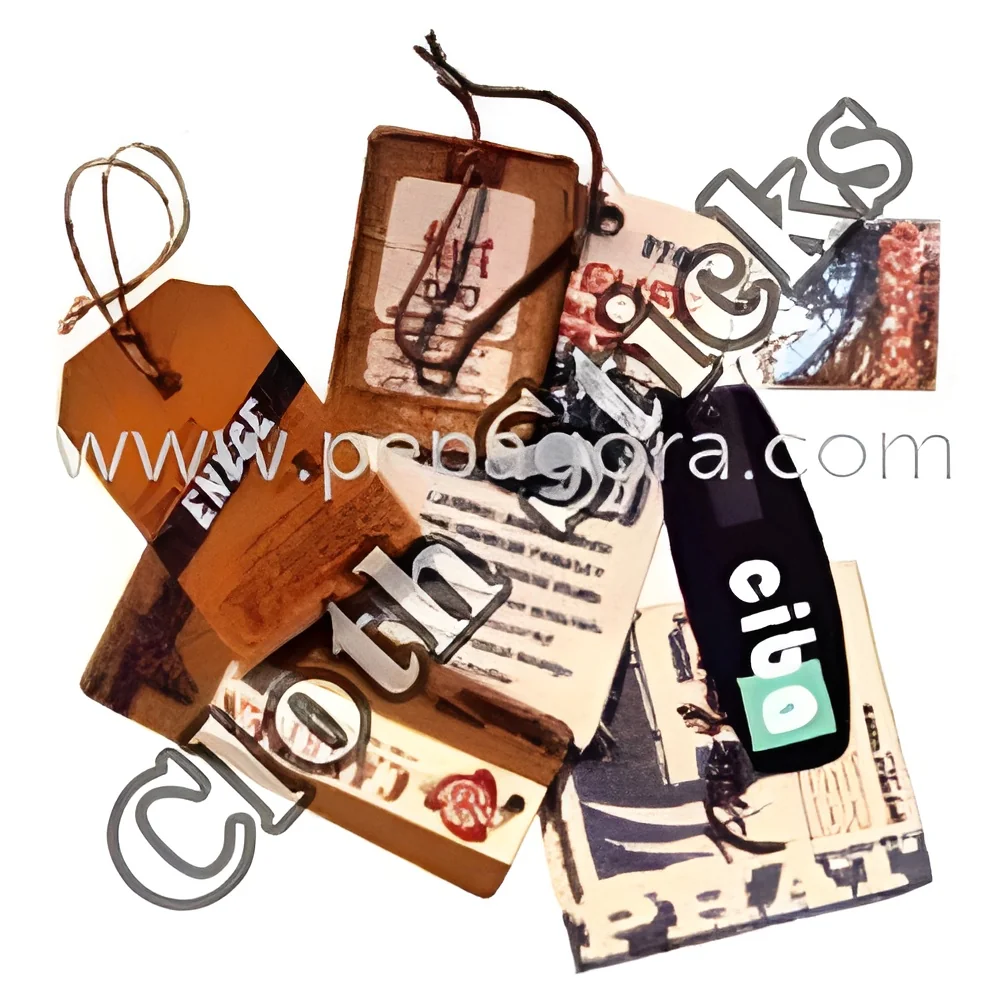
𝗪𝗵𝗮𝘁 𝗮𝗿𝗲 𝗕𝗿𝗮𝗻𝗱𝗶𝗻𝗴 & 𝗣𝗮𝗰𝗸𝗮𝗴𝗶𝗻𝗴 𝗳𝗼𝗿 𝗔𝗽𝗽𝗮𝗿𝗲𝗹?
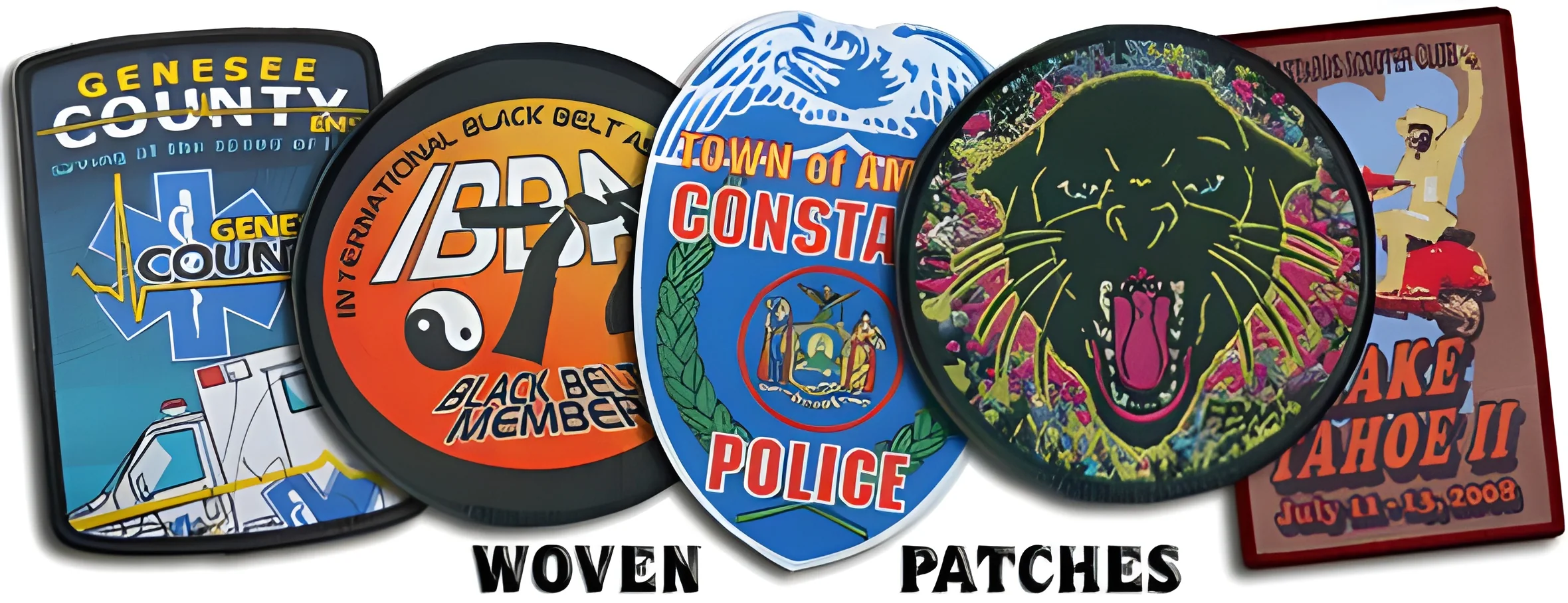
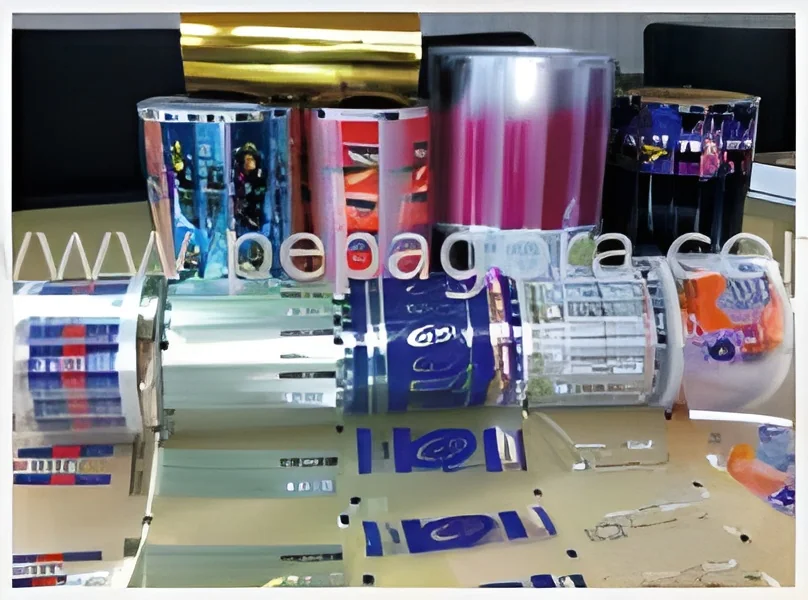
Branding and packaging for apparel refer to the strategies and materials used to identify and promote clothing products. This involves creating a distinct visual identity, including logos, colors, and typography, as well as the physical packaging that protects and presents the apparel. Effective branding helps communicate the brand’s values and story, while packaging plays a key role in attracting customers and ensuring product integrity.
The primary uses of branding and packaging in the apparel industry include enhancing product visibility, establishing brand loyalty, and providing essential information to consumers. Businesses leverage these elements for marketing, distribution, and sales, ensuring that their products stand out in a competitive market. With the rise of e-commerce, the role of packaging has evolved, focusing not just on aesthetics but also on functionality and sustainability.
In the current market context, branding and packaging have become critical for differentiation in a crowded marketplace. Consumers increasingly seek products that resonate with their values, such as sustainability and ethical production. Therefore, businesses must adapt their branding and packaging strategies to meet these expectations while maintaining quality and compliance with industry standards.
𝗞𝗲𝘆 𝗙𝗲𝗮𝘁𝘂𝗿𝗲𝘀 𝗮𝗻𝗱 𝗦𝗽𝗲𝗰𝗶𝗳𝗶𝗰𝗮𝘁𝗶𝗼𝗻𝘀
Branding and packaging for apparel encompass various features that enhance product appeal and functionality. These specifications ensure that the products meet industry standards and customer expectations.
Key specifications include:
1. Material Quality
- High-quality materials are essential for durability and aesthetics.
- Options include recycled paper, biodegradable plastics, and more.
2. Customization Options
- Brands can customize designs to align with their identity.
- Features may include unique shapes, sizes, and finishes.
3. Size and Dimensions
- Packaging must accommodate various apparel items effectively.
- Standard sizes may vary based on product type and brand requirements.
4. Printing Techniques
- High-resolution printing ensures vibrant branding.
- Techniques include digital, offset, and screen printing.
5. Sustainability Features
- Packaging made from eco-friendly materials supports brand values.
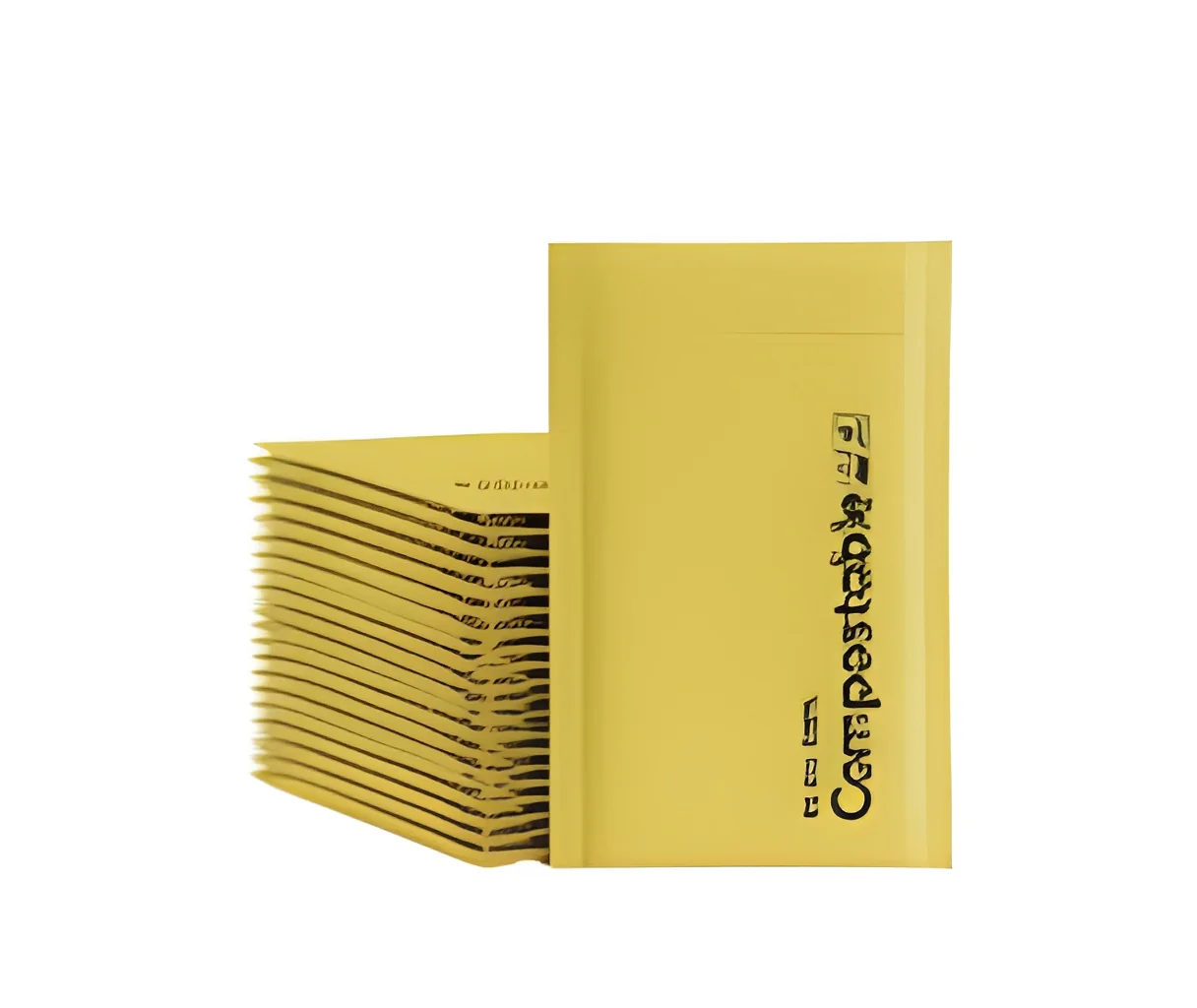
- Options for recyclable and compostable packaging are available.
6. Security Features
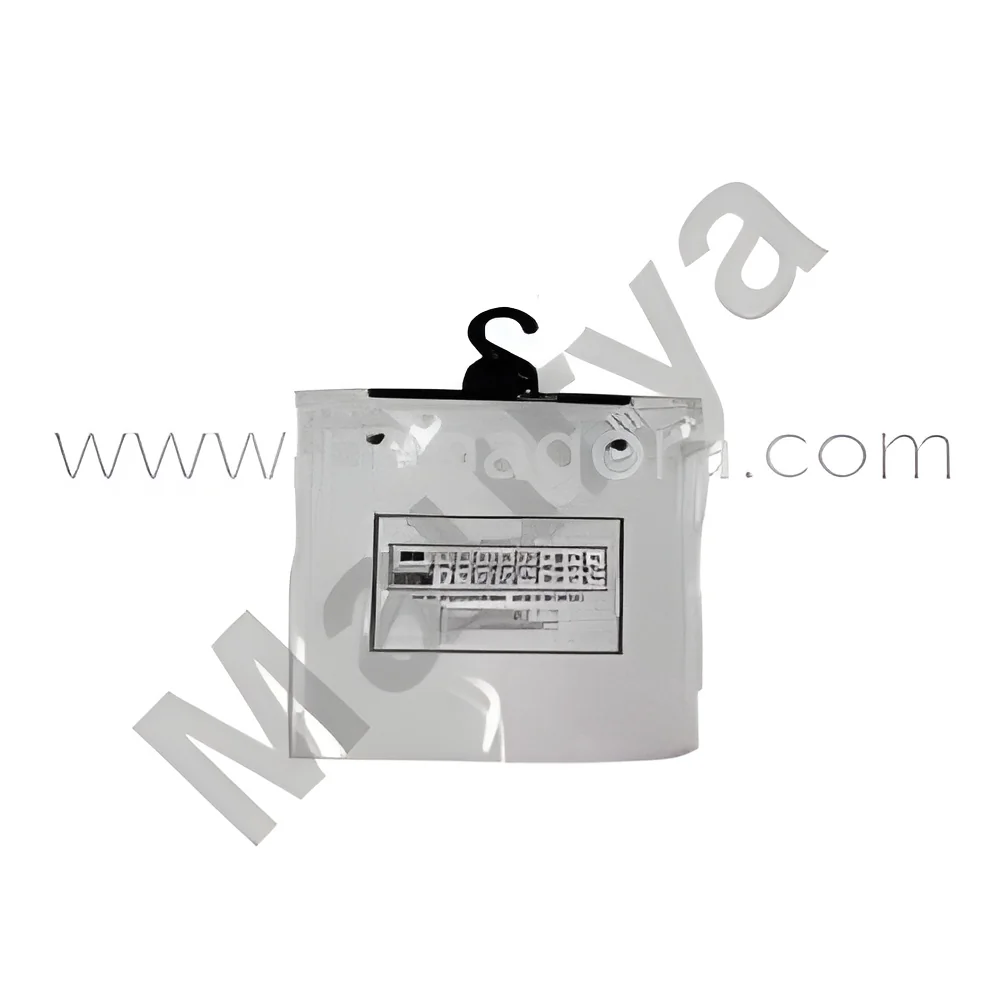
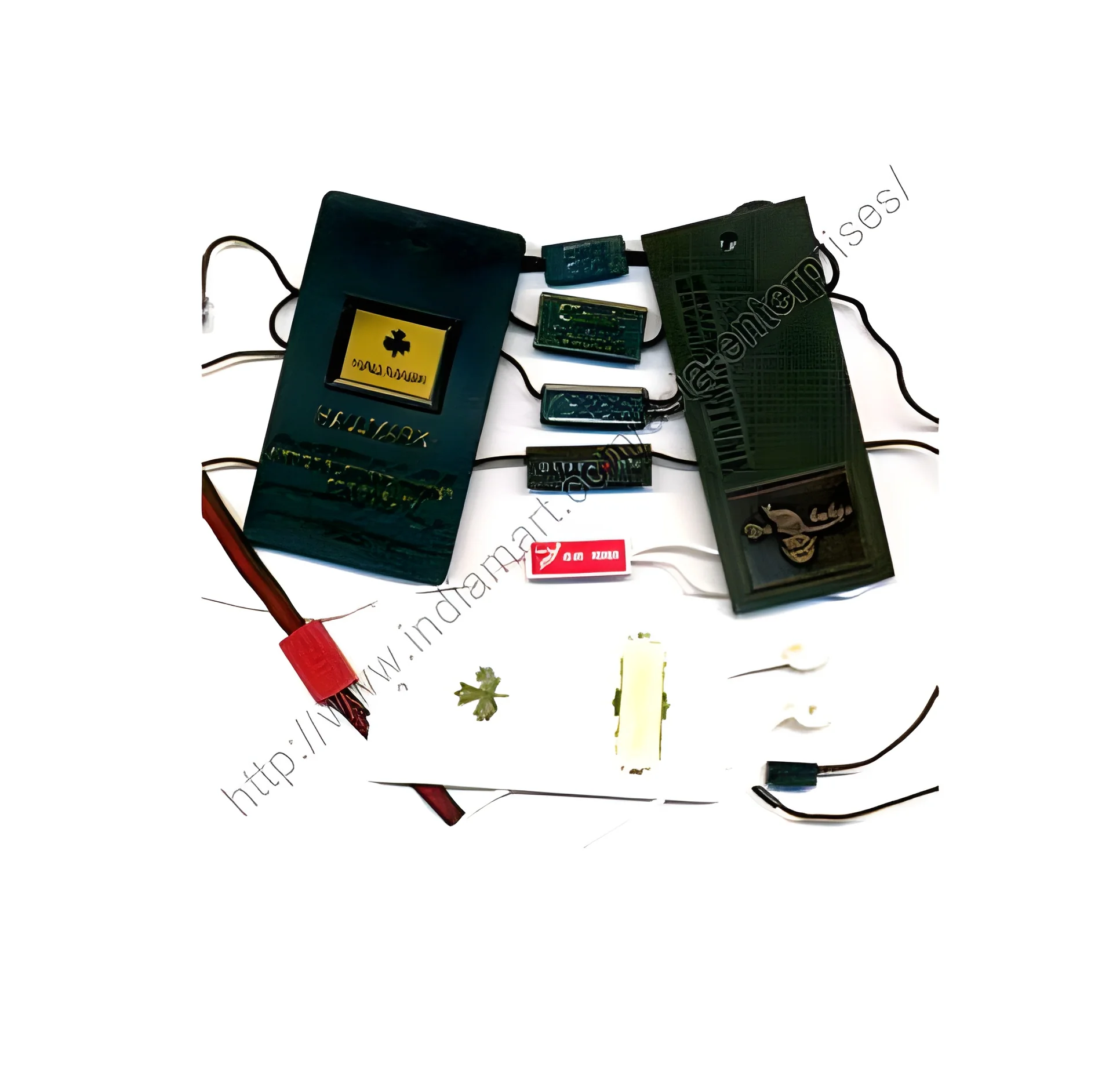
- Tamper-proof seals and security tags protect products.
- These features enhance consumer trust and product integrity.
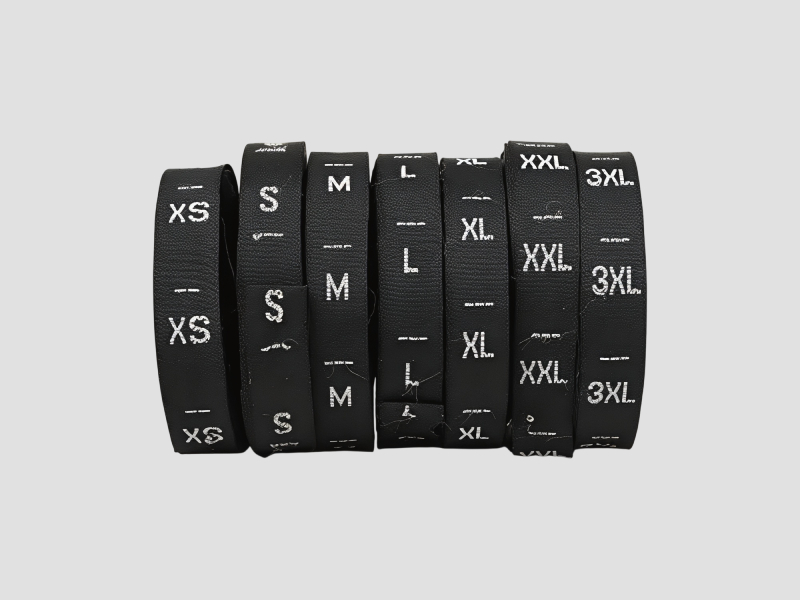
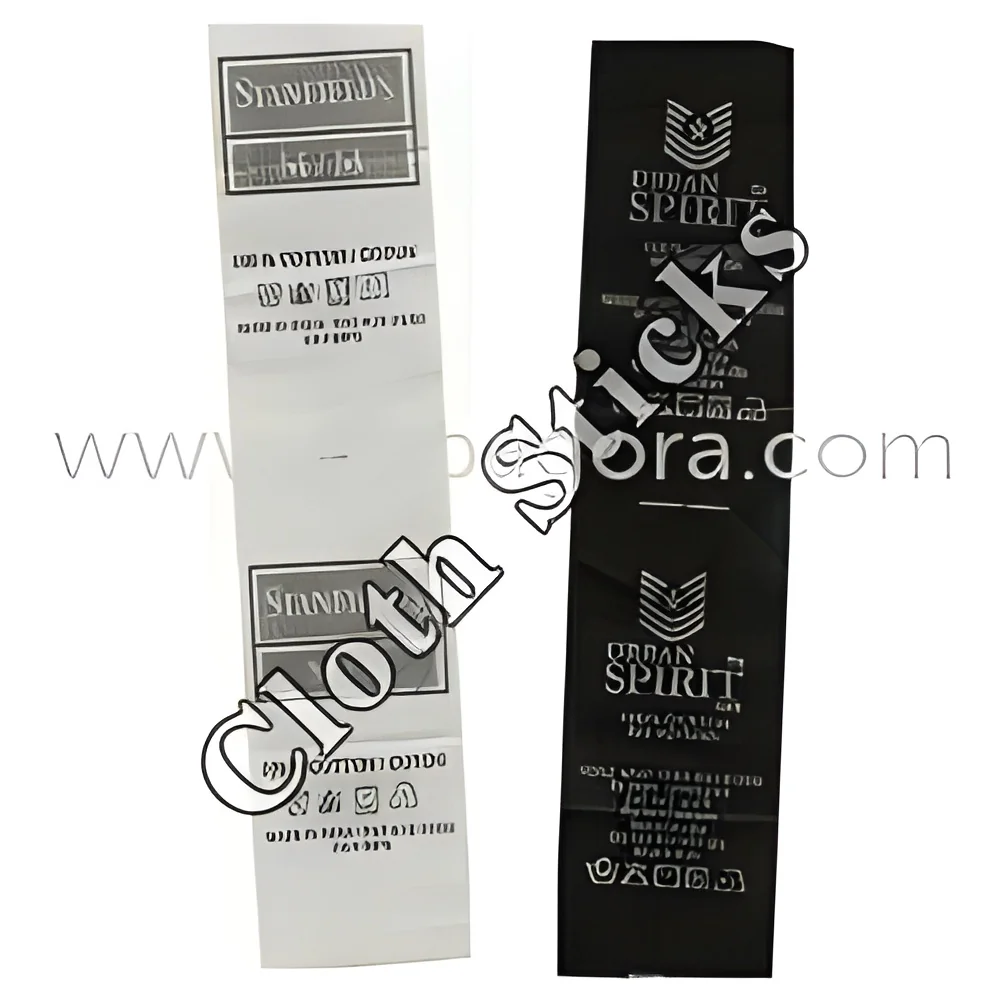
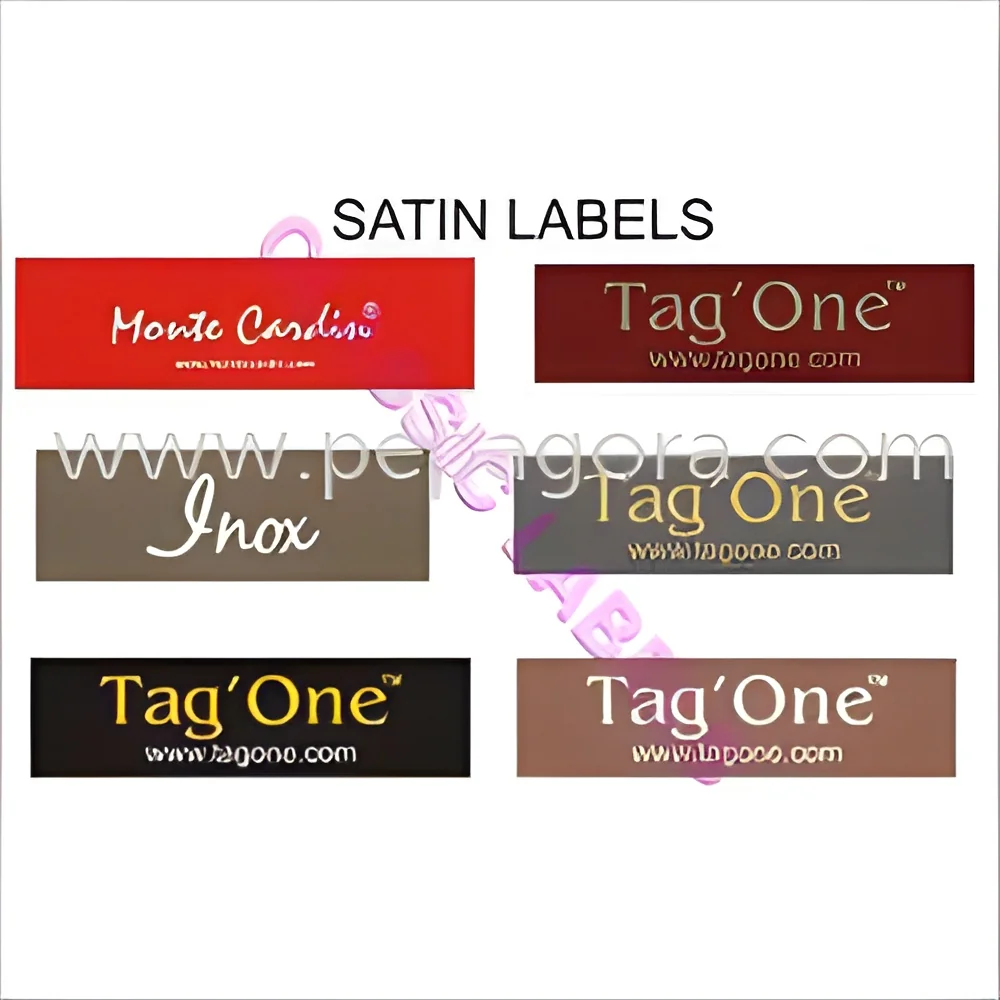
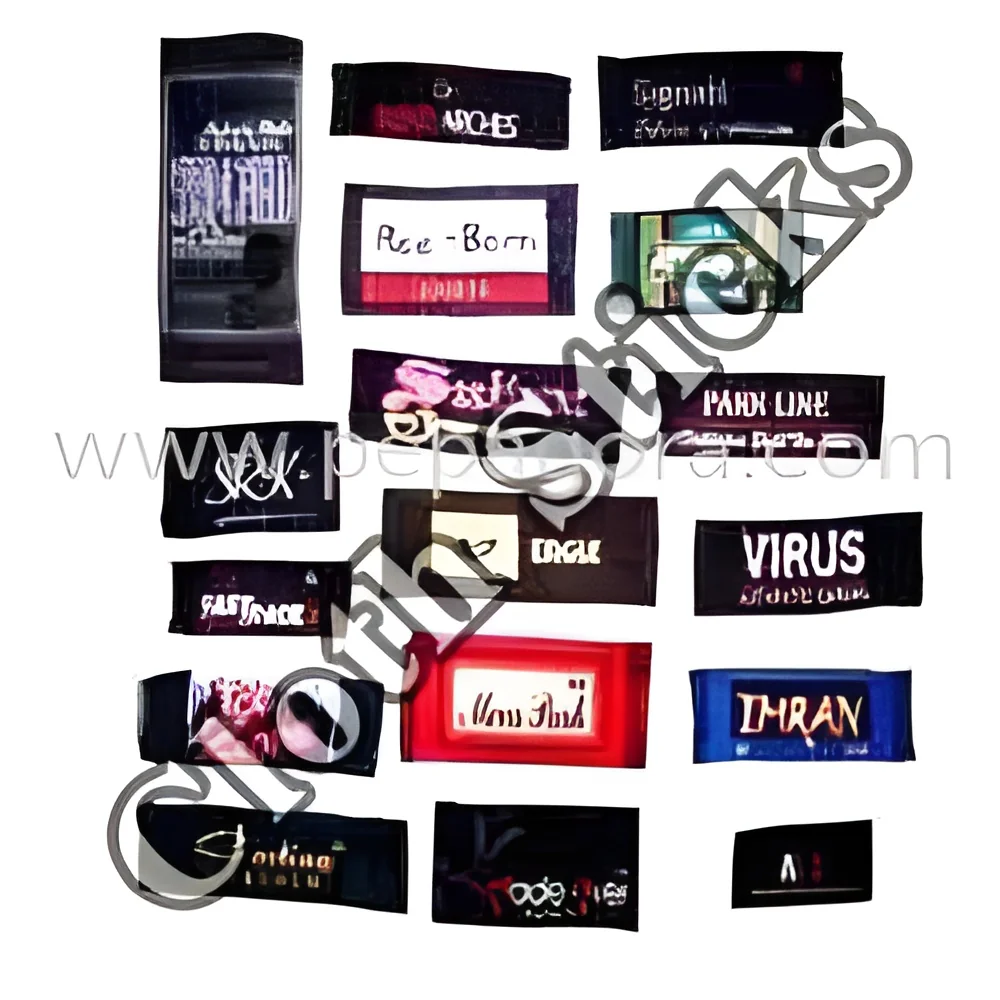
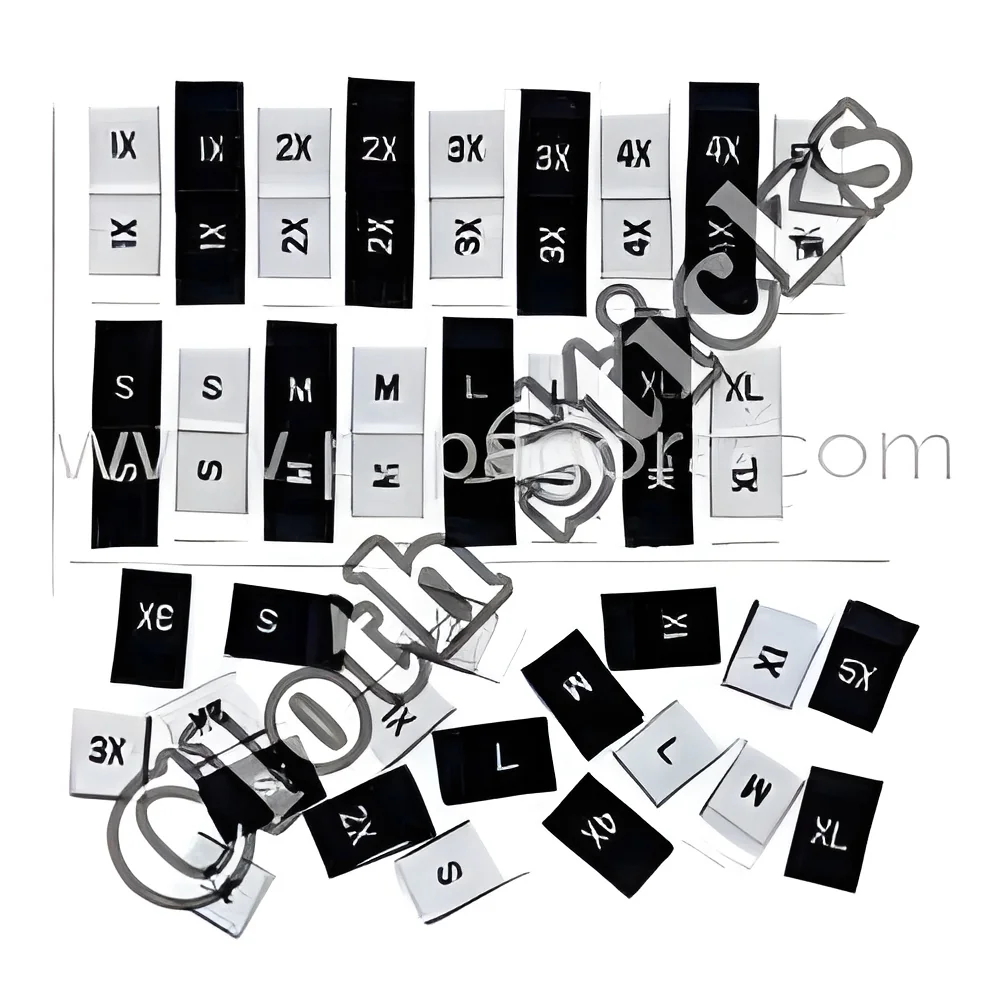
7. Labeling Requirements
- Labels must contain necessary product information.
- Compliance with regional regulations is essential.
8. Production Lead Times
- Quick turnaround times are crucial for inventory management.
- Manufacturing timelines can vary based on complexity.
In summary, understanding these specifications is vital for businesses to choose the right branding and packaging solutions that align with their goals and market needs.
𝗖𝗼𝗺𝗺𝗼𝗻 𝗔𝗽𝗽𝗹𝗶𝗰𝗮𝘁𝗶𝗼𝗻𝘀 𝗮𝗻𝗱 𝗨𝘀𝗲 𝗖𝗮𝘀𝗲𝘀
Branding and packaging for apparel serve a wide range of industries, enhancing product presentation and consumer engagement.
1. Retail Apparel: In retail, branding and packaging attract customers and influence purchasing decisions. Effective designs can create a strong first impression.
2. E-commerce: For online sales, packaging ensures products arrive safely while also providing a memorable unboxing experience. This can lead to repeat customers.
3. Fashion Industry: Designers utilize branding to communicate their unique style and vision. Tailored packaging can enhance the perceived value of high-end apparel.
4. Sportswear: Branding in sportswear focuses on performance and lifestyle. Packaging may include features that highlight functionality and durability.
5. Eco-Friendly Brands: Companies focusing on sustainability rely on eco-conscious branding and packaging to attract environmentally aware consumers.
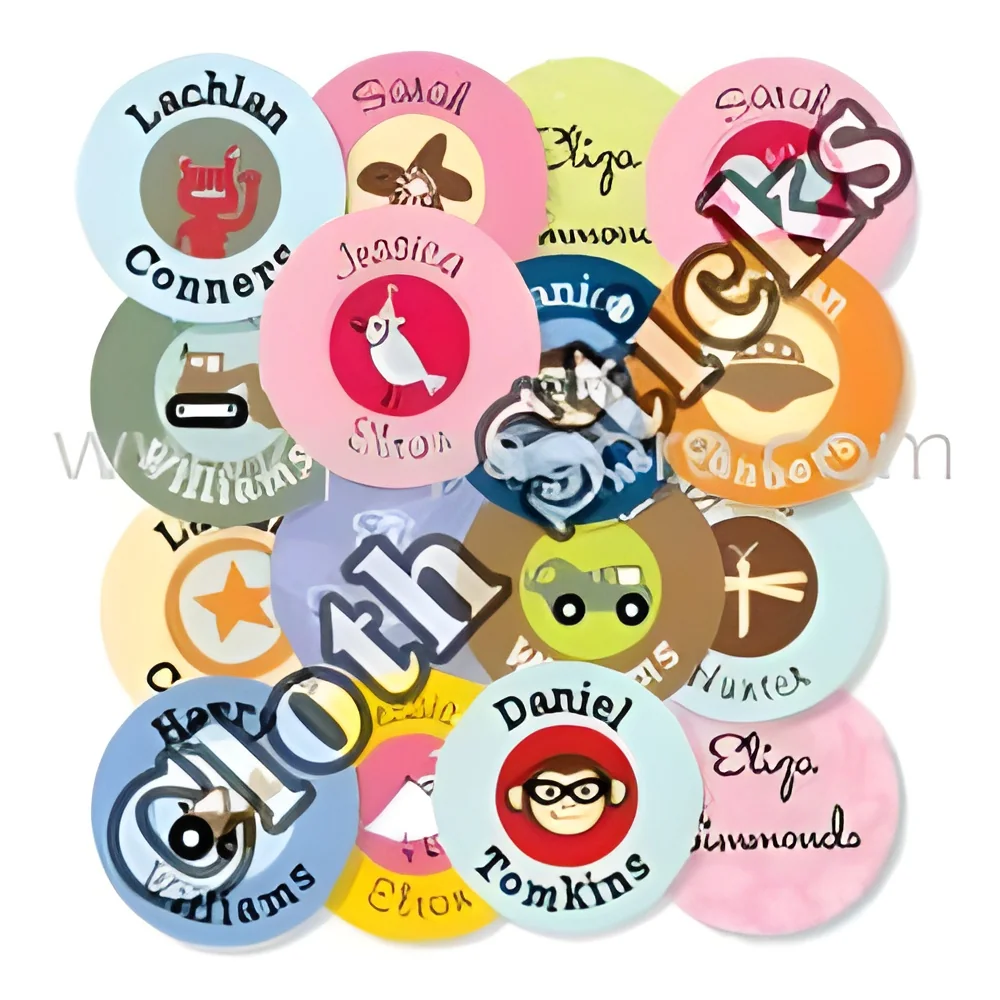
6. Children's Clothing: Bright, playful packaging can appeal to both children and parents, enhancing the overall shopping experience.
7. Luxury Goods: High-end brands use premium materials and intricate designs to convey exclusivity and quality through their packaging.
𝗣𝗿𝗼𝗱𝘂𝗰𝘁 𝗩𝗮𝗿𝗶𝗮𝗻𝘁𝘀 𝗮𝗻𝗱 𝗦𝘂𝗯𝗰𝗮𝘁𝗲𝗴𝗼𝗿𝗶𝗲𝘀
Branding and packaging for apparel offer diverse options to meet various business needs. Each variant caters to specific market segments and branding strategies.
Standard Packaging
This variant includes basic packaging solutions that are cost-effective and functional, suitable for mass-market apparel brands looking for efficiency.
Custom Packaging Solutions
Customized packaging options allow brands to create unique designs that reflect their identity, enhancing customer connection and loyalty.
Sustainable Packaging
Focusing on eco-friendly materials, this variant targets brands that prioritize sustainability, appealing to environmentally-conscious consumers.
Luxury Packaging
Luxury packaging features high-quality materials and sophisticated designs, ideal for premium apparel brands aiming to create a lasting impression.
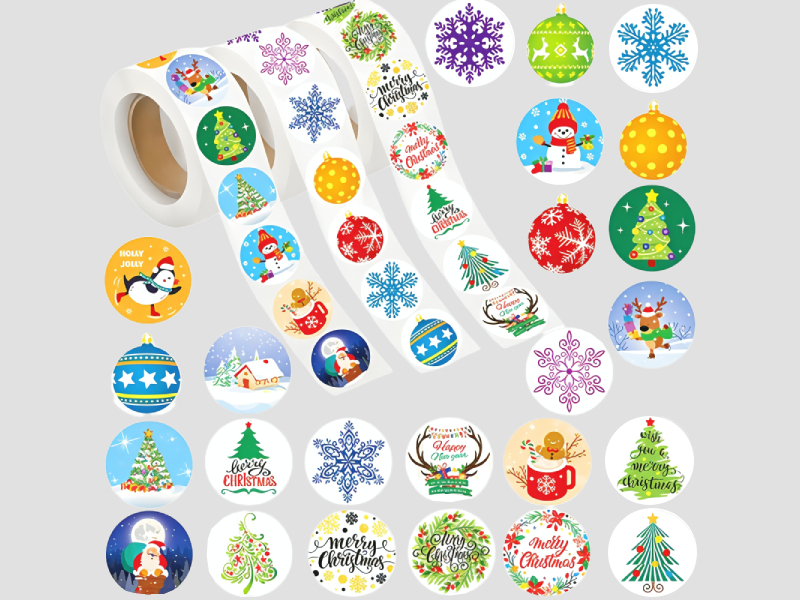
Seasonal Packaging
Seasonal variants allow brands to tailor their packaging for holidays or special events, creating excitement and relevance during peak shopping times.
𝗕𝗲𝗻𝗲𝗳𝗶𝘁𝘀 𝗮𝗻𝗱 𝗔𝗱𝘃𝗮𝗻𝘁𝗮𝗴𝗲𝘀
Investing in branding and packaging for apparel provides numerous advantages for businesses looking to enhance their market presence.
Key benefits include:
1. Brand Recognition: Effective branding helps create a recognizable identity, making it easier for consumers to recall and choose your products.
2. Consumer Trust: Quality packaging enhances perceived value and builds trust with consumers, assuring them of the product’s quality.
3. Enhanced Marketing: Attractive packaging serves as a marketing tool, drawing attention and encouraging impulse purchases in retail environments.
4. Product Protection: Durable packaging ensures that apparel items remain undamaged during transport and storage, minimizing return rates.
5. Eco-Friendly Appeal: Sustainable packaging options attract environmentally-conscious consumers, aligning with modern market trends.
6. Differentiation: Unique branding and packaging set your products apart from competitors, fostering a distinct market position.
𝗕𝘂𝘆𝗶𝗻𝗴 𝗚𝘂𝗶𝗱𝗲 𝗳𝗼𝗿 𝗕𝟮𝗕 𝗕𝘂𝘆𝗲𝗿𝘀
When sourcing branding and packaging for apparel, businesses should consider several essential factors to make informed decisions.
1. Quality Assessment: Evaluate materials and construction to ensure they meet industry standards. High-quality branding and packaging reflect positively on the brand.
2. Supplier Verification: Vet suppliers for reliability and quality of products. Check for certifications and customer reviews to ensure credibility.
3. Pricing and MOQ: Understand pricing structures and minimum order quantities to align with budgetary constraints and production needs.
4. Delivery and Lead Times: Confirm logistics and expected delivery times to ensure timely availability of products. This is crucial for inventory management.
5. Compliance Requirements: Be aware of any regulatory requirements related to labeling and materials. Compliance with local and international standards is essential.
𝗖𝗼𝗺𝗽𝗹𝗶𝗮𝗻𝗰𝗲 𝗮𝗻𝗱 𝗖𝗲𝗿𝘁𝗶𝗳𝗶𝗰𝗮𝘁𝗶𝗼𝗻𝘀
Compliance with industry standards and certifications is critical in branding and packaging for apparel. Key quality standards include ISO 9001, which focuses on quality management systems, ensuring consistent quality in products. HACCP guidelines may apply to certain packaging materials, particularly those in direct contact with food or related products.
Additionally, CE certification indicates that a product meets European health and safety requirements, enhancing marketability in the EU. Safety and testing requirements ensure that packaging materials do not pose risks to consumers, addressing potential health concerns.
Regional compliance considerations are also essential. Different markets may have unique labeling and packaging regulations. Understanding these requirements helps avoid legal issues and enhances product acceptance in various regions.
𝗪𝗵𝘆 𝗦𝗼𝘂𝗿𝗰𝗲 𝗕𝗿𝗮𝗻𝗱𝗶𝗻𝗴 & 𝗣𝗮𝗰𝗸𝗮𝗴𝗶𝗻𝗴 𝗳𝗼𝗿 𝗔𝗽𝗽𝗮𝗿𝗲𝗹 𝗳𝗿𝗼𝗺 𝗣𝗲𝗽𝗮𝗴𝗼𝗿𝗮?
Pepagora provides a trusted platform for sourcing branding and packaging for apparel, offering numerous advantages to businesses.
Verified Supplier Network: Pepagora features a network of verified suppliers, ensuring that buyers can access high-quality products from reputable sources. This network enhances trust and reliability in the sourcing process.
Streamlined RFQ Process: The platform simplifies the request for quotation (RFQ) process, allowing businesses to receive competitive pricing and options efficiently. This saves time and resources for B2B buyers.
Trade Assurance and Support: Pepagora offers trade assurance and support, protecting buyers from potential risks. This includes assistance with disputes and ensuring that products meet buyer specifications.
Regional Coverage: With a focus on geographic reach in India, the GCC, and Southeast Asia, Pepagora connects businesses with suppliers across key markets, facilitating easier access to diverse branding and packaging solutions.
By choosing Pepagora, businesses can confidently navigate the complexities of sourcing branding and packaging for apparel, ensuring they meet their operational needs while enhancing their market presence.

 IN
IN