What are Private Label Brand Development?
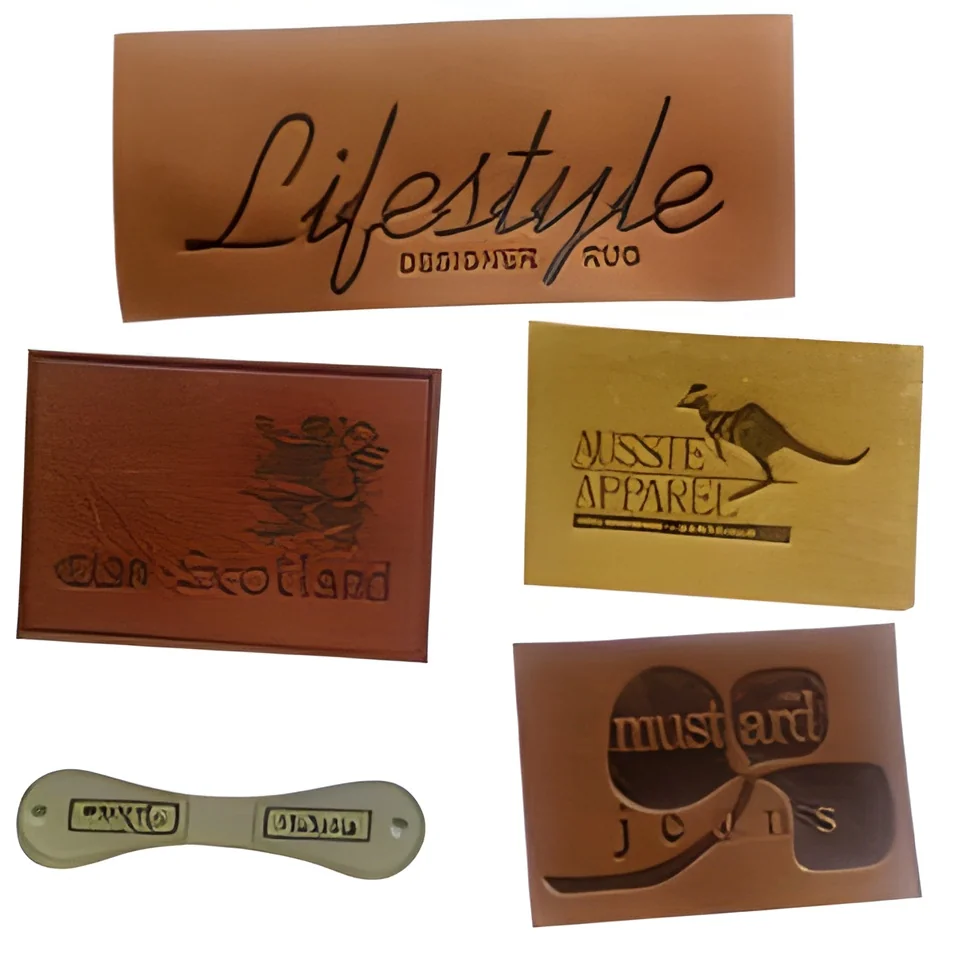
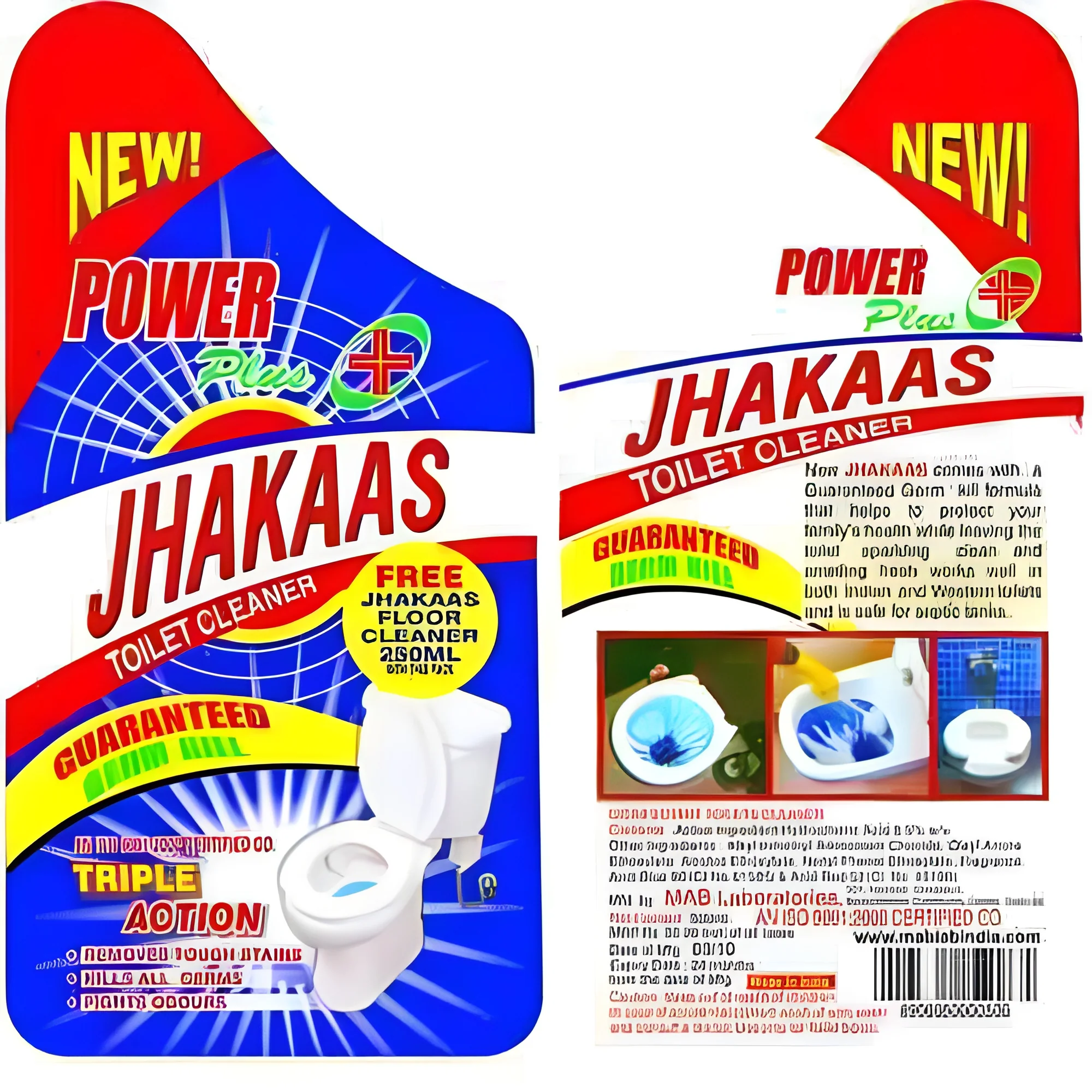
Private label brand development refers to the process of creating products that are manufactured by one company but branded and marketed under another company's name. This approach allows businesses to offer unique products without the need for extensive manufacturing capabilities. Private label brands are often associated with retailers who want to establish their identity in a crowded market, providing distinctive offerings that can lead to increased customer loyalty and higher profit margins.
The primary applications of private label brand development include consumer goods, food products, health and beauty items, and industrial supplies. Businesses leverage this strategy to differentiate themselves from competitors, allowing them to tailor products to specific customer needs and preferences. This approach has gained traction in various sectors, particularly in retail, where companies aim to enhance their brand value and customer experience.
Within the current market context, private label brands have seen significant growth, driven by changing consumer preferences and the increasing demand for personalized products. As businesses seek to adapt to these trends, private label brand development has become a valuable strategy for achieving competitive advantage.
Key Features and Specifications
Private label brand development encompasses several key features that make it an attractive option for businesses looking to expand their product offerings. These features include the ability to customize products, control over branding, and flexible pricing strategies.
Key specifications include:
1. Product Customization
- Tailoring products to meet specific consumer demands
- Options for formulations, designs, and packaging
2. Branding Control
- Complete authority over brand identity and messaging
- Ability to differentiate products in the marketplace
3. Cost Efficiency
- Potential for higher profit margins compared to national brands
- Reduced marketing costs through targeted strategies
4. Market Responsiveness
- Quick adaptation to market trends and consumer feedback
- Ability to launch new products faster than traditional brands
5. Quality Assurance
- Focus on maintaining high-quality standards in production
- Implementation of quality control measures
6. Distribution Flexibility
- Options for exclusive distribution agreements
- Ability to target niche markets effectively
7. Supplier Relationships
- Building strong partnerships with manufacturers
- Negotiation of favorable terms and conditions
In summary, private label brand development offers numerous features that enable businesses to create competitive and custom products tailored to market demands.
Common Applications and Use Cases
Private label brand development serves a wide range of industries, providing tailored solutions that meet specific needs.
1. Retail: Retailers often use private label brands to create unique product lines that enhance store identity and customer loyalty. These brands allow retailers to offer exclusive products that cannot be found elsewhere.
2. Food and Beverage: Private label products in this sector can range from packaged snacks to gourmet sauces. Retailers can cater to health-conscious consumers by offering organic or specialty items under their brand.
3. Health and Beauty: In this industry, private label brands can provide a variety of personal care products, such as skincare and cosmetics, allowing businesses to compete with established brands while maintaining quality.
4. Industrial Supplies: Companies in manufacturing and construction may develop private label tools and equipment, providing specialized products that meet industry standards and customer needs.
5. E-commerce: Online platforms utilize private label brands to create unique product offerings that attract niche audiences, enhancing their market presence.
6. Home Goods: Retailers can develop private label lines for home essentials, such as kitchenware or bedding, providing customers with quality products at competitive prices.
7. Clothing and Accessories: Fashion retailers may introduce private label clothing lines that reflect current trends while maintaining affordability, allowing for better margins.
Product Variants and Subcategories
While specific subcategories are not available, private label brand development can encompass a variety of product variants tailored to different market segments.
Variant 1: Organic Food Products
This type of variant focuses on creating private label organic food items, such as snacks or beverages. These products cater to health-conscious consumers who seek high-quality, natural ingredients.
Variant 2: Eco-Friendly Cleaning Supplies
This variant includes cleaning products made from sustainable materials. These items appeal to environmentally aware customers looking for effective yet safe cleaning solutions.
Variant 3: Specialty Cosmetics
This variant includes a range of beauty products that target specific skin types or concerns. These offerings may include vegan or cruelty-free options, aligning with contemporary consumer values.
Benefits and Advantages
Private label brand development offers numerous advantages for businesses seeking to enhance their market position.
Key benefits include:
1. Enhanced Profit Margins: Private label products typically yield higher profit margins compared to selling established brands, allowing businesses to maximize revenue.
2. Brand Differentiation: Developing a private label brand enables businesses to stand out in a competitive market, fostering customer loyalty and brand recognition.
3. Increased Control: Companies have complete control over product quality, pricing, and marketing strategies, allowing for tailored approaches that meet customer demands.
4. Flexible Marketing Strategies: Businesses can implement targeted marketing campaigns that resonate with their specific audience, enhancing customer engagement.
5. Opportunity for Innovation: Private label brand development encourages businesses to innovate and respond to emerging trends, providing a competitive advantage.
6. Reduced Dependence on National Brands: By creating their own brands, companies can reduce reliance on national brands, mitigating risks associated with market fluctuations.
Buying Guide for B2B Buyers
When sourcing private label brand development, businesses should consider several key factors to ensure they make informed decisions.
1. Quality Assessment: Evaluate the quality of products by reviewing samples and certifications. High-quality standards should be a priority to meet market expectations.
2. Supplier Verification: Conduct thorough background checks on potential suppliers to ensure reliability and capability in delivering quality products.
3. Pricing and MOQ: Consider the pricing structure and minimum order quantities (MOQ) to ensure that the investment aligns with the budget and sales projections.
4. Delivery and Lead Times: Assess the logistics involved in the supply chain, including delivery schedules and lead times, to ensure timely product availability.
5. Compliance Requirements: Understand any regulatory and compliance needs related to private label products, including labeling standards and safety regulations.
Compliance and Certifications
Compliance and certifications play a crucial role in private label brand development, ensuring that products meet industry standards and regulations.
Relevant quality standards include ISO 9001, which focuses on quality management systems, and HACCP, which addresses food safety management. Compliance with these standards helps businesses maintain high-quality products that meet consumer expectations.
Industry certifications such as CE indicate that products meet European safety standards. This certification is essential for businesses looking to enter European markets, ensuring that products are safe for consumer use.
Additionally, safety and testing requirements must be adhered to, particularly in industries like food and cosmetics where consumer health is paramount. Companies must ensure their products comply with regional regulations, which can vary by market.
Why Source Private Label Brand Development from Pepagora?
Pepagora provides a trusted platform for sourcing private label brand development, offering several key advantages that benefit B2B buyers.
Verified Supplier Network: Pepagora boasts a comprehensive network of verified suppliers, ensuring that businesses can connect with reputable manufacturers. This verification process helps mitigate risks associated with sourcing.
Streamlined RFQ Process: The platform features a streamlined request for quotation (RFQ) process that simplifies the sourcing experience. Buyers can easily compare quotes and select the best options for their needs.
Trade Assurance and Support: Pepagora offers trade assurance and support to buyers, providing protection throughout the sourcing process. This support ensures that transactions are secure and that buyers have recourse in case of disputes.
Regional Coverage: With a focus on markets in India, the Gulf Cooperation Council (GCC), and Southeast Asia, Pepagora provides broad geographic reach. This coverage allows businesses to tap into diverse markets and access a wide range of products.
In conclusion, Pepagora serves as a valuable partner for businesses looking to develop private label brands, offering a blend of quality, support, and market access.

 IN
IN